创造性破坏

Search documents
2025年诺贝尔经济学奖,藏着AI时代普通人赚钱的密码
混沌学园· 2025-10-15 12:03
Core Viewpoint - The 2025 Nobel Prize in Economic Sciences was awarded to economists Joel Mokyr, Philippe Aghion, and Peter Howitt for their contributions to the theory of innovation-driven economic growth [1][6]. Group 1: Innovation and Economic Growth - The concept of "creative destruction" is central to this year's Nobel Prize, highlighting the role of continuous technological innovation in driving economic growth [8][14]. - Creative destruction refers to the process where new technologies replace old ones, leading to dynamic imbalances that create opportunities for entrepreneurs to earn excess profits [15][16]. - The essence of economic growth is not merely the accumulation of capital and labor but the emergence of knowledge as a driving force [22][19]. Group 2: Knowledge and Innovation - Joel Mokyr's research emphasizes the deep connection between technological change and sustained economic growth, focusing on the accumulation, dissemination, and application of "useful knowledge" [19][20]. - Mokyr categorizes knowledge into two types: propositional knowledge (understanding scientific principles) and procedural knowledge (practical skills) [19][20]. - The interplay between these two types of knowledge is crucial for economic advancement, as scientific principles drive technological inventions, while technological challenges stimulate scientific breakthroughs [20][21]. Group 3: Implications for Individuals and Entrepreneurs - The principles of economic growth revealed by the Nobel laureates apply not only to macroeconomic theories but also to individual and entrepreneurial growth [24][25]. - Individuals are encouraged to engage in "creative destruction" by breaking old rules and redefining problems, rather than merely replicating existing successful models [26][27]. - Continuous innovation is essential for both personal and organizational growth, requiring a mindset that embraces risk and experimentation [40][41].


诺奖启示录:技术创新是持续性的社会变革
3 6 Ke· 2025-10-15 09:40
Group 1: Core Insights - The 2025 Nobel Prize in Economic Sciences is awarded to Joel Mokyr, Philippe Aghion, and Peter Howitt for their contributions to understanding innovation-driven economic growth [1] - Mokyr receives half of the prize for identifying prerequisites for sustained growth through technological advancement, while Aghion and Howitt share the other half for their theory on creative destruction as a means to achieve sustained growth [1] Group 2: Joel Mokyr's Contributions - Joel Mokyr is a prominent economic historian whose work is significant despite the low status of economic history in the academic hierarchy [2] - Mokyr's research focuses on the relationship between technological progress and economic growth, analyzing factors such as geography, institutions, and government [3][4] - He connects the Enlightenment with the Industrial Revolution, arguing that the former facilitated the spread of useful knowledge that led to the latter [3] Group 3: Theoretical Frameworks - Mokyr's research emphasizes the importance of creativity, institutional incentives, and diversity in fostering technological progress [3] - He explores why the Industrial Revolution did not occur in certain regions, attributing it to high transaction costs, lack of entrepreneurial spirit, and institutional repression [4] - The research expands to include the impact of culture, human capital, and interest groups on economic development [4] Group 4: Aghion and Howitt's Contributions - Aghion and Howitt are recognized for formalizing Schumpeter's concept of creative destruction, explaining how disruptive innovation drives economic growth [5] - Their work highlights the positive correlation between democratic governance and innovation success, suggesting that higher levels of democracy enhance economic growth [12] Group 5: Broader Implications - The recent Nobel Prize winners' research addresses significant issues relevant to current economic challenges, particularly in the context of the ongoing AI revolution [6] - The relationship between technological progress and macroeconomic policy is emphasized, suggesting that innovation alone cannot resolve macroeconomic issues without structural improvements [10][11] - The interplay between technology, institutions, and freedom is explored, indicating that a balance is necessary for fostering innovation [15][16]
邓正红软实力哲学:直指当代经济学的认知盲区 用数学模型包装的“创新神话”
Sou Hu Cai Jing· 2025-10-15 08:38
Core Insights - The 2025 Nobel Prize in Economic Sciences was awarded to Joel Mokyr, Philippe Aghion, and Peter Howitt for their contributions to "innovation-driven economic growth," particularly the "creative destruction" theory [1] - Professor Deng Zhenghong challenges this theory, labeling it a "Western capital-oriented fallacy" that overlooks the fundamental role of market demand [1][2] - Deng's "soft power philosophy" advocates for a development model prioritizing demand and value accumulation, contrasting sharply with the "creative destruction" narrative [2][3] Group 1: Theoretical Critique - Deng Zhenghong argues that "creative destruction" simplifies economic growth to a linear process of technological iteration, ignoring the natural laws of economic stagnation and the potential for resource waste due to innovations detached from actual demand [2][3] - The critique highlights the ideological differences behind economic theories, suggesting that the "creative destruction" model serves capital expansion rather than genuine human needs [2][4] Group 2: Alternative Development Model - Deng proposes a "soft power balanced development theory," integrating value recognition, institutional resilience, and public welfare into growth functions, as evidenced by successful case studies in China's technology and traditional sectors [3][4] - This model emphasizes the organic integration of technological evolution with societal needs, rejecting the sanctification of "destruction" [3][4] Group 3: Comparative Analysis - A comparison between the "creative destruction" theory and Deng's soft power philosophy reveals fundamental differences: the former focuses on technological disruption as a growth driver, while the latter emphasizes demand satisfaction [3][4] - The two theories also diverge in their approach to policy implications, with "creative destruction" encouraging technological competition, whereas Deng's philosophy advocates for demand-side management and soft power construction [3][4] Group 4: Practical Implications - Historical experiences indicate that purely "destructive innovation" often leads to social cost transfer, as seen in the 2008 financial crisis and recent global supply chain disruptions [5] - In contrast, China's approach to 5G technology exemplifies a dual-driven model of "technological innovation + institutional innovation," showcasing the practical application of Deng's soft power philosophy [5] Group 5: Future Perspectives - The potential fusion of these two theories could lead to a new paradigm, especially as global challenges necessitate a balance between technological efficiency and demand-driven growth [5] - This dynamic equilibrium may represent the next breakthrough in economic theory, akin to the duality observed in quantum physics [5]
两位增长理论巨匠摘诺奖,打开了技术进步的“黑盒”
Xin Jing Bao· 2025-10-15 08:25
Core Insights - The 2025 Nobel Prize in Economic Sciences was awarded to Joel Mokyr, Philippe Aghion, and Peter Howitt for their contributions to the theory of innovation-driven economic growth [1] Group 1: Historical Context - Joseph Schumpeter's concept of "creative destruction" highlights the role of entrepreneurs in disrupting market monopolies through innovation, leading to economic fluctuations and long-term growth [2] - Aghion and Howitt's first paper in 1992 utilized modern economic analysis to construct the "Schumpeterian paradigm," focusing on firm-level data to explore endogenous growth mechanisms [3] Group 2: Research Findings - Aghion and Howitt's model suggests that innovation often occurs through "step-by-step" advancements rather than complete market share replacement, emphasizing the importance of competition in driving innovation [4] - Their research identified a non-linear relationship between market competition and innovation, revealing that increased competition can initially promote innovation but may later suppress it, depending on the technological disparity among firms [4] Group 3: Policy Implications - Aghion's collaboration with Chinese scholars demonstrated that industrial policies aimed at maintaining or promoting competition significantly enhance productivity growth in competitive sectors [5] - The findings underscore the importance of effective market signals and feedback mechanisms in guiding industrial policy, particularly in fostering innovation [5] Group 4: Educational Contributions - Aghion and Howitt have made significant efforts to disseminate their academic ideas, producing textbooks that explore various aspects of endogenous growth theory and its implications for economic cycles and market structures [6] - Their works serve as valuable resources for understanding contemporary economic challenges, including globalization, climate risks, and inequality [6][7]
新晋诺得主警告:别做梦了,AI难有「经济奇点」
3 6 Ke· 2025-10-15 07:18
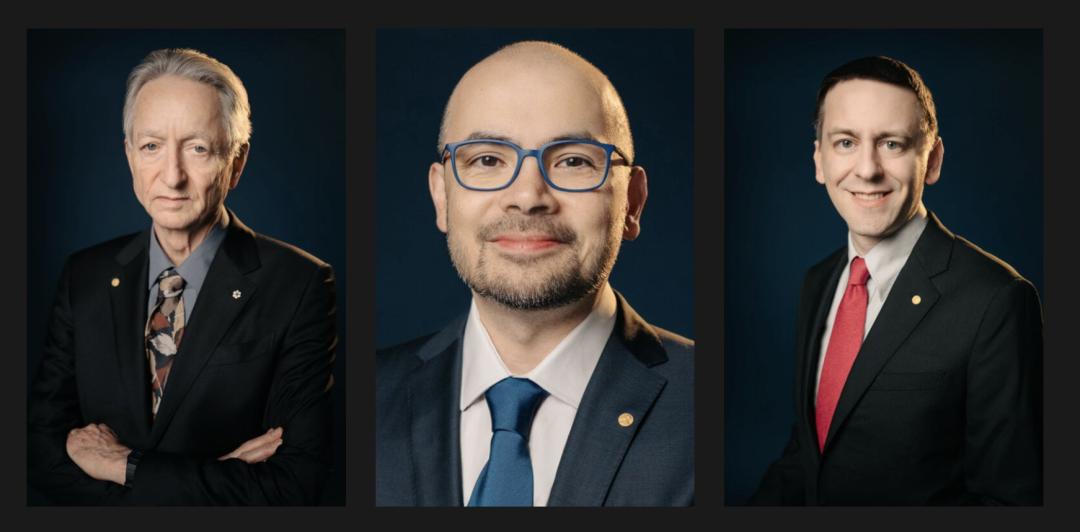
Group 1 - The 2024 Nobel Prize in Physics was awarded to Geoffrey Hinton, while the Chemistry Prize went to Demis Hassabis and John Jumper for their work on AlphaFold2, marking a significant year for AI in the Nobel context [1][2] - Michel Devoret received the Nobel Prize in Physics for his contributions to quantum hardware, which is less related to AI [3][2] - The 2023 Nobel Prize in Economic Sciences was awarded to Joel Mokyr, Philippe Aghion, and Peter Howitt for their insights on how innovation drives sustainable development [2][7] Group 2 - Philippe Aghion and Peter Howitt's work on "creative destruction" highlights the dual nature of innovation, which can lead to both the creation of new products and the obsolescence of older ones [10][11] - Their research emphasizes the need to maintain the mechanisms of creative destruction to avoid economic stagnation [16][10] - The Nobel laureates' definitions of AI touch on its potential impact on economic growth and the challenges it poses to traditional labor roles [18][19] Group 3 - Aghion and Howitt argue that AI represents the latest form of automation, which has historically been a key driver of economic growth [20][22] - They discuss the "Baumol's cost disease," which suggests that productivity gains in certain sectors do not necessarily translate to overall economic growth due to rising costs in labor-intensive industries [23][26] - The potential for AI to enhance productivity is tempered by the limitations posed by sectors that are difficult to automate, which could hinder overall economic progress [27][29] Group 4 - The discussion on post-AGI economics suggests that even with advanced AI, economic growth may still be constrained by the slow progress in certain critical tasks [31][32] - Contrasting views suggest that AI-augmented R&D could significantly boost economic growth rates, potentially doubling them if AI technologies are widely adopted [33][34] - The notion that AI could permanently enhance productivity across various fields indicates a transformative potential for future economic growth [35]
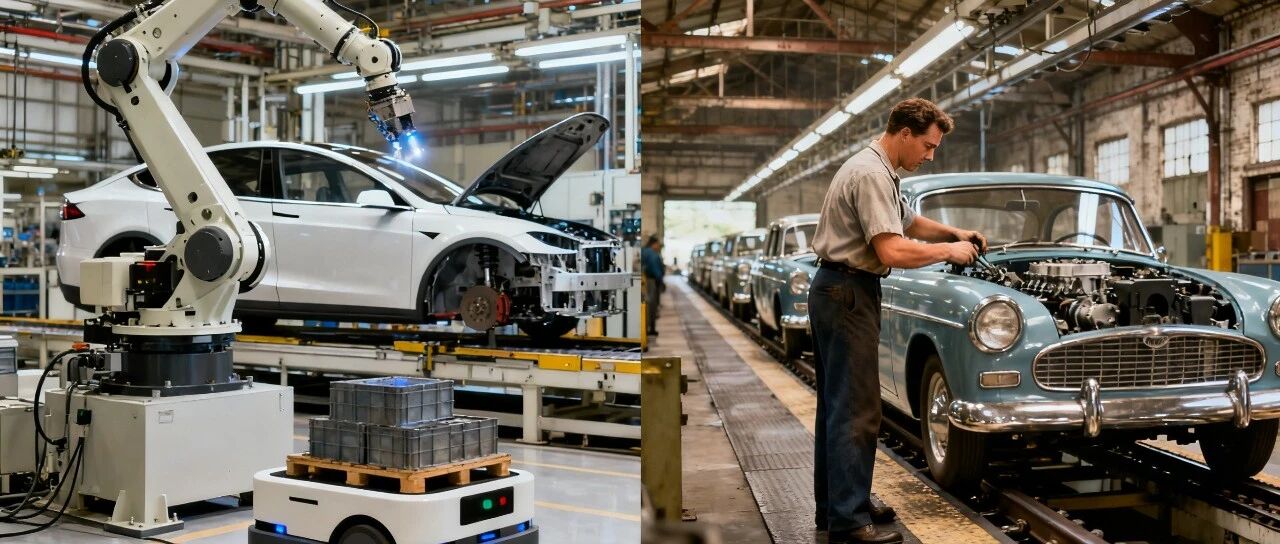
2025诺贝尔经济学奖:关于创新与淘汰的真相
首席商业评论· 2025-10-15 05:25
Core Insights - The article emphasizes that economic growth is driven by continuous innovation and the concept of "creative destruction," where old technologies and jobs are replaced by new ones, leading to a rapid transformation of society [2][3][6] - It highlights the importance of adapting to change and developing skills that are difficult to replace, suggesting that individuals should focus on integrating and transferring skills across different fields [2][3] Summary by Sections Economic Growth and Innovation - The 2025 Nobel Prize in Economic Sciences recognizes the role of innovation in driving economic growth, rather than mere hard work [2][4] - The theory of "creative destruction" illustrates how new inventions replace outdated ones, such as steam engines replacing horse-drawn carriages and digital cameras replacing film [2][6] Implications for Individuals - Individuals are encouraged to move beyond merely executing tasks to mastering the use of tools like AI to enhance productivity [2] - The article suggests that understanding the reasons behind tasks is crucial for driving change, rather than just adapting to it [2][3] Skills for the Future - The focus should shift from seeking stable jobs to acquiring skills that are less likely to be automated, specifically integration skills (understanding tools, scenarios, and human behavior) and transferability skills (ability to switch fields quickly) [2][3] - The article concludes that true stability lies in embracing new orders rather than clinging to old ones [3]
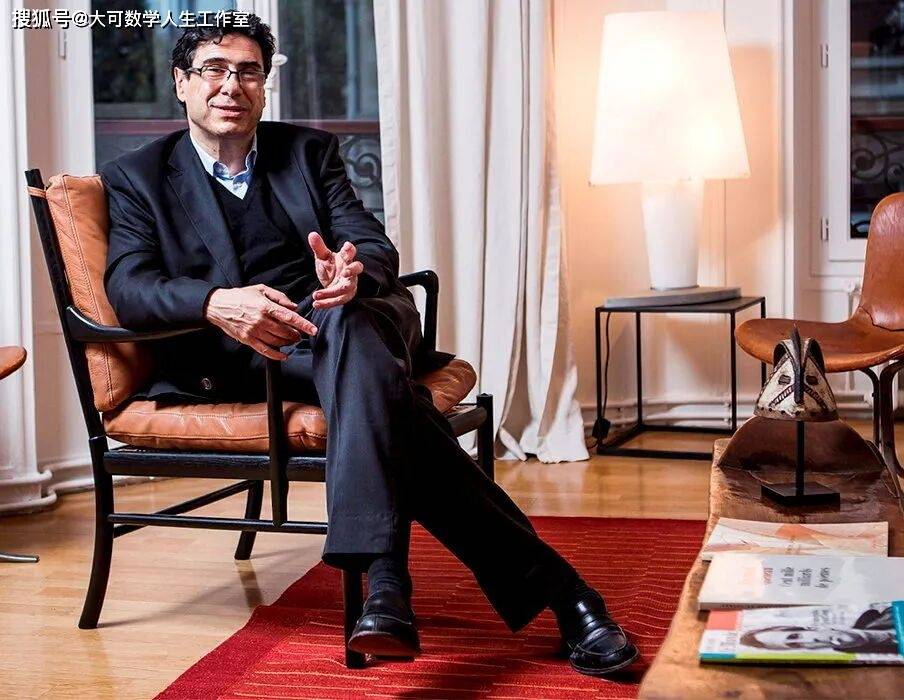
2025年诺奖得主菲利普·阿吉翁访谈
Sou Hu Cai Jing· 2025-10-15 02:54
Group 1 - The core idea of the article revolves around Philippe Aghion's optimistic perspective on "creative destruction," which he believes leads to explosive economic growth and innovation, contrasting with previous pessimistic views [6][12][16] - Aghion's model of growth through creative destruction emphasizes that innovation is a struggle against old entities, where new ideas face resistance from established interests [6][14] - The article discusses the three waves of innovation: the initial wave where foundational innovations are often overlooked, the second wave where applications begin to disrupt old industries, and the third wave where innovation leads to job creation and economic growth [14][16][28] Group 2 - Aghion argues that government should act as an investment-oriented entity, supporting innovation and addressing the challenges faced by those negatively impacted during the transition phases of innovation [16][17] - The article highlights the importance of a dynamic government that adapts to market changes and supports education and basic research to foster innovation [18][19] - Aghion's insights suggest that innovation is not solely driven by new entrants but also by existing firms that adapt and innovate in response to market changes [15][28]
21评论丨诺贝尔经济学奖:在全球经济低迷中探索内生增长动力
2 1 Shi Ji Jing Ji Bao Dao· 2025-10-15 00:08
Core Insights - The Nobel Prize in Economic Sciences 2025 was awarded to Joel Mokyr, Philippe Aghion, and Peter Howitt for their contributions to the understanding of innovation-driven economic growth [2][3] Group 1: Theoretical Contributions - Mokyr's research emphasizes the role of knowledge and institutions in long-term growth, particularly how the transformation of knowledge production and dissemination mechanisms contributed to the Industrial Revolution [5] - Aghion's core contribution is the "Schumpeterian endogenous growth model," which highlights the dual role of monopoly rents and competition in driving innovation and productivity growth [6] - Howitt's work, in collaboration with Aghion, integrates financial frictions and market structures into the endogenous growth framework, exploring the impact of credit constraints and institutional quality on innovation [7] Group 2: Practical Implications - The Nobel Committee's choice reflects the practical significance of their research, particularly in addressing productivity stagnation in developed economies through innovation-driven frameworks [9] - Aghion and Howitt's framework links innovation speed, market dynamics, and human capital directly to long-term productivity, providing actionable policy recommendations for decision-makers [9] - Their research on green innovation emphasizes the importance of price signals and R&D support in transitioning from "dirty" to "clean" technologies, relevant in the context of carbon neutrality goals [9] Group 3: Recommendations for China - The scholars advocate for enhancing competition and innovation incentives in China by lowering entry barriers in key industries and strengthening antitrust enforcement [11] - They suggest a tailored approach to policy adaptation based on proximity to technological frontiers, emphasizing competition and original R&D in leading sectors while focusing on absorption and standardization in lagging sectors [12] - The promotion of green technology transitions through carbon pricing, green credit, and government procurement is recommended to capture first-mover advantages in clean technology [12]
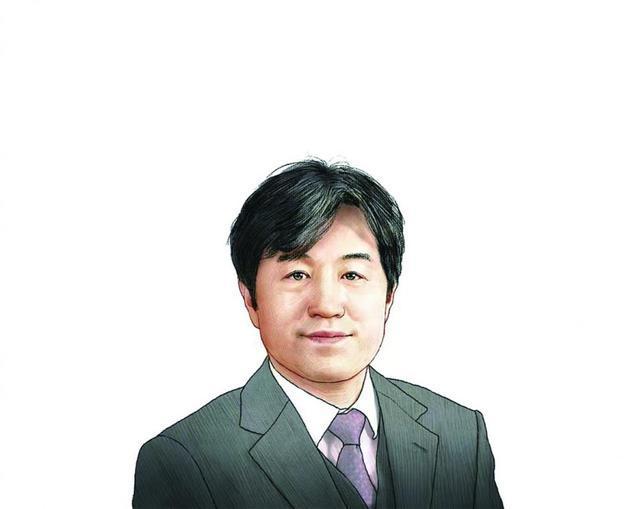
反内卷:让竞争“恰到好处”,让创新“无忧无虑”
Bei Jing Shang Bao· 2025-10-14 15:47
Group 1 - The core argument emphasizes the importance of understanding the relationship between competition, innovation, and economic growth, particularly in the context of China's current economic challenges [1][3] - The concept of "creative destruction" and the non-linear relationship between competition and innovation highlight that competition can be beneficial or detrimental depending on the economic stage and intensity of competition [1][2] - The article suggests that excessive competition can lead to a "Malthusian trap," where industries become trapped in low-quality competition and homogeneous offerings [2] Group 2 - The need for breakthrough innovations is presented as a remedy for the anxiety caused by low-quality competition, with the Nobel Prize serving as a recognition of this necessity [3] - Innovation is described as a luxury due to its stringent requirements for institutional environments, which are essential for fostering effective technological advancements [4] - The article argues that traditional industries and some emerging sectors are caught in a vicious cycle of sacrificing profits for scale, which is detrimental to long-term growth [4] Group 3 - Innovation is portrayed as a long-term strategy that creates demand through technological, knowledge, and institutional advancements, which in turn fosters new markets [5] - The article emphasizes that aligning supply and demand effectively is crucial for enhancing innovation in the current Chinese context [5] - The narrative concludes that growth should be viewed as a series of competitive challenges that connect continuous innovation efforts [5]
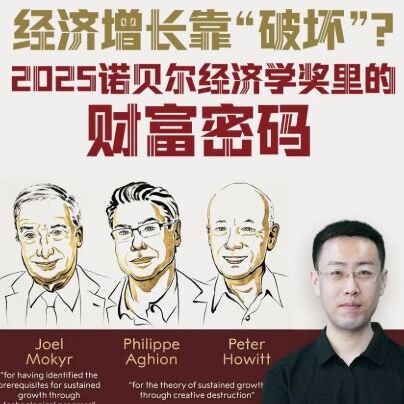
经济增长靠“破坏”?2025诺贝尔经济学奖里的财富密码
21世纪经济报道· 2025-10-14 14:34
Core Insights - The 2025 Nobel Prize in Economic Sciences was awarded to Joel Mokyr, Philippe Aghion, and Peter Howitt for their contributions to understanding how innovation drives economic growth [1][2] - Mokyr's research emphasizes the importance of "knowledge accumulation and institutional environment" in technological change, highlighting that mere technological invention is insufficient for sustained growth [1] - Aghion and Howitt focus on the mechanisms of growth, particularly the concept of "creative destruction," which illustrates how innovation can displace old products while creating new opportunities [2] Summary by Sections Mokyr's Contributions - Mokyr identifies three core elements necessary for sustained economic growth: the accumulation of "useful knowledge," an inclusive institutional environment, and a shift in cultural values [1] - He uses the example of the steam engine to demonstrate how patent systems and military demand facilitated the large-scale application of technology in Britain [1] Aghion and Howitt's Insights - Aghion and Howitt explain that "creative destruction" is essential for economic growth, as it fosters innovation while rendering outdated products obsolete [2] - They argue that both excessively high and low market concentration can hinder the innovation process, suggesting that a balance is necessary for optimal growth [2] Implications for China - The theories of the Nobel laureates resonate in China, particularly in avoiding the "middle-income trap" [2] - Recommendations for China include enhancing competition and innovation incentives, reducing entry barriers in key industries, and strengthening antitrust enforcement to prevent resource allocation to "zombie companies" [2] - A tailored policy approach is suggested, emphasizing competition and original R&D in frontier industries while focusing on technology absorption and standardization in less advanced sectors [2] Policy Directions for Sustainable Growth - The article advocates for directional policies that promote green and high-quality growth, particularly in sectors like new energy vehicles and renewable energy [3] - It suggests a collaborative approach involving carbon emission standards, carbon pricing, and subsidies to direct patents and talent towards sustainable growth paths [3]