
国潮文化

Search documents
怀柔国潮文化季启幕,三大主题活动贯穿暑假中秋国庆
Xin Jing Bao· 2025-07-13 22:51
Group 1 - The "Huairou National Trend Cultural Season" has been launched, running from July 12 to October 31, 2025, featuring various activities and discounts to attract visitors [1] - Huairou District is a popular summer tourist destination, known for its ecological attractions like Qinglongxia and Yanqi Lake, as well as the UNESCO World Heritage site, Mutianyu Great Wall [1] - The cultural season includes three main themes: National Trend Festival, National Trend Consumption Season, and Night Tour Spectacle, along with three cycling routes connecting key attractions [1] Group 2 - A plan for the integration of culture, commerce, sports, and tourism has been initiated, aiming to transform cultural tourism resources into an experiential and consumable national trend ecosystem [2] - The "Have Fortune List" will be created to select 20 quality enterprises from five dimensions: scenic spots, hotels, homestays, restaurants, and experiential spaces, to build a comprehensive national trend consumption ecosystem [2] - In addition to the cultural season, Huairou District has launched a "1+4+N" summer cultural tourism series, including 32 activities focused on water-based summer fun and various discounts for visitors [2]
新“潮”范儿 老味道(城市更新这样推进②)
Ren Min Ri Bao Hai Wai Ban· 2025-07-09 22:49
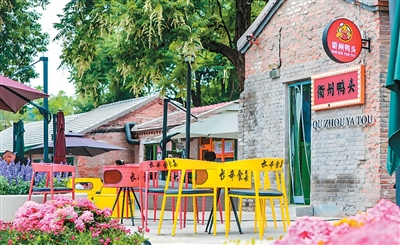
Core Viewpoint - The transformation of the Changxindian area in Beijing aims to blend traditional culture with modern trends, creating a vibrant space that attracts both locals and tourists while preserving historical elements [3][8][10]. Urban Renewal and Cultural Preservation - The urban renewal initiative in Changxindian is part of a broader government strategy to revitalize old neighborhoods while maintaining their historical character [3][8]. - The renovation plan categorizes the area into three distinctive zones: heritage essence, harmonious style, and heritage continuation, focusing on preserving the original architectural style [8][9]. - The project emphasizes "organic renewal" rather than large-scale demolition, prioritizing the retention of existing structures and the integration of new businesses [11][12]. Economic and Cultural Revitalization - The Changxindian area has introduced a variety of new businesses, including traditional restaurants and modern retail outlets, enhancing its cultural atmosphere [6][10]. - The "Changxin Food Collection" segment features traditional food vendors alongside contemporary dining options, creating a unique culinary experience [10][11]. - The area has launched initiatives like the "Changxin Fuyun Plan," attracting young entrepreneurs and artists to foster innovation and creativity [13]. Community Engagement and Experience - The transformation has encouraged community participation, with local residents and businesses actively involved in the renewal process [11][12]. - The introduction of immersive cultural experiences, such as traditional craft workshops, allows visitors to engage with heritage in a hands-on manner [12][13]. - The area has hosted numerous events, including cultural exhibitions and performances, to stimulate local economic activity and promote the Changxindian brand [13].

翡翠行业升级进行时 :千亿翡翠市场的消费秘籍
经济观察报· 2025-07-02 11:25
Core Viewpoint - The jewelry and jade industry in China is experiencing significant growth, with a market size reaching 820 billion yuan in 2023, a 14% year-on-year increase, driven by the rise of live e-commerce and a younger consumer demographic [4]. Group 1: Market Overview - The jade market size reached 115.7 billion yuan in 2023, accounting for 14% of the overall jewelry market, indicating stable development [4]. - The penetration rate of live e-commerce users in the jewelry and jade consumption market is 54.67%, contributing to industry growth but also amplifying market chaos [4][10]. Group 2: Consumer Trends - The consumer demographic for jade is becoming younger, with individuals aged 25-40 now representing 45% of the consumer base [4]. - The rise of national trends is promoting a fashionable approach to jade consumption, leading to increased interest in simplified designs and cultural collaborations [19]. Group 3: Investment Insights - The scarcity of jade is validated by geological and anthropological factors, with the annual output of high-quality jade from Myanmar's Pakang mine decreasing for seven consecutive years [4]. - The price of top-quality jadeite has a compound annual growth rate of 18%, significantly outpacing gold during the same period [4]. Group 4: Quality and Authenticity - The value of jade is assessed based on three dimensions: "种" (texture), "水" (transparency), and "色" (color), with superior quality jade being characterized by fine texture, high transparency, and uniform color [6][8]. - The distinction between natural jade (A货) and treated jade (B货 and C货) is crucial for consumers, as treated jade typically lacks investment value [10]. Group 5: Consumer Protection and Education - The credibility of certification systems for jade is declining, with reports of counterfeit certificates being easily produced [12]. - Consumers are advised to seek third-party certification and verify the authenticity of jade products to mitigate risks associated with counterfeit goods [14][15]. Group 6: Industry Regulation and Future Outlook - The jade industry is moving towards standardization and transparency, with local governments and industry associations introducing grading standards to address pricing discrepancies [19]. - Companies like Weiding Jewelry are committed to providing high-quality jade products and educating consumers about the value and risks associated with jade investment [19][21].

哈根达斯怎么把自己干成“9块9”了
首席商业评论· 2025-07-01 04:00
Core Viewpoint - Häagen-Dazs is facing unprecedented challenges in the Chinese market, including store closures and declining sales, leading to speculation about a potential sale by its parent company, General Mills [3][4][5]. Group 1: Current Situation of Häagen-Dazs - Häagen-Dazs has closed several stores in major cities like Beijing, Shanghai, and Dalian, reducing its presence from over 400 stores to around 250 by June 2025, nearly a 50% decrease [7]. - The chairman of General Mills acknowledged a double-digit percentage decline in customer traffic for Häagen-Dazs stores in China, indicating a tougher consumption environment [7]. - In the third quarter of fiscal year 2025, General Mills reported net sales of $4.842 billion, a 5% year-over-year decline, with a 3% drop in the Chinese market [7][9]. Group 2: Market Dynamics - The ice cream market in China is undergoing significant changes, with local brands gaining popularity due to better alignment with consumer preferences and competitive pricing [10][12]. - DQ has rapidly expanded its presence, increasing its store count by nearly 800 since 2020, reaching 1,721 stores by April 2025 [12]. - New domestic brands like Gelato and Bobo Ice Cream are capturing market share, with Gelato projected to reach a market size of over 12 billion yuan by 2024, growing at a rate of 10% [13][15]. Group 3: Challenges and Competition - Häagen-Dazs faces intense competition from various sectors, including established dairy companies and new entrants from the restaurant industry, all vying for a share of the lucrative ice cream market [17][20]. - The brand's high pricing strategy, once a symbol of luxury, is now seen as a disadvantage as consumers shift towards more affordable and locally appealing options [22][29]. - Häagen-Dazs has attempted to innovate and adapt by introducing new flavors and products, but struggles to keep pace with the rapid innovation of domestic competitors [25][27]. Group 4: Consumer Perception and Brand Positioning - The brand's previous image as a luxury product has diminished as consumer preferences evolve towards value and local products, leading to a loss of its "high-end" appeal [29]. - The shift in consumer behavior reflects a broader trend where younger generations prioritize personal satisfaction over brand prestige, challenging Häagen-Dazs's traditional marketing strategies [29].

“2025云门再造计划·OPENCALL时装周”挑战赛征集中
Qi Lu Wan Bao· 2025-07-01 03:45
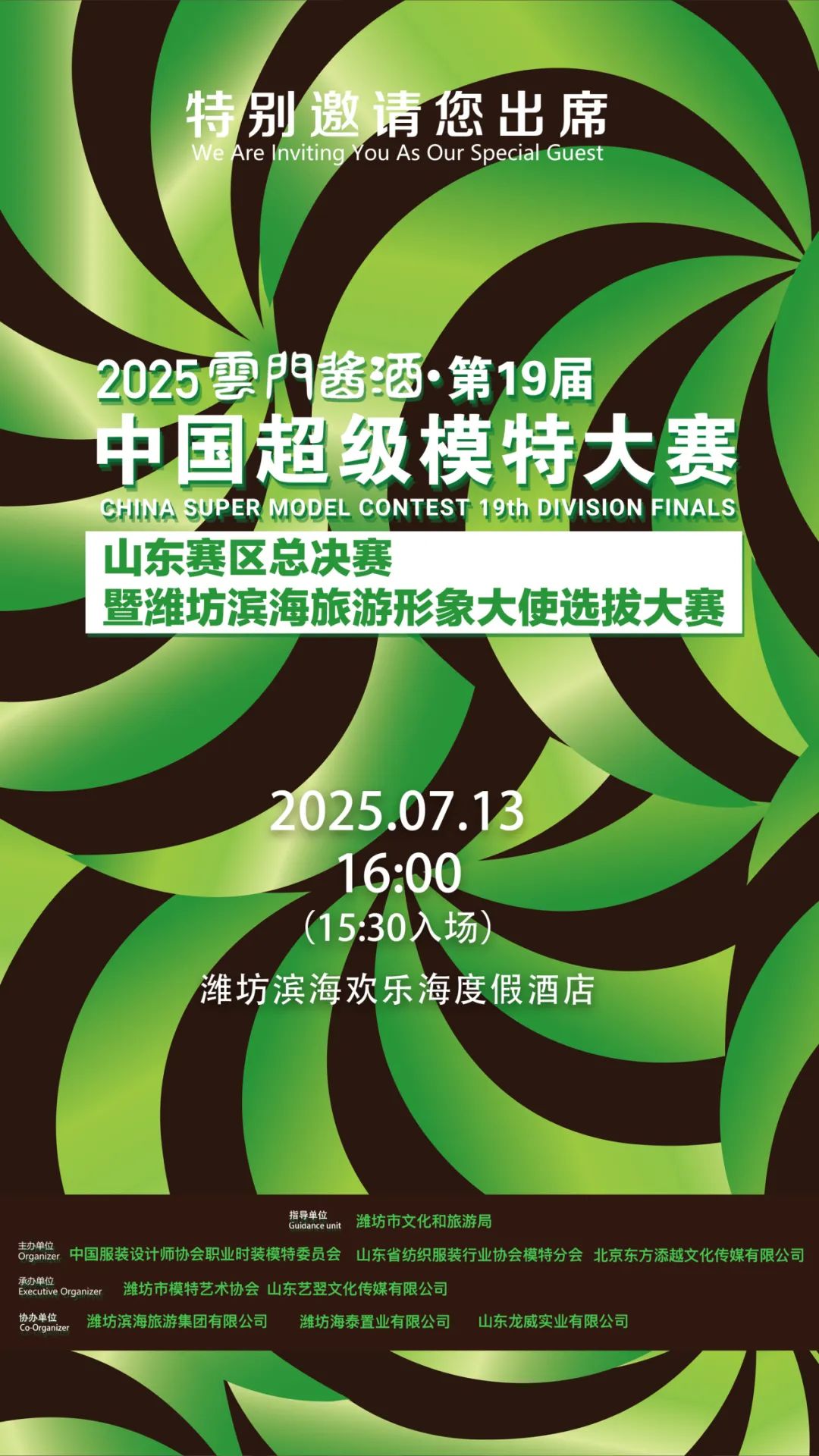
Core Viewpoint - Yunmen Liquor Industry is integrating traditional Chinese liquor culture with modern fashion through a creative competition, aiming to engage the younger generation and promote national cultural pride [4]. Group 1: Competition Overview - The competition is titled "2025 Yunmen Re-creation Plan · OPEN CALL Fashion Week" and is in collaboration with the 19th China Super Model Contest [4]. - Participants are invited to reinterpret the cultural essence of Yunmen liquor through fashion design, with a chance to win substantial prizes [4]. Group 2: Cultural Elements - Participants can choose from three cultural elements for their designs: 1. Qingzhou liquor culture, including bottle patterns and cultural symbols [4]. 2. The term "Qingzhou Congshi" from ancient poetry referring to fine wine [5]. 3. Yunmen impressions, such as Yunmen Mountain and related cultural motifs [6]. Group 3: Participation Process - The competition involves four steps: 1. Creative design incorporating selected cultural elements [8]. 2. Recording a video showcasing the design [10]. 3. Uploading the video to Douyin with a specific hashtag [12]. 4. Evaluation based on online likes (30%) and expert reviews (70%) [12]. Group 4: Timeline and Awards - Video submission period is from June 14 to July 10, with results announced on July 13 for offline and July 15 for online [13]. - Awards include: - First Prize: 1 bottle of Yunmen Congshi commemorative liquor (retail price ¥9988) and ¥2000 cash [17]. - Second Prize: 3 boxes of Yunmen Chen Nian (retail price ¥2808) [19]. - Third Prize: 6 boxes of Qingzhou Chen Nian (retail price ¥948) and ¥500 cash [22]. - Excellent Award: 20 Yunbao card game gift boxes (retail price ¥188) [24].
情绪消费催生嗅觉经济,东方香氛重塑市场新格局
NORTHEAST SECURITIES· 2025-06-30 00:45
Investment Rating - The report recommends a "Buy" rating for the company Mao Geping, with a target price positioned in the range of 300-500 RMB for 30ml products, targeting the upper middle class [5]. Core Insights - The Chinese perfume market is projected to reach 26.1 billion RMB in 2023, with a CAGR of 12.82% from 2023 to 2028, indicating strong growth potential [1][45]. - The market penetration of perfumes in China is currently low, with a per capita spending of only 16 RMB in 2023, significantly lower than that of developed countries, suggesting substantial room for growth as consumer awareness and acceptance increase [2][50]. - The competitive landscape is dominated by international brands like Chanel and Dior, while local brands such as "Guanxia" and "Wenxian" are emerging by integrating Eastern cultural elements and modern design [3]. Summary by Sections Market Overview - The Chinese perfume market is experiencing rapid growth, with a CAGR of 15% from 2018 to 2023, significantly outpacing global market growth [40]. - The market share of China in the global perfume market is expected to rise from 3.68% in 2023 to 5.67% by 2028, reflecting the increasing importance of the Chinese market [45]. Market Trends - The shift from material consumption to emotional consumption is driving the growth of the perfume market, with consumers increasingly valuing emotional experiences [4]. - The rise of online shopping and social media platforms is reshaping the perfume purchasing landscape, with online sales expected to grow at a CAGR of 22% from 2023 to 2028 [53][54]. Competitive Landscape - International brands currently dominate the market, but local brands are gaining traction by offering products that resonate with Chinese cultural values [3]. - Mao Geping is expanding its product line into perfumes, leveraging its brand recognition and cultural elements to differentiate itself from international competitors [3]. Future Outlook - The report highlights the potential for significant growth in the perfume sector, particularly in lower-tier cities and through online channels, as consumer preferences evolve [50][54]. - The increasing focus on emotional value and self-expression among consumers is expected to further drive the demand for perfumes in China [4][39].
哈根达斯怎么把自己干成「9块9」了
36氪· 2025-06-29 23:55
Core Viewpoint - Häagen-Dazs, once a leader in the ice cream market, is facing unprecedented challenges in China, including store closures and declining sales, prompting speculation about a potential sale of its operations in the region [3][6][5]. Group 1: Company Performance - Häagen-Dazs has closed several stores in major cities like Beijing and Shanghai, reducing its presence from over 400 stores to approximately 250 by June 2025 [10]. - General Mills reported a 5% decline in net sales to $4.84 billion for the third quarter of fiscal 2025, with a 3% drop in the Chinese market [11][12]. - The brand's net profit decreased by 7% to $626 million in the same period, leading to a drop in stock price by over 2% [11]. Group 2: Market Competition - The Chinese ice cream market is undergoing significant changes, with local brands and competitors like Dairy Queen (DQ) rapidly expanding their presence, increasing DQ's store count to 1,721 by April 2025 [18]. - New domestic ice cream brands are gaining popularity due to their better alignment with local tastes and competitive pricing, posing a threat to Häagen-Dazs [18][19]. - The rise of premium ice cream brands, such as Gelato, which has seen a market growth rate of 10%, further intensifies competition [19]. Group 3: Consumer Perception and Brand Strategy - Häagen-Dazs has struggled with its high pricing strategy, which has diminished its appeal among consumers who now prefer more affordable options [33][40]. - The brand has attempted to innovate by introducing new flavors and products, but its efforts have not matched the rapid innovation seen in local brands [36][38]. - The shift in consumer behavior towards value and local products has eroded Häagen-Dazs's previous status as a luxury brand, leading to a decline in its market position [40].
国潮陶瓷热销全球 年轻人狂买国潮陶瓷
news flash· 2025-06-23 11:57
Core Viewpoint - Fujian Dehua is a significant export base for ceramic crafts in China, currently experiencing a peak production season with companies working overtime to fulfill orders. The recovery of U.S. orders since May has contributed to this surge in production [1]. Industry Summary - Dehua's ceramic exports are heavily reliant on the European and American markets, which have historically accounted for the largest share of exports [1]. - The local ceramic industry is actively exploring emerging markets such as India, Vietnam, and Russia to diversify its export base [1]. - From January to May this year, the self-operated export value of Dehua ceramics reached 1.44 billion yuan, reflecting a year-on-year growth of 15.09% [1]. Company Summary - A ceramic production company in Dehua is currently focused on producing ceramic crafts featuring New Year designs, indicating a seasonal demand for culturally relevant products [1]. - The rise of national trend culture has led designers to incorporate elements appealing to younger consumers, significantly influencing product design and marketing strategies [1]. - Online sales for Dehua ceramic companies are projected to reach 20.3 billion yuan in 2024, with sales through live e-commerce platforms accounting for 70% of the total sales among the younger consumer demographic [1].
王长田:《哪吒》系列衍生品销售额有望突破千亿元
Jing Ji Guan Cha Wang· 2025-06-17 08:23
Core Insights - The sales prospects for the "Nezha" series derivatives are highly promising, with expectations to exceed 100 billion yuan [2][3] - The influence of the "Nezha" IP continues to expand, with strong market demand supporting sales growth across various derivative products [2] - The success of the film "Nezha: Birth of the Demon Child" has significantly boosted the derivative market, achieving over 15.8 billion yuan in global box office revenue, ranking fifth in film history [2] Company Developments - The highest sales for a single category of licensed products has already surpassed 10 billion yuan, indicating substantial market rewards for developers, manufacturers, and sellers of "Nezha" derivatives [2] - The collaboration with various brands has broadened the coverage of derivative products, enhancing the overall market presence of "Nezha" [3] Industry Trends - The rise of national trend culture has increased consumer interest in products with traditional cultural elements, positioning "Nezha" as a perfect fit for this trend [3] - If the sales of "Nezha" derivatives indeed surpass 100 billion yuan, it will set a new record for domestic IP derivative sales and invigorate the national trend IP economic market [3] - This development is expected to encourage the industry to further explore the commercial value of IP and diversify profit models [3]


山东曹县:古邑新姿绽华彩 汉服经济领风潮
Xiao Fei Ri Bao Wang· 2025-06-11 10:03
Core Insights - The article highlights the cultural and tourism development model of Caoxian, Shandong, which is leveraging its rich historical heritage to promote cultural transmission and industrial upgrading through the "Hanfu+" strategy [1] Cultural and Tourism Integration - Caoxian is constructing a cultural tourism development framework characterized by "one core leading, three belts linking," focusing on Shang Tang culture, red culture, and intangible cultural heritage [1] - The county has established one 4A-level scenic area and one 3A-level scenic area, with three provincial-level tourism strong towns and eleven characteristic tourism villages, receiving over 3 million visitors annually [1] Development Strategies - The county is implementing a "Cultural Gene Decoding Project" to identify and industrialize cultural elements, aiming to attract investment and cultivate leading cultural tourism enterprises [2] - Key initiatives include upgrading scenic areas, expanding the research travel market, and creating a series of cultural tourism festivals to enhance brand recognition [2] Hanfu Industry - Caoxian's Hanfu industry accounts for a significant portion of the national market, with 2,753 enterprises forming a complete ecosystem covering design, manufacturing, and application [3] - The projected sales for Hanfu in 2024 are expected to reach 8.75 billion, with a 90% market share in the ancient-style scenic area Hanfu supply market [3] Market Expansion - The county is capitalizing on the "Hanfu craze" by creating new cultural tourism scenarios that integrate Hanfu with makeup and photography [4] - Collaborations with well-known ancient-style scenic areas across the country have been established, achieving a 90% market share for Caoxian Hanfu in 72 5A-level ancient-style scenic areas [4] Promotion Activities - A series of promotional activities have been organized to enhance the visibility of Hanfu culture, including themed events and exchanges in various scenic areas [5] - The county's promotional video has gained national attention, further expanding the reach and influence of Caoxian Hanfu [5]