增程技术

Search documents
中经评论:增程车会淡出主流市场吗
Jing Ji Ri Bao· 2025-09-05 00:03
Core Insights - The founder and CEO of NIO, Li Bin, expressed the challenges of adhering to a pure electric technology route, but noted that this persistence is now reaching a turning point as the market dynamics shift towards pure electric vehicles [1] Group 1: Market Trends - In July, China's retail sales of pure electric vehicles reached 487,000 units, a year-on-year increase of 24.5%, while range-extended vehicles sold only 102,000 units, marking a year-on-year decline of 11.4% [1] - The decline in range-extended vehicle sales indicates a shift in consumer preference towards pure electric vehicles, which are expected to gain more competitive momentum in the future [1][3] Group 2: Technology and Design - Range-extended vehicles (REEV) combine electric drive with a supplementary fuel engine, featuring components like battery packs, electric motors, and range extenders, which provide a unique driving experience [1][2] - However, the design of range-extended vehicles comes with trade-offs, such as increased weight compared to pure electric vehicles, which can negatively impact energy consumption and handling performance [2] Group 3: Consumer Preferences - The initial success of range-extended vehicles was driven by their ability to alleviate consumer concerns about range anxiety, but advancements in pure electric vehicle technology are diminishing this advantage [3] - Current mainstream pure electric vehicles typically offer a range exceeding 600 kilometers, and with fast-charging capabilities, users can travel 400 kilometers after just 10 minutes of charging, significantly reducing range anxiety [3] Group 4: Industry Evolution - The industry is witnessing a trend where many range-extended vehicles are now achieving pure electric ranges exceeding 400 kilometers, indicating a shift towards optimizing electric performance [4] - This transition suggests that range-extended vehicles are increasingly aligning with pure electric technology, potentially leading to a scenario where consumers may find it more economical to choose pure electric vehicles directly [4]
增程车会淡出主流市场吗
Jing Ji Ri Bao· 2025-09-04 22:00
Core Viewpoint - The shift from range-extended electric vehicles (REEV) to pure electric vehicles (BEV) is becoming evident as the latter gains market momentum, with a significant increase in sales and a decline in range-extended vehicle sales [1][3]. Group 1: Market Trends - In July, China's pure electric vehicle retail sales reached 487,000 units, a year-on-year increase of 24.5%, while range-extended vehicles sold only 102,000 units, marking an 11.4% decline [1]. - The core advantage of range-extended vehicles, which was to alleviate range anxiety, is diminishing as advancements in battery technology and charging infrastructure improve the performance of pure electric vehicles [3]. Group 2: Technological Developments - Range-extended vehicles combine electric and fuel power, featuring a complex system that includes a battery, electric motor, and an engine-generator unit, which can lead to increased vehicle weight and reduced efficiency compared to pure electric vehicles [2]. - Many range-extended vehicles are now achieving pure electric ranges exceeding 400 kilometers, indicating a shift towards larger battery capacities and reduced reliance on fuel [4]. Group 3: Competitive Landscape - Traditional automakers and new entrants are increasingly adopting range-extended technology, but the market is evolving as pure electric vehicles offer better user experiences and cost efficiencies [2][4]. - The competition is pushing range-extended vehicles to adapt, potentially leading to a scenario where consumers may find it more economical to choose pure electric vehicles directly [4].
赛力斯:一家传统车企的转型经验
Zhong Guo Qi Che Bao Wang· 2025-09-04 06:47
Core Insights - The rise of Seres in the Chinese automotive industry exemplifies a successful transformation from a traditional manufacturing enterprise to a modern player in the electric vehicle market [1][2] - Seres has demonstrated strategic foresight by investing heavily in technology and innovation, even amidst financial losses, leading to significant growth in revenue and market presence [2][3] Company Development - Founded in 1986, Seres began as a small spring manufacturer and transitioned into the automotive sector in 2003 through a partnership with Dongfeng Group [1] - The company's major transformation occurred in 2016 when it entered the new energy vehicle market and partnered with Huawei, culminating in the launch of the AITO M5 SUV in 2021 [1][2] Financial Performance - Seres' revenue surged from 14.30 billion yuan in 2020 to 145.18 billion yuan in 2024, with a compound annual growth rate of 78.49% [2][16] - The company turned a net loss of 1.73 billion yuan in 2020 into a profit of 5.95 billion yuan in 2024, showcasing its resilience during market fluctuations [16] Technological Innovation - Seres has adopted a dual technology strategy of range-extended and pure electric vehicles, becoming a pioneer in range-extended technology since 2016 [4] - The introduction of the Seres Super Range Extender System in 2024 achieved a thermal efficiency of 44.8% and a fuel consumption reduction of 15% [4] Manufacturing Excellence - Seres operates three state-of-the-art smart factories in Chongqing, recognized as benchmarks for intelligent manufacturing in the automotive industry [9][10] - The factories utilize over 5,000 robots and achieve 100% automation in key processes, significantly improving production efficiency and quality [11] Strategic Partnerships - The collaboration with Huawei has redefined traditional automotive partnerships, integrating technology and manufacturing to create a comprehensive solution for smart vehicles [12] - This partnership has led to rapid product development, with the AITO M5 achieving over 10,000 sales in just 87 days, setting industry records [13] Market Impact - The AITO series has disrupted the high-end electric vehicle market, with cumulative deliveries exceeding 750,000 units by August 2025 [3][16] - The AITO M9 has become the best-selling luxury vehicle in its category, with a single vehicle price exceeding 500,000 yuan, surpassing traditional luxury brands in customer satisfaction [16] Industry Influence - Seres' approach has contributed to the mainstream adoption of range-extended technology, increasing its market penetration from less than 2% in 2020 to 18% in 2024 [19] - The company's model serves as a reference for traditional automakers seeking to transition into the electric vehicle space, emphasizing the importance of technology ownership and ecosystem collaboration [18][24]

增程车进入长纯电续航时代:是更好的电动车,还是更尴尬的电动车?
晚点Auto· 2025-09-03 15:12
Core Viewpoint - The article discusses the evolving landscape of range-extended electric vehicles (REEV) in the Chinese automotive market, highlighting the shift towards longer pure electric range products and the implications for traditional hybrid and electric vehicle strategies [4][5][26]. Market Dynamics - The competition in the REEV segment has intensified, with new entrants aiming to redefine the market by offering products with over 400 kilometers of pure electric range [4][5]. - Traditional automakers are increasingly adopting REEV technology due to regulatory constraints on fuel vehicles, while companies like BYD, Geely, and Great Wall focus on plug-in hybrids (PHEV) [4][5]. Battery Capacity and Market Segmentation - The article categorizes the Chinese automotive market based on battery capacity, noting that vehicles with less than 10 kWh are typically internal combustion engines (ICE), while those with 10-20 kWh are mainly HEVs [7][9]. - PHEVs dominate the 10-20 kWh segment, offering competitive pricing and fuel efficiency, while the 20-40 kWh range sees a rise in pure electric vehicles (BEV) [9][10]. - As battery capacity increases to 40-60 kWh, PHEVs are losing market share, with BEVs and REEVs becoming more prominent [10][11]. Consumer Demand and Preferences - The article outlines a hierarchy of consumer needs regarding vehicles, emphasizing the importance of mobility, space, experience, and emotional value [13][14][20]. - REEV users are characterized by their desire for electric vehicle performance combined with long-distance travel capabilities, spacious interiors, and advanced smart features [20][21]. Economic Considerations - The decreasing cost of battery materials, particularly lithium iron phosphate (LFP), has made larger battery installations more feasible for manufacturers, allowing for enhanced vehicle performance and features [12][26]. - The article posits that as more vehicles with 400+ km of pure electric range enter the market, consumers may prefer pure electric vehicles over REEVs due to cost-effectiveness and convenience [26]. Future Outlook - The potential for REEVs to transition into a more premium market segment is discussed, suggesting that if they can offer superior space, experience, and emotional value, they may redefine consumer perceptions [27]. - The article concludes that while long-range REEVs may initially attract interest, they could ultimately lead consumers to favor pure electric vehicles as charging infrastructure improves and costs decrease [26][27].

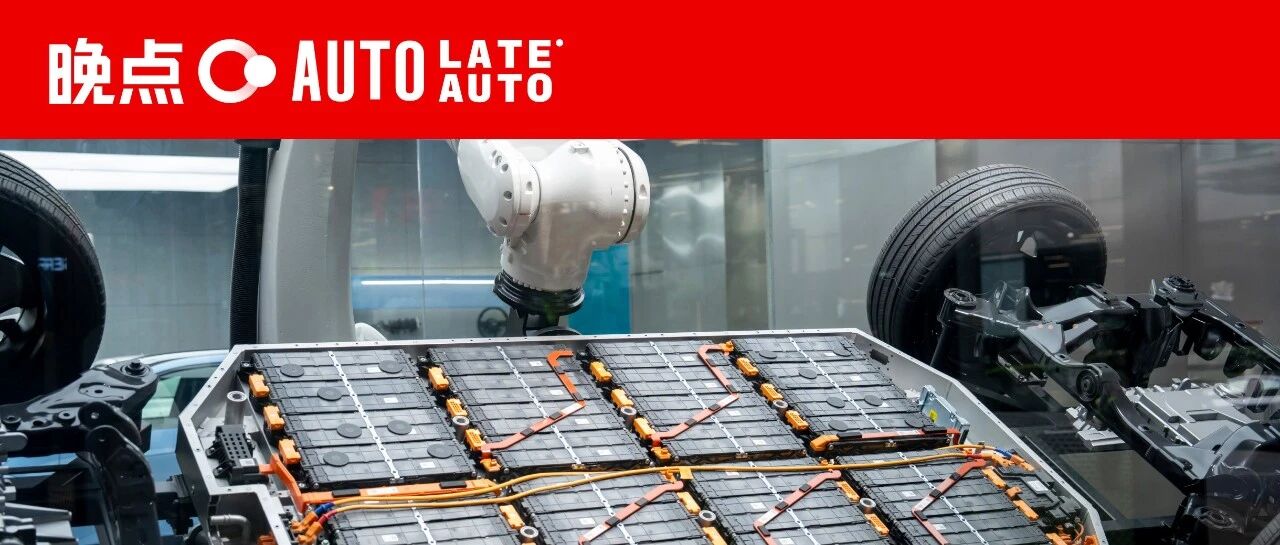
增程车为何突然受关注了?
Xin Jing Bao· 2025-09-03 06:13
Core Insights - The emergence of range-extended electric vehicles (REEVs) at the 2025 Chengdu Auto Show highlights a shift in the automotive industry towards longer pure electric ranges and improved refueling efficiency, alongside advancements in intelligent driving and cockpit technologies [1][2] Group 1: Market Trends - REEVs are gaining traction among various automakers, including GAC Haobo, Avita, and Chery, indicating a broader acceptance of this technology despite previous controversies [1][2] - The sales of REEVs are projected to reach 1.167 million units in 2024, marking a year-on-year increase of 78.7%, outpacing both pure electric and plug-in hybrid vehicles [3] - The market for REEVs is becoming increasingly competitive, with both traditional and new energy vehicle manufacturers launching new models to meet consumer demand [2][3] Group 2: Technological Developments - GAC Haobo's HL range-extended version features a pure electric range of 350 kilometers and a total range of 1,369 kilometers, utilizing a 60 kWh battery from CATL [2] - The Zhiji LS6, equipped with self-developed range-extending technology, boasts a pure electric range exceeding 450 kilometers and a total range of 1,500 kilometers, with advanced features such as an 800V high-voltage platform and NVIDIA Thor for assisted driving [2] - The simplicity of the REEV system compared to plug-in hybrids allows for easier scaling in production and lower development costs, making it an attractive option for manufacturers [3] Group 3: Consumer Acceptance - The dual-fuel capability of REEVs alleviates consumer concerns regarding range anxiety, leading to a willingness to pay a premium for these vehicles [3] - The integration of advanced technologies in REEVs is seen as a response to market demands, with expectations that sales of REEVs and plug-in hybrids will exceed 8 million units by 2025, accounting for nearly 50% of the new energy vehicle market [3][4]
成都车展观察|增程车为何突然受关注了?
Bei Ke Cai Jing· 2025-09-03 06:04
Core Insights - The 2025 Chengdu Auto Show highlighted the growing interest in range-extended electric vehicles (REEVs), showcasing models with longer pure electric ranges and improved refueling efficiency, alongside advancements in intelligent driving and cockpit technologies [1][2][4] Industry Trends - The trend of adopting range-extended technology is evident as more automakers, including GAC Haobo, Avita, and Chery, launch REEVs, reflecting a shift in the industry towards this technology despite previous controversies [1][5] - The market for REEVs is expanding rapidly, with sales projected to reach 1.167 million units in 2024, marking a year-on-year growth of 78.7%, outpacing pure electric and plug-in hybrid vehicles [5][6] Technological Developments - REEVs are equipped with advanced technologies, such as the GAC Haobo HL range-extended version featuring a 60 kWh battery and smart hardware, and the Zhiji LS6 with a 450 km pure electric range and 800V high-voltage platform [2][3] - The technology behind REEVs is seen as less complex and more cost-effective compared to fully electric platforms, allowing for easier scaling in production [6][7] Market Dynamics - The increasing number of players in the REEV market is making the segment more competitive, with traditional and new energy vehicle manufacturers alike responding to market demands [4][5] - The acceptance of REEVs in the high-end market is demonstrated by brands like Li Auto and Aito, which have shown that consumers are willing to pay a premium for vehicles that alleviate range anxiety [5][6] Future Projections - The market for REEVs and plug-in hybrids is expected to grow significantly, with projections indicating that by 2025, sales could exceed 8 million units, accounting for nearly 50% of the new energy vehicle market [7]
销量骤降11%,车企集体踩坑增程?
3 6 Ke· 2025-09-02 23:26
Core Insights - The early success of Li Auto was attributed to its precise entry into the market with range-extended technology, addressing consumer concerns about range anxiety and achieving explosive sales growth [1] - The range-extended vehicle segment has transitioned from a niche choice to a competitive arena, with traditional automakers and new entrants alike investing in this technology [2] - Despite the initial growth, the market for range-extended vehicles is cooling, with a notable decline in sales and a shift in consumer preference towards pure electric vehicles [3] Group 1: Market Dynamics - The sales of range-extended vehicles in July 2025 reached 102,000 units, a year-on-year decline of 11.4%, contrasting with a 24.5% increase in pure electric vehicle sales during the same period [3] - The market share of range-extended vehicles decreased from 10.7% in 2024 to 9.8% in 2025, indicating a shift in consumer preference [8] - Li Auto's delivery numbers have shown a significant decline, with July 2023 deliveries at 30,700 units, down 39.7% year-on-year, and further dropping to 28,500 units in August 2023, with a decline exceeding 41% [8] Group 2: Competitive Landscape - The rapid influx of competitors has led to a saturated market, with many brands mimicking Li Auto's approach, resulting in diminished brand loyalty among consumers [10] - The average selling price of Li Auto vehicles has decreased from 331,000 yuan in 2022 to 268,700 yuan in Q4 2024, reflecting increased competitive pressure [10] - The growth of zero-run vehicles, which saw a 103.8% year-on-year increase in 2024, highlights the competitive dynamics within the range-extended segment [7] Group 3: Technological Evolution - The current trend in range-extended vehicles is shifting towards larger batteries and ultra-fast charging, aligning more closely with pure electric vehicle technology [12][15] - The evolution of range-extended vehicles is leading to a loss of their unique advantages, as they now compete directly with pure electric vehicles on range, cost, and user experience [15] - Companies are exploring new breakthroughs in battery technology to meet evolving consumer demands for electric range and charging convenience [12]


外放电加大到30kW,长安猎手K50激战新能源皮卡赛道
Jing Ji Guan Cha Wang· 2025-09-01 15:37
Core Insights - The pickup truck segment in China is increasingly seen as a lifestyle symbol, with a growing market for new energy pickups surpassing traditional fuel pickups [2] - Changan Automobile launched the new energy pickup "Hunter K50" at the Chengdu Auto Show on August 29, 2024, featuring advanced technologies and a new branding approach [2] - The Hunter K50 offers six variants with prices ranging from 127,900 to 192,900 yuan, showcasing significant technological advancements such as 30kW external discharge and a range of 1,031 kilometers [2] Group 1 - The Hunter K50's external discharge capability of 30kW is five times that of typical vehicles, enhancing its utility for outdoor activities [3] - The vehicle's range, supported by Changan's Blue Whale range extender technology, allows for greater operational scope compared to pure electric pickups [3] - The Hunter K50 is designed with robust specifications, including a payload capacity of 1.1 tons, a maximum load of 2 tons, and a towing capacity of 2.5 tons [3] Group 2 - The new energy pickup market is becoming increasingly competitive, with brands like Great Wall, Geely, and JAC entering the space, while the Hunter K50 differentiates itself through its range extender technology and enhanced external discharge capabilities [4] - Changan Automobile collaborates with partners like DJI, Huawei, and CATL to create a unique lifestyle experience for users, contributing to the growth of Chinese pickup culture [4]

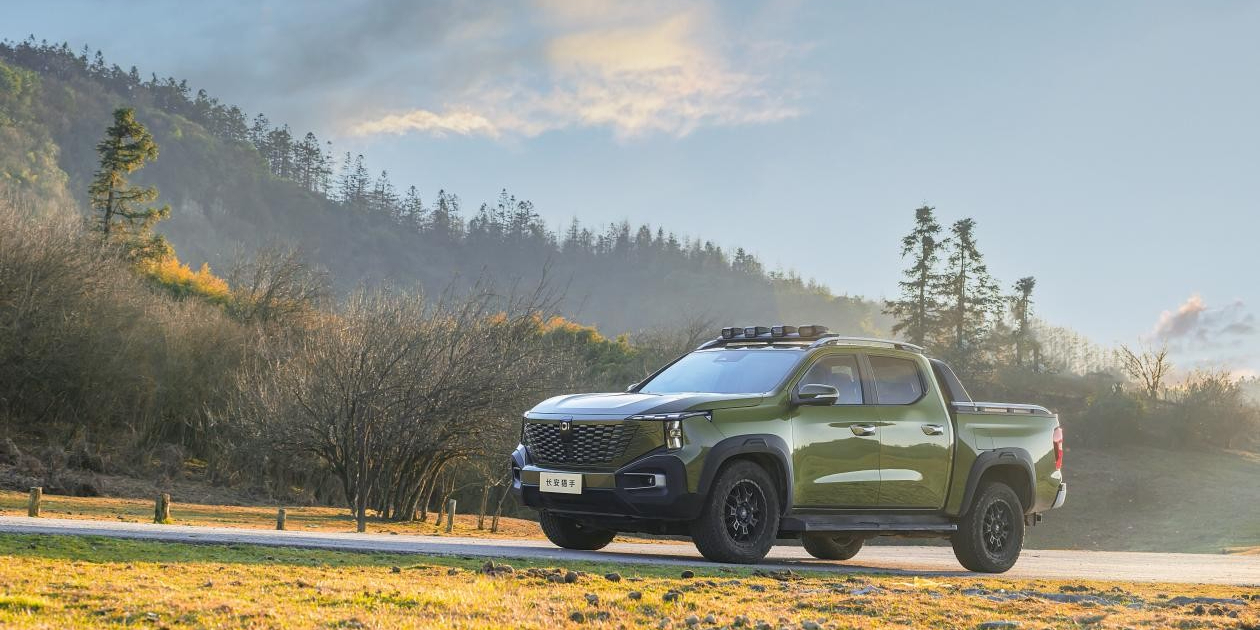
赛力斯上半年研发投入达52亿 超级增程领跑新能源赛道
Quan Jing Wang· 2025-09-01 11:32
Core Insights - The company reported a significant increase in revenue and net profit for the first half of 2025, indicating strong market demand for high-end smart electric vehicles [1] - The company's R&D investment has surged, reflecting its commitment to technological innovation and product iteration [1][2] Financial Performance - The company achieved an operating revenue of 62.4 billion yuan and a net profit attributable to shareholders of 2.941 billion yuan, representing a year-on-year growth of 81.03% [1] - R&D expenditure reached 5.2 billion yuan, marking a 154.9% increase compared to the previous year [1] Technological Advancements - The new generation of the company's super range extension system has been fully applied to its latest models, showcasing industry-leading advantages in quietness, integration, and efficiency [2] - The system's actual power generation efficiency exceeds 3.65 kWh/L, with a thermal efficiency of 44.8%, placing it at the forefront of the industry [2] - The new system has reduced overall fuel consumption by 15% and decreased noise perception frequency by 90%, enhancing user experience [2] Market Position and Strategy - As a pioneer in range extension technology, the company has established a strong technical moat and is recognized for its industrial capabilities [1][2] - The company has formed partnerships with 25 industry enterprises, indicating its collaborative approach to innovation [1] - With the launch of more upgraded products in the second half of the year, the company aims to strengthen its competitive advantage in the new energy vehicle sector [2]

李斌想穿越,李想差点哭,一汽高管:不是雷军我早开喷了!
汽车商业评论· 2025-08-31 23:06
Core Viewpoint - The automotive industry in China is experiencing intense competition, with companies like NIO and Li Auto facing challenges in pricing, technology, and market positioning. The focus is shifting towards survival and pragmatic strategies rather than just aggressive marketing and high-end positioning [4][50]. Group 1: NIO's Strategy - NIO's founder, Li Bin, acknowledged the difficulties of the pure electric vehicle market and emphasized the importance of survival, stating that maintaining profitability is crucial for the company [4][50]. - At the launch of the new ES8, NIO introduced a significant price reduction of 120,000 yuan, indicating a shift in strategy to remain competitive in a price-sensitive market [50][51]. - Li Bin's comments about potentially pursuing range-extended vehicles reflect a pragmatic approach to market demands while maintaining a commitment to pure electric technology [8][49]. Group 2: Li Auto's Challenges - Li Auto faced backlash over a marketing incident involving a collision test with a truck, leading to public apologies and discussions about competition and respect within the industry [4][35]. - The company is navigating a complex landscape of compliance and public perception, highlighting the need for clear boundaries in marketing and product demonstrations [5][35]. Group 3: Industry Dynamics - The concept of "wheelbase ratio" introduced by Xiaomi sparked controversy, with industry experts questioning its validity and emphasizing the need for accurate technical specifications in marketing [5][22]. - The automotive evaluation landscape is criticized for becoming overly commercialized, with calls for more objective and user-focused assessments to maintain consumer trust [19][20]. Group 4: Broader Industry Trends - The automotive sector is witnessing a shift towards valuing long-term strategies and sustainable practices over short-term gains, as highlighted by various industry leaders [4][50][55]. - The competitive environment is forcing companies to adapt quickly, with a focus on cash flow and operational efficiency becoming paramount for survival [4][50].