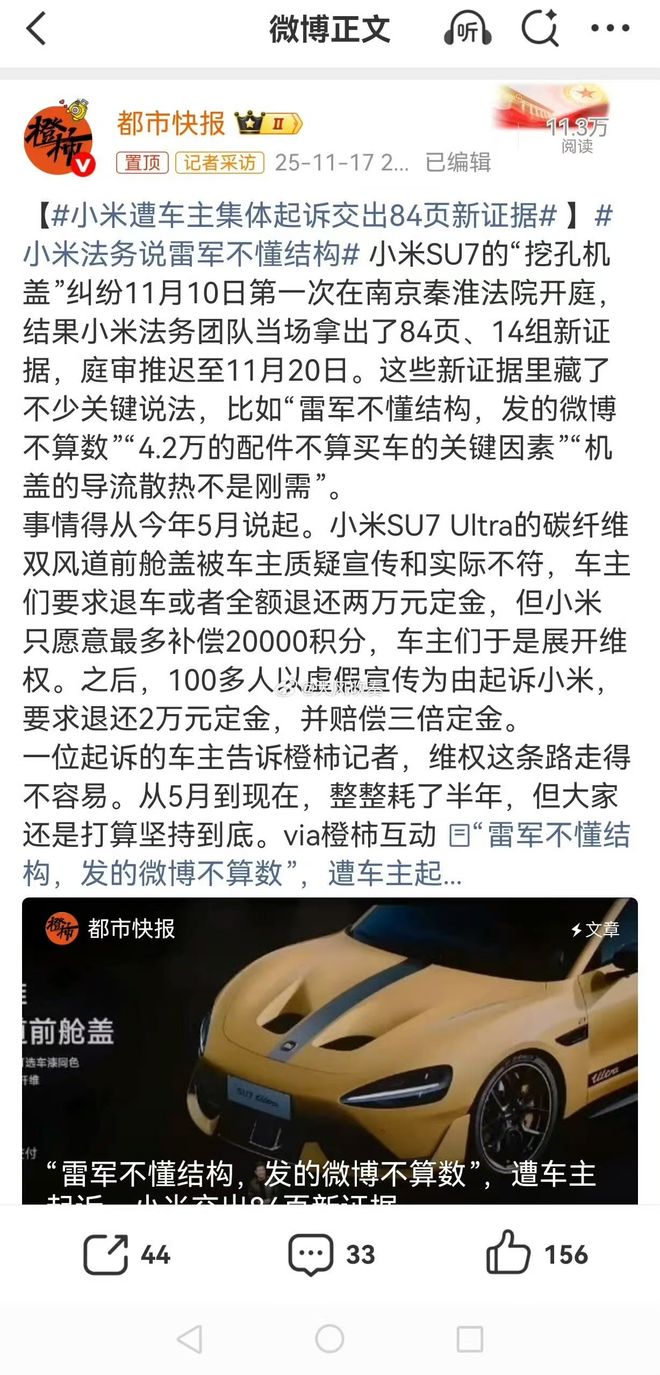
虚假宣传

Search documents
“大字吸睛、小字免责”,这样的小把戏该退场了
Xin Lang Cai Jing· 2025-12-05 10:28
Core Viewpoint - The article highlights the deceptive advertising practices of businesses that use large fonts to attract attention while hiding important disclaimers in small print, undermining consumer trust and damaging the overall market environment [2][9][10]. Group 1: Advertising Practices - The common advertising tactic of "big font for attraction, small font for disclaimers" has been summarized by the media as "three blows" [3]. - A smartphone brand advertised itself as the "king of backlighting" in large letters, but clarified in small print that this was merely a design goal, raising questions about the integrity of such claims [4]. - A clothing brand claimed to be the "global sales leader" for three consecutive years, with small print indicating that the data was based on an August 2023 survey, which seems misleading [6]. Group 2: Consumer Impact - This advertising strategy can lead to consumer rights violations, as consumers may easily fall into traps set by misleading large-font claims [7]. - When consumers realize they have been misled, they often face difficulties in asserting their rights, as businesses use small print disclaimers to defend themselves, leading to disputes [9]. - The prevalence of this practice has increased, causing consumers to develop distrust and caution in their purchasing decisions, which ultimately harms businesses' reputations [9]. Group 3: Regulatory Recommendations - There is a call for regulatory bodies to establish clear standards for advertising, ensuring that core product features, pricing, and promotional conditions are presented in a clear and discernible manner [12]. - The article emphasizes that the essence of business is integrity, and the foundation of advertising is truthfulness, urging companies to rely on quality products and sincere service rather than deceptive practices [12].

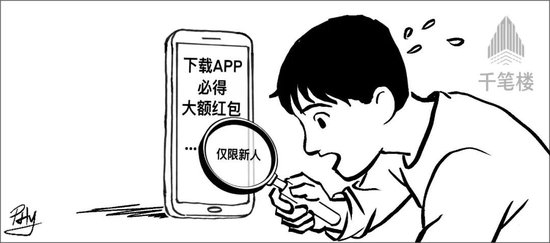
新华社:“大字吸睛、小字免责”,这样的小把戏该退场了
Xin Lang Cai Jing· 2025-12-05 04:41
Core Viewpoint - The article highlights the deceptive advertising practices of companies that use large fonts to attract attention while hiding important disclaimers in small print, undermining consumer trust and damaging the overall market environment [1][5][9]. Group 1: Advertising Practices - Companies often employ the "big font attracts attention, small font exempts liability" strategy, summarized by the media as "three blows" [6]. - Examples include a smartphone brand claiming to be the "king of backlighting" while clarifying in small print that this is merely a design goal [7]. - A clothing brand boasts of being the "global sales leader" for three consecutive years, with small print indicating the data is based on an August 2023 survey, raising questions about the validity of such claims [7]. Group 2: Consumer Impact - Such advertising tactics can lead to consumer deception, making it easy for individuals to fall into traps set by misleading claims [8]. - Consumers may develop distrust towards brands that engage in these practices, leading to cautious spending and reluctance to purchase [9]. - The prevalence of "small print exemptions" can create disputes when consumers seek redress after feeling misled, often leaving them in a difficult position [9]. Group 3: Legal and Regulatory Aspects - Advertising laws and consumer protection regulations mandate that advertisements must be truthful and clear, prohibiting misleading information [10]. - Courts typically assess the visibility of disclaimers based on the average consumer's attention, meaning that hidden disclaimers may not absolve companies from liability [10]. - There is a call for regulatory bodies to enforce standards that ensure core product features, pricing, and promotional conditions are clearly communicated [10]. Group 4: Market Integrity - The article emphasizes that the reliance on deceptive advertising can harm a company's reputation and lead to a loss of consumer trust [8][9]. - The trend of using "small print exemptions" threatens honest businesses, potentially leading to a market where integrity is compromised [9]. - A shift towards quality products and genuine service is advocated as a means to restore consumer confidence and promote a healthier market environment [10].
新华社发文:“大字吸睛、小字免责”,这样的小把戏该退场了
Di Yi Cai Jing Zi Xun· 2025-12-05 04:41
Core Viewpoint - The article highlights the deceptive advertising practices of companies using large eye-catching text for promotions while hiding important disclaimers in small print, which undermines consumer trust and damages the overall market environment [2][5]. Group 1: Advertising Practices - Companies often employ the "big text attracts attention, small text exempts liability" strategy, summarized by the media as "three blows" [3]. - Examples include a smartphone brand claiming to be the "king of backlighting" while clarifying in small print that this is merely a design goal [4]. - A clothing brand boasts of being the "global sales leader" for three consecutive years, with small print indicating the data is based on an August 2023 survey, raising questions about the validity of such claims [4]. Group 2: Consumer Impact - Consumers are easily misled by the prominent claims, leading to skepticism about the quality and materials of products from companies that engage in such advertising tactics [5]. - The small print often goes unnoticed, allowing companies to use exaggerated claims while attempting to shield themselves from accountability [5]. - This practice can lead to disputes when consumers seek to assert their rights after feeling deceived, as companies may use the small print as a defense [5]. Group 3: Industry Implications - The prevalence of the "big text, small text" phenomenon is increasing across various sectors, from manufacturers to retailers, both online and offline [5]. - This trend can erode consumer trust, causing cautious spending behavior, while businesses relying on such tactics risk damaging their reputations [5]. - The article calls for a collaborative effort to address these deceptive practices, emphasizing the need for clear and truthful advertising to foster a trustworthy market environment [6].

新华社发文:“大字吸睛、小字免责”,这样的小把戏该退场了
第一财经· 2025-12-05 04:26
Core Viewpoint - The article highlights the deceptive advertising practices of companies that use large, eye-catching text to attract consumers while hiding important disclaimers in small print, undermining consumer trust and damaging the overall market environment [3][7]. Group 1: Advertising Practices - Companies often employ the "big text attracts attention, small text exempts responsibility" strategy, which has been summarized by the media as "three blows" [4]. - Examples include a smartphone brand claiming to be the "king of backlighting" while stating in small print that this is merely a design goal, raising questions about the integrity of such claims [5]. - Another example involves a clothing brand promoting itself as the global sales leader for three consecutive years, with the small print indicating that the data source is from a survey conducted in August 2023, which seems misleading [5]. Group 2: Consumer Impact - This advertising tactic can lead to consumer rights violations, as consumers may easily fall into traps set by misleading large print [6]. - Consumers may develop distrust towards brands that engage in such practices, leading to cautious spending and reluctance to purchase [7]. - When consumers seek to defend their rights after feeling deceived, companies often use the small print as a defense, resulting in disputes and complicating the consumer's ability to seek redress [6][7]. Group 3: Industry Consequences - The prevalence of the "big text, small text" phenomenon is increasing, raising concerns about the integrity of the market [7]. - Companies relying on such deceptive tactics for short-term gains risk damaging their long-term reputation, as negative public sentiment can quickly erode years of goodwill [7]. - The widespread use of small print disclaimers can lead to a situation where honest companies are driven out of the market by those engaging in dishonest practices [7]. Group 4: Regulatory Recommendations - The article calls for a collaborative effort to address the "big-small text trap," emphasizing the need for clear standards regarding the presentation of core product information [8]. - It suggests that advertising should be truthful and clear, with a focus on making disclaimers easily noticeable to consumers [8]. - Strengthening enforcement against misleading advertising, particularly in high-risk sectors like automotive, finance, and food, is essential to ensure compliance and protect consumers [8].

地摊上百的古戒网店9.9包邮!手作孤品全是话术,溢价骗哭年轻人
Sou Hu Cai Jing· 2025-12-04 21:08
Core Viewpoint - The rise of creative markets has become a premium stage for Yiwu goods, driven by young consumers seeking unique experiences and emotional value in their purchases [1][2]. Group 1: Market Trends - Creative and retro markets are emerging as new landmarks for nighttime consumption, with over half of the 345 national-level nighttime cultural and tourism consumption clusters featuring market formats [1]. - Young consumers are not merely shopping but are pursuing a composite experience of emotional value, social currency, and self-expression, reflecting an upgrade from experiential consumption to meaningful consumption [2]. - The popularity of markets is attributed to young people's pursuit of "shared aesthetics," which provides a public space for emotional connections and alleviates the pressures of urban life [5]. Group 2: Consumer Behavior - A significant portion of young participants in offline markets, particularly those born after 1995 and 2000, accounts for over 70% of attendees, indicating a strong youth engagement in this trend [5]. - The immersive atmosphere of markets compensates for the shortcomings of e-commerce, such as waiting for deliveries, and serves as a new engine for driving offline consumption [7]. Group 3: Issues and Challenges - The market is facing challenges with rampant false advertising, where products labeled as "original," "handmade," or "vintage" are often just wholesale items marked up significantly [9]. - Consumers have reported instances of purchasing items at inflated prices, only to find them available at much lower prices on wholesale platforms, raising concerns about deceptive practices [11]. - The market's growth is squeezing out genuine creators, as many artisans struggle to meet demand while mass-produced goods easily fill market slots, leading to a "bad money drives out good" scenario [13]. Group 4: Regulatory and Industry Response - To combat the issue of false advertising, regulatory bodies are beginning to take action, with the State Administration for Market Regulation planning to introduce guidelines that prohibit false advertising and enforce platform responsibilities [15]. - Some regions have established standards for "original handmade" products, requiring complete craftsmanship processes and unique styles, which will help consumers make informed choices [17]. - The industry is encouraged to implement better screening and certification mechanisms, with successful examples from markets that require proof of design and production processes from vendors [17]. Group 5: Consumer Awareness - Consumers are advised to be vigilant against inflated prices and to verify claims of originality by asking for production evidence and using price comparison tools [19]. - It is recommended that consumers prioritize reputable markets and avoid impulsive purchases driven by the atmosphere [19].

紫牛热点∣在售楼盘挂山寨招牌“大美乐”披萨招商,侵权吗?
Yang Zi Wan Bao Wang· 2025-12-02 05:12
Core Viewpoint - A recent incident in Guilin, Guangxi, involves a store displaying a sign for "大美乐披萨," which closely resembles the well-known brand "Domino's Pizza," raising concerns about trademark infringement and false advertising [1][2] Trademark Infringement - The sign for "大美乐披萨" features an English name identical to "Domino's Pizza" and a logo that is highly similar, which could lead to public confusion and is likely a violation of trademark laws [1] - According to the Trademark Law, using a similar trademark without permission from the registered trademark owner constitutes infringement [1] False Advertising - The use of the imitation sign as a promotional tool by the real estate sales center may mislead potential clients into believing that the property has partnered with the Domino's brand, violating regulations against false advertising [2] - This action undermines consumer rights to accurate information, as it could influence contractual decisions based on misleading representations [2] - Legal advice suggests that the real estate company should promptly remove the imitation sign to mitigate further legal risks [2]

预售比现货贵,价格相关投诉超85%(百姓关注)
Ren Min Ri Bao· 2025-11-30 22:01
Core Insights - This year's "Double 11" shopping festival saw an early start and extended duration, with platforms focusing on AI-driven shopping and instant retail, shifting from traffic competition to quality competition centered on user value [1] - Consumer complaints primarily revolved around pricing issues and the transparency of promotional rules, with over 13,000 complaints recorded during the event [1][2] Group 1: Consumer Complaints - Complaints related to pricing accounted for 85.6% of total complaints, highlighting issues such as "prepaid deposit betrayal," "current prices lower than pre-sale," and "automatic price increases" [2] - Many consumers reported that the final payment amount was higher than the displayed price due to the way discounts were applied, leading to dissatisfaction with the perceived value of promotions [2] Group 2: Emerging Consumer Trends - There was a significant increase in complaints regarding smart technology and virtual goods, with complaints about smart products rising by 72.6% compared to last year, often due to discrepancies between advertised features and actual performance [3] - Complaints in the health product category grew by 36.2%, primarily related to issues with product quality and misleading advertising, indicating a need for better compliance with marketing ethics by companies [3]
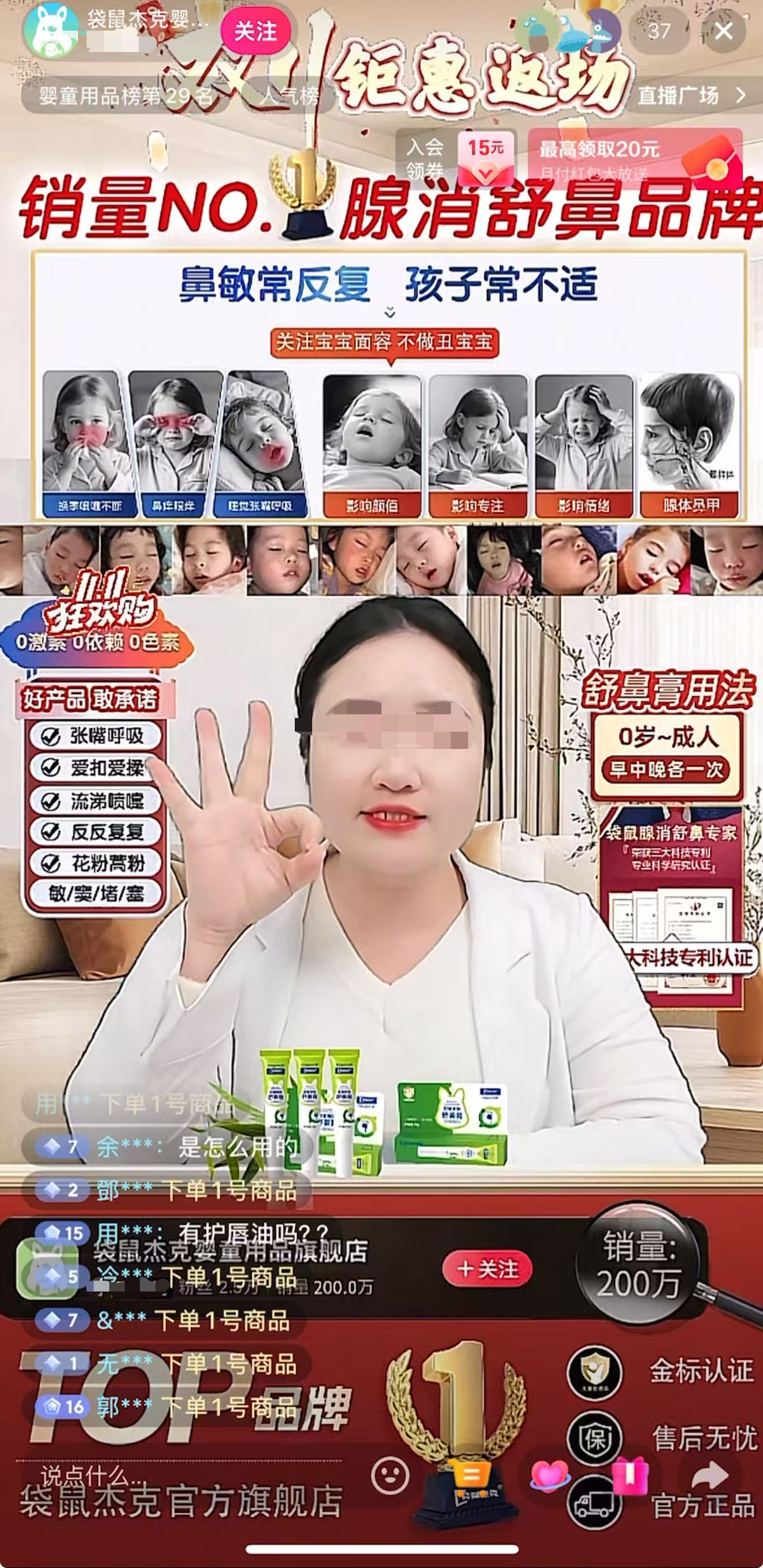
宣称可改善腺样体面容,袋鼠杰克舒鼻膏何以变成“消腺神器”?
Bei Ke Cai Jing· 2025-11-28 07:23
Core Viewpoint - The product "Kangaroo Jack Baby Plant Extract Nasal Cream" is marketed as a solution for nasal discomfort and improving adenoid facial features, but its actual registered efficacy is limited to moisturizing and soothing the skin, raising concerns about misleading advertising and potential legal violations [2][10][12]. Group 1: Product Claims and Misrepresentation - The product is presented in live streams as a remedy for adenoid facial features and nasal discomfort, despite being classified as a cosmetic with no medical claims [2][3][11]. - The live stream emphasizes phrases like "No.1 nasal comfort brand" and uses images of children with adenoid facial features to promote the product [4][7]. - The product's actual registration indicates it is intended for facial use only, with no mention of nasal application, contradicting the promotional claims [12][19]. Group 2: Legal and Regulatory Concerns - The marketing practices suggest the product can treat conditions like adenoid hypertrophy and allergic rhinitis, which may violate multiple legal regulations regarding cosmetic advertising [10][31]. - The company falsely claims a 35-year history as a brand, while it was actually established only 6 years ago, which constitutes false advertising [29][31]. - The product's claims of having "three major technology patents" are misleading, as they pertain to production processes rather than therapeutic benefits [24][25]. Group 3: Consumer Rights and Misleading Information - Consumers are entitled to accurate information about the products they purchase, and misleading claims can infringe on their rights [17]. - The use of the "small gold shield" certification is misrepresented as a quality assurance mark, which could mislead consumers into believing the product has undergone special safety evaluations [16][17]. - The inconsistency in product usage recommendations between live stream hosts and customer service raises further concerns about consumer protection and accurate information dissemination [10][14].
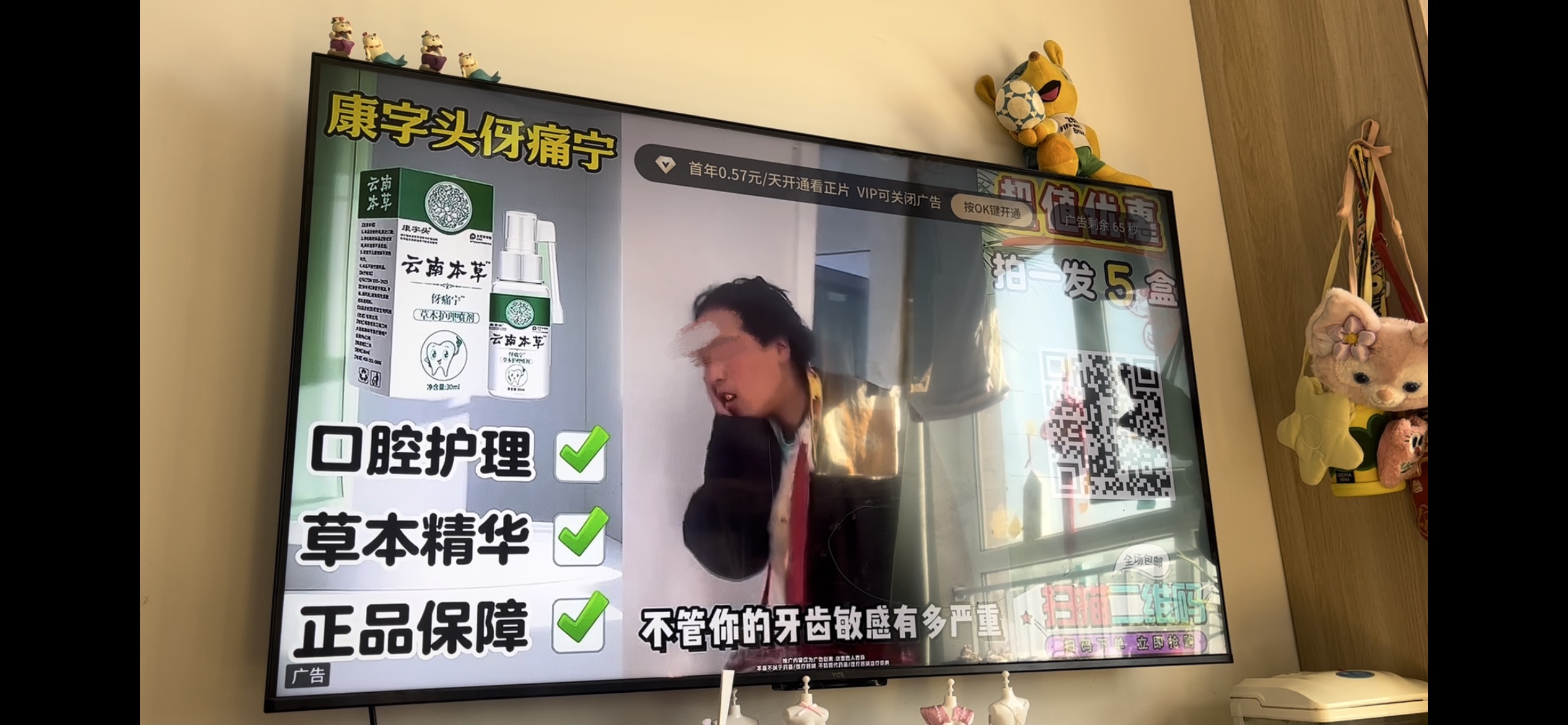
“能治多种牙痛、效果太猛”,康字头草本口鼻护理液涉嫌虚假宣传
Bei Ke Cai Jing· 2025-11-27 08:28
Core Viewpoint - The article discusses the marketing and claims surrounding a product named "Kangzi Head Yunnan Herbal Pain Relief Spray," which is frequently advertised in television dramas, highlighting its purported effectiveness for various dental issues despite being a non-medical herbal mouth and nasal care liquid [1][2][3]. Product Claims and Advertising - The product claims to address multiple oral health issues, including tooth sensitivity, gum swelling, and various types of dental pain, with exaggerated statements in its advertisements [2][3][4]. - The advertising includes phrases suggesting extreme effectiveness, such as "you won't believe the results" and "it can solve any dental problem," which may mislead consumers regarding its actual capabilities [3][6]. Product Identity and Regulation - The product is identified as a herbal mouth and nasal care liquid, not a pharmaceutical product, and is produced by a company that was established only a year ago, contradicting claims of being an "11-year old national brand" [4][9]. - The product's packaging states it cannot replace medications, yet the advertising implies it can treat various dental conditions, potentially violating advertising laws in China [6][8]. Expert Opinions - Experts express skepticism about the product's claims, noting that the conditions it purports to treat have different underlying mechanisms, making it unlikely for a single product to effectively address all of them [7][22]. - Medical professionals warn consumers to be cautious of exaggerated marketing claims and to differentiate between care products, medications, and medical devices [22]. Market Context - The oral health market is experiencing growth, with retail sales of oral care products reaching 26.66 billion yuan in 2023, reflecting a 5.3% increase year-on-year [22]. - Consumers are advised to remain rational and informed when selecting products, ensuring they understand the distinctions between different types of oral care products [22].
创始人“发的微博不算数”,能为企业产品免责吗?
Guan Cha Zhe Wang· 2025-11-22 05:53
Core Viewpoint - The ongoing court case regarding Xiaomi's "carbon fiber hood" has attracted significant public attention, focusing on whether the promotional statements made by Xiaomi's founder Lei Jun constitute misleading advertising and if the features of optional components align with the promotional claims [1][12]. Group 1: Legal Proceedings - The recent court hearing did not result in an immediate verdict, with Xiaomi's civil defense indicating that the core dispute revolves around the promotional statements made by Lei Jun on social media [1]. - Xiaomi's legal team presented 84 pages of new evidence during the initial hearing, which led to a postponement of the trial [5]. - The new evidence includes critical assertions such as "Lei Jun does not understand structure, his Weibo posts do not count" and "the 42,000 yuan accessory is not a key factor in purchasing the car" [5]. Group 2: Implications of New Evidence - Legal expert Zhou Rui analyzed the implications of the statement "Lei Jun does not understand structure" and its potential impact on the case, emphasizing the significant influence of a company's founder in promotional activities [6]. - Zhou noted that the founder's public statements could be considered promotional under Chinese laws against unfair competition and advertising, which could lead to legal liabilities if found misleading [6]. - Denying the authority of a founder's public statements could have far-reaching consequences for the company's marketing strategies, as it raises questions about the validity of claims made by all sales personnel [6]. Group 3: Background of the Case - The controversy began in May when Xiaomi's SU7 Ultra, which had only been delivered for two months, faced backlash over its optional carbon fiber hood [7]. - Customers participating in the lawsuit argue that the actual functionality of the 42,000 yuan carbon fiber hood does not match the promotional claims made by Xiaomi, alleging false advertising [12].