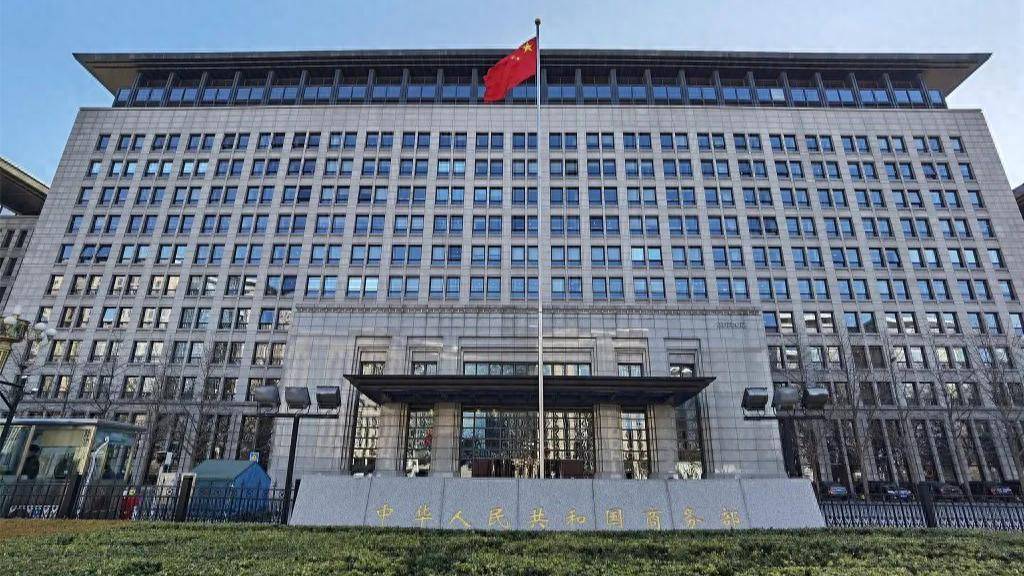
贸易保护主义

Search documents
中国PVC出口格局将呈现哪些变化
Qi Huo Ri Bao· 2025-08-19 22:39
据了解,中国PVC产业的电石法工艺是成本优势的核心支撑。据苗扬介绍,全球PVC生产以乙烯法为 主,而中国凭借煤炭资源优势,电石法工艺占比超80%,这使得国内PVC生产成本较全球乙烯法工艺生 产成本低500~800元/吨。"在低成本驱动下,中国PVC产品大量涌入印度市场,对印度本土生产企业造 成较大的市场冲击。"苗扬表示,在贸易保护主义导向下,印度通过反倾销设置壁垒,本质是为本土制 造业争取成长空间和市场份额。 8月14日,印度商工部发布公告,对原产于或进口自中国、印度尼西亚、日本、韩国、泰国、美国等国 家和地区的聚氯乙烯悬浮树脂作出反倾销肯定性终裁,建议继续对上述国家和地区的涉案产品征收为期 5年的反倾销税。这成为重塑全球PVC贸易格局的关键变量。与2024年10月的初裁相比,中国PVC企业 被加征的税额大幅提高,而其他国家及地区的企业税额普遍下降,形成显著的"税额差"。这一超预期结 果不仅直接冲击中国PVC对印度出口,更在全球贸易保护主义抬头、全球PVC供需失衡的背景下,倒逼 中国PVC产业加速寻找破局路径。 采访中,期货日报记者了解到,印度PVC反倾销调查终裁结果的核心目的是通过"差异化税率"主动调整 进 ...
重振世人对多边贸易体系信心
Jing Ji Ri Bao· 2025-08-19 22:07
Group 1 - The World Trade Organization (WTO) has lowered its global goods trade growth forecast for 2026 from 2.5% to 1.8%, indicating increasing damage from U.S. tariff measures on the global trade system [1] - The U.S. has imposed differentiated tariffs ranging from 10% to 50% on 69 trading partners, raising the trade-weighted average tariff rate to 20.11% as of August 7 [1] - The imposition of tariffs violates WTO principles, leading to systemic risks in global trade rules and increasing uncertainty and fragmentation [1] Group 2 - The unilateral approach of the U.S. in trade negotiations has led to market access agreements that favor U.S. industries while harming global trade governance [2] - Developing countries bear the heaviest burden from these tariff measures, with 32 landlocked developing countries facing marginalization in value chains due to high transportation costs and tariffs [2] - The current multilateral trade system is at a crossroads, with rising trade restrictions potentially leading to further trade contraction and exacerbating economic disparities [2] Group 3 - Urgent reforms are needed for the WTO's dispute resolution mechanism, including the selection of appellate judges and maintaining a two-tier structure for dispute resolution [3] - Emerging economies are encouraged to build diversified supply chain networks to mitigate risks and enhance resilience through regional resource integration [3] - Strengthening the core position of the multilateral trade system is essential, advocating for inclusive rule reforms and ensuring that global development benefits are shared equitably [3]
中方终于翻脸,美国被踢出局,1200吨杂粮将入华,美农民财路被断
Sou Hu Cai Jing· 2025-08-19 16:52
Core Viewpoint - The article discusses the severe challenges faced by American soybean farmers due to the trade policies implemented by former President Trump, particularly the increased tariffs on Chinese imports, which have led to a significant loss of market access for U.S. soybeans. Group 1: Impact of Tariffs - Trump's announcement in April 2025 to raise tariffs on Chinese imports from 34% to 84% resulted in a total tax rate of 104%, which prompted China to retaliate with a 10% tariff on U.S. soybeans, eliminating the price advantage of American soybeans [3] - As a consequence, Chinese buyers signed contracts for 12 million tons of soybeans from Brazil, accounting for half of the demand for the next two months, leaving American farmers without any sales [3] Group 2: Agricultural Subsidies - In response to the crisis, Trump proposed a $61 billion subsidy plan, but most of the funds went to large farms and urban investors, while small farmers received minimal support, insufficient to cover rising costs [5] - Following the announcement of subsidies, soybean prices fell by 1.5%, indicating market skepticism about the effectiveness of these measures [5] Group 3: Market Dynamics - Trump's pressure tactics, including demands for China to purchase four times the amount of soybeans, were ineffective as China continued to secure supplies from Brazil, even establishing currency settlements to avoid exchange rate risks [7] - The reliance on Chinese orders has historically been significant, with over 40% of U.S. soybean exports going to China, but by August 2025, orders from Chinese buyers had completely ceased [9] Group 4: Consequences for Farmers - The financial strain on American farmers is evident, with 88 farms filing for bankruptcy, a 76% increase from the previous year, as subsidies failed to cover loan interests [11] - The article highlights the disparity in subsidy distribution, with funds benefiting Wall Street investors rather than actual farmers, leading to disillusionment among the agricultural community [11] Group 5: Competitive Landscape - China's investments in Brazil have strengthened its supply chain, with a 48% increase in Brazilian soybean shipments to Chinese ports, while American shipments have virtually disappeared [13] - The cost advantage of Brazilian soybeans, which are $31 per ton cheaper than U.S. soybeans, combined with shorter transportation times and reduced currency risks, has made American soybeans less competitive [15]

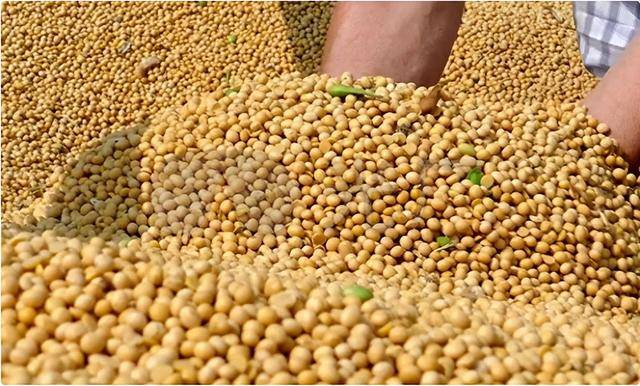
特朗普最担心的一幕发生?巴西突然宣布重大消息!打的美国一个措手不及,更大的崩塌刚刚开始?
Sou Hu Cai Jing· 2025-08-19 13:12
Group 1 - Chinese buyers are shifting their soybean orders primarily to Brazil during the peak procurement season, leaving U.S. soybean exporters facing significant sales challenges [1][3] - The U.S. soybean industry is experiencing unprecedented pressure, with a more than 30% year-on-year increase in soybean inventory over the past two years, leading to storage shortages in some regions [3] - The income of U.S. farmers has sharply declined since the trade war began, with a 15% year-on-year increase in farm bankruptcies reported last year [3] Group 2 - The U.S. trade policy is criticized for its double standards, imposing high tariffs on Chinese products while simultaneously hoping for large purchases of U.S. soybeans from China [5] - The ongoing difficulties in the U.S. soybean industry are not seen as a short-term issue, and without policy adjustments, the U.S. risks losing the critical Chinese market permanently [5] - The influence of U.S. economic hegemony is gradually diminishing, as more countries seek diversified trade partnerships, challenging the traditional U.S.-led trade order [7]
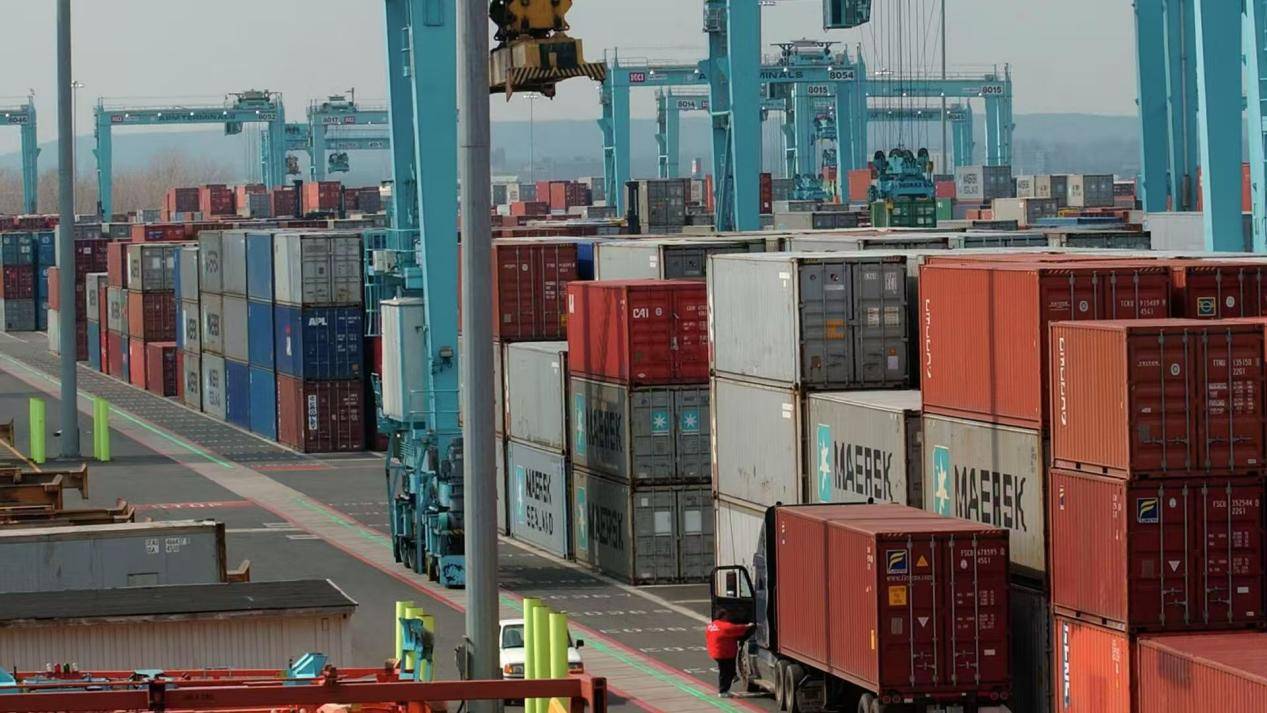
印度、巴西与美国贸易谈判仍无进展,26年春夏订单季撞上特朗普关税
Di Yi Cai Jing· 2025-08-19 11:46
Group 1: Impact of US Tariffs on India - Fitch Ratings warns that the ongoing increase in US tariffs may lower India's GDP growth forecast for FY2026 from 6.5% [1] - The US has imposed a 25% tariff on Indian goods starting August 7, with an additional 25% tariff on products imported from India due to its ties with Russia [1] - Major Indian exports such as textiles, jewelry, auto parts, and seafood will face a total of 50% tariffs, while certain electronics and pharmaceuticals will remain exempt [1][6] Group 2: Effects on Indian Companies - Indian pharmaceutical companies, like Biocon Biologics, derive nearly 40% of their revenue from the US, making them vulnerable to new tariffs [6] - UPL, a major player in crop protection chemicals, faces potential pressure as 10%-12% of its revenue comes from the US market [7] - The imposition of tariffs could lead to a significant decline in India's competitiveness in the US market, with potential export drops of 60% to 80% depending on tariff levels [10] Group 3: Business Reactions and Strategies - Companies like Farida Group, which relies heavily on the US market, have frozen expansion plans due to the tariff impact [8] - The "India+1" strategy is gaining traction among companies considering relocating from India due to the unfavorable tariff environment [9] - Exporters are experiencing a demand drop of around 20% in the short term, with some factories resorting to significant price cuts to retain customers [10]
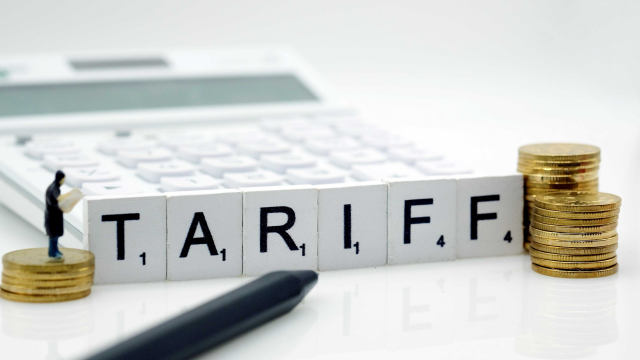
战局已扩大,中国重锤加拿大,160多国收到消息,加政府后悔已晚
Sou Hu Cai Jing· 2025-08-19 11:02
Group 1 - The article highlights the sudden backlash from China against Canada following the imposition of tariffs on Chinese steel, indicating a coordinated response from China that significantly impacts Canada's economy [1][11][12] - Canada’s deep economic ties with the United States have limited its strategic options, leading to a reliance on U.S. policies that may not always favor Canadian interests [3][5] - The Canadian government, under Prime Minister Carney, underestimated China's resolve and capability to retaliate, resulting in a series of calculated economic measures against Canada [11][12] Group 2 - China imposed a 75.8% anti-dumping deposit on Canadian canola seed imports, a move that coincided with the harvest season, severely affecting Canadian farmers [14][16][27] - The response from China included a lawsuit at the WTO against Canada for its discriminatory tariffs, indicating a strategic approach to garner international support [19][21] - The article emphasizes that Canada’s agricultural sector, particularly canola farmers, faces dire consequences due to lost access to the Chinese market, which could lead to long-term market share losses [27][29] Group 3 - The article discusses the broader implications of Canada’s actions on its international reputation, suggesting that its protectionist measures could trigger a global trade protectionism wave [31] - The narrative concludes that Canada’s experience serves as a lesson on the dangers of abandoning strategic autonomy in favor of alignment with larger powers, advocating for a more pragmatic and balanced foreign policy [35][37]

中方接连打出两记重拳:若美国想让我们当炮灰,就得付出相应代价
Sou Hu Cai Jing· 2025-08-19 09:16
Group 1 - The U.S. tariff revenue has surged from $7.3 billion in January to $27.7 billion in July, totaling $135.7 billion over ten months, leading to increased consumer prices in supermarkets, with shoes up 39% and T-shirts up 37% [3] - General Motors anticipates an additional $5 billion in costs due to tariffs, while Toyota's profits have plummeted by 37%, prompting a downward revision of annual forecasts [3] - The semiconductor sector is experiencing significant market volatility, with the Philadelphia Semiconductor Index dropping over 2% and 14 chip companies losing a combined market value of $42 billion [5] Group 2 - TSMC is caught in a challenging position, facing potential profit erosion or the need to pass costs onto U.S. clients like Apple and NVIDIA if the 300% tariff is implemented [5] - Apple has pledged an additional $100 billion investment in the U.S. in hopes of securing tariff exemptions, highlighting the uncertainty in the global supply chain [5] - The semiconductor industry in China's western regions has seen a 270% increase in production capacity over three years, with domestic manufacturing being recognized as "Made in China" under new regulations [12] Group 3 - China's response to U.S. tariffs includes anti-dumping reviews on Australian wine and countervailing duties on Japanese steel, targeting U.S. allies [7] - China has imposed a 75.8% deposit on Canadian canola seed, significantly impacting Canada's exports, which are valued at nearly CAD 5 billion for 2024 [8] - The shift in global supply chains is evident, with companies like Volkswagen and Airbus increasing investments in China, indicating a trend of "voting with their feet" against U.S. policies [10] Group 4 - The BRICS nations are projected to surpass the G7 in economic output, with their share of global GDP reaching 37.4% in 2023, compared to the G7's 29.3% [14] - The reliance on the U.S. dollar is decreasing, with a reported 87% year-on-year increase in China's currency settlements with trade partners [10] - The semiconductor supply chain is diversifying, with U.S. imports dropping below 20% of total semiconductor equipment sources [12]
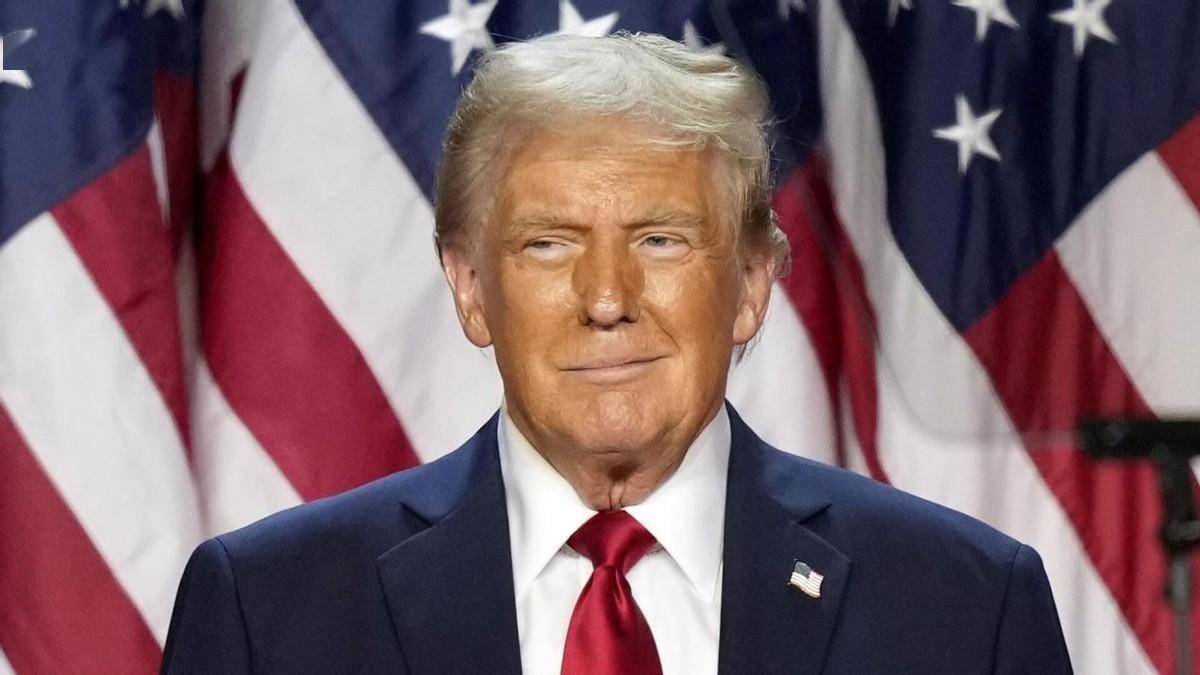
日本火了!关税是加上15%,而不是加到15%,对越南也这样骗
Sou Hu Cai Jing· 2025-08-19 08:54
Group 1 - The article highlights the U.S. as a master of "number games" in international trade negotiations, particularly criticizing its tactics with Japan and Vietnam [2][3] - In the negotiation with Japan, the U.S. claimed Japan would invest $550 billion, but the actual government financial arrangement involved only $5 to $10 billion, with the rest being voluntary corporate investments [2] - The negotiation with Vietnam was described as a "farce," where the U.S. initially agreed to a 1% tariff but later claimed it was 20%, showcasing a manipulation of numbers to gain an advantage [3] Group 2 - The unilateral actions of the U.S. have provoked backlash from several countries, including the EU, Brazil, and India, which have all initiated countermeasures against U.S. tariffs [5] - The U.S.'s international credibility has significantly declined, leading countries to distrust U.S. commitments and agreements, impacting future negotiations [6] - The global trade landscape is shifting as countries like Japan and ASEAN nations reduce reliance on the U.S. market, with Japan accelerating its "de-Americanization" efforts in supply chains [6] Group 3 - The article warns that if the U.S. continues its current approach, it risks becoming increasingly isolated on the international trade stage, potentially leading to significant economic consequences [8] - The core of international trade should be fairness and cooperation, but the U.S. is perceived to be pursuing unilateralism and protectionism, which is unsustainable [8]
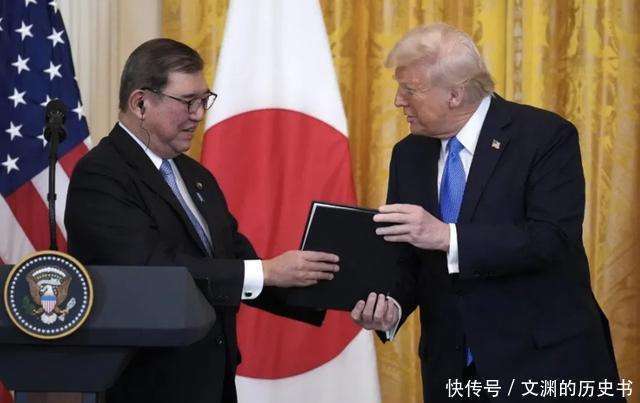
特朗普失策了!印度面对50%关税,莫迪找了50国的出口退路?关键时刻,王毅访印点明出路
Sou Hu Cai Jing· 2025-08-19 07:53
Core Viewpoint - India is facing significant economic challenges due to the imposition of high tariffs by the United States, particularly a 50% tariff on certain goods, which has led to a reevaluation of its export strategies and markets [1][3][8] Group 1: Economic Impact - The U.S. has imposed a 25% punitive tariff on Indian goods, adding to an existing 25% tariff, resulting in a total of 50% on certain exports [1] - India's exports to the U.S. have historically accounted for about 18% of its total exports, making the U.S. its second-largest export destination [1] - High tariffs are compressing profits and causing orders to shift away from traditional Indian industries such as leather, textiles, and engineering machinery [1] Group 2: Strategic Response - The Indian government, led by Prime Minister Modi, is actively seeking to diversify its export markets, focusing on over 50 emerging countries that collectively account for nearly 45% of global trade [3] - The Indian agricultural export sector has seen a 17% increase in orders from the Middle East and over 23% growth in agricultural machinery exports to Africa [3] - India is also investing in high-value sectors such as solar cells, lithium batteries, and pharmaceuticals, with a significant initiative to produce silicon carbide chips [3][4] Group 3: Government Support - Modi announced the revival of a 225 billion INR export promotion fund to support small and medium enterprises affected by U.S. tariffs [4] - The National Development Bank has established a special credit window to assist companies in expanding into non-U.S. markets [4] Group 4: International Relations - Jeffrey Sachs emphasized the need for India to diversify its trade partnerships and reduce reliance on the U.S., aligning with India's current strategy to strengthen ties with countries like Russia, China, and various African nations [6] - China's Foreign Minister Wang Yi's upcoming visit to India is seen as an opportunity to enhance bilateral relations and provide India with alternative trade options amidst U.S. pressures [8] - Strengthening cooperation between India and China could help India mitigate the impact of U.S. tariffs and enhance its bargaining power on the global stage [8]
中方4天之内再出“重锤”,将加拿大告上WTO,起诉书发给160多个成员国!
Sou Hu Cai Jing· 2025-08-19 06:40
Core Points - China has formally initiated a lawsuit against Canada at the WTO, claiming that Canada's steel tariff quota policy and the 25% discriminatory tariffs on products containing Chinese steel components violate WTO rules [1][3] - The Chinese Ministry of Commerce recently imposed a high anti-dumping deposit of 75.8% on Canadian canola imports, significantly impacting Canada's agricultural sector [1][3] - Canada's decision to impose tariffs on Chinese electric vehicles and steel products has backfired, leading to a retaliatory response from China that escalates the conflict to a diplomatic level [3][5] Summary by Sections Trade Dispute - The trade dispute between China and Canada is characterized by retaliatory tariffs, with China accusing Canada of violating WTO rules through its steel tariffs [1][3] - The imposition of a 75.8% anti-dumping deposit on canola imports from Canada is expected to severely disrupt the Canadian agricultural economy, as over half of Canada's canola exports rely on the Chinese market [1][3] Economic Impact - The agricultural sector in Canada faces significant economic losses due to the high tariffs, with immediate effects prompting importers to cancel orders [1][3] - The reliance of Canadian farmers on the Chinese market highlights the potential long-term consequences of losing access to this critical market [3][5] Diplomatic Relations - The ongoing trade tensions illustrate the risks of unilateralism and protectionism, as Canada’s actions have led to a loss of trust and cooperation with China [5][7] - Canada is urged to reassess its policies and avoid following the U.S. blindly, as this could further jeopardize its economic interests and international reputation [7]