高端化

Search documents
燕京啤酒(000729):中报再超预期,旺季景气延续
GOLDEN SUN SECURITIES· 2025-08-11 06:30
Investment Rating - The report maintains a "Buy" rating for the company [4][7]. Core Views - The company reported strong performance in H1 2025, with revenue of 8.558 billion yuan, a year-on-year increase of 6.37%, and a net profit attributable to shareholders of 1.103 billion yuan, up 45.45% year-on-year [1]. - The growth in revenue is primarily driven by an increase in average selling price, with beer business revenue reaching 7.896 billion yuan, a 6.88% increase year-on-year, supported by a 4.75% rise in price per ton [1][4]. - The company is focusing on high-end product penetration in mature markets while accelerating its presence in emerging markets [2]. Summary by Sections Financial Performance - In Q2 2025, the company achieved revenue of 4.731 billion yuan, a 6.11% increase year-on-year, and a net profit of 938 million yuan, up 43% year-on-year [1]. - The gross margin for Q2 2025 was 47.70%, with a notable decrease of 0.63 percentage points due to cost release [3]. - The company’s subsidiaries, such as Liqueur Beer and Huichuan Beer, also showed stable growth, with revenues of 2 billion yuan and 351 million yuan, respectively [3]. Market Strategy - The company is enhancing its product mix with the U8 series and exploring new revenue streams through "beer + beverage" marketing strategies [4]. - Sales in various regions showed diverse growth, with the East China region experiencing a 20.5% increase in revenue [2]. Future Outlook - The company expects a strong performance in the upcoming seasons, with projected net profits for 2025-2027 to grow by 38.2%, 22.3%, and 17.6%, reaching 1.46 billion yuan, 1.78 billion yuan, and 2.1 billion yuan, respectively [4].

我国轻工业:上半年营收11.3万亿,出口4568亿美元
Sou Hu Cai Jing· 2025-08-10 23:28
Core Viewpoint - The light industry in China has shown a positive recovery trend in the first half of the year, with significant improvements in various indicators [1] Group 1: Production and Revenue - The added value of the light industry above designated size increased by 7.0% year-on-year [1] - The operating revenue reached 11.3 trillion yuan [1] Group 2: Consumer Market Performance - Retail sales of 11 categories of light industry products exceeded 4.3 trillion yuan, growing by 11.6% year-on-year [1] - The "trade-in" policy for consumer goods has led to double-digit growth in the production of products like electric bicycles [1] - Retail sales of home and audio-visual equipment and furniture increased by 30.7% and 22.9% year-on-year, respectively [1] Group 3: Industry Upgrading - The light industry is accelerating its transition towards high-end and intelligent products [1] - The penetration rate of digital R&D tools among large-scale light industry enterprises reached 86.2%, promoting the mass production of high value-added products [1] Group 4: Export Performance - Light industry exports remained resilient, with exports amounting to 456.8 billion USD in the first half of the year [1] - Among 21 major industry categories, 11 saw year-on-year growth in export value [1]
有色业投资保持两位数增长
Jing Ji Ri Bao· 2025-08-10 21:54
Core Insights - The overall performance of China's non-ferrous metal industry in the first half of the year shows a stable operation with a year-on-year increase in industrial added value of 7.6%, which is 1.2 percentage points higher than the average growth rate of the industrial sector [1] - Key drivers for growth include refined copper and electrolytic aluminum, with refined copper production reaching 7.363 million tons (up 9.5% year-on-year) and electrolytic aluminum production at 22.379 million tons (up 3.3% year-on-year) [1] Industry Performance - The non-ferrous metal industry has maintained strong resilience and development vitality, with steady growth in industrial added value driven by policy guidance, institutional support, industry transformation, and emerging demand [1] - Fixed asset investment in the non-ferrous metal industry increased by 16.1% year-on-year, surpassing the national industrial investment growth rate by 5.8 percentage points, indicating a positive development trend [2] - Investment in the non-ferrous metal mining and selection industry surged by 46.5%, with a clear shift towards upstream resource sectors and new energy applications, reflecting significant structural adjustments in response to market demand [2] Future Outlook - The annual growth rate of industrial added value in the non-ferrous metal industry is expected to be around 5%, with production of ten common non-ferrous metals projected to increase by 2% to 3% year-on-year [3] - Prices for commonly used non-ferrous metals like copper and aluminum are expected to remain high, while industrial silicon and lithium carbonate prices are likely to stay at lower levels [3]
酒品篇:以数智化升级实现降本增效
Sou Hu Cai Jing· 2025-08-10 11:03
Core Viewpoint - The domestic liquor industry is actively promoting technological innovation and digital transformation to enhance quality, reduce costs, and improve efficiency in response to changing consumer demands and increasing market competition [1][2]. Market Overview - The Chinese liquor market is undergoing a rapid transformation, with changes in consumption patterns, structures, and philosophies. Major liquor companies are focusing on digitalization to improve production efficiency and product quality while reducing operational costs [2][4]. - According to the China Alcoholic Drinks Association, by the end of 2024, the total consumption of alcoholic beverages in China will remain below 50 million kiloliters, with baijiu and beer dominating the market, accounting for approximately 93% of total consumption [4]. Baijiu Industry - The baijiu industry, as the absolute leader in the Chinese liquor market, has seen a slowdown in growth after rapid expansion. In 2024, the production of baijiu from large-scale enterprises is expected to be 4.145 million kiloliters, a year-on-year decrease of 1.8%, while sales revenue is projected to reach 796.384 billion yuan, a growth of 5.3% [5]. - The market is increasingly concentrated among leading brands, with top companies like Kweichow Moutai and Wuliangye capturing a significant share of industry profits. In 2024, 20 A-share baijiu companies are expected to generate total revenue of 442.2 billion yuan and net profits of 166.6 billion yuan [5][6]. - Changing consumer preferences, particularly among younger consumers, are driving the industry towards lower-alcohol products and international market expansion [6]. Beer Industry - The beer industry in China is experiencing a "volume decline and price increase" trend, with 2024 beer production expected to be 35.213 million kiloliters, a decrease of 0.6% year-on-year. However, revenue and profits are on the rise, with sales revenue increasing from 147.45 billion yuan in 2018 to 186.3 billion yuan in 2023 [9][10]. - Major players like Budweiser APAC, China Resources Beer, and Tsingtao Brewery are leveraging brand strength and market share to maintain their leading positions. The industry is also seeing a shift towards high-end products and digital transformation [10][13]. - Craft beer and non-alcoholic beer are emerging as rapidly growing segments, with craft beer consumption expected to reach 230,000 kiloliters by 2025, reflecting a compound annual growth rate of 17% [10]. Digital and Intelligent Transformation - The liquor industry is embracing digital and intelligent technologies as core drivers of transformation. Companies are implementing automation, big data analytics, and blockchain technology to enhance production efficiency and consumer trust [15][21]. - Kweichow Moutai is leading in digital transformation with initiatives like the "i Moutai" platform, which integrates various operational aspects and utilizes blockchain for product traceability [17][18]. - Wuliangye is investing in multiple projects to enhance its digital capabilities, including smart warehousing and supply chain management [19][20]. - China Resources Beer is integrating IoT and data-driven approaches to automate production processes and enhance operational efficiency [21][22]. - Tsingtao Brewery is advancing its digital strategy across its entire business chain, focusing on data collection, product development, and smart logistics [26][27]. Notable Projects - The Luzhou Laojiao Intelligent Packaging Center, recognized as the first "lighthouse factory" in the baijiu industry, showcases advanced automation and digital integration in its operations [29][31]. - China Resources Snow Beer has launched a JIT intelligent corridor project to enhance supply chain efficiency, marking a significant step towards digital transformation in the beverage supply chain [33].





农机巨头潍柴雷沃冲刺港股IPO,能否续写“拖拉机之王”传奇?
Sou Hu Cai Jing· 2025-08-08 16:46
Core Viewpoint - The Hong Kong stock market is witnessing a surge in IPOs, particularly in the agricultural machinery sector, with Weichai Lovol, a leading tractor manufacturer, preparing for its IPO amidst a strategic transformation and ambitious revenue goals [1][5]. Group 1: Company Overview - Weichai Lovol has been a key player in the agricultural machinery industry for over 20 years, recognized as the "King of Tractors" in China [1][5]. - The company aims to achieve a revenue target of 50 billion yuan by 2025, a significant increase from its 2021 revenue of 14 billion yuan [1][4]. Group 2: Strategic Transformation - The company is undergoing a strategic transformation to upgrade the agricultural machinery industry, focusing on smart, high-end, and platform-based manufacturing [2]. - Weichai Lovol has successfully launched its first CVT high-power tractor, breaking the foreign monopoly in the market and establishing a strong user base and market share [4]. Group 3: IPO Journey - Weichai Lovol initially attempted to go public on the A-share market in March 2023, seeking to raise 5 billion yuan, but withdrew its application due to market changes and regulatory pressures [4]. - The company has shifted its focus to the Hong Kong stock market, officially submitting its IPO application in June 2023, reflecting its determination to access capital markets [4][5].

订阅服务涨价,小牛得了特斯拉的病
凤凰网财经· 2025-08-08 13:09
Core Viewpoint - The article discusses the challenges faced by Niu Technologies in maintaining its premium positioning in the electric two-wheeler market, particularly in light of rising subscription service costs and increased competition from other brands offering similar smart features at lower prices [4][14][26]. Group 1: Rising Costs of Smart Services - Niu Technologies initially positioned itself as a high-end, smart electric two-wheeler brand, attracting users with advanced features and a subscription model for services [5][6]. - Subscription fees for smart services have increased significantly, from 38 yuan per year in 2015 to 69 yuan per year currently, with multi-year packages also seeing price hikes [8][10]. - Users are beginning to question the value of these smart services, with some opting not to renew subscriptions after the initial free period [9][13]. Group 2: Competitive Landscape - The electric two-wheeler market has become increasingly competitive, with brands like XIAO and Yadi offering similar smart features at lower prices, making Niu's offerings appear less attractive [14][22][24]. - Niu's smart service fees are the highest in the industry, compared to competitors like Ninebot and Yadi, which charge 66 yuan and 42 yuan per year, respectively [16][26]. - Niu's sales have been impacted by this competitive pressure, with Ninebot rapidly increasing its market share and sales volume [24][25]. Group 3: Financial Performance and R&D Investment - Despite a temporary increase in sales due to favorable policies, Niu Technologies has not demonstrated the profitability expected from a premium brand, with a reported R&D investment of only 130 million yuan in 2024, significantly lower than competitors [25][31]. - Niu's average selling price has dropped from 4,928 yuan in 2019 to 3,203 yuan in 2024, indicating a shift towards a more price-sensitive market strategy [25][31]. - The company faces challenges in maintaining its high-end narrative while competing against brands that offer better value propositions [26][28].


最高售价3.2万元!董明珠回应玫瑰空调争议:你不喜欢有人喜欢,我就是要坚持去创新【附白色家电行业市场分析】
Qian Zhan Wang· 2025-08-08 11:56
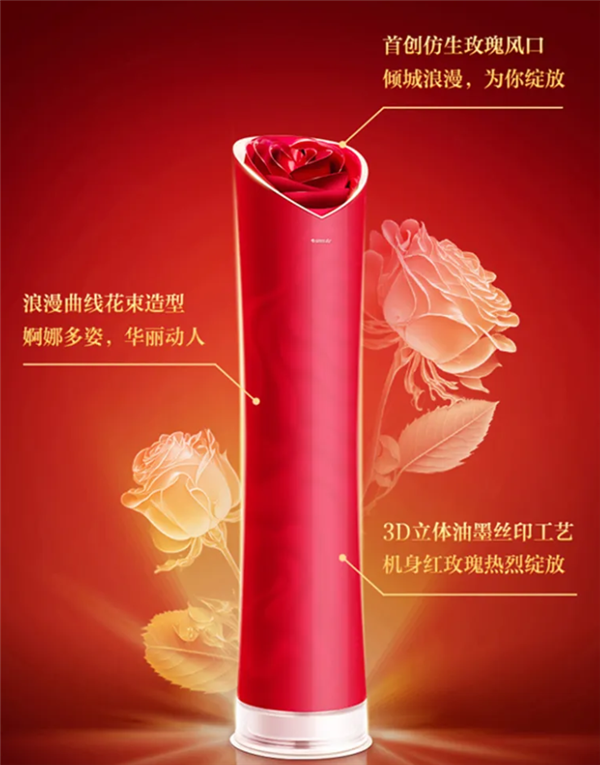
Group 1 - Gree Electric's Rose Air Conditioner, priced at 32,999 yuan, features a unique rose design and advanced smart technologies, including self-cleaning and intelligent temperature control [1][3] - The product has faced criticism for its aesthetics, with some consumers describing it as outdated and overpriced, yet Gree's chairman emphasizes the importance of innovation over mere cost-cutting in the industry [3][4] - Gree Electric has received numerous awards for its innovation, including 99 significant national and industry-level awards and over 49,549 invention patents, making it a leader in the air conditioning sector [4] Group 2 - The high-end white goods market in China is experiencing growth, with significant increases in retail sales proportions for refrigerators, dryers, and dishwashers, indicating a rising consumer demand for quality and performance [6] - The white goods industry in China has transitioned from merely increasing production capacity to focusing on green, intelligent, and high-end development in line with dual carbon goals and smart manufacturing trends [8]

消费新场景丨以旧换新“换”出消费新动能
Yang Guang Wang· 2025-08-08 00:45
Core Insights - The article discusses the promotion of the "old-for-new" consumption policy in China, which has significantly stimulated consumer spending and contributed to the upgrade of industries [1] Group 1: Policy Impact - As of July 16, 2.8 billion people have applied for the "old-for-new" subsidy, leading to sales exceeding 1.6 trillion yuan [1] - The policy has expanded to include various sectors such as automotive, home appliances, and home renovation, promoting a shift towards smarter and greener consumption [1] Group 2: Consumer Behavior - Consumers are attracted to promotions like "old-for-new" and significant price reductions, with examples showing air conditioners originally priced over 3,000 yuan being available for as low as 1,000 yuan after subsidies [1] - High-tech and efficient products are gaining popularity among consumers, enhancing their quality of life [1] Group 3: Industry Transformation - The "old-for-new" policy is facilitating industrial upgrades, pushing industries towards smart and high-end transformations [1] - The trend towards low-carbon lifestyles is becoming more prevalent as a result of these policies [1]
柳钢股份: 柳州钢铁股份有限公司2025年度以简易程序向特定对象发行股票募集资金使用可行性分析报告
Zheng Quan Zhi Xing· 2025-08-07 12:20
Core Viewpoint - LiuZhou Steel Co., Ltd. plans to raise funds through a simplified procedure to invest in a technical upgrade project for its 2800mm medium-thick plate production line, with a total investment of approximately 487.68 million yuan, aiming to enhance product quality and market competitiveness [1][10]. Fundraising Plan - The company intends to raise no more than 300 million yuan, which complies with regulations for simplified procedures [1]. - The net amount raised after deducting related issuance costs will be fully allocated to the specified projects [1][2]. Project Overview - The main project is the upgrade of the 2800mm medium-thick plate production line, with a total investment of 487.68 million yuan and a planned investment from the raised funds of 300 million yuan [2][10]. - The construction period for the project is set at 18 months, focusing on advanced technology to improve production efficiency and product quality [2][6]. Necessity of Project Implementation - Current market conditions show low prices for long products, prompting a shift towards plate products, making the upgrade essential to avoid losing market share in the medium-thick plate sector [2][3]. - Existing equipment issues, such as uneven heating and inadequate surface treatment, necessitate the upgrade to meet higher quality demands from major customers [3][5]. Feasibility of Project Implementation - The project aligns with national policies promoting high-quality, sustainable development in the steel industry, encouraging upgrades towards high-end, intelligent, and green production [6][11]. - The upgrade is expected to enhance product quality, optimize product structure, and reduce emissions, thus meeting stringent environmental standards [6][9]. Economic Benefits - The financial internal rate of return for the project is estimated at 21.5%, with a payback period of 5.9 years, indicating strong economic viability [10]. - The project is anticipated to improve product competitiveness by addressing quality issues and increasing the added value of products [9][10]. Impact on Company Operations and Financial Status - The fundraising project is expected to enhance the company's operational capabilities, improve product quality, and strengthen market competitiveness, aligning with the company's long-term strategic goals [10][11]. - Post-fundraising, the company's asset scale and financial strength will improve, leading to a better capital structure and lower debt ratio [10][11].

消费现场|海底捞的“金汤花胶鸡”,能熬出高端化的未来吗?
Hu Xiu· 2025-08-07 07:59
Core Insights - Haidilao is attempting to differentiate itself in the competitive hot pot market by launching a high-end restaurant concept, "Haidilao · Premium Store," which features upscale ingredients and a refined dining experience [1][5][6] - The high-end hot pot market is experiencing significant growth, with a reported increase of over 20% in market size for premium hot pot establishments in 2023, indicating a shift in consumer preferences towards unique experiences and high-quality ingredients [5][12] - The company faces challenges in redefining its service model to meet the expectations of high-end consumers, who demand a more personalized and anticipatory service experience compared to its traditional offerings [11][12] Market Trends - The hot pot industry is witnessing a polarization in pricing, with mid-range establishments facing intense competition while high-end options are thriving [5][12] - Over 65% of surveyed consumers are willing to pay a premium for unique experiences and top-tier ingredients, particularly for special occasions [5][12] Operational Challenges - The "Premium Store" aims for an average spending of over 500 yuan per customer, significantly higher than the typical 150 yuan at regular locations, necessitating a shift in operational strategy [6][12] - The company is implementing a cautious approach to expansion, focusing on limited reservations and avoiding mass-market replication to maintain exclusivity and value [12][13] - High operational costs, including premium location rents and upscale ingredient sourcing, pose significant financial challenges for the new concept [11][12]