人工智能

Search documents
国新证券每日晨报-20260323
Guoxin Securities Co., Ltd· 2026-03-23 03:22
Domestic Market Overview - The domestic market experienced a pullback after a brief rise, with the Shanghai Composite Index closing at 3957.05 points, down 1.24% [4][8] - The Shenzhen Component Index closed at 13866.20 points, down 0.25%, while the ChiNext Index rose by 1.3% [4][8] - A total of 27 out of 30 sectors in the CITIC index declined, with the most significant drops in comprehensive finance, computer, and defense industries; only communication, electric equipment, new energy, and coal sectors saw gains [4][8] Overseas Market Overview - All three major U.S. stock indices closed lower, with the Dow Jones down 0.96%, the S&P 500 down 1.51%, and the Nasdaq down 2.01% [2][4] - Notable declines included Honeywell and Nvidia, both dropping over 3%, leading the Dow's decline [2][4] - The Nasdaq China Golden Dragon Index fell by 2.92%, with Kingsoft Cloud experiencing a drop of over 9% [2][4] Key News Highlights - Premier Li Qiang attended the China Development Forum 2026 and delivered a keynote speech emphasizing the complex changes in the current international situation [10][13] - The People's Bank of China, represented by Governor Pan Gongsheng, reiterated the commitment to a supportive monetary policy stance to ensure stable economic growth and a smooth financial market [14][9] - The Ministry of Natural Resources announced significant findings in mineral exploration, including a verified resource of 966.56 million tons of rare earth oxides in the Qiangniu Ping mining area [16][15]


人工智能加速军事“杀伤链”
HTSC· 2026-03-23 03:15
Investment Rating - The report maintains a "Buy" rating for the aerospace and military industry, with specific recommendations for several companies [8]. Core Insights - The report highlights the acceleration of military "kill chains" through artificial intelligence, particularly in the context of the recent US-Israel-Iran conflict, which is described as the "first AI war" [11][12]. - The modernization of China's defense and military capabilities is expected to transition from quantity to quality during the "14th Five-Year Plan" period, with significant structural opportunities emerging in new domains and advanced weaponry [18][19]. Company Recommendations - The report suggests focusing on the following companies: - AVIC Shenyang Aircraft Corporation (中航沈飞) [8] - Guorui Technology (国睿科技) [8] - AVIC Optoelectronics (中航光电) [8] - Ruichuang Micro-Nano (睿创微纳) [8] - Aerospace Intelligent Manufacturing (航天智造) [8] - Beihua Co., Ltd. (北化股份) [8] - Guotai Group (国泰集团) [8] - Aerospace Nanhu (航天南湖) [8] - Guoke Military Industry (国科军工) [8] Industry Trends - The report notes that the demand for military equipment is expected to grow in a stable manner, with new opportunities arising in unmanned systems, advanced weapons, and low-cost equipment during the "14th Five-Year Plan" [18][21]. - The military trade market is anticipated to grow, with China's market share expected to increase significantly, driven by rising global military expenditures [22]. - The application of military technology in civilian sectors is projected to create vast market opportunities, particularly in commercial aerospace, low-altitude economy, deep-sea technology, and nuclear energy [23].


英伟达GTC2026正式开幕,OFC2026见证“互连爆发”
Huaxin Securities· 2026-03-23 03:00
Investment Rating - The report maintains a recommendation for investment in the AI computing sector, particularly focusing on companies like NVIDIA and others involved in AI infrastructure [2]. Core Insights - NVIDIA has transitioned from a chip supplier to a full-stack AI infrastructure platform, with expectations that demand for its AI chips will reach at least $1 trillion by 2027, doubling previous forecasts [3]. - The OFC 2026 event highlighted the emergence of new multi-source protocol organizations focusing on interconnect needs for large-scale AI data centers, with significant innovations in optical modules [4]. - The report emphasizes the importance of AI software and ecosystem development, particularly with the introduction of the NemoClaw software stack for secure AI operations [3]. Market Performance Analysis - The communication sector saw a weekly increase of 2.10%, while the electronics sector experienced a decline of 2.84% from March 16 to March 20 [11]. - Among AI computing-related sectors, communication network devices and components had the highest weekly increase of 7.38%, while other power equipment saw a decline of 6.76% [17]. - The report indicates that the electronic sector had a net outflow of 20.4 billion yuan, while the communication sector had a net inflow of 20.55 billion yuan during the same period [22]. Company Focus and Earnings Forecast - Key companies highlighted include: - Shannon Semiconductor (300475.SZ) with a buy rating and projected EPS growth from 0.58 in 2024 to 2.36 in 2026 [5]. - Guokai Microelectronics (300672.SZ) also with a buy rating, showing a projected EPS turnaround from -0.88 in 2025 to 2.24 in 2026 [5]. - The report notes that the PCB industry is expected to recover from a downturn starting in 2024, with significant growth anticipated in 2025 [27][29]. Industry Dynamics - The report discusses the competitive landscape in the AI sector, with major investments from companies like Xiaomi, which plans to invest at least 60 billion yuan in AI over the next three years [41]. - It also highlights Google's development of a dedicated Gemini AI application for Mac, indicating ongoing competition in the AI space [43]. - The U.S. government is pushing for unified AI regulations to enhance innovation while ensuring consumer protection, reflecting the growing importance of AI in various sectors [45][46].


英伟达宣布全面转向物理AI,新一代AI算力技术亮相
GUOTAI HAITONG SECURITIES· 2026-03-23 02:55
Investment Rating - The report does not explicitly provide an investment rating for the AI industry Core Insights - The AI industry is experiencing significant advancements, particularly in computational power and model development, with major companies like Nvidia and Meta making substantial investments and announcements [10][14][17] - There is a growing focus on integrating AI into various sectors, including logistics, finance, and consumer electronics, indicating a trend towards practical applications of AI technology [27][28][30] - The emergence of new AI models and platforms, such as Xiaomi's MiMo-V2-Pro and Nvidia's Nemotron 3 Super, showcases the competitive landscape and innovation within the industry [17][24] Summary by Sections AI Industry Dynamics - The Shanghai Global Investment Promotion Conference introduced 31 new "quality elements" focusing on AI, providing comprehensive support from R&D to application [6] - The Ministry of Industry and Information Technology announced the first batch of cities for the National New Industrialization Demonstration Zone, emphasizing innovation and digital transformation [7] - Guangdong Province is encouraging local governments to subsidize AI model development, aiming to lower barriers for innovation [8] - Beijing's government issued measures to promote economic stability, including subsidies for AI application projects [9] AI Computational Power Insights - Nvidia announced a full transition to physical AI, unveiling a new generation of AI computing technology at the GTC 2026 conference, with a revenue target of $1 trillion [10] - Gongji Technology won the "Global Leading Elastic Computing Scheduling Platform" award, integrating idle computing resources into a unified pool [12] - Zhongke Shuguang launched a domestically developed 400G lossless high-speed network, enhancing the capabilities of large-scale computing clusters [13] - Meta signed a long-term agreement with Nebius for AI computing resources worth up to $27 billion [14] AI Model Insights - The 315 Gala exposed issues with AI model poisoning, highlighting the need for governance in AI content generation [16] - Xiaomi launched three self-developed models, with MiMo-V2-Pro ranking eighth globally [17] - Apple's LiTo model achieved breakthroughs in 3D reconstruction from single images [19] - MiniMax introduced the M2.7 model, featuring a self-evolution path for AI systems [20] AI Application Insights - Alibaba launched the "Wukong" AI-native work platform, integrating various business capabilities into a unified interface [27] - Dongyin Technology signed a contract with Guangjin Logistics to integrate AI digital employees into logistics operations [28] - AI technology is being integrated into kitchen appliances, with several companies showcasing innovative products at the AWE 2026 [30] AI Technology Frontiers - Zhiyuan Robotics collaborated with Tsinghua University and McGill University to advance embodied intelligence [32] - MIT developed a technology that allows robots to detect hidden objects using generative AI and wireless sensing [33]
A股策略周报:中国股市有望出现重要底部与击球点
GUOTAI HAITONG SECURITIES· 2026-03-23 02:50
Market Overview - The Chinese stock market is expected to reach an important bottom and rebound point, with stability being a key factor and confidence essential[1] - The Shanghai Composite Index has broken key support levels, with the average adjustment across all A-shares nearing 9% and the CSI 1000 down by 10%[4] Market Drivers - Recent market adjustments are attributed to inflation risks and expectations of financial tightening, influenced by geopolitical uncertainties, particularly regarding the US-Iran situation[4] - The micro-structure of stock trading has weakened, leading to reduced risk appetite among investors, despite the indirect impact of external conflicts on China[4] Investment Strategy - The report suggests that the current micro-trading shocks will not last long, advising against panic selling and indicating a potential for a significant market rebound[4] - China’s diverse energy reserves and stable economic conditions are highlighted as unique advantages that can help mitigate risks[4] Risk Pricing Phases - The report outlines three phases of risk pricing: 1. Anticipation of shocks (March-June 2022) with rising oil prices and initial Fed rate hikes leading to market declines[4] 2. Real shocks (post-June 2022) where the intensity of conflicts decreased, leading to a stabilization in oil prices and a rebound in the market[4] 3. Return to growth logic (from January 2023) driven by advancements in the AI sector and increased capital expenditures[4] Sector Recommendations - Financial and stable sectors remain preferred, with high dividend yields in banks, power, highways, and coal being recommended[4] - Technology manufacturing and energy transition sectors are seen as critical for breaking the narrative of stagflation, with recommendations for electric equipment, new energy vehicles, and semiconductors[4] Thematic Investment Opportunities - Key themes include energy transition, collaborative computing, overseas tokenization, and commercial aerospace, with specific recommendations for infrastructure and technology investments[4] - The report emphasizes the importance of new energy systems and the development of advanced energy equipment as part of China's strategic initiatives[4] Risk Factors - Potential risks include unexpected overseas economic downturns and uncertainties in global geopolitics, which could impact market stability[4]

东海证券晨会纪要-20260323
Donghai Securities· 2026-03-23 02:26
Group 1: Key Recommendations - The report provides a comprehensive analysis of the "Wash Path" in the context of the U.S. reserve framework, highlighting the transition from a scarce reserve framework to an ample reserve framework post-2008 financial crisis [5][6][7] - The "Wash Path" aims to return to a scarce reserve framework, allowing the Federal Reserve to control reserve supply through open market operations, thus flexibly managing the federal funds rate [7][8] - The report outlines a three-step process under the "Wash Path": interest rate cuts, easing bank regulations, and balance sheet reduction, with a focus on promoting technological advancements and increasing bank lending [8][10] Group 2: Market Overview - Global equity markets experienced a general decline, while Hong Kong stocks rose; major commodity futures such as gold, oil, aluminum, and copper saw price drops [11] - The report notes a significant supply gap in the oil market, potentially exceeding 10 million barrels per day, due to ongoing tensions in the Middle East, which could impact downstream demand for other commodities [12] - The domestic equity market showed mixed performance, with financial and consumer sectors leading, while the industrial sector faced declines; the average daily trading volume was 21,972 billion yuan [12][19] Group 3: Economic Indicators - The latest Loan Prime Rate (LPR) remained unchanged for ten consecutive months, with the one-year LPR at 3.00% and the five-year LPR at 3.50% [15] - The report highlights the People's Bank of China's commitment to maintaining a moderately loose monetary policy to ensure liquidity and balance between short-term and long-term economic health [16] - The report indicates that the U.S. Treasury yields have shown upward trends, with the 2-year yield rising to 3.88% and the 10-year yield to 4.39% [24]
国家发改委:促进多晶硅、硅片等产品价格止跌回升
中国有色金属工业协会硅业分会· 2026-03-23 02:24
Core Viewpoint - The report highlights the acceleration of quality upgrades in key industries, with a focus on addressing structural contradictions and promoting high-quality development in the context of economic challenges faced in 2025 [5][6][18]. Economic Development Overview - In 2025, China's economy demonstrated resilience, achieving a total economic output of 140.19 trillion yuan, with a growth rate of 5.0%. The manufacturing sector saw profits increase by 5.0% [6][18]. - The total import and export volume grew by 3.8%, with high-tech product exports increasing by 13.2% [6]. Policy Measures - A series of targeted policies were implemented to stabilize employment, support foreign trade, and promote consumption, including the issuance of long-term special bonds totaling 1.3 trillion yuan and local government special bonds of 4.4 trillion yuan [8][12]. - The report emphasizes the importance of macroeconomic policies that are proactive and effective in countering economic downward pressure [7][8]. Industry Upgrades - Key industries are undergoing quality upgrades, with measures to address structural contradictions and reduce irrational competition. The petrochemical industry is focusing on reducing oil use while increasing chemical production [18]. - The report mentions the completion of several ethylene projects and the initiation of the Xinjiang integrated refining and chemical project [18]. New Energy and Technology - The report highlights the need for stricter control over production capacities in sectors like aluminum, copper smelting, and coal-to-methanol, while promoting the quality management of products in the new energy and photovoltaic sectors [18]. - The production of industrial robots increased by 28.0%, and the output of integrated circuits grew by 10.9% [19]. Consumer Market and Investment - The consumer market expanded, with retail sales of consumer goods increasing by 3.7%. Notably, automobile sales surpassed 34.4 million units, with new energy vehicle sales growing by 28.2% [13][14]. - Investment in infrastructure and key projects is being optimized, with a focus on enhancing the efficiency of government investments and promoting private sector participation [14][15]. International Trade and Cooperation - The report indicates that China's foreign trade remains resilient, with goods exports growing by 6.1%. The Belt and Road Initiative continues to foster international cooperation, with trade with participating countries reaching 23.6 trillion yuan, accounting for 51.9% of China's total goods trade [26][27].

速递|要造亚洲最大AI算力集群,印度Yotta最大英伟达GPU运营商,拟40亿美元估值融资同步冲刺IPO
Z Potentials· 2026-03-23 02:20
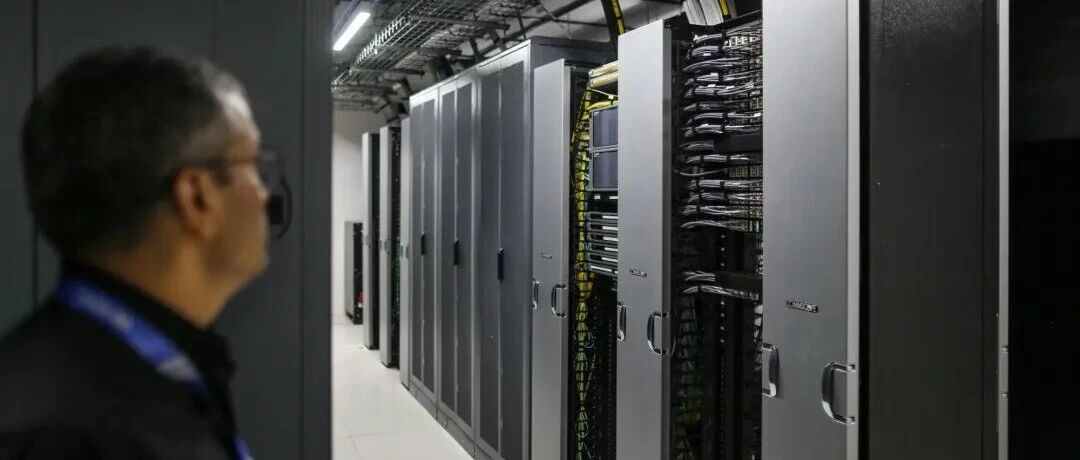
Core Viewpoint - Yotta Data Services Pvt. is seeking to raise approximately $5 billion to $6 billion at a valuation of around $4 billion, preparing for an IPO in the near future [3][4]. Group 1: Company Overview - Yotta operates the largest cluster of NVIDIA AI processors in India and is positioning itself as a local alternative to Western tech giants [3]. - The company has received preliminary approval for its IPO and is awaiting final permission from the Indian Securities and Exchange Board [4]. Group 2: Financial Plans and Investments - Yotta plans to raise funds through an IPO, aiming to gather a similar amount as the pre-IPO funding, which was initially targeted at $1.2 billion [4]. - Potential investors for the IPO include sovereign wealth funds and family offices of Indian billionaires [4]. Group 3: Market Context and Competition - Major tech companies like Amazon, Alphabet, Microsoft, and Meta are projected to invest around $650 billion in capital expenditures this year, highlighting the competitive landscape for AI infrastructure [6]. - Yotta's core offering is its AI infrastructure, currently operating around 10,000 NVIDIA H100 chips, with plans to deploy thousands of NVIDIA B200 units by May [6]. Group 4: Strategic Positioning - Yotta has shifted its focus from a potential SPAC merger in the U.S. to a domestic IPO, emphasizing its role as a sovereign computing service provider [7]. - The timing of the IPO aligns with Yotta's investment in NVIDIA hardware, with plans to build one of Asia's largest AI accelerator clusters [8].
BESI的底气
半导体行业观察· 2026-03-23 02:10
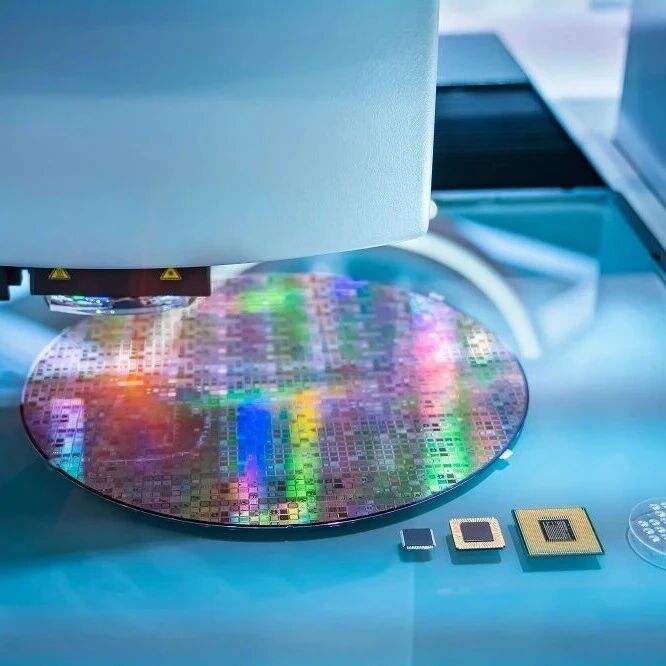
Core Viewpoint - BESI is gaining significant attention in the semiconductor equipment industry due to its acquisition intentions and its core position in advanced packaging [2] Group 1: BESI's Strategic Position - BESI's chip assembly business is projected to account for approximately 80% of its revenue in 2025, while the company is also expanding its hybrid bonding business [2] - The company has secured over 150 orders from 18 customers and has deployed its first integrated production lines, showcasing its dual advantages in commercialization and technological maturity [2] - BESI's latest prototype product achieves a precision of 50nm and higher capacity, reinforcing its roadmap towards next-generation interconnect solutions [2] Group 2: Advanced Packaging Market Trends - Interconnect technology has evolved from a simple assembly step to a critical factor in enhancing device performance, with technologies like TCB, hybrid bonding, and next-generation flip-chip being essential for 2.5D and 3D integration [5] - The wafer-to-wafer (W2W) technology currently dominates the hybrid bonding field, but die-to-wafer (D2W) technology is rapidly emerging as a high-growth area, expected to reach a market size of approximately $275 million by 2025 and grow at a compound annual growth rate of 57% to exceed $2.4 billion by 2030 [7] - The backend equipment market (excluding services) is projected to exceed $7 billion by 2025, with chip assembly becoming a strategically significant area due to the increasing complexity of interconnect technology [7] Group 3: Industry Dynamics and Competitors - The evolution of advanced packaging technology reflects a trend of increasing integration between front-end and back-end technologies, with processes like lithography, deposition, etching, cleaning, metrology, wafer bonding, and chip assembly being unified [8] - Major players like Applied Materials (AMAT) and Lam Research are forming closer ties with BESI, with AMAT holding a 9% stake and collaborating on the Kinex platform, a fully integrated D2W hybrid bonding solution nearing mass production [8] - The competitive landscape is expanding, with companies like Hanmi Semiconductor and ASMPT establishing strong positions in TCB, while Kulicke & Soffa continues to leverage its traditional strengths in wire bonding and chip bonding [9] Group 4: Process Integration and Future Outlook - The importance of adjacent steps such as surface treatment, wafer thinning, cutting, underfilling, and inspection is increasing, highlighting the value of integrated process control across multiple steps [10] - The growing interest in BESI underscores a broader industry transformation, positioning the company as a key player in the next generation of semiconductor manufacturing [12] - As AI, HBM, chips, and photonics drive system-level innovations, the significance of advanced interconnect technology will only increase, with companies that can perfectly integrate front-end precision with back-end integration poised to occupy the best positions in the evolving landscape [12]
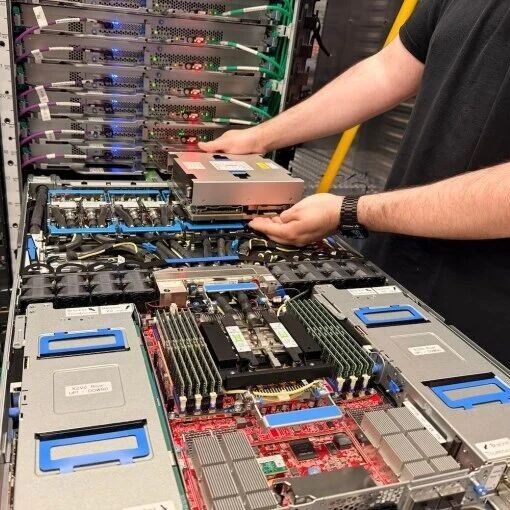
自研芯片部署超140万片,亚马逊凭啥
半导体行业观察· 2026-03-23 02:10
Core Insights - AWS has been a key cloud platform for Anthropic since its inception, maintaining this relationship even as Anthropic partnered with Microsoft and Amazon's collaboration with OpenAI evolved [2] - OpenAI's exclusive agreement with AWS positions it as the sole supplier for OpenAI's new AI agent-building tool, Frontier, which could become a significant part of OpenAI's business if it develops as expected [2] - AWS's appeal to OpenAI lies in its commitment to provide 2 gigawatts of Trainium computing power, a substantial investment given the demand from Anthropic and AWS's own Bedrock service [2] Summary by Sections Trainium Deployment and Performance - The company has deployed 1.4 million Trainium chips across all three product generations, with Anthropic's Claude system utilizing over 1 million Trainium2 chips [3] - Trainium was initially designed for faster and cheaper model training but has been adapted for inference, which is currently the industry's biggest performance bottleneck [3] - Trainium2 handles most of the inference traffic for AWS's Bedrock service, which supports numerous enterprise clients in building AI applications [3] Cost Efficiency and Competition - AWS claims that its new Trn3 UltraServer, running on the latest Trainium chips, offers a 50% lower operating cost compared to traditional cloud servers while maintaining comparable performance [5] - The introduction of Trainium3 and new Neuron switches is seen as transformative, significantly improving cost-effectiveness [6] Chip Development and Innovation - Trainium now supports PyTorch, a popular open-source AI model-building framework, allowing developers to easily transition their applications to Trainium with minimal code changes [7] - AWS has partnered with Cerebras Systems to integrate its inference chips into servers running Trainium, promising enhanced AI performance [7] - The custom chip design department at AWS, established in 2015, has over ten years of experience in designing chips for AWS [8] Chip Manufacturing and Testing - Trainium3 is manufactured using a 3-nanometer process by TSMC, a leader in this technology, while other chips are produced by Marvell [11] - The chip activation process involves rigorous testing and troubleshooting, showcasing the engineering challenges faced during development [11][12] Data Center Operations - AWS has a private data center for quality control and testing, equipped with the latest custom chips, ensuring efficient operation and environmental sustainability [21] - The data center's cooling system is designed to be energy-efficient, with a closed-loop system for the cooling liquid [21] Market Position and Future Outlook - AWS's Trainium is considered a multi-billion dollar business by CEO Andy Jassy, highlighting its significance within AWS's technology portfolio [23] - The engineering team is under pressure to ensure the successful mass production of chips, with ongoing efforts to resolve issues before production [23]