新能源汽车

Search documents
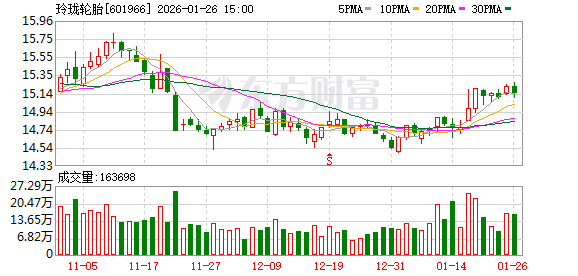
玲珑轮胎H股终止发行背后:毛利率受压,股价“破净”|IPO观察
Di Yi Cai Jing· 2026-01-26 08:41
Core Viewpoint - Linglong Tire (601966.SH) has announced the termination of its plan to issue H-shares, which comes more than six months after the company disclosed its prospectus for the Hong Kong stock market [2][3] Group 1: Company Performance and Market Position - Linglong Tire is the second-largest tire manufacturer in China and the sixth-largest globally, with a market share of 4.4% and an annual sales volume of 85.4 million tires as of 2024 [3] - The company's revenue for 2023 was 20.165 billion yuan, which translates to a global market share of approximately 1.6% [3] - In the first three quarters of 2025, Linglong Tire reported a revenue of 18.161 billion yuan, a year-on-year increase of 13.87%, but a net profit decline of 31.81% [4] Group 2: Financial Challenges - The company's gross margin for the first three quarters of 2025 was 16.38%, down nearly 8 percentage points from 24.35% in the same period of 2024 [6] - Linglong Tire's competitors, Sailun Tire and Zhongce Rubber, reported gross margins of 24.73% and 20.6% respectively for the same period [6] - The company faced significant cost pressures due to rising raw material prices, particularly natural and synthetic rubber, which have affected profitability [6][7] Group 3: Market Conditions and Competitive Landscape - The tire industry is currently facing multiple challenges, including the impact of U.S. tariffs and weak domestic demand, with a cumulative export of 534 million tires from January to September 2025, reflecting a year-on-year growth of 5.4% [5] - Linglong Tire's pricing strategy is under pressure due to strong bargaining power from automotive manufacturers, which has led to lower margins compared to competitors [6] - The competitive landscape is intensifying as major competitors have successfully listed and raised funds, increasing operational pressure on Linglong Tire [2][3] Group 4: Stock Market and Valuation Concerns - Linglong Tire's stock price has significantly declined, dropping over 75% from its historical high of 57 yuan to 15.15 yuan, with the current price below the net asset value per share [8] - The valuation of tire companies listed in Hong Kong, such as Pulin Chengshan, shows a price-to-earnings ratio of less than 5 times and a price-to-book ratio of 0.71 times, indicating potential challenges for Linglong Tire to issue H-shares at a favorable price [8] - The company’s stock price volatility and fluctuating net profits make it difficult for investors to assess its value, complicating the pricing of potential H-share offerings [7][8]


华鲁恒升(600426):高压实磷酸铁锂有望拉动草酸量价齐升
Xin Lang Cai Jing· 2026-01-26 08:39
Core Insights - The rapid growth of electric vehicle demand is driving the need for lithium-ion batteries, with lithium iron phosphate (LiFePO4) becoming a mainstream material due to its safety, cost-effectiveness, and longevity [1] - The energy density of LiFePO4 batteries is relatively low, which limits their application in the power battery sector as the market demands longer driving ranges [1] - High-density lithium iron phosphate (LiFePO4) is defined as having a packing density of over 2.6 g/cm³, significantly enhancing battery energy density and charging speed, making it highly sought after by downstream battery manufacturers [2] Industry Developments - Domestic manufacturers are investing in oxalic acid iron production capacity, with major players like Hualu Hengsheng holding over 58% of the market share [3] - The production of oxalic acid iron is expected to consume approximately 37.56 million tons of oxalic acid based on current capacity estimates [3] - The price of oxalic acid has shown a V-shaped trend since 2020, with a recent peak in December, indicating a potential for both volume and price increases in the future [3] Company Analysis - Hualu Hengsheng's projected net profit for 2025-2027 has been adjusted to 2.994 billion, 4.635 billion, and 4.827 billion yuan, respectively, with a target price set at 46.37 yuan per share [4] - The company is expected to benefit significantly from the rising demand for high-density lithium iron phosphate, leading to increased revenue and profitability [3][4]

2026年一汽-大众将推出7款新能源车型
Huan Qiu Wang· 2026-01-26 08:14
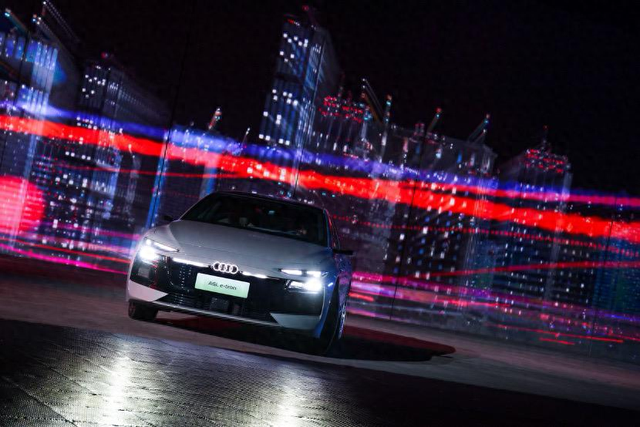
Group 1 - The core message is that FAW-Volkswagen plans to launch 13 new models by 2026, including 6 fuel vehicles and 7 new energy vehicles [1] Group 2 - In the new energy vehicle segment, FAW-Volkswagen aims to accelerate its electric transformation, with a target of approximately 60% of sales coming from new energy vehicles by 2030 [3] - From the second half of 2026, there will be a concentrated launch of new energy products, including the introduction of the Magotan PHEV, Tayron L PHEV, and Sagitar L HEV models to meet market demand [3] - The Audi brand will introduce the A6L e-tron based on the PPE luxury electric platform, setting a benchmark for luxury technology in the electric era [3] - The Jetta brand will launch its first new energy model, the J01, within the year, featuring the self-developed SOA electronic and electrical architecture [3]
【会讯】中国汽车流通协会乘用车市场信息联席分会2026年汽车市场研讨年会在合肥顺利举办
乘联分会· 2026-01-26 07:40
点 击 蓝 字 关 注 我 们 本文全文共 2312 字,阅读全文约需 7 分钟 乘 势向上聚庐州, 联 合向新话未来。 日前,中国汽车流通协会乘用车市场信息联席分会2026年汽车市场研讨年会在合肥顺利召开。来自全国 汽车整车企业代表踊跃参会。 秘书处崔东树秘书长做了乘联分会2025年工作总结。在流通协会及会长单位的支持下,乘联分会作为行 业信息交流平台,围绕行业发展大局,以提升服务质量为核心,以推动行业创新为动力,不忘初心深耕会员服 务。乘联分会注重提升数据质量,积极为企业发声,拓展办会思路,提高会员满意度,并持续推进合规工作。 中国人民大学经济学院副院长于泽先生做了《"十五五"开局中宏观经济新机遇》的报告,他认为我国处 在新旧动能转换的过渡期,经济发展正在呈现诸多新机遇。2026年以内需为主导,建设强大国内市场作为首要 任务,汽车消费是国内消费的压舱石,预计全年经济增速在5%左右。 国家信息中心正高级经济师徐长明先生做了《汽车市场分析与合资自主关系研判》的报告,他认为由于 政策的促进作用,2025年汽车市场内需销量实现超过正常趋势值的增长,但行业整体效益不尽理想。下半年加 大治理内卷的力度,价格竞争所有好 ...
【快讯】每日快讯(2026年1月26日)
乘联分会· 2026-01-26 07:40
Domestic News - The total number of motor vehicles in China reached 469 million, with 43.97 million being new energy vehicles [2] - Beijing's new energy vehicle ownership exceeded 1.3 million, with over 80% of vehicles meeting the "National V" emission standard [3] - FAW-Volkswagen plans to launch 13 new models in 2026, including 6 fuel vehicles and 7 new energy vehicles [4] - Ledao Auto aims to complete the investment of over 8,000 new battery packs within January, achieving a progress rate of 91.36% as of January 24 [5] - BAIC Blue Valley is investing 1.991 billion yuan to upgrade its Xiangjie Super Factory, with construction expected to start in March 2026 [6] - Chery has signed a strategic cooperation agreement with Yihaichuxing, delivering 5,000 new vehicles [7] - GAC Aion and Didi have partnered to deliver the Robotaxi R2, marking a significant step in autonomous vehicle commercialization [8] - CATL and Minyun Group have deepened their strategic cooperation to promote the electrification of public transportation [9] Foreign News - India and the EU have reached an agreement to significantly reduce automotive import tariffs, with tariffs on cars priced over €15,000 dropping from 110% to 40% immediately, and eventually to 10% [10] - The Philippines is projected to reach 491,395 vehicle sales in 2025, a 3.7% increase from 2024 [11] - The UAE is accelerating the commercialization of autonomous driving, with Abu Dhabi launching public autonomous operations and Dubai issuing its first autonomous driving test license [12] - Tesla has initiated a fully autonomous taxi service in Austin, Texas, without a safety driver present [13] Commercial Vehicles - Dongfeng Commercial Vehicle has launched the world's largest medium and heavy-duty commercial vehicle smart factory in Shiyan, Hubei [14] - CATL has released the first mass-produced sodium-ion battery for light commercial vehicles [15] - Yuchai has introduced the world's first flywheel range extender technology brand, marking a significant innovation in commercial power systems [16] - Henan Province has implemented 21 measures to support truck drivers, enhancing service quality and operational efficiency [17]



双豹升级 纯电续航210km!比亚迪海洋网2026款海豹05/06DM
Zhong Guo Zhi Liang Xin Wen Wang· 2026-01-26 06:38
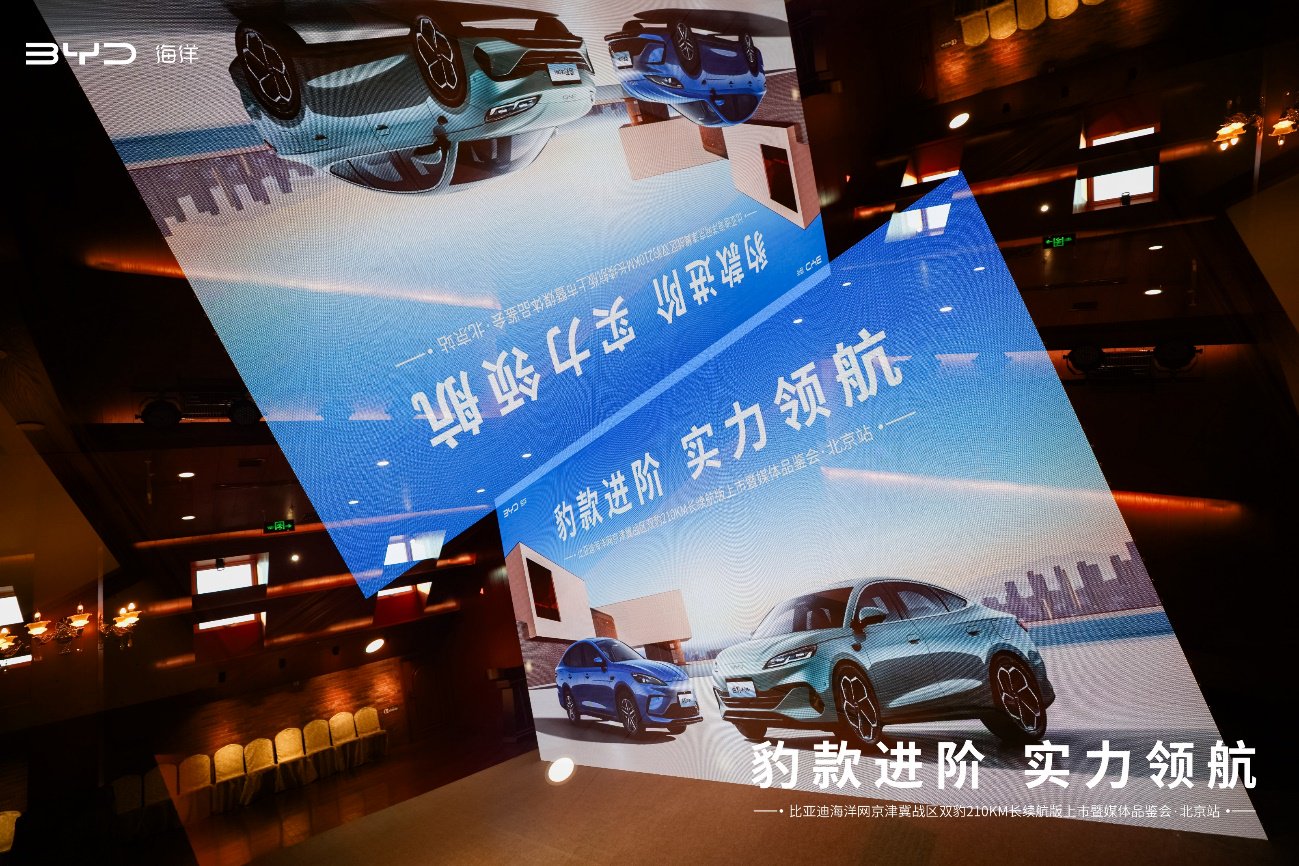
Group 1 - BYD Ocean Network launched the 2026 models of Seal 05DM-i and Seal 06DM-i in Beijing, with starting prices of 89,800 yuan and 116,800 yuan respectively, both offering a pure electric range of 210 km [1] - The core purpose of the 210 km pure electric range model is to provide users with a higher value experience, enabling "low cost, zero anxiety" green travel across a wider range of life scenarios, allowing most users to achieve "one charge a week" [3] - The 210 km pure electric range is attributed to improvements in battery energy density and optimization of the vehicle's energy management system, while the lithium iron phosphate battery pack has enhanced safety performance [5] Group 2 - BYD conducted long-distance pure electric road test experiences in low-temperature environments, covering various road conditions, with all test vehicles showing no significant battery depletion [7] - The "Heavenly Eye" intelligent parking experience area attracted significant attention, showcasing complex parking scenarios where users can control the vehicle's parking process via a mobile app, enhancing convenience [9] - The system can currently recognize over 100 parking scenarios and continuously optimizes parking strategies through deep learning, aiming for "everyone can park easily" [11]

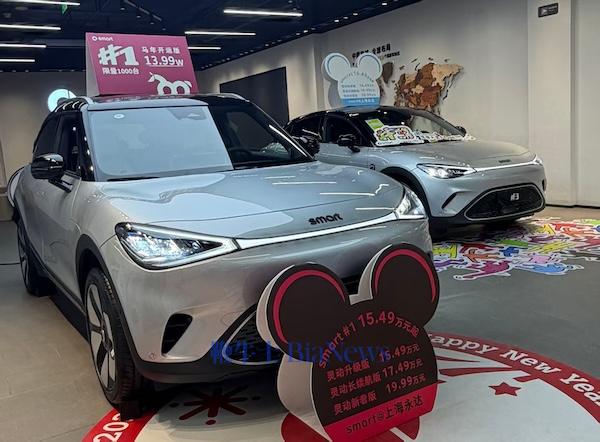
限量1000辆仍「滞销」,smart销量已连续两年下跌
Di Yi Cai Jing· 2026-01-26 06:01
有奔驰背书,smart销量为何仍连年下滑? 和中国市场众多造车新势力不同,smart可谓是含着金汤匙出生,由戴姆勒(梅赛德斯-奔驰母公司)与 瑞士手表公司Swatch在1994年共同创建,以生产小巧独特的双门微型车为特色,全球年销量最高达到15 万辆。 摄影:莫一格 但由于面向的是小众市场,smart在2017年~2019年间陆续在全球多个市场宣布停产。为复活smart,吉利 汽车和奔驰在2019年共同组建了一家股比为50:50的合资公司智马达汽车有限公司,即smart品牌全球 公司,共同推动smart品牌向纯电动转型。 "smart精灵1号马年开运版还没卖完。"近日,上海一家smart门店的管理人员吴阳向第一财经记者表示。 这款车型在今年1月1日推出,号称限量1000辆,售价13.99万起,比普通版本的smart精灵1号门槛价低 1.5万元。 据吴阳介绍,之所以未售罄,主要是因为这款车型需要全额缴纳约1.2万元的汽车购置税,因为smart公 司操作失误,该车未被纳入2026年减免车辆购置税的新能源汽车车型目录。 即便如此,smart精灵1号马年开运版仍比普通版本优惠了近3000元,仍未售罄也体现了smart ...
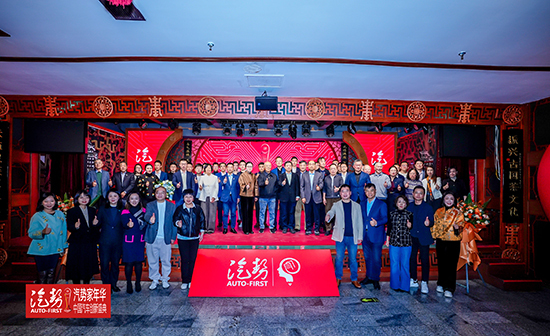
2026汽势家年华,汇聚中国汽车“一键向上”驱动力
Zhong Guo Jing Ji Wang· 2026-01-26 04:37
Core Insights - The event "Auto-First Annual Gala and 2025-2026 China Automotive Innovation Festival" highlights the significant transformation in the automotive industry, with a focus on the increasing dominance of Chinese brands and the shift towards intelligent and electric vehicles [1][3][35] Industry Overview - By 2025, China's automotive sales are projected to exceed 34 million units, with the penetration rate of new energy vehicles approaching 50%, indicating a pivotal moment for the industry [3] - The years 2026-2027 are anticipated to be critical for the industry, with leading companies showcasing their scale advantages and competition intensifying [3] Awards and Recognitions - The event recognized various segments, with Lynk & Co 900 winning "Luxury SUV of the Year" and Zeekr 9X awarded "Flagship SUV of the Year," reflecting the strong reputation of Chinese high-end electric brands [7] - SAIC Group was awarded "Car Company of the Year," while the Wuling Hongguang MINI EV was recognized as "National MPV of the Year," showcasing the diversity and innovation within the market [13][21] Market Trends - The penetration rate of new energy vehicles in China is expected to surpass 54% by 2025, with various technological routes such as plug-in hybrids, range extenders, and pure electric vehicles providing consumers with more choices [23] - Traditional joint venture and luxury brands are actively transforming, with models like the GAC Toyota Platinum 3X and Beijing Hyundai EO winning awards, demonstrating their adaptation to the trends of intelligence and electrification [25] Future Outlook - The automotive market in 2026 is described as a battleground for survival, where success will depend on a combination of technology, cost, and channel strength [35] - The industry is encouraged to focus on high-quality development, aiming to transition from being the largest in scale to being the strongest in capability on the global stage [35][36]

我们为什么要发展商业航天
叫小宋 别叫总· 2026-01-26 04:02
Core Viewpoint - The article discusses the development of the commercial aerospace industry in China, drawing parallels with the growth of the semiconductor and other technology sectors, emphasizing the importance of leveraging existing industrial strengths and government support to achieve competitive advantages in this emerging field [1][4][12]. Development Strategy - The strategy involves closely monitoring developments in the U.S. aerospace sector, particularly the successes of companies like SpaceX, and adapting those strategies to fit China's unique industrial landscape [7]. - The article highlights the importance of government policies in fostering industry growth, citing examples from the internet and electric vehicle sectors that have benefited from strategic support [4][6]. Advantages - China possesses several competitive advantages, including low labor costs, a large pool of skilled engineers, high administrative efficiency, a complete industrial system, a vast unified market, and a powerful electricity system [9]. - The country aims to transform these advantages into competitive strengths in the commercial aerospace sector, similar to its approach in other industries [9]. Importance of Commercial Aerospace - The development of reusable rockets is seen as crucial for reducing launch costs, with the potential for significant economic benefits from near-Earth space networks, which include communication, navigation, and remote sensing [13]. - The article emphasizes the need for a high launch frequency to lower marginal costs and create a positive feedback loop among rocket, satellite, and ground terminal companies [13]. Energy and Infrastructure - China's stable and green energy supply is highlighted as a significant advantage for the aerospace industry, with the potential to integrate renewable energy sources into launch operations and data centers [15][16]. - The article suggests that future developments could include building data centers in space powered by solar energy, aligning with innovative concepts like Musk's first principles [17]. Conclusion - The commercial aerospace sector is viewed as a critical area for national competition, with the need to establish a strong presence in space infrastructure to compete effectively against global players [17].
碳酸锂周报:碳酸锂市场冲高回落,政策扰动与需求现实博弈加剧-20260126
Zhong Yuan Qi Huo· 2026-01-26 03:32
Report Summary 1. Report Industry Investment Rating No relevant information provided. 2. Core View of the Report - The lithium carbonate market has experienced a sharp rise and then a fall, with intensified games between policy disturbances and demand realities. The market is currently in a high - level wide - range oscillation stage, and the core contradiction lies in the game between the expected supply contraction caused by policy disturbances on the supply side and the weak demand reality of new - energy vehicles downstream. It is expected that the lithium carbonate price will enter a high - level oscillation and consolidation stage in the next 1 - 2 weeks [2]. 3. Summary by Related Catalogs Lithium Salt Market Introduction - **Price Changes**: The battery - grade lithium carbonate spot price increased by 12.33% to 156,250 yuan/ton this week. The futures price of lithium carbonate rose 1.94% to 146,200 yuan/ton. The spot prices of lithium hydroxide also had significant increases, with the price of electric - carbon (coarse particles) rising 14.02% to 150,500 yuan/ton, electric - carbon (fine powder) rising 13.48% to 155,700 yuan/ton, and industrial - carbon rising 14.60% to 145,200 yuan/ton [2][4]. - **Premium Changes**: The premium of different raw materials and enterprises has changed to varying degrees. For example, the premium of spodumene raw materials increased by 100 yuan, and the premium of Ganfeng Lithium Co., Ltd. increased by 200 yuan [7]. Lithium Salt Fundamentals - **Supply**: The domestic lithium carbonate capacity utilization rate remained at a high level of 87.14% with no week - on - week change. The supply side is mainly affected by news such as overseas mining rights policies and domestic environmental protection actions, and there is an expected long - term supply contraction. The production of lithium carbonate and lithium hydroxide in China and their production in different regions and from different raw materials are also involved in the report, but specific data are not detailed here [2]. - **Demand**: Downstream demand is differentiated. The production start - up rate of energy - storage cells has increased, but the new - energy vehicle sales data in early January decreased significantly year - on - year. The production schedule of cathode material factories in January is expected to decline month - on - month, and procurement is mainly for rigid demand [2]. - **Import and Export**: The salable inventory of port lithium ore traders decreased by 4.83% to 13.8 tons week - on - week, indicating a tight supply of imported raw materials. The freight cost of some routes increased slightly, such as the Nigeria route, which increased by 6.67% week - on - week [2][27]. - **Inventory**: The exchange warehouse receipt inventory increased by 8.27% to 27,458 lots, with significant increases in warehouses such as Jiangsu Benniu Port and Shanghai Xiangyu Sichuan Warehouse, indicating that spot goods are flowing into the futures market and inventory pressure has increased [2][40]. - **Cost and Profit**: The production cost of externally purchased lithium concentrate increased by 3.1% to 158,106 yuan/ton, higher than the futures closing price. The production profit decreased by 86.98% to - 1,856 yuan/ton, showing the effect of cost support [2]. Lithium - Battery Fundamentals - **Market and Supply of Cathode Materials**: The report involves the market and supply of cathode materials, including production volume and price, but specific data are not detailed [44][46]. - **Supply of Electrolytes**: The price and production volume of electrolytes are also mentioned, but specific data are not detailed [48]. - **Demand for Cathode Materials**: The consumption of cathode materials is involved, but specific data are not detailed [50]. - **Import and Export of Lithium - Battery Materials and Batteries**: The import and export of lithium - battery materials and batteries are mentioned, but specific data are not detailed [52][54]. - **Cost and Profit of Ternary Materials**: The cost and profit of ternary materials are involved, but specific data are not detailed [56]. - **Lithium - Battery Recycling**: Lithium - battery recycling is mentioned, but specific data are not detailed [58]. - **New - Energy Vehicle Production and Sales**: The production and sales of new - energy vehicles and other important data are involved, but specific data are not detailed [60][62].