
产业转移

Search documents
服装年交易额超500亿 天门何以“织”出现象级产业
Yang Shi Xin Wen Ke Hu Duan· 2025-09-05 09:13
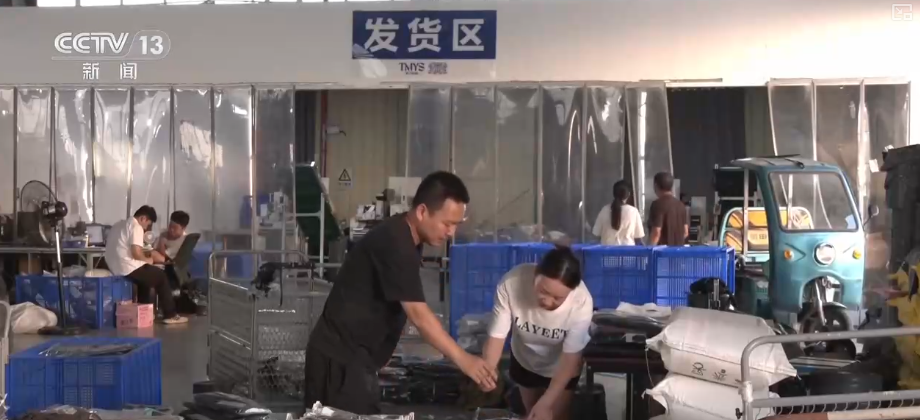
Core Insights - The clothing e-commerce industry in Tianmen, Hubei, has experienced rapid growth, achieving over 600 million pieces sold and a transaction volume exceeding 50 billion yuan, marking a significant development path for high-quality growth in this sector [1] - Tianmen's e-commerce transaction volume surged from 7 billion yuan in 2021 to 51.3 billion yuan in 2024, with an average annual growth rate of 92% [2] - The local GDP growth rate reached 7.2% in the first half of the year, with the clothing e-commerce sector's online transaction volume surpassing 30 billion yuan, reflecting a year-on-year increase of over 30% [3] Industry Growth and Development - Tianmen's clothing e-commerce industry benefits from a unique advantage of returning talent, as many individuals who previously worked in coastal regions have returned to start businesses, significantly impacting local industry growth [4] - The city has invested 8 billion yuan in building a chemical fiber textile industrial park and 2.36 billion yuan in enhancing cross-border e-commerce infrastructure, alongside implementing 17 specific policies for the textile and clothing industry [4] - The establishment of the "Tianmen Yishang" public brand has promoted high-end and brand-oriented development in the clothing e-commerce sector, with over 25,000 users and 4,000 certified operating entities registered on the supply chain information platform [5] Workforce and Training - To address labor shortages, Tianmen has implemented a "Clothing E-commerce Thousand-Person Training Plan," training nearly 3,000 professionals annually in various fields related to e-commerce [7] - The local workforce in the clothing e-commerce sector has reached 160,000, contributing to the establishment of a comprehensive industrial chain covering weaving, materials, garment processing, e-commerce marketing, and cross-border logistics [7] Economic Impact - The rapid growth of the clothing e-commerce industry has led to a net increase in Tianmen's permanent population, with a 17% rise in birth rates last year, marking the first increase in eight years [6] - The integration of production, urban development, and human resources has created a vibrant economic environment, with significant increases in disposable income and other key economic indicators [7]
6亿件、超500亿元!生产车间里“嗒嗒”声奏响产业发展活力新节拍
Yang Shi Wang· 2025-09-05 04:44
Core Insights - The clothing e-commerce industry in Tianmen, Hubei, has rapidly developed, achieving over 600 million pieces sold and a transaction volume exceeding 50 billion yuan [1][2] - Tianmen's e-commerce transaction volume grew from 7 billion yuan in 2021 to 51.3 billion yuan in 2024, with an average annual growth rate of 92% [2] - The local clothing e-commerce sector has created over 3,000 jobs and is expanding with plans for a cross-border e-commerce base and smart manufacturing center by 2025 [3] Industry Growth - The clothing e-commerce industry in Tianmen is experiencing significant growth, with a network transaction volume surpassing 30 billion yuan in the first half of 2025, reflecting a year-on-year increase of over 30% [6] - The city aims to achieve a transaction volume of over 100 billion yuan by 2030, with cross-border e-commerce accounting for 40% of this figure [6] Talent and Resource Integration - Tianmen benefits from a rich pool of talent, with many individuals returning to the city to start businesses, contributing to the local e-commerce industry's transformation [6][10] - The city has invested 8 billion yuan in a chemical fiber textile industrial park and 2.36 billion yuan in cross-border e-commerce infrastructure, alongside implementing 17 specialized policies for the textile and clothing industry [10] Infrastructure and Technology - The Tianmen clothing e-commerce industry has integrated advanced technologies, such as AI algorithms, to enhance design efficiency, reducing design time from weeks to half an hour [4] - The establishment of a public brand "Tianmen Yishang" has facilitated resource integration and development, with over 25,000 users and 4,000 certified businesses participating in the supply chain information platform [10] Demographic Changes - The booming e-commerce sector has led to a significant population influx, with nearly 100,000 people returning to Tianmen for entrepreneurship and employment in the past three years [13] - Tianmen has seen a net increase in its permanent population for two consecutive years, with a 17% rise in birth rates in 2024, marking a shift from decline to growth [13] Training and Employment - The local government has initiated a "Thousand People Training Program" for the clothing e-commerce sector, training nearly 3,000 professionals annually in various roles [14] - The workforce in Tianmen's clothing e-commerce industry has reached 160,000, reflecting the sector's rapid expansion and demand for skilled labor [14] Economic Impact - The clothing e-commerce industry has become a significant economic driver for Tianmen, with the city's GDP growth rate reaching 7.2% in the first half of 2025, ranking third in Hubei [6][16] - The comprehensive development model in Tianmen, characterized by the integration of industry, city, and talent, has resulted in increased vitality and economic growth [16]

一年卖出超6亿件服装 这个城市服装电商产业异军突起
Yang Shi Wang· 2025-09-04 23:20
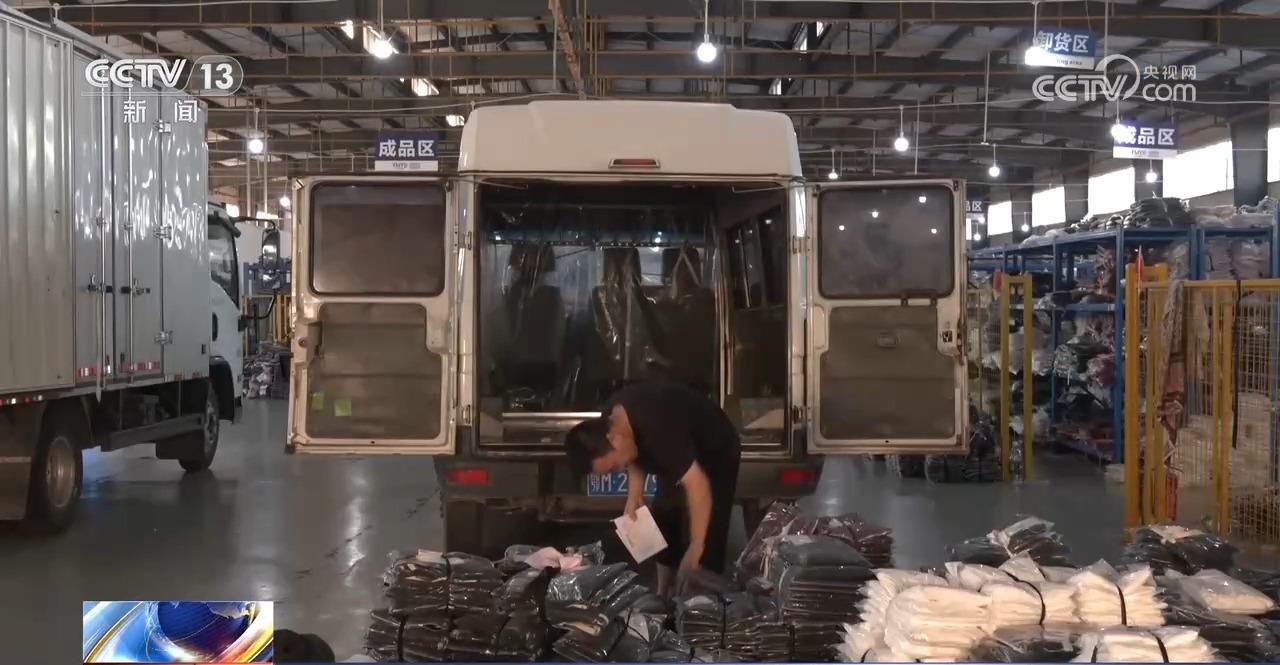
Core Insights - The city of Tianmen in Hubei has emerged as a significant hub for the clothing e-commerce industry, selling over 600 million pieces of clothing and achieving a transaction volume exceeding 50 billion yuan [1][3] - The clothing e-commerce sector in Tianmen has seen remarkable growth, with transaction volume increasing from 7 billion yuan in 2021 to 51.3 billion yuan in 2024, reflecting an average annual growth rate of 92% [3][5] - Tianmen's GDP growth rate reached 7.2% in the first half of the year, ranking third in Hubei, with the clothing e-commerce sector contributing over 30% year-on-year growth [5][6] Industry Development - The rapid expansion of the clothing e-commerce industry in Tianmen has created over 3,000 jobs and led to the establishment of a cross-border e-commerce base and smart manufacturing center [3][6] - The city has strategically invested 8 billion yuan in a chemical fiber textile industrial park and 2.36 billion yuan in cross-border e-commerce infrastructure, along with implementing 17 specific policies for the textile and clothing industry [10] - Tianmen has launched a regional public brand "Tianmen Yishang" to promote high-end and branded clothing e-commerce, which has facilitated over 4,000 certified business entities and completed transactions exceeding 400 million yuan [10][12] Talent and Workforce - The return of skilled workers from the clothing industry, who previously migrated to coastal regions, has significantly contributed to the local e-commerce sector's growth [6][10] - The local government has initiated a "Thousand-Person Training Program" to address workforce shortages, training nearly 3,000 professionals annually in various e-commerce-related fields [17] - The number of individuals employed in Tianmen's clothing e-commerce sector has reached 160,000, reflecting the industry's robust growth [17][18] Economic Impact - The clothing e-commerce industry has become a vital economic driver for Tianmen, with one in three households involved in the sector, contributing to a net population growth for two consecutive years [13][15] - The city has experienced a 17% increase in birth rates, marking a significant demographic shift attributed to the thriving local economy [15] - Tianmen's residents have seen the fastest growth in disposable income and other key economic indicators in Hubei, driven by the success of the clothing e-commerce industry [18]
观点丨席强敏:数字时代产业转移的空间与模式
Sou Hu Cai Jing· 2025-09-04 08:31
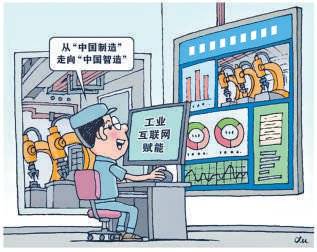
Core Viewpoint - The article discusses the transformation of industrial transfer in China, emphasizing the impact of digitalization and the internet on resource allocation and spatial organization of industries, leading to a shift from geographical clustering to virtual clustering [3][4][5]. Part 1: Industrial Transfer Space - Digital transformation and the promotion of internet platforms have reduced internal management and external communication costs for enterprises, leading to new forms of industrial organization [4]. - The rise of digital economy facilitates virtual clustering, breaking geographical constraints on industrial agglomeration [5]. - Improved transportation and logistics have increased product transportation efficiency while significantly reducing costs, supporting the reconfiguration of industrial clustering [4][5]. - Virtual clusters enhance communication efficiency, optimize collaboration, and reduce transaction costs, providing unique advantages over traditional geographical clusters [5][6]. Part 2: Industrial Transfer Model - Traditional industrial transfer often involves the relocation of low-end labor-intensive and high-pollution industries, driven by significant differences in factor costs [7]. - Digital economy developments have lowered management and coordination costs for enterprises, making cross-regional layouts more feasible [8]. - The separation of headquarters and branches is increasingly supported by smart production and digital management, allowing companies to leverage core market advantages while minimizing costs [8]. Part 3: Digital Economy and Regional Development - The digital economy's growth has led to a narrowing of the gradient differences between regions, promoting diverse industrial transfer paths [10]. - Eastern coastal regions have a strong foundation in digital economy development, while some central and western regions are making significant progress in specific digital industries [9][10]. - The "East Data West Calculation" initiative aims to optimize data processing and storage capabilities across regions, enhancing the digital infrastructure in the west [9][10].

李在明赠特MAGA帽,中韩制造业全面冲突,韩国已决心彻底倒向美国
Sou Hu Cai Jing· 2025-09-01 23:49
Group 1 - South Korea is making a significant investment of $150 billion in the U.S. shipbuilding industry, with Hanwha Group committing $5 billion to increase annual production from less than two ships to over 20 [1] - This investment plan includes upgrading shipyards, training workers, and directly supporting the maintenance of the U.S. Navy's vessels, indicating a shift from traditional diplomatic gestures to a state-led industrial migration [1][21] - The strategic pivot is underscored by President Lee Jae-myung's statement that South Korea can no longer rely on the "security from the U.S. and economy from China" approach, reflecting a complete turnaround in the country's foreign economic strategy [1][11] Group 2 - Historically, South Korea has relied on alliances with major powers for survival and development, exchanging military support for industrialization funds post-World War II [3] - The end of the Cold War allowed South Korea to integrate into the global supply chain led by the West, achieving economic growth particularly in semiconductors, shipbuilding, and automotive sectors, but this has also led to deep dependencies on Western technology [5][7] - The ongoing U.S.-China rivalry has intensified pressures on South Korea, which faces increasing competition from China in traditional sectors like semiconductors and automotive [9][12] Group 3 - The large-scale foreign investment raises concerns about potential hollowing out of domestic industries, despite assurances from Hanwha that local production capacity will not be affected [13] - South Korea's willingness to take this risk stems from a belief that a strong alliance with the U.S. is essential for survival amid potential crises [14] - The geopolitical landscape has shifted since the Ukraine conflict, prompting South Korea to reassess its position, with some analysts suggesting it could become an "Asian version of Ukraine" [16] Group 4 - The stakes of this investment extend beyond immediate trade relations, as South Korea's future may hinge on the outcome of U.S.-China competition, with potential benefits of becoming a core ally if the U.S. maintains an advantage [18] - Conversely, if the U.S. fails, South Korea risks losing a key economic partner and facing severe impacts on its domestic industries due to premature alignment [20] - The high-profile nature of President Lee's visit, including symbolic gifts, emphasizes the commitment to this strategic gamble, with the substantial investment plan being the most significant aspect [21][23]

中国经济的全球角色转变
Sou Hu Cai Jing· 2025-09-01 00:22
Group 1: Economic Transformation - In 1978, China had a GDP per capita of only $156, but by 2024, it has risen to $13,400, marking a significant transformation into an open economy [3] - China is now the world's largest exporter, the second-largest importer, and the third-largest foreign investor, with its manufacturing GDP share increasing from approximately 8% in 2004 to around 30% in 2021 [3][4] Group 2: Trade Dynamics - China's total export and import values grew from about $10 billion each in 1978 to $3.56 trillion in exports and $2.71 trillion in imports by 2023, representing 15% and 11% of global trade, respectively [3][4] - The trade surplus for China in 2024 is projected to be $800 billion [3] Group 3: Import and Export Categories - The import composition has shifted, with raw materials now being the largest category, while capital goods' share has decreased from a peak of 40% in 2004 to 30% [4][6] - Exports have transitioned from labor-intensive consumer goods to capital-intensive products, with capital goods accounting for 41% of total exports by 2004 [5][6] Group 4: Foreign Investment Trends - China's direct foreign investment has grown significantly from a few billion dollars in the early 2000s to $170 billion in 2024, surpassing foreign investment into China [6][7] - The share of manufacturing investment in China's foreign direct investment rose from 7.8% in 2014 to 13.7% in 2015, maintaining an average of 15.5% from 2015 to 2023 [7] Group 5: Global Industrial Shifts - Global industrial transfer follows a pattern where production concentrates in central areas to leverage economies of scale, with China currently experiencing an outward industrial transfer phase [8] - Chinese investments are diversifying into Southeast Asia, Central and South America, and North America, reflecting a multi-directional development trend [8] Group 6: Belt and Road Initiative - The Belt and Road Initiative is crucial for infrastructure development in low-income countries, which often struggle with industrial capacity despite low labor costs [9][10] - A World Bank report indicates that investments in transportation infrastructure under the initiative have significantly reduced transport times and increased foreign direct investment, aiding millions in escaping poverty [10]
一度电成本悬殊逼走欧洲工厂,中国凭何留住全球高端制造?
Sou Hu Cai Jing· 2025-08-30 23:28
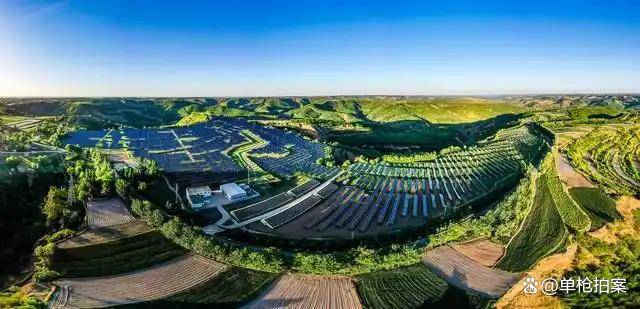
Group 1: Energy Cost and Industrial Migration - European industrial giants are facing significant challenges due to soaring energy prices, prompting a shift in production to regions with lower energy costs, particularly China [1] - BASF has closed its ammonia production facility in Germany and announced a €10 billion investment in a new integrated base in Zhanjiang, China, highlighting the stark electricity price difference [1] - In the past three years, Europe has seen a 47% reduction in aluminum smelting capacity and a 35% decline in fertilizer production capacity, indicating a trend of high-energy industries relocating to Asia [1] Group 2: China's Clean Energy Advantage - China's industrial electricity price averaged only ¥0.62 per kWh in the first half of 2024, with a cumulative decrease of 12.3% over the past decade, making it an attractive destination for high-tech manufacturing [2] - China's installed capacity of clean energy has surpassed 1.5 billion kW, accounting for 52.1% of the total installed capacity, positioning the country as a "permanent energy supply station" [2][4] - The export of photovoltaic products from China reached 235.9 GW in 2024, generating an annual output equivalent to 730 million barrels of oil, significantly impacting global energy trade dynamics [4][5] Group 3: Energy Infrastructure and Technological Advancements - China has established a robust energy transmission network supported by 38 ultra-high voltage transmission projects, enhancing its capability for long-distance energy transport [7] - The total installed capacity of pumped storage power stations in China has exceeded 57 million kW, improving the grid's dynamic response and stability [7] - The digital green electricity trading platform facilitates efficient resource allocation and has extended its influence to international markets, reducing electricity costs in countries like Pakistan and Saudi Arabia [7] Group 4: Impact on Emerging Industries - The decline in electricity costs is a key driver of structural changes across various industries, with significant cost reductions in aluminum production and data centers [9][11] - The "zero marginal cost park" project in Changzhou, Jiangsu, exemplifies new energy usage models, achieving a 32% reduction in overall energy expenditure [11] - Companies like SANY Heavy Industry benefit from lower electricity costs, allowing for substantial reductions in production costs and increased investment in R&D [11] Group 5: Future Energy Landscape - China's investment in clean energy accounts for 38% of global total investments, significantly contributing to global emissions reduction efforts [13] - The development of space solar power stations aims to achieve wireless energy transmission from space to Earth by 2050, potentially marking a milestone in energy management [13] - China's innovative energy strategy and industrial strength are redefining international competition rules and energy geopolitics, paving the way for a solar energy era [13]
德翔海运(02510.HK):业绩超预期 公司信心充足 未来船队快速扩张
Ge Long Hui· 2025-08-30 08:25
Group 1: Company Performance - In the first half of 2025, the company reported revenue of $641 million, a year-on-year increase of 18.67% [1] - The company's net profit attributable to shareholders reached $189 million, reflecting a significant year-on-year growth of 221.96% [1] - The increase in performance is attributed to higher market demand due to the detour around the Red Sea and an increase in freight rates [1] Group 2: Revenue Breakdown - Shipping freight income amounted to $586 million, up 15.8% year-on-year, while other shipping income rose by 61.3% to $56 million [1] - Rental income from chartering ships surged by 316% to $58.92 million, driven by the addition of two owned vessels for lease and tight supply of smaller ships [1][2] - The average charter rate for 2000 TEU container ships increased by 21% to $28,950 per day as of early August [1] Group 3: Shipping Volume and Rates - The company completed a shipping volume of 81,800 TEU in the first half of 2025, a decline of 1.6% year-on-year [2] - The shipping revenue per container was $715 per TEU, reflecting a year-on-year increase of 17.6% [2] - The CCFI Southeast Asia route index averaged 1016 points, up 28.45% year-on-year, while the SCFI China-Southeast Asia route increased by 20.50% [2] Group 4: Industry Outlook - The demand for shipping is expected to remain stable due to ongoing industrial transfer and trade fragmentation in Southeast Asia [3] - The supply side is constrained by limited new orders and an aging fleet, with 26% of vessels over 20 years old [3] - The company has a strong order book with 11 vessels totaling 87,800 TEU, representing about 74% of its owned capacity [3] Group 5: Profit Forecast and Valuation - The company maintains profit forecasts with net profits projected at $378 million, $334 million, and $449 million for 2025-2027 [4] - The company’s PE ratio is currently at 5.2 times, significantly lower than comparable companies, supporting a "buy" rating [4]
总投资近500亿,每周签一个项目!对口帮扶的“佛茂速度”
Nan Fang Du Shi Bao· 2025-08-29 03:00
Core Insights - The establishment of the Shunling Environment's production base in Maoming marks a significant achievement in the collaboration between Foshan and Maoming, with a total investment of 1 billion yuan and a record-setting project completion time of 200 days [1][2] - The Foshan-Maoming collaboration has led to the signing of 127 projects with a total planned investment of 498.68 billion yuan, showcasing a shift from "one-way blood transfusion" to "mutual win-win" regional development [2][9] Industry Collaboration - The Shunling Environment project is the first major initiative introduced by the Foshan-Maoming command post in Maoming, highlighting the effective communication and cooperation between the command post and corporate leaders [2] - The command post has implemented innovative recruitment strategies, including "state-owned enterprise customized development" and "scene-based recruitment," to attract investments and facilitate industrial transfer [3] - The establishment of the "reverse flying land" mechanism has allowed Maoming to set up collaborative projects in Foshan, enhancing cross-regional cooperation [3] Team Efficiency - The Foshan-Maoming command post consists of 44 personnel, equally divided between the two cities, working closely to ensure efficient project execution and investment attraction [5][6] - The command post has achieved a remarkable pace of "signing one project per week and landing one project every two weeks," demonstrating high operational efficiency [6] Social Development - The collaboration has extended to rural and social sectors, with over 1 billion yuan invested in 20 typical villages in Gaozhou for comprehensive quality improvement projects [8] - Educational and healthcare collaborations have been established, with 103 schools and hospitals working together to enhance local services and create job opportunities [8] Recognition and Future Outlook - The Foshan-Maoming collaboration has been recognized as a model case in the provincial "Hundred-Thousand-Ten Thousand Project," providing valuable experience for regional coordinated development [9]
小吉他拨动大产业 打造产业转移的荆州样本|活力中国调研行
Di Yi Cai Jing· 2025-08-28 16:38
Core Viewpoint - The city of Songzi has rapidly developed into a national hub for guitar manufacturing within just one year, driven by the return of experienced professionals and supportive local policies [1][2][3]. Group 1: Company Development - Songzi's leading guitar manufacturer, Tongxin Musical Instruments, relocated its headquarters and production facilities to Songzi, achieving a production value of 1.5 billion yuan in its first year and projecting 3.5 billion yuan for the current year [2]. - The company has received over 80 batches of foreign clients from countries including Switzerland, Austria, and the United States, with 80% of its guitars exported [2]. - The production environment is optimized with self-developed temperature and humidity control systems to ensure quality [1]. Group 2: Industry Growth - The cultural innovation industrial park in Songzi is expected to generate an output value of 8 to 10 billion yuan this year, with a potential to reach 20 billion yuan in three years and 50 billion yuan when fully operational [3]. - The local government is focusing on building a comprehensive guitar culture and tourism ecosystem, aiming to establish Songzi as "China's Guitar Town" [3]. Group 3: Economic Context - Songzi has transitioned from a coal-dependent economy to a more diversified industrial base, with a total of 205 industrial enterprises established [5]. - The region's GDP reached 557.3 billion yuan in 2024, ranking first among cities in Jingzhou, with a year-on-year growth of 11.4% in industrial output [6].