
供给侧结构性改革

Search documents
国家发展改革委:持续实施粗钢产量调控 综合整治“内卷式”竞争
Xin Hua Cai Jing· 2025-12-26 02:08
Group 1: Traditional Industries - The core focus during the "14th Five-Year Plan" period for traditional industries is to deepen supply-side structural reforms, ensuring a balance between supply and demand while upgrading product structures [1] - The raw materials industry, including steel and petrochemicals, aims to optimize structure and balance supply and demand, with an emphasis on increasing high-end capacity supply [1] - Continuous monitoring and management of the industry will be implemented, including strict controls on crude steel production and prohibiting illegal new capacity [1] Group 2: New Industries - For new industries such as electric vehicles, lithium batteries, and photovoltaics, the key is to regulate order and lead innovation, addressing "involution" competition and enhancing industry concentration [2] - The implementation of fair competition review systems and price monitoring will be crucial to prevent disorderly low-price competition [2] - Strengthening supply chain governance and ensuring timely payments to small and medium enterprises will foster a mutually beneficial industry ecosystem [2] Group 3: Resource-Intensive Industries - In resource-intensive industries like alumina and copper smelting, the focus will be on strengthening management and optimizing layout based on regional industrial foundations and resource endowments [2] - Encouragement of mergers and acquisitions among large enterprises will enhance competitiveness and scale [2] - A new round of mineral exploration strategies will be promoted to optimize overseas resource exploration and development cooperation [2] Group 4: Light Industry and Textiles - For light industries and textiles, the emphasis is on cost reduction, volume expansion, and quality improvement, with a push for product innovation and diversification [3] - Support for equipment upgrades and technological transformation will accelerate digital and green transitions [3] - Brand building and quality enhancement initiatives will be prioritized to elevate the recognition and influence of Chinese brands [3]
国家发改委:对钢铁、石化等原材料产业,关键在于平衡供需、优化结构
Di Yi Cai Jing· 2025-12-26 02:00
Core Insights - The article emphasizes the importance of optimizing and upgrading traditional industries while fostering innovation and maintaining order in emerging sectors like new energy vehicles, lithium batteries, and photovoltaics [2][4][11] Group 1: Traditional Industry Development - The traditional industries are crucial for the national economy, encompassing essential raw materials and consumer goods [4][11] - Significant achievements were made during the 14th Five-Year Plan, with a focus on enhancing core competitiveness and international competitiveness [5][11] - The manufacturing value added is projected to reach 33.6 trillion yuan in 2024, with traditional industries accounting for approximately 80% [11] Group 2: Technological and Digital Transformation - There is a strong push for digital transformation and intelligent upgrades in traditional industries, with over 30,000 basic intelligent factories established [6] - The average product development cycle in top-tier intelligent factories has been reduced by 28.4%, and production efficiency has improved by 22.3% [6] Group 3: Green Development - The green transformation of industries is being prioritized, with significant advancements in energy efficiency and carbon reduction [7] - By the end of 2024, China's new energy vehicle sales are expected to reach 12.866 million units, an increase of over eight times since 2020 [7] Group 4: International Competitiveness - The international competitiveness of traditional industries is being strengthened, with industrial product exports exceeding 20 trillion yuan for four consecutive years [9][14] - Exports of new energy vehicles, lithium batteries, and photovoltaic products are projected to increase by 2.6 times compared to 2020 [9] Group 5: Policy and Regulatory Framework - The government is focusing on balancing supply and demand in raw material industries, emphasizing structural optimization and high-end capacity supply [15] - There is a need to regulate market competition and enhance the innovation capacity of industries to maintain a fair competitive environment [2][16]
国家发展改革委:加强行业管理,坚持“减油、增化、提质”,持续实施粗钢产量调控
Yang Shi Wang· 2025-12-26 01:59
央视网消息:据国家发展改革委微信公众号消息,国家发展改革委产业发展司发表《大力推动传统产业 优化提升》。对钢铁、石化等原材料产业,关键在于平衡供需、优化结构。原材料行业是我国国民经济 的重要基础产业和支柱产业。当前,钢铁、石化等原材料行业普遍面临供需动态性平衡不足、产品结构 不优等问题。"十五五"时期,原材料行业要深化供给侧结构性改革,坚持供需两侧协同发力,增加高端 产能供给,确保总量规模适度、供需基本平衡、产品结构升级。加强行业管理,坚持"减油、增化、提 质",持续实施粗钢产量调控,严禁违规新增产能,促进优胜劣汰。聚焦重点产业链需求,支持企业加 快产业科技创新,推动创新产品研发和产业化,加快补齐短板弱项,推动产业加速迈向中高端。加强常 态化运行监测调度,发挥好预警机制作用。 ...
国家发改委:加强行业管理,坚持“减油、增化、提质”,持续实施粗钢产量调控
Ge Long Hui· 2025-12-26 01:49
格隆汇12月26日|国家发改委发表《大力推动传统产业优化提升》。对钢铁、石化等原材料产业,关键 在于平衡供需、优化结构。原材料行业是我国国民经济的重要基础产业和支柱产业。当前,钢铁、石化 等原材料行业普遍面临供需动态性平衡不足、产品结构不优等问题。"十五五"时期,原材料行业要深化 供给侧结构性改革,坚持供需两侧协同发力,增加高端产能供给,确保总量规模适度、供需基本平衡、 产品结构升级。加强行业管理,坚持"减油、增化、提质",持续实施粗钢产量调控,严禁违规新增产 能,促进优胜劣汰。聚焦重点产业链需求,支持企业加快产业科技创新,推动创新产品研发和产业化, 加快补齐短板弱项,推动产业加速迈向中高端。加强常态化运行监测调度,发挥好预警机制作用。 ...
金观平:推动供需实现更高水平动态平衡
Jing Ji Ri Bao· 2025-12-26 01:37
Group 1: Economic Overview - The central economic work conference highlighted the prominent contradiction of "strong supply and weak demand" in the current economic situation, emphasizing the need to prioritize domestic demand and build a strong domestic market as the top task for the coming year [1] - China's economy benefits from a super-large market and a complete industrial system, which serves as a solid foundation for balancing supply and demand and is a rare resource for global cooperation and competition [1] - Domestic demand has gradually become the main driving force and stabilizing anchor for economic growth, supported by steady income growth, deepening urbanization, and continuous upgrading of consumption structure [1] Group 2: Supply-Side Analysis - China possesses the world's most complete and largest industrial system, with strong production capacity, comprehensive supporting capabilities, and increasingly enhanced innovation capabilities [2] - The supply-side structural reforms have improved the quality and efficiency of the supply system, leading to rapid development in high-tech industries and new business models, which provide solid support for meeting the continuously upgrading demand [2] - The relationship between supply and demand is dynamic and interdependent, where new demand can stimulate new supply, and new supply can create new demand [2] Group 3: Challenges and Strategies - Insufficient domestic demand is identified as a major challenge facing the current economic operation, necessitating the expansion of new spaces for demand growth through measures that combine improving livelihoods and promoting consumption [2] - Specific actions include implementing special measures to boost consumption, formulating urban and rural resident income increase plans, and optimizing the environment to unleash consumption potential [2] - The deepening of supply-side structural reforms relies on innovation to continuously shape new economic development dynamics and advantages, enhancing the resilience and security of industrial and supply chains [3]
推动供需实现更高水平动态平衡
Jing Ji Ri Bao· 2025-12-25 22:03
中央经济工作会议在分析当前经济形势时指出,"国内供强需弱矛盾突出",并将"坚持内需主导,建设 强大国内市场"列为明年重点任务之首。在外部环境变化影响加深,国内供强需弱矛盾突出的情况下, 必须以更强的紧迫感和主动性,更好统筹扩大内需和深化供给侧结构性改革,着力打通经济循环卡点堵 点,推动形成需求牵引供给、供给创造需求的更高水平动态平衡,加快实现国民经济良性循环。 我国经济拥有超大规模市场和完整产业体系显著优势,这是统筹供给与需求的坚实基础,也是参与全球 合作与竞争的稀缺资源。从需求侧看,中国是超大规模经济体,内需为主导、内部可循环是大国经济的 独特优势。我国有全球最大最有潜力的消费市场,内需已逐步成为拉动经济增长的主动力和稳定锚。随 着居民收入稳步增长、新型城镇化深入推进、消费结构持续升级,未来扩大内需仍有巨大潜力和空间。 内需不足是当前经济运行面临的主要挑战。拓展内需增长新空间,要坚持惠民生和促消费紧密结合,从 增收减负、丰富供给、减少限制、优化环境等方面入手激发消费潜力。深入实施提振消费专项行动,制 定实施城乡居民增收计划。把扩大消费与因地制宜发展新质生产力结合起来,扩大优质消费品和服务供 给。清理消费领域 ...
如何让物价合理回升:难点在哪里
Hua Xia Shi Bao· 2025-12-25 15:16
Core Viewpoint - The article discusses the challenges and strategies for achieving reasonable price recovery in China, emphasizing the importance of stabilizing economic growth and employment while addressing structural issues in the economy [2][21]. Group 1: Economic Context - The current period of price stagnation in China began in 2012, with PPI entering negative territory and CPI fluctuating between 0-1% since 2022, raising concerns about economic health [3][6]. - China's PPI remained negative for approximately 8.5 years from 2012 to 2025, primarily due to structural issues such as overcapacity and declining consumer demand [6][21]. - The shift in PPI trends is attributed to various factors, including global commodity price changes, the impact of stimulus policies, and the structural transformation of China's manufacturing sector [4][5][6]. Group 2: Policy Responses - The Chinese government has implemented supply-side structural reforms since 2015 to address overcapacity and stabilize prices, focusing on reducing leverage and excess inventory [4][5]. - The recent Central Economic Work Conference highlighted the need to promote stable economic growth and reasonable price recovery as key monetary policy considerations [2][21]. - The article suggests that expanding domestic demand, particularly through consumption, is crucial for price recovery, as current investment growth is hindered by low returns and overcapacity [11][14][21]. Group 3: Structural Challenges - The article identifies three main reasons for the current consumption slump: declining wage growth, a rigid income distribution structure, and a weak real estate market [14][20]. - The aging population and consumption downgrade are contributing to reduced demand in sectors like alcohol, indicating broader demographic challenges [6][14]. - The need for fiscal policy reform is emphasized, with a focus on increasing the income share of middle and low-income groups to stimulate consumption and support price recovery [18][21]. Group 4: Future Outlook - The article warns that achieving reasonable price recovery will require sustained efforts to address structural, cyclical, and institutional issues, rather than relying solely on monetary policy [21]. - It suggests that significant fiscal measures are necessary to enhance consumer income and stabilize the real estate market, which is vital for overall economic health [20][21].


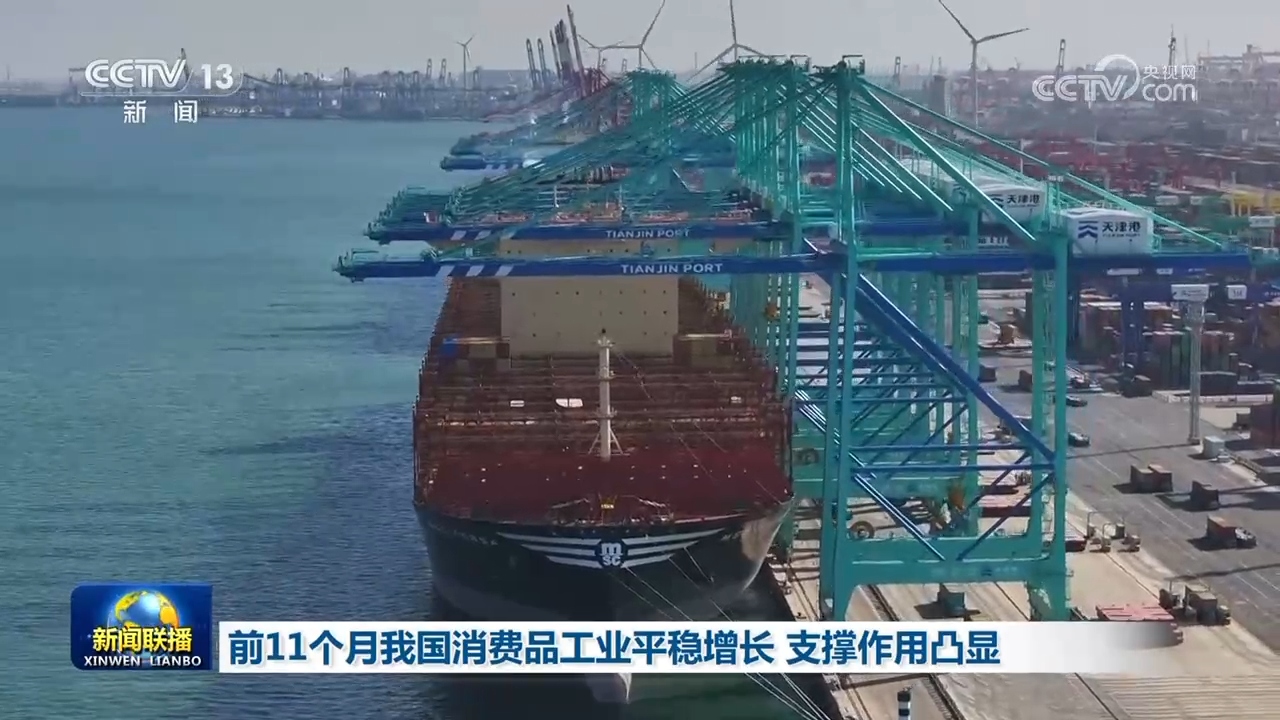
前11个月我国消费品工业平稳增长 支撑作用凸显
Yang Shi Wang· 2025-12-25 12:26
当前,我国消费品工业正加速转型升级。数据显示,"十四五"期间,167家轻工企业入选国家级5G工厂,1321家轻工企业获评国家级绿色工厂,500多 个轻纺产业集群加速培育,其中超千亿的集群达19个,产业链供应链上下游协同发展加快推进。 消费品供需适配性也在不断增强。目前,我国累计发布1321件创新纺织产品、1188项老年用品以及914项升级和创新消费品,持续满足人民美好生活需 要。"十四五"以来,轻工重点商品零售额年均增长7.29%。 央视网消息(新闻联播):记者从工业和信息化部获悉,今年前11个月我国消费品工业保持平稳增长态势,规模贡献与民生保障作用凸显,在结构优 化、创新升级等方面成效显著。 前11个月,规模以上消费品工业增加值同比增长3.7%,占全部规模以上工业26.4%;出口交货值3.54万亿元,占全部规模以上工业24.7%,外贸稳定贡献 突出。截至目前,规模以上消费品工业企业19.4万家,用工超2500万人,成为稳就业、稳经济的重要支柱。 下一步,我国将持续深化消费品工业供给侧结构性改革,衔接落实相关促消费实施方案,强化创新驱动与政策保障,推动行业在高端化、智能化、绿色 化道路上稳步前行。 ...
李迅雷专栏 | 如何让物价合理回升:难点在哪里
中泰证券资管· 2025-12-24 11:32
Core Viewpoint - The article discusses the challenges and strategies for achieving a reasonable recovery in prices, emphasizing that this has become a significant policy goal in China since the 2024 Central Economic Work Conference [1]. Group 1: Price Trends and Economic Context - The current cycle of price stagnation began in 2012, with China's Producer Price Index (PPI) entering negative territory since 2022, while the Consumer Price Index (CPI) has remained between 0-1% [2]. - From May 2012, China's PPI diverged from that of Europe and the US, entering negative territory for 4 years and 5 months until October 2016, primarily due to structural distortions in the economy and a significant increase in manufacturing output [2][5]. - The increase in China's manufacturing value added as a percentage of global output rose from 8.6% in 2004 to 22.3% in 2012, while the population's share of global numbers declined, indicating an oversupply of goods amid a shrinking consumer base [2]. Group 2: Supply-Side Structural Reforms - To address the prolonged negative PPI, supply-side structural reforms were initiated in 2015, focusing on reducing excess capacity in key sectors like steel and coal, driven by the need to balance supply and demand [5]. - The period from 2016 to 2017 saw the most significant push for these reforms, with a focus on deleveraging and reducing inventory and production capacity [5]. Group 3: Recent Economic Developments - After a brief recovery in PPI starting in October 2016, external factors such as the US-China trade tensions and the COVID-19 pandemic led to renewed declines in PPI, with the index entering negative territory again from late 2019 to the end of 2020 [9]. - The article notes that from 2012 to 2025, China experienced approximately 8.5 years of negative PPI, with persistent overcapacity being a fundamental issue [9]. Group 4: Challenges in Price Recovery - The current downturn in PPI since October 2022 is characterized by a shift from expansion to contraction in household balance sheets, coinciding with a downturn in the real estate market, which has compounded the issues of overcapacity and insufficient effective demand [14]. - The article highlights that the decline in production of certain goods, such as liquor, reflects broader demographic trends and consumption downgrades, complicating the path to price recovery [14][15]. Group 5: Policy Recommendations - The Central Economic Work Conference has emphasized the need to expand domestic demand, particularly through consumption, to facilitate price recovery [22]. - The article argues that increasing consumer demand is essential for price recovery, suggesting that measures should focus on enhancing employment and income levels, particularly for low- and middle-income groups [32][33]. - It is noted that the structural issues in income distribution and the ongoing real estate downturn present significant challenges to achieving a reasonable price recovery [48].

陈昌柱:我所经历的二十载信贷之路
Jing Ji Guan Cha Wang· 2025-12-24 06:11
编者按:2025年,经济观察报以"我们的四分之一世纪"为年终特刊主题,旨在通过数十位时代亲历者的 故事,共绘一幅属于这段岁月的集体记忆图谱。 2005年,中国经济正处于"十五"计划收官的平稳增长期。这一年,陈昌柱研究生毕业后,加入中国农业 银行(下称"农行")深圳市分行,2025年正好从业满20年,经历了从柜员、客户经理等基础业务岗位, 到部门经理、网点行长等基层管理岗,再到一级支行管理岗的成长过程,从业经历与中国经济发展和银 行业转型同频共振。 陈昌柱生于1981年,从一线信贷、综合等业务逐步转向中后台的信贷审查、统筹管理岗位,见证了2008 年金融危机、4万亿刺激政策、新旧动能转换,以及整个房地产行业的发展和调整。 陈昌柱对经济观察报记者表示,回望过去25年,信贷资源曾大量流向房地产、基础设施建设和传统制造 业,这在特定时期内拉动了经济增长,但也在一定程度上放大了产能过剩和债务风险。如今,伴随高质 量发展理念的深入推进,信贷政策的重点转向了"两新一重"(新型基础设施、新型城镇化,交通水利等 重大工程)、战略性新兴产业、科技创新和小微企业。这种结构上的调整,正是国家推动经济转型升级 的重要导向,而银行的核心 ...