内循环

Search documents
化工行业运行指标跟踪:2025年4月数据
Tianfeng Securities· 2025-05-26 15:31
Investment Rating - The report maintains a neutral rating for the chemical industry [1] Core Insights - The current cycle is nearing its end, with expectations for demand recovery. Infrastructure and export remain robust, while the real estate cycle continues to decline. Recovery in consumption is anticipated after two years of stability [3] - Supply-side pressures are significant, with global chemical capital growth expected to turn negative in 2024. Domestic construction projects are declining, but fixed asset investment remains above 15% growth [3] - The chemical industry is entering a replenishment phase after a year of destocking, with price and profit levels expected to rebound in Q2 2024, although overall performance will remain under pressure for the year [3] Summary by Sections Industry Valuation and Economic Indicators - The report tracks various indicators including the comprehensive prosperity index of the chemical industry and industrial added value [2] Price Indicators - The report includes PPI, PPIRM, and CCPI, along with price differentials for chemical products [2] Supply-side Indicators - Key metrics include capacity utilization, energy consumption, fixed asset investment, inventory, and ongoing projects [2] Import and Export Indicators - The report analyzes the contribution of import and export values [2] Downstream Industry Performance Indicators - It covers PMI, real estate, home appliances, automotive, and textile sectors [2] Economic Efficiency Indicators - The report presents three major economic efficiency indicators for the industry [2] Global Macro and End Market Indicators - It includes procurement manager index, GDP year-on-year, civil construction starts, consumer confidence index, and automotive sales [2] Global Chemical Product Prices and Differentials - The report details prices and differentials for chemical raw materials, intermediate products, and sub-industries like resins and fibers [2] Global Industry Economic Efficiency Indicators - It discusses changes in sales, profitability, growth capacity, solvency, operational capacity, and per-share indicators [2] Chemical Product Prices and Production Indicators in Europe and the US - The report provides insights into the prosperity index, confidence index, capacity utilization, production index, PPI, and production index for the chemical industry in these regions [2]
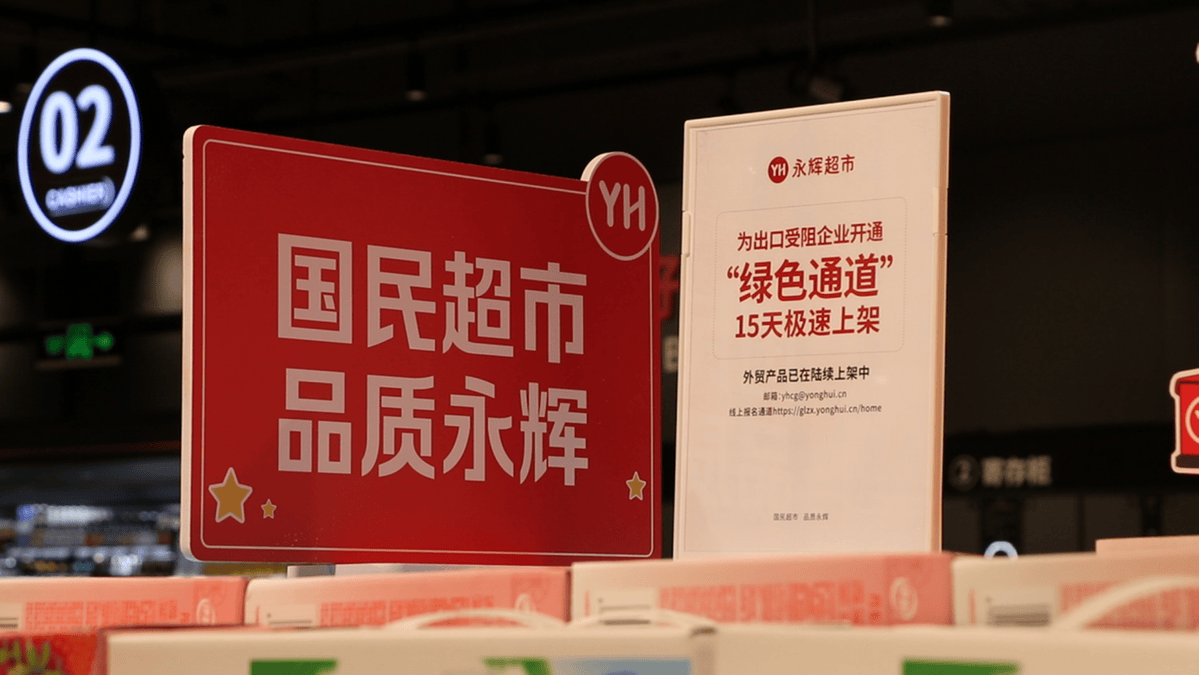
首批外贸优品走进国民超市,永辉外贸专区登陆3家福州门店
Sou Hu Cai Jing· 2025-05-24 00:59
Core Viewpoint - Yonghui Supermarket is actively integrating foreign trade products into its retail offerings to support domestic consumption and assist foreign trade enterprises affected by international trade disruptions [3][5][11] Group 1: Foreign Trade Product Integration - Yonghui has established foreign trade product zones in over 700 stores, including key locations in Fuzhou and Beijing, to showcase a variety of goods [1][3] - The company launched the "Foreign Trade Quality Products into Yonghui" initiative, successfully listing nine products from two brands in four stores, with plans for further expansion [3][5] - Yonghui has received over 500 cooperation emails and entered negotiations with over 300 quality supply chain enterprises, focusing on categories like frozen foods and household goods [3][6] Group 2: Supply Chain and Operational Efficiency - Yonghui has implemented a "green channel" for foreign trade products, promising a rapid 15-day shelf time for new items, along with brand promotion support [3][6] - The company is committed to real-time follow-up on cooperation emails, ensuring efficient selection, qualification review, and contract progression for new products [6][11] - Yonghui aims to create a mutually beneficial relationship between quality supply chains and consumer needs, enhancing the retail experience for Chinese consumers [6][9] Group 3: Strategic Vision and Market Positioning - Yonghui's strategy emphasizes high-quality, cost-effective products, aiming to become a national supermarket that caters to mainstream Chinese families [9][11] - The company is inspired by successful retail models and is focused on optimizing its supply chain to navigate global market changes effectively [11] - Yonghui's ongoing initiatives will continue to highlight quality foreign trade products, contributing to the growth of domestic consumption and the integration of Chinese manufacturing into the local market [11]


当性萧条来临
Xin Lang Cai Jing· 2025-05-20 21:18
Core Viewpoint - The article discusses a significant decline in consumer spending and entertainment activities in China, particularly related to romantic and sexual engagements, leading to a broader economic impact on various industries [4][15][41]. Group 1: Consumer Behavior Changes - There has been a notable drop in consumer activities during the 520 holiday, with reduced sales in flower shops, hotel bookings, and cinema attendance [4][13]. - The traditional consumer segments, particularly women, children, and the elderly, are showing signs of decreased spending, with women experiencing a significant downturn [6][15]. - Entertainment options such as KTV, nightclubs, and cinemas have seen drastic declines, with KTV attendance dropping by 87% [15][16]. Group 2: Shifts in Entertainment Preferences - New entertainment preferences have emerged, with activities like park visits and city walks increasing by 226% and 218% respectively, while traditional forms like dining out and movie-going have plummeted [16]. - The data indicates a shift in leisure activities, with a significant increase in solitary or low-cost activities, suggesting a change in consumer values and social interactions [16][40]. Group 3: Economic Implications - The decline in sexual and romantic engagement is linked to broader economic issues, with companies producing sexual health products like Viagra and condoms facing significant sales drops [17][19][41]. - The overall low desire and low consumption rates are expected to lead to a broader economic downturn, affecting various industries beyond just those directly related to sexual health [41][49].

中国经济稳中向好:内循环强基、消费扩容、创新加速
Yang Shi Wang· 2025-05-20 08:34
Group 1 - China's economy is showing resilience and stability in growth despite external shocks and internal challenges, attracting significant international attention [1] - The strategy of strengthening the domestic circulation aims to enhance China's economic self-reliance by building a strong and unified domestic market, which is seen as a long-term vision [4] - The domestic consumption market is experiencing steady growth driven by new business models and trends, with particular attention on two sectors: products influenced by the "trade-in" policy and service consumption supported by financial and policy incentives [6] Group 2 - China is advancing towards the global forefront of technological innovation through investment in talent and ecosystem development, with significant achievements in various fields such as AI, space exploration, and renewable energy [8] - The integration of technology and industrial innovation in China is reshaping its industrial landscape and contributing to global development by providing new solutions to address the "development deficit" faced by many countries [10]
出口订单多起来了 外贸企业促内销也没松劲
Jing Ji Guan Cha Wang· 2025-05-15 14:19
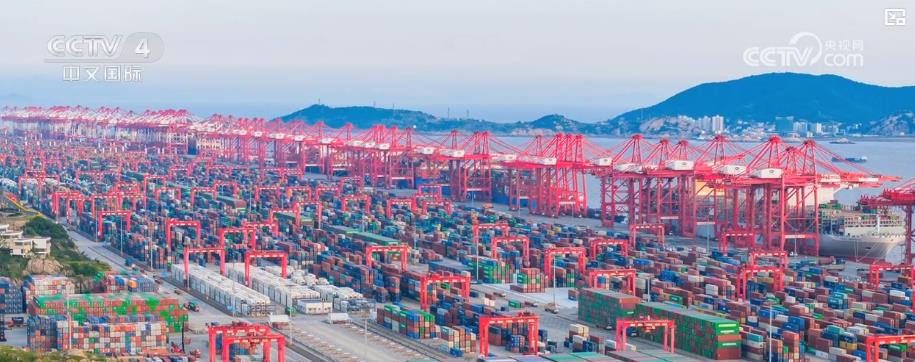
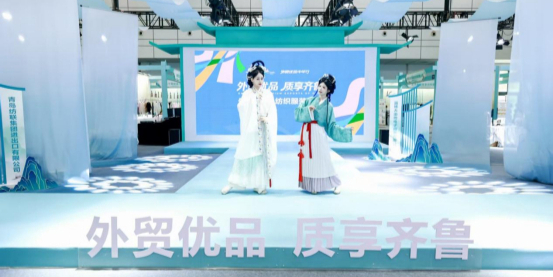
Group 1 - The core point of the news is the significant shift of foreign trade enterprises in China towards domestic sales due to the temporary reduction of tariffs in the US-China trade relationship, which has created a 90-day window for lower tariffs [2][5] - Many foreign trade companies, particularly in Shandong province, are launching initiatives to promote domestic consumption, such as the "2025 Foreign Trade Quality Shopping Season" [2][9] - Companies like Yinfeng Co., which previously relied heavily on exports, are adapting their product offerings to cater to domestic consumers and are increasing their domestic sales proportion from 15% to 50% [3][4] Group 2 - Yinfeng Co. has shifted its focus to the domestic market by designing products that appeal to different age groups and utilizing online platforms for sales [3][4] - The company is also exploring markets in Europe, Japan, South Korea, and countries along the Belt and Road Initiative to mitigate risks associated with reliance on the US market [4][5] - Another company, Shanhai Home Products, is facing challenges due to its high export ratio to the US and is now actively seeking to expand its domestic market presence [5][6] Group 3 - The overall trend indicates a transformation in China's economic structure from being export-driven to being driven by domestic demand, necessitating support from government policies to encourage consumer spending [8] - Shandong province, as a major foreign trade hub, has reported a 7.6% year-on-year increase in imports and exports in the first four months of the year, with a focus on various product categories [9][10] - The provincial government is organizing multiple promotional activities to facilitate connections between foreign trade enterprises and domestic buyers, aiming to enhance the integration of domestic and foreign trade [10]
九方金融研究所:解读中美日内瓦经贸会谈
Cai Fu Zai Xian· 2025-05-14 05:16
尤众元 九方智投旗下九方金融研究所资深宏观研究员 康健 九方智投旗下九方金融研究所金融研究员 2025年5月12日,中美共同发布《中美日内瓦经贸会谈联合声明》,双方承诺将于2025年5月14日前互相取 消91%的关税,并互相暂停24%的关税90天。美国对华平均关税税率将变为约40%,主要包括特朗普上台前 的加权平均关税税率约10%、芬太尼关税20%和对等关税10%。中国进行对等操作,将对美目前平均关税 税率调整为约30%,包括特朗普上台前的加权平均关税税率15%左右、芬太尼反制关税5%左右和对等反 制关税10%。此外,中国暂停或取消自4月2日起针对美国的非关税反制措施,包括对美出口管制的钐、 钆、铽、镝、镥、钪、钇等7类中重稀土和对部分美国企业的制裁等。同时,中美将建立经贸磋商机制,就 经贸领域各自关切事项保持密切沟通,并开展进一步磋商。 中美双方在综合考虑产业、经济、政治等多方面因素的基础上,达成了重要共识,并发表联合声明。这一 成果源于多重因素:产业层面,美国本土产业链重构受阻,高关税导致供应链断裂,拖累GDP近5个百分点;中 国通过"内循环"与"市场多元化"降低对美依赖,2025年1-4月对东盟出口增1 ...
突然大跳水!金价直线瀑布下跌
Sou Hu Cai Jing· 2025-05-12 12:11
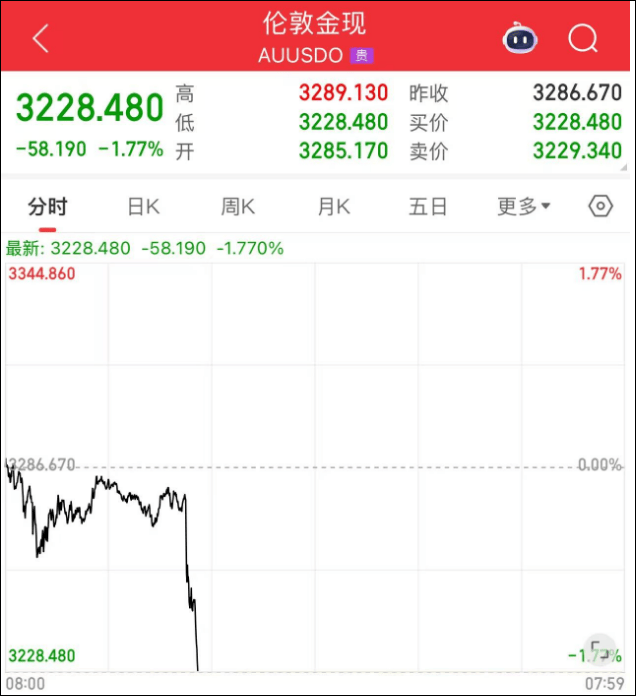
Group 1 - The core point of the news is the significant drop in gold prices, with the London gold index falling below 3230 points, marking a daily decline of 3% [1] - Gold jewelry brands have adjusted their prices, with Chow Sang Sang's gold jewelry priced at 1007 CNY per gram, down 14 CNY from the previous day's price of 1021 CNY per gram [3] - The Hang Seng Technology Index rose over 6% following the announcement of the Sino-US Geneva trade talks, indicating a positive market reaction [6] Group 2 - The A-share market saw all major indices close higher, with the Shanghai Composite Index up 0.82% and the Shenzhen Component Index up 1.72% [9] - The trading volume in the Shanghai and Shenzhen markets reached 1.3084 trillion CNY, an increase of 116.4 billion CNY compared to the previous trading day [9] - The precious metals sector experienced a decline, contrasting with the overall positive performance of other industry sectors [9]
主动量化周报:5月,观望期:出口链修复,不宜过度乐观
ZHESHANG SECURITIES· 2025-05-11 12:23
5 月,观望期:出口链修复,不宜过度乐观 ——主动量化周报 核心观点 关税缓和预期持续定价,风险偏好回升短期有较强的天花板效应。下一阶段,最大的 隐含风险在于美国通胀压力飙升,美联储降息预期落空对权益资产形成二次冲击。 ❑ 过去一周市场交易主线是什么? 关税缓和,美降息预期下修。市场过去一周核心交易关税预期缓和下的风险偏好 回暖,对于降息等政策也提前有所定价。其中,出口链对应的机械、汽车、家电 持续走强,TMT 板块也有所修复。需要注意的是,降息落地后行情上行动力明 显减弱,短期无利好催化预期,且在逆全球化大框架下,风险偏好天花板较低。 此外,对美出口持续下行,义乌小商品出口价格指数大幅飙升,美国输入性通胀 逻辑持续演绎,5 月美国通胀数据超预期飙升仍将是接下来最大风险点。 ❑ 如何理解公募新规对行情的事件性冲击? 3 万亿公募持仓再平衡不容小觑。公募新规后,由于监管对业绩比较基准较为看 重,未来主动权益基金可能逐步变为类指数增强产品,不会相对基准有过大偏 移。那么,目前公募相较市场超配较多的行业面临持续卖出压力,而低配较多的 行业则有资金回补需求。截至 5 月 8 日,目前市场低配较多的行业包括非银、银 行 ...
基金经理说 | 泉果基金孙伟:关税扰动外需,提振内需重要性凸显
Sou Hu Cai Jing· 2025-05-09 06:40
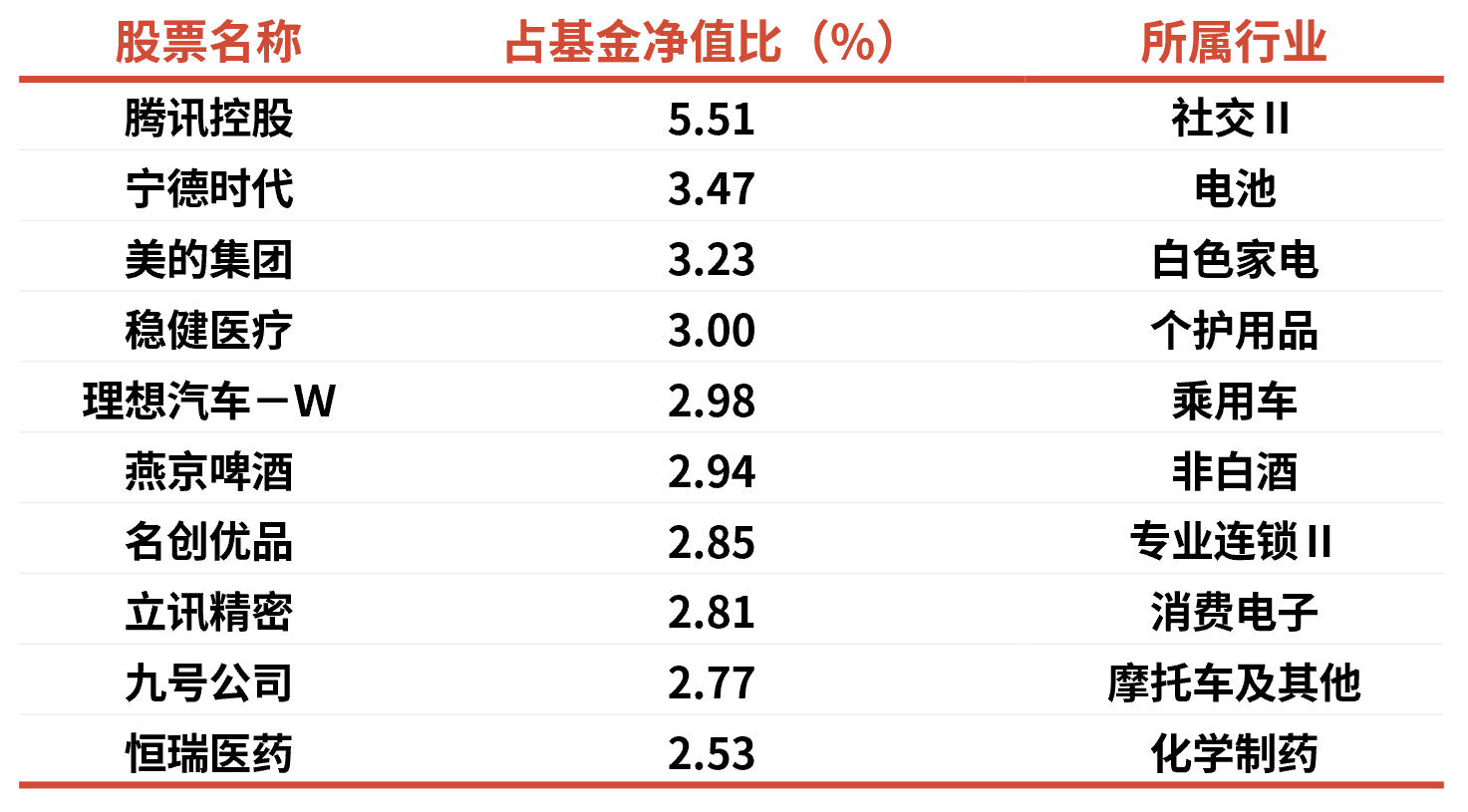
『产品运作』 内需板块占比提升 Q:泉果消费机遇整体运作情况如何? 孙伟: 北京大学经济学学士、金融学硕士,14年证券从业经验,8年投资管理经验。目前管理产品为泉果消费机遇混合型证券投资基金(以下简称"泉果消费机 遇",代码:022223)。 前言: 经历了2025年4月美国"对等关税"风波引发的市场剧烈震荡后,在出口等外需方面持续博弈承压的背景下,强化内循环、扩容内需消费市场的重要性愈发凸 显。在提振内需的政策预期下,消费板块是否有望迎来新行情?当下消费行业有哪些新变化? 让我们一起回顾2025年一季度泉果消费机遇的产品运作,听听基金经理孙伟如何看待关税冲击下,大消费板块的投资机遇。 泉果消费机遇成立于2024年9月27日,考虑到基金成立时间还不长,以及经济复苏进程和国际形势的复杂,本季度股票仓位并没有明显上升。截至2025年3月 31日,泉果消费机遇组合股票仓位占基金资产净值的72.86%,基本与上季度末持平,其中港股占基金资产净值比例为15.83%。 具体到行业层面,消费中内需板块的占比有所提升,比如整车、啤酒、医药等子行业,原有的互联网、高端制造业以及部分新质生产力的方向基本维持此前 的配置,同时还布 ...
贸易变局下投资如何破题?五大方向或是关键(附基金)
天天基金网· 2025-05-07 11:34
Core Viewpoint - The article emphasizes the need to adapt investment strategies in response to changing global trade dynamics, focusing on domestic consumption and sectors less affected by international trade tensions [2][24]. Group 1: Non-Export Industries - Non-export industries are characterized by having a complete domestic supply chain, with products or services produced and consumed within the country, making them less directly impacted by tariff changes [5][6]. - Key sectors include finance, real estate, public utilities, and transportation, which are expected to benefit from stable domestic demand despite external pressures [6][7]. Group 2: Domestic Demand-Related Industries - There is significant potential for growth in domestic demand-related industries, such as food and beverage, tourism, agriculture, and pharmaceuticals, driven by government policies aimed at boosting internal consumption [8][10]. - The World Bank reports that in 2023, China's final consumption expenditure accounted for 55.6% of GDP, which is 17.4 percentage points lower than the global average, indicating room for growth [8]. Group 3: Rare Earth and Military Industries - The rare earth sector is crucial for military applications and has a significant strategic advantage, as China controls 49% of global rare earth reserves and 90% of refining capacity, making it a key player in global supply chains [14][16]. - Military strength is seen as essential for protecting economic interests, with the military-industrial complex being a focus for investment [16][17]. Group 4: Self-Sufficiency and Control - The emphasis on self-sufficiency highlights the importance of mastering core technologies across various sectors, particularly in semiconductors, high-end chips, and industrial machinery, to mitigate external dependencies [19][20]. - Recent advancements in domestic technology, such as breakthroughs in semiconductor equipment, underscore the urgency of achieving technological independence [19][20]. Group 5: Artificial Intelligence - Artificial intelligence is identified as a critical area for future competition between major powers, with the potential to transform various industries and drive economic growth [21][23]. - China's advantages in AI include a large internet user base and a strong talent pool, positioning it well for advancements in this field [23].