美联储独立性

Search documents
美联储12月降息预期持续升温!高盛最新研判2026年降息
Sou Hu Cai Jing· 2025-12-05 06:46
受疲软就业数据影响,市场对美联储12月降息的预期持续升温。最新数据显示,美联储在12月议息会议上降息25个基点的概率已升至约87%。 高盛研究公司在最新报告中明确判断,美国劳动力市场已出现明显降温迹象,美联储12月降息25个基点"基本板上钉钉"。该行首席经济学家简·哈祖斯指 出,延迟发布的9月非农就业报告增长乏力,且其他指标显示10月出现新的裁员情况,尤其是20至24岁大学毕业生的失业率已攀升至8.5%,较2022年低点 大幅上升。 对于更长期的路径,高盛预测美联储可能在2026年上半年放缓降息步伐,最终将联邦基金利率降至3%-3.25%的区间。 与此同时,白宫国家经济委员会主任凯文·哈塞特作为下一任美联储主席的热门人选,其政策倾向与潜在执行力正引发市场深入讨论。哈塞特本人近期表 示,他认为美联储下次会议可能会降息约25个基点。 然而,华尔街分析人士警告,即便哈塞特获得任命,其推行任何激进宽松政策意图都将面临美联储集体决策制度的严峻挑战。PGIM固定收益公司联席首 席投资官格雷戈里·彼得斯指出,利率决策由委员会集体决定,新任主席难以单方面推动快速降息。 市场对潜在人事变动的担忧,已触及对美联储独立性的关切。彼 ...

制度红线将破?中期选举倒计时,一场撕裂美联储的权力对决
Sou Hu Cai Jing· 2025-12-05 06:34
司的就是国际这条线;马上追踪热点 秘闻背后的事;我给你说透 欢迎各位看官收看今天的【司马秘事】 文:司马秘事 编辑:司马秘事 白宫内阁会议上,特朗普又开骂了。 这次的目标是美联储主席鲍威尔,他直言对方是"一头固执的牛",可谁忘了,七年前正是特朗普亲手把 鲍威尔推上这个位子。 降息之争,反目成仇 这俩人的矛盾一点不复杂,核心就俩字,降息。 12月2日的内阁会议上,他更直接暗示,2026年初可能公布新任美联储主席人选。 鲍威尔这边倒是沉得住气,2018年上任以来,顶着两届总统的压力,该加息加息该降息降息,硬是没让 政策跑偏。 本来想特朗普只是说说气话,后来发现他是来真的。 中期选举越来越近,选民要就业要收入要房价涨,特朗普急着用降息刺激经济换选票,可鲍威尔得盯着 通胀,这活儿真没法两全。 特朗普觉得经济数据不好看,美联储降息太慢,拖了他2026年中期选举的后腿。 鲍威尔却不买账,通胀没到2%的目标,他死活不肯大幅降息。 权力场上哪有什么师徒情分,只有利益合不合拍。 11月19日的沙特投资论坛上,特朗普公开放话,"我巴不得立刻让现任那家伙滚蛋"。 从"精神有问题"骂到"极其无能",威胁解雇的话翻来覆去说。 制度红线 ...

美联储影子主席的预期与现实
Guo Lian Qi Huo· 2025-12-05 03:39
Report Industry Investment Rating No information provided in the content. Core Viewpoints of the Report - The market will be divided into a "buy the expectation" phase before the official appointment of the next Fed Chair in May 2026 and a "sell the reality" phase after the appointment. In the "buy the expectation" phase, the "shadow chair" will guide market expectations towards aggressive rate cuts, leading to specific price movements in major asset classes. In the "sell the reality" phase, the Fed's monetary policy path is likely to be cautious due to various constraints, and the market will shift its focus and face increased volatility. Additionally, the possibility of the Fed expanding its balance sheet in 2026 and its potential impact on the market should also be closely monitored [22][27][29]. Summaries by Relevant Catalogs I. Key Events for Focus on Fed Independence - The independence of the Fed is the cornerstone of the US dollar's credit, influencing global capital flows and commodity pricing. Trump has tried to influence the Fed through various means, such as frequent calls for rate cuts, attempts to dismiss Cook, and appointing new理事. The next key points of focus are the selection of the next Fed Chair and the progress of the dismissal case of Cook, which will affect the market's re - evaluation of the Fed's rate - cut path in 2026 [5][8][11]. II. "Advanced Tests" for Fed Chair Candidates 2.1 Selection and Appointment Process of the Fed Chair - The process includes candidate selection and evaluation (July - December 2025), where the candidates have been reduced from 11 to 5; the President's official nomination (January 2026), which signals the President's expectation for future monetary policy; the Senate confirmation process (average 4 months), including hearings, committee voting, and full - Senate voting; and the oath - taking ceremony (May 2026) [13][15][16]. 2.2 "Advanced Tests" for Fed Chair Candidates - Test 1: Candidates must have Fed理事 qualifications. If non -理事 candidates are considered, they may need to fill a即将出现的理事 vacancy first. Key time points to watch are January 21, 2026 (Supreme Court oral debate on Trump's attempt to dismiss Cook) and January 31, 2026 (Miran's理事 term expiration) [18][19]. - Test 2: Senate confirmation faces challenges related to partisan differences and Fed independence. If Hassett is nominated, concerns about his close association with Trump and his past controversial remarks may lead to opposition in the Senate, and the final result depends on the Senate's review and game [20]. III. Market Impact: Expectations and Reality of the Fed's "Shadow Chair" 3.1 "Buy the Expectation" Phase: Before the May 2026 Official Appointment - The "shadow chair" will publicly state an aggressive dovish stance, guiding the market to expect rate cuts. As a result, the US dollar index tends to weaken, US Treasury yields decline, and commodity prices rise, with precious metals being the core target of loose trading. However, conflicts between the "shadow chair" and Powell or setbacks in market expectations may increase asset volatility [27][28]. 3.2 "Sell the Reality" Phase: After the May 2026 Official Appointment - After the new Fed Chair is appointed, the Fed's monetary policy is likely to be "hesitant in decision - making and cautious in implementation" due to economic dual - differentiation, FOMC internal differences, and concerns about Fed independence. The market will shift its focus, and volatility will increase. The US dollar remains weak, and commodities will be more influenced by their own supply - demand [29][30][31]. - In 2026, the possibility of the Fed expanding its balance sheet should be closely monitored. If it occurs, it is more of a technical operation for liquidity management, with a scale much smaller than previous QE, and its impact on assets is mainly "liquidity repair" [34][35].
PGIM警告:即便哈塞特执掌美联储,也没能力按特朗普意愿“快速降息”
美股IPO· 2025-12-04 13:36
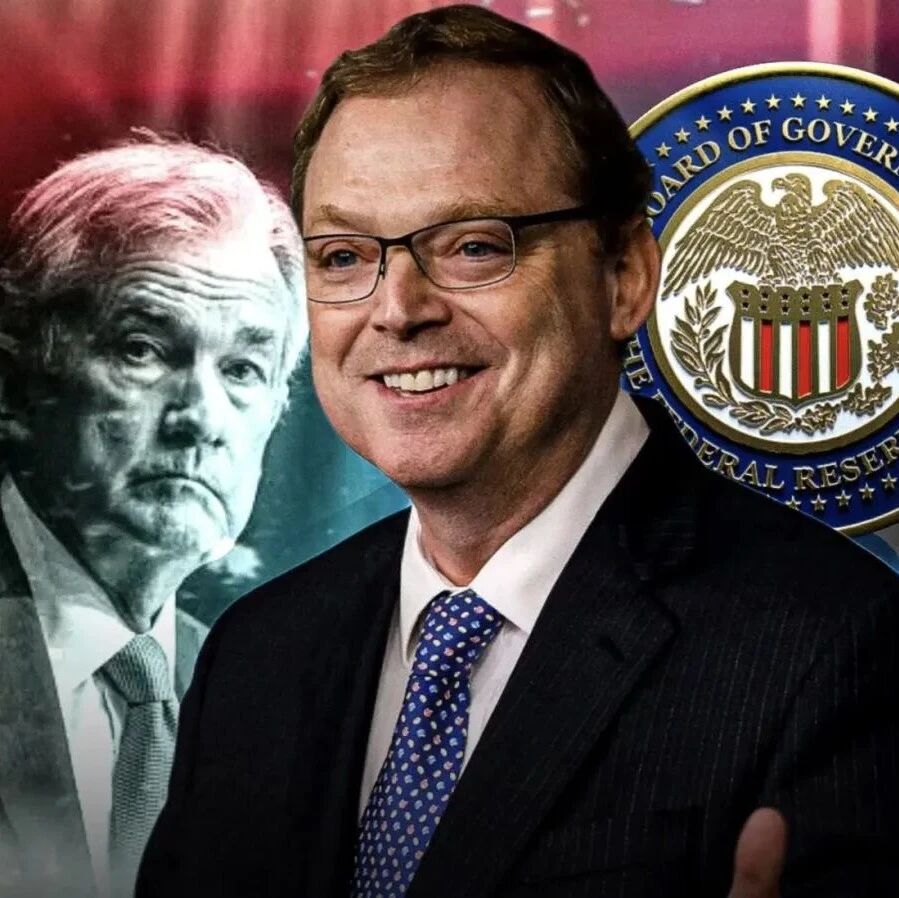
PGIM固定收益联席首席投资官认为,哈塞特不具备足够的威信在美联储内部促成共识,因此难凭借一己之力推动快速降息。债券市场也印证了这一点。 他还强调,美联储的独立性"仍然是投资者的一个主要关切点"。 Peters的核心论点在于,美联储主席的个人意志并不能完全主导货币政策的走向。由于利率决策由联邦公开市场委员会(FOMC)通过投票决定,主席 需要有足够的能力在委员会内部建立共识。 "他在委员会内部是否拥有推动共识的信誉?"Peters在接受媒体采访时提出质疑,并给出了自己的判断: "我们不知道答案。但我认为他不具备那种信誉。我想这就是债券市场正在告诉你的信息。" 据媒体此前报道,包括美国财政部借款顾问委员会成员在内的债券投资者,已就哈赛特可能被任命为美联储主席一事向美国财政部表达了担忧。 面对外界的质疑,哈赛特本周进行了反驳。他援引一次强劲的美国国债拍卖结果,作为市场并未因他可能接任的传闻而感到恐慌的迹象。他本人对其获 得提名的可能性则保持低调。 近日,PGIM固定收益公司的联席首席投资官Gregory Peters在接受媒体采访时警告称, 即便现任白宫国家经济委员会主任哈赛特最终被任命为下一届 美联储主席,他可 ...
市场质疑哈塞特能否在美联储实现目标
Xin Lang Cai Jing· 2025-12-04 13:07
Core Viewpoint - The potential appointment of Kevin Hassett as the next Federal Reserve Chairman may not lead to the rapid interest rate cuts expected by President Trump, as the decision ultimately requires consensus within the committee [1][4]. Group 1: Concerns about Hassett's Influence - Gregory Peters, Co-Chief Investment Officer at PGIM Fixed Income, expressed doubts about Hassett's credibility within the committee to drive consensus for significant monetary policy changes [1][3]. - There are growing concerns among bond investors regarding Hassett's possible appointment, with some expressing their worries to the U.S. Treasury [4]. Group 2: Market Reactions and Implications - Traders and macro fund managers are closely assessing the implications of Trump's potential restructuring of the Federal Reserve, as even minor policy changes could trigger global market volatility [2][4]. - Following Hassett's emergence as a leading candidate, some traders have begun to bet on an accelerated pace of interest rate cuts, indicating a shift in market sentiment [2][4]. Group 3: Current Market Conditions - As of Thursday's Asian trading session, U.S. Treasury yields remained relatively stable, with the 10-year yield at 4.08% and the 2-year yield slightly increasing to 3.50% [5]. - Peters noted that concerns about the Federal Reserve's independence and credibility are reflected in risk premiums and term premiums across sovereign bond markets, indicating a fragile long-term bond market [3][5].
特朗普心腹掌美联储?降息梦碎!3大铁律扎心
Sou Hu Cai Jing· 2025-12-04 12:22
Core Viewpoint - The article argues that even if Trump's favored candidate, Hassett, takes charge of the Federal Reserve, aggressive interest rate cuts are unrealistic due to fundamental economic conditions and institutional constraints [1][3]. Group 1: Economic Conditions - The current economic fundamentals do not support interest rate cuts, as the Federal Reserve's dual mandate of full employment and price stability is not being met. UBS estimates that the core PCE inflation rate will remain around 3.5% by 2026, significantly above the 2% target [4]. - The labor market remains strong, with an average monthly job addition of 189,000 and a stable unemployment rate of 4%. Lowering rates in such an environment would contradict the Federal Reserve's policy logic [4]. Group 2: Institutional Constraints - The Federal Reserve's decision-making is not solely influenced by the President, as established by the 1951 agreement ensuring its independence. Hassett would face significant opposition from hawkish committee members who emphasize caution regarding inflation risks [3][6]. - Key voting members, such as those from the Cleveland and Dallas Federal Reserves, have consistently advocated for a cautious approach to policy easing, making it unlikely for Hassett to push for aggressive cuts [6]. Group 3: Leadership Dynamics - Jerome Powell, the current Fed Chair, may choose to remain on the board after his term ends in May 2026, which would pose a significant obstacle to Hassett's potential aggressive policies. Powell's commitment to maintaining the Fed's independence further complicates Hassett's position [6][7]. - The market's optimistic pricing of rapid interest rate cuts diverges from the reality of the Fed's operational logic, which has historically prioritized price stability over aggressive easing [6][7].
PGIM警告:即便哈塞特执掌美联储,也没能力按特朗普意愿“快速降息”
Hua Er Jie Jian Wen· 2025-12-04 10:27
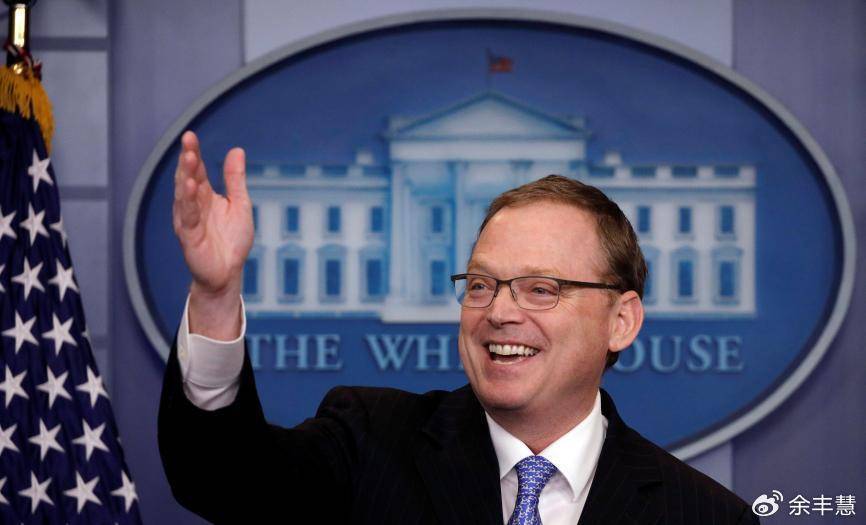
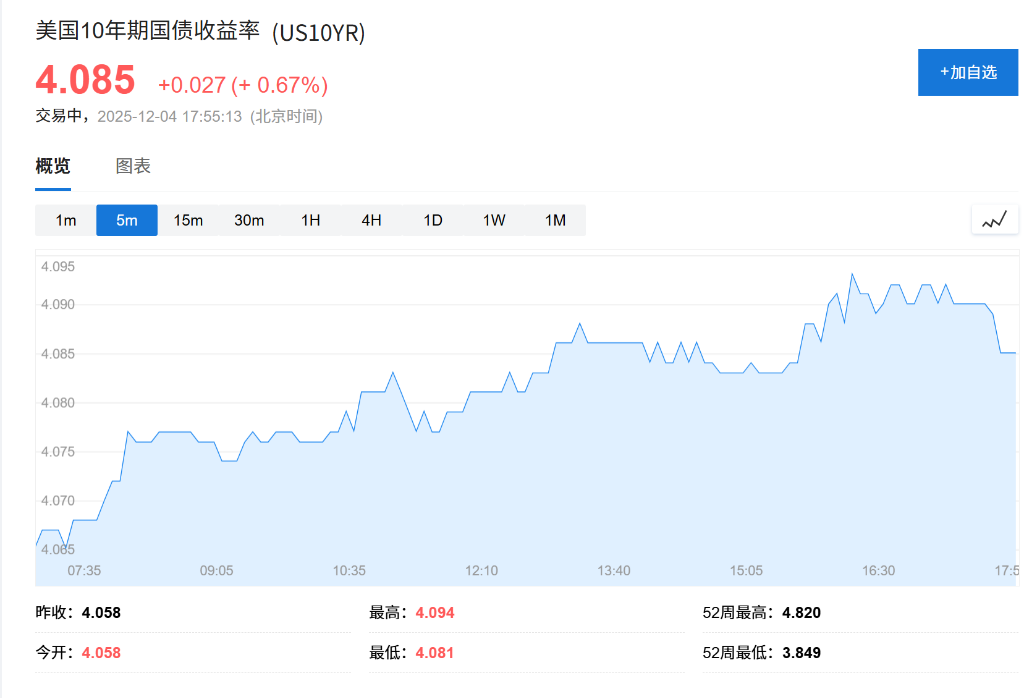
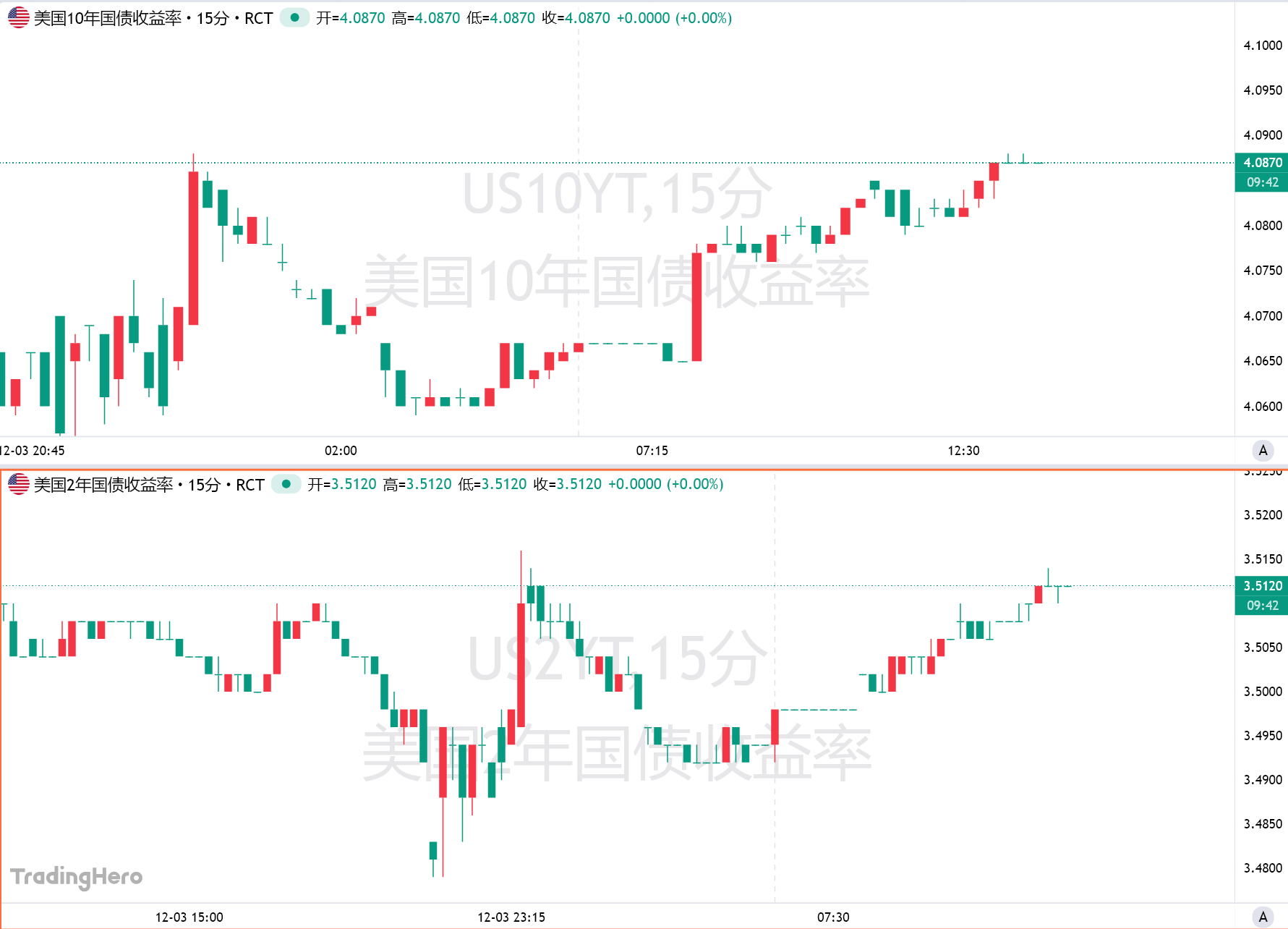
近日,PGIM固定收益公司的联席首席投资官Gregory Peters在接受媒体采访时警告称,即便现任白宫国家经济委员会主任哈赛特最终被任命为下 一届美联储主席,他可能也没有能力实现特朗普所希望的快速降息,因为美联储的利率决策终究由委员会集体决定。 这一警告发出之际,市场正热议哈赛特若执掌美联储,可能会为迎合特朗普而采取激进的货币宽松政策。特朗普本周表示,美联储主席的角逐 已"缩减至一人",并称哈赛特是"潜在的美联储主席人选",这让哈赛特成为该职位的头号热门。 哈赛特成为热门人选已引发投资者对美联储独立性的新一轮担忧。Peters指出,这一担忧正在转化为风险溢价,并被计入全球主权债券的定价中。 他强调,美联储的独立性"仍然是投资者的一个主要关切点"。 然而,尽管市场对此高度关注,但美国国债收益率在周四表现平稳基准10年期国债收益率维持在4.08%,对政策敏感的2年期国债收益率微升1个 基点至3.50%。 | 概览 | 图表 | | | | | | | | | | | | | --- | --- | --- | --- | --- | --- | --- | --- | --- | --- | --- | -- ...
宽松押注飙升:“影子主席”将执掌美联储?美元的终极压力测试开始
Sou Hu Cai Jing· 2025-12-04 07:17
Group 1 - The market is increasingly betting on a dovish policy shift and a rate cut in December, following unexpectedly weak ADP employment data [1] - The current Fed Chair Jerome Powell's term ends in May next year, and President Trump has hinted at Kevin Hassett as the next Fed Chair, with an official announcement expected early next year [3] - The demand for the short-term yield curve linked to the Secured Overnight Financing Rate (SOFR) is rising, reflecting market expectations of accelerated monetary policy easing after Powell's term ends [3] Group 2 - Kevin Hassett, the current Director of the White House National Economic Council, has a close relationship with Trump and was a key architect of the 2017 tax cuts, raising concerns about the independence of the Fed if he becomes Chair [5] - The nomination of Hassett signals Trump's strongest public criticism of the current Fed's interest rate policy, potentially weakening the long-standing "firewall" between the White House and the Fed [7] - Hassett's inclination towards growth-focused easing policies may lead to quicker rate cuts, raising concerns about the Fed's independence and market predictability [7] Group 3 - The market has not fully priced in the implications of Hassett's potential appointment, but confirmation could lead to a comprehensive reassessment based on "political risk premium" and "easing expectations" [7] - A more dovish Fed could weaken the dollar's interest rate advantage and damage its status as a global reserve currency [7] - Gold prices may rise due to expectations of monetary easing, a weaker dollar, and increased demand for safe-haven assets amid geopolitical and financial uncertainties [7] Group 4 - The yield curve in the U.S. Treasury market is expected to steepen, with short-term rates declining faster due to rate cut expectations, while long-term bonds may face selling pressure due to inflation concerns [8] - The nomination of Hassett represents a significant test of the independence of the U.S. central bank and the stability of the modern monetary financial system [10]

哈塞特公信力存疑,美联储加速降息预期恐落空?
Jin Shi Shu Ju· 2025-12-04 06:18
彼得斯发表此番评论时,债券交易员和大型宏观基金经理正在推演特朗普重组美联储带来的影响——即便只是政策变动的蛛丝马迹,也可能在全球市场引发 震荡。在特朗普数月来对美联储发起前所未有的攻击(包括辱骂鲍威尔、试图罢免理事会成员库克)之后,他任命鸽派美联储主席的可能性不断上升。 哈塞特被广泛认为支持特朗普偏好低利率的立场。特朗普本周表示,美联储主席一职的角逐"已锁定最终人选",同时称哈塞特是"潜在的美联储主席人选"。 PGIM固定收益部门联席首席投资官格雷戈里·彼得斯(Gregory Peters)表示,即便凯文·哈塞特(Kevin Hassett)获得批准出任下一任美联储主席,他也可能 无法实现美国总统特朗普所期望的快速降息节奏。 彼得斯发表上述言论之际,外界普遍猜测,如果白宫国家经济委员会主任哈塞特被任命为美联储主席,他可能会为了取悦特朗普而大幅降息。但这位PGIM 基金经理指出,由于美联储的利率决策最终由委员会决定,哈塞特无法仅凭一己之力兑现这一诉求。 同时担任美国财政部借款顾问委员会成员的彼得斯在接受彭博电视台采访时表示,"他在委员会内部是否有足够的公信力来推动共识?我们不知道答案。我 认为他没有这种公信力, ...
开始安插自己人,特朗普欲宣布美联储新主席人选!加速美国衰落?
Sou Hu Cai Jing· 2025-12-04 03:56
Core Viewpoint - Trump regrets his decision to nominate Powell as the Federal Reserve Chairman and plans to announce a new candidate early next year, aiming to reshape market expectations and regain control over monetary policy [1][14]. Group 1: Potential Candidates - Market predictions suggest that Trump's preferred candidate for the Federal Reserve Chairman is Kevin Hassett, the current Director of the National Economic Council [3]. - Hassett's past criticism of Trump's tariff proposals and subsequent alignment with Trump's economic policies demonstrate his adaptability, which has earned him Trump's trust [3]. Group 2: Monetary Policy Implications - Trump's public criticism of Powell has intensified, labeling him as "Mr. Too Late" due to the Fed's cautious approach to interest rate cuts [5]. - Trump believes that lower interest rates are essential for reducing corporate financing costs, encouraging investment, and ultimately leading to economic recovery [5]. - Hassett is expected to align with Trump's low-interest rate policies, potentially accelerating the rate-cutting process [7]. Group 3: Risks of Accelerated Rate Cuts - The Federal Reserve's dual mandate of controlling inflation and promoting employment may be compromised if Hassett accelerates rate cuts, risking inflation and economic stability [8]. - A surge in money supply could lead to rising prices, increased corporate costs, and reduced consumer purchasing power, contradicting Trump's vision of economic revival [8]. Group 4: Independence of the Federal Reserve - Powell's strong stance against political pressure is crucial for maintaining the Fed's independence, which is fundamental to the stability of the U.S. financial system [10]. - If a politically aligned figure like Hassett takes over, it could undermine trust in the Fed's policies, leading to capital outflows and market volatility [10]. Group 5: Broader Economic Implications - Trump's intervention in Fed personnel reflects the broader power dynamics in U.S. political economy, where the balance between political influence and professional independence is critical [12]. - The choice of the next Fed Chairman will not only impact the U.S. economy but also reshape global perceptions of the Fed's independence and influence international capital flows [12][14].