贸易保护主义

Search documents
15%关税+万亿欧元投资采购,欧盟输了吗
2 1 Shi Ji Jing Ji Bao Dao· 2025-07-28 13:47
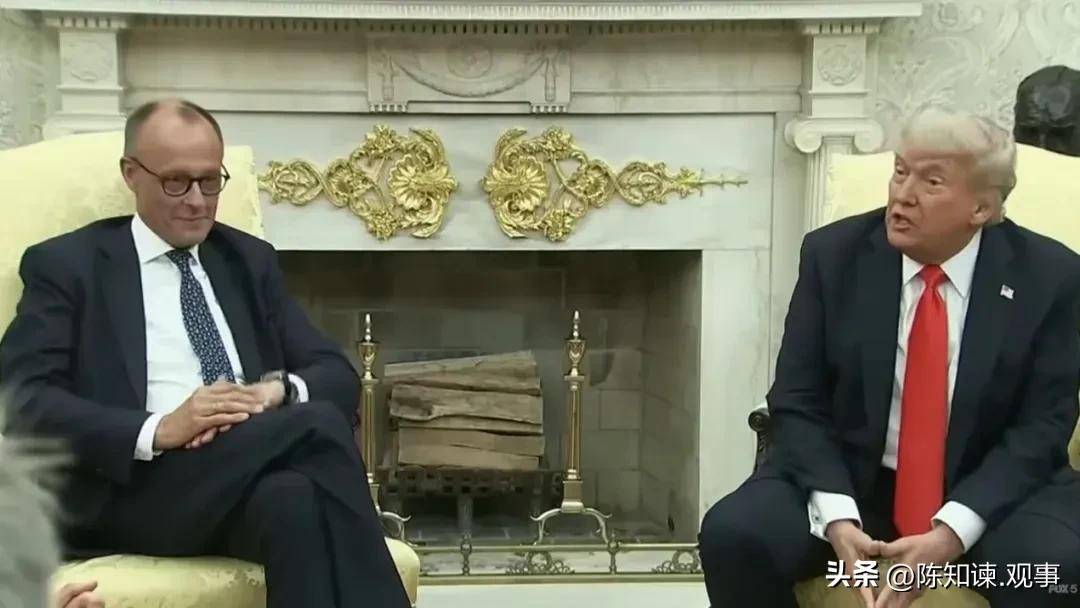
Group 1 - The US and EU have reached a new trade agreement, with the US imposing a 15% tariff on EU products and the EU committing to invest $600 billion and purchase $750 billion worth of US energy [2][4] - The agreement is seen as a compromise, avoiding a potential trade war that could have resulted from a proposed 30% tariff by the US [3][4] - The new tariff rate is significantly higher than the previous average of around 2%, which poses challenges for EU product competitiveness [5][7] Group 2 - Germany, as the largest EU economy, benefits from the agreement as it reduces the average tariff on automotive exports from 27.5% to 15%, thus protecting its key industries [4][6] - The agreement has sparked criticism within the EU, with some leaders arguing it represents a loss for European industries and could threaten jobs [7][8] - The potential for increased US procurement and investment from the EU raises questions about the actual implementation and market willingness to follow through [8]
关税战欧盟败阵加速脱美布局 黄金料维持震荡
Jin Tou Wang· 2025-07-28 06:16
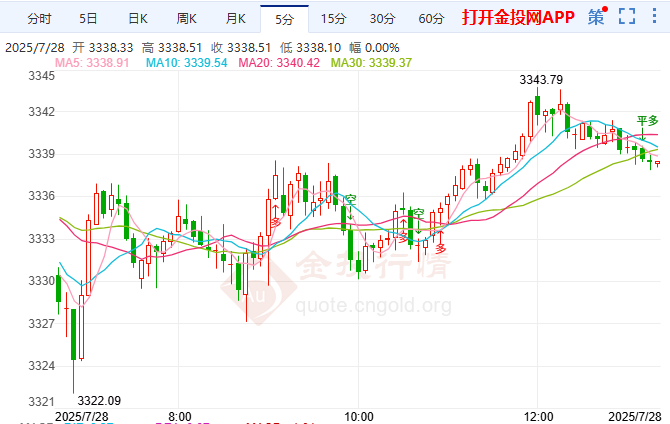
Group 1: International Gold Market - As of July 28, international gold is trading around $3,343.79 per ounce, with a slight increase of 0.03% from the previous session, reaching a high of $3,343.79 and a low of $3,322.09 [1] - The short-term outlook for international gold appears to be fluctuating within a range [1] Group 2: EU-US Trade Relations - In 2025, Trump is expected to return to the White House, reinstating his "America First" trade policy, which introduces significant uncertainty into global trade dynamics [3] - The EU has accelerated negotiations in response to Trump's threat of imposing up to 30% "reciprocal" tariffs, ultimately agreeing to a 15% baseline tariff, which falls short of the EU's initial goal of "zero-for-zero" tariffs [3] - The outcome of the negotiations indicates that the EU was unable to gain the upper hand in trade discussions with the US, leading to disappointment among European leaders [3][4] Group 3: EU Trade Strategy Reevaluation - The agreement has prompted the EU to reassess its trade strategy, with calls from the German Foreign Trade Association for Europe to reduce dependence on the US and diversify its trade partnerships [4] - There is potential for EU leaders to push for internal market integration and enhance technological innovation, as well as expand trade with emerging markets in Asia and Africa [4] - Despite the lack of comprehensive confrontation, EU member states are exploring "counter-coercion measures" against US advantages in service trade, although implementation faces challenges due to a lack of consensus [4]

美国芯片关税,两周内公布
半导体行业观察· 2025-07-28 01:32
公众号记得加星标⭐️,第一时间看推送不会错过。 来源:内容编译自CNBC。 美国严重依赖从台湾进口的芯片,拜登在其任期内试图解决这一问题,并拨款数十亿美元用于《芯片法案》以吸引芯片制 造商扩大在美国的生产。 特朗普和冯德莱恩宣布了一项新的框架贸易协定,其中包括对进入美国的欧盟进口产品征收 15% 的全面关税。 特朗普表示,该协议包括汽车,根据单独的行业关税行动,汽车将面临更高的 25% 的关税。 今年4月,特朗普政府宣布正在调查过度依赖外国进口的药品和半导体是否对国家安全构成威胁。 此次调查依据 1962 年《贸易扩展法》第 232 条进行,可能为对这两个领域的进口产品征收新关税奠定基础。 特朗普政府已根据该法律对铜和木材进口展开单独调查。特朗普第一任期内完成的早期调查构成了他今年1月重返白宫后 对钢铁、铝和汽车行业加征25%关税的基础。 特朗普对贸易伙伴征收了一系列激进的关税,包括今年 4 月生效的 10% 关税,从而颠覆了全球贸易,而且从 8 月 1 日 起,对大多数较大贸易伙伴征收的 10% 关税税率还将大幅提高。 美国商务部长霍华德·卢特尼克 (Howard Lutnick) 周日表示,特朗普政府将在 ...

美元进入贬值通道,15万亿资金回流中国,人民币升值压力增大
Sou Hu Cai Jing· 2025-07-27 08:23
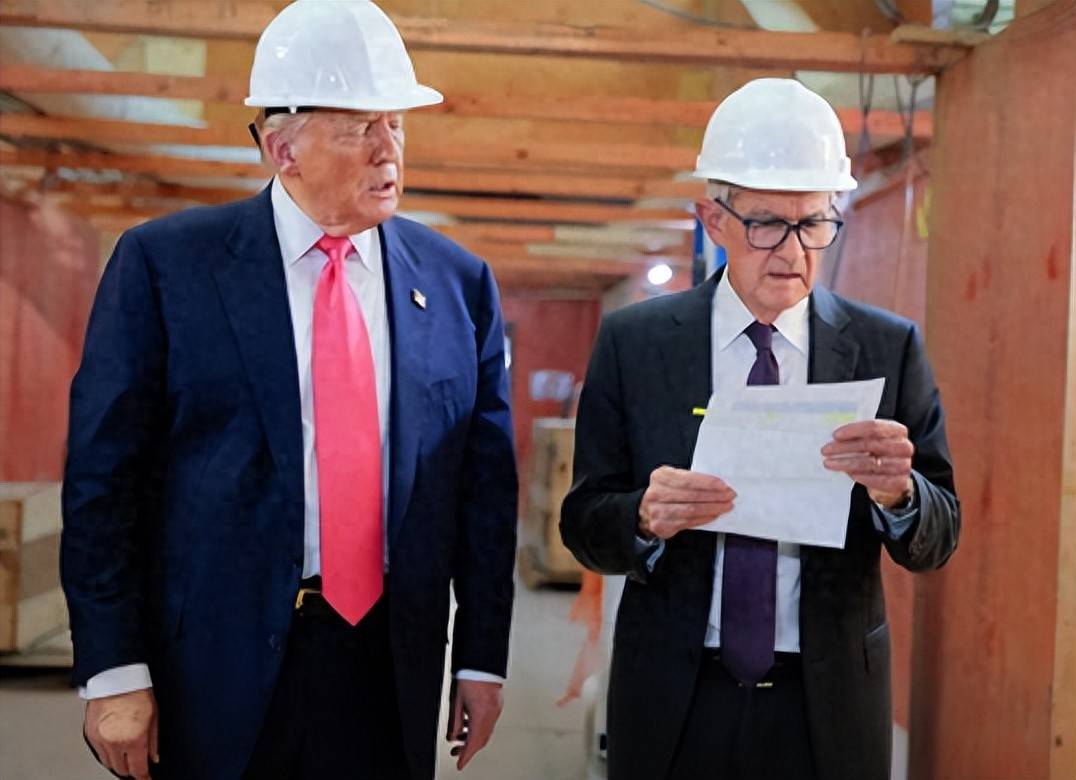
Group 1 - The core issue revolves around President Trump's pressure on the Federal Reserve to lower interest rates, which he argues is necessary to stimulate the economy amid rising fiscal deficits and debt levels [1][5][9] - Trump's actions are seen as a challenge to the independence of the Federal Reserve, which is crucial for maintaining the US dollar's status as the world's reserve currency [7] - The US federal debt is projected to exceed $36 trillion by 2025, with a debt-to-GDP ratio surpassing 120%, leading to increased costs of issuing government bonds in a high-interest-rate environment [9][11] Group 2 - There is a significant capital inflow into China, with $1.2 trillion entering the market in the first half of 2025, driven by a strong economic performance and the attractiveness of RMB assets [13][15] - The RMB has appreciated by 1.9% against the USD in the first half of 2025, reflecting its growing appeal among international investors [17][19] - The trend of de-dollarization is accelerating globally, with the RMB accounting for 53% of cross-border transactions in the first half of 2025, surpassing the USD for the first time [20][21] Group 3 - The People's Bank of China is implementing measures to balance internal and external economic pressures, including adjusting reserve requirements and promoting RMB internationalization [22] - China's foreign exchange reserves increased by $115.1 billion in the first half of 2025, providing a buffer against external shocks [22]
关税战尘埃落定,中国税率意外成全球最低,美国何去何从?
Sou Hu Cai Jing· 2025-07-27 08:04
Group 1 - The article highlights that China has the lowest average import tariff rate among major global economies at 3.1%, significantly lower than the United States at 19.3% and other countries like Canada and Australia [1][8] - The effectiveness of tariffs as a traditional trade protection measure is being challenged in the context of globalization and interconnected supply chains, leading to unintended consequences for countries imposing high tariffs [1][8] - The U.S. tariff strategy against China has resulted in increased costs for American consumers and businesses, ultimately harming the U.S. economy rather than achieving its intended goals [1][3] Group 2 - Chinese manufacturers have demonstrated remarkable adaptability by relocating production lines to countries like Vietnam, Malaysia, and Mexico to circumvent high tariffs while continuing to supply the U.S. market [3] - Europe is taking a more cautious approach towards China, focusing on finding alternative suppliers and building strategic reserves rather than severing ties with China, due to its reliance on Chinese markets for key industries [6] - The global economic landscape is undergoing significant changes, with China's supply chains proving resilient and indispensable despite the ongoing tariff conflicts initiated by the U.S. [8]
欧盟930亿欧元关税反击美国,中欧合作新空间能否打开?
Sou Hu Cai Jing· 2025-07-27 07:53
Group 1 - The European Union has approved a significant retaliatory tariff decision against the United States, amounting to €93 billion, targeting key economic sectors such as Boeing aircraft, automobiles, and agricultural products [1] - The tariff measures specifically focus on symbolic American products, including bourbon whiskey and soybeans, which are closely tied to the voter base of former President Trump [1] - The decision comes in response to the U.S. imposing tariffs on EU steel and aluminum products starting in 2025, which has severely impacted the European automotive and aerospace industries, particularly in Germany and France [1] Group 2 - Ursula von der Leyen's recent visit to China played a crucial role in the EU's decision-making process, emphasizing the need to rebalance trade relations between China and the EU [3] - During the visit, significant agreements were reached on climate change, energy transition, and green technology, indicating a potential for enhanced cooperation despite existing economic disagreements [3] - China's response to the EU's concerns about "overcapacity" and "industrial subsidies" highlighted its stance against perceived protectionist measures, warning that cooperation could stagnate if the EU continues to apply double standards [5]
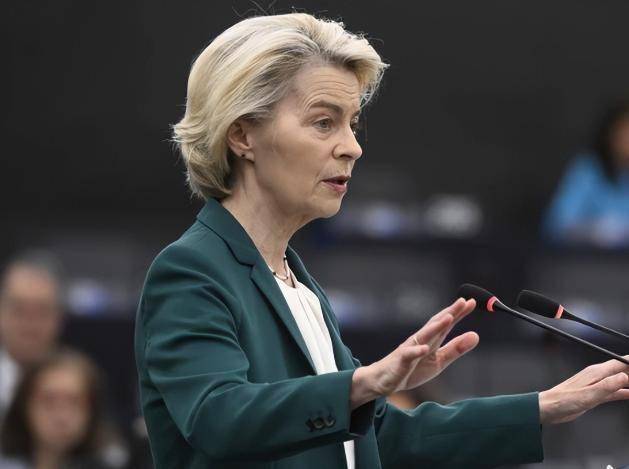
特朗普该哭还是该笑?全球超150个国家,只有5个与美达成协议
Sou Hu Cai Jing· 2025-07-27 03:59
特朗普上任后不久,便开始对美国的贸易政策进行大刀阔斧的改革。2025年4月2日,他直接宣布对全球 征收关税,基本税率定为10%,而对于一些特定国家,则额外加征关税,汽车类产品的关税则设定为 25%。这一举动引起了全球的关注,股市一度因市场的不安而大幅下跌。为了给各国更多的谈判时间, 特朗普在4月9日宣布暂停这一计划90天。然而,经过一段时间的谈判,到了7月23日,全球仅有五个国 家达成了协议:英国、中国、越南、印尼和菲律宾。其他国家要么拖延,要么坚决反抗。虽然日本曾传 出与特朗普政府的谈判动向,但最终并未签署协议。对于全球超过150个国家来说,这五个协议的比例 几乎微不足道。特朗普原本的打算是通过关税收割全球财富,同时刺激美国制造业的回流,但现实效果 远未达到预期。 特朗普的贸易策略非常直接。他认为美国的贸易逆差过大,必须通过关税施加压力,迫使其他国家作出 让步。在他看来,美国过去在国际贸易中一直吃亏,其他国家设置了高关税,而美国则保持低税率,结 果导致美国的工厂外流,工作机会大量流失。自从2025年他上任后,特朗普便开始调整美国的贸易政 策,他任命了贾米森·格里尔担任贸易代表,以及霍华德·卢特尼克担任商务部 ...
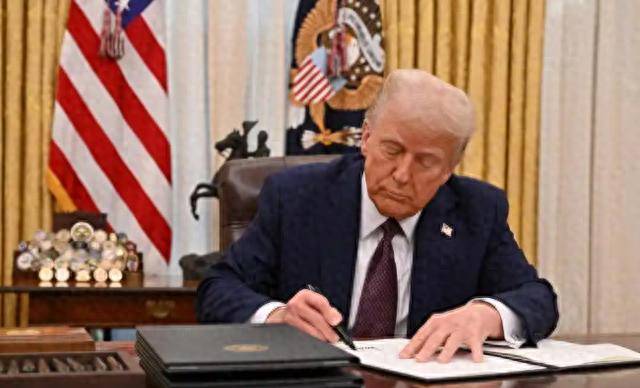
特朗普不留情面,印度被逼到墙角,莫迪灵机一动,想起中俄印联合
Sou Hu Cai Jing· 2025-07-26 23:43
Group 1 - The core issue of the US-India trade friction lies in tariff policies, with India imposing significantly higher tariffs compared to the US, leading to a trade deficit for the US [3] - In 2024, the bilateral trade volume between the US and India is projected to be approximately $129 billion, with a US trade deficit of $45.7 billion against India [3] - The Trump administration plans to implement reciprocal tariffs, which could severely impact India's export sectors such as steel, aluminum, and automobiles, potentially resulting in annual losses of about $7 billion for India [3] Group 2 - In response to US pressure, the Indian government is taking countermeasures within the framework of the World Trade Organization, including plans to impose retaliatory tariffs on US goods [3] - India is also adjusting its diplomatic strategy by seeking closer cooperation with Eastern countries, including the resumption of tourist visas for Chinese citizens, marking a significant thaw in Sino-Indian relations [4] - The bilateral trade volume between India and China is expected to reach approximately $138.5 billion in 2024, reflecting a year-on-year growth of 1.7% [6] Group 3 - India's government is actively pursuing foreign investment to stimulate its economy, allowing Chinese companies to hold up to 24% stakes in Indian firms without government approval [4] - Modi's shift towards Eastern partnerships is driven by the need to counteract economic slowdowns and foreign capital withdrawal, with China being a key target due to its market potential [6] - India is also enhancing its cooperation with other Eastern nations, such as ASEAN and Malaysia, to diversify its diplomatic strategy and balance relations between the US and China [7] Group 4 - Domestic political pressures pose challenges to Modi's strategy, particularly from farmers opposing the opening of agricultural markets to foreign products [6] - The ongoing border disputes with China may also hinder the potential for deeper bilateral cooperation [6] - The future trajectory of US-India relations and the depth of India-China cooperation will significantly influence the geopolitical landscape in the Asia-Pacific region [9]
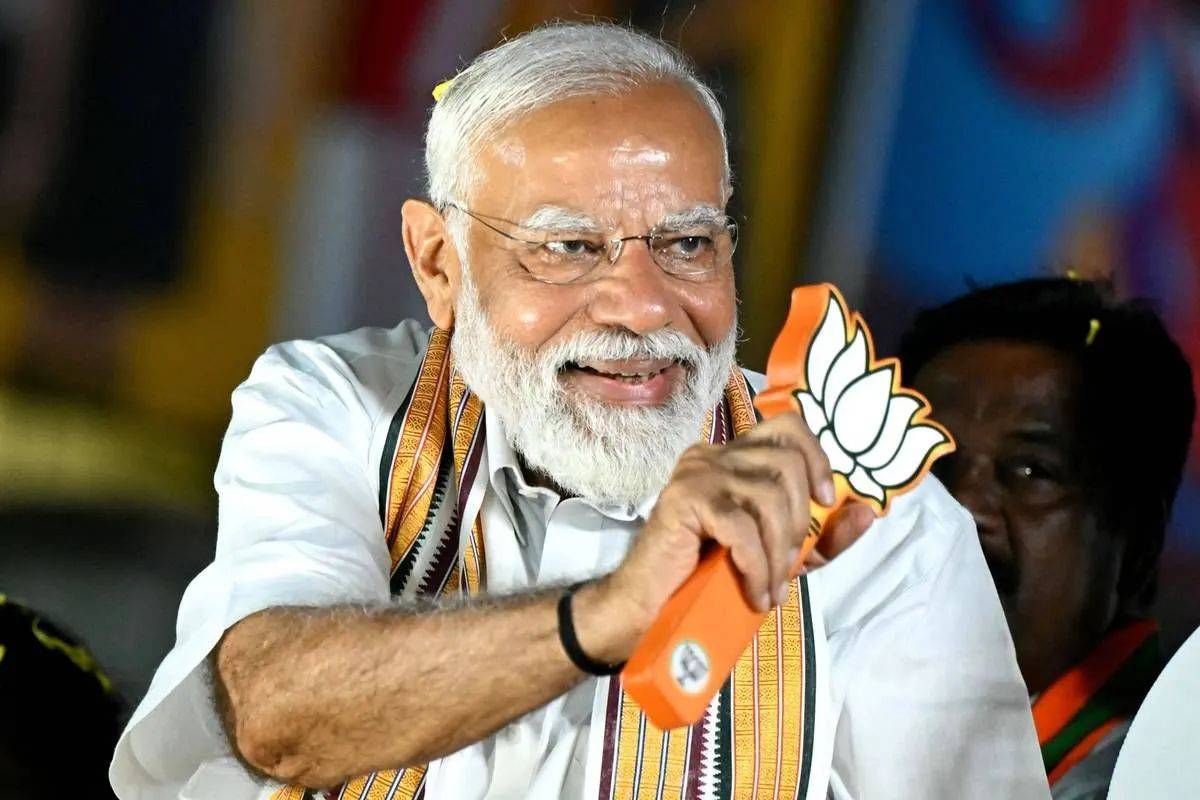
美国关税战压顶,欧盟扛不住,冯德莱恩访华前先去日本,事情不简单
Sou Hu Cai Jing· 2025-07-26 10:05
Group 1 - The core issue is the escalating trade tensions between the EU and the US, particularly due to the US imposing significant tariffs on EU goods, which has prompted EU leaders to seek support from allies like Japan [1][3][4] - The US has implemented a series of tariffs, including a 10% basic tariff on most EU exports, a 25% tariff on imported cars and parts, and a 50% tariff on steel and aluminum products, with further threats of a 30% tariff on EU goods starting August 1 [3][4] - The potential impact of these tariffs is severe, with 70% of the €530 billion worth of goods exported from the EU to the US being affected, leading to reduced profit margins and increased prices for EU manufacturers, particularly in the automotive sector [4][6] Group 2 - EU Commission President Ursula von der Leyen's visit to Japan aims to establish a "competitiveness alliance" focused on developing rare earth resources, reducing reliance on China [6][9] - The EU's relationship with China is complex, with recent tensions arising from trade barriers and restrictions on Chinese companies, despite a history of strong economic cooperation [6][7] - The EU is encouraged to recognize mutual interests with China and engage in sincere dialogue to foster cooperation in trade and global governance, which could stabilize and enhance EU-China relations [9]
反转!德国撕下温和面具,从谈判到“宣战”,川普肠子快悔青了
Sou Hu Cai Jing· 2025-07-26 03:01
Group 1 - The core issue revolves around President Trump's decision to impose a 25% tariff on German cars, up from a previous 2.5%, leading to a significant escalation in trade tensions between the US and Germany [1][2] - Germany's initial approach of negotiation has shifted to a more aggressive stance, with high-ranking officials indicating readiness for confrontation if the US continues its tariff policies [1][2][4] - The automotive industry, which constitutes nearly one-third of Germany's exports to the US, is particularly vulnerable to these tariffs, prompting a reassessment of Germany's trade strategy [2][4] Group 2 - The change in Germany's position reflects a broader shift within the EU, moving from a predominantly moderate approach to a more unified and assertive stance against US trade policies [6][9] - Germany's dual strategy aims to balance a strong response to US tariffs while still seeking dialogue to resolve disputes, particularly in defense and economic sectors [8][11] - The upcoming deadline for the new tariffs on August 1 is critical, as it will determine whether the situation escalates into a full-blown trade war or if a compromise can be reached [11]