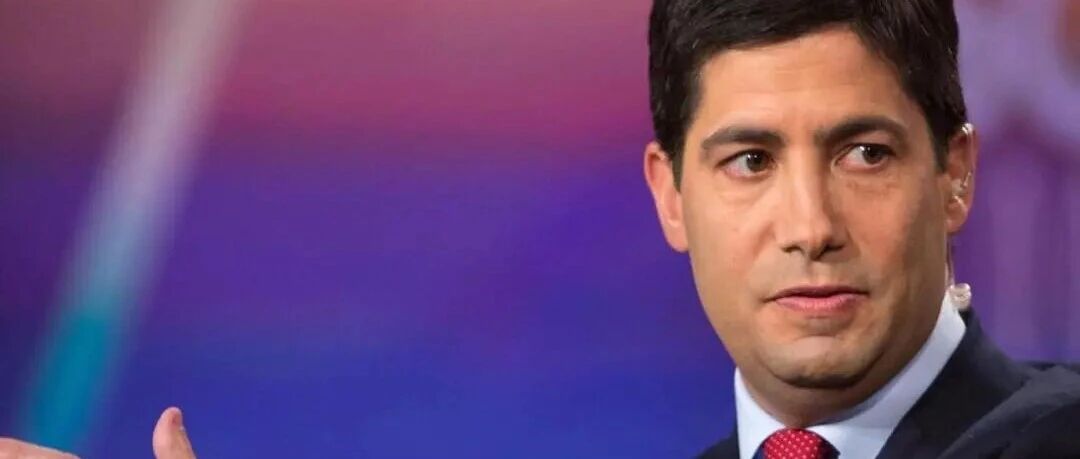
资产负债表缩减

Search documents
金价,彻底沸了!一公斤金条卖断货,有人不问价直接出手
Sou Hu Cai Jing· 2026-02-19 13:15
Group 1 - Spot gold prices have risen above $5000 per ounce, with an increase of 0.48% on February 19, reaching over $5020 during the day, marking a rise of more than 0.9% [1] - Spot silver prices have also increased, surpassing $79 per ounce, with a rise of over 2.5% [1][2] - The market is anticipating the upcoming release of the Federal Reserve's January monetary policy meeting minutes and important U.S. inflation data, which are influencing the outlook on monetary policy [3] Group 2 - Despite high gold prices, consumer demand remains strong, with reports of significant purchases during the Spring Festival, including a 68-gram gold bracelet and zodiac pendants [5][7] - The price of 1000-gram gold bars has been particularly popular, with reports of them selling out, indicating a strong demand for larger gold investments [4][7] - Domestic gold jewelry prices have nearly doubled compared to the previous year's Spring Festival, reflecting a significant increase in consumer interest and market dynamics [11] Group 3 - Analysts suggest that gold prices are likely to experience high-level fluctuations, influenced by global economic recovery, the U.S. dollar index, and central bank monetary policies [11][12] - There are concerns that the expectation of a potential interest rate cut by the Federal Reserve may face resistance at the $5000 mark for gold, as some investors are taking profits [12] - The next Federal Reserve chair's stance on reducing the balance sheet could have a continued negative impact on international gold prices, while central banks may increase gold reserves to mitigate dollar risk exposure [12]


沃什“新约”撼动美债 黄金修正关键支撑4964
Jin Tou Wang· 2026-02-09 06:03
Group 1 - The current spot gold price is 1120.96 CNY per gram, reflecting an increase of 15.30 CNY, or 1.38%, compared to the previous trading day, indicating a rebound trend [1] - The opening price for the day was 1110.53 CNY per gram, with a daily high of 1124.59 CNY and a low of 1106.41 CNY, showing volatility within the trading session [1] Group 2 - Kevin Warsh, nominated by Trump as the new Federal Reserve Chair candidate, proposes a new version of the 1951 Agreement to redefine the relationship between the Federal Reserve and the Treasury [2] - The original 1951 Agreement ended the Fed's intervention in the bond market to lower government borrowing costs, establishing its monetary policy independence, which has been challenged by the Fed's significant bond holdings post-financial crisis and pandemic [2] - Warsh's proposal could potentially link the Fed's large-scale bond purchases to Treasury issuance, raising concerns about the Fed's independence and the implications for inflation control and the status of the US dollar and Treasury bonds [2] Group 3 - Following a low point of 4665, gold prices have shown a strong recovery, maintaining a bullish outlook despite a recent pullback [3] - The recent price drop was minor, only a few dozen dollars, and does not significantly alter the prevailing upward trend, although a period of consolidation is expected [3] - Key support levels are identified at 4964 and 4936; maintaining these levels is crucial for sustaining the bullish trend, while a breach could signal a shift in market dynamics [3]
金荣中国:美伊局势持续引发关注,金价触底反弹加剧中期震荡
Sou Hu Cai Jing· 2026-02-09 01:52
Market Overview - International gold prices rebounded on February 6, closing at $4,943.70 per ounce after reaching a high of $4,964.75 and a low of $4,655.31 [1] - The market experienced fluctuations with gold prices initially dropping to $4,655 before rebounding and closing higher [8] Economic Indicators - U.S. Treasury Secretary Mnuchin indicated that the Federal Reserve is unlikely to quickly reduce its balance sheet, suggesting a decision may take up to a year [3] - The probability of a 25 basis point rate cut by the Federal Reserve by March is 19.9%, with an 80.1% chance of maintaining current rates [4] Geopolitical Developments - President Trump announced that the U.S. will negotiate with Iran again, emphasizing that Iran cannot possess nuclear weapons [3] - Iranian Foreign Minister Zarif stated that "zero enrichment" is unacceptable for Iran, highlighting uranium enrichment as a core issue in negotiations [3] Trading Strategy - The trading strategy suggests cautious high short and low long positions due to ongoing market volatility and geopolitical tensions affecting gold prices [9]

白银 开盘大涨!美联储 降息大消息!美国财长重磅发声
Qi Huo Ri Bao· 2026-02-09 01:23
Group 1: Precious Metals Market - Silver prices rose over 2.4% to $79.7 per ounce, indicating a potential short-term consolidation phase for metals like gold, silver, and copper, as per Morgan Stanley's report [2] - Analysts suggest that the current adjustment in metal prices is a necessary pause in a long-term upward trend, with copper expected to rebound earlier than gold due to stronger fundamentals supported by the global manufacturing cycle [2] Group 2: U.S. Federal Reserve Actions - U.S. Treasury Secretary Yellen anticipates that the Federal Reserve will not quickly act to reduce its balance sheet, even under the leadership of nominated Chair Powell, suggesting a decision timeline of up to a year [3] - San Francisco Fed President Daly indicated that the Fed may need to implement one or two more rate cuts to address the weak labor market, emphasizing the need for an open approach to interest rate decisions [5][6] - Current inflation remains above the Fed's 2% target, but some officials expect a decline in commodity inflation by mid-year, which could lead to a stabilization of overall inflation [6] Group 3: Industrial Silicon Market - Industrial silicon futures prices have hit a recent low, closing at 8,500 yuan per ton, down 3.95% for the week, primarily due to weak macro sentiment and a general decline in the non-ferrous sector [8] - The number of operational furnaces for industrial silicon has significantly decreased, with a total of 178 furnaces operating at a rate of 22.36%, a reduction of 32 from the previous week, influenced by planned production cuts from major manufacturers [9] - Demand for industrial silicon remains weak, with expectations of a drop in production to around 80,000 tons in February due to reduced operational rates and upcoming maintenance schedules [10]
白银,开盘大涨!美联储,降息大消息!美国财长重磅发声→
Xin Lang Cai Jing· 2026-02-08 23:52
Group 1: Market Overview - The price of spot silver rose over 2.4%, reaching $79.7 per ounce [3][13] - Morgan Stanley's technical strategy report indicates that metals like gold, silver, and copper will enter a "consolidation phase" in the coming weeks, but this does not signify the end of the bull market [3][13] - Analyst Jason Hunter from Morgan Stanley believes the current adjustment is a necessary pause in a long-term upward trend, with basic metals, particularly copper, expected to rebound earlier than gold due to stronger fundamentals [3][13] Group 2: Federal Reserve Insights - U.S. Treasury Secretary Yellen anticipates that the Federal Reserve will not quickly act to reduce its balance sheet, even under the leadership of nominated Chairman Waller [4][14] - Yellen suggests that the Fed may take up to a year to decide on its balance sheet management, indicating a cautious approach [4][14] - San Francisco Fed President Mary Daly stated that the Fed may need to implement one or two more rate cuts to address the weak labor market, emphasizing the need for an open-minded approach to interest rates [5][15] Group 3: Industrial Silicon Market - Industrial silicon futures prices have recently hit a new low, with the main contract closing at 8,500 yuan per ton, down 3.95% for the week [6][17] - Analysts attribute the price decline to macroeconomic sentiment and overall weakness in the non-ferrous sector, with trading activity slowing as the Chinese New Year approaches [6][17] - Supply of industrial silicon has decreased significantly, with the number of operational furnaces dropping to 178, resulting in an overall operating rate of 22.36%, a reduction of 32 furnaces from the previous week [7][18] Group 4: Demand and Inventory Dynamics - Demand for industrial silicon remains weak, with expectations of a drop in production to around 80,000 tons in February due to fewer working days and ongoing production adjustments in related sectors [8][19] - The overall inventory of industrial silicon has shown a slight increase, with total stock reaching 1,006,400 tons, up by 5,200 tons week-on-week [8][19] - Analysts predict that the industrial silicon market will continue to experience price fluctuations, with a focus on demand recovery post-Chinese New Year [8][19]

白银,开盘大涨!美国财长重磅发声,预计美联储不会迅速采取行动缩减资产负债表
Sou Hu Cai Jing· 2026-02-08 23:50
Group 1: Precious Metals Market - Silver prices rose over 2.4% to $79.7 per ounce, indicating a potential short-term consolidation phase for metals like gold, silver, and copper, as per Morgan Stanley's report [2] - Analysts suggest that the current adjustment is a necessary pause in a long-term upward trend, with copper expected to rebound earlier than gold due to stronger fundamentals supported by the global manufacturing cycle [2] Group 2: U.S. Federal Reserve Actions - U.S. Treasury Secretary indicated that the Federal Reserve is unlikely to quickly reduce its balance sheet, suggesting a decision may take up to a year [3] - San Francisco Fed President stated that the Fed may need one or two more rate cuts to address the weak labor market, highlighting the challenges faced by American workers due to rising prices and limited job opportunities [4][5] - Current inflation remains above the Fed's 2% target, but some officials expect a decline in commodity inflation by mid-year, leading to overall easing [5] Group 3: Industrial Silicon Market - Industrial silicon futures prices fell to a recent low of 8,500 yuan per ton, down 3.95% for the week, due to weak macro sentiment and overall declines in the non-ferrous sector [6] - The number of operational furnaces for industrial silicon decreased significantly, with a total of 178 furnaces operating at a rate of 22.36%, a reduction of 32 from the previous week [7] - Demand for industrial silicon remains weak, with expectations of reduced production in February due to fewer working days and ongoing maintenance plans in the industry [8]
长江有色:国际油价大跌且市场厌恶情绪弥漫 3日锌价或下跌
Xin Lang Cai Jing· 2026-02-03 03:17
Group 1 - International oil prices have sharply declined, leading to a pervasive negative sentiment in the market, which has caused a continued drop in zinc prices, with LME zinc falling by 1.53% to close at $3319 per ton [1][4] - The domestic zinc market is experiencing weak supply and demand, with refined zinc production decreasing by approximately 50,000 tons month-on-month due to factory shutdowns and seasonal maintenance [3] - The recent increase in U.S. manufacturing activity is overshadowed by trade policy uncertainties and potential government shutdowns, which may delay key employment data and create market information asymmetry [2][4] Group 2 - The domestic zinc market is facing tight supply conditions, with significant reductions in zinc mine output due to winter maintenance and repairs, while downstream consumption is low as companies prepare for the upcoming Spring Festival [3][4] - The market is concerned about the policy direction of the newly appointed Federal Reserve Chairman, which could lead to tighter financial conditions and further pressure on zinc prices [2][4] - Speculative investors and funds are withdrawing from the market, and the lack of solid supply-demand fundamentals to support previous zinc price increases has led to increased price volatility [4]
华尔街聚焦沃什:“降息+缩表”如何同时做到?,“导师”德鲁肯米勒:他不一定是鹰派
Hua Er Jie Jian Wen· 2026-02-01 02:44
Core Viewpoint - The nomination of Kevin Warsh to lead the Federal Reserve has prompted a reassessment of market expectations regarding monetary policy, particularly due to his advocacy for significant reductions in the central bank's balance sheet, which contrasts with President Trump's desire to lower long-term borrowing costs [1][4]. Group 1: Market Reactions - Long-term Treasury yields rose, with the spread between 30-year and 2-year Treasury yields widening to 1.35 percentage points, nearing the highest level since 2021 [1]. - Major asset management firms interpret the market volatility as a reflection of traders digesting Warsh's recent statements criticizing the Fed's large-scale bond purchases during the 2008 financial crisis and the 2020 pandemic [1]. Group 2: Warsh's Policy Stance - Warsh, who served as a Fed governor from 2006 to 2011, has been a prominent critic of the Fed's quantitative easing policies, which peaked with nearly $9 trillion in assets [5]. - He argues that a large balance sheet distorts asset prices and may entrench inflationary pressures, while also acknowledging the need for lower policy rates due to economic downturn risks [5]. - In a widely noted speech, Warsh indicated that the Fed has been the primary buyer of U.S. government debt since 2008, reflecting its recognition of the economy's growing needs [5]. Group 3: Perspectives from Influential Investors - Billionaire investor Stanley Druckenmiller, a long-time mentor of Warsh, stated that Warsh is not permanently "hawkish" and has shown flexibility in his monetary policy views [4][6]. - Druckenmiller emphasized that Warsh's approach to monetary policy is open to balancing growth without triggering inflation, particularly in the context of advancements in artificial intelligence [6][7]. Group 4: Policy Coordination Concerns - Concerns arise regarding the potential contradictions in Warsh's advocacy for lowering short-term rates while simultaneously pursuing a reduction in the Fed's balance sheet amid rising government debt and persistent inflation [7]. - Druckenmiller noted that effective coordination between the Treasury and the Fed is crucial, especially with Warsh's nomination potentially influencing economic policy discussions [8].
特朗普提名沃什意味着什么?|国际
清华金融评论· 2026-01-31 10:34
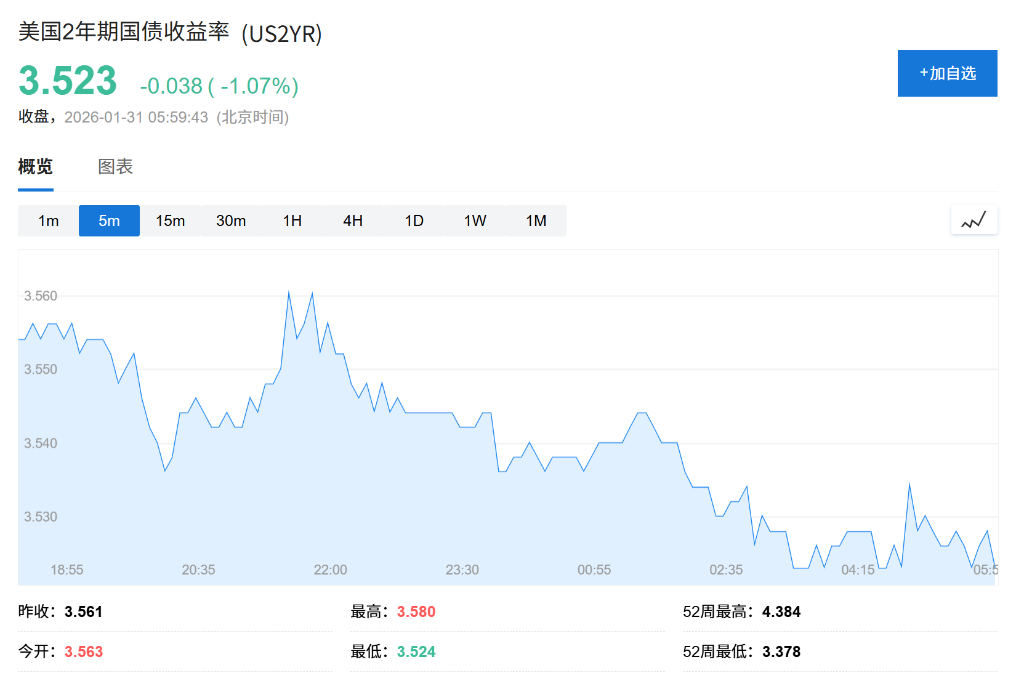
Core Viewpoint - Kevin Warsh is nominated by Trump to be the next Federal Reserve Chairman, potentially easing market concerns about the Fed's independence and suggesting a dovish monetary policy approach with a forecasted 50 basis points rate cut under his leadership [1][6]. Group 1: Warsh's Background and Experience - Warsh has a strong financial background, having worked at Morgan Stanley and served as a special assistant to President George W. Bush, as well as a member of the Federal Reserve Board from 2006 to 2011 [2]. - His experience includes significant contributions during the 2008 financial crisis and involvement in Trump's transition team, indicating a deep understanding of economic policy [2]. Group 2: Warsh's Monetary Policy Views - Since 2025, Warsh has expressed dovish views, criticizing the Fed's reliance on data for decision-making and advocating for a halt to forward guidance on interest rates [3][4]. - He has publicly stated that tariffs do not lead to inflation and has called for the Fed to act more decisively on rate cuts, suggesting that a reduction in rates is necessary for systemic reform [3][4]. Group 3: Asset Balance Sheet Concerns - Warsh has repeatedly emphasized the need to significantly reduce the Fed's balance sheet, arguing that its current size could counteract the effectiveness of short-term interest rate policies [4][5]. - He has described the Fed's policy mix as fundamentally flawed, likening the current balance sheet size to that during the 2008 financial crisis [5]. Group 4: Independence and Market Reactions - Warsh supports the independence of the Federal Reserve, asserting that excessive commitment to policy could undermine its credibility and effectiveness [6]. - Following Warsh's nomination, U.S. Treasury yields experienced slight fluctuations, indicating market sensitivity to changes in Fed leadership and policy outlook [6].

今晚官宣!特朗普拟提名沃什执掌美联储,市场押注其胜率飙至95%
美股IPO· 2026-01-30 04:28
Core Viewpoint - The article discusses the potential nomination of Kevin Warsh as the new Chairman of the Federal Reserve by President Trump, highlighting the implications of his monetary policy approach, which may include a unique combination of interest rate cuts and balance sheet reduction [1][10][12]. Group 1: Nomination and Market Reactions - Kevin Warsh's probability of being nominated as the new Federal Reserve Chairman has surged to 95% according to Polymarket [5]. - Trump is reportedly preparing to nominate Warsh, who is well-respected in the financial community, as a candidate to replace Jerome Powell, whose term ends in May [3][9]. - Following the news of Warsh's potential nomination, the stock market reacted negatively, with U.S. stocks declining, bond yields rising, and the dollar strengthening [7]. Group 2: Warsh's Background and Policy Implications - Warsh has extensive experience in both public and private sectors, having served as a Federal Reserve Governor from 2006 to 2011 during the global financial crisis [10]. - Deutsche Bank predicts that if Warsh is appointed, his policy may feature a combination of interest rate cuts and balance sheet reduction, contingent on regulatory reforms that lower banks' reserve requirements [10][12]. - Warsh has emphasized that inflation is the responsibility of the Federal Reserve and has criticized the notion of attributing it to external factors [13][20]. Group 3: Critique of Current Federal Reserve Policies - Warsh has been critical of the Federal Reserve's recent policies, arguing that the central bank has strayed from its core mission of maintaining price stability and has engaged in excessive quantitative easing [17][20]. - He advocates for a restoration of the Federal Reserve's original mandate, suggesting that the institution needs to reform rather than undergo a complete overhaul [16][20]. - Warsh's approach includes a call for a clear delineation of responsibilities between the Federal Reserve and the Treasury, aiming to prevent fiscal irresponsibility [21][22]. Group 4: Economic Outlook and Future Prospects - Despite his critiques, Warsh remains optimistic about the U.S. economy, believing that advancements in AI and deregulation could lead to a productivity boom similar to the 1980s [23]. - He argues that controlling inflation through balance sheet reduction could create space for lower interest rates, which is crucial for supporting the real economy [14][18]. - Warsh's vision for the Federal Reserve includes a focus on practical monetary policy that aligns with the administration's goals of reducing borrowing costs [14][19].