
外交

Search documents
伊美第三轮间接谈判举行
Xin Lang Cai Jing· 2026-02-26 19:41
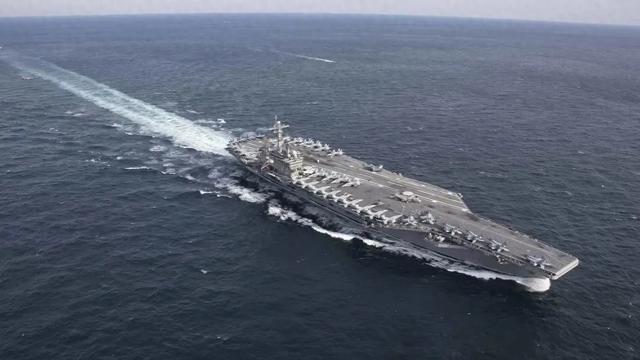
美军"福特"号航母离开希腊海军基地驶往中东 2月26日在瑞士日内瓦阿曼驻日内瓦外交代表机构附近拍摄的警车。新华社发 伊朗与美国的第三轮间接谈判2月26日在瑞士日内瓦举行,现场安保措施严密。美军最大航母"杰拉尔德 ·R·福特"号当天上午离开位于希腊南部克里特岛苏达湾的海军基地,前往中东。 本轮谈判重点是核问题 此次谈判由阿曼斡旋,在阿曼驻日内瓦外交代表机构举行。伊朗外交部长阿拉格齐率领伊朗代表团参加 谈判,美方谈判代表是美国总统特使威特科夫和美国总统特朗普的女婿库什纳。 据美国阿克西奥斯新闻网站25日报道,威特科夫称,美方正要求伊朗同意,核协议若达成,将"无限期 有效"。据伊朗塔斯尼姆通讯社26日报道,伊朗总统佩泽希齐扬在新一轮伊美谈判开始之际表示,伊朗 无意发展核武器。他在一场会议上说:"敌人说伊朗不应寻求核武器,而我们自己早已多次说过,我们 无意发展核武器。" 据伊朗媒体26日报道,阿曼外交大臣巴德尔当天早些时候在日内瓦会见了国际原子能机构总干事格罗 西,双方就伊朗核计划相关的技术问题交换意见。据卡塔尔半岛电视台报道,格罗西已加入谈判,并担 2月26日,记者在瑞士日内瓦阿曼驻日内瓦外交代表机构附近等待。新华 ...


东西问丨过去一周,四大不确定性,都跟这个国家有关
Xin Lang Cai Jing· 2026-02-22 05:33
Group 1: Geopolitical Uncertainty - The ongoing military tensions involving Iran and the U.S. have escalated, with the U.S. deploying over 60 attack aircraft to Jordan, tripling their usual presence, indicating a serious military threat [4][5] - The potential for conflict in the Middle East, particularly around the Strait of Hormuz, poses a significant risk to global oil supply, which could lead to soaring oil prices and impact U.S. voters ahead of midterm elections [5][8] Group 2: Energy Supply Uncertainty - The geopolitical situation has led to a spike in international oil prices, with the Middle East accounting for about one-third of global oil supply and nearly 20% of oil transport passing through the Strait of Hormuz [4][5] - Any disruption in this critical shipping lane could severely impact the global energy supply chain, heightening uncertainty in energy markets [5] Group 3: Climate Governance Uncertainty - The U.S. Energy Secretary has threatened to withdraw from the International Energy Agency (IEA) if it does not abandon its "net-zero emissions" agenda, undermining global climate efforts and multilateral governance [7] - The U.S. withdrawal from the Paris Agreement has already had a detrimental effect on global climate action, exacerbating divisions in international governance [7] Group 4: Trade Uncertainty - A recent U.S. Supreme Court ruling has limited the President's ability to impose large tariffs, creating uncertainty in trade policy and potentially leading to a refund of up to $175 billion in tariffs [8] - In response, the Trump administration has announced a new global import tariff of 10%, which is set to increase to 15%, further complicating the trade landscape and impacting global economic recovery [8][11] Group 5: Overall Impact on Global Stability - The combination of geopolitical, energy, climate, and trade uncertainties is likely to create a more volatile global environment, affecting millions of ordinary citizens worldwide [11] - The call for collective action in addressing these uncertainties highlights the challenges posed by the U.S.'s unpredictable strategies in international relations [11]

威慑+备战!美军中东大规模增兵,为美伊核谈失败留后手
Jin Shi Shu Ju· 2026-02-16 22:57
在周二美伊计划于日内瓦举行谈判前夕,美国军方正持续在中东大规模集结海空力量。多名知情人士向 美国有线电视新闻网(CNN)透露,美军此举一方面是为威慑德黑兰,另一方面也是为了在伊朗核问 题谈判失败的情况下,拥有对伊朗境内发动打击的可选方案。 知情人士表示,驻扎在英国的美国空军力量,包括空中加油机和战斗机,正被重新部署到更靠近中东的 地区。 一名美国官员称,美国还在持续向该地区部署防空系统;另一名知情人士则表示,原本预计未来几周轮 换撤离该地区的数个美国军事单位,其部署命令已被延长。航班追踪数据显示,近几周来,数十架美国 军用货运机已将装备从美国运送到约旦、巴林和沙特。 开源空中交通通信显示,上周五晚间,多架战斗机也获得了进入约旦领空的外交许可。卫星图像显示, 自1月25日以来,已有12架美国F-15攻击机部署在约旦的穆瓦法克・萨尔提空军基地。 从更广泛的范围来看,开源航班数据显示,已有超过250架美国货运机进入该地区。 特朗普数周来一直威胁要对伊朗采取军事行动。上个月,他警告伊朗领导人,如果伊朗政府不停止镇压 抗议者,他已准备好下令发动攻击。上周五,他还表示,他认为伊朗实现政权更迭"将是可能发生的最 好事情"。 ...
欧洲政坛地震!卡拉斯激怒中美俄三国,62%民众为何集体倒戈?
Sou Hu Cai Jing· 2026-01-30 18:23
Group 1 - The core viewpoint of the article highlights the diplomatic isolation faced by the EU under the leadership of Kaja Kallas, as major powers like Russia, the US, and China express dissatisfaction with her approach [1][9][20] - Kallas has a history of strong anti-Russian sentiment, stemming from her family's experiences, which influences her political stance and actions against Russia, including calls for accountability regarding the Ukraine situation [3][11][15] - Her policies have led to tensions not only with Russia but also with the US and China, as she criticizes the US for not being proactive enough in Ukraine and proposes tariffs on Chinese products, causing concern among EU member states [7][9][18] Group 2 - Internally, Kallas faces opposition from EU member states like Hungary and Slovakia regarding her continued support for Ukraine, leading to increased dissatisfaction within the EU [11][13][14] - Economic repercussions are evident, with reports of declining business activity in Europe, particularly in Germany and France, as citizens prioritize economic stability over political posturing [13][14] - The article suggests that Kallas's rigid approach and emotional involvement in politics have led to a breakdown in the EU's traditional balancing act between major powers, resulting in a loss of cooperative relationships [16][18][20]

关注反内卷政策推进
Hua Tai Qi Huo· 2026-01-22 05:11
Report Summary 1. Industry Investment Rating - Not mentioned in the provided content. 2. Core Viewpoints - The government has taken measures to address "involution" in different industries. For example, the Ministry of Finance issued a notice to solve the problem of abnormally low prices in government procurement, and the People's Bank of China plans to promote the high - quality development of the modern payment system [1][2] 3. Summary by Directory 3.1. Meso - level Event Overview Production Industry - The Ministry of Finance issued a notice to address "involution" in government procurement. Purchasers should form scientific procurement requirements and set reasonable maximum prices [1]. Service Industry - The Chinese Foreign Ministry responded to a question about potential Sino - US trade negotiations, emphasizing the need to implement the consensus of the two heads of state. The People's Bank of China plans to promote the high - quality development of the modern payment system, including accelerating the construction of the RMB cross - border payment system and strengthening supervision [2]. 3.2. Industry Overview Upstream - Black: Iron ore prices slightly declined. - Agriculture: Egg and pork prices continued to rise. - Non - ferrous: Copper prices slightly declined [2]. Midstream - Chemical: The operating rates of PX and urea remained high. - Energy: The coal consumption of power plants was at a low level [3]. Downstream - Real Estate: The sales of commercial housing in second - tier cities increased seasonally. - Services: The number of domestic flight schedules decreased [4]. 3.3. Key Industry Price Indicators | Industry | Indicator | Value on 1/21 | YoY | | --- | --- | --- | --- | | Agriculture | Corn spot price | 2264.3 yuan/ton | + 0.19% | | | Egg spot price | 7.9 yuan/kg | + 3.70% | | | Palm oil spot price | 8724.0 yuan/ton | + 1.09% | | | Cotton spot price | 15837.7 yuan/ton | - 0.62% | | | Average pork wholesale price | 18.5 yuan/kg | + 1.70% | | Non - ferrous Metals | Copper spot price | 100221.7 yuan/ton | - 3.75% | | | Zinc spot price | 24188.0 yuan/ton | - 1.31% | | | Aluminum spot price | 23721.7 yuan/ton | - 3.86% | | | Nickel spot price | 145100.0 yuan/ton | - 3.08% | | Ferrous Metals | Rebar spot price | 3204.7 yuan/ton | - 1.24% | | | Iron ore spot price | 807.6 yuan/ton | - 3.89% | | | Wire rod spot price | 3437.5 yuan/ton | - 1.72% | | | Glass spot price | 12.9 yuan/square meter | - 0.23% | | Non - metals | Natural rubber spot price | 15533.3 yuan/ton | - 1.32% | | | China Plastic City price index | 775.2 | + 0.14% | | Energy | WTI crude oil spot price | 60.4 dollars/barrel | - 0.94% | | | Brent crude oil spot price | 64.9 dollars/barrel | - 0.84% | | | Liquefied natural gas spot price | 3522.0 yuan/ton | - 1.29% | | | Coal price | 806.0 yuan/ton | + 0.62% | | Chemical | PTA spot price | 5044.9 yuan/ton | - 0.96% | | | Polyethylene spot price | 6725.0 yuan/ton | + 2.39% | | | Urea spot price | 1752.5 yuan/ton | + 0.29% | | | Soda ash spot price | 1202.9 yuan/ton | - 0.94% | | Real Estate | National cement price index | 133.7 | - 0.92% | | | Building materials composite index | 114.8 points | - 0.77% | | | National concrete price index | 90.2 points | - 0.17% | [37]
敏感时刻,美国将向中东增派航母
Xin Lang Cai Jing· 2026-01-17 01:15
Core Viewpoint - The U.S. is increasing military presence in the Middle East, including deploying an aircraft carrier and additional missile defense systems, as President Trump considers military action against Iran [1][3]. Military Deployment - The U.S. military is expected to send more air, land, and sea forces to the region within days or weeks, including at least one aircraft carrier, to provide military options for Trump if he decides to strike Iran [1][3]. - The deployment of the aircraft carrier is anticipated to take at least one week [1]. Diplomatic Efforts - Gulf countries and Israel have engaged in last-minute diplomatic efforts to persuade Trump to delay military action against Iran, fearing potential retaliation against Israel [4]. - U.S. officials indicate that a large-scale strike on Iran may not lead to the collapse of the Iranian government and could escalate regional conflict, prompting Trump to observe Iran's actions before deciding on military options [4][5]. Economic Sanctions - The U.S. Treasury announced new sanctions against Iran, adding 11 individuals and 13 entities to the sanctions list as part of increasing economic pressure on Iran [3]. Iranian Response - Iran has stated it does not seek escalation but will respond decisively to any form of aggression, with its foreign minister urging the UN to condemn foreign interventions [5][6]. - The Iranian government has expressed concerns over external interference in its internal affairs, emphasizing the need for respect for sovereignty and territorial integrity [6].
中东,又变天了?
Xin Lang Cai Jing· 2026-01-11 01:45
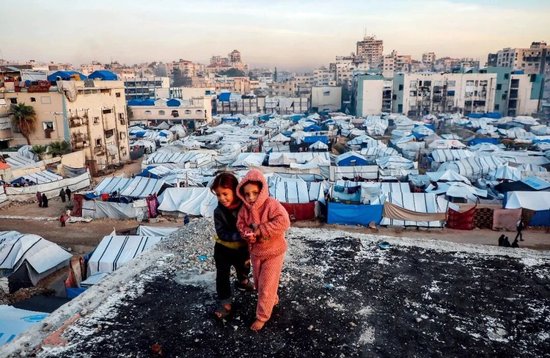
Core Viewpoint - The Middle East is experiencing a temporary calm after two years of turmoil, but a lasting and just new order remains elusive, indicating a fragile balance of power without real conflict resolution [1][31]. Geopolitical Dynamics - The influence of major powers in the Middle East has become multipolar, with the U.S. maintaining the strongest overall influence, while the EU and China have notable economic impacts, and Russia plays a role in specific countries [3][19]. - Following the escalation of the Ukraine crisis, Russia's influence in the Middle East has waned, particularly after the fall of the Assad regime in Syria in December 2024, which diminished its strategic foothold [3][19][25]. U.S. Military Presence - The U.S. has increased its military presence in the region, with troop numbers rising from 35,000 to approximately 50,000, including two aircraft carrier battle groups and six B-2 bombers, enhancing its military cooperation with Israel [4][20]. - Despite political backlash from its support of Israel, the U.S. military influence has strengthened, leading to a more unilateral approach in regional issues [4][20]. Israel's Strategic Ambitions - Israel's military and expansionist policies have gained momentum, with a shift from managing conflicts to a strategy aimed at the complete destruction of Hamas and the disarmament of Hezbollah [6][21]. - The reversal of Israel's "land for peace" policy since 2024 has led to increased tensions and a bleak outlook for peace negotiations with Palestine [7][22]. Resistance Movements - The resistance front, including Hezbollah and Iranian-backed groups, has faced significant setbacks, particularly after the Gaza conflict, which marked a turning point in Iran's regional influence [8][24]. - Hezbollah has suffered heavy losses, with its leadership nearly decimated and 80% of its weaponry destroyed, significantly weakening its position [8][24]. Syrian Political Landscape - The fall of the Assad regime has led to a reconfiguration of alliances in Syria, with the new government seeking to establish friendly relations with countries excluding Iran, marking a significant shift in the geopolitical landscape [9][25]. - The ongoing military interventions by various powers, including the U.S., Turkey, and Israel, complicate Syria's political transition and increase the risk of renewed conflict [14][29]. Lebanon's Internal Dynamics - Lebanon is experiencing a significant political shift, with the future of Hezbollah's disarmament becoming a central issue in the power struggle among various factions [30]. - The internal political landscape is characterized by three main groups: Hezbollah, radical factions, and moderate parties, each backed by external powers, complicating the path to disarmament [30].
凸显对非重视程度,坚守南南合作精神,中国外长延续“新年访非”传统
Huan Qiu Shi Bao· 2026-01-07 22:51
Core Viewpoint - The Chinese Foreign Minister's visit to Africa continues a 36-year tradition, emphasizing China's commitment to strengthening ties with African nations amidst global uncertainties [1][2]. Group 1: Diplomatic Significance - The visit to Ethiopia, Somalia, Tanzania, and Lesotho reflects China's strategic partnerships and aims to deepen political trust and implement outcomes from the China-Africa Cooperation Forum [1][3]. - The year 2026 marks the 70th anniversary of diplomatic relations between China and Africa, with plans for a "China-Africa Cultural Exchange Year" [1]. Group 2: Economic and Strategic Focus - The trip focuses on building strategic trade routes in East and Southern Africa, which are crucial for securing key shipping lanes and resource supply chains for China [2]. - Ethiopia is noted as one of Africa's fastest-growing economies, while Somalia is strategically located at a vital shipping route. Tanzania serves as a logistics hub for mineral resources, and Lesotho, despite its smaller economy, is part of China's broader trade initiatives [2][3]. Group 3: Long-term Commitment - China's approach to Africa is characterized by long-term engagement rather than short-term interests, positioning itself as a reliable partner during challenging times [4]. - The emphasis on equality in cooperation, regardless of the size of the country, is highlighted, showcasing China's commitment to inclusive development [3].
暴力事件接连不断,外交机构受到冲击,印孟关系“重回破裂边缘”?
Huan Qiu Shi Bao· 2025-12-24 22:30
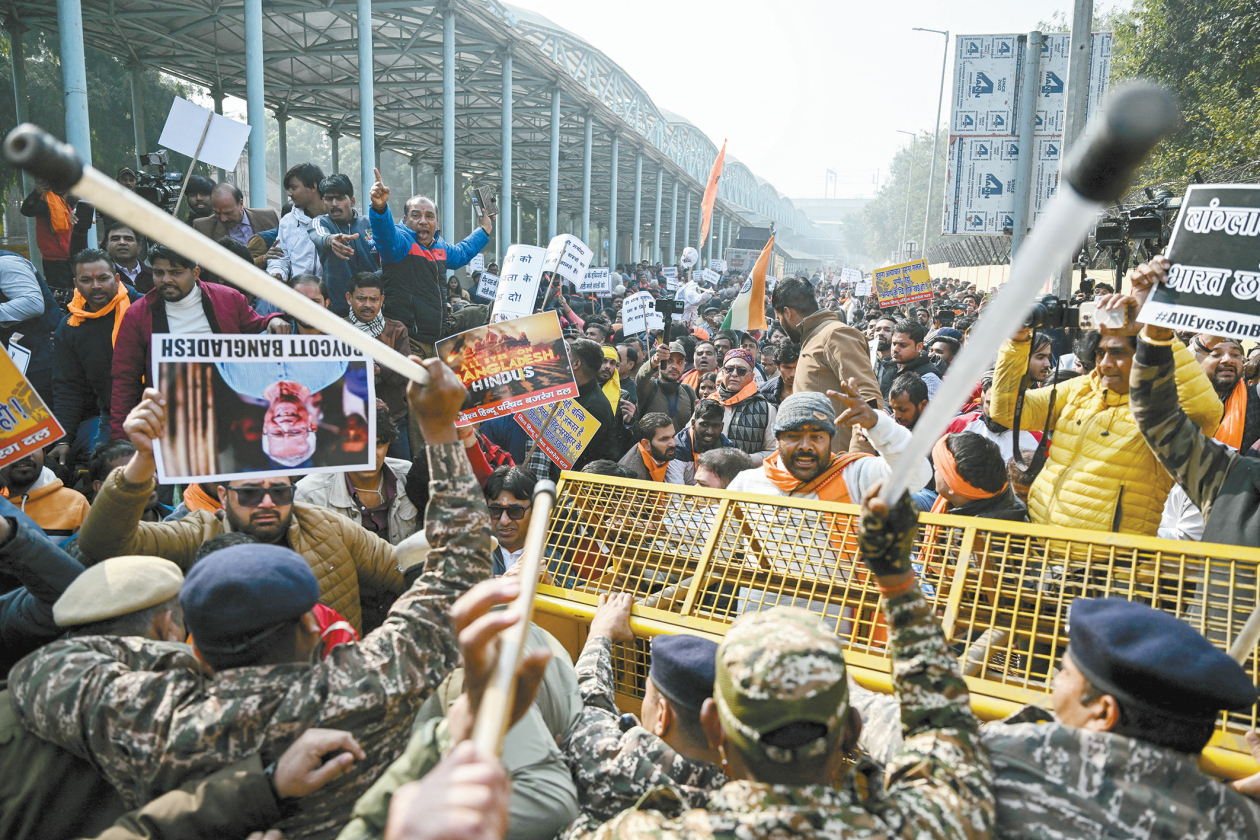
Core Viewpoint - The relationship between India and Bangladesh has deteriorated significantly due to a series of violent incidents, including the assassination of a prominent Bangladeshi political leader, which has reignited tensions and led to mutual diplomatic actions, including visa suspensions [1][3][5]. Group 1: Recent Events - The assassination of Bangladeshi political leader Sharif Osman Hadi, known for his anti-India stance, has been a catalyst for renewed protests and violence against perceived pro-India entities in Bangladesh [2][3]. - Following Hadi's death, protests erupted in Bangladesh, targeting media outlets and Indian diplomatic missions, reflecting rising anti-India sentiment among the populace [3][4]. - The killing of a Hindu man in Bangladesh, allegedly for blasphemy, further inflamed tensions, leading to violent protests in India against the Bangladeshi government [4][5]. Group 2: Diplomatic Relations - Both countries have suspended visa services in multiple locations due to security concerns for diplomatic personnel, indicating a significant breakdown in diplomatic relations [1][5]. - The Indian government has expressed serious concerns over the safety of its diplomatic staff in Bangladesh, while Bangladesh has demanded the arrest and extradition of suspects believed to have fled to India [3][4]. - Experts suggest that the current diplomatic crisis may hinder future cooperation between India and Bangladesh, which has historically been a cornerstone of India's foreign policy [6][7]. Group 3: Regional Implications - The growing closeness between Bangladesh and Pakistan, including potential defense cooperation, poses a strategic challenge for India, as it may alter the balance of power in the region [7]. - Analysts warn that the ongoing tensions between India and Bangladesh could have broader implications for the geopolitical landscape of South Asia, affecting regional stability and security dynamics [7].
欧盟“理性占上风”背后的妥协与博弈
Xin Lang Cai Jing· 2025-12-23 23:14
Core Viewpoint - The EU summit concluded with a shift in its aid strategy towards Ukraine, resulting in a decision to provide a loan of 90 billion euros for the 2026-2027 period, instead of utilizing frozen Russian assets as collateral for a "compensation loan" plan, which faced internal disagreements among member states [1][4]. Group 1: Loan Plan and Internal Disagreements - The original plan proposed by Ursula von der Leyen aimed to use approximately 210 billion euros of frozen Russian assets to secure loans for Ukraine, receiving support from Germany, France, and Baltic states [1]. - Belgium and other countries opposed the "compensation loan" plan, citing concerns over legal legitimacy and potential backlash from Russia, which could undermine the EU's reputation as a secure place for international assets [2]. - The final "B plan" involves raising 90 billion euros through capital market borrowing, but countries like the Czech Republic, Hungary, and Slovakia have refused to provide guarantees, indicating fractures within the 27-member bloc [3]. Group 2: Financial Implications and Risks - The EU Commission estimates that the loan plan will incur approximately 3 billion euros in annual interest, requiring around 20 billion euros in budget space over the next seven years, with Germany, France, Italy, Spain, and Poland expected to bear the largest shares of this cost [3]. - Russia's response to the plan has been strong, with officials asserting that any actions to freeze or seize Russian assets lack legal basis and would be met with consequences, reinforcing the concerns raised by Belgium and others [3]. Group 3: Strategic Implications and Future Outlook - The EU's policy shift reflects a compromise driven by internal pressures, highlighting the challenges of balancing support for Ukraine with the financial realities faced by member states [4]. - The ongoing uncertainty surrounding the 90 billion euro loan, the distribution of responsibilities among member states, and potential Russian retaliation will complicate the EU's aid strategy moving forward [4]. - The EU's decision-making process on significant foreign policy issues is likely to be hindered by internal divisions, which may diminish its negotiating power in the Russia-Ukraine conflict [4].