
铜冶炼

Search documents
铜行业快评:铜精矿长单加工费基准降为零,促使冶炼行业反内卷
Guoxin Securities· 2025-12-22 11:20
证券研究报告 | 2025年12月22日 铜行业快评 铜精矿长单加工费基准降为零,促使冶炼行业"反内卷" | 行业研究·行业快评 | | | 有色金属 | 投资评级:优于大市(维持) | | --- | --- | --- | --- | --- | | 证券分析师: | 刘孟峦 | 010-88005312 | liumengluan@guosen.com.cn | 执证编码:S0980520040001 | | 证券分析师: | 焦方冉 | 021-60933177 | jiaofangran@guosen.com.cn | 执证编码:S0980522080003 | 事项: 12 月 19 日左右,智利矿业公司安托法加斯塔和国内某头部铜冶炼厂达成协议,将 2026 年铜精矿加工精炼 费用 Benchmark 分别定为 0 美元/吨和 0 美分/磅,低于 2025 年的 21.25 美元/吨和 2.125 美分/磅。 国信金属观点:长单加工费降为零,除了铜矿-铜冶炼供需错配,还因为副产品和回收率收益都处于历史 最好水平。中国铜冶炼厂工艺水平、成本控制全球领先,副产品消纳顺畅,在铜冶炼低迷期竞争 ...
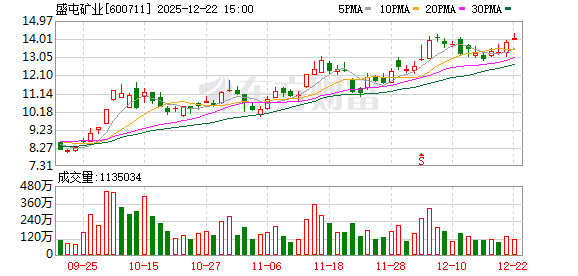
盛屯矿业:公司在刚果(金)拥有冶炼项目CCR、CCM及卡隆威采冶一体项目,卡隆威矿山铜产能为5万吨
Mei Ri Jing Ji Xin Wen· 2025-12-22 10:45
Group 1 - The company has copper smelting projects in the Democratic Republic of Congo, including CCR, CCM, BMS, and the Karongwe integrated mining and smelting project [2] - The copper production capacity of the Karongwe mine is 50,000 tons [2]


铜行业快评:铜精矿长单加工费基准降为零,促使冶炼行业“反内卷”
Guoxin Securities· 2025-12-22 07:53
证券研究报告 | 2025年12月22日 铜行业快评 铜精矿长单加工费基准降为零,促使冶炼行业"反内卷" | 行业研究·行业快评 | | | 有色金属 | 投资评级:优于大市(维持) | | --- | --- | --- | --- | --- | | 证券分析师: | 刘孟峦 | 010-88005312 | liumengluan@guosen.com.cn | 执证编码:S0980520040001 | | 证券分析师: | 焦方冉 | 021-60933177 | jiaofangran@guosen.com.cn | 执证编码:S0980522080003 | 事项: 12 月 19 日左右,智利矿业公司安托法加斯塔和国内某头部铜冶炼厂达成协议,将 2026 年铜精矿加工精炼 费用 Benchmark 分别定为 0 美元/吨和 0 美分/磅,低于 2025 年的 21.25 美元/吨和 2.125 美分/磅。 国信金属观点:长单加工费降为零,除了铜矿-铜冶炼供需错配,还因为副产品和回收率收益都处于历史 最好水平。中国铜冶炼厂工艺水平、成本控制全球领先,副产品消纳顺畅,在铜冶炼低迷期竞争 ...
风物宜放长量,铜牛踏步徐行:沪铜周报-20251222
Zhong Hui Qi Huo· 2025-12-22 02:22
1. Report Industry Investment Rating - Not provided in the document 2. Core View of the Report - Copper is expected to consolidate in the short - term. It is recommended to hold existing long positions in copper, set trailing stop - profits, and consider adding positions after a full correction. In the long - term, the outlook for copper remains positive. The short - term focus range for Shanghai copper is [89,500, 96,500] yuan/ton, and for LME copper is [11,400, 12,200] US dollars/ton [6][7][106]. 3. Summary by Relevant Catalogs 3.1 View Abstract - Copper is in short - term shock consolidation. After reaching a record high, some long - holders are taking profits. Technically, the Shanghai copper main contract 2602 has resistance at the previous high of 94,680 and support at the 90,000 mark and the gap of 89,280 - 90,008. The daily MACD shows a potential dead - cross, and the weekly line closes as a doji, but the price is still above the 5 - day moving average. Long positions should be held, and trailing stop - profits should be set. After a full correction, it is a good opportunity to build positions. In the long - term, copper is still favored due to its strategic importance in the Sino - US game and the increasing demand in the green copper sector [7]. 3.2 Macroeconomic Analysis 3.2.1 US Economic Data - US non - farm data is weak. In November, non - farm employment increased by 64,000, but the unemployment rate rose to 4.6%, the highest since September 2021. The employment structure has deteriorated, with a significant loss of full - time jobs. The US inflation in November was lower than expected, with the core CPI rising 2.6% year - on - year, the slowest since early 2021. The probability of the Fed cutting interest rates in January has increased from 26.6% to 28.8%, and the market expects a 62 - basis - point easing next year [11]. 3.2.2 Japanese Economic Data - The Bank of Japan raised interest rates by 25 basis points on December 19, 2025, increasing the policy rate from 0.5% to 0.75%, the highest in 30 years [11]. 3.2.3 Chinese Economic Data - In November, China's social financing increased by 2.49 trillion yuan, higher than the market average expectation. The growth rate of social financing stock was 8.5%. China's foreign trade showed a recovery, with the total import and export value increasing by 4.1%. The real estate market remained weak, with a decline in various indicators such as construction area, new - start area, and completion area. The government emphasized a more active fiscal policy and a moderately loose monetary policy, with a possible high fiscal deficit rate of 4% in 2026 and an expansion of special bond issuance [14]. 3.3 Supply and Demand Analysis 3.3.1 Supply Side - **Copper Ore Supply**: In 2025, many large - scale copper mines around the world had unexpected production cuts or shutdowns. Global copper ore supply is tight, and copper ore giants are accelerating mergers and acquisitions. The import of copper concentrate in November was 2.526 million tons, with a cumulative import of 27.614 million tons from January to November, a year - on - year increase of 8.0%. The copper concentrate TC has been running at a low level [46]. - **Electrolytic Copper Production**: In November, the domestic copper smelting start - up rate was 82.29%, and the electrolytic copper production was 1.1031 million tons, a month - on - month increase of 1.05% and a year - on - year increase of 9.75%. The International Copper Study Group expects a supply gap of about 150,000 tons in the global refined copper market in 2026 [48]. - **Import**: The import of refined copper in October was 323,100 tons, a month - on - month decrease of 13.62% and a year - on - year decrease of 16.32%. From January to November, the cumulative import of unwrought copper and copper products was 4.883 million tons, a year - on - year decrease of 4.7% [48]. - **Scrap Copper**: The supply of scrap copper has increased, and the refined - scrap copper price difference has rebounded to a medium - high level. In October, the import of copper scrap and waste was 196,600 physical tons, a month - on - month increase of 6.81%, and the cumulative import from January to October was 1.8955 million tons, a cumulative year - on - year increase of 1.97% [48]. 3.3.2 Demand Side - **Green Copper Demand**: The average copper consumption in renewable energy systems is 8 - 12 times higher than that in traditional power generation systems. The copper consumption per megawatt in the photovoltaic field is about 4 tons, and the copper consumption per GW of photovoltaic installation is about 0.5 tons. The copper consumption of pure electric vehicles and buses is much higher than that of fuel - powered vehicles [85]. - **Automobile Demand**: At the beginning of December 2025, the automobile market was weak. From December 1 - 7, the retail sales of passenger cars decreased by 32% year - on - year and 8% month - on - month, and the wholesale sales decreased by 40% year - on - year and 18% month - on - month [85]. - **Power Demand**: The domestic power grid bidding work is actively carried out at the end of the year. From January to October, the investment in power grid projects increased by 7.2% year - on - year, and the investment in power source projects increased by 0.7% year - on - year. The new photovoltaic installation in China from January to October was 252.87 GW [85]. - **Home Appliance Demand**: Some air - conditioning enterprises are considering "aluminum replacing copper" due to the high copper price. In November, the retail volume of the home appliance new - retail market increased by 6.2%, but the retail sales decreased by 3.6%. The online channel also showed a decline in both volume and sales [85]. 3.4 Summary and Outlook - In the short - term, the macro environment is mixed, and copper prices are consolidating in a high - level range. The fundamental factors provide strong support for the price. It is recommended to hold long positions, set trailing stop - profits, and add positions after a correction. In the long - term, copper is still favored due to its strategic importance and the increasing demand in the green copper sector. For industrial hedging, sellers should reduce the hedging ratio and sell inventory, while buyers should build positions on dips to lock in raw material costs [106].
铜产业链周度报告-20251219
Zhong Hang Qi Huo· 2025-12-19 09:33
铜产业链周度报告 范玲 期货从业资格号:F0272984 投资咨询资格号:Z0011970 中航期货 2025-12-19 目录 01 报告摘要 01 报告摘要 02 多空焦点 02 多空焦点 03 数据分析 03 数据分析 04 后市研判 04 后市研判 | 告 | 摘 | 报 | 要 | A | 0 | 1 | P | R | T | | | | | | | | | | | | | | | | | | | | | | | | | | | | | | | | | | | | | | | | | | | | | | | | | | | --- | --- | --- | --- | --- | --- | --- | --- | --- | --- | --- | --- | --- | --- | --- | --- | --- | --- | --- | --- | --- | --- | --- | --- | --- | --- | --- | --- | --- | --- | --- | --- | --- | --- | --- | --- | --- | --- | --- | --- | - ...
云南铜业:硫酸是公司铜冶炼生产环节的副产品
Zheng Quan Ri Bao Wang· 2025-12-18 07:44
证券日报网12月17日讯云南铜业(000878)在2025年12月17日回答调研者提问时表示,硫酸是公司铜冶 炼生产环节的副产品,生产成本没有大的波动,价格受区域因素影响有所不同。今年以来,硫酸销售价 格持续处于高位,公司积极抢抓市场机遇,实现了对业绩的积极贡献。 ...

【行业研究】求“铜”存异,负加工费时代的铜冶炼企业——有色金属行业深度研究
Xin Lang Cai Jing· 2025-12-17 14:19
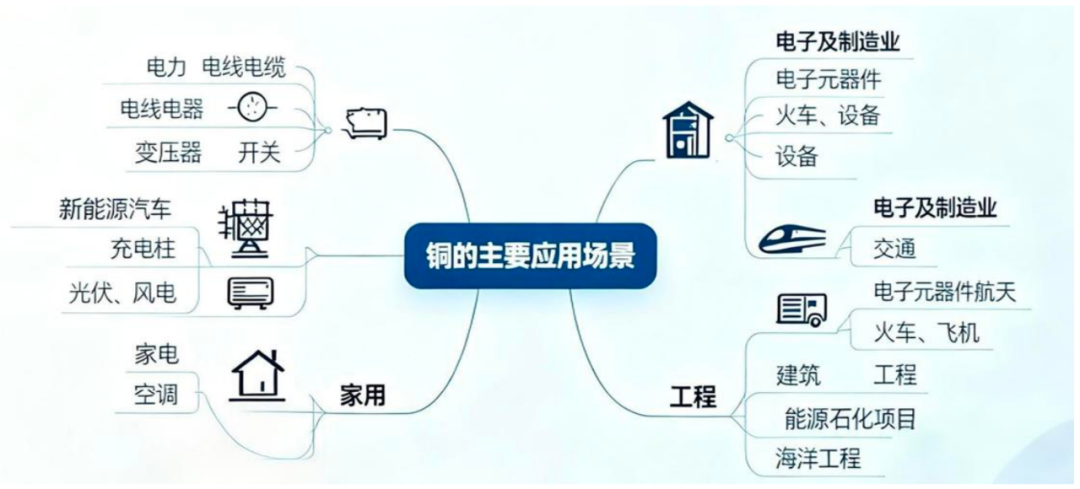
Core Insights - The global copper smelting industry, particularly Chinese enterprises, is facing severe challenges and strategic transformations as it enters a historic "negative processing fee" era, driven by structural imbalances between tight mineral supply and expanded smelting capacity [1][28] - Leading companies are adapting by enhancing resource self-sufficiency, exploring by-product value, optimizing technology for cost reduction, utilizing financial tools flexibly, and promoting industry consolidation to build new competitive advantages [1][28] - Long-term growth is anticipated as demand for materials from new energy and high-end manufacturing continues to rise, transitioning the copper smelting industry from a "strong cyclical attribute" to a "growth attribute" for high-quality development [1][28] Industry Background - Copper is one of the earliest metals recognized and used by humans, with extensive applications due to its excellent conductivity, thermal conductivity, ductility, and corrosion resistance [2][29] - The copper industry chain is divided into upstream mining, midstream copper smelting, and downstream copper processing, ultimately reaching the end consumer market [2][29] Current Industry Challenges - China, as the largest refined copper producer, has limited copper mineral resources and heavily relies on imported ores, a situation expected to persist in the short term [4][31] - In 2024, China's copper ore production is projected to be approximately 1.8 million tons, a year-on-year decrease of 11%, while refined copper production is expected to reach 13.64 million tons, an increase of over 5% [4][31] - The self-sufficiency rate for copper concentrate in China is only 13%, with imports of copper concentrate expected to rise to 28.11 million tons in 2024 [4][31] Processing Fee Dynamics - The processing fee (TC/RC) has entered a downward trend, with the first negative value recorded for imported copper concentrate in 2025, reaching a historical low of -40 USD per dry ton [4][32] - The decline in processing fees reflects the structural imbalance between tight raw material supply and expanded smelting capacity, severely impacting the bargaining power of Chinese smelting enterprises [5][32] Impact of Negative Processing Fees - The "negative processing fee" indicates that smelting companies not only fail to earn processing income but must pay fees to obtain processing rights for copper concentrate, fundamentally disrupting traditional profit models [6][35] - Various scenarios illustrate the impact of processing fee declines on profitability, with significant losses projected if processing fees remain negative [6][36] Profitability Analysis - From 2023 to 2025, the benchmark for long-term copper concentrate processing fees is expected to decline significantly, with 2024 and 2025 fees projected at 80 USD per dry ton and 21.25 USD per dry ton, respectively [7][37] - Despite ongoing resource shortages and cost pressures, leading smelting companies have not significantly reduced production, continuing capital expenditures in the industry [7][37] Company Performance Metrics - Key companies in the copper smelting sector, such as Jiangxi Copper, Tongling Nonferrous, and Jinchuan Group, show varying production capacities and financial metrics, with some facing negative cash flows [9][38] - For instance, Jiangxi Copper has a smelting capacity of 2.13 million tons and reported a cash flow deficit of 7.73 million [9][38] Resource Self-Sufficiency - The self-sufficiency of mineral resources is critical for copper smelting companies, directly affecting their production, costs, competitiveness, and sustainability [11][11] - Companies are attempting to transition from "processing services" to "resource production" to mitigate the impact of low self-sufficiency on profitability [11][11] By-Product Revenue - The production of sulfuric acid as a by-product in copper smelting has become increasingly profitable, with companies like Jiangxi Copper and Tongling Nonferrous reporting high gross profit margins from sulfuric acid sales [13][15] - The recovery of precious metals from copper anode mud also presents significant economic value, with advanced extraction technologies in place [14][15] Technological Advancements - Continuous technological improvements in smelting processes and green transformations have positioned leading companies at the forefront of global standards, enhancing recovery rates and reducing costs [18][19] - Scale production helps lower fixed costs, with major companies maintaining low production costs despite the challenges posed by negative processing fees [19][19] Future Outlook - The copper smelting industry faces numerous survival challenges, but through strategic collaboration and healthy development, companies may maintain profitability even in a negative processing fee environment [24][27] - The global copper market is expected to shift from surplus to shortage by 2026, with prices anticipated to remain high due to supply concerns from major mining regions [27][28]




有色金属行业深度研究:求“铜”存异,负加工费时代的铜冶炼企业
Lian He Zi Xin· 2025-12-17 11:10
Investment Rating - The report indicates a challenging environment for copper smelting enterprises, particularly in China, as they enter a "negative processing fee" era, which significantly impacts profitability [2][6]. Core Insights - The copper smelting industry is undergoing profound changes due to structural imbalances caused by "tight supply at the mine end" and "expansion of smelting capacity" [2]. - Leading enterprises are adapting by enhancing resource self-sufficiency, exploring the value of by-products, optimizing technology for efficiency and cost reduction, flexibly using financial tools, and promoting industry consolidation to build new competitive advantages [2]. - Long-term growth is anticipated as demand for materials from new energy and high-end manufacturing continues to rise, transitioning the copper smelting industry from a "strong cyclical attribute" to a "growth attribute" for high-quality development [2]. Summary by Sections Industry Overview - Copper is one of the earliest metals recognized and used by humans, with extensive applications due to its excellent conductivity, thermal properties, ductility, and corrosion resistance [4]. - The copper industry chain can be divided into upstream mining, midstream smelting, and downstream processing, ultimately reaching the end consumer market [4]. Current Market Dynamics - China, as the largest refined copper producer, faces a significant resource shortage, heavily relying on imported mineral resources, a situation expected to persist in the short term [6]. - In 2024, China's copper ore production is projected to decline by 11% to approximately 1.8 million tons, while refined copper production is expected to increase by over 5% to 13.64 million tons, contributing to about 50% of global output [6]. - The import volume of copper ore and concentrates is anticipated to rise to 28.11 million tons in 2024, with a self-sufficiency rate of only 13% for domestic copper concentrate [6]. Processing Fee Trends - The pricing logic for imported copper concentrates is based on the LME spot average price minus processing fees (TC/RC), which directly reflects the relationship between mines and smelters [7]. - Since the end of Q3 2023, the global copper concentrate market has experienced a structural shift, with TC/RC entering a downward trend, reaching a historical low of negative $40 per dry ton by 2025 [7][8]. - The decline in processing fees is a direct manifestation of the structural imbalance between tight raw material supply and expanded smelting capacity, severely weakening the bargaining power of Chinese copper smelting enterprises [7]. Profitability Analysis - The profitability of smelting enterprises is primarily derived from processing fees, recovery rates, and by-product sales, with processing fees historically being a crucial profit source [10]. - The report illustrates the impact of processing fee declines on profitability, showing scenarios where negative processing fees lead to significant losses for smelting enterprises [11]. - The long-term low processing fees may result in substantial losses for copper smelting enterprises, prompting potential production adjustments and accelerating industry consolidation [11]. By-Product Revenue - By-products such as sulfuric acid and precious metals significantly contribute to the profitability of copper smelting enterprises, with sulfuric acid prices remaining high and enhancing profit margins [17][19]. - The extraction of precious metals from copper anode mud has become economically valuable, with recovery rates exceeding 98% [18][19]. Technological and Cost Efficiency - Continuous technological advancements in smelting processes have positioned leading enterprises at the forefront of global standards, enhancing recovery rates and reducing costs [21][23]. - Scale production helps lower fixed costs, and effective cost control measures have been implemented by major enterprises [23]. Strategic Outlook - The report emphasizes the need for copper smelting enterprises to adapt to the negative processing fee environment by securing upstream resources, maintaining by-product profitability, and leveraging technological advancements [31]. - The strategic importance of copper is expected to grow with global energy transitions and industrial upgrades, presenting opportunities for enterprises that successfully navigate the current challenges [31].
铜年报:2026 铜价可能宽幅震荡
Hong Ye Qi Huo· 2025-12-17 06:49
年报 2025 年 12 月 摘要: 展望 2026 中国经济,投资方面,政府财政规模严格受限,货币宽松有度, 投资总额可能延续 25 年温和增长的态势;外贸方面,国际形势更加复杂,2026 年可能小幅增长;消费可能成为未来中国最重要的经济支撑和政策抓手。 中美贸易协议持续至 2026 年 11 月,因此美国关税政策可能不会出现更多 变化。美联储现任主席鲍威尔任期持续至 5 月 15 日,新任主席为哈塞特或沃 尔什,预计两者都会顺应特朗普大幅宽松和持续降息的想法,2026 年下半年 可能再次迎来降息周期。 现货方面重点关注美国铜库存情况。目前美铜库存已经累积至 55 万吨左 右,足够扭转全球铜现货供需格局,所以导致全球铜现货供应紧张,成为 12 月铜价大涨的主导因素之一。 研究员: 张天骜 南京大学理学学士 爱尔兰都柏林大学数理金融学 硕士 从业资格证:F3002734 投资咨询证:TZ0012680 电话:025-52278450 邮箱: zhangtianao@ftol.com.cn 年报 2025-12 总体而言,2026 铜价首要决定性因素仍是中美货币政策和财政政策;次 要影响因素是全球经济数据和就业 ...
铜冠金源期货商品日报-20251216
Tong Guan Jin Yuan Qi Huo· 2025-12-16 02:34
1. Report Industry Investment Rating No relevant content provided. 2. Core Viewpoints of the Report - Overseas markets are concerned about the US non - farm payrolls, with weak risk appetite, while the domestic economic data continues to be weak, and the A - share market is expected to be weak in the short term, and the bond market remains on the sidelines [2][3] - Precious metals may have a technical correction, but platinum and palladium are expected to rise; copper prices will fluctuate in the short term; aluminum prices will fluctuate at a high level; alumina's upward space is limited; casting aluminum will fluctuate at a high level; zinc prices are adjusting and waiting for macro - guidance; lead prices will fluctuate weakly; tin prices will continue to adjust at a high level; industrial silicon prices are expected to rebound; steel prices will fluctuate weakly; iron ore prices will be under pressure; coking coal and coke prices will fluctuate weakly; soybean and rapeseed meal prices will fluctuate; palm oil prices will fluctuate in a range [4][6][8][10][11][12][14][15][16][18][19][20][22][24] 3. Summary by Relevant Catalogs 3.1 Macroeconomics - Overseas: Fed officials' remarks affect market expectations, Japan's manufacturing confidence supports central bank rate hikes, and before important data releases, overseas market risk appetite is weak [2] - Domestic: November economic data is cold, with production showing resilience and demand cooling further. The A - share market is expected to be weak in the short - term, and the bond market remains on the sidelines [3] 3.2 Precious Metals - International precious metals futures generally rose on Monday, with platinum hitting the daily limit in the domestic market. There is a risk of a technical correction in gold and silver, while platinum and palladium are expected to rise. Pay attention to the US non - farm payrolls and retail data [4][5] 3.3 Copper - On Monday, Shanghai copper's main contract fluctuated at a high level. With a weak US dollar and various macro and industrial factors, copper prices are expected to fluctuate in the short term [6][7] 3.4 Aluminum - On Monday, Shanghai aluminum's main contract fell, and LME aluminum was flat. The market is waiting for the US non - farm payrolls data, and with inventory accumulation and seasonal demand slowdown, aluminum prices are expected to fluctuate at a high level [8][9] 3.5 Alumina - On Monday, the alumina futures main contract rose. Although the price has rebounded, there is a lack of continuous upward momentum, and the upward space is limited [10] 3.6 Casting Aluminum - On Monday, the casting aluminum alloy futures main contract fell. Affected by raw materials and environmental protection, both supply and demand are weakening, but with cost support, it will fluctuate at a high level [11] 3.7 Zinc - On Monday, Shanghai zinc's main contract fluctuated weakly. With the approach of the US non - farm payrolls data, the market is cautious. In the long - term, overseas supply will improve, and currently, the supply pressure is decreasing, so zinc prices will adjust in the short term [12] 3.8 Lead - On Monday, Shanghai lead's main contract fluctuated weakly. With the improvement of overseas supply in the medium - long term and the increase in inventory, the support of low inventory is weakening, but the downward space is limited [13][14] 3.9 Tin - On Monday, Shanghai tin's main contract adjusted downward. With the release of multiple economic data and the increase in Indonesian tin exports, the macro and micro support for tin prices is weakening, and it will continue to adjust at a high level [15] 3.10 Industrial Silicon - On Monday, industrial silicon rebounded at a low level. Supported by cost and market sentiment, it is expected to continue to rebound in the short term [16][17] 3.11 Steel (Rebar and Hot Rolled Coil) - On Monday, steel futures fluctuated. With weak terminal demand data, steel prices are expected to fluctuate weakly [18] 3.12 Iron Ore - On Monday, iron ore futures fluctuated weakly. With the increase in supply and weak demand, iron ore prices are expected to be under pressure [19] 3.13 Coking Coal and Coke (Double - Coking) - On Monday, double - coking futures fluctuated weakly. With weak supply - demand fundamentals, prices are expected to fluctuate weakly [20][21] 3.14 Soybean and Rapeseed Meal - On Monday, soybean and rapeseed meal contracts fluctuated. With positive South American crop prospects and concerns about US soybean exports, the domestic market will maintain a short - term pattern of near - strong and far - weak, and the main contracts will fluctuate [22][23] 3.15 Palm Oil - On Monday, palm oil contracts fell. With weak export demand and expected inventory increase, palm oil prices are expected to fluctuate in a range. Pay attention to the support at the lower limit of the previous low range [24][26] 3.16 Metal Trading Data - Provides the closing prices, price changes, price change percentages, trading volumes, and open interest of various metal futures contracts in the main domestic and international markets on December 15, 2025 [27] 3.17 Industry Data Perspective - Compares the prices, inventories, and other data of various metals on December 15, 2025, with those on December 12, 2025, including copper, nickel, zinc, lead, aluminum, alumina, tin, precious metals, steel, iron ore, coking coal, coke, lithium carbonate, industrial silicon, and soybean meal [28][31][33]