
农业

Search documents
智库书单 | 2026年经济工作八项重点任务怎么干?
Sou Hu Cai Jing· 2025-12-13 10:55
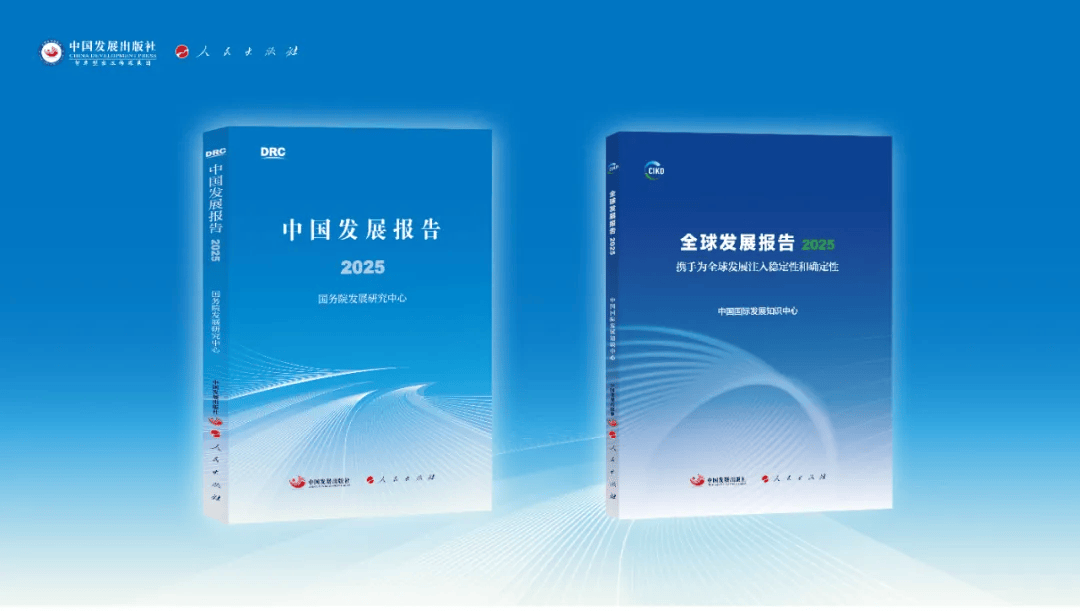
Group 1 - The Central Economic Work Conference held from December 10 to 11 in Beijing summarized the economic work for 2025, analyzed the current economic situation, and deployed tasks for 2026, emphasizing the need to maintain stability while seeking progress and improving quality and efficiency [1] - In 2026, eight key tasks will focus on enhancing macroeconomic governance effectiveness through integrated effects of existing and new policies, and increasing counter-cyclical and cross-cyclical adjustments [1] Group 2 - The "China Development Report 2025" records the ideological, institutional, and practical achievements formed during the advancement of Chinese-style modernization in 2024, including four significant research outcomes from the State Council Development Research Center [3] - The "Global Development Report 2025" analyzes major instability and uncertainty factors facing the world and their profound impacts on global development, focusing on issues such as global trade, climate change, health, food security, poverty reduction, and cooperation among developing countries [3] Group 3 - The report on "Silver Economy" from Shanghai highlights the city's exploration in capturing new demands and creating new scenarios to empower high-quality growth in new economic formats, drawing insights from international best practices [10] - The "Turning to Consumption Driven" report enriches theoretical understanding of expanding domestic demand and proposes innovative paths and mechanisms for constructing a complete domestic demand system [12] Group 4 - The "International Consumption Center Cities" report analyzes the conditions and foundations for major cities in China to transition into international consumption centers, providing overall strategies and policy recommendations [14] - The "Digital Trade Development and Cooperation Report (2022-2023)" clarifies the concept of digital trade and analyzes the current state and trends of global digital trade development, showcasing China's achievements and efforts in promoting international digital trade cooperation [41] Group 5 - The "New Quality Productivity Practice and Exploration" compiles research on the theoretical origins, practical paths, and innovative models of new quality productivity, clarifying its essential differences from traditional productivity [22] - The "Artificial Intelligence Major Application Scenarios Series" covers over ten typical scenarios, integrating theory and practice to explore the governance of artificial intelligence in various sectors [21]

世界银行发布毛里塔尼亚增长与就业国别报告
Shang Wu Bu Wang Zhan· 2025-12-13 01:46
Core Insights - The World Bank's report on Mauritania highlights the need for economic diversification beyond the mining sector to achieve sustainable and inclusive growth, as the current model is insufficient to meet the country's 2050 income aspirations [1] Economic Challenges and Policy Recommendations - Mauritania faces four long-term economic challenges: low labor demand, weak productivity growth, limited investment outside the mining sector, and high volatility in growth and income [2][3][4] - The labor participation rate is low, especially among youth and women, with 30% of the population living in poverty and only 42% of the labor force engaged in economic activities [2] - Recommendations include enhancing skills training, improving basic education, modernizing labor market regulations, and increasing female labor participation [2] - Productivity growth has been stagnant, with only a 26% increase over the past 22 years, primarily in the mining sector, necessitating reforms to stimulate enterprise innovation and competition [2] - Investment in sectors outside mining is limited, with 52.6% of foreign investment directed towards mining, indicating a need for improved business conditions and a more flexible labor market [3] - Economic growth is highly dependent on the mining sector, making it vulnerable to commodity price fluctuations and climate impacts, which necessitates better fiscal management and climate resilience strategies [4] Strategic Priorities for Reform - The report suggests prioritizing reforms based on feasibility, potential leverage, and impact on growth and employment, focusing on education, regulatory modernization, and private sector support [4] - Emphasis is placed on investing in human capital, particularly in STEM education, to facilitate economic diversification and reduce reliance on commodities [4]
特朗普政府今年不太可能敲定2026年的生物燃料配额
Jin Rong Jie· 2025-12-13 00:23
Core Viewpoint - The Trump administration is expected to delay the finalization of the 2026 biofuel blending quotas until next year, creating uncertainty for the oil and agriculture industries [1] Group 1: Policy Implications - The delay in the biofuel blending quotas is one of the most significant energy policy decisions, which will now be pushed to next year [1] - The decision-making process regarding biofuel policy is expanding, indicating a complex interplay of interests between the oil and agriculture sectors [1] Group 2: Stakeholder Engagement - The U.S. Environmental Protection Agency (EPA) has scheduled meetings with stakeholders early next year to discuss the quota regulations, confirming that the issue will be deferred [1] - It is unlikely that the EPA will make a decision on the quotas before the end of this year, further extending the timeline for resolution [1]
站在更高起点挺起中部脊梁
Jing Ji Ri Bao· 2025-12-12 22:59
Group 1 - The central region's rise is crucial for national stability and development, showcasing significant progress in various industries such as optoelectronics, engineering machinery, and agriculture [1][2] - The central region is positioned as a strategic support point, linking eastern and western regions, and enhancing the efficiency of the national unified market [2] - The region faces challenges including insufficient innovation capabilities, a lack of integration within the industrial system, and the need for improved regional collaboration [2] Group 2 - The focus is on establishing a nationally influential technology innovation hub, enhancing regional innovation centers, and promoting high-quality industrial clusters in sectors like optoelectronics and new energy vehicles [3] - Key reforms are needed to optimize the business environment and promote rural revitalization, particularly in food security and agricultural technology [3] - Enhancing the hub function and openness of the central region is essential for it to become a vital node in the national unified market, with plans for comprehensive transportation networks and international logistics [4]
人文经济等多种经济形态屡被提及,有何内涵?丨聚焦河源市委全会
Sou Hu Cai Jing· 2025-12-12 17:48
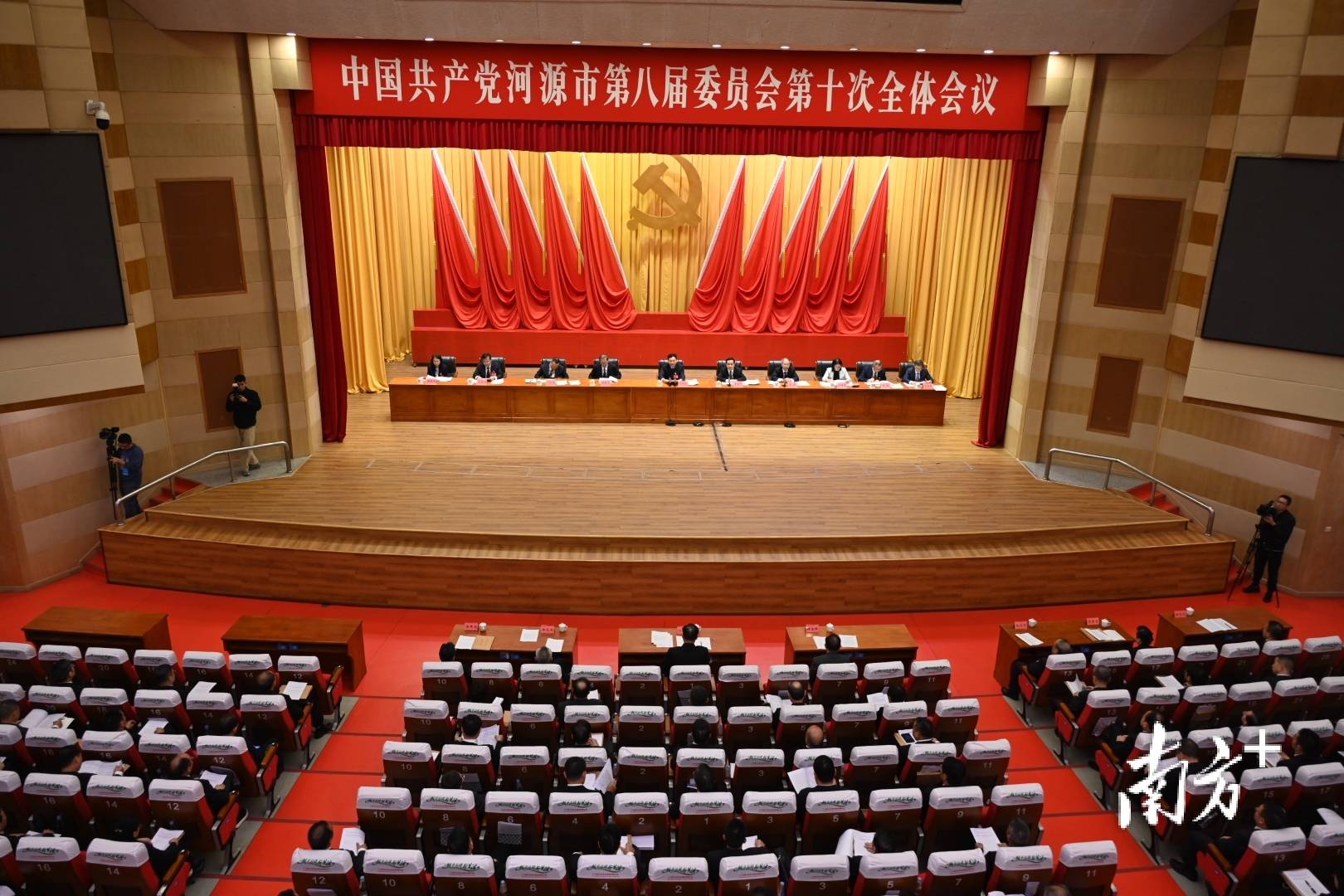
Core Points - The meeting of the Eighth Committee of the Communist Party of China in Heyuan City highlighted the focus on various emerging economic forms, including low-altitude economy, intelligent economy, and others, as part of the "14th Five-Year Plan" [1][4][18] Group 1: Low-altitude Economy - The low-altitude economy is defined as a comprehensive economic form that integrates the research, production, sales, and related infrastructure of civil aviation aircraft operating in low-altitude airspace [4] - Heyuan is actively developing low-altitude economy through practical initiatives, such as establishing a spaceport in Wanlv Lake and creating a low-altitude tourism base [6] - The low-altitude economy aims to address efficiency bottlenecks in logistics, agriculture, and emergency services, facilitating the transition to high-end, intelligent, and new-quality industries [6] Group 2: First-release Economy - The first-release economy refers to economic activities related to the launch of new products, business models, and services by enterprises [7] - Heyuan is fostering the first-release economy by developing a sports and toy industry cluster, attracting over 20 toy manufacturing companies, and achieving a toy manufacturing output value of 5.29 billion yuan, a 40.4% year-on-year increase [8][12] Group 3: Intelligent Economy - The report emphasizes the construction of an innovation framework called "one core, two belts, and three zones" to promote the development of the intelligent economy [13] - The integration of artificial intelligence across various sectors is expected to create new industries and business models, with significant advancements in agricultural productivity through automation [13] Group 4: Green Economy - The report calls for the vigorous development of the green economy, focusing on the integration of digitalization, intelligence, and sustainability [16] - Heyuan's green economy initiatives include the establishment of zero-carbon parks and green factories, leveraging its strong ecological advantages to support high-quality development [16] Group 5: Fly Economy and Fly-Sea Economy - The report discusses the enhancement of "fly economy" and "fly-sea economy" development models to promote resource sharing and collaborative growth between different regions [17] - The establishment of the Heyuan Longchuan (Baoan) Technology Innovation Center exemplifies the practical application of these economic models, with a projected output value of 290 million yuan in 2024 [17] Group 6: Bay Area, River Basin, and Urban Circle Economy - The report highlights the importance of actively participating in the Bay Area, river basin, and urban circle economies to achieve broader resource sharing and market integration [18] - Heyuan's geographical proximity to the Guangdong-Hong Kong-Macao Greater Bay Area positions it favorably for industrial collaboration and innovation [18] Group 7: Cultural and Sports Economy - The report emphasizes the development of the cultural economy, focusing on enhancing the spiritual life of the people and promoting creative rural economies [22] - The sports economy is also highlighted, with initiatives to host various sports events to enhance the region's reputation as a destination for outdoor activities [22]
广东发布34个“乐购小镇”,背后有何深意?
Nan Fang Du Shi Bao· 2025-12-12 12:44
Core Viewpoint - Guangdong Province has announced the list of "Shopping Towns" for 2025, highlighting 34 selected towns that focus on enhancing consumer value through the integration of industry, culture, and tourism [1][3]. Group 1: Selection of Towns - A total of 34 towns were selected, including 12 industrial towns, 6 agricultural towns, and 16 commercial towns, focusing on various consumer goods such as electronics, toys, clothing, and food [3]. - Notable towns include Guangzhou's "Tea Town," Shenzhen's "Electronic Town," and Foshan's "Home Art Town," showcasing the diversity of Guangdong's industrial clusters [1][3]. Group 2: Industry and Cultural Integration - The initiative aims to upgrade consumer experiences from single product purchases to a combination of products, culture, and experiences, creating a new consumption ecosystem in Guangdong [1]. - The integration of agriculture, culture, commerce, and tourism is emphasized, with towns like Foshan's "Home Art Town" transforming into immersive shopping destinations [10]. Group 3: Consumer Experience Enhancements - The "Guangdong Shopping Map" has been upgraded to version 2.0, featuring new functionalities such as "trade-in" store markings and clearer subsidy information for nearly 30,000 participating stores [12]. - The map aims to enhance consumer navigation and experience, linking coupon distribution with store visits, and is accessible through major payment platforms [12].


2025年前3季度蒙古经济增长率达5.9%
Shang Wu Bu Wang Zhan· 2025-12-12 11:38
Economic Growth - Mongolia's economy grew by 5.9% in the first three quarters of 2025, aligning with expectations [1] - Agriculture and mining are the primary sectors contributing to economic growth, with optimistic prospects for the following year [1] External Environment - The impact of increased tariffs from the United States on Mongolia is lower than anticipated [1] - International market prices for minerals such as gold and copper remain high, although external economic uncertainties persist [1] Inflation and Monetary Policy - The inflation rate in Mongolia for January to November is reported at 8.2%, driven mainly by rising prices of vegetables and meat, as well as anticipated wage increases next year [1] - In response to the economic and financial market conditions, the central bank of Mongolia has decided to maintain the benchmark interest rate at 12% and to lower the reserve requirement ratio to enhance stability in the economy and financial sector [1]
万辰集团12月12日大宗交易成交876.95万元
Zheng Quan Shi Bao Wang· 2025-12-12 09:41
Group 1 - The core transaction of Wancheng Group on December 12 involved a block trade of 49,300 shares, amounting to 8.7695 million yuan, with a transaction price of 177.88 yuan per share [2][3] - The closing price of Wancheng Group on the same day was 177.88 yuan, reflecting a decrease of 0.55%, with a daily turnover rate of 3.06% and a total trading volume of 904 million yuan [2] - Over the past five days, the stock has experienced a cumulative decline of 2.10%, with a total net inflow of funds amounting to 7.1125 million yuan [2] Group 2 - The latest margin financing balance for Wancheng Group is 536 million yuan, which has decreased by 2.0248 million yuan over the past five days, representing a decline of 0.38% [3] - Wancheng Biotechnology Group Co., Ltd. was established on December 21, 2011, with a registered capital of 1.88891422 billion yuan [3]
China SIF|多方共话农业可持续发展与自然金融,共探中巴合作新路径
Xin Lang Cai Jing· 2025-12-12 08:52
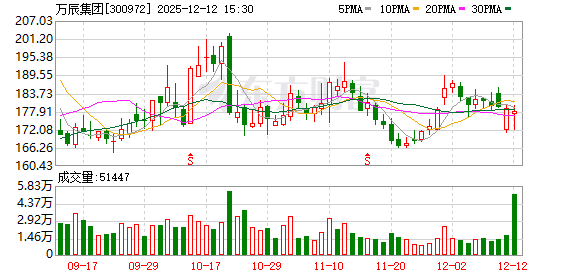
Core Insights - The 13th China Responsible Investment Forum successfully held discussions on global responsible investment trends and ESG investment opportunities, highlighting the importance of sustainable practices in agriculture and finance [1][15][31] Group 1: Event Overview - The forum was co-hosted by the China Green Finance Committee and various international organizations, featuring experts from regulatory, market, academic, and international sectors [1][15] - A parallel forum focused on "Sustainable Agriculture Development and Natural Finance," emphasizing the structural complementary advantages between China and Brazil in the agricultural supply chain [1][4] Group 2: Key Discussions - Discussions highlighted the transition from traditional bulk trade to sustainable supply chains, driven by green finance and multi-stakeholder collaboration [1][4][20] - The World Resources Institute noted that discussions on "natural capital" have evolved to become a core factor influencing funding costs, with a focus on nature-based solutions in climate action [3][19] Group 3: Agricultural Cooperation - China and Brazil's agricultural cooperation is seen as crucial for global food security, facing challenges such as climate change and differing standards [4][20] - The partnership is expected to enhance both countries' positions in global environmental governance and accelerate the implementation of green finance strategies [8][24] Group 4: Financial Tools and Risks - The FAIRR Initiative presented research on natural risks, including water and deforestation risks associated with soybean production, and how these impact investor communications with Chinese companies [6][22] - The need for financial tools to quantify and reflect "natural" value in investment decisions was emphasized, alongside the importance of addressing local needs in Brazil for effective green finance implementation [10][26] Group 5: Future Challenges and Collaboration - The roundtable discussions underscored the necessity for collaboration among governments, financial institutions, enterprises, and social organizations to effectively integrate natural capital with sustainable agricultural development [28][29] - The importance of existing data for decision-making in natural and financial contexts was highlighted, stressing that delays in data acquisition could jeopardize environmental and food security [29]
华英农业:截至2025年12月10日公司股东户数为51197户
Zheng Quan Ri Bao Wang· 2025-12-12 08:13
Group 1 - The core point of the article is that Huaying Agriculture (002321) reported a total of 51,197 shareholders as of December 10, 2025 [1]
