科技

Search documents
机构论后市丨市场大方向或仍处牛市中;短期调整为中期配置提供窗口
Di Yi Cai Jing· 2025-11-23 09:53
Group 1 - The market is still in a bull phase, but short-term fluctuations are expected due to external pressures and investor behavior [1][2] - A-shares have recently experienced adjustments due to a combination of external factors and internal pressures, with limited further downside expected [2][3] - The upcoming central economic work conference is anticipated to provide important policy guidance, influencing market sentiment [4] Group 2 - The current market environment is characterized by cautious sentiment and rapid sector rotation, with a focus on emerging industries and structural highlights [4][5] - There is an opportunity for investors to reallocate to A-shares and Hong Kong stocks, particularly in light of the recent risk release [5][6] - The core trading logic for the upcoming spring market is expected to revolve around the expansion of AI industry trends and related applications [2][3]
美联储降息瞄准中国市场?马斯克已挑明结局,美国不久将面临破产
Sou Hu Cai Jing· 2025-11-23 07:56
Core Viewpoint - The Federal Reserve's interest rate cuts in 2025 have significantly impacted global markets, particularly benefiting Chinese assets and the manufacturing sector, while raising concerns about the sustainability of U.S. debt levels and fiscal policies [2][4][10]. Group 1: Federal Reserve Actions - The Federal Reserve has cut interest rates multiple times in 2025, reducing the federal funds rate from 5.25%-5.50% to around 4.00%-4.25% [2]. - The rate cuts are aimed at preventing economic hard landing and protecting employment, but they have led to a depreciation of the dollar, prompting global capital movements towards emerging markets, especially China [2][4]. Group 2: Impact on Chinese Market - Major financial institutions like Goldman Sachs and Morgan Stanley indicate that the easing of U.S. monetary policy has made Chinese exports more competitive, leading to increased foreign investment in China [4]. - The stability of the RMB and the influx of foreign capital through mechanisms like the Stock Connect have been notable, with foreign investment in Chinese bonds rising significantly [10][12]. Group 3: U.S. Debt Concerns - As of November 2025, the U.S. national debt is approaching $38 trillion, with annual interest payments exceeding $1.4 trillion, surpassing the entire defense budget [6]. - Projections suggest that the U.S. deficit could rise from $1.8 trillion to $2.7 trillion by 2035, with debt-to-GDP ratios potentially reaching 156% by 2055 [6][8]. Group 4: Market Reactions and Predictions - Elon Musk has been vocal about the unsustainable nature of U.S. fiscal policies, warning that without significant productivity increases, interest payments will consume the entire budget, jeopardizing essential services [8][12]. - The trend of de-dollarization is accelerating, with countries increasingly diversifying their reserves away from the dollar, favoring gold and RMB assets, which are becoming more attractive due to China's stable policies and market size [10][14].


国泰海通:增量资金流入+优质资产汇聚 调整后港股牛市仍有望延续
Zhi Tong Cai Jing· 2025-11-23 02:30
Core Viewpoint - The Hong Kong stock market has entered a correction phase since October, primarily due to previous significant gains, tightening dollar liquidity, and a decline in expectations for Federal Reserve rate cuts. However, the ongoing AI wave and the influx of incremental capital suggest that the bull market in Hong Kong stocks is likely to continue [1][2][13]. Market Adjustment - Since the beginning of the year, the Hong Kong stock market has performed well, with the Hang Seng Index and Hang Seng Tech reaching new highs in early October. However, by mid-October, the market began to adjust, with the Hang Seng Index experiencing a maximum decline of 5.1% and Hang Seng Tech a maximum decline of 8.1% [2]. - The Hang Seng Index and Hang Seng Tech recorded maximum gains of 47% and 61% respectively this year before entering the current adjustment phase [2]. Factors Influencing the Market - The tightening of dollar liquidity and the decline in expectations for Federal Reserve rate cuts have pressured the Hong Kong stock market. The U.S. government shutdown led to a temporary halt in government spending, causing dollar liquidity to tighten [3]. - Despite the end of the government shutdown, economic data remains unclear, leading to cautious Federal Reserve rate cut decisions. The market's expectation for a 25 basis point cut in December has dropped to 40% [3]. - The significant prior gains in the Hong Kong stock market, coupled with rising concerns over AI bubbles, have created selling pressure. The Hang Seng Tech Index has seen a maximum increase of 61% this year, while the Hang Seng Biotech Index has increased by 130% [3][8]. Historical Context of Market Corrections - In bull markets, adjustments are common, categorized into small corrections (average maximum decline of about 7%) and large corrections (average maximum decline of about 17%). Small corrections typically occur due to short-term market sentiment disturbances, while large corrections are often linked to liquidity tightening or external shocks [7][8]. - Historical data shows that small corrections in the Hang Seng Index average a maximum decline of 6.5% and last about 12 trading days, while large corrections average a maximum decline of 17% and last about 53 trading days [7][8]. Future Outlook - The tightening dollar liquidity is viewed as a short-term disturbance, and the AI wave is expected to continue. The release of previously accumulated liquidity following the end of the U.S. government shutdown may support the Hong Kong stock market [13]. - Incremental capital inflows and the gathering of quality assets suggest that the bull market in Hong Kong stocks may continue. The unique characteristics of Hong Kong assets, particularly in the context of the ongoing transformation in the domestic economy, enhance their attractiveness [13][14]. - Southbound capital is expected to continue flowing into the Hong Kong market, with over 1.3 trillion yuan already invested this year. This trend is likely to be supported by institutional investors, further propelling the market upward [14].


曾说电动车生意很难做的段永平,买入特斯拉!
Zheng Quan Shi Bao· 2025-11-22 12:36
Group 1 - The core viewpoint is that despite personal reservations about Elon Musk, investment in Tesla is being pursued due to recognition of its potential and differentiation in the electric vehicle market [1][2] - The investment strategy involves selling put options, with a focus on long-term value assessment, indicating a belief that Tesla's stock will be a good investment over the next decade [1][2] - The electric vehicle industry is expected to see significant competition, with only a few companies likely to survive in the long run, similar to past experiences in the gaming console market [2] Group 2 - The analysis of Tesla was prompted by recent insights from Musk's speeches, particularly regarding energy efficiency and the advantages of electric vehicles charging at night [2] - Investment philosophy emphasizes understanding the company and its future cash flow, highlighting the simplicity of the concept but the difficulty in execution due to the complexity of many businesses [2] - The investment portfolio managed by H&H International Investment has seen substantial growth, with a total market value of $14.679 billion as of Q3 2025, reflecting a 27.27% increase from the previous quarter [3]


曾说电动车生意很难做的段永平,买入特斯拉!
证券时报· 2025-11-22 11:51
Core Viewpoint - The article discusses the investment perspective of Duan Yongping on Tesla, highlighting his initial skepticism about the electric vehicle industry and his eventual decision to invest in Tesla, emphasizing the importance of understanding the company's fundamentals and future cash flows [1][2]. Group 1: Investment Decision - Duan Yongping expressed that he has started investing in Tesla after recognizing the strength of Elon Musk's products and ideas, stating that he views this investment as a venture capital opportunity [1]. - He mentioned that he is primarily selling put options on Tesla, focusing on short-term options due to their higher annualized returns, and considers whether the price will be seen as cheap in ten years [1][2]. Group 2: Industry Insights - Duan Yongping believes that most electric vehicle businesses will face significant challenges due to minimal differentiation, but Tesla stands out by achieving large-scale production with a limited product range, which allows for lower costs and potential profitability [1][2]. - He compared the electric vehicle market to the gaming console industry, suggesting that while many companies may enter the market, only a few will survive and be profitable in the long run [2]. Group 3: Portfolio Management - As of the third quarter of 2025, Duan Yongping's investment management firm, H&H International Investment, reported a significant increase in total holdings, reaching $14.679 billion, approximately 104.29 billion RMB, with a quarter-on-quarter growth of 27.27% [3][4]. - The core holdings of the portfolio include major technology stocks such as Apple, Alibaba, Google, Microsoft, Nvidia, ASML, and TSMC, although there were slight reductions in positions for some of these companies during the third quarter [4].

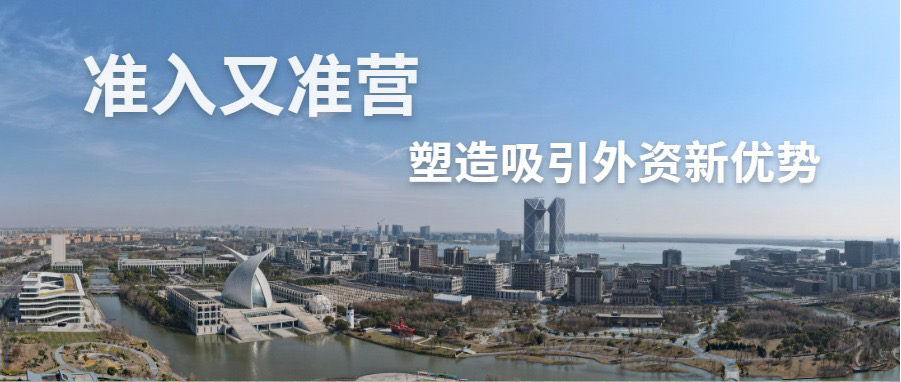
新华鲜报·规划建议新看点丨准入又准营!塑造吸引外资新优势
Xin Hua Wang· 2025-11-22 07:33
Group 1 - The core viewpoint emphasizes the importance of implementing "access and operation" to attract foreign investment, highlighting measures such as reducing the negative list for foreign investment access and promoting efficient and secure cross-border data flow [1][3]. - The article discusses the need to address specific issues in market access, such as localizing licensing and certification, ensuring compliance in cross-border data flow, and maintaining fairness in government procurement and market competition [3]. - Recent improvements in the approval process for qualified foreign investors have been noted, with the China Securities Regulatory Commission approving applications in record time, indicating a potential new norm for foreign investment entry [4]. Group 2 - There is a seamless transition from "access" to "operation" for an increasing number of foreign enterprises, with the removal of restrictions in the manufacturing sector and the expansion of pilot programs in the service industry [5]. - The article highlights the importance of shifting from a government supply-oriented approach to an enterprise demand-oriented approach, enhancing governance transparency and precision [6]. - Various localities are simplifying processes for foreign enterprises, such as business registration and work permits for foreign employees, to create a conducive environment for foreign investment [6].
猛拉,大逆转!美联储,降息大消息!
Zhong Guo Ji Jin Bao· 2025-11-22 00:47
【导读】美股扭转颓势收涨,英伟达等科技股跌幅收窄;美联储官员释放12月可能降息信号,降息概率飙升至70% 美东时间11月21日收盘,美股传来好消息!美国三大股指盘中扭转颓势,涨幅均扩大至1%,呈现震荡上扬行情。科技股跌幅普遍收窄,英伟达从此前 大跌4%一度转涨1.9%,谷歌收涨3.35%,中概股普涨。 黄金市场方面,凌晨1点现货黄金重回4100美元/盎司上方。截至收盘,现货黄金报4064.279美元/盎司。 值得注意的是,美联储官员突然释放12月可能降息的信号,推动鸽派押注直线升温。最新数据显示,美联储12月降息25个基点的概率已从1天前的 39.1%抬升至接近70%。 美国三大股指涨幅扩大 11月21日,美股三大股指齐收涨。截至收盘,道指大涨1.08%,报46245.41点;标普500指数涨0.98%,报6602.99点;纳指跌0.88%,报22273.08点。 从周度表现看,三大指数本周悉数收跌,跌幅相较此前有所收敛。其中,纳指大跌2.74%,道指累跌1.91%,标普500累跌1.95%。 12月降息概率狂飙 板块方面,科技股跌幅普遍收窄,万得美国科技七巨头指数涨0.71%。 受消息面影响,英伟达盘中涨幅 ...

今夜,又见证历史!
Zhong Guo Ji Jin Bao· 2025-11-21 23:10
Core Viewpoint - The U.S. stock market is experiencing volatility, with Eli Lilly becoming the first healthcare company to reach a market capitalization of $1 trillion, driven by investor enthusiasm for its weight loss drugs [1][4]. Market Performance - On November 21, U.S. stock indices showed mixed results, with the Dow Jones rising over 220 points, while the Nasdaq index experienced fluctuations and the S&P 500 saw a slight increase [2]. - The market's recovery was aided by dovish signals from a Federal Reserve official, increasing the likelihood of a rate cut in December to over 70% [2]. - Despite a significant rally earlier in the week, the S&P 500 is down over 2% for the week, with the Dow and Nasdaq also experiencing declines of nearly 3% [3]. Eli Lilly's Milestone - Eli Lilly's market capitalization surpassed $1 trillion, making it the largest pharmaceutical company globally and the second U.S. company outside the tech sector to achieve this milestone [4]. - The surge in Eli Lilly's stock price, which rose 1.7% at one point, is largely attributed to the growing interest in its GLP-1 class of drugs for obesity and diabetes treatment [4]. - The market for Eli Lilly's next-generation oral weight loss drug is projected to reach $95 billion by 2030 [4]. Competitive Landscape - Eli Lilly has captured nearly 58% of the market share in the GLP-1 drug segment, which includes Ozempic and Wegovy [5]. - Analysts note that Eli Lilly has rapidly gained market share, outperforming its competitor Novo Nordisk, which initially led in the obesity treatment space [5]. - The company's stock has increased by 37% this year and is expected to rise by 32% in 2024, positioning it as a potential leader in the global weight loss drug market [5].

岂能将知识产权保护武器化
Jing Ji Ri Bao· 2025-11-21 22:47
Core Points - The U.S. Patent and Trademark Office has modified the transparency rules for patent invalidation applications, particularly scrutinizing those from foreign companies, which is seen as a discriminatory measure against Chinese enterprises [1][2] - This change is perceived as an attempt to weaponize intellectual property protection, undermining China's technological innovation capabilities and legal rights in the U.S. market [1][2] - The adjustment to the rules is viewed as a geopolitical maneuver rather than a genuine effort to enhance the patent system, reflecting the U.S.'s anxiety over China's advancements in key technology sectors [2][3] Group 1 - The U.S. has historically maintained economic hegemony through its advantages in capital and technology, but is now increasingly anxious about China's rapid progress in critical technology fields [2] - The modification of the patent invalidation application rules is seen as a selective barrier aimed at weakening the legal recourse of Chinese companies in the U.S. [1][2] - The U.S. has criticized China for insufficient reforms in intellectual property protection while ignoring China's substantial efforts and achievements in this area [2] Group 2 - Intellectual property should serve the advancement of technology for all humanity, rather than being used as a political tool by individual countries [3] - The weaponization of intellectual property protection is expected to hinder global technological collaboration and disrupt market fairness and innovation environments [3] - Such actions by the U.S. may ultimately damage its own institutional credibility and innovative capacity [3]
全球股市大跌,瑞银大摩唱多,逆势看好中国股市
Sou Hu Cai Jing· 2025-11-21 21:19
Group 1 - The global financial markets experienced a sudden downturn on November 18 and 19, with major indices like the Nikkei and Korean stock market plummeting, alongside declines in precious metals and Bitcoin [1] - The catalyst for this market turbulence included a significant drop in expectations for a Federal Reserve rate cut, with the likelihood for a December cut falling below 50%, prompting investors to reassess risk and return [1] - Japan's bond market saw massive sell-offs, with the 10-year government bond yield soaring above 1.75%, nearing levels not seen since 2008, which could impact global liquidity and trigger a domino effect [1] Group 2 - The Chinese market was also affected, with A-shares and Hong Kong stocks following the international trend, leading to a three-day decline in the Shanghai Composite Index for the first time since mid-September [3] - Despite the negative sentiment, UBS released a 2026 outlook report expressing optimism, predicting the MSCI China Index could reach 100 points by the end of 2026, representing a potential increase of about 14% [3] - UBS highlighted sectors such as internet, hardware technology, and brokerage firms as promising, citing that anti-involution policies and declining depreciation expenses could enhance corporate profitability [3] Group 3 - UBS noted that the global pullback in AI stocks might negatively impact Chinese tech stocks, but they believe the correlation is lower compared to countries like South Korea, suggesting that domestic developments could mitigate external shocks [5] - On the corporate front, Baidu reported a quarterly revenue of 31.2 billion yuan, with core revenue at 24.7 billion yuan, and a notable over 50% year-on-year growth in AI business revenue [6] - The overall market saw approximately 4,100 stocks decline, with previously hot sectors like energy storage and lithium experiencing corrections due to prior excessive gains and subsequent fund withdrawals [6] Group 4 - The combination of news and capital flow led to a sharp market turn, with the sell-off of Japanese government bonds causing global interest rate fluctuations and the cooling of AI concepts triggering a chain reaction in tech stocks [8] - Foreign investment banks' optimistic outlook contrasts sharply with the short-term panic in the market, suggesting that there may be good earnings support in the coming year, providing a reference point for long-term investors [8] - Investors are advised to closely monitor data, policies, and sentiment, as the market's short-term volatility can be easily amplified, while foreign institutions are betting on a recovery in earnings by 2026 [10]