
半导体存储

Search documents
DeepSeek论文披露全新模型机制,SSD等存储需求有望再进一步,龙头还发布炸裂业绩
Xuan Gu Bao· 2026-01-13 23:24
Group 1 - DeepSeek introduced a new paper proposing "conditional memory" as a new dimension of sparsity to optimize large language models through the Engram module [1] - The existing Transformer architecture lacks a native knowledge retrieval mechanism, leading to inefficient simulation of retrieval behavior [1] - Conditional memory complements the MoE (Mixture of Experts) approach and significantly enhances model performance in knowledge retrieval, reasoning, coding, and mathematical tasks under equal parameters and computational conditions [1] Group 2 - The Engram module is a large, scalable embedding table that acts as an external memory for Transformers, allowing for efficient retrieval of nearby content [2] - Engram caches frequently accessed embeddings in faster storage mediums while storing less frequently accessed data in larger, slower storage, maintaining low access latency [2] - The NAND industry is expected to have limited capital expenditure over the next two years, with leading manufacturers likely to focus on HBM rather than NAND, while AI applications are anticipated to drive SSD demand [2] Group 3 - Baiwei Storage forecasts a net profit of 850 million to 1 billion yuan for the year, representing a year-on-year growth of 427.19% to 520.22% [2] - Jiangbolong has launched several high-speed enterprise-level eSSD products, covering mainstream capacities from 480GB to 7.68TB [3]

佰维存储:2025年净利润同比预增427.19%-520.22%
Di Yi Cai Jing· 2026-01-13 12:13
佰维存储公告,公司预计2025年度实现归属于母公司所有者的净利润8.5亿元至10亿元,与上年同期 (法定披露数据)相比,将增加68876.66万元至83876.66万元,同比增加427.19%至520.22%。 (本文来自第一财经) ...
AI需求推动-NAND与SSD供不应求有望持续
2026-01-13 01:10
Summary of Conference Call Records Industry Overview - The conference call discusses the NAND and SSD market, highlighting the impact of AI demand on storage needs, leading to a sustained supply-demand imbalance in the industry. The shift in data storage structure is driven by AI applications, particularly through RAG technology and KV caching, which significantly increase the demand for active data storage [1][2]. Key Points Market Dynamics - AI-driven storage structure transformation is expected to enhance the demand for active data storage, evolving from a traditional 2:3:5 hot-warm-cold ratio to a 3:7 ratio [1]. - SSDs outperform HDDs in high read/write speeds and low power consumption, making them more suitable for AI data centers. Enterprise NVMe SSDs can achieve continuous read speeds of up to 14,000 MB/s, significantly higher than HDDs [1][5]. - The global NAND and SSD market is anticipated to enter a prolonged boom cycle, with supply concentrated among major players like Samsung and Micron, who are focusing capital expenditures on HBM technology, limiting NAND investments [1][6][7]. Future Projections - Although NAND industry capital expenditures are expected to rebound in 2026 compared to 2023, they will remain below levels seen in 2020-2022. AI applications are projected to drive rapid growth in SSD usage, with global flash memory chip shipments expected to reach around 1,000 EB by 2025 [1][8]. - The domestic market is seeing accelerated progress in the localization of enterprise SSDs and NAND, enhancing the competitiveness of local brands [1][3]. Investment Opportunities - The storage industry presents significant investment opportunities in 2026, driven by AI demand. Key recommended sectors include semiconductor equipment, chip design, storage testing, and storage module manufacturers [2][9][10]. - Notable companies include: - **North Huachuang**: Achieved breakthroughs in high-end logic and storage chips, with advanced equipment in mass production [2][11]. - **Jiangbolong**: A leading storage module manufacturer, has launched innovative enterprise memory products and self-developed eMMC controller chips [2][13]. - **Zhongwei Company**: Focused on plasma etching equipment, showing strong growth in revenue and product advancements [12]. Risks to Monitor - Potential risks include: - AI applications not meeting expectations - Slower-than-expected technological advancements - Delays in domestic production progress These factors could impact industry growth and require strategic adjustments [14].
涨疯了,比黄金还贵!一盒100根可以在上海买一套房
Sou Hu Cai Jing· 2026-01-12 15:14
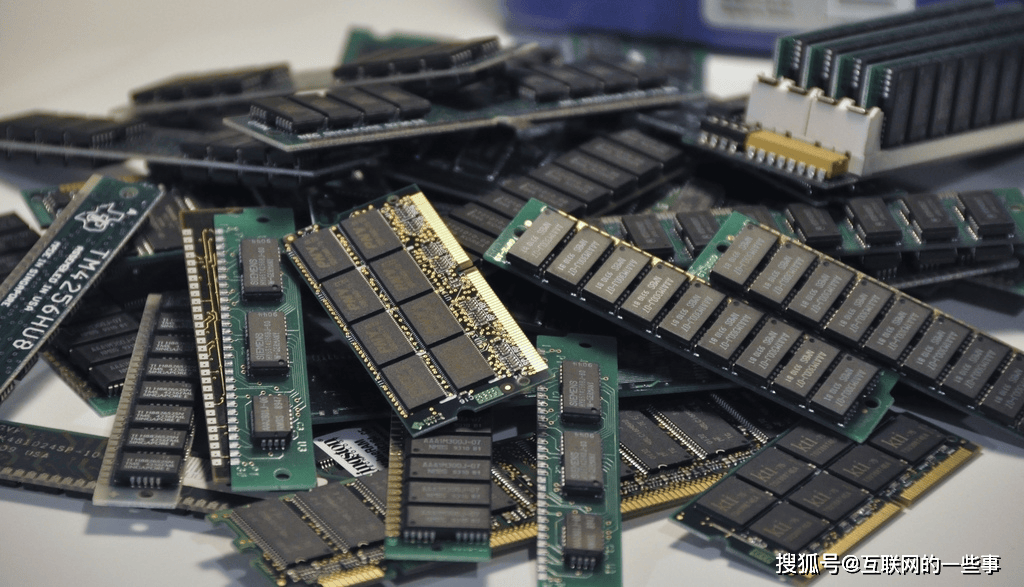
Core Insights - The price of common 32GB memory modules has surged from under 800 yuan to over 2200 yuan, nearly tripling in a year, while 256GB DDR5 modules have exceeded 40,000 yuan, with some high-frequency models surpassing 60,000 yuan, making memory modules comparable to gold in value [2][4] Group 1: Price Trends - The global memory price is projected to increase by 171.8% year-on-year by Q3 2025, while gold prices have only risen by 110% during the same period [6] - The price of a box of 100 memory modules has exceeded 4 million yuan, comparable to the cost of a decent apartment in Shanghai [4] Group 2: Supply and Demand Dynamics - The surge in memory prices is primarily due to a severe imbalance between supply and demand, driven by explosive growth in the AI industry, where AI servers require up to 8 times more memory than standard servers [11] - Major manufacturers like Samsung, Micron, and SK Hynix have shifted production resources towards high-end, high-margin products, reducing the supply of consumer-grade memory [11] Group 3: Impact on Manufacturers - Memory manufacturers are benefiting significantly from the price surge, with Samsung achieving record highs in storage business revenue by Q3 2025, and Micron reporting a 57% year-on-year revenue increase in Q1 2026 [11] - SK Hynix also reported substantial revenue and profit growth of 39% and 62%, respectively [11] Group 4: Impact on Downstream Manufacturers - The rising memory costs, which account for 10% to 20% of the hardware costs in mainstream smartphones and computers, are forcing manufacturers to increase the prices of their end products [12] - For instance, Xiaomi's latest model, the Xiaomi 17 Ultra, has a starting price of 6999 yuan, reflecting a 500 yuan increase from the previous model [12] Group 5: Market Control and Future Outlook - The global storage market is dominated by South Korean, American, and Japanese companies, with Samsung, SK Hynix, and Micron holding over 93% of the consumer-grade DRAM market and nearly 99% of the HBM memory market [13] - Chinese manufacturers like Changxin Storage and Yangtze Memory Technologies are facing challenges in securing stable supply despite making progress in domestic equipment production, which has reached a 45% localization rate [15]


三国演义,存储市场硝烟已起
新财富· 2026-01-12 08:05
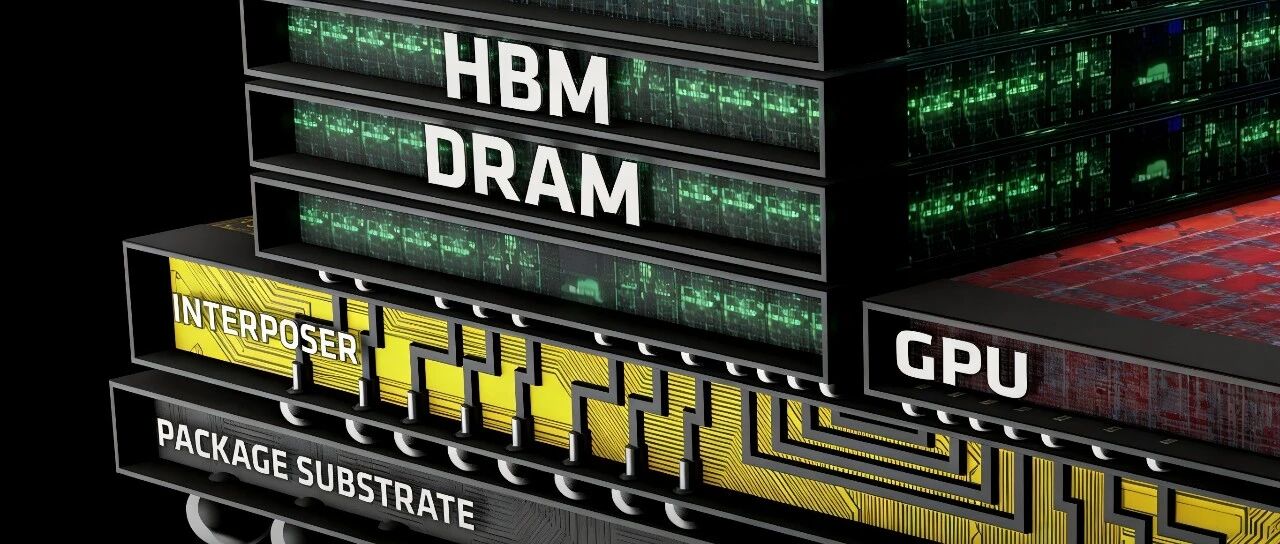
Core Insights - The performance of AI is heavily influenced by the capabilities of HBM (High Bandwidth Memory), with leading companies like Samsung, SK Hynix, and Micron dominating the market [2][5][10] - The upcoming years (2026-2028) will be crucial for these companies as their strategic decisions will significantly impact the evolution of the global AI industry [2] HBM Market Dynamics - In Q1 2025, SK Hynix surpassed Samsung for the first time in market share, holding approximately 36% of the global DRAM market, while Samsung held 34% and Micron 25% [5] - This shift is indicative of a broader industry transformation centered around HBM technology [5] - SK Hynix's success is attributed to its early investments in HBM technology and its ability to supply DRAM products effectively [7] Technological Advancements - HBM technology offers two major advantages: extremely high bandwidth (up to several tens of times that of traditional DDR memory) and high energy efficiency, which is critical for AI computing [7] - Samsung is responding to competitive pressures by accelerating its HBM production, planning to increase its monthly capacity by nearly 50% by 2026 [10][15] Competitive Strategies - Samsung aims to regain market share from SK Hynix by leveraging its extensive manufacturing capabilities and aiming for a significant increase in HBM production [10][15] - The competition is intensifying as both SK Hynix and Samsung plan to start HBM4 production in Q1 2026, which will shift the balance of power in the market [27][28] Pricing Trends - The price of HBM4 is expected to rise significantly, with SK Hynix's agreements indicating a more than 50% increase compared to HBM3E [22] - This price increase reflects the complex manufacturing processes and the current supply-demand imbalance in the high-end memory market [22] Future Outlook - The global HBM market is projected to reach $60 billion by 2026, with a potential market size of around $100 billion by 2030 [22] - The competition among SK Hynix, Samsung, and Micron will drive technological advancements and cost reductions in the HBM sector, benefiting the broader AI industry [29]

广东存储芯片厂商,破产了!
是说芯语· 2026-01-10 01:05
2026年1月4日 ,据广东省珠海市中级人民法院最新公告,专注于闪型存储器芯片研发的广东博观科技有限公司破产程序已正式终结。 这家扎根在珠海高 新区的高科技企业,早在2025年12月29日就把破产财产分配完毕,结束了所有司法流程。 从当初被看好的"潜力股"到如今黯然离场,这段经历不仅让人惋惜,更道出了国产半导体存储行业"烧钱多、周期长"的残酷现实。 回到2012年4月,广东博观科技刚成立,注册资金1000万元,专门做闪型存储器芯片研发,一亮相就带着"国产替代希望"的光环。为了搞出技术突破,企 业布局很广:在上海设了研发工作站做本土创新,还在美国硅谷搭了专家协作团队对接全球前沿技术,核心研发团队更是由海归博士带队——团队里不少 人都在美国顶尖高校研究所待过,也在跨国芯片企业干过多年,手里握着国际领先的存储器芯片核心技术,能自己搞定从研发、测试到量产的一整套流 程。 合作洽谈,进入公众号:服务—>商务合作 靠着扎实的技术积累,博观科技的发展曾经一路顺风顺水。它主打的高速、低功耗闪型存储器项目,因为符合产业升级的需求,被纳入了国家重点扶持的 产业名单,市场前景当时被很多人看好。"博观约取,厚积薄发"的企业理念,再加 ...
江波龙:晶圆价格上涨反映存储产业景气回升
Zheng Quan Ri Bao Zhi Sheng· 2026-01-08 13:38
Core Viewpoint - The price of storage wafers and memory products is determined by the supply and demand dynamics of the storage industry, indicating a recovery in overall industry prosperity rather than isolated cost fluctuations [1] Group 1: Industry Insights - The increase in wafer prices reflects the overall recovery of the storage industry's prosperity [1] - Companies with R&D capabilities, product competitiveness, and supply chain resilience can more effectively convert industry prosperity into sustainable profit advantages [1]
内存条涨疯了,国产替代如何破局?
虎嗅APP· 2026-01-08 00:10
Core Viewpoint - The article discusses the significant price increase of memory chips, particularly 32GB memory modules, which have surged from under 800 yuan at the beginning of the year to over 2200 yuan currently, leading to comparisons with gold bars due to their high value [4][5]. Group 1: Price Trends and Market Dynamics - Since Q3 2025, the global memory chip market has experienced an "epic" price surge, with DRAM prices increasing by 171.8% compared to the same period in 2024, significantly outpacing the less than 110% increase in international spot gold prices [12]. - Major storage manufacturers, including Samsung, Micron, and SK Hynix, have reported substantial profit increases due to rising memory prices, with Samsung's operating profit reaching approximately $8.56 billion, a 32.2% year-on-year increase [17]. - Analysts predict that memory prices will continue to rise, with a forecasted additional increase of 20% early next year and sustained price growth potentially lasting until mid-2026 [14][15]. Group 2: Impact on Supply Chain and Consumer Electronics - The rising cost of memory chips is expected to increase the overall costs of smartphones and computers, as memory components account for 10%-20% of the BOM (Bill of Materials) costs [23][24]. - Smartphone and computer manufacturers face three difficult choices in response to rising memory costs: maintain configurations at original prices, reduce configurations while keeping prices stable, or increase prices, which may deter consumers and impact sales [25][26]. Group 3: Supply and Demand Factors - The price increase is attributed to a dynamic interplay between supply and demand, with supply constraints arising from manufacturers' previous production cuts during industry downturns and demand surges driven by applications such as artificial intelligence [28][32]. - The production of memory chips is capital-intensive and has long lead times, making it difficult for supply to quickly respond to sudden increases in demand [37]. Group 4: Market Structure and Competitive Landscape - The global memory market is dominated by manufacturers from the US, Japan, and South Korea, with Samsung, SK Hynix, and Micron holding over 93% of the DRAM market share [53]. - Chinese companies like Changxin Storage and Yangtze Memory Technologies are emerging but still lag significantly behind leading firms, particularly in high-bandwidth memory (HBM), where 99% of the market is controlled by the top three companies [57]. Group 5: Geopolitical and Technological Challenges - The Chinese memory chip industry faces significant challenges, including geopolitical tensions and technology barriers, which hinder its ability to compete effectively in the global market [64][66]. - The recent price surge presents both challenges and opportunities for Chinese companies to accelerate technological advancements and improve efficiency, while also highlighting the need for a comprehensive strategy to overcome systemic issues in the industry [68][69].

“史上最强”涨价周期!1盒内存条堪比上海1套房
新浪财经· 2026-01-07 09:56
Group 1 - The core viewpoint of the article highlights that the global DRAM market is experiencing an unprecedented price surge, with memory prices significantly outpacing traditional safe-haven assets like gold [2][4]. - Since July 2025, DRAM prices have been rapidly increasing, with most categories seeing price increases of over 100%, and DDR4 and DDR5 memory prices rising 2-3 times within the year [5][6]. - The article emphasizes that the current price increase is unprecedented, with industry professionals noting that such rapid price hikes have never been seen before [5][6]. Group 2 - The primary driver of the current memory price surge is the explosive growth in AI demand, which has created a structural supply-demand imbalance, with AI servers requiring 8-10 times more DRAM than regular servers [7]. - Major cloud service providers are placing large orders, further exacerbating the trend of manufacturers prioritizing server storage over consumer-grade memory [7]. - On the supply side, strategic reductions by major manufacturers like Samsung, SK Hynix, and Micron are amplifying the supply gap, as they focus resources on high-margin products like HBM and DDR5 [8]. - Micron has raised prices by approximately 20% after resuming quotes, while Samsung and SK Hynix have also increased prices for various DRAM products by 15%-30% and up to 30%, respectively [8].
CES引爆存储芯片行情:黄仁勋称AI存储需求“前所未有”Sandisk三日狂飙47%
Zhi Tong Cai Jing· 2026-01-07 02:01
Group 1 - Nvidia's CEO Jensen Huang's comments at CES have reignited bullish sentiment in storage stocks, with Sandisk Corp. (SNDK.US) surging 28%, marking its best single-day performance since February last year [1] - Sandisk's stock has increased over 47% in the first three trading days of 2026 and has risen an astonishing 1080% since hitting a low on April 22 of last year [1] - Other storage companies like Western Digital (WDC.US) and Seagate Technology (STX.US) also recorded double-digit gains, following Sandisk's performance [1] Group 2 - Analyst Jack Silverman noted that the growing demand for AI training and inference, coupled with supply constraints and rising storage chip prices, is driving the strength in digital storage stocks [1] - Huang's statements indicate that demand for NAND storage in Nvidia's systems will remain robust [1] - Samsung Electronics and SK Hynix are reportedly seeking to raise server DRAM prices by 60% to 70% in the first quarter compared to the fourth quarter of last year [1] Group 3 - Bank of America analyst Wamsi Mohan highlighted that Sandisk and other storage companies are seen as core beneficiaries of AI inference and edge AI developments by 2026 [2] - Mohan expects that the demand for storage will "skyrocket" as institutions retain increasing amounts of data for training, analysis, and compliance purposes [2] - The focus of AI investment has primarily been on capital expenditures and driving AI model training, which is expected to lead to the next wave of hardware spending [2]