纺织品

Search documents
顶不住美国施压,首个对华加征关税的拉美国家产生,中方早已表态
Sou Hu Cai Jing· 2025-08-29 09:19
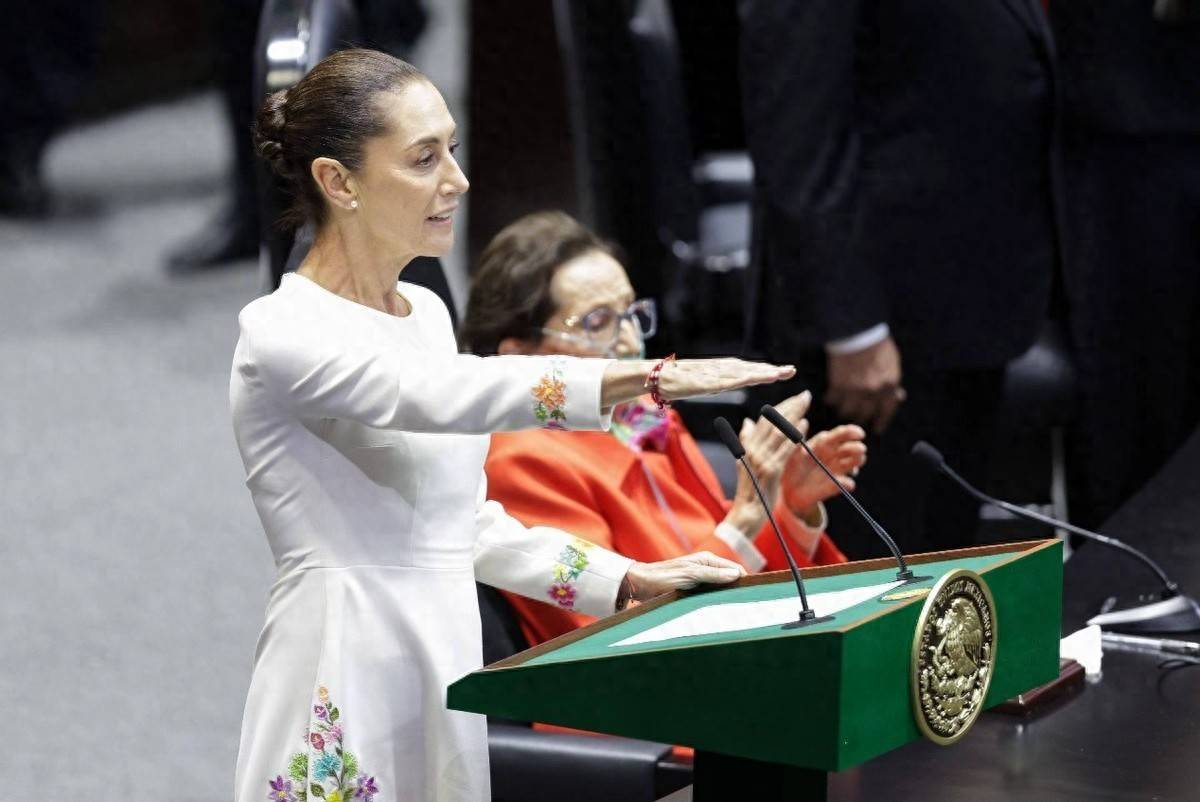
Group 1 - Mexico plans to increase import tariffs on Chinese goods in its 2026 budget proposal, responding to U.S. pressure and Trump's policies [1][3] - The affected products include automobiles, textiles, and plastic products, which are crucial in Mexico-China trade [1] - Mexico's economic situation is challenging, with a projected GDP growth of only 0.8% in 2025 and inflation at 3.7%, leading to cautious trade policy decisions [3] Group 2 - The trade volume between Mexico and China exceeds $100 billion, with Chinese exports to Mexico exceeding $90 billion, indicating significant economic interdependence [5] - Implementing tariffs could lead to higher consumer prices in Mexico and negatively impact its business environment [5] - Mexico's decision to impose tariffs may provoke a strong response from China, which has historically adopted a restrained approach to external pressures [5][7] Group 3 - If Mexico insists on implementing tariffs, it risks losing access to the Chinese market and facing severe economic repercussions from potential Chinese retaliation [7] - The move to appease Trump may temporarily relieve domestic pressure but could place Mexico in a more vulnerable position in the long run [7] - The complexities of global economic dynamics necessitate a reevaluation of Mexico's stance in the ongoing U.S.-China trade conflict [7]

连打4个电话都不接,特朗普对印度加税50%,莫迪开始对美“投降”
Sou Hu Cai Jing· 2025-08-29 07:22
Group 1: Trade Relations and Tariffs - The U.S. has imposed a 50% tariff on Indian goods, escalating trade tensions and forcing Indian Prime Minister Modi to reconsider his stance [1] - The timing of the tariff coincides with stalled U.S.-India trade negotiations, indicating a lack of willingness from the U.S. to provide India with any leeway [1] - India's response includes suspending small package mail services to the U.S., which is seen as a retaliatory measure against the U.S. [1] Group 2: Economic Impact on India - India has a significant trade surplus with the U.S., exceeding $40 billion annually, primarily in textiles, pharmaceuticals, and jewelry [5] - A full implementation of the 50% tariff could lead to a drastic reduction of 60% to 80% in Indian exports to the U.S., posing severe challenges to India's economy already facing inflation and growth pressures [5] - The U.S. also relies heavily on Indian imports, with 60% of its generic drugs and substantial amounts of jewelry and electronics sourced from India, indicating potential repercussions for the U.S. market as well [5] Group 3: Political Dynamics and Responses - Indian officials initially expressed strong resistance to U.S. pressure, with Foreign Minister Jaishankar asserting India's commitment to protecting its farmers and small businesses [3] - Despite public defiance, there are indications that India may reduce its imports of Russian oil, signaling a potential compromise to ease tensions with the U.S. [5] - The relationship between the U.S. and India has deteriorated significantly, with Trump’s rhetoric shifting from praise to criticism, highlighting the volatility of international relations based on national interests [7]
惩罚性关税生效,印度经济遭到重创
Sou Hu Cai Jing· 2025-08-27 15:44
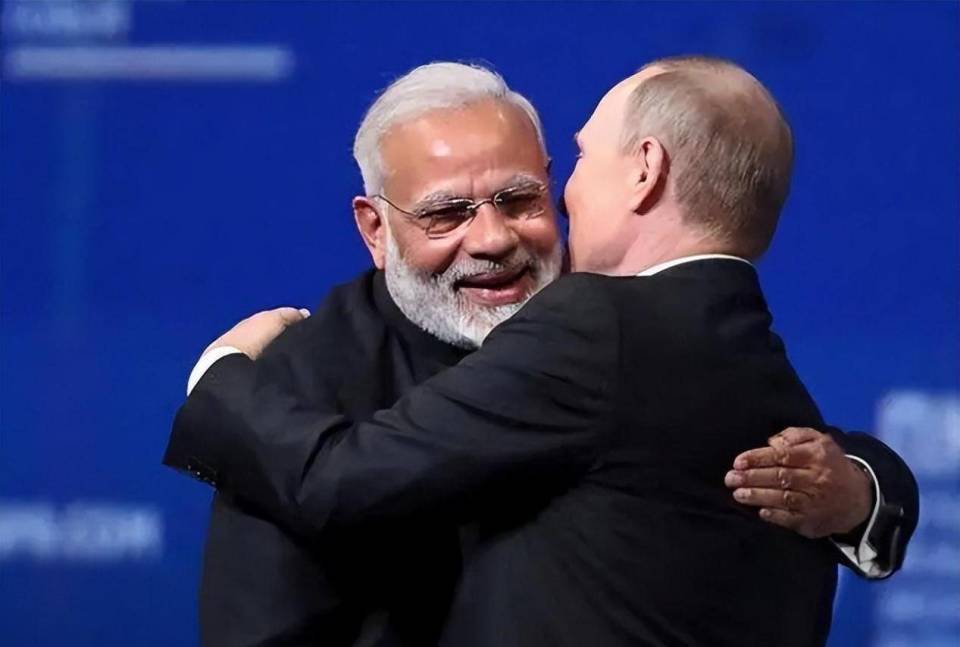
Group 1 - The U.S. is set to impose punitive tariffs on 50% of its exports to India, which could severely impact India's exports worth over $800 billion, particularly in textiles, seafood, and jewelry sectors, as orders are being diverted to Vietnam and Bangladesh [1][2] - The conflict is rooted in geopolitical tensions, with the U.S. discontent over India's continued purchase of Russian oil, viewing it as support for Putin [1][2] - Both the U.S. and India are currently in a standoff, with neither side willing to make concessions, although there is a possibility of last-minute negotiations to ease tensions [2][3] Group 2 - The situation highlights a harsh reality of globalization fracturing, where trade is increasingly used as a geopolitical weapon, prioritizing national interests over market economics [5] - India is likely to pursue a path of "strategic autonomy," enhancing trade with BRICS nations and potentially easing relations with China, as indicated by Modi's planned visit to China [5] - Companies are warned that supply chain decisions must consider political risks, as exporting from India to the U.S. is becoming increasingly risky [5][7] Group 3 - In the short term, the balance of power is determined by leverage, while long-term resilience will be crucial; India has a large market and potential for domestic demand, but the U.S. holds advantages in technology, capital, and market access [7]
帮主郑重:美国突然对印度下重手!50%关税冲击波下,这些行业要小心了!
Sou Hu Cai Jing· 2025-08-26 04:09
Core Viewpoint - The United States has announced a 50% tariff on all imports from India, affecting various sectors including pharmaceuticals, textiles, and IT services, which may lead to a trade war and impact both economies [1][3]. Impact on Industries - The pharmaceutical sector in India, which holds a 65% market share in the U.S. generic drug market, is likely to see profit margins squeezed due to increased drug prices in the U.S. following the tariff [3]. - The textile industry, where the U.S. accounts for 18% of India's exports, may lose its price advantage in the U.S. market, potentially shifting orders to countries like Vietnam and Bangladesh [3]. - Indian garment manufacturers are already reporting difficulties in securing new orders and are forced to fulfill existing ones at a loss [3]. Opportunities in Alternative Markets - There may be an increase in India's exports to China, which saw a 14.2% growth in the first half of 2025, particularly in sectors like steel and chemicals [4]. - The domestic consumption market in India could benefit from government policies aimed at stimulating demand, especially in sectors like home appliances and automobiles [5]. - The technology sector, particularly in semiconductors and software, may receive increased investment and support as a response to U.S. tariff policies, creating potential growth opportunities [5].

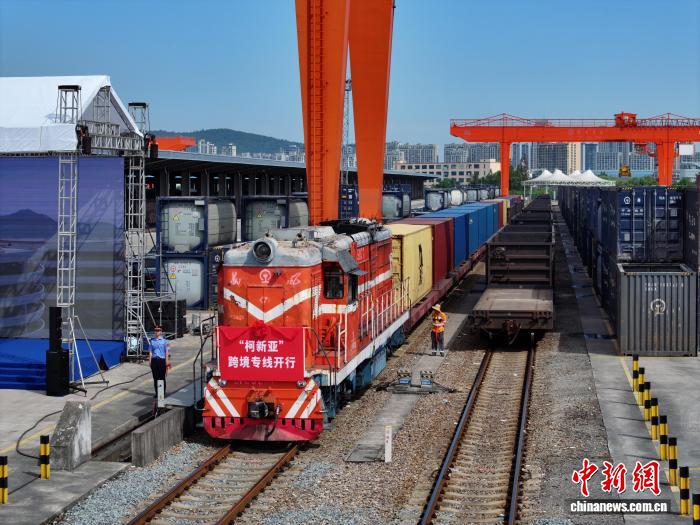
中国轻纺城新开通驶往中亚跨境班列
Zhong Guo Xin Wen Wang· 2025-08-25 14:09
Group 1 - A new international logistics channel has been established for the export of textiles from China Light Textile City in Shaoxing, enhancing efficiency and convenience [1][3] - The "Kexin Asia" cross-border freight train, carrying 16 containers of fabric, departs from Shaoxing and will reach key cities in Central Asia, including Almaty, Tashkent, and Bishkek [3] - This new route reduces transit time by approximately 2 days compared to previous transportation methods, significantly improving international logistics speed and lowering logistics costs for enterprises [3] Group 2 - China Light Textile City has an annual transaction volume exceeding 400 billion RMB, with over 100 billion RMB in annual exports, of which nearly 60% is sold to Central Asia, the Middle East, and Europe [3]

美印关税战升级,中国为何力挺印度?背后战略布局引发全球关注
Sou Hu Cai Jing· 2025-08-25 13:06
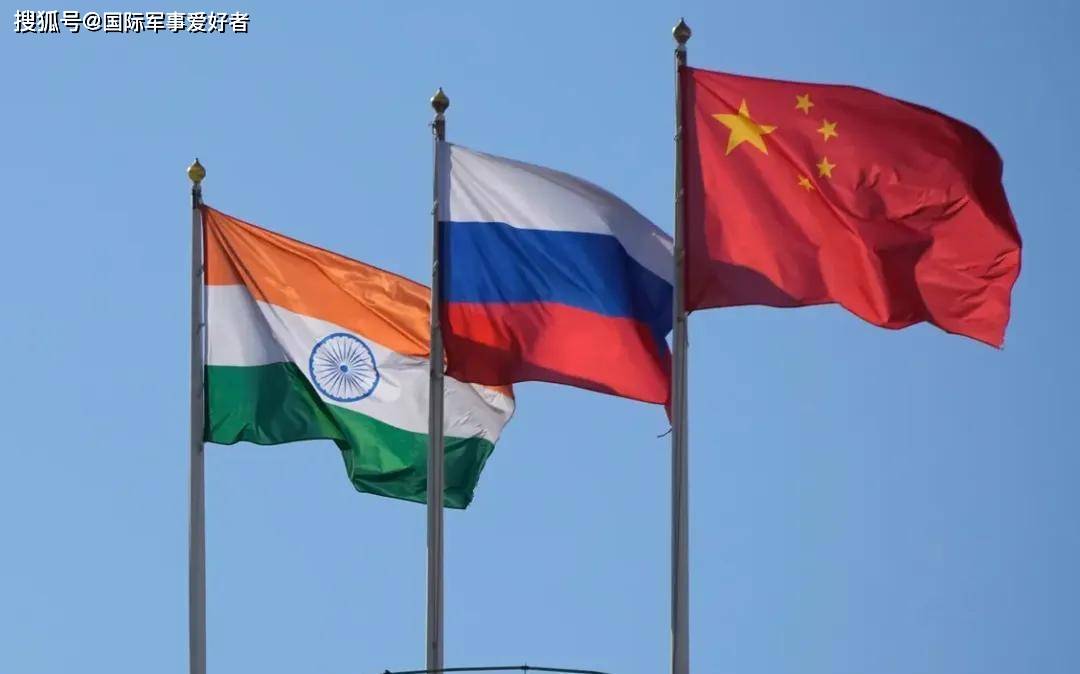
Group 1 - The US has imposed an additional 25% tariff on Indian goods, raising the total tariff to 50%, impacting key exports like textiles and automotive parts [1] - India has responded by suspending certain tariff benefits to the US and plans to seek trade adjustments through the WTO [1] - Energy cooperation is a significant factor in the US-India trade tensions, with India continuing to purchase Russian oil despite US pressure [1] Group 2 - China has publicly supported India during the US-India tensions, with the Chinese ambassador stating that silence only encourages bullying [3] - China's support for India is seen as a strategic move, as India is viewed as a less significant threat compared to China by the US [3] - The trade volume between China and India is projected to reach $138.4 billion in 2024, with China being India's largest trading partner [3] Group 3 - There are ongoing discussions between China, Russia, and India to restore a trilateral cooperation mechanism amid deteriorating US-India relations [5] - Recent improvements in China-India relations include agreements on direct flights and government dialogue mechanisms [5] - India's Prime Minister Modi emphasized the importance of mutual learning between China and India, rejecting US mediation in border disputes [5] Group 4 - The potential for a 60% decline in Indian exports to the US if the 50% tariff remains in place poses a risk to India's GDP [7] - Major Indian manufacturers are halting expansion plans due to the high tariffs, indicating significant economic pressure [7] - India's foreign policy is characterized by uncertainty, but the current US-India tensions may provide India with an opportunity to adjust its diplomatic stance [7]
常州商途地毯有限公司成立 注册资本5万人民币
Sou Hu Cai Jing· 2025-08-23 01:14
Core Insights - Changzhou Shangtu Carpet Co., Ltd. has recently been established with a registered capital of 50,000 RMB and is represented by Kai Yumei [1] Company Overview - The company operates in various sectors including sales of textiles and raw materials, wholesale of textiles, clothing, and household goods, and retail of daily necessities [1] - The business scope includes internet sales (excluding licensed goods), wholesale and retail of kitchenware, daily ceramics, personal hygiene products, and various other consumer goods [1] - The company also engages in the sale of hardware products, computer software and hardware, mobile communication devices, stationery, furniture, jewelry, and arts and crafts [1]
美国施压无效?印度和俄罗斯誓言深化双边贸易关系!
Jin Shi Shu Ju· 2025-08-22 09:54
Group 1 - India and Russia announced an expansion of bilateral trade cooperation, indicating that U.S. tariffs on Indian imports of Russian oil are unlikely to disrupt their partnership [1] - The bilateral trade volume between India and Russia is projected to reach a record $68.7 billion by March 2025, with India facing a trade deficit of $59 billion due to increased oil imports [1] - India aims to increase exports of pharmaceuticals, agricultural products, and textiles to Russia to address the current trade imbalance [1] Group 2 - India has become the second-largest buyer of Russian oil, importing an average of 1.6 million barrels per day in the first half of 2025, a significant increase from 50,000 barrels per day in 2020 [2] - The geopolitical dynamics suggest that U.S. tariffs may serve as leverage for trade negotiations rather than solely targeting Russian oil revenue [3] - The ongoing energy cooperation between India and Russia is seen as a strategic alliance amidst global geopolitical tensions [3]
中方外长密见印度三高层,莫迪一句话让人意外,中印谈成20件大事
Sou Hu Cai Jing· 2025-08-21 02:16
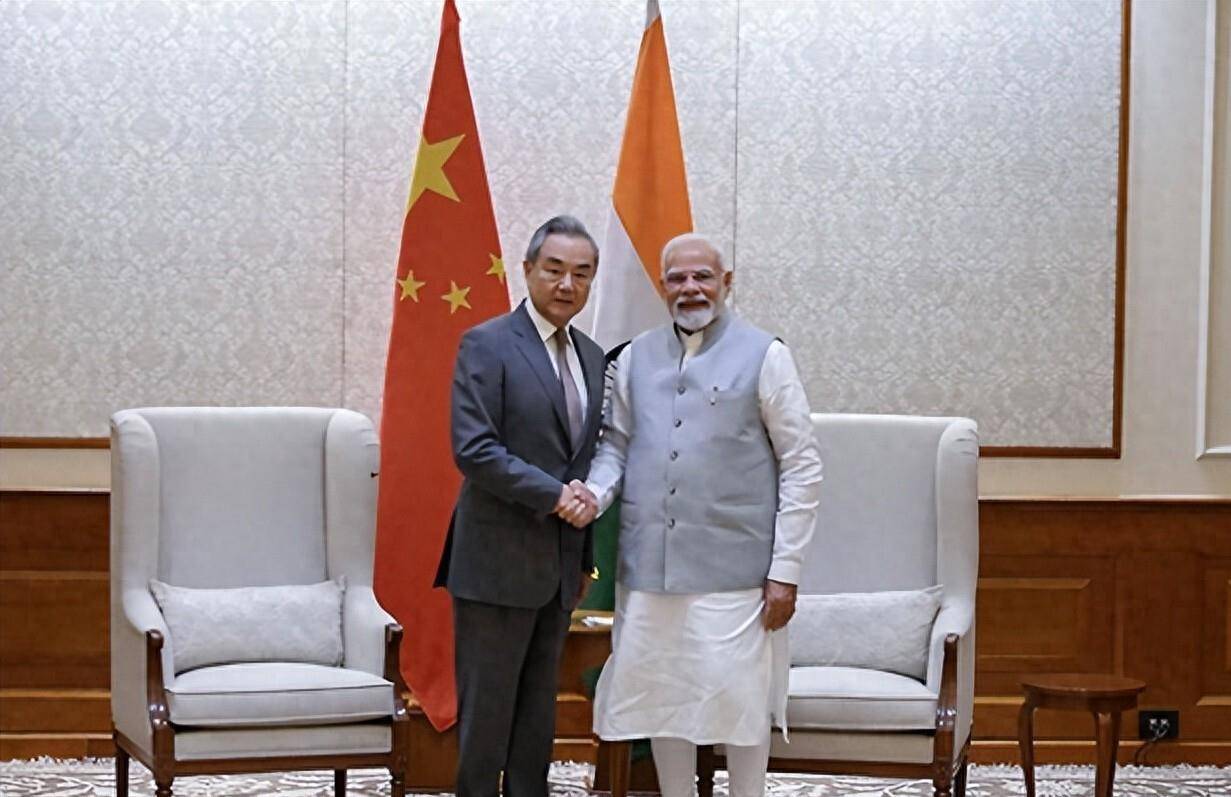
Core Points - The visit of Chinese Foreign Minister Wang Yi to India in August 2025 marks a significant shift in Sino-Indian relations, breaking a three-year diplomatic freeze and signaling a potential strategic partnership rather than rivalry [1][3] - The backdrop of this visit is the U.S. imposing punitive tariffs of up to 50% on key Indian exports, which has severely impacted India's economy, leading to a capital outflow of $25 billion and a stock market loss of $1.2 trillion [3][9] - India is facing its most severe economic challenges in a decade, with GDP growth plummeting from 7.8% to 6.1%, making the ambitious goal of a $5 trillion economy seem increasingly unattainable [3][9] Group 1: Diplomatic Developments - Modi's personal reception of Wang Yi indicates a strategic pivot in India's foreign policy, emphasizing partnership over competition with China [1][3] - The two countries agreed on 20 cooperation outcomes, including the reopening of border trade markets and commitments to supply chains in critical sectors like rare earths and fertilizers [3][5] - Despite these agreements, China remains firm on core issues, particularly regarding territorial sovereignty, and has avoided specific financial commitments, instead using vague terms like "providing convenience" [5][7] Group 2: Economic Context - The U.S. trade war has forced India to seek alternatives, with the Modi government viewing the engagement with China as a potential lifeline amid economic distress [3][8] - The lack of concrete agreements, such as on rare earths, suggests that the cooperation may be more about political maneuvering than substantial economic benefits [9] - The strategic calculus for both nations involves leveraging their positions against U.S. pressures, with India attempting to use concessions on border issues to gain economic relief [8][9] Group 3: Geopolitical Implications - The visit is interpreted as a response to U.S. unilateralism, with both countries expressing a commitment to oppose such actions in their joint statements [5][7] - India's acknowledgment of the "One China" principle indicates a significant diplomatic concession, potentially limiting its leverage in future negotiations [5][7] - The fragile nature of the agreements reached suggests that they could easily unravel under future U.S. policy shifts, highlighting the precarious balance of power in the region [9]
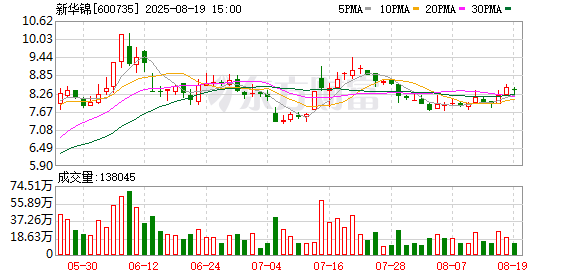
新华锦:8月19日召开董事会会议
Mei Ri Jing Ji Xin Wen· 2025-08-19 11:49
Group 1 - The core point of the article is that Xinhua Jin (SH 600735) held its 14th first board meeting on August 19, 2025, to discuss the appointment of the company's president and other related documents [2] - In the fiscal year 2024, Xinhua Jin's revenue composition is as follows: hair products account for 54.75%, e-commerce for 22.77%, textiles for 11.89%, used cars for 8.17%, and others for 1.54% [2]