
银行业

Search documents
贵金属风控升级 金店暂停节假日回购 银行清退“三无”客户
2 1 Shi Ji Jing Ji Bao Dao· 2026-02-10 23:14
Core Viewpoint - The recent volatility in gold prices has led to significant adjustments in gold repurchase policies by various gold retailers and banks in China, aimed at risk management and operational efficiency [1][2][3]. Group 1: Adjustments in Gold Repurchase Policies - China Gold announced the suspension of gold repurchase services on non-trading days starting February 7, 2026, to manage risks associated with price volatility [1][2]. - Beijing Caishikou Department Store has also updated its gold repurchase rules, halting services on weekends and holidays, and reducing the daily gold repurchase limit from 200 kilograms to 100 kilograms [2]. - The adjustments include limits on repurchase amounts for individual customers, requiring advance reservations, with the limits dynamically adjusted based on market conditions [2][3]. Group 2: Market Conditions and Risk Management - The sharp increase and volatility in gold prices have made it difficult for retailers to establish fair repurchase prices, leading to potential disputes and financial pressure [3]. - Analysts expect more gold retailers to follow suit in tightening repurchase policies, focusing on risk control and operational cost management as high volatility becomes the norm [3]. - The Shanghai Gold Exchange has raised margin requirements and adjusted trading limits for gold contracts in response to market conditions, indicating a proactive approach to risk management [4]. Group 3: Banking Sector Adjustments - Several banks have begun to limit services for "three no" clients (no holdings, no inventory, no debts) in the gold trading sector, reflecting a broader trend of tightening regulations in response to market risks [4][5]. - Since September 2025, at least 11 banks have announced adjustments to their gold trading services, including suspending new trades and closing online trading channels for inactive clients [5][6]. - The banking sector's adjustments are part of a larger strategy to mitigate risks associated with market volatility, with a focus on compliance and operational integrity [6].




每日债市速递 | 银行间市场资金面整体偏紧
Wind万得· 2026-02-10 23:10
Group 1: Market Operations - The central bank conducted a 7-day reverse repurchase operation on February 10, with a fixed rate of 1.40%, totaling 311.4 billion yuan, resulting in a net injection of 205.9 billion yuan for the day after accounting for 105.5 billion yuan in reverse repos maturing [3]. Group 2: Funding Conditions - The interbank market is experiencing a tight funding environment, with the weighted average rate of DR001 rising over 9 basis points to above 1.36%. Overnight rates for non-bank institutions using credit bonds as collateral have increased to above 1.6% and 1.65% for overnight and cross-period funding, respectively [5]. - The latest overnight financing rate in the U.S. is reported at 3.64% [5]. Group 3: Interbank Certificates of Deposit - The latest transaction rate for one-year interbank certificates of deposit among major banks is around 1.59%, showing a slight increase from the previous day [7]. Group 4: Government Bonds and Futures - The closing prices for government bond futures show a slight increase, with the 30-year and 10-year main contracts rising by 0.01%, while the 5-year and 2-year contracts remained unchanged [13]. Group 5: Fiscal Policy Changes - In response to increasing fiscal revenue and expenditure contradictions, there is a notable shift in China's fiscal spending structure, with more funds being directed towards human capital and a decline in infrastructure investment. This indicates a transition from traditional infrastructure to new productive capacities [14]. Group 6: Global Macro Insights - By the end of 2025, Japan's government debt is projected to reach 134.2 trillion yen, marking an increase of 24.5 trillion yen from the previous year, setting a new historical record [16]. - The U.S. White House announced that India will purchase over 500 billion USD worth of American products, including energy and agricultural goods, while reducing tariffs on various U.S. industrial products [16]. Group 7: Bond Market Developments - Fitch Ratings upgraded Vanke's long-term foreign and local currency issuer ratings from "RD" to "CC" [18]. - The first batch of ESG standardized bonds for financing leasing in Tianjin has been issued [18]. - After the refinancing policy, the first issuance in the Shanghai market is from Zhongke Shuguang, planning to issue up to 8 billion yuan in convertible bonds [18].


中国持续减持美债,却不购买黄金,为何?外媒:中国或储存3万吨
Sou Hu Cai Jing· 2026-02-10 23:08
Core Viewpoint - China's actions in the international financial market, particularly its reduction of U.S. Treasury holdings and cautious approach to gold reserves, indicate a strategic shift aimed at mitigating risks associated with U.S. economic instability and enhancing its financial resilience [2][6][18]. Group 1: U.S. Treasury Holdings - China is steadily reducing its holdings of U.S. Treasuries, with a decrease from $784.3 billion at the beginning of 2025 to $682.6 billion by year-end, while its foreign reserves increased from $3.3 trillion to $3.4 trillion [4]. - The reduction in U.S. Treasury holdings is seen as a response to concerns about the U.S. economic outlook and the risks associated with the U.S. debt ceiling, which is projected to reach $41.1 trillion by July 2025 [6][8]. - China's strategy involves diversifying its foreign reserves, reducing the proportion of U.S. Treasuries from a peak of 30% to below 20%, and reallocating investments towards euros, yen, and gold [8][18]. Group 2: Gold Reserves - Officially, China reports gold reserves of 2,306 tons, but external analysts speculate that the actual figure may be as high as 30,000 tons, based on mining and import data [12][14]. - The increase in gold reserves is part of a broader strategy to enhance liquidity and safeguard against potential sanctions, as evidenced by the experiences of Russia and Venezuela with frozen assets [10][18]. - China's gold purchases have been consistent, with a reported increase of 415 tons in the first half of 2025 and a total of 1,045 tons for the year, indicating a strategic accumulation despite high gold prices [16][18]. Group 3: Strategic Implications - The overall strategy reflects a shift in China's foreign exchange policy, focusing on reducing reliance on U.S. assets while increasing gold reserves to counterbalance the dominance of the U.S. dollar [18][20]. - Analysts suggest that this approach not only protects China's assets but also supports the internationalization of the renminbi, enhancing China's financial credibility [18][20]. - The diversification of reserves is viewed as a prudent measure to ensure stability in a complex international environment, allowing China to manage its financial risks more effectively [20].
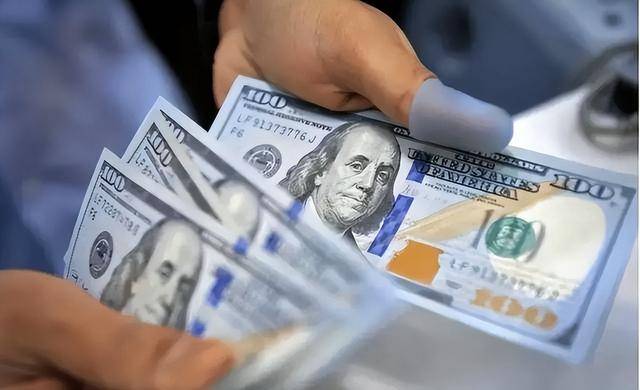
金价:大家提前做好准备,明后两天,金价可能迎关键变盘?
Sou Hu Cai Jing· 2026-02-10 23:08
Core Viewpoint - The gold market is experiencing significant changes, with international gold prices surpassing the psychological threshold of $5000 per ounce, and domestic gold prices remaining high, indicating a potential directional shift in the near future [1][3]. Group 1: Market Dynamics - Recent volatility in gold prices has been notable, with a historical high of $5598.75 per ounce on January 29, followed by a sharp decline of over $1100 within three trading days, a drop exceeding 21% [3]. - The market is currently characterized by intense competition between buyers and sellers at the $5000 mark, with profit-taking pressures from previous gains and ongoing support from central bank purchases and geopolitical risks [3]. - Financial institutions are showing caution by raising thresholds for gold accumulation services and increasing risk assessment requirements, reflecting concerns over high gold prices [3]. Group 2: Consumer Behavior - Despite high prices, demand for gold remains strong ahead of the Spring Festival, with notable increases in prices for gold jewelry and investment bars [3]. - Different purchasing strategies are recommended based on consumer intent, with suggestions for cautious buying regardless of whether the purchase is for gifting or long-term investment [7]. Group 3: Pricing and Investment Strategies - The traditional valuation framework for gold is being challenged, with analysts frequently adjusting target prices due to the evolving market dynamics [5]. - The current market environment necessitates a clear understanding of investment goals, with recommendations for a disciplined approach to purchasing gold as a long-term asset [5][9]. - Banks are promoting gold-related financial products, which typically have low investment thresholds and short durations, catering to varying risk appetites among investors [9]. Group 4: Historical Context and Future Outlook - Since the low of $1614 per ounce in September 2022, gold prices have increased by over 246%, indicating a strong bull market that has exceeded many analysts' expectations [10]. - Increased market volatility is a concern, influenced by international dynamics, monetary policy, and market sentiment, suggesting that investors should monitor volatility as a key indicator for future investment decisions [10].

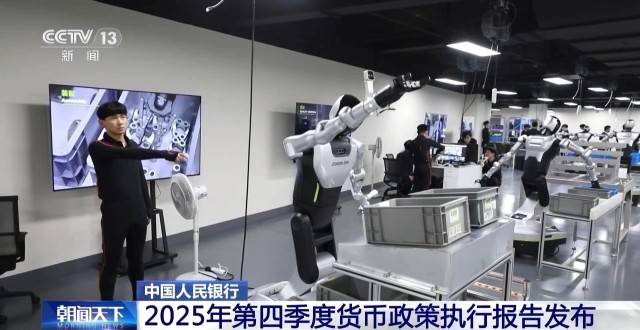
2025年第四季度货币政策执行报告发布
Sou Hu Cai Jing· 2026-02-10 23:08
Core Viewpoint - The People's Bank of China (PBOC) is set to continue its moderately accommodative monetary policy into 2025, aiming to maintain ample liquidity and relatively loose social financing conditions [1] Group 1: Monetary Policy - The report indicates that the effects of the moderately accommodative monetary policy are gradually becoming evident, with a commitment to continue this approach throughout the year [1] - The PBOC plans to leverage monetary credit policy to support key groups in entrepreneurship, employment, and education, while also promoting financial support for consumer services [1] Group 2: Credit Structure - By the end of 2025, the credit structure is expected to continue optimizing, with significant growth in technology loans, green loans, inclusive loans, elderly care industry loans, and digital economy industry loans, all maintaining double-digit growth [1] - The report highlights a focus on reducing the comprehensive financing costs for enterprises through pilot programs [1] Group 3: Currency Stability - The RMB exchange rate is projected to remain stable amid complex conditions, with the closing price against the USD at 6.9890 by the end of 2025, reflecting a 4.4% appreciation compared to the end of 2024 [1]
贵金属风控升级 金店暂停节假日回购,银行清退“三无”客户
2 1 Shi Ji Jing Ji Bao Dao· 2026-02-10 23:06
Core Viewpoint - The recent volatility in gold prices has led to significant adjustments in gold repurchase policies by various gold retailers and banks in China, aimed at risk management and operational efficiency [1][2][3]. Group 1: Adjustments in Gold Repurchase Policies - China Gold announced the suspension of gold repurchase services on non-trading days starting February 7, 2026, to manage risks associated with price volatility [1][2]. - Beijing Caishikou Department Store has also updated its gold repurchase rules, halting services on weekends and holidays, and reducing the daily gold repurchase limit from 200 kilograms to 100 kilograms [2]. - The adjustments include limits on repurchase amounts for individual customers, requiring prior appointments, with the limits dynamically adjusted based on market conditions [2][3]. Group 2: Market Volatility and Risk Management - Analysts indicate that the cancellation of repurchase services by several gold retailers is a cautious response to the rapid price fluctuations and operational pressures faced by these businesses [3]. - The gold market has experienced significant price swings, with daily declines exceeding 10% to 30%, prompting the need for better risk control measures [3]. - The suspension of repurchase services on non-trading days is seen as beneficial for aligning with market pricing mechanisms and controlling risk exposure during periods of high volatility [3]. Group 3: Banking Sector Adjustments - Several banks have begun to limit services for "three no" clients (no holdings, no inventory, no debts) in response to the heightened market risks, with some banks announcing the closure of personal trading channels for gold [4][5]. - Since September 2025, at least 11 banks have issued announcements regarding adjustments to their gold trading services, including halting new transactions and buy orders [5][6]. - The banking sector's tightening of gold trading services reflects a broader trend of increasing risk management measures in response to market volatility [7].
美联储官员:货币政策处良好位置,利率或相当长时间内维持不变
Feng Huang Wang· 2026-02-10 23:01
Core Viewpoint - The current monetary policy is considered to be in a good position, with expectations that the Federal Reserve may maintain interest rates for an extended period [1][2]. Monetary Policy - The Federal Reserve has kept the federal funds rate in the range of 3.5% to 3.75%, following three consecutive rate cuts last autumn [2]. - The current monetary policy is viewed as suitable for a wait-and-see approach, allowing for assessment of recent data before making further adjustments [2]. - The inflation rate is expected to remain close to 3% this year, similar to the previous two years, while the long-term inflation target is set at 2% [2]. Inflation and Costs - There is a need for more decisive evidence that price levels are consistently declining before making any adjustments to interest rates [2]. - Concerns about tariffs impacting prices have been raised, with some companies reporting increased costs due to tariff hikes, leading to price increases for consumers [5]. - Rising electricity prices and healthcare costs are also contributing to overall cost pressures [5]. Employment Market - The labor market appears to be stabilizing, with the unemployment rate at 4.4%, similar to levels from September of the previous year [7]. - Initial jobless claims remain low, although some companies have announced layoffs [7]. - Economic growth is expected to accelerate this year due to previous rate cuts and fiscal support, potentially leading to a stronger labor market and a further decrease in the unemployment rate [7]. Banking System and Central Bank Independence - A robust banking system is crucial for the economy and effective transmission of monetary policy [8]. - The Federal Reserve can ensure the banking system remains a key pillar of economic growth through tailored regulatory adjustments [8]. - Concerns about the independence of the Federal Reserve have been highlighted, particularly in light of external pressures for significant rate cuts, with historical evidence suggesting that countries with weaker central bank independence face higher inflation [8].
实体经济获得更多“源头活水”(锐财经)
Ren Min Ri Bao· 2026-02-10 22:52
Core Insights - The People's Bank of China reported that by the end of Q4 2025, the balance of RMB loans from financial institutions reached 271.91 trillion yuan, marking a year-on-year growth of 6.4%, with an annual increase of 1.627 trillion yuan [1] Group 1: Credit Support - Financial institutions are actively implementing a moderately loose monetary policy to support local economic development [1] - In Hebei, a new loan product for the lantern industry was introduced, with a total credit limit exceeding 470 million yuan [2] - In Gansu, green loans reached 469.5 billion yuan by the end of 2025, increasing by 51.4 billion yuan year-on-year, with a growth rate of 11.7% [2] - In Guangxi, banks issued loans totaling 817.48 billion yuan to 585,400 small and micro enterprises, achieving full coverage of loan targets [2][3] Group 2: Financing Costs - The average interest rate for newly issued corporate loans and personal housing loans was approximately 3.1% in December 2025, a decrease of 2.5 and 2.6 percentage points respectively since the second half of 2018 [4] - The Shandong branch of the People's Bank of China has implemented measures to disclose comprehensive financing costs, benefiting 690,000 loans totaling 2.6 trillion yuan [5] Group 3: Supply and Demand Balance - By the end of Q4 2025, the balance of industrial medium and long-term loans in both domestic and foreign currencies grew by 8.4%, while green loans increased by 20.2% [6] - The China Construction Bank launched a series of consumer promotion activities ahead of the Spring Festival to stimulate demand [7] - Financial institutions are customizing financial solutions for quality enterprises facing temporary funding pressures, as demonstrated by a 3 million yuan loan to a dental clinic in Beijing [7] Group 4: Future Financial Policies - The People's Bank of China plans to continue implementing a moderately loose monetary policy to align the growth of social financing and money supply with economic growth and price level expectations [7]
港股IPO为何如此火爆?丨杨涛专栏
2 1 Shi Ji Jing Ji Bao Dao· 2026-02-10 22:50
Core Viewpoint - The recent developments in Hong Kong's economic and financial landscape have garnered significant attention, with a notable increase in IPO activities and GDP growth projected for 2025, indicating a robust recovery and expansion trend since 2021 [2][3]. Group 1: IPO and Market Dynamics - In 2025, Hong Kong is expected to witness 119 IPOs, with a substantial increase in financing, leading the global market [2]. - The Hong Kong stock market has seen a record net inflow of southbound capital, reaching 1,404.84 billion HKD in 2025, marking a historical high since the launch of the Stock Connect program [2]. - The introduction of new IPO regulations by the Hong Kong Stock Exchange in August 2025 has improved the pricing and allocation mechanisms for new shares, while lowering the listing thresholds for "A+H" issuers [2][3]. Group 2: Capital Inflows and International Participation - Domestic capital is actively participating in the Hong Kong stock market for cross-border asset allocation, contributing to a cumulative net inflow of over 5.1 trillion HKD since the Stock Connect's inception [2]. - International capital is increasingly entering the Hong Kong market, driven by a weaker US dollar and global liquidity conditions, seeking safe returns [2][3]. - The majority of new companies established in Hong Kong in 2025 are engaged in import-export trade, wholesale, and retail, reflecting Hong Kong's status as an international trade and financial hub [4]. Group 3: Technological and Structural Developments - The listing rules for unprofitable biotech companies and specialized technology firms in Hong Kong have encouraged the growth of high-tech enterprises, leading to market valuation premiums [3]. - The Hong Kong government is prioritizing the development of an international innovation and technology center, supported by national policies aimed at enhancing technological self-reliance and productivity [5]. - The synergy between technology and finance is expected to drive structural upgrades in Hong Kong's economy, enhancing its competitiveness as an international financial center [5]. Group 4: Future Development Focus - Future national development priorities include promoting supply-side structural reforms, deepening demand-side reforms, and expanding high-level openness [6]. - Hong Kong is positioned to play a crucial role in enhancing national competitiveness in supply chains and participating in the Greater Bay Area market development [6]. - To achieve these goals, Hong Kong must strengthen its hard and soft power across various dimensions, including economic, industrial, and technological capabilities [6].

通胀顽固难退 两位美联储票委发声:更倾向于维持利率不变
Zhi Tong Cai Jing· 2026-02-10 22:37
Group 1 - The Federal Reserve's newly appointed voting officials express a preference to maintain current interest rates due to concerns about inflation, indicating a cautious approach to future monetary policy adjustments [1][2] - Cleveland Fed President Beth Hammack believes the current monetary policy is at an "appropriate level" and suggests patience in assessing economic data before making further changes [1] - Hammack highlights that inflation remains elevated, with risks of it staying around 3% this year, and emphasizes the need for clear evidence of sustained price declines before supporting further easing [1][2] Group 2 - Dallas Fed President Lorie Logan shares concerns about persistent high inflation, suggesting that previous rate cuts may have inadvertently increased the risk of inflation rebounding [2][3] - Logan notes that the upcoming data will be crucial in determining if inflation is moving towards the Fed's 2% target and whether the labor market remains stable [2] - Both officials acknowledge the impact of tariffs on prices, with some companies passing increased costs to consumers, while also noting rising electricity and healthcare costs contributing to inflationary pressures [2][3] Group 3 - Hammack reports that the U.S. labor market appears stable, with an unemployment rate of 4.4%, indicating a balance between job seekers and vacancies [3] - Logan observes that the downward risks in the labor market have diminished, with strong consumer spending and business investment expected to support employment [3] - Hammack anticipates that economic growth will accelerate this year due to previous rate cuts and fiscal support, potentially leading to improved employment and a gradual decrease in the unemployment rate [3]