可再生能源

Search documents
印度尼西亚达南塔拉主权财富基金与日本国际协力银行签署谅解备忘录,后者将联合资助印尼可再生能源及输电项目。
news flash· 2025-07-11 07:13
Core Viewpoint - The Indonesia Investment Authority (INA) has signed a memorandum of understanding with the Japan International Cooperation Agency (JICA) to jointly fund renewable energy and transmission projects in Indonesia [1] Group 1: Company Initiatives - The partnership aims to enhance Indonesia's renewable energy sector through collaborative funding efforts [1] - JICA's involvement signifies a commitment to support Indonesia's transition towards sustainable energy solutions [1] Group 2: Industry Impact - This collaboration is expected to boost investment in Indonesia's renewable energy infrastructure, aligning with global trends towards sustainable energy [1] - The initiative reflects a growing interest from international entities in financing renewable energy projects in Southeast Asia [1]
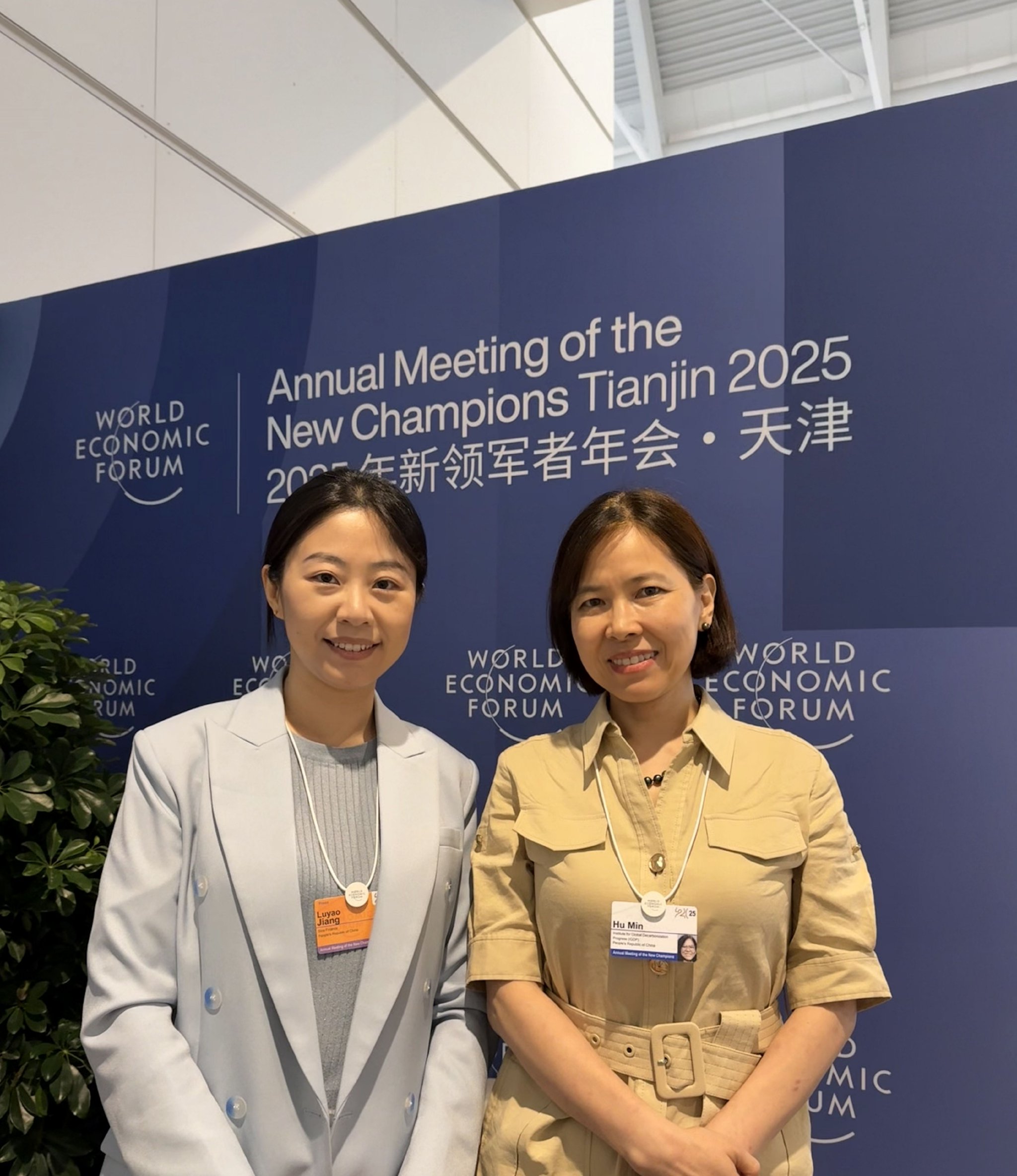
iGDP创始人胡敏:当前应对气候变化最紧迫的问题 是确保绿色技术的全球流通
Xin Lang Cai Jing· 2025-07-11 01:31
Group 1: Climate Change and Global Goals - 2024 is confirmed as the hottest year on record, with ongoing heatwaves in 2025, making the achievement of global climate goals increasingly challenging [1][10] - The international consensus indicates that achieving the target of limiting global warming to 1.5°C is highly difficult, with significant policy uncertainties in various countries, particularly the U.S. [6][10] - China is considering comprehensive management of various greenhouse gases, which is crucial for achieving short-term temperature control goals [6][10] Group 2: Renewable Energy and Technology - Renewable energy has strong market competitiveness, and despite political shifts in the U.S., market forces continue to drive energy structure adjustments [6][11] - The integration of cooling load into virtual power plant systems can significantly reduce peak electricity demand, showcasing the potential of demand-side management [12] - The promotion of low-cost cooling technologies is essential, especially in developing countries, to address cooling needs sustainably [12][13] Group 3: Green Technology Trade and Supply Chain - The most pressing issue is to facilitate the trade of clean energy technologies globally, avoiding excessive trade barriers that hinder the flow of green technology [14][15] - The supply chain for green technologies is affected by geopolitical factors, and ensuring its smooth operation is critical for energy transition [15] - China has made significant contributions to climate action, with many countries exceeding their Nationally Determined Contributions (NDCs) [15][16] Group 4: Systematic Planning and Efficiency - Systematic planning is necessary for renewable energy development in desert areas, including the installation of solar panels and energy storage capacity [16] - The steel industry in China has achieved leading energy efficiency standards, but further optimization in process design and material efficiency is needed [17] - The concept of "just transition" is crucial, emphasizing the need for systematic approaches in transitioning from coal to renewable energy [18][19]

中信证券:消纳责任权重大幅提升,为绿电消纳保驾护航
news flash· 2025-07-11 00:09
Core Viewpoint - The report from CITIC Securities indicates a significant increase in the responsibility weight for non-hydropower renewable energy consumption by 2025, which is expected to support approximately 460 billion kilowatt-hours of green electricity consumption this year [1] Group 1: Renewable Energy Consumption - The increase in responsibility weight for green electricity consumption is expected to provide strong support for green electricity consumption in the current year [1] - The growth in responsibility weight is notably uneven, particularly in the Sanbei region, where the increase may stagnate, potentially affecting the pricing settlement mechanism for electricity [1] - This stagnation could lead to a slowdown in local installed capacity growth and a return to rational investment in the industry [1] Group 2: High Energy Consumption Industries - Following the inclusion of electrolytic aluminum, industries such as steel, cement, and polysilicon are now subject to green electricity consumption ratio assessments, which may further ensure green electricity consumption and promote the development of the green electricity and green certificate market [1] Group 3: Coastal Areas and Carbon Reduction - The coastal areas are expected to benefit from significant incremental consumption space and an increasing demand for carbon reduction from users, which may lead to rapid development of the direct connection model for green electricity [1]

国际能源署:2025年全球能源投资预计达3.3万亿美元,中国贡献显著
Zheng Quan Shi Bao Wang· 2025-07-10 10:58
Core Insights - The International Energy Agency (IEA) released the "World Energy Investment 2025" report, highlighting the global energy investment landscape for 2024 and assessing risks and opportunities in various energy sectors [1] Investment Overview - Global energy investment is projected to reach $3.3 trillion in 2025, a 2% increase year-on-year, with approximately $2.2 trillion directed towards renewable energy, nuclear, grids, and electrification, while traditional energy investments in oil, gas, and coal are expected to total around $1.1 trillion [1] - The report indicates that despite geopolitical tensions and economic uncertainties, existing project expenditures have not been significantly affected [1] Regional Insights - In Africa, energy investment is expected to decline by one-third compared to 2015, with clean energy investments accounting for only 2% [2] - The IEA calls for increased international funding for clean energy projects in developing economies, emphasizing China's leadership in providing clean energy products, particularly in electric vehicles, photovoltaics, solar products, and green technologies [3][4] China's Role - China accounts for over 25% of global energy investments from 2015 to 2025, playing a significant role in the clean energy investment landscape [5] - The country has seen a surge in investments in the electricity sector, particularly in solar, photovoltaic, and wind energy [7] Trends in Energy Investment - The shift towards an electrified era is reshaping the structure and trends of energy investments, with global electricity sector investments expected to reach $1.5 trillion by 2025, driven by increased demand in industrial cooling, electric mobility, data centers, and artificial intelligence [6] - The IEA emphasizes that the future of global energy investment trends is heavily influenced by developments in China [6]
这些成就亮眼提气
Sou Hu Cai Jing· 2025-07-09 23:13
Economic Growth and Contributions - China's economic increment over the next five years is expected to exceed 35 trillion yuan, contributing approximately 30% to global economic growth annually [1] - The average economic growth rate in the first four years reached 5.5%, a historically unprecedented achievement given the country's size and growth increment [1] - From 2021 to 2024, China's economy maintained an average growth rate of 5.5%, with domestic demand contributing an average of 86.4% to economic growth [1] Research and Development - By 2024, total R&D expenditure is projected to increase by nearly 50% compared to the end of the 13th Five-Year Plan, reaching an increment of 1.2 trillion yuan [1] Private Sector Growth - The number of private enterprises has increased to over 58 million, representing a growth of more than 40% since the end of the 13th Five-Year Plan [1] Energy Efficiency and Emissions - The energy consumption per unit of GDP has decreased by a cumulative 11.6% over four years, equivalent to a reduction of 1.1 billion tons of CO2 emissions, close to 50% of the EU's total emissions in 2024 [1] Marine Economy - By 2024, the total marine economy is expected to surpass 10 trillion yuan, with shipping volume and container throughput accounting for about one-third of the global total [1] Manufacturing Sector - The annual added value of the manufacturing sector has consistently exceeded 30 trillion yuan, maintaining China's position as the world's leading manufacturing hub for 15 consecutive years [1] Foreign Investment - From 2021 to May of this year, foreign direct investment in China totaled 4.7 trillion yuan, surpassing the total for the entire 13th Five-Year Plan period [3] Renewable Energy - China has established the world's largest and fastest-growing renewable energy system, with installed renewable energy generation capacity reaching 2.09 billion kilowatts, more than doubling since the end of the 13th Five-Year Plan [3] New Energy Vehicles - By 2024, the number of new energy vehicles is projected to reach 31.4 million, a more than fivefold increase from 4.92 million at the end of the 13th Five-Year Plan [4] Employment and Healthcare - Annual urban employment growth is stabilized at over 12 million, achieving relatively full employment in a country with a population of over 1.4 billion [5] - The number of practicing physicians per thousand people has increased from 2.9 to 3.6, and life expectancy has risen to 79 years [5]
美清洁能源转型遇挫:特朗普法案使可再生能源产业面临“核反应堆级”倒退
智通财经网· 2025-07-09 23:07
Core Points - The new legislation signed by Trump significantly reduces tax incentives for wind and solar energy projects, marking a major setback for the U.S. clean energy transition [1] - The policy reversal is expected to lead to a reduction of approximately 300 gigawatts of wind and solar capacity over the next 15 years, equivalent to the output of 300 nuclear reactors [1] - The new policy may impact the competitiveness of the U.S. in the global clean energy race and could lead to rising domestic electricity prices, affecting consumers and businesses [1] Industry Impact - The policy shift is seen as a comprehensive reversal of the clean energy incentives established under Biden's Inflation Reduction Act, which aimed to lower clean energy costs amid increasing electricity demand [1] - The fossil fuel industry and some Republican lawmakers support this policy change, but rising electricity costs may lead to backlash from voters in states with significant renewable energy investments [1] - The uncertainty in U.S. energy policy raises concerns among Silicon Valley tech giants, as it relates to competition with China in advanced technology sectors like artificial intelligence [1][2] Political Dynamics - The policy reversal is expected to have profound effects on the U.S. clean energy industry, reflecting the political polarization and uncertainty surrounding climate policy in the U.S. [2] - Some lawmakers from green energy states may support the legislation despite it seemingly contradicting their constituents' interests, highlighting the complex political dynamics at play [2]
(进博故事)葡企逐梦进博 叩响“机遇之门”
Zhong Guo Xin Wen Wang· 2025-07-09 17:38
Group 1 - Portuguese products, especially wine and olive oil, are increasingly favored by Chinese consumers, with growing attention year by year [1][2] - The China International Import Expo (CIIE) has proven beneficial for Portuguese companies, facilitating transactions and establishing new relationships [2][5] - The participation of Portuguese companies in CIIE has increased, with many companies expressing high enthusiasm for the event [3][5] Group 2 - The CIIE provides an opportunity for Portuguese companies to understand the Chinese market and consumer trends, making it a strategic first step for market entry [6][10] - Portuguese companies have successfully established business connections and initial cooperation intentions with Chinese e-commerce platforms like Tmall International [5][8] - The event has significantly enhanced the visibility of Portuguese brands in China, with many companies reporting substantial sales growth after participating [8][10] Group 3 - There is a strong desire among Portuguese companies to expand cooperation beyond the food industry, particularly in technology innovation and renewable energy [10][11] - The collaboration potential between China and Portugal in emerging industries such as blue economy and electric vehicles is highlighted, with both countries emphasizing technological innovation and green development [10][11] - The eighth CIIE is expected to attract more Portuguese enterprises, showcasing their products and exploring new market opportunities in China [11]

一文读懂“大漂亮”法案对美国各行业意味着什么?
Hua Er Jie Jian Wen· 2025-07-09 08:21
Core Viewpoint - The recently passed "Big Beautiful" bill is significantly transforming the American business landscape, redefining the winners and losers among various industries [1] Private Equity and Fossil Fuels - The private equity industry, valued at $13 trillion, is one of the biggest beneficiaries of the bill, retaining the "carried interest" tax loophole [2][3] - This loophole allows traders to pay performance profit taxes at a lower long-term capital gains tax rate, saving the industry billions annually [3] - The bill also extends fixed debt interest tax deductions and depreciation benefits, lowering tax rates for many private equity-backed companies [4] Retail Industry - The bill reduces federal food assistance, with the Supplemental Nutrition Assistance Program (SNAP) expected to see a $9 billion cut next year, impacting grocery spending [5][6] - Companies like Conagra, Kellogg, and Kraft Heinz may face sales pressure due to their reliance on SNAP user spending [6] - The bill eliminates tariff exemptions for imported goods valued under $800, benefiting brick-and-mortar retailers while pressuring small businesses [6] Healthcare Industry - The healthcare sector avoided severe cuts, with Medicaid funding reductions being less than anticipated [7][8] - For-profit hospital chains like Tenet Healthcare and HCA Healthcare saw stock price increases, although predictions indicate that 11.8 million Americans may lose health insurance by 2034 [8] - Smaller hospitals, heavily reliant on Medicaid, may struggle more than larger institutions [9] Energy Sector - The energy industry is experiencing a split impact, with coal unexpectedly benefiting from tax credits for metallurgical coal production [10] - Zero-carbon energy sources like geothermal and nuclear retain substantial tax credits, while many solar and wind projects will lose investment and production tax credits [10] - The cancellation of electric vehicle tax incentives may lead to contractor bankruptcies, as the total credits for 2023 amount to $8.4 billion [10] Technology Sector - The technology sector, particularly companies like Tesla, faces significant challenges due to the loss of electric vehicle tax incentives and new AI regulations [11] - Private aerospace companies like SpaceX and Blue Origin benefit from provisions allowing municipal bond financing for spaceports [11] Defense Industry - The defense sector is a major winner, with an additional $150 billion in budget increases, pushing total defense spending towards $1 trillion [12][13] - Traditional defense contractors like Lockheed Martin and emerging tech firms like Anduril and Palantir are expected to benefit from increased funding for missile defense and naval capabilities [13] Higher Education - The bill imposes an 8% tax on investment income for wealthy universities, affecting only 16 institutions, with Harvard expected to lose $267 million annually [14] - Cuts to student loans and support may indirectly raise university costs, straining state funding for public universities [14]





汇总丨我国5年经济增量预计将超35万亿元 “十四五”成绩单来了
Xin Jing Bao· 2025-07-09 06:33
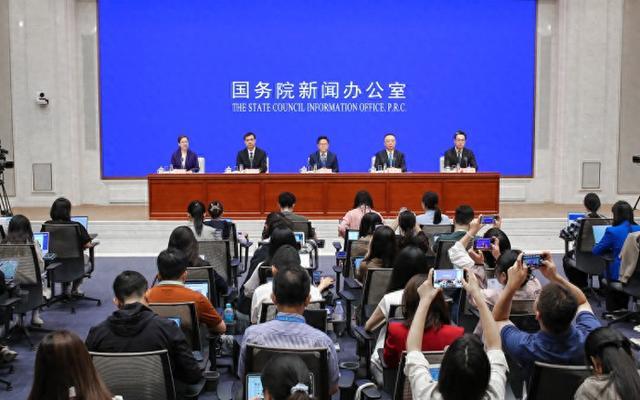
7月9日,国新办举行"高质量完成'十四五'规划"系列主题新闻发布会。首场发布会由国家发展改革委相 关负责人介绍"十四五"时期经济社会发展成就。 会上,国家发展改革委主任郑栅洁介绍,年前制定的规划纲要设定的主要指标中,经济增长、全员劳动 生产率、全社会研发经费投入等指标进展符合预期;常住人口城镇化5率,人均预期寿命,粮食、能源 综合生产能力等8项指标进展超预期;规划确定的战略任务全面落地,部署的102项重大工程稳步顺利推 进。总的来看,经济社会发展取得了新的开创性进展、突破性变革、历史性成就。 "十四五"期间取得了哪些成绩?哪些数据和你的生活息息相关?新京报帮你划重点。 图片来源:国新办官网 【经济发展】 我国"十四五"期间经济增量预计将超过35万亿元 国家发展改革委主任郑栅洁表示,我国5年经济增量预计将超过35万亿元,相当于广东、江苏、山东也 就是排名前3经济大省2024年的总量,超过长三角地区的总量,也超过世界排名第3国家的总量,每年对 世界经济增长的贡献率保持在30%左右。"十四五"的前4年我国经济增速平均达到5.5%。 郑栅洁表示,"我国这么大的体量和增量,又经受了世纪疫情、贸易霸凌等冲击,在这么大的基 ...
双碳研究 | AI用电激增!中国电网如何接招?
Sou Hu Cai Jing· 2025-07-08 15:27
Group 1 - China's national grid plans to add an unprecedented 500 gigawatts of renewable energy capacity this year, coinciding with the rapid development of artificial intelligence technology, which is driving electricity consumption higher [3][4] - The plan includes a record addition of 140 gigawatts from wind power, representing a 77% increase compared to last year, equivalent to the capacity of the Three Gorges Project [5] - Solar power installations are expected to reach 380 gigawatts this year, marking a significant 35.5% increase from the previous year, showcasing China's commitment to optimizing its energy structure [6] Group 2 - The rapid development of AI technology has significantly altered global energy consumption patterns, particularly in the innovative Chinese market, leading to exponential growth in electricity consumption for data centers [7] - Upgrading existing energy infrastructure is essential to meet the rigid electricity demands of the AI industry, with a focus on increasing the share of renewable energy [9] - China's strong positioning in renewable energy development serves multiple strategic considerations, including economic growth, ecological civilization, and geopolitical dynamics, ensuring long-term energy stability and independence [10]