
石油

Search documents
美以空袭伊朗将影响这些投资品【投资前瞻3.2—3.6】
和讯· 2026-03-01 04:08
Macro and Financial - In 2025, China's GDP reached 140,187.9 billion yuan, growing by 5.0% year-on-year, with the primary, secondary, and tertiary industries growing by 3.9%, 4.5%, and 5.4% respectively [9][10] - The RMB exchange rate surged by 600 basis points over three days, with the central bank reducing the foreign exchange risk reserve ratio to stabilize expectations [11] - The military conflict between the US and Iran has raised concerns over global oil supply, with Brent crude oil prices reaching $72.48 per barrel, up 1.38% from February 23 [12][15] Capital Market - CITIC Securities indicated that price increases remain a core configuration clue for the short term, with A-shares expected to continue their spring rally [19] - The small metals sector saw significant inflows, with net capital inflow of 4.065 billion yuan, leading to a surge in stock prices for several small metal companies [19][20] - Zimbabwe announced an immediate suspension of all raw and lithium concentrate exports, which could lead to a widening lithium resource gap in 2026 [20][21] Business and Industry - Moore Threads reported a revenue of 1.505 billion yuan for 2025, a 243.37% increase year-on-year, despite a net loss of 1.024 billion yuan [27][28] - Laopuyuan Gold implemented a price increase of 20% to 30% in 2026, leading the industry in price adjustments [29] - JD.com announced that its food delivery service has captured over 15% of the market share, with plans to increase this to 30% by 2026 [30]


市场焦点“霍尔木兹海峡”:理论上开放,但“船只掉头”,保费飙升
华尔街见闻· 2026-03-01 03:14
美伊局势骤然紧张, 市场担忧霍尔木兹海峡的石油运输通道受阻 ,油价上涨预期升温,全球经济面临的通胀挑战变得更加严峻。 与此同时,美国总统特朗普表示,美方正发起一项重大作战行动,其打击目标远比去年针对伊朗核设施的行动更为广泛。 局势持续升级,引发全球能源市场高 度关注。 据央视新闻,英国海事贸易行动办公室获悉, 霍尔木兹海峡目前仍然开放,但建议谨慎通过。 此前有消息称伊朗方面关闭了霍尔木兹海峡。截至目前,伊朗 官方始终未就此事发表声明。 据新华社报道,伊朗伊斯兰革命卫队已向过往商船发出无线电警告,称霍尔木兹海峡目前"不安全"。 多家大型贸易商随即宣布暂停经该海峡的石油运输,保险 商也紧急取消或大幅调整相关保单条款。 霍尔木兹海峡是全球最重要的能源出口通道,全球每日约五分之一的石油消费量经此流通。市场人士警告,霍尔木兹海峡无需全面封锁, 单是骚扰、扣押油轮 等低烈度摩擦,便足以推高全球运费,加剧石油供应担忧。 "这场战争的影响可能非常广泛,石油是全球经济诸多领域的重要原料。货币政策和通货膨胀可能会受到连锁反应的影响。" 贸易商暂停运输,油轮纷纷掉头 美国战争委员会地缘研究中心主任爱德华·菲什曼表示: 据劳氏船舶日 ...
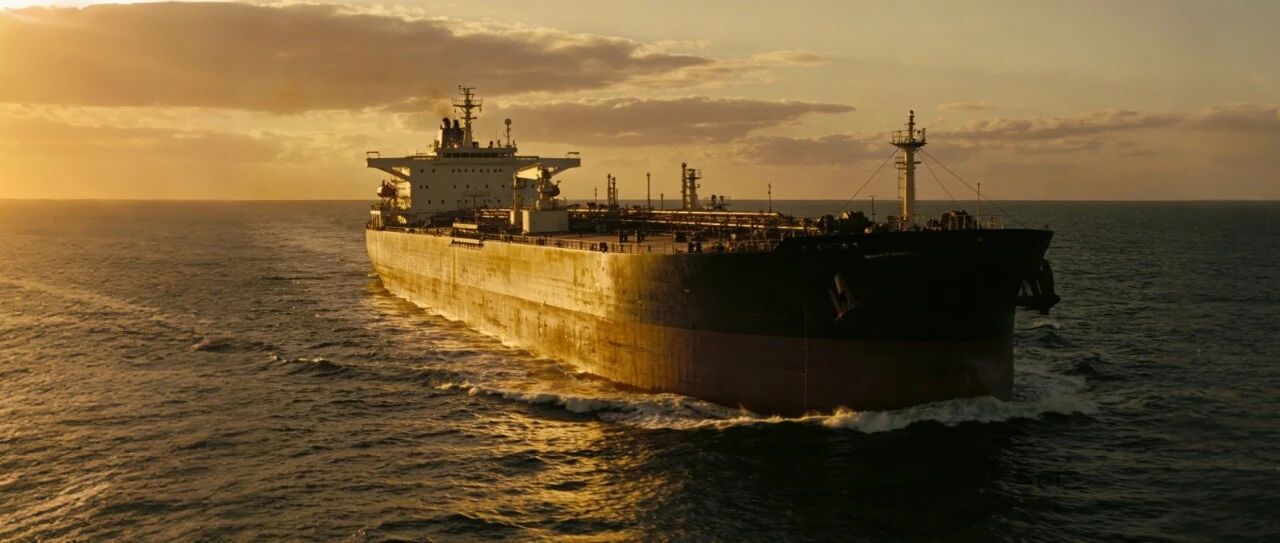
Iran conflict raises talk of a return to $100-a-barrel oil
MarketWatch· 2026-02-28 19:39
Core Viewpoint - The U.S. and Israel's attack on Iran poses a significant risk to a major source of global crude oil, potentially leading to a resurgence in oil prices towards $100 per barrel [1] Group 1 - The attack highlights geopolitical tensions in the Middle East, which can directly impact oil supply and pricing [1] - Concerns are raised regarding the stability of oil markets due to the conflict, as Iran is a key player in the region's oil production [1] - The situation may lead to increased volatility in oil prices, affecting both consumers and industries reliant on oil [1]

申万宏源策略一周回顾展望:也谈谈“HALO交易”
Shenwan Hongyuan Securities· 2026-02-28 14:06
Group 1 - The report discusses the "HALO trade," indicating that the market is beginning to speculate on changes in industry organization forms due to the AI era. Industries that may be replaced by AI, those with weakened barriers leading to compressed excess profits, and tech leaders that may not continue to succeed are all being reassessed, leading to downward pressure on valuation centers [4][5][6] - The report emphasizes that the current thinking about the endgame of AI is difficult to cover all key factors. The market tends to project tech industry trends to their ultimate capabilities but often fails to consider the gradual changes in productivity, production relations, and political systems that will inevitably occur during AI's advancement [4][6] - Strategic assets that are not easily replaceable are highlighted as core investment clues, especially in the context of great power competition. The inflation logic surrounding strategic resources and energy in the AI era may be further reinforced [5][6] Group 2 - Short-term market characteristics observed post-Spring Festival show that A-shares reflect a weak response to long-term tech narratives but a strong response to visible "new and old economic inflation." This is related to the "HALO trade" and the impact of Federal Reserve easing expectations [8][9] - The report maintains the mid-term projection of a "two-phase upward market," with the spring 2026 market expected to extend the structural market of 2025. Currently, the overall PE valuation of A-shares is at a historical high, indicating an inherent demand for market consolidation [9] - The report identifies short-term inflation directions as a major source of structural advantage, with cyclical products like steel and coal experiencing short-term price increases, although the sustainability of these price hikes is uncertain [10] Group 3 - Mid-term structural recommendations remain unchanged, focusing on growth tech and cyclical alpha. Key areas of interest in growth tech include overseas computing power chains, AI applications, semiconductors, robotics, commercial aerospace, and energy storage [10] - The report suggests that the extension of cyclical alpha investments may involve export or overseas chains, and there is a positive outlook on the revaluation opportunities in non-bank financials [10]
刚刚,中东炸了,全球市场要变天!
凤凰网财经· 2026-02-28 10:09
Group 1: Core Views - The military conflict between the US and Iran has escalated, leading to a significant increase in geopolitical risks that could impact global energy, finance, and supply chains [1] - The conflict has resulted in a joint airstrike by the US and Israel on Iran, marking a shift from high-pressure negotiations to actual military engagement [1] Group 2: Energy Market Impact - The Strait of Hormuz, which accounts for approximately 30% of global seaborne oil and 20% of liquefied natural gas trade, is under threat, potentially leading to a daily oil supply shortfall of 18 million barrels if shipping is disrupted [2] - Historical precedents indicate that geopolitical tensions in the Middle East can lead to sharp increases in oil prices, with Brent crude oil prices soaring nearly 70% during the Gulf War and over 20% following the 2019 attacks on Saudi oil facilities [2] Group 3: Speculative Trading and Price Predictions - Speculative trading in the oil market is expected to rise due to concerns over supply disruptions, which could further elevate oil prices [3] - As of February 27, 2026, oil prices have already surged, with light crude futures rising to $67.02 per barrel and Brent crude futures reaching $72.48 per barrel, exceeding previous forecasts [6] Group 4: Inflation and Economic Implications - Rising oil prices are likely to transmit inflationary pressures globally, complicating the policy decisions of central banks between combating inflation and supporting economic growth [9] - A $10 increase in oil prices could raise global CPI by approximately 0.3-0.7 percentage points and reduce global GDP growth by about 0.1-0.2 percentage points [9] Group 5: Financial Market Reactions - The financial markets have entered a risk-averse mode, with gold prices experiencing significant increases, reflecting heightened demand for safe-haven assets [11] - Conversely, risk assets have come under pressure, with US stock indices showing signs of decline amid concerns over the conflict's escalation [13] Group 6: Supply Chain Disruptions - The conflict could disrupt key supply chains, particularly affecting the delivery of critical materials such as semiconductors and chemicals, with potential delays of 2 to 3 months [13][14] - Iran's role as a significant exporter of industrial raw materials and chemicals means that any supply interruptions could lead to increased prices for related products [14] Group 7: Conflict Escalation and Market Uncertainty - The likelihood of a full-scale war remains uncertain, influenced by various domestic and international factors affecting the US and Iran [15] - The US's low dependency on oil from the Strait of Hormuz suggests that a limited confrontation may not significantly impact its energy supply, potentially allowing for short-term benefits in its energy sector [17]
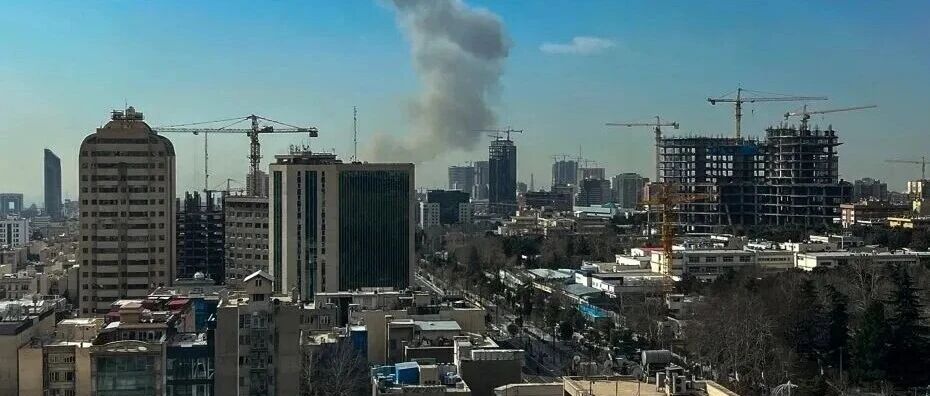
战火重燃!深度拆解伊朗战争对大宗商品的冲击路径
对冲研投· 2026-02-28 09:25
Core Viewpoint - The recent military conflict between Israel and Iran marks a significant escalation in Middle Eastern geopolitics, with potential far-reaching impacts on global financial markets and commodity prices [1][21]. Group 1: Historical Context - The enmity between the U.S. and Iran has historical roots dating back to the 1953 CIA-led coup that overthrew Iran's democratically elected Prime Minister, leading to decades of hostility [2]. - The 1979 Islamic Revolution and subsequent hostage crisis solidified the adversarial relationship, with the U.S. being labeled as the "Great Satan" by Iranian leaders [2]. Group 2: Israel's Military Action - Israel's military strike against Iran is driven by existential security concerns, particularly regarding Iran's nuclear program, which Israel perceives as a direct threat [3]. - The military operation was reportedly planned in advance, with Israeli officials stating that diplomatic avenues had been exhausted [3]. Group 3: Iran's Industrial Reality - Despite being an energy powerhouse, Iran's industrial capabilities are limited, with a manufacturing value added of only $82.6 billion in 2022, significantly lower than that of major economies [5][6]. - Iran's economy is heavily reliant on oil and gas, with over 90% of its exports being resource-based, indicating a lack of industrial diversification [5]. Group 4: Commodity Market Impacts - The conflict has triggered a "risk pricing" mechanism in the commodity markets, particularly affecting energy and chemical sectors due to Iran's significant role in global supply chains [8]. - Oil prices are expected to rise sharply due to fears of supply disruptions, with Iran producing approximately 3.3 million barrels per day, of which nearly 2 million are exported [9]. Group 5: Precious Metals and Safe-Haven Assets - Gold is anticipated to see a surge in demand as a safe-haven asset, driven by heightened geopolitical tensions and inflationary pressures [11]. - Silver, while benefiting from similar safe-haven dynamics, may experience less volatility compared to gold due to its industrial applications [12]. Group 6: Broader Financial Market Reactions - The U.S. dollar is likely to strengthen in the short term as investors seek safety, although long-term gains may be limited by fiscal deficits and inflation concerns [14]. - U.S. equities are expected to face downward pressure, particularly in sectors sensitive to fuel costs, while defense and energy stocks may benefit from the conflict [16][17]. - The A-share market in China may experience mixed effects, with potential inflows into defensive assets but also pressures from rising input costs and supply chain disruptions [18].

预感到什么?俄罗斯伊朗大打价格战,大批低价石油加紧运往中国
Sou Hu Cai Jing· 2026-02-28 04:16
Group 1 - In February, India's crude oil imports from Russia decreased by over 40% compared to January, with daily imports dropping to only 600,000 barrels [1] - The reduction in Russian oil imports by India has led to a reallocation of this crude oil to the Chinese market, intensifying price competition with Iranian oil [1] - Russian Ural crude is currently priced at a discount of $12 per barrel compared to Brent crude in Chinese ports, with this discount narrowing by $2 since January [1] Group 2 - The accumulation of Russian oil in floating storage and tankers waiting for buyers in the Yellow Sea is a rare occurrence, indicating a mismatch between Russian Ural crude and Chinese refinery needs [3] - Chinese refineries prefer ESPO crude from Russia's Far East due to its lower sulfur content and shorter transportation time, making Ural crude less attractive without significant discounts [3] Group 3 - Iran's economic situation is dire due to long-term sanctions, with rising inflation and currency devaluation, making it increasingly reliant on China as a buyer of its oil [5] - The price war for oil has become a matter of survival for Iran, as the number of buyers willing to purchase Iranian oil without fearing U.S. pressure has dwindled [5] Group 4 - China's oil consumption is projected to reach 762 million tons by 2025, reflecting a 1.1% increase from the previous year, driven by strong demand across various sectors [7] - China's strategy of diversifying its energy imports aims to mitigate geopolitical risks and ensure a stable energy supply, moving beyond reliance on traditional suppliers [7] - By maintaining large-scale oil imports, China supports international oil prices and establishes itself as a reliable long-term customer, enhancing its standing in the global energy market [7]
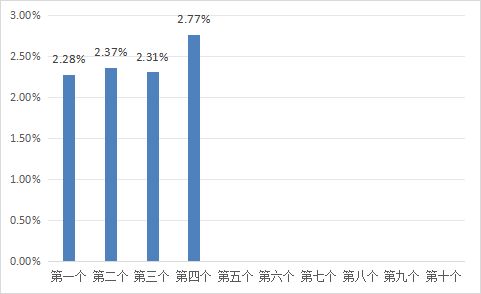
2月27日一揽子原油平均价格变化率为2.77%
Xin Lang Cai Jing· 2026-02-28 04:15
Group 1 - The average price change rate of a basket of crude oil was reported at 2.77% on February 27 [1] - Domestic gasoline and diesel prices are adjusted based on international crude oil price changes every 10 working days, with the adjustment effective at 24:00 on the announcement date [3] - The current pricing cycle's fourth working day is February 28, with the next adjustment window opening at 24:00 on March 9 [4]
克罗地亚总理说可“借道输油” 斯洛伐克出口商说“并非长久之计”
Xin Lang Cai Jing· 2026-02-28 03:42
欧盟委员会25日说,克罗地亚正在评估该国是否能在合法框架内经海运进口俄罗斯原油,再经亚得里亚 输油管道输往匈斯两国。亚得里亚输油管道起自克罗地亚港口奥米沙利,通往克罗地亚及欧洲南部和中 部的炼油厂。该管道经营方同日说,已有一批非俄产原油到货、准备输往匈方炼油厂,到4月还有7批原 油到港。 "友谊"输油管道是俄罗斯向中东欧输送原油的大型管网系统,起点位于俄罗斯西南部萨马拉州,南线经 乌克兰通往捷克、斯洛伐克和匈牙利。乌方称,由于该管道在俄方袭击中遭破坏,1月27日起输油中 断。但匈牙利和斯洛伐克两国并不接受乌方说法,指认乌方出于"政治动机"故意推迟恢复管道输油。斯 洛伐克政府2月18日宣布,该国自19日起进入"石油紧急状态",决定拨出最多25万吨储备油供斯洛伐克 石油化工厂使用。(沈敏) 不过,据俄新社27日报道,斯洛伐克出口商委员会表示,经其评估,经克罗地亚境内管道输油方案受线 路运力和基础设施所限,仅能满足一时之需,"长远来看无法替代充足和稳定的供应方案"。 来源:新华网 新华社北京2月28日电 克罗地亚总理安德烈·普连科维奇说,克方愿意经由境内亚得里亚输油管道为匈牙 利和斯洛伐克输送石油,并与匈斯两方以及 ...
福佳大化取得吸附塔停车降温系统及方法专利
Sou Hu Cai Jing· 2026-02-28 03:20
Group 1 - The core point of the article is that Dalian Fookia Chemical Co., Ltd. has obtained a patent for a "Cooling System and Method for Adsorption Tower Shutdown" with the authorization announcement number CN115779633B, applied for on December 2022 [1] - Dalian Fookia Chemical Co., Ltd. was established in 2006 and is located in Dalian City, primarily engaged in the petroleum, coal, and other fuel processing industries [1] - The company has a registered capital of 1,495.362748 million RMB and has made investments in 8 enterprises, holding a total of 415 patents and 747 administrative licenses [1]