
家电

Search documents
中国蓝观察丨“国补”点燃消费市场 浙江多地迎来新年“开门红”
浙江“国补”新政策范围再扩容
Xin Lang Cai Jing· 2026-01-15 14:10
新一轮消费品以旧换新政策落地后,浙江多地消费市场持续升温,迎来新年"开门红"。 增幅达50%以上 嘉兴桐乡各大家电卖场迎来消费热潮 连日来,广大消费者趁着"国补"政策实施这一契机,开启了"买买买"模式,嘉兴桐乡各大家电卖场再次迎来消费热潮。 记者在浙北大厦四楼家电专卖区看到,不少品牌方都将"国补"优惠政策放在显眼位置,导购员边讲解,边向市民推荐合适的家电。据介绍,自1月1日"国 补"实施以来,家电销量明显提升,比去年12月"国补"暂停期间,增幅明显。 同样销售火爆的还有3C家电市场。在该商场一楼的3C数码产品店铺内,各类新款手机、电脑、电视机等数码产品也勾起了不少市民的消费欲望。自"国 补"政策实施一个多星期以来,店内日均销售额增幅明显,其中手机品类销售额翻了一番,家电类增幅也达50%以上。 绿色消费热潮涌动 海宁节能智能产品受青睐 临近中午,海宁建材市场家电销售区已有不少顾客,市民趁着刚刚上新的国补政策,专程赶来选购自己心仪的家电。市民周先生正在装修新房,元旦前就 相中了一款冰箱,今年新的国补政策让他得到了更大的实惠。 "去年年底就是想买,但是又怕价格太贵。"市民周先生表示:"据说今年还有国补,这两天正好过 ...


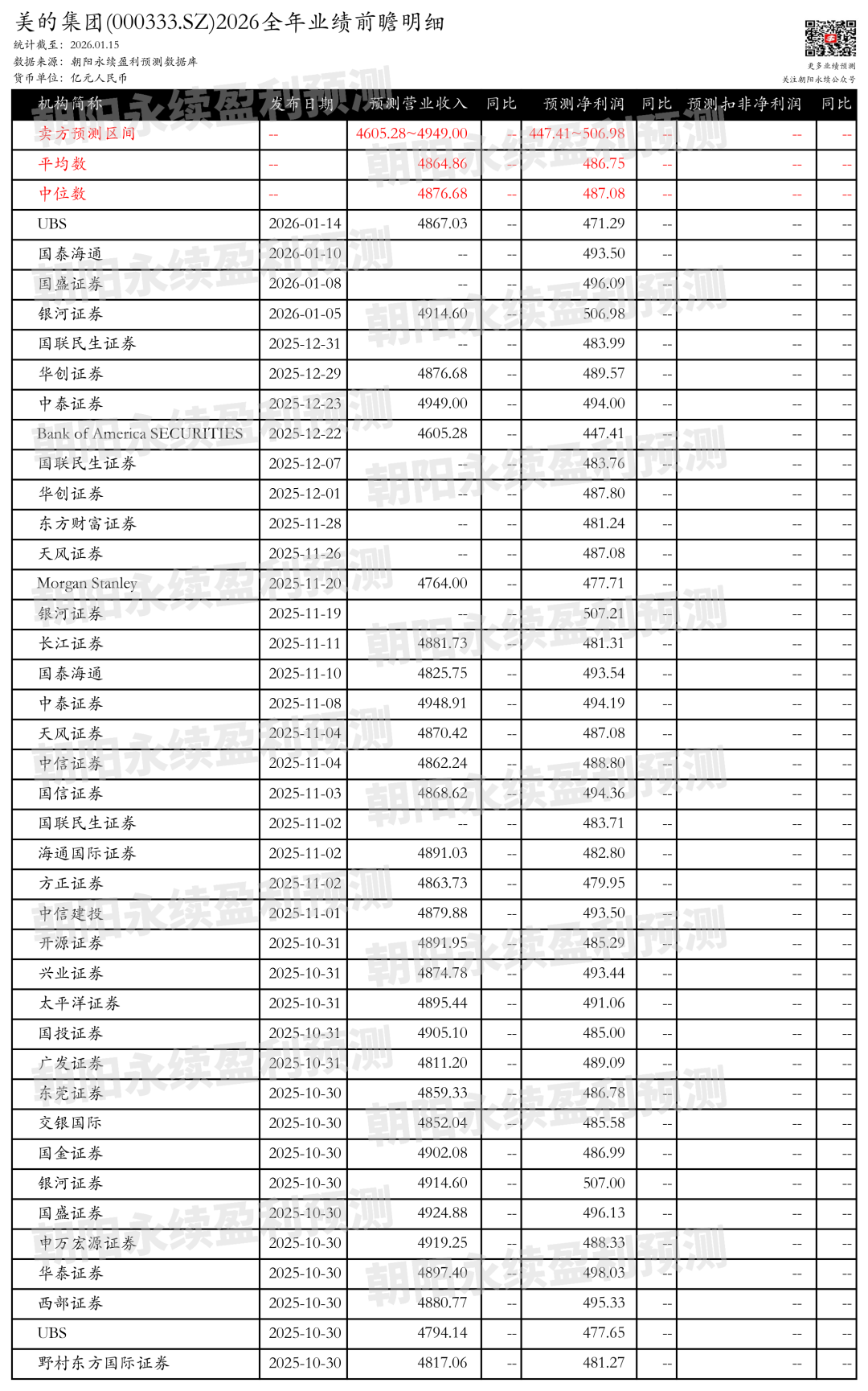
美的集团:2B业务增长,并购整合加速,预测全年营业收入4605.28~4949.00亿元
Xin Lang Cai Jing· 2026-01-15 14:09
Core Viewpoint - Midea Group's projected annual revenue is between 460.53 billion to 494.90 billion yuan, with a net profit forecast of 44.74 billion to 50.70 billion yuan for the year ending January 15, 2026, indicating strong growth expectations [1][5]. Revenue and Profit Forecasts - The average revenue forecast from various institutions is 486.49 billion yuan, with a median of 487.67 billion yuan [2][6]. - The predicted net profit average is 486.75 billion yuan, with a median of 487.08 billion yuan [2][6]. - UBS forecasts revenue of 486.70 billion yuan and net profit of 47.13 billion yuan [2][6]. Business Segments - **Medical Sector**: Midea Group has strengthened its global competitiveness in medical imaging equipment through the acquisition of Carestream International, gaining access to overseas sales networks and advanced technology platforms [3][8]. - **2B Business Growth**: The revenue share from Midea's 2B business has increased from 18.5% in 2020 to 25.7% in the first half of 2025, reflecting robust growth in industrial technology and automation sectors [4][8]. - **Home Appliance Domestic Sales**: Midea's air conditioning division has implemented a tiered pricing strategy to counter rising costs and maintain stable growth amid market challenges [4][8].

广货焕新“佛山样本”:家电产业穿越新消费周期
2 1 Shi Ji Jing Ji Bao Dao· 2026-01-15 13:49
Core Insights - The article highlights the enduring legacy of the Guangdong appliance industry, particularly in Foshan, showcasing its evolution from imitation to innovation and global leadership in the home appliance sector [1][2][3]. Group 1: Historical Context - Foshan's appliance industry began with small workshops during the early reform era, leading to the emergence of major brands like Midea and Galanz, which provided high-quality, cost-effective products to the market [1][4]. - By the 1990s, Foshan established itself as "China's home appliance capital," with significant market shares in various categories, including water heaters and microwaves [3][4]. Group 2: Current Market Position - Today, Foshan is a major production base for large home appliances and the largest global supplier of small appliances, boasting the most comprehensive home appliance supply chain [2][4]. - Foshan's microwave and water heater production accounts for over 40% of global output, with major brands like Midea and Galanz recognized as industry leaders [4][6]. Group 3: Innovation and Adaptation - The shift in consumer demand towards smart, personalized, and eco-friendly products has prompted Foshan's appliance manufacturers to focus on intelligent manufacturing and system innovation [2][11]. - Companies like Galanz have achieved significant market penetration, with one in every two microwaves globally produced by them, reflecting their commitment to quality and innovation [5][6]. Group 4: Industry Ecosystem - Foshan's industrial ecosystem includes over 1,000 registered appliance manufacturers, fostering a collaborative environment that enhances innovation and reduces production costs [6][7]. - The proximity of suppliers allows for rapid response times in production, which is crucial for the fast-paced small appliance market [7][8]. Group 5: Marketing and Sales Strategies - The "Guangdong Goods Going Global" initiative has leveraged digital platforms for live-streaming sales, significantly increasing consumer engagement and sales volume [11][13]. - Companies have reported substantial increases in sales during live-streaming events, indicating a successful adaptation to modern marketing strategies [13][14]. Group 6: Future Directions - The industry is transitioning from a cost-driven model to a value-driven approach, emphasizing brand quality, user experience, and emotional connection with consumers [15][16]. - Companies are focusing on product innovation in areas such as smart technology, health management, and personalized design to maintain competitive advantages in the global market [16].
助力当家产品“行天下” 制造业大省广东政府牵头带货
Di Yi Cai Jing· 2026-01-15 13:49
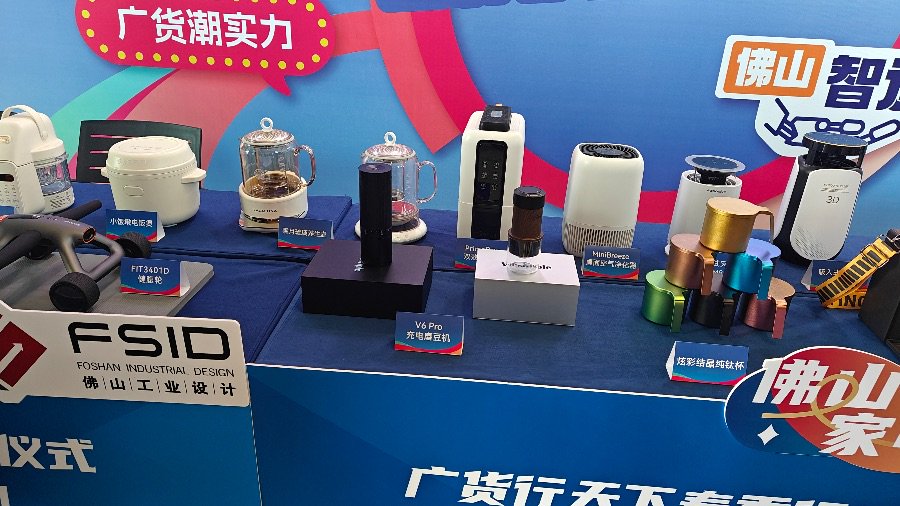
Group 1 - The "Guangdong Goods Going Global" spring campaign was launched on January 15 in Foshan, focusing on promoting local home appliance brands through live streaming sales [1] - Over 1,900 home appliance companies participated in the first promotional event, with 55 major brands including Midea, Gree, and Hisense actively engaging in live streaming [1] - The campaign aims to boost revenue for industrial chain enterprises and promote consumption upgrades through new channels, aligning with China's 14th Five-Year Plan [1] Group 2 - The event received support from over 10 major commercial platforms, including Alibaba International, JD.com, and Douyin, as well as numerous offline supermarkets [1] - The chairman of Xinxuan Group emphasized that live e-commerce not only generates sales but also empowers quality industries and domestic brands through tailored content [2] - The Guangdong Provincial Department of Industry and Information Technology plans to organize 12 online promotional events covering various manufacturing sectors, including home appliances, mobile phones, and cosmetics [2]

助力当家产品“行天下” ,制造业大省广东政府牵头带货
Di Yi Cai Jing· 2026-01-15 13:46
Core Viewpoint - Guangdong is leveraging government-led initiatives to enhance regional industrial strengths and promote consumption through innovative channels like live-streaming e-commerce [2][3] Group 1: Government Initiatives - The "Guangdong Goods Going Global" spring campaign was launched on January 15 in Foshan, focusing on the home appliance sector, with over 1,900 provincial enterprises participating [2] - The campaign aims to boost revenue for industrial chain companies and promote consumption upgrades through new channels [2] Group 2: Industry Participation - Major brands such as Midea, Gree, Galanz, and Hisense participated in the live-streaming sales event, showcasing a variety of products [2] - The event received support from over 10 major commercial platforms, including Alibaba International, JD.com, and Douyin, as well as numerous offline supermarkets [2] Group 3: E-commerce and Consumer Engagement - The chairman of Xinxuan Group emphasized that live-streaming e-commerce not only generates sales but also empowers quality industries and domestic brands [3] - The event highlighted the importance of e-commerce channels, with companies like Mofei Technology noting strong consumer interest in their products, even in prototype form [3] Group 4: Future Plans - The Guangdong Provincial Department of Industry and Information Technology plans to organize 12 online promotional events covering various manufacturing sectors, including home appliances, mobile phones, clothing, food, smart devices, automobiles, and beauty products [3]
雪祺电气:关于持股5%以上股东部分股份质押的公告
Zheng Quan Ri Bao· 2026-01-15 13:39
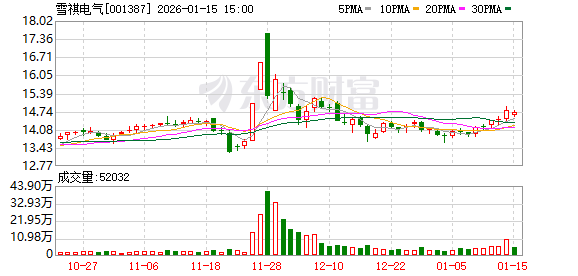
Group 1 - The core point of the article is that Zhidao Investment, a shareholder holding more than 5% of Xueqi Electric, has pledged 14.82 million shares to Shenzhen High-tech Investment Microloan Co., Ltd. for its daily operations [2] - The pledge date is January 14, 2026, and the maturity date is January 14, 2027 [2] - The pledged shares account for 51.78% of Zhidao Investment's holdings and 8.10% of the total share capital of Xueqi Electric [2]
格力电器:2025年中期权益分派实施公告
Zheng Quan Ri Bao· 2026-01-15 13:39
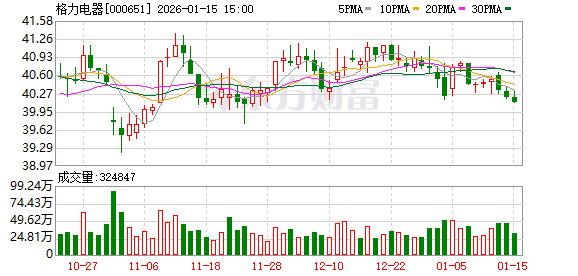
Group 1 - The core point of the article is that Gree Electric Appliances announced its mid-term profit distribution plan for 2025, which includes a cash dividend of 10 yuan per 10 shares for all shareholders, totaling 5.585 billion yuan [2][3] - The distribution will be based on a total share capital of 5.585 billion shares, excluding repurchased shares [2] - The record date for the dividend is set for January 22, 2026, and the ex-dividend date is January 23, 2026 [2]
爆款广货现场爆单:广东制造以新价值“行天下”
2 1 Shi Ji Jing Ji Bao Dao· 2026-01-15 13:29
Core Insights - The "Guangdong Goods Going Global" spring initiative aims to enhance consumer spending and expand the influence of Guangdong products, featuring over 30 home appliance companies showcasing their products through live streaming [1][2] - Guangdong's industrial evolution has shifted from OEM to brand development and supply chain enhancement, reflecting a transition from merely selling products to conveying quality confidence and brand value [2][3] - The home appliance industry in Guangdong has surpassed 1 trillion yuan in scale, contributing nearly 50% to national revenue and exports, with significant production capabilities in various categories [3][4] Group 1: Event Highlights - The event showcased a significant increase in sales, with some companies reporting sales exceeding 100,000 yuan within three hours of live streaming, indicating a threefold increase compared to regular sales [3][4] - Companies like Gree and TCL offered substantial discounts, including a 15% national subsidy and up to 1,500 yuan off, to attract consumers [2][3] - The event was strategically held in Foshan, a hub for Guangdong's manufacturing, which contributes approximately 40% of the world's microwave and water heater production [3][4] Group 2: Industry Trends - Guangdong's home appliance sector is evolving towards smart, green, and aesthetically pleasing products, with companies integrating AI and energy efficiency into their offerings [1][6] - The shift towards intelligent home appliances is characterized by products that understand consumer needs, such as Gree's AI-powered air conditioners and Hisense's eco-friendly refrigerators [6][7] - The emphasis on green technology is becoming a core competitive advantage, with many products now featuring national energy efficiency certifications [7][8] Group 3: Future Directions - Guangdong plans to continue its promotional efforts with a weekly focus on various product categories, including mobile phones, clothing, and new energy vehicles, to stimulate consumer demand [6][9] - The integration of technology, green practices, and design aesthetics is reshaping the perception of Guangdong goods, moving from durable and affordable to innovative and stylish [8][9] - The competitive landscape is evolving, with companies focusing on user experience and emotional connection through product design, aiming for a transition from cost-driven to value-driven strategies [8][9]
“广货群侠传”登场,粤家电靠这招畅销全球40年
21世纪经济报道· 2026-01-15 13:20
Core Viewpoint - The article emphasizes the strength and global competitiveness of Guangdong's manufacturing industry, particularly in the home appliance sector, highlighting the launch of the "Guangdong Goods Going Global" spring campaign as a strategic initiative to promote Guangdong-made products worldwide [1]. Group 1: Guangdong Manufacturing Strength - Guangdong's manufacturing has evolved from traditional products to advanced technologies, including robots, drones, and AI glasses, showcasing its adaptability and innovation [1]. - The region produces a significant portion of China's home appliances, with one in two color TVs and one in three air conditioners being "Made in Guangdong" [1]. - Guangdong's home appliance industry boasts over 10 national firsts, establishing a strong foundation for its market position [24]. Group 2: Key Players in Home Appliances - Midea has developed a comprehensive range of smart home appliances, leveraging its R&D capabilities and production bases to enhance its market presence [3]. - Gree Electric has a strong focus on technological innovation, with its products and services reaching 190 countries and regions, and nearly 70% of its sales coming from its own brand [6]. - Hisense has established itself as a leader in various home appliance categories, with its refrigerators holding the top market share in 11 countries [8]. - TCL is recognized for its advanced technology in televisions, particularly in Mini LED displays, and is enhancing its smart appliance offerings through AI integration [11]. - Skyworth is actively exploring the smart home appliance sector, with its television brand achieving the highest sales in China for the first half of 2025 [14]. - Galanz has a strong global presence with its health-oriented home appliances, exporting to nearly 200 countries, supported by its proprietary technology [16]. - Vanward has maintained the top market share in the gas water heater sector for 20 consecutive years, emphasizing its reliable quality [19]. Group 3: Upcoming Initiatives - The "Guangdong Goods Going Global" campaign will feature 12 promotional events and 18 supporting activities in the first quarter of the year, showcasing the diverse appeal of Guangdong manufacturing [24].

高手云集!粤家电上演“广货群侠传”
2 1 Shi Ji Jing Ji Bao Dao· 2026-01-15 13:03
Core Viewpoint - Guangdong manufacturing plays a crucial role in the national home appliance market, producing a significant portion of the country's televisions and air conditioners, with 1 in every 2 televisions and 1 in every 3 air conditioners being "Made in Guangdong" [2]. Group 1: Industry Overview - The "Guangdong Goods Going Global" spring campaign was officially launched on January 15, 2026, marking a strategic initiative to promote Guangdong's manufacturing on a global scale [2]. - The home appliance sector is highlighted as a key area of focus within this campaign, showcasing the strength and innovation of Guangdong enterprises [2]. Group 2: Company Highlights - Various Guangdong enterprises are coming together to demonstrate their capabilities and contributions to the home appliance industry, referred to as "Guangdong's home appliance heroes" [2]. - The campaign aims to illustrate the high-quality development of Guangdong manufacturing and its impact on the broader narrative of "Chinese Intelligent Manufacturing" [1].