投资银行

Search documents
被调查890天后,包凡归来
36氪· 2025-08-13 10:22
以下文章来源于独角金融 ,作者独角金融 独角金融 . 致力于涵盖银行、保险、信托、券商、基金、期货、互联网金融等大金融领域的报道,以独家视角观察金融,拆解市场,穿透迷雾。 文 | 郑理 来源| 独角金融(ID:uni-fin) 封面来源 |IC photo 2023年2月26日,华兴资本(1911.HK)创始人包凡失联的消息,惊动整个创投圈。仅过数日,3月2日,华兴资本便公告称包凡正配合有关机关调查。这一 消息进一步加剧了市场的关注与猜测。两年半后,包凡终于有了新的动向。 8月8日,"财新"援引多个独立信源称,华兴资本创始人包凡近期"出来了"。在包凡"隐蔽"两年半里,华兴资本及其控股券商华兴证券也实现了去包凡化,他 的妻子许彦清走到台前,扛起了重任。同时,华兴资本、华兴证券董监高也实现"大换血"。 不过,包凡回归后,短期内或许难与自己亲手创立的华兴资本再续前缘。从华兴资本的最新公告来看,包凡不再参与集团日常管理与运营,其个人生活动态 属于私人事务范畴,华兴资本不再予以回应。当前,华兴资本业务及运作一切正常,由执行委员会全面负责集团战略推进。 包凡归去来。 市场对包凡归来的消息也做出了反应。截至8月8日收盘,华 ...


独家洞察 | 降息在招手,关税在「挖坑」?
慧甚FactSet· 2025-08-13 08:55
Core Viewpoint - The recent U.S. inflation data indicates that inflation is not overheating, which, combined with weak employment data, has led the market to expect a high probability of a Federal Reserve rate cut in September, estimated at 95% [4][5]. Group 1: Inflation Data - The July Consumer Price Index (CPI) rose by 0.2% month-on-month, matching market expectations, and year-on-year it increased by 2.7%, which is below the expected 2.8% and unchanged from June [2][4]. - The Federal Reserve's monetary policy is closely tied to inflation metrics like the PCE price index and CPI, with rate cuts being more likely when inflation is low or the economy is weak [4]. Group 2: Tariff Impact on Inflation - The U.S. government has imposed tariffs ranging from 10% to 41% on 69 countries, which could create new inflationary pressures despite stable July inflation data [5][6]. - As of June, U.S. consumers had borne about one-third of the tariff burden, but this is expected to shift significantly, with consumer responsibility for tariffs projected to rise from 22% to 67% by October [6]. - Goldman Sachs estimates that the core PCE inflation rate could increase by 0.16% in July and an additional 0.5% from August to December, potentially raising the December core PCE year-on-year inflation rate to 3.2% [6][7]. Group 3: Future Outlook - While current inflation data supports a potential rate cut by the Federal Reserve, the escalating tariff policies pose a risk of increasing consumer prices and inflation, creating uncertainty for monetary policy decisions [7].
特朗普:欧尔班告诉我,中国在贸易上打败我,俄罗斯在战争上打败我
Guan Cha Zhe Wang· 2025-08-13 07:45
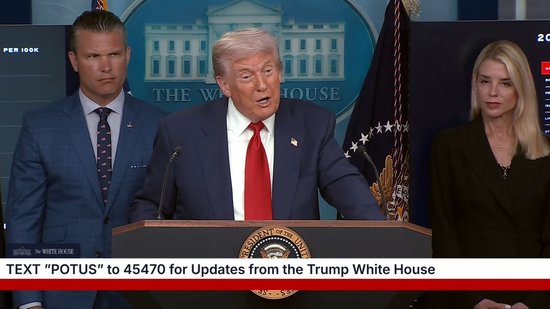
Group 1 - The article discusses President Trump's comments regarding his conversation with Hungarian Prime Minister Viktor Orbán about the Russia-Ukraine conflict and trade dynamics between the U.S., Russia, and China [1] - Trump indicated that Orbán provided insights on the military capabilities of Russia compared to China's trade strength, suggesting that Russia wins through warfare while China wins through trade [1] - The article highlights Trump's defensiveness regarding U.S.-China trade relations, asserting that China would not defeat the U.S. through trade during his presidency, contrasting with President Biden's approach [2] Group 2 - A report from Goldman Sachs challenges Trump's claims about the benefits of his tariff policies, indicating that U.S. companies have borne 64% of tariff costs, with consumers expected to shoulder 67% of these costs by October [4][5] - The report warns that rising prices due to tariffs will exacerbate domestic inflation, with 64% of CEOs planning to pass on increased costs to consumers [5] - Trump's reaction to the Goldman Sachs report included personal attacks on the firm's CEO, dismissing the report's findings and maintaining that tariffs do not lead to inflation or economic harm [6][7]
CPI报告显示通胀温和 贵金属纷纷反弹收涨
Jin Tou Wang· 2025-08-13 07:04
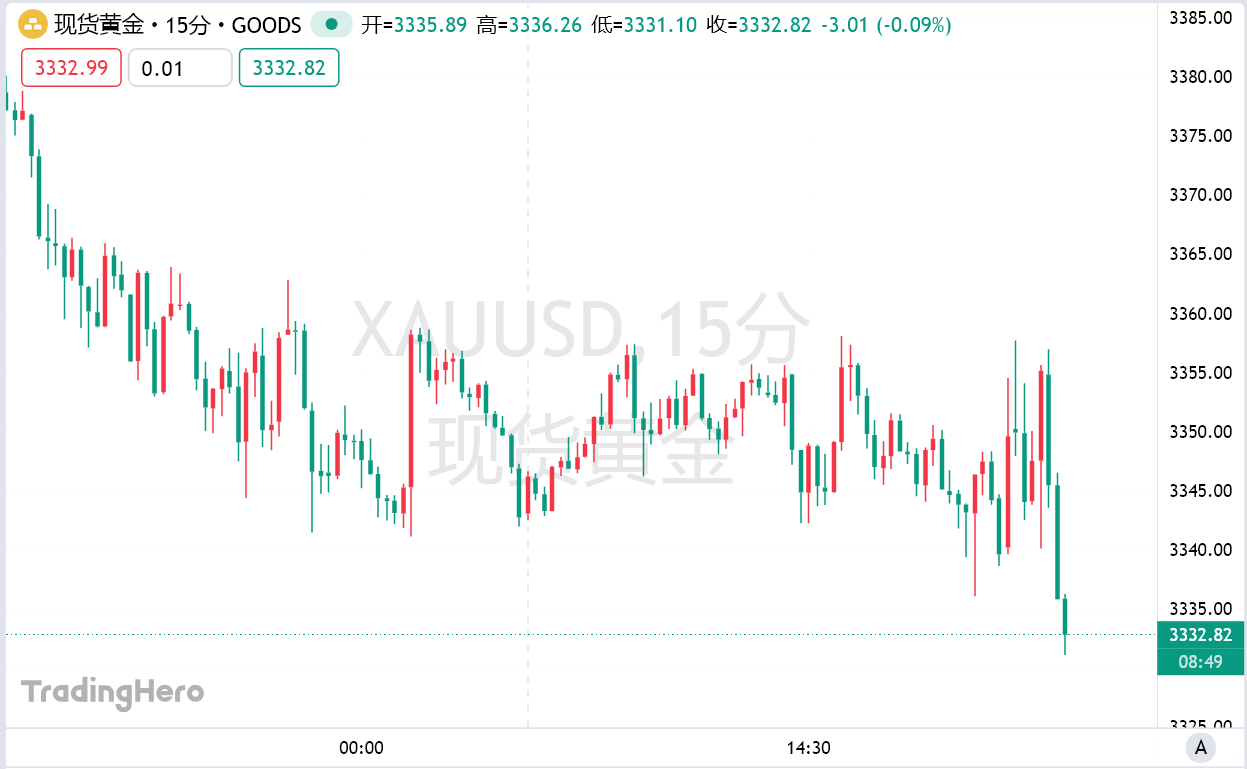
Group 1 - The core point of the news is that the July CPI report from the US Labor Department shows moderate inflation, which raises expectations for a Federal Reserve rate cut, leading to a weaker dollar and a rebound in precious metals [1][2] - In July, the US CPI increased by 0.2% month-on-month, matching market expectations, and year-on-year it rose by 2.7%, below the expected 2.8% [2] - The core CPI, excluding volatile food and energy prices, rose by 0.3% month-on-month and 3.1% year-on-year, slightly above the expected 3.0%, marking the highest level since February [2] Group 2 - The overall moderate CPI data has removed a significant barrier for the Federal Reserve to cut rates, with traders raising the probability of a September rate cut to 95% [2] - Goldman Sachs analysts noted that the CPI data is "moderate and in line with expectations," providing room for a 25 basis point rate cut at the Fed's meeting on September 16-17 [2] - Morgan Stanley's chief economist indicated that the slight rise in core inflation is due to sticky service prices, but overall inflation remains manageable, suggesting the Fed may consider "insurance-style rate cuts" in response to slowing growth [2] Group 3 - Technical analysis indicates that spot gold is trading near the 3350 level, with a lack of clear direction as it hovers around the 5-day and 10-day moving averages [3] - Spot silver showed a slight rebound, stabilizing near the 37.50 support level, with potential for upward movement if it holds above the 38 level [3] - Spot platinum closed with a bullish engulfing candle, facing resistance at the 1340 level, with a potential challenge to 1370-1380 if it breaks through [3]
如何应对“投多少”的核心困境?对话《消失的亿万富翁》作者:明智守护财富的原则是……
聪明投资者· 2025-08-13 07:04
Core Viewpoint - The article discusses the investment philosophy of Victor Haghani and James White, emphasizing the importance of risk management and the challenges of long-term wealth preservation, as illustrated in their book "The Disappearing Billionaires" [2][5][8]. Group 1: Investment Philosophy - Victor Haghani's career reflects a significant evolution in market understanding, transitioning from a belief in market efficiency to recognizing the challenges posed by irrational investor behavior [3][12]. - The establishment of Elm Wealth in 2011 embodies a systematic approach to managing long-term stock risk exposure, focusing on minimizing emotional decision-making in investment [4][5]. - The book raises the question of why wealthy families from a century ago have largely disappeared, attributing this to the complexities of risk management and spending decisions [5][34]. Group 2: Human Capital and Wealth Management - The authors argue that maximizing human capital is essential for financial freedom, suggesting that individuals should focus on risk-adjusted human capital in their career choices [8][38]. - They emphasize the importance of prudent saving habits, especially for younger individuals, to avoid over-leveraging based on unrealized human capital [39]. - The article suggests that long-term financial decisions should be revisited regularly, particularly during significant life events or changes in income [40]. Group 3: Investment Strategies - The article critiques the common practice of fixed asset allocation, advocating for a dynamic approach that adjusts risk exposure based on market conditions and risk premiums [26][29]. - It highlights the limitations of index investing, arguing that while it is a good strategy, it may not be sufficient in all market conditions [31][33]. - The authors assert that the primary goal of investing should be wealth preservation rather than wealth accumulation, with a focus on human capital as the main driver of financial independence [52][53].
罕见“坚定看空”的大行,瑞银:看空美国经济、看空美元、看空美股
Hua Er Jie Jian Wen· 2025-08-13 05:56
Core Viewpoint - UBS has adopted a rare "triple bearish" stance, issuing warnings on the US economy, the US dollar, and US equities simultaneously [1] Economic Outlook - UBS predicts a sharp slowdown in US GDP growth from 2.0% in Q2 to 0.9% in Q4, significantly below the consensus estimate of 1% [6] - The firm highlights several factors contributing to this outlook, including pre-tariff demand exhaustion, depletion of excess savings, immigration slowdown, and fiscal drag from the Infrastructure Investment and Jobs Act [6][2] - Despite potential upward risks, UBS emphasizes that the trend of economic slowdown is unavoidable [6] Interest Rate Predictions - UBS forecasts a 1% decline in interest rates by year-end, which is double the market consensus of 0.5% [6] - The firm notes that the sensitivity of the economy to short-term rates is unusually low due to a high proportion of fixed-rate debt among households and corporations [6] US Dollar Analysis - UBS maintains a long-term bearish outlook on the US dollar, citing that the net investment position has reached -88% of GDP, suggesting a necessary correction before a new dollar bull market [11][7] - The firm acknowledges recent dollar rebounds but asserts that the fundamental logic for a dollar bear market remains intact [12] Equity Market Concerns - UBS sets a target of 960 points for the MSCI Global Index by year-end and 1000 points by 2026, warning of significant downside risks in the near term [15] - The firm expresses concerns over valuation and positioning, noting that global stock exposure is near historical highs [15][20] - UBS identifies a concentration risk in tech stocks, with about 70% of earnings growth attributed to generative AI, and warns that capital expenditure growth for large firms may slow significantly [21] Tariff Risks - UBS believes that the market is complacent regarding tariff risks, as evidenced by the performance of tariff-affected baskets in the US and Europe [22] - The firm emphasizes that the US accounts for only 16% of global trade, with many non-US countries reducing trade barriers among themselves [22]

国际投行上调韩今年GDP增长预期
Shang Wu Bu Wang Zhan· 2025-08-13 04:08
Core Viewpoint - Major international investment banks have raised their GDP growth forecasts for South Korea in 2023, indicating a positive outlook driven by improved exports and manufacturing growth [1] Group 1: GDP Growth Forecasts - JPMorgan has revised its GDP growth forecast for South Korea from 0.5% to 0.6% and then to 0.7%, citing better-than-expected second-quarter GDP performance [1] - Goldman Sachs has increased its GDP growth forecast for South Korea from 1.1% to 1.2%, attributing this to reduced uncertainties in tariffs on certain products due to the Korea-U.S. trade agreement [1] - The average GDP growth forecast from eight major international investment banks for South Korea stands at 0.9% as of the end of July, remaining unchanged for two consecutive months [1] Group 2: Economic Outlook Adjustments - The Bank of Korea is expected to revise its economic outlook in August, likely increasing its GDP growth forecast for the year [1]


美股全线大涨,中国资产爆发!关键数据公布,美财长力挺大幅降息!商务部对加拿大油菜籽反倾销初裁,菜粕期货合约走势分化
Jin Rong Jie· 2025-08-13 00:12
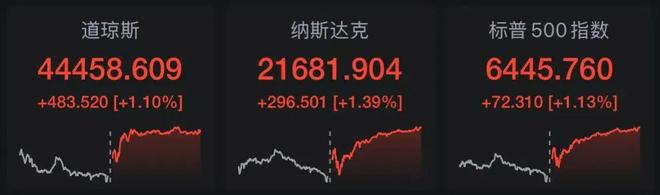
深夜,美股全线大涨,中国资产爆发! 截至12日收盘,道琼斯工业平均指数比前一交易日上涨483.52点,收于44458.61点,涨幅为1.10%;标 准普尔500种股票指数上涨72.31点,收于6445.76点,涨幅为1.13%;纳斯达克综合指数上涨296.50点, 收于21681.90点,涨幅为1.39%,刷新历史收盘纪录。 同时,纳斯达克中国金龙指数涨超1%。热门中概股中,腾讯音乐收涨约12%,小米涨3.81%,Boss直 聘、阿里巴巴涨超3%,拼多多涨3%,网易涨1.6%。 消息面上,美国7月份通胀数据出炉,巩固了降息预期。 昨晚,美国劳工统计局公布的数据显示,7月美国CPI同比上涨2.7%,剔除波动较大的食品和能源价格 后,7月核心CPI同比上涨3.1%。 观察人士指出,随着企业库存下降,更多承担了高关税的商品进入美国消费市场,逐步推高服装鞋帽、 家具和家居用品等类别产品的价格。 华尔街投行高盛预计,到今年12月时,美国核心CPI以及核心个人消费支出(PCE)价格指数的同比涨 幅都将升至3.3%的水平。目前,外界普遍预计美联储9月将大概率降息,主要原因是美国就业市场出现 降温迹象。不过,美联储官员仍然强 ...
高盛:美国消费者将负担67%关税成本
Sou Hu Cai Jing· 2025-08-12 22:51
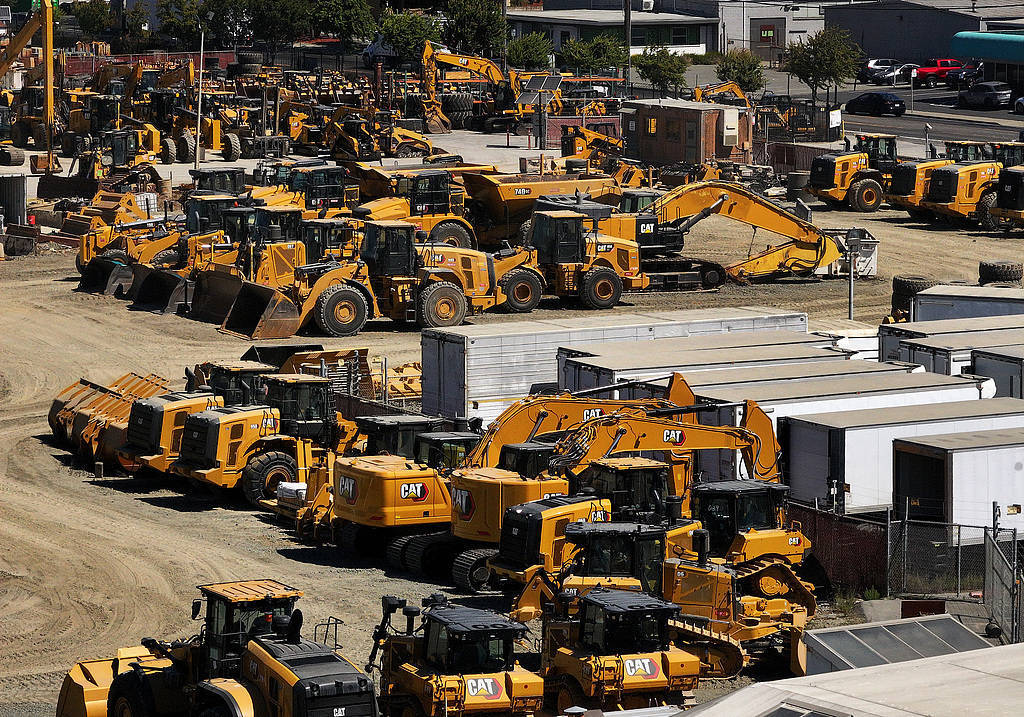
【环球时报报道 记者 倪浩】"关税政策对消费者物价的影响才刚刚开始",彭博社11日援引华尔街投行高盛的研究报告称,美国消费者和企业正在 承受关税政策带来的新一轮压力。报告显示,截至6月美国企业已吸收超过50%的关税成本,而随着企业提价,负担将更多地转嫁给消费者,预计 消费者承担的关税成本比例将升至67%。与此同时,作为近年来美国大部分新增就业岗位的创造者,美国小企业正艰难应对新关税政策。美国最 大商业游说团体美国商会本月估算,在最新的关税政策于8月7日生效前,约23.6万家小企业进口商面临的年度关税冲击已达2020亿美元。高盛表 示,关税政策对物价的影响给本就因降息节奏预期不断变化而动荡的市场增添了更多不确定性。 英国《金融时报》在美国中西部城市圣路易斯的调查显示,企业们表示近期上游供应商提高了大量产品的价格,有时涨幅高达30%,使他们几乎 只能将成本转嫁给消费者。圣路易斯华盛顿大学供应链、运营与技术教授帕诺斯·库维利斯说:"供应链中还有库存,但正在逐渐消耗,很快关税 对价格的影响就会显现。中小企业将受到最大冲击。" 报道称,小型企业雇用了美国46%的劳动者,约5900万人,占美国GDP的44%。这可能对整 ...
特朗普再催鲍威尔降息,还威胁诉讼追责!
Jin Shi Shu Ju· 2025-08-12 14:32
Core Viewpoint - Former President Trump is calling for immediate interest rate cuts and criticizing Federal Reserve Chairman Jerome Powell for being slow in monetary policy decisions, claiming it has caused "immeasurable damage" [1][5]. Group 1: Criticism of the Federal Reserve - Trump labeled Powell as "Too Late" and suggested that the Federal Reserve's management of a construction project cost $3 billion instead of the estimated $50 million for renovations [2][4]. - Trump has indicated he is considering a major lawsuit against Powell related to mismanagement of the Federal Reserve's construction projects [2][4]. - Despite his criticisms, Trump claims the economy is strong enough to have "overcome Powell and the complacent committee" [5]. Group 2: Economic Commentary - Trump argues that tariffs have not led to inflation and that consumers are not bearing the costs, stating that tariffs have brought in trillions of dollars in revenue [6]. - He criticized top Wall Street banks for their pessimistic forecasts regarding the impact of tariffs, specifically targeting Goldman Sachs CEO David Solomon [6]. - The recent U.S. CPI report showed mixed results, with overall CPI growth lower than expected, but indicators of potential inflation rising at the fastest annual rate in five months [5]. Group 3: Federal Reserve's Future Actions - Analysts generally believe that the recent inflation increase may not be sufficient to prevent the Federal Reserve from cutting interest rates in the upcoming September meeting [5]. - Trump's recent nominee for the Federal Reserve Board, Milan, expressed optimism about future inflation performance [7].