保险业

Search documents
腾讯开启新一轮回购!连续11日累计回购超60亿港元
Zhong Guo Ji Jin Bao· 2025-09-02 10:18
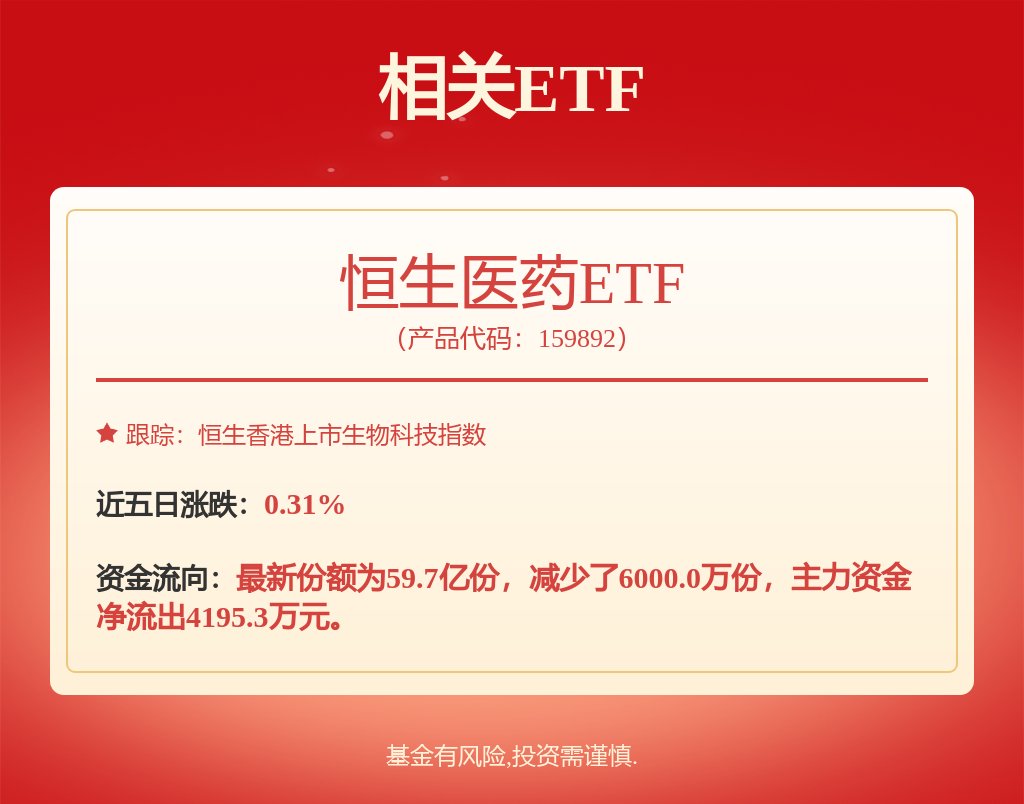
(原标题:腾讯开启新一轮回购!连续11日累计回购超60亿港元) 【导读】8月以来,腾讯连续11日累计回购超60亿港元,居同期第一 8月18日起,腾讯已连续11个交易日实施回购,累计回购60.57亿港元,居同期第一。拉长时间,2025年年内,腾讯累计回购金额仍居同期第一, 互联网和金融头部公司仍是港股回购主力。 腾讯开启新一轮回购,连续11日累计回购超60亿港元 在财报"静默期"结束后,腾讯控股开启新一轮回购。 wind数据显示,进入8月,8月18日至9月1日,腾讯已连续11个交易日实施回购,累计回购60.57亿港元,每笔回购金额约为5.5亿港元。 分析人士表示,一方面,回购释放股价低估信号;另一方面,大规模回购需要充沛现金流作为支持。公司回购还有助于增厚EPS(每股收益), 提高ROE水平。尤其是互联网龙头和金融巨头等,在近年加大股票回购行为,获得较高的回购收益率。 目前,恒生科技指数估值处于历史相对低位,腾讯在股价走高后,仍大手笔回购,或也折港股科技板块的配置性价比。 回购力度居港股第一 8月以来,腾讯以60.57亿港元的累计回购金额,居港股第一。同期累计回购金额居前的还有金融股汇丰控股、恒生银行,以及同为 ...


持仓曝光!险资系私募基金,买了这些股!
券商中国· 2025-09-02 06:58
Core Viewpoint - The article highlights the recent emergence of Honghu Fund in the top ten shareholders of several listed companies, indicating a strategic investment approach by insurance capital in the market [1][3]. Group 1: Shareholding Situation - Honghu Fund Phase II has entered the top ten shareholders of China Petroleum and China Shenhua, marking its first appearance in these lists with a market value exceeding 18 billion and 21 billion respectively [1][3]. - Honghu Fund Phase III has been listed as the eighth largest shareholder of Sinopec, holding approximately 3.05 billion shares valued at 17.63 billion [5][6]. - As of June 30, 2025, Honghu Fund has appeared in the top ten shareholders of six listed companies, including Shaanxi Coal, Yili, and China Telecom, with stable holdings compared to the previous quarter [3][6]. Group 2: Fund Structure and Management - Honghu Fund consists of three phases with a total scale of 110 billion, managed by Guofeng Xinghua, a joint venture of China Life Asset and Xinhua Asset [6][8]. - Phase I has a scale of 50 billion, fully invested by China Life and Xinhua Insurance, achieving good returns as of March this year [6][8]. - Phase II, with a scale of 20 billion, has completed its main investment positions by the end of Q2 [6][8]. - Phase III, initiated in early July, has a scale of 40 billion, divided into two products, with significant contributions from various insurance companies [6][8]. Group 3: Investment Strategy and Performance - The investment philosophy of Honghu Fund emphasizes long-term, value, and stable investments, focusing on companies with competitive advantages and good governance [8][11]. - The fund targets large-cap A+H shares that exhibit stable dividends and good liquidity, with a preference for blue-chip companies [8][9]. - The average dividend yield of the six listed companies in which Honghu Fund has invested is relatively high, with four energy and coal stocks exceeding 5% [9][10]. - As of June 30, the total assets of Honghu Fund Phase I reached 57.11 billion, with a net profit of 9.68 billion for the first half of the year, indicating strong performance [11][12].




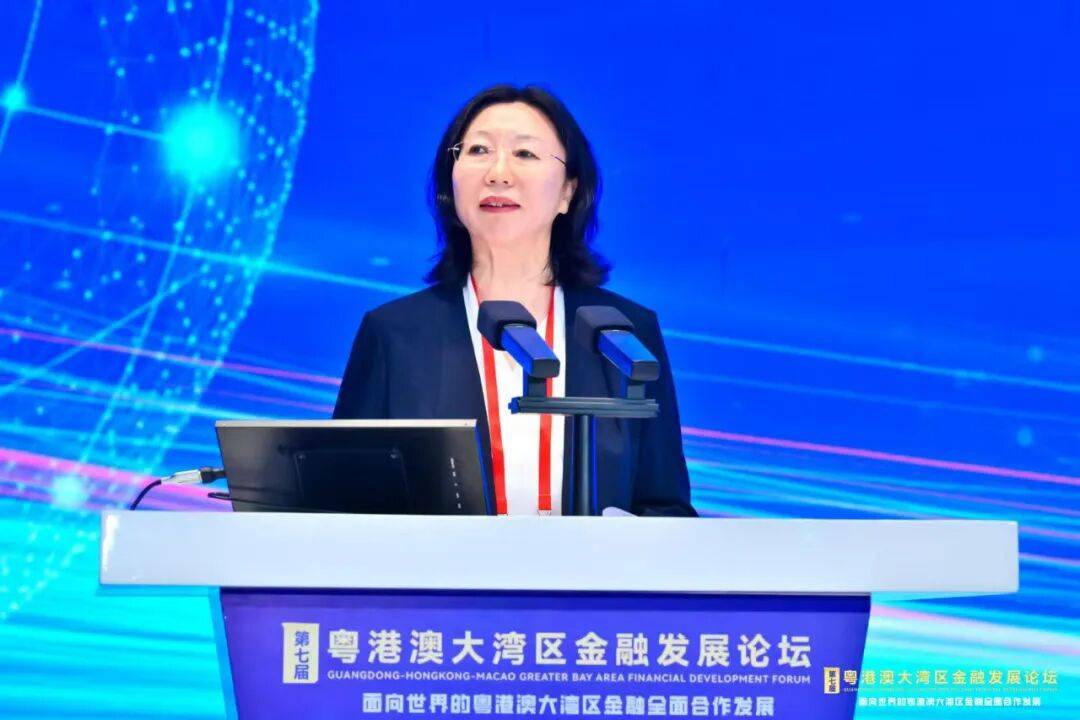
广东金融监管局副局长范乐宇:科技支行是做好科技金融大文章的重要支点
Sou Hu Cai Jing· 2025-09-02 05:51
Core Insights - The Guangdong-Hong Kong-Macao Greater Bay Area is focusing on becoming an international technology innovation center, achieving breakthroughs in technology innovation, industrial upgrading, and regulatory alignment [2][3] - The Guangdong Financial Regulatory Bureau has introduced policies to support the development of technology finance, including pilot programs for mergers and acquisitions loans and intellectual property financing [2][3] - As of June, the scale of technology loans in Guangdong reached 5.78 trillion yuan, a 9.58% increase from the beginning of the year, with high-tech enterprise loans leading the nation [3][5] Policy Initiatives - In May, seven ministries jointly released 15 measures to support the Greater Bay Area's international innovation center, providing new policy opportunities for technology finance [2] - The establishment of the first batch of technology enterprise merger loan pilots and the expansion of financial asset investment company equity investment trials are key initiatives [2][3] Financial Performance - By the end of June, the scale of financial asset investment companies in Guangdong was 4.7 billion yuan, with merger loan credit scale reaching 8.3 billion yuan [2] - The cumulative risk protection provided by technology insurance for over 200,000 technology enterprises exceeded 3 trillion yuan, marking a 76% year-on-year increase [3] Challenges and Future Directions - The development of new quality productivity presents challenges for technology finance, including the need for enhanced service effectiveness and better ecological collaboration [5][6] - The Guangdong Financial Regulatory Bureau aims to establish a new paradigm for technology finance services that aligns with the development of new quality productivity [5][6] - Future construction of technology branches will focus on product specialization, differentiated systems, and diversified services to enhance the technology finance service system [6]
重庆丰都 绿色航运破浪前行
Jin Rong Shi Bao· 2025-09-02 05:34
Group 1 - The Chongqing Yongye Shipping Company received a loan of 10 million yuan from banks, which helped address its funding shortage for building an LNG standardized vessel in 2025 [1] - As of June 2023, the loan balance for shipping enterprises in Fengdu County reached 207 million yuan, with new loans issued amounting to 77.36 million yuan in 2025 [1] - The People's Bank of China Fengdu Branch established a working group with multiple departments to promote a "finance + maritime" industry integration model, issuing a pilot plan to support high-quality development in the shipping industry [1][2] Group 2 - The Fengdu County expects nearly 30 traditional fuel ships to transition to new energy vessels in 2025, with a loan demand exceeding 200 million yuan [3] - The Bank of China Fengdu Branch introduced a new financial service plan, increasing the credit limit from 10 million yuan to 15 million yuan to support the construction of new energy vessels [3] - The People's Bank of China Fengdu Branch and the Fengdu Maritime Office encouraged insurance companies to innovate in asset safety and value enhancement for shipping enterprises [3] Group 3 - The promotion of the "National Small and Micro Enterprises Fund Flow Credit Information Sharing Platform" aims to alleviate the financing difficulties faced by shipping companies [4] - The Industrial and Commercial Bank of China Fengdu Branch provided a credit loan of 300,000 yuan to Chongqing Hongxing Shipping Company by utilizing the platform to assess the company's creditworthiness [4] - The People's Bank of China Fengdu Branch effectively utilized re-lending policies to meet the financing needs of shipping enterprises, facilitating loans totaling 22 million yuan for companies like Yongwang Shipping [5]
大摩闭门会:牛市仍未歇-纪要
2025-09-02 00:42
Summary of Key Points from Conference Call Records Industry Overview - The conference call primarily discusses the macroeconomic environment and the performance of the A-share market, with a focus on the financial and technology sectors as key investment areas [2][3][26]. Core Insights and Arguments 1. **Market Liquidity and Policy Direction**: Since July, market liquidity has gradually formed, but recent trends show divergence. The decision-makers prefer moderate guidance rather than broad intervention, emphasizing market-based tools for investment and financing reforms [2][4][6]. 2. **Investor Sentiment**: Approximately 70% of investors hold an optimistic view on A-shares, believing that after recent fluctuations, their mindset has become more rational, supported by improved narratives and micro-industry opportunities [9][10]. 3. **Current Economic Conditions**: The macroeconomic growth momentum is weak, and policies may adopt a gradual bottoming strategy. The transmission of corporate profits and household income will take time, necessitating a solid institutional foundation to break deflation [7][12]. 4. **Household Deposit Migration**: The migration of household deposits is limited, with only over 300 billion yuan moved compared to an excess of 5 trillion yuan in fixed deposits. This slow pace helps avoid excessive short-term volatility [8][20]. 5. **A-share Market Performance**: Despite a significant increase in trading volume and a record high in margin financing, the proportion of margin financing to A-share market capitalization remains below levels seen during the 2015 stock market crash, indicating manageable risks [5][14]. 6. **Future Market Trends**: The financial sector is expected to benefit from a stable demand environment without the need for strong stimulus, as risks have significantly decreased over the past two years [23][26]. 7. **Structural Reforms**: Investors are keenly watching the upcoming Fourth Plenary Session and the 14th Five-Year Plan, which will focus on structural reforms crucial for enhancing private consumption capabilities [25][18]. Additional Important Insights 1. **Financial Sector Outlook**: The financial industry has shown optimism, with a significant reduction in high-risk financial assets from over 60 trillion yuan to around 21 trillion yuan, indicating a shift towards sustainable development [23][28]. 2. **AI Sector Growth**: The AI sector in China continues to thrive, with strong demand for deep learning applications and new models, despite global adjustments in related industries [32][33]. 3. **Challenges in AI Development**: The main challenge for China in the AI sector is achieving modularization to ensure the sustainability of capital expenditures [35]. 4. **Chip Supply Dynamics**: Nvidia's chip supply situation in China is evolving, with plans to produce significant quantities of the B40 chip, which is more affordable but has lower performance [36][37]. This summary encapsulates the key points discussed in the conference call, highlighting the current state of the market, investor sentiment, and future outlooks across various sectors.


大摩闭门会:牛市仍未歇-原文
2025-09-02 00:42
Summary of Conference Call Company/Industry Involved - The conference call focuses on the macroeconomic strategies and investment opportunities in the Chinese market, particularly in the financial and technology sectors. Core Points and Arguments 1. **Current Economic Context**: The macroeconomic environment remains weak, and investors are keenly interested in sectors showing clear trends of improvement, particularly in finance and technology [2][4][5]. 2. **Liquidity Trends**: There are signs of liquidity-driven market movements, but the actual migration of household deposits into the stock market is slow, with only approximately 300 billion yuan moving since July [3][9][10]. 3. **Policy Guidance**: The government is expected to adopt a gradual and market-oriented approach to policy adjustments, avoiding abrupt interventions that could lead to market volatility [4][5][6]. 4. **Investor Sentiment**: A survey indicated that about 70% of investors remain optimistic about the A-share market's future, despite recent market fluctuations [8][9]. 5. **Market Dynamics**: The current market sentiment is cautious yet optimistic, with a focus on long-term structural reforms rather than short-term speculative gains [10][21]. 6. **A-Share vs. H-Share**: There is a discussion on the potential shift between A-shares and H-shares, with a preference for A-shares due to better fundamentals [11][25]. 7. **Financial Sector Outlook**: The financial sector is expected to benefit from a stabilization of loan yields and interest margins, with a positive outlook for valuation re-evaluation [38][39]. 8. **Risk Management**: Financial risks have significantly decreased over the past two years, suggesting a more stable environment for investment [40][41]. Other Important but Possibly Overlooked Content 1. **Long-term Investment Strategies**: Emphasis on the need for long-term capital allocation in equity markets, including pension funds and asset management [5][6]. 2. **IPO Market Dynamics**: The call highlighted the importance of a more market-oriented approach to IPOs, drawing lessons from the Hong Kong market's experience [6][7]. 3. **Sector-Specific Opportunities**: The call pointed out that both hard technology and soft consumer sectors are crucial for future growth, reflecting China's diverse economic landscape [7][8]. 4. **Upcoming Policy Meetings**: Investors are closely watching for outcomes from upcoming policy meetings, particularly regarding structural reforms and economic rebalancing [36][37]. 5. **Market Volatility Indicators**: Various indicators suggest that while there is some market enthusiasm, there are no clear signs of overheating, indicating a controlled risk environment [19][20][21]. This summary encapsulates the key insights and discussions from the conference call, providing a comprehensive overview of the current investment landscape in China.
多家黄金企业上半年净利润增幅超100%
21世纪经济报道· 2025-09-01 15:57
Group 1 - The core viewpoint of the article highlights the rising gold prices driven by concerns over the independence of the Federal Reserve and increased investor risk aversion, with gold prices rising 2.86% last week and over 5% in August, marking the best monthly performance since April [1][3] - Multiple institutions have raised their gold price forecasts, with UBS predicting a target price of $3600 per ounce by March 2026 and $3700 by June 2026, citing factors such as Fed rate cuts and a weaker dollar [3][4] - Citibank has also significantly increased its gold price expectations, raising its three-month forecast from $3300 to $3500 per ounce, attributing this to deteriorating economic growth and inflation prospects in the U.S. [4] Group 2 - The performance of gold mining companies has been robust, with all 11 listed gold mining companies reporting positive net profit growth in the first half of the year, driven by rising gold prices and increased production [6][11] - Shandong Gold reported a revenue of 567.66 billion yuan, a year-on-year increase of 24.01%, and a net profit of 28.08 billion yuan, up 102.98% year-on-year, benefiting from optimized cost control and increased sales [10][12] - Western Gold achieved a revenue of 50.30 billion yuan, a 69.01% increase year-on-year, with net profit rising 131.94%, attributed to increased production and higher gold prices [11][12] Group 3 - The demand for gold is expected to grow, with UBS forecasting a 3% increase in global gold demand to 4760 tons, the highest level since 2011 [4] - Domestic asset management institutions are increasingly recognizing the role of gold in asset allocation, with nearly 45% of 515 FOF products now holding gold ETFs, up from 192 products at the end of last year [5] - The recent policy allowing insurance companies to invest in gold is expected to bring approximately 200 billion yuan of incremental funds into the gold market [5]



万亿规模健康险,带病人群为何“可保难赔”
Di Yi Cai Jing Zi Xun· 2025-09-01 15:52
Core Insights - The health insurance market in China is approaching a premium scale of nearly 1 trillion yuan in 2024, reversing a trend of slowing growth seen in the previous three years, yet the market for individuals with pre-existing conditions remains largely excluded [2][3] - The industry is under pressure to transform from insuring healthy individuals to focusing on the health of all individuals, particularly those with pre-existing conditions, as regulatory bodies encourage innovation in product offerings [3][4] - Approximately 400 million people in China belong to the "sick population," contributing about 60% of medical expenses but only accounting for around 5% of commercial insurance premiums [2][4] Market Dynamics - The health insurance sector is experiencing a shift towards accommodating individuals with pre-existing conditions, with recent regulatory encouragement for insurance companies to develop products that include these groups [4][5] - The lack of long-term, high-quality data in China's health insurance market has hindered the ability of insurance companies to accurately assess and price risks associated with different health statuses [5][6] - The market for insurance products catering to individuals with pre-existing conditions has seen limited growth, with the total premium for such insurance remaining around 50 billion yuan, primarily sourced from group insurance and community-based health plans [6][7] Product Innovation - Recent developments in insurance products have seen a transition from short-term to long-term medical insurance plans, which promise continuity of coverage and better risk management for individuals transitioning from healthy to sick [7][9] - The introduction of specialized insurance products targeting specific health conditions, such as chronic diseases and cancer, is gradually expanding the market, although significant gaps in coverage for high-risk individuals remain [8][9] - The insurance industry is exploring new ways to innovate in product design, including leveraging medical data to enhance pricing accuracy and risk assessment capabilities [9][10] Challenges and Opportunities - The integration of innovative drugs and therapies into health insurance coverage remains a challenge, with insurance companies often lacking precise evaluations of the costs and usage rates of these treatments [10][11] - The disparity between the needs of patients requiring innovative treatments and the insurance products available highlights a significant gap in the market that needs to be addressed [11][12] - The willingness of the sick population to pay higher premiums for insurance coverage is crucial for the sustainability of these products, as high-risk individuals typically face higher costs [12]

人身险预定利率今起下调!险企或主推这类产品
Zhong Guo Zheng Quan Bao· 2025-09-01 15:13
Core Viewpoint - The adjustment of the predetermined interest rates for insurance products has led to the discontinuation of several existing products, with a focus on launching new products, particularly dividend insurance, which is expected to become a key sales focus for insurance companies [1][4][5]. Group 1: Product Adjustments - As of September 1, the predetermined interest rates for life insurance products have been officially lowered, with ordinary insurance products now at 2.0% and dividend insurance at 1.75% [1][3]. - Many insurance companies are in the process of launching new products and training their sales personnel to adapt to the changes in interest rates [3][6]. Group 2: Market Response - There has been a noticeable increase in customer inquiries and purchases leading up to the interest rate adjustment, particularly on August 31 [3]. - The overall number of new products being launched remains limited, but several major insurance companies are actively introducing new offerings [3][6]. Group 3: Focus on Dividend Insurance - Industry experts indicate that dividend insurance products will gain a competitive edge following the interest rate adjustments, making them a focal point for sales strategies [4][5]. - The adjustment presents both opportunities and challenges for dividend insurance, as it may initially reduce competitiveness but ultimately enhance its relative advantages [5][6]. Group 4: Strategic Initiatives - Insurance companies are preparing for the new product landscape by enhancing their product reserves, system infrastructure, and training for sales personnel [6]. - Companies like China Life and Ping An are emphasizing the importance of dividend insurance in their strategies to improve efficiency and meet customer needs in a low-interest-rate environment [6].



中报业绩表现强势,看好板块后续弹性空间
Changjiang Securities· 2025-09-01 14:42
Investment Rating - The report maintains a "Positive" investment rating for the investment banking and brokerage industry [7] Core Insights - The report highlights strong mid-year performance from 42 listed brokerages, with total revenue and net profit attributable to shareholders reaching CNY 251.89 billion and CNY 103.61 billion, respectively, reflecting year-on-year increases of 11.3% and 65.6% [2][4] - The insurance sector's mid-year disclosures confirm trends of deposit migration, increased equity allocation, and improved new policy costs, enhancing the certainty of long-term ROE improvement and potential valuation recovery [4] - Recommendations include focusing on high-performing stocks such as New China Life, China Life, Hong Kong Exchanges and Clearing, CITIC Securities, Eastmoney, Tonghuashun, and Jiufang Zhitu Holdings based on performance elasticity and valuation levels [4] Summary by Sections Industry Overview - The non-bank financial index decreased by 0.8% this week, underperforming the CSI 300 by 3.5%, ranking 23rd out of 31 sectors [5] - Year-to-date, the non-bank financial index has increased by 13.5%, with a relative underperformance of 0.8% against the CSI 300, ranking 19th out of 31 sectors [5] Market Performance - Market activity has shown signs of recovery, with average daily trading volume across both exchanges reaching CNY 298.31 billion, up 15.29% week-on-week [5][36] - The margin financing balance increased to CNY 2.24 trillion, reflecting a week-on-week rise of 4.52% [5][42] Brokerage Data Tracking - The report notes a recovery in trading activity, with the average daily trading volume exceeding the 2024 average, indicating a gradual improvement in brokerage business profitability [36] - The report emphasizes the importance of monitoring the stock and bond market fluctuations for brokerage self-operated income [40] Insurance Sector Insights - The insurance industry reported a cumulative premium income of CNY 420.85 billion in July 2025, marking a year-on-year increase of 6.75% [20][21] - The total assets of the insurance sector reached CNY 39.59 trillion, with a month-on-month increase of 0.95% [25][26] Investment Banking Activity - In July 2025, equity financing decreased significantly to CNY 53.38 billion, down 90.2% month-on-month, while bond financing totaled CNY 783 billion, down 11.3% [44] - The report anticipates an increase in stock underwriting scale due to the advancement of refinancing regulations [47] Asset Management and Derivatives - The report indicates a decline in new issuance of collective asset management products, with July 2025 issuance at 5.489 billion units, down 43.6% [49] - The futures market saw a significant increase in trading volume, with July 2025 transactions reaching CNY 62.23 trillion, up 34.02% [54]