
家电

Search documents
沪镍不锈钢市场周报:宏观施压供需两弱,镍不锈钢震荡调整-20260313
Rui Da Qi Huo· 2026-03-13 12:03
1. Report Industry Investment Rating - No relevant content provided 2. Core Viewpoints of the Report - It is expected that Shanghai nickel will experience short - term oscillatory adjustments. Attention should be paid to the pressure at the 140,000 level and the support of MA60 [6]. - It is predicted that the stainless - steel futures price will undergo oscillatory adjustments. Attention should be paid to the support at 14,000 [6]. 3. Summary by Relevant Catalogs 3.1 Weekly Highlights - **Shanghai Nickel**: This week, the main contract of Shanghai nickel oscillated and adjusted, with a weekly change of - 0.15% and an amplitude of 5.83%. As of this week, the closing price of the main contract was 136,930 yuan/ton [6]. - **Stainless Steel**: This week, stainless - steel oscillated and adjusted, with a weekly change of - 0.11% and an amplitude of 2.92%. As of this week, the closing price of the main contract was 14,190 yuan/ton [6]. - **Market Outlook**: Macroeconomic factors include the US initiating 301 investigations against 16 trading partners and the escalation of the Middle - East situation. Fundamentally, the nickel ore import volume is expected to decline as the Philippines enters the rainy season, but Indonesia's RKAB plan may ease supply concerns. The production profit of refined nickel in China has a profit margin, and the output is expected to rise. The demand from stainless - steel mills and new - energy vehicles is improving. The domestic nickel inventory continues to increase, while the overseas LME inventory slightly decreases. For stainless steel, the raw - material supply is tight, the production cost is increasing, and the downstream demand is in the traditional off - season, but the inventory pressure is controllable and is entering the de - stocking cycle [6]. 3.2 Futures and Spot Market - **Price Adjustment**: As of March 13, the closing price of Shanghai nickel was 136,930 yuan/ton, a decrease of 210 yuan/ton from last week; the closing price of stainless steel was 14,190 yuan/ton, a decrease of 20 yuan/ton from last week. The average price of nickel pig iron (1.5 - 1.7%) was 3,675 yuan/ton, a decrease of 75 yuan/ton from last week; the average price of nickel iron (7 - 10%) in the country was 1,105 yuan/nickel, an increase of 10 yuan/nickel from last week [12]. - **Basis**: As of March 13, the spot price of electrolytic nickel was 141,350 yuan/ton, with a basis of 4,420 yuan/ton; the closing price of stainless steel was 14,950 yuan/ton, with a basis of 760 yuan/ton [17]. - **Price Ratio**: As of March 13, the price ratio of Shanghai nickel to stainless steel on the Shanghai Futures Exchange was 9.65, unchanged from last week; the price ratio of Shanghai tin to Shanghai nickel was 2.73 yuan/ton, a decrease of 0.14 from last week [23]. - **Net Long Positions**: As of March 13, 2026, the net long position of the top 20 in Shanghai nickel was - 77,442 lots, a decrease of 4,049 lots from March 9, 2026. The net long position of the top 20 in stainless steel was - 4,218 lots, an increase of 5,570 lots from March 9, 2026 [29]. 3.3 Industrial Chain Situation - **Supply Side** - **Nickel Ore and Electrolytic Nickel**: As of March 6, the nickel ore inventory in major domestic ports was 9.2433 million tons, a decrease of 784,100 tons from last week. As of March 13, the production profit of electrowon nickel was 3,450 yuan/ton, an increase of 8,950 yuan/ton from last week [35][36]. - **Domestic Production and Import**: In December 2025, the electrolytic nickel production was 29,058 tons, a year - on - year decrease of 0.16%. In December 2025, the import volume of refined nickel and alloys was 23,861.23 tons, a year - on - year increase of 85.74%; from January to December, the cumulative import volume was 233,114.881 tons, a year - on - year increase of 133.41% [41]. - **Inventory**: As of March 13, the inventory of Shanghai nickel on the Shanghai Futures Exchange was 63,681 tons, an increase of 1,912 tons from last week. As of March 13, the LME nickel inventory was 285,684 tons, a decrease of 66 tons from last week [47]. - **Demand Side** - **Stainless Steel Production and Export**: In February 2026, the total output of stainless - steel crude steel was 2.71 million tons, a month - on - month decrease of 23.37%. Among them, the output of 400 - series was 572,300 tons, a month - on - month decrease of 11.3%; the output of 300 - series was 1.3194 million tons, a month - on - month decrease of 28.99%; the output of 200 - series was 818,300 tons, a month - on - month decrease of 20.79%. In December 2025, the stainless - steel import volume was 141,400 tons, a month - on - month increase of 32,300 tons; the export volume was 404,300 tons, a month - on - month increase of 71,300 tons. From January to February, the cumulative net import volume was - 2.7322 million tons, a year - on - year decrease of 262,900 tons [51]. - **Inventory in Key Areas**: As of March 13, the stainless - steel inventory in Foshan was 363,861 tons, a decrease of 10,730 tons from last week; the stainless - steel inventory in Wuxi was 579,576 tons, a decrease of 7,428 tons from last week [56]. - **Stainless - Steel Production Profit**: As of March 13, the stainless - steel production profit was - 63 yuan/ton, a decrease of 47 yuan/ton from last week [60]. - **Downstream Industries** - **Real Estate and Home Appliances**: From January to December 2025, the new housing construction area was 587.6996 million square meters, a year - on - year decrease of 20.4%; the housing completion area was 603.4813 million square meters, a year - on - year decrease of 18.1%; the real - estate development investment was 827.8814 million square meters, a year - on - year decrease of 17.2%. In December 2025, the air - conditioner output was 21.6289 million units, a year - on - year decrease of 8.72%; the household refrigerator output was 10.0115 million units, a year - on - year increase of 11.35%; the household washing - machine output was 11.975 million units, a year - on - year decrease of 2.36%; the freezer output was 2.9759 million units, a year - on - year increase of 9.04% [64]. - **Automobile and Machinery**: In February 2026, the production of new - energy vehicles in China was 1.672 million units, a year - on - year decrease of 43.1%; the sales volume was 1.805 million units, a year - on - year decrease of 32.4%. In December 2025, the excavator output was 37,305 units, a year - on - year increase of 20.8%; the large - and medium - sized tractor output was 32,064 units, a year - on - year increase of 6.3%; the small - tractor output was 10,000 units, a year - on - year decrease of 16.7% [68].
持仓观望?
第一财经· 2026-03-13 10:38
Market Overview - The A-share market indices are experiencing a volatile adjustment pattern, with the Shanghai Composite Index dipping to 4086.85 points before rebounding, driven by sectors like infrastructure and wind power, but facing pressure again towards the end of trading [3] - The Shenzhen Component Index weakened due to the drag from technology and new energy sectors, while the ChiNext Index saw a narrower decline supported by lithium battery materials [3] Sector Performance - There is a clear divergence in stock performance, with more stocks declining than rising. The cyclical and defensive infrastructure sectors are the main market drivers, with wind power equipment, chemicals, fertilizers, home appliances, and construction decoration leading the gains. In contrast, previously strong technology growth sectors like AI computing, semiconductor equipment, solar energy, and commercial aerospace are collectively weakening [5] Trading Volume and Capital Flow - The trading volume in both markets has slightly decreased, indicating a state of existing capital adjustment and competition. The capital structure shows a shift from high-valuation technology growth sectors to low-valuation cyclical and defensive sectors, with an increased proportion of trading volume in the Shanghai market, highlighting a growing risk aversion among investors [6] Institutional and Retail Investor Behavior - Institutional investors are clearly shifting their positions, moving funds from high-volatility growth sectors to low-valuation, high-dividend, and performance-stable defensive sectors. They are taking profits in computing, electronics, communications, media, and new energy, while increasing positions in power equipment, basic chemicals, coal, oil and petrochemicals, and banks. Retail investors are also adjusting their positions in line with market style changes, chasing high-priced precious metals and state-owned enterprises while selling off AI and semiconductor sectors that are experiencing corrections [8]


AI重写空调行业,MOVA移动空调的新叙事
投中网· 2026-03-13 10:16
将投中网设为"星标⭐",第一时间收获最新推送 来源丨 投中网 当行业还在纠结MOVA的移动空调"不过是给空调装了轮子",MOVA已经用AI重构了空调行业的叙事逻辑。 从"为空间制冷"到"为人服务"。空调不再是固定在墙上的工具,而是能感知用户需求的智能伙伴。 从"卖硬件"到"卖体感"。空调的核心价值不再是制冷效率,而是AI算法带来的个性化体验。 精准击中了年轻人的"甜点"(Sweet Spot)。 从"单一产品"到"生态入口"。空调不再是孤立的电器,而是家庭智能生态的核心节点。 MOVA将AI环境感知科技、机器人移动能力与空调系统深度融合,率先打破了固定位置限制,率先实现"人到哪,舒适空气跟到哪"的移动体验。用主动 智能推动行业向智能化赛道跨越。 MOVA融合了超越语音控制的表层智能,构建能主动学习、预测需求的空气生态系统。当用户在室内移动或环境条件变化时,Airbot能够自动调整空气 输出策略,使室内空气随人而动,这种主动智能服务令用户体感舒适却又无需频繁操控,精准击中了年轻人的"甜点"(Sweet Spot)。 MOVA白电负责人杨相稳指出:"传统空调的痛点在于场景适配能力缺失,固定安装模式限定了服务空间, ...

从第一颗中国芯到“代表通道”,为什么是海信?
经济观察报· 2026-03-13 09:29
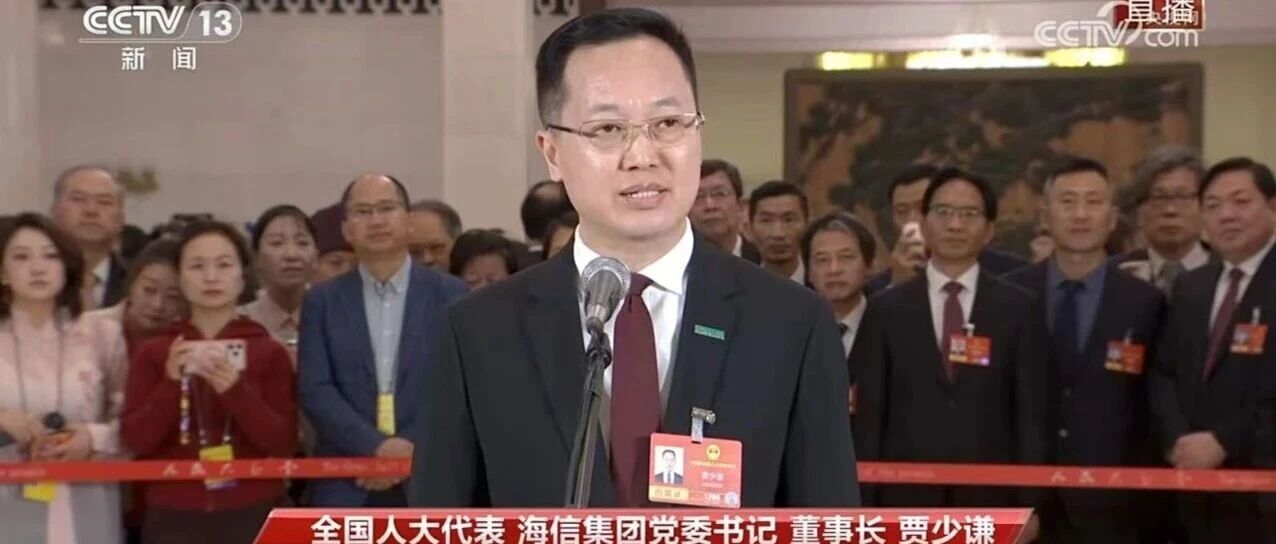
Core Viewpoint - The article highlights Hisense's journey in innovation and manufacturing, showcasing its advancements in display technology and its significant growth in international markets, marking a shift from being a follower to a leader in certain sectors of the manufacturing industry [6][9]. Group 1: Innovation in Display Technology - Hisense launched RGB three-dimensional color control technology at CES 2025, which attracted significant attention from international experts [2][4]. - The company has developed two groundbreaking chips that address long-standing industry challenges, achieving a one-year lead in mass production over foreign competitors [16][18]. - Hisense's RGB-Mini LED televisions captured 48.7% of the high-end market during the 2025 Double Eleven shopping festival, with the company holding over 95% of the sales share in this segment [19][20]. Group 2: Manufacturing Advancements - Hisense has established "lighthouse factories" that utilize AI to enhance production efficiency, achieving a 49% increase in production efficiency and a 35% reduction in production costs [24][22]. - The company has implemented AI-driven quality control systems that significantly reduce inspection times and improve defect detection rates [25]. - Hisense's commitment to R&D is evident, with 5% of its revenue allocated to research, resulting in over 70,000 patent applications and participation in 78 international standards [12][9]. Group 3: International Expansion - Hisense's international revenue reached 1,107 billion yuan in 2025, accounting for 49.3% of its total revenue, with a significant increase in overseas brand recognition [34][33]. - The company has successfully acquired and revitalized several international brands, such as Sharp and Toshiba, leading to profitability within months of acquisition [34][36]. - Hisense has established a global presence with 36 industrial parks and production bases, and 64 overseas companies and offices [37]. Group 4: Future Outlook and Strategic Vision - The company emphasizes the importance of integrating traditional manufacturing with emerging technologies, aiming for sustainable growth and innovation in both established and new industries [40]. - Hisense's leadership believes in the necessity of preparing for future market dynamics while maintaining competitiveness in traditional sectors [40].

美将领证实伊朗小学遭袭是美军所为、中东多国不走霍尔木兹海峡、茅台代销新政落地
新财富· 2026-03-13 08:47
Major Events Observation - WeChat has launched three new features to enhance call experiences, including an ignore button for incoming calls, voice-to-text support for 18 languages, and a screen lock feature for video calls [2] - Moutai has established a new consignment policy for non-standard products, allowing distributors to earn a 5% commission on sales, which will be settled monthly [3] - Apple announced a reduction in the App Store commission rate in mainland China from 30% to 25%, effective March 15, 2026 [4] - Pony.ai has integrated with Tencent's transportation service mini-program to expand smart travel applications and enhance user service options [5] - Xiaomi's new SU7 model is set to launch this month, with significant interest from international car manufacturers [6] - Pinduoduo has initiated a trial for free delivery services to rural areas, aiming to enhance user shopping experiences and expand market coverage [7] - Omdia forecasts that smartphone shipments in Latin America will reach a historical high by 2025, indicating a growing consumer electronics market [8] - Gulf countries have initiated alternative logistics corridors to ensure supply chain continuity amid regional tensions [9] - Iran's new Supreme Leader emphasized national unity and regional security in his first public statement, indicating a continuation of the blockade of the Strait of Hormuz [10] - The U.S. confirmed that an attack on an Iranian school was conducted by its military, attributing it to a series of errors [11] - The U.S. Treasury issued a general license allowing the sale of Russian oil and petroleum products that were loaded before March 12, 2023, to alleviate international oil price pressures [12] - JD.com announced a new delivery service strategy and plans to expand its smart robot industry, with daily investments reaching 128 million yuan [13] - A former Xiaomi executive has announced a new company brand and is preparing for internal testing of a new app [14] - JD Cloud launched a promotional campaign involving digital and physical lobsters, enhancing user engagement [16] - The Ministry of Industry and Information Technology released guidelines to mitigate security risks associated with OpenClaw [17] - Ninebot has integrated OpenClaw into its electric vehicles, marking a significant advancement in AI applications within the industry [18] - Microsoft and Meta are driving a surge in the global data center leasing market, projected to reach $700 billion [19] - Meta announced the development of four self-designed AI chips, aiming to compete with Nvidia and AMD by the end of 2027 [20] - The 2026 AWE exhibition highlighted the integration of AI in home appliances, showcasing innovations in smart home technology [21]






松下参展2026AWE:以中国为引擎,驱动全球业务增长
Zhong Guo Jing Ji Wang· 2026-03-13 05:30
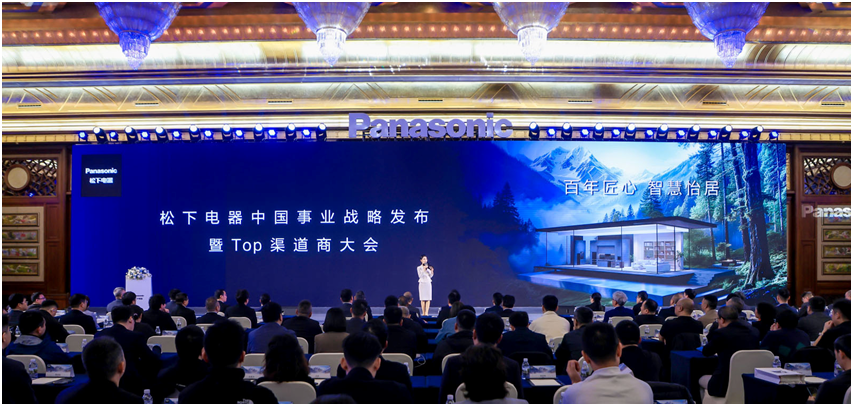
Core Viewpoint - Panasonic is transitioning from a "For China, in China" strategy to a "For the World, in China" approach, leveraging local innovations to drive global business growth [1][7] Group 1: Strategic Developments - Panasonic will officially launch a new business structure in April 2026, focusing on three key areas: solutions, components, and smart living [3] - The newly established Panasonic Electric Co., Ltd. will lead developments in these areas, with the China Northeast Asia Business (CNAB) being the only regionally focused organization responsible for cross-business coordination [3] - Since the establishment of the China Northeast Asia Company in 2019, Panasonic has generated over 15 billion RMB in operating cash flow from 2019 to 2024 [3] Group 2: Market Positioning and Innovations - Panasonic aims to provide solutions that balance health and environmental contributions, encapsulated in the Wellness Smart (WS) initiative [5] - The company plans to expand its "Made by China" initiative, promoting innovative products from China to global markets [5] - Panasonic's kitchen small appliance sector will undergo comprehensive reforms, leveraging China's supply chain advantages to accelerate innovation and cost competitiveness [5] Group 3: Industry Challenges and Responses - The Chinese home appliance market is characterized by demand decline, inventory competition, and K-shaped consumption differentiation [6] - Panasonic adopts a "coexistence and win-win" business philosophy to create a development ecosystem benefiting customers, channels, and enterprises [6] - Despite industry price wars, Panasonic's sales in direct categories are projected to grow by 106% year-on-year, with market share increasing by over 30% [6] Group 4: Future Outlook - Panasonic's strategic upgrade is a recognition of its local innovation achievements and a critical step in its global smart living industry layout [7] - The company will leverage local R&D, supply chain, and market operations to enhance global business value [7]

机器人进入家庭预计还要三年
第一财经· 2026-03-13 04:51
Core Viewpoint - The 2026 AWE (China Household Appliances and Consumer Electronics Expo) showcases a significant increase in household service robots, with expectations for embodied intelligence to enter homes within three years, although not necessarily in humanoid form [3][5]. Group 1: Household Service Robots - Haier introduced three types of household robots, including a companion robot for fall detection and medication reminders, a cleaning robot for tidying up, and a household robot capable of opening refrigerator doors and handling utensils [6]. - Companies like Hisense and Ecovacs are also advancing in the household service robot sector, with Hisense's smart companion robot evolving from previous models to offer health monitoring and safety checks [6]. - The chairman of Ecovacs highlighted that the integration of AI models and intelligent agents is crucial for the successful adoption of these robots in homes, emphasizing the need for technological maturity and consumer willingness to invest [6][7]. Group 2: AI Integration in Home Appliances - The article discusses the trend of AI integration into various home appliances, which is seen as a more immediate and practical approach compared to humanoid robots [9]. - Gree Electric's air conditioning division is focusing on three upgrade directions for 2026: proactive intelligence, energy efficiency, and comfortable airflow, all enhanced by AI [9]. - AI technology is also being applied to televisions, improving display quality and enabling natural language interaction with users, potentially transforming them into central smart home devices [9]. Group 3: Kitchen Appliances and AI - Boss Appliances showcased AI glasses that assist in cooking by linking with smart ovens, enhancing the cooking experience [10]. - Companies like Vatti are focusing on AI technology to improve kitchen appliances, such as smoke hoods that predict and manage smoke trajectories [10]. - The kitchen appliance sector is expected to evolve from individual smart controls to comprehensive smart, interconnected solutions, although there remains a gap between current capabilities and ideal expectations [10]. Group 4: Industry Collaboration and Development - The China Household Electrical Appliances Association held a forum during AWE to discuss the development of the household service robot industry, establishing a dedicated committee with participation from 50 related companies and research institutions [11]. - Industry participants emphasized the need for collaborative efforts to accelerate the development of household robots and the integration of robotics into home appliances [11].

AWE2026:海尔智家展多品类循环生态
Jing Ji Guan Cha Wang· 2026-03-13 02:32
Core Viewpoint - Haier Smart Home showcases its AI Eye 2.0 at AWE2026, emphasizing the liberation of household chores through AI technology and presenting a new experience in smart home living [1] Group 1: Recycling and Circular Economy - Haier Smart Home has recycled nearly 30 million old appliances since 2022, leading the industry in recovery volume [1] - The company has developed a "Five Networks Integration" model, combining marketing, channel, service, logistics, and recycling networks to create a centralized, standardized, and large-scale recycling system [1] - The Haijing Green Recycling platform is the first comprehensive recycling platform in the industry, extending beyond major appliances to include small appliances, 3C electronic products, drones, and even old clothing [1] Group 2: Reprocessing and Sustainability - Haier Smart Home has established a closed-loop system for recycling, disassembly, regeneration, and reuse, facilitating a multi-category circular ecosystem [2] - The company produces recycled plastics with a purity of 99.9% through innovative processes, successfully entering overseas markets and expanding into high-value applications in automotive, daily chemicals, and office automation sectors [2] - The company is building a zero-carbon circular digital platform that is traceable and quantifiable, aiming to make the invisible carbon reduction value visible and measurable [2] Group 3: Green Development Philosophy - Haier Smart Home is committed to promoting green practices in appliance recycling and deepening its circular economy layout, integrating green concepts throughout the product lifecycle from design to manufacturing to recycling [3] - The company aims to enhance user experiences with low-carbon and convenient green lifestyles as its smart home strategy is further implemented [3]

AWE海尔智家发布10项标准,推动产业智能化和高品质化
Jin Tou Wang· 2026-03-13 02:31
Core Insights - The AWE2026 event highlighted the rapid development of smart home technology, with a focus on AI appliances and smart living experiences, while also addressing the challenges of inconsistent standards and varying technology quality in the industry [1][2] Group 1: Industry Standards and Regulations - Haier Smart Home led the release of 10 standards at AWE to promote comprehensive implementation and application, aiming to resolve industry chaos [1] - The company introduced the first industry standard for evaluating the intelligence level of AI home appliances, categorizing them into five levels from L1 to L5, with the Seeker series being the first to achieve L4 certification [1] - The standards aim to eliminate "pseudo-intelligence" by clearly defining what constitutes true smart appliances, which can autonomously recognize user intent and execute tasks [1] Group 2: Ecosystem Integration - Haier Smart Home's "Family Brain White Paper (2026)" aims to break down barriers in the industry, providing a flexible and reliable technology platform through the implementation of model context protocols (MCP) and cross-domain interconnection standards [2] - This standardization is expected to accelerate the transition of companies from traditional hardware manufacturing to high-value smart services, fostering a new phase of value co-creation and mutual benefits across the industry [2] Group 3: Technological Advancements - The company released several technical standards, including GB/T 37877-2025, to enhance the technological capabilities and user experience of smart appliances, addressing specific requirements for products like refrigerators and washing machines [2] - For instance, the AI defrosting technology for refrigerators must meet specific temperature criteria, while new requirements for washing machines include preventing pilling and tangling [2] Group 4: Industry Leadership - As a platform service-oriented technology ecosystem enterprise, Haier Smart Home is committed to fostering healthy, stable, and upward development in the industry through advanced standards, positioning itself as a leader in the smart home exploration [3]
国信证券晨会纪要-20260313
Guoxin Securities· 2026-03-13 01:50
Group 1: Macro and Strategy - The U.S. February CPI data shows a month-on-month increase of 0.3%, with a year-on-year increase of 2.4%, aligning with expectations [8] - The AH premium index is primarily influenced by the financial sector and mid-cap stocks, with the Hang Seng-Hushen Connect AH premium index preferred as a reference [9][10] - The AH premium is inversely related to market capitalization, with larger companies generally exhibiting lower AH premiums [10] Group 2: Public Utilities and Environmental Protection - The government work report emphasizes the construction of a clean, low-carbon, safe, and efficient new energy system, aiming for a reduction of carbon emissions by approximately 3.8% per unit of GDP in 2026 [12] - The public utilities sector saw a 3.42% increase, while the environmental index decreased by 1.41%, indicating a mixed performance across sectors [12] - Investment recommendations include major thermal power companies and renewable energy leaders, highlighting the importance of energy transition and infrastructure development [14] Group 3: Chemical Industry - The potassium fertilizer market is experiencing a stable price increase, with domestic prices rising by 0.46% month-on-month and 6.06% year-on-year [15] - Phosphate rock prices are expected to remain high due to increasing demand from new energy materials, with current prices for 30% grade phosphate rock around 1,040 CNY/ton [15][16] - The demand for glyphosate is anticipated to rise, with prices increasing to 26,500 CNY/ton, driven by geopolitical factors and export opportunities [18][19] Group 4: Pharmaceutical Industry - The IgA nephropathy treatment market is projected to reach a median commercialization scale of approximately $8.3 billion, driven by a significant patient population in China [20] - The government work report positions the biopharmaceutical sector as a new pillar industry, emphasizing innovation and market expansion [25] - Key catalysts for IgAN treatments include upcoming clinical data releases and regulatory approvals, with several drugs expected to enter the market in the near term [23][24] Group 5: Company-Specific Insights - Bilibili's advertising revenue grew by 27% year-on-year, driven by increased demand in various advertising scenarios, while overall revenue reached 8.321 billion CNY [26][27] - Hutchison China MediTech's overseas sales of furmonertinib increased by 26%, with a positive revenue outlook for 2026 [30] - Far East Horizon's net profit remained stable at 3.9 billion CNY, with a focus on maintaining high dividend yields [32][35]