
游戏

Search documents
不起眼的SSL证书,让全球玩家玩不了《英雄联盟》
3 6 Ke· 2026-01-13 12:34
Core Viewpoint - The global player base of "League of Legends" experienced a significant outage on January 5, 2023, due to an expired SSL certificate, which led to a temporary shutdown of the game for approximately 10 hours [3][4][6]. Group 1: Incident Overview - On January 5, around 4 AM, players worldwide were unable to access the "League of Legends" client, receiving error messages indicating session issues and account non-existence [3]. - The outage was attributed to a failure in certificate verification, caused by the expiration of an SSL certificate issued in January 2016, which was valid for ten years [4][6]. - The maintenance concluded after 10 hours, and the SSL certificate was renewed, now valid until December 12, 2125 [6][10]. Group 2: Technical Explanation - SSL certificates are essential for verifying server identity and ensuring secure data transmission, acting as a digital ID for internet products [7]. - The expired SSL certificate prevented the client from obtaining server authentication, leading to a global login system failure [6][11]. - The incident raised questions about why Riot Games did not renew the certificate in advance, as the company may not have anticipated the long-term success of "League of Legends" [11][13]. Group 3: Industry Context - The gaming industry has seen a shift towards long-term game sustainability, with the concept of Games as a Service (GaaS) gaining traction, allowing for ongoing player engagement and reduced development costs [13]. - The unexpected longevity of "League of Legends" highlights a change in industry dynamics, where companies are now more focused on creating enduring game ecosystems [13].


上线6日新增用户破千万,冲上热搜的《鹅鸭杀》能火多久?
第一财经· 2026-01-13 12:18
Core Viewpoint - The mobile game "Goose Duck" has gained immense popularity in China, achieving over 10 million new users within six days of its launch, surpassing historical peak concurrent users on Steam [4][5]. Group 1: Game Launch and Popularity - The mobile version of "Goose Duck" was launched by Huya and Kingsoft, quickly becoming a trending topic on social media, with discussions around user ID sales reaching as high as 7,500 yuan [4]. - The game topped the iOS free charts on its launch day and maintained a strong position, ranking second in the iOS game chart and fourth overall as of January 13 [4]. Group 2: Game Mechanics and Features - "Goose Duck" features a unique setting where players, as geese, must complete tasks while identifying ducks and other birds among them, with over 30 different character roles enhancing gameplay complexity [5]. - The game allows up to 16 players per session, creating dynamic and unpredictable gameplay experiences, which has contributed to its viral success [5]. Group 3: Marketing and Community Engagement - Analyst Zhang Shule highlighted that Huya's strategic promotion of the game through its streaming platform transformed the game's launch from a passive to an active marketing effort, significantly increasing its visibility [6]. - The game's success is attributed to a combination of classic IP appeal and innovative marketing strategies, including social media engagement and content-driven promotion [7]. Group 4: Future Outlook - Despite the initial success, there are concerns about the game's longevity, as past trends indicate that popularity may wane over time, necessitating strong ongoing content development and community engagement to maintain interest [7].


杭州六小龙,排队IPO
混沌学园· 2026-01-13 12:01
Core Viewpoint - The article discusses the current status and future prospects of the "Hangzhou Six Little Dragons," a group of six technology companies that have gained significant attention and are now preparing for IPOs amidst intense competition and market pressures [2][3][4]. Group 1: Company Status and IPO Progress - Four out of the six companies are preparing for IPOs: Yushu Technology, Qunhe Technology, Yundong Technology, and Qiangnao Technology [2][8]. - Yushu Technology has achieved annual revenue exceeding 1 billion yuan and has been profitable for five consecutive years, with a significant order volume [13][14]. - Qiangnao Technology recently completed a financing round of approximately 2 billion yuan, positioning itself as a leading player in the brain-computer interface sector [10][11]. - Yundong Technology has seen its revenue double in 2024 and is also preparing for an IPO [16][17]. - Qunhe Technology has established itself as a leader in the space design software market, with a significant market share and a stable revenue model [18][38]. Group 2: Financial Performance and Market Position - Game Science has generated over 9 billion yuan in revenue from its flagship game, demonstrating strong cash flow and market demand [19][20]. - DeepSeek, the parent company of DeepSeek, reported a revenue of 5 billion yuan, showcasing its financial strength and market potential [22]. - Yushu Technology's competitive pricing strategy has contributed to its leading market share in the quadruped robot segment, with over 60% of the global market [45][46]. - Qiangnao Technology aims to make advanced prosthetics affordable, significantly reducing the price of its products compared to imported alternatives [56]. Group 3: Innovations and Product Developments - Game Science is expanding its IP commercialization efforts, launching new products and establishing a flagship store to enhance brand presence [20][27]. - DeepSeek has introduced innovative models that improve efficiency in AI training and inference, positioning itself as a cost-effective solution in the AI landscape [29][33]. - Qunhe Technology has developed spatial language models that enable direct generation of interactive 3D designs, marking a significant advancement in spatial intelligence [38][40]. - Yushu Technology has launched new robotic products, including the Unitree H2 humanoid robot, showcasing advancements in robotics technology [44][45]. Group 4: Industry Challenges and Competitive Landscape - The technology sector is experiencing intense competition, particularly in the fields of robotics and AI, with numerous new entrants emerging [58][61]. - The article highlights the need for companies to innovate continuously and adapt to market pressures to survive in a rapidly evolving industry [65]. - The competition is not only about technology but also about the ability to create sustainable business models and long-term value [65][73].

第三方开发者将任天堂经典游戏《超级马力欧 64》移植到世嘉 DreamCast 平台,可 480P 运行
Xin Lang Cai Jing· 2026-01-13 11:55
Core Viewpoint - The classic Nintendo 64 game "Super Mario 64" has been successfully ported to the Sega Dreamcast by developers MrNeo, Falco Girgis, and jnmartin84, utilizing decompiled source code for improved accuracy and performance compared to traditional emulation methods [1][7][8]. Group 1 - The port runs natively at 480p resolution and achieves full speed performance, significantly enhancing the gaming experience [8]. - The ported version is now available for download, allowing players to convert their legally owned U.S. version of "Super Mario 64" ROM into a Dreamcast-compatible image file using an automated build tool from the project's GitHub page [3][10]. - Feedback from retro gamers indicates that this version offers smoother gameplay and better controls than the original N64, resembling a true native AAA title designed for the Dreamcast [6][12].


7成上市游戏公司看好的赛道,也要变天了?
Xin Lang Cai Jing· 2026-01-13 11:33
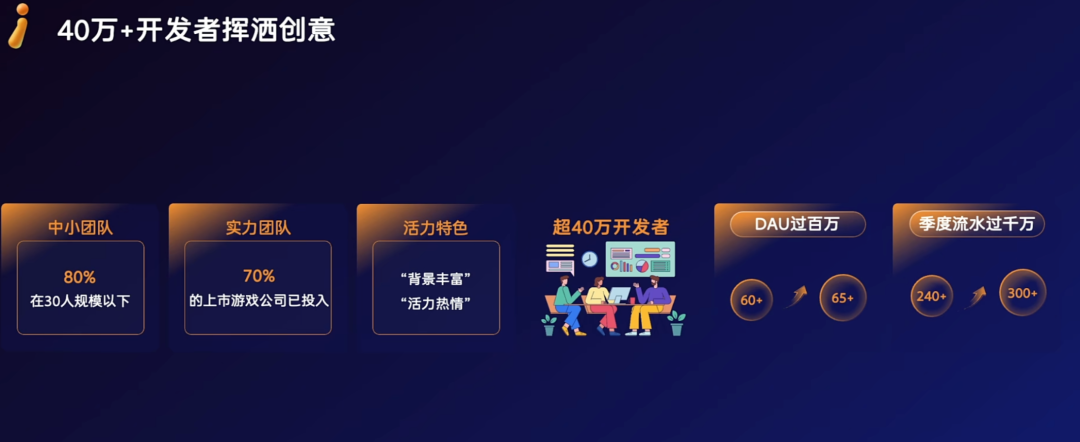
Core Insights - The mini-game market in China has become a focal point in the gaming industry, with significant growth and revenue data attracting numerous developers, but the market dynamics are shifting as competition intensifies and growth rates slow down [1][27] - By 2025, the domestic mini-game market is projected to generate revenue of 53.535 billion yuan, with a year-on-year growth rate of 34.39%, although this represents a slowdown compared to previous explosive growth [1][27] - Major companies are increasingly dominating the market, with over 70% of listed gaming companies investing heavily in mini-games, raising the industry entry barriers to the level of native apps [1][27] Platform Development - WeChat mini-games remain the largest platform in China, with over 400,000 developers and more than 300 teams generating over 10 million yuan in quarterly revenue [2][28] - The active user base on WeChat mini-games has surpassed 500 million, with a 10% increase in user online time expected in 2025 compared to 2024 [2][28] - Douyin mini-games have also seen remarkable growth, with revenue increasing by 100% and active user numbers rising by 120% in 2025 [4][30] Product Trends - WeChat mini-games have successfully explored heavy game genres, with several SLG, RPG, and card games achieving stable growth [4][30] - Douyin's unique short video ecosystem enhances content distribution, significantly impacting player engagement and revenue generation [6][31] - The revenue scale of WeChat and Douyin mini-games is expected to account for over 90% of the total domestic mini-game market [6][31] Manufacturer Segmentation - The mini-game market has seen a clear tiered structure, with large companies dominating the first tier, including over 70% of listed gaming firms [11][33] - Companies like Sanqi Interactive and Diandian Interactive lead the first tier, leveraging strong operational capabilities to produce multiple blockbuster games [13][35] - The second tier consists of niche market leaders that have emerged from the mini-game sector, maintaining high hit rates through rapid product iteration [15][37] Competitive Landscape - The competition in the mini-game market has evolved from a focus on traffic to a comprehensive strength competition involving product quality, traffic acquisition, long-term operations, and technological reserves [20][42] - The demand for higher quality mini-games is pushing developers to innovate and differentiate their products, moving towards a model that closely resembles native apps [21][43] - AI technology is becoming a critical competitive barrier, significantly enhancing the efficiency of game development, marketing, and customer service [25][47] Market Evolution - The mini-game industry is transitioning from rapid growth to a phase of meticulous cultivation, indicating that future opportunities will favor those who focus on quality content and technological mastery [26][48] - The market's slowdown is not a sign of diminishing returns but rather a necessary evolution towards sustainable growth and high-quality development [26][48]
2025手游数据出炉:腾讯等中国头部发行商占全球35%份额 合成类手游成最大亮点
Xin Hua Cai Jing· 2026-01-13 11:22
Core Insights - The global mobile game market is projected to reach $82.3 billion in 2025, with a year-on-year growth of 1.3% [1] - Chinese mobile game publishers maintain a strong market position, generating $23.3 billion in revenue, accounting for 35% of the total revenue of the top 100 publishers globally [1] - The growth of the mobile game market is characterized by structural opportunities, particularly in the merging game genre, which saw a significant increase of 95% to $2.4 billion [2] Group 1 - Tencent remains the top global mobile game publisher, with flagship titles like "Honor of Kings" and "Peacekeeper Elite" contributing to stable revenue, exceeding $2 billion in annual income for "Honor of Kings" [1] - The new shooting game "Delta Force" from Tencent has shown significant revenue growth, becoming a key driver for the company's annual income [1] - The merging game genre is highlighted as a major growth area, with companies like Didi Interactive and Lemon Microfun achieving revenue increases of 87% and 165% respectively, propelling them to the second and fourth positions among Chinese publishers [2][3] Group 2 - The global strategy mobile game market grew by 20% in 2025, surpassing $20 billion, driven by the trend of gameplay fusion [2] - New entries in the overseas revenue rankings include games that combine strategy and shooting elements, indicating a successful adaptation to market demands [2] - Companies like Zhe Paper Network and Giant Network have also seen significant revenue growth through innovative content updates and new game releases, with Zhe Paper's "Love and Deep Space" achieving a 44% increase [3]

看不见的黑手:谁在“背刺”游戏行业?
3 6 Ke· 2026-01-13 11:09
Core Viewpoint - The gaming industry is facing significant challenges due to internal leaks, which can severely impact the development and financial success of major titles like GTA6, leading to potential losses in the billions and affecting the entire ecosystem of game development and player experience [1][4][26]. Group 1: Impact of Leaks on Major Titles - The leak of content related to GTA6 has been confirmed by Rockstar Games, highlighting the vulnerability of high-profile IPs to internal breaches [1][4]. - GTA5 has achieved global sales exceeding 215 million copies, making any leaks regarding its successor, GTA6, particularly damaging [4]. - Previous incidents, such as the 2022 breach by hacker Arion Kurtaj, resulted in significant delays and financial losses for Rockstar, demonstrating the long-term consequences of such leaks [5][10]. Group 2: Domestic Leak Cases - The Chinese gaming industry is not immune to leaks, with numerous cases reported, including the Genshin Impact copyright infringement case, which resulted in a court ruling for damages of 330,000 yuan [9][10]. - Other notable cases include the character leak from the game "Ace Warrior," which was linked to an employee's resume, leading to a compensation ruling of 90,000 yuan [10]. Group 3: Consequences of Leaks - Leaks can lead to irreversible damage, including loss of user trust, brand reputation, and disruption of commercial timelines [10][15]. - The gaming industry faces a "three losses" scenario where leakers, creators, and players all suffer negative consequences from leaks [26]. Group 4: Legal and Preventive Measures - Current legal repercussions for leaks are often insufficient to deter potential infringers, as the costs of leaking are perceived as manageable [14][23]. - Companies like miHoYo have taken proactive legal measures, such as seeking immediate court orders to prevent the dissemination of leaked content [16][19]. - There is a call for a more systematic approach to monitoring and controlling the spread of sensitive information related to popular game IPs to mitigate risks [20][27]. Group 5: Industry Collaboration - The health of the gaming industry relies on collaboration among developers, players, platforms, and regulatory bodies to protect intellectual property and maintain a positive gaming environment [27][28].
2025手游数据出炉:中国头部发行商占全球35%份额 合成类手游成最大亮点
Xin Hua Cai Jing· 2026-01-13 10:53
Core Insights - The global mobile game market is projected to reach $82.3 billion in 2025, with a year-on-year growth of 1.3% [1] - Chinese mobile game publishers maintain a strong market position, generating $23.3 billion in revenue, accounting for 35% of the total revenue of the top 100 publishers globally [1] Group 1: Market Overview - The overseas market revenue is expected to be $69.8 billion, reflecting a 2% increase [1] - The top 30 Chinese mobile game publishers' revenue remains stable compared to 2024 [1] Group 2: Key Players and Performance - Tencent continues to lead the global mobile game publisher revenue, with flagship titles like "Honor of Kings" and "Peacekeeper Elite" performing well [1] - "Honor of Kings" celebrates its 10th anniversary with annual revenue exceeding $2 billion, marking a 5% increase [1] - Tencent's new shooting game "Delta Force" shows significant revenue growth, contributing to the company's annual revenue increase [1] Group 3: Emerging Trends - The synthesis genre of mobile games has seen remarkable growth, with a global market size increasing by 95% to $2.4 billion [2] - DotDot Interactive's synthesis game "Tasty Travels: Merge Game" and strategy game "Whiteout Survival" drive a revenue increase of 87%, positioning the company as the second-largest Chinese publisher [2] - Lemon Sky, focusing on synthesis games, experiences a 165% revenue increase, moving up to the fourth position [2] Group 4: Gameplay Innovations - The global strategy mobile game revenue grows by 20%, surpassing $20 billion [2] - The trend of "SLG (Strategy Game) + X" gameplay fusion is becoming more pronounced, with new entries like "Last Z: Survival Shooter" and "Dark War: Survival" achieving significant revenue growth [2] Group 5: Notable Achievements - Several companies achieve notable revenue growth in their respective niches, such as Paper Games' "Love and Deep Space" with a 44% increase to $550 million [3] - Giant Network's new title "Supernatural Action Team" doubles the company's annual revenue, entering the publisher revenue rankings [3] - DotDot Interactive's "Whiteout Survival" remains the top overseas revenue generator, with annual overseas revenue exceeding $1.65 billion [3] Group 6: Overall Market Dynamics - The global mobile game market is entering a phase of stable development with slowed growth [4] - Chinese publishers are focusing on maintaining market share while exploring opportunities in synthesis, gameplay fusion, and niche genres [4] - The emphasis is shifting from scale expansion to capturing structural growth opportunities through long-term operations and innovative publishing strategies [4]
营收超1700亿元!浦东文创出海迈向“全球共创”丨出海观察
2 1 Shi Ji Jing Ji Bao Dao· 2026-01-13 10:33
Core Insights - The article highlights the rapid growth of China's cultural industry, particularly in the context of cultural products going global, with Shanghai as a key player in this transformation [1][3][21] Group 1: Cultural Products and Globalization - Shanghai's cultural products, which blend traditional elements with modern creativity, are increasingly popular among international tourists [1] - The overseas revenue of China's cultural industry, especially in gaming and online literature, has seen significant growth, with self-developed games generating $20.455 billion in overseas sales, a 10.23% increase year-on-year [3] - The cultural industry is transitioning from merely exporting content to creating a global collaborative ecosystem, enhancing the value of Chinese IPs in international markets [4][14] Group 2: Industry Evolution and Trends - The evolution of online literature has progressed through three stages: translation, platform establishment for local creators, and deep integration into global entertainment industries [4][5] - The demographic of creators is becoming younger, with 50% of WebNovel's signed authors being born after 2000, indicating a shift in creative dynamics [5] - The cultural industry is increasingly focusing on localizing content for international markets, enhancing user engagement and acceptance [10][11] Group 3: Policy Support and Infrastructure - Shanghai's Pudong New Area has implemented supportive policies for cultural enterprises going global, providing comprehensive services in investment, finance, and legal support [6][12] - The establishment of the "Micro Short Drama Export Base" aims to facilitate the global distribution of Chinese cultural products, leveraging Shanghai's unique policies [17] - The region's cultural industry cluster is rapidly developing, with 603 registered cultural creative enterprises and a total revenue of 172.8 billion yuan in 2024 [21]


营收超1700亿元!浦东文创出海迈向“全球共创”
2 1 Shi Ji Jing Ji Bao Dao· 2026-01-13 10:18
Core Insights - The article highlights the rapid growth of China's cultural industry, particularly in the context of cultural products going global, with Shanghai as a key player in this transformation [1][2][5]. Group 1: Cultural Products and Globalization - Shanghai serves as a vibrant hub for cultural exchange, blending traditional elements with modern creativity, attracting international tourists [1]. - The overseas revenue from China's cultural industry, especially in gaming and online literature, has seen significant growth, with self-developed games generating $20.45 billion (approximately 143.06 billion RMB) in overseas sales, marking a 10.23% year-on-year increase [2]. - The online literature sector is also expanding, with projected overseas revenue of 4.815 billion RMB in 2024, reflecting a 10.68% growth [2]. Group 2: Industry Transformation - The cultural industry's evolution is marked by a shift from mere content translation to a more integrated approach involving local creators and global co-creation [3]. - The CEO of a leading online literature company notes that the industry has progressed through three stages: translation, platform establishment, and global co-creation, enhancing the value of Chinese IP in international markets [3]. - The focus has shifted from simply exporting content to creating mechanisms and platforms that foster deeper engagement with global audiences [3][4]. Group 3: Ecosystem Development - The establishment of supportive regional policies, such as those from Shanghai's Pudong New Area, has been crucial in facilitating cultural enterprises' international expansion [5]. - These policies provide comprehensive support, including investment, cross-border finance, and legal services, enabling cultural companies to focus on creativity and overseas growth [5]. - The cultural industry is increasingly leveraging local insights and experiences to enhance its global operational capabilities, moving towards simultaneous global launches of products [7]. Group 4: Local Adaptation and Global Strategy - Local teams are essential for cultural companies to effectively engage with overseas markets, adapting strategies to fit regional preferences and cultural nuances [7][8]. - The gaming sector exemplifies this trend, with companies developing products from a global perspective to ensure broader acceptance among international users [7]. - The integration of local cultural elements into products, such as the incorporation of Chinese folklore in games, helps bridge cultural gaps and enhances user engagement [8]. Group 5: Collaborative Efforts and Industry Events - The cultural industry's success relies on collaborative efforts across the entire value chain, from content creation to local operations [10]. - The establishment of a micro-short drama export base in Pudong aims to create a comprehensive ecosystem for the micro-short drama industry, facilitating cultural exchange and innovation [11]. - Major international events hosted in Pudong, such as ChinaJoy and various esports tournaments, further enhance the region's role as a key platform for cultural dissemination [13]. Group 6: Future Outlook - The cultural industry in Pudong is poised for a critical transformation, shifting from scale expansion to quality enhancement, driven by digital innovation and consumer upgrades [13]. - The region's cultural creative industry comprises 603 enterprises, employing 77,000 people and generating a total revenue of 172.8 billion RMB, indicating a robust growth trajectory [13].