啤酒

Search documents
2025年1-8月中国啤酒产量为2683.3万千升 累计下降0.2%
Chan Ye Xin Xi Wang· 2025-10-02 02:16
Core Insights - The article discusses the performance and trends in the Chinese beer industry, particularly focusing on non-alcoholic beer and production statistics from 2025 [1][2]. Industry Overview - According to the National Bureau of Statistics, China's beer production in August 2025 was 3.58 million kiloliters, representing a year-on-year decline of 1.8% [1]. - Cumulatively, from January to August 2025, China's beer production totaled 26.833 million kiloliters, showing a slight decrease of 0.2% compared to the previous year [1]. Market Analysis - The report by Zhiyan Consulting provides an analysis of the market dynamics and competitive strategies in the non-alcoholic beer sector from 2025 to 2031 [1].


蜜雪集团收购「鲜啤福鹿家」,要将「高质平价」的价值主张延伸至现打鲜啤
IPO早知道· 2025-10-02 01:40
Core Viewpoint - The investment agreement between Mixue Group and Xianpi Fulujia marks a strategic expansion into the fresh beer market, enhancing Mixue's product offerings and aligning with consumer demand for high-quality, affordable products [2][3][4]. Group 1: Investment and Ownership - Mixue Group acquired a 53% stake in Xianpi Fulujia for approximately 297 million RMB, making it a non-wholly-owned subsidiary [2][3]. - Following the acquisition, Xianpi Fulujia's financial performance will be consolidated into Mixue Group's financial results [3]. Group 2: Product and Market Expansion - The acquisition allows Mixue Group to extend its product range from beverages like fruit drinks, tea, ice cream, and coffee to include fresh beer, catering to consumer preferences for high-quality and affordable options [4]. - Xianpi Fulujia, established in 2021, offers fresh beer products priced between 6 to 10 RMB per 500mL, with plans to expand to approximately 1,200 stores across 28 provinces by August 31, 2025 [4]. Group 3: Industry Insights - The Chinese beer market is experiencing a shift from quantity to quality, with increasing consumer demand for diverse and high-quality products [4]. - Fresh beer products, which retain more original flavor compounds compared to traditional beers, are gaining popularity due to their fresh taste and variety, aligning with consumer preferences [4]. Group 4: Synergies and Growth Potential - Mixue Group plans to leverage its robust supply chain to enhance Xianpi Fulujia's product quality and cost efficiency through collaboration in procurement, production, logistics, and quality control [5]. - Joint marketing efforts will aim to reach a broader consumer base and strengthen emotional connections with customers [5]. - The standardized operational management system of Mixue Group will support Xianpi Fulujia in achieving scalable operations through a sustainable franchise model [5].
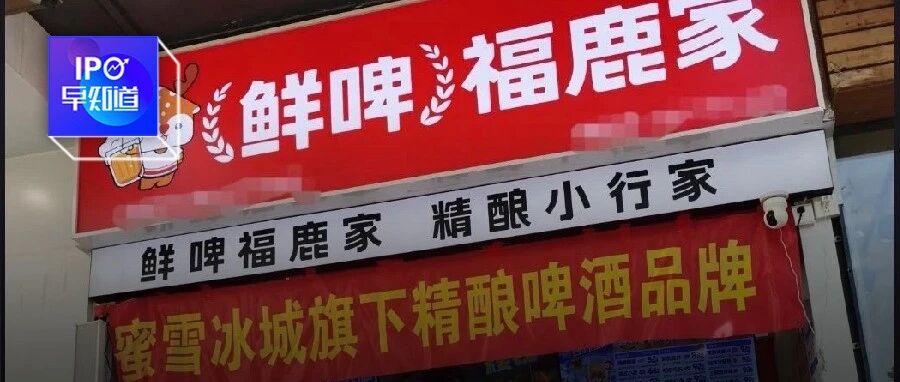
蜜雪集团拟投资一间现打鲜啤产品公司 把握现打鲜啤行业发展机遇
Zhi Tong Cai Jing· 2025-10-01 12:12
Core Viewpoint - The company is making a strategic investment in the fresh beer market by acquiring a 51% stake in the target company, which will enhance its product offerings and market presence in the beverage industry [1][2][3] Group 1: Investment Details - The company plans to invest RMB 285.6 million to subscribe for new registered capital of RMB 6.9017 million in the target company, representing 51% of its expanded registered capital [1] - The company will also acquire an additional 2% stake in the target company for RMB 11.2 million, resulting in the target company becoming a non-wholly owned subsidiary [1] - The financial performance of the target company will be consolidated into the company's financial results following the completion of the investment [1] Group 2: Market Opportunity - The fresh beer market in China is in its early development stage but shows significant growth potential due to increasing consumer demand for high-quality and diverse products [2][3] - Fresh beer products offer more original flavor compounds compared to traditional beer, aligning with consumer preferences for quality and taste [2] - The investment allows the company to capitalize on the growing trend of fresh beer consumption, which combines quality and convenience [2] Group 3: Target Company's Strengths - The target company has established a competitive advantage in product offerings, business model, operational systems, and supply chain management [3] - As of August 31, 2025, the target company operates approximately 1,200 stores across 28 provinces in China, indicating a strong market presence [3] - The target company employs a franchise model for expansion, which supports standardized and high-quality growth with low initial investment [3] Group 4: Synergies and Collaboration - The company and the target company share a commitment to the "high quality and affordable" value proposition, enhancing their operational synergy [4] - The collaboration will leverage the company's robust supply chain to improve the target company's product quality and cost efficiency [4] - Joint marketing efforts and standardized operational management will facilitate the target company's growth and expansion of its store network [4]
蜜雪集团(02097)拟投资一间现打鲜啤产品公司 把握现打鲜啤行业发展机遇
智通财经网· 2025-10-01 12:10
Core Viewpoint - The company is making a strategic investment in the fresh beer market by acquiring a 51% stake in the target company, which will enhance its product offerings and market presence in the beverage industry [1][2]. Group 1: Investment Details - The company plans to invest RMB 285.6 million to subscribe for new registered capital of RMB 6.9017 million in the target company, representing 51% of its expanded registered capital [1]. - The company will also acquire a 2% stake in the target company from Mr. Zhao Jie for RMB 11.2 million [1]. - Following the investment and share transfer, the target company will become a non-wholly owned subsidiary of the company, and its financial performance will be consolidated into the company's financial results [1]. Group 2: Market Opportunity - The fresh beer market in China is in its early development stage but shows significant potential due to consumer demand for high-quality and diverse products [2]. - Fresh beer products offer more original flavor compounds compared to traditional beer, aligning with consumer preferences for quality and taste [2]. - The industry is transitioning from quantity growth to quality growth, indicating a long-term growth potential for fresh beer products [2]. Group 3: Target Company's Strengths - The target company has established a competitive advantage in product offerings, business model, operational systems, and supply chain, with around 1,200 stores across 28 provinces in China as of August 31, 2025 [3]. - The product range includes classic fresh beer and innovative variants like fruit beer and tea beer, catering to diverse consumer needs at affordable prices [3]. - The target company employs a franchise model for expansion, which allows for standardized and high-quality growth with low initial investment [3]. Group 4: Synergies and Collaboration - Both the company and the target company share a commitment to the "high quality and affordable" value proposition, enhancing their operational synergy [4]. - The company can leverage its strong supply chain to improve the target company's product quality and cost efficiency [4]. - Joint marketing efforts and standardized operational management will support the target company's sustainable growth and network expansion [4].
拉萨举行音乐嘉年华
Xin Hua Wang· 2025-10-01 01:41
国庆假期期间,西藏还将推出系列文旅融合活动,包括电竞动漫文旅周和文化旅游体验季、喜马拉雅音 乐季等,丰富市民和游客的假日生活体验。 新华社记者 丁增尼达 摄 这是百威拉萨音乐嘉年华现场(9月29日摄)。 9月29日晚,作为"西藏味道"系列活动之一的百威拉萨音乐嘉年华在西藏自治区会展中心广场启幕。 原标题:拉萨举行音乐嘉年华 【1】 【2】 【3】 【4】 ...

4天带动周边消费1500万
Sou Hu Cai Jing· 2025-09-30 16:57
Core Insights - The 2025 Foshan Sanshui Music Beer Festival attracted nearly 80,000 visitors over four days, generating sales exceeding 800,000 yuan and stimulating approximately 15 million yuan in surrounding consumption [4][5][8] - The event was held at Yunxiu Mountain Stadium, which previously hosted grassroots football matches, demonstrating a successful integration of sports and cultural events to enhance local economic activity [4][7] Event Structure and Features - The festival featured a layout divided into three main areas: performance, dining, and interactive experiences, covering a total area of 23,000 square meters with nearly 100 unique stalls [5][7] - Notable performances included popular bands and artists from the Greater Bay Area, attracting a young audience from cities like Guangzhou, Shenzhen, Dongguan, and Zhongshan, with peak daily attendance reaching 30,000 [5][8] Economic Impact and Business Model - The event utilized a collaborative business model between the local state-owned company and a professional commercial operator, employing a mixed revenue approach of entry fees and sales commissions to attract trendy and international brands [7][8] - Major beverage companies participated, with significant sales of beer and high repurchase rates for craft brands, indicating a strong consumer interest in the local beverage industry [7][8] Future Development Plans - The local government plans to continue promoting the integration of culture and industry, focusing on the renovation of the Yunxiu area and enhancing facilities to support ongoing events [8][9] - There is an emphasis on developing high-value products in the beverage sector and creating an "industrial tourism" model that connects production processes with consumer experiences [8][9]

食品饮料周报:高端酒批价上行,短期或提振市场信心-20250930
Tianfeng Securities· 2025-09-30 15:26
Investment Rating - The industry rating is maintained as "Outperform" [6] Core Views - The high-end liquor prices have rebounded, which may temporarily boost market confidence. The current Shenyin Wanguo white liquor index PE-TTM is at 18.66X, which is 3.13% lower than the reasonable level over the past decade. The dividend returns from leading liquor companies are attractive, and consumer spending is expected to gradually recover, suggesting a focus on recovery opportunities in the sector [1][13][19]. Summary by Sections Market Performance Review - From September 22 to September 26, the food and beverage sector declined by 2.49%, while the Shanghai Composite Index increased by 0.21% and the CSI 300 Index rose by 1.07%. Specific sub-sectors include soft drinks (+0.86%), meat products (-0.02%), beer (-0.77%), snacks (-1.33%), and others [20]. Weekly Updates - **Liquor**: The white liquor sector fell by 3.03%, underperforming the overall food and beverage sector. High-end liquor prices have increased, with Feitian Moutai rising by 90 yuan per bottle over five days. Despite slight pressure on consumption, the price increase may boost market confidence [1][13]. - **Yellow Wine**: Key players like Kuaijishan and Guyuelongshan saw declines of 5.80% and 2.24%, respectively. The sector is entering a verification phase for product distribution and sales [2]. - **Beer**: The beer sector decreased by 0.77%. Notable companies include Qingdao Beer (+0.2%) and Yanjing Beer (+1.7%). Future consumption policies are expected to drive sales recovery [2][14]. - **Soft Drinks**: The soft drink sector showed positive performance, with significant gains from companies like Yangyuan Beverage (+32.49%) and Jinziham (+11.93%). The sector remains attractive due to ongoing trends [3][15]. Investment Recommendations - **White Liquor**: Focus on three main lines: strong beta stocks (e.g., Jiugui Liquor, Shui Jing Fang), recovery concept stocks (e.g., Yingjia Gongjiu), and strong alpha stocks (e.g., Shanxi Fenjiu, Guizhou Moutai) [19]. - **Beer**: Emphasize three main lines: sustained growth stocks (e.g., Dongpeng Beverage, Nongfu Spring), potential performance rebound stocks (e.g., Angel Yeast), and category expansion stocks (e.g., Kuaijishan) [19]. Sector and Individual Stock Performance - The food and beverage sector's dynamic PE ratio is 21.0 times, ranking 22nd among primary industries. The soft drink sector has the highest valuation increase this week, while the health product sector saw the smallest decrease [28]. Key Data Tracking - The average price of fresh milk in major production areas is 3.03 yuan per kilogram, reflecting a year-on-year decrease of 3.50%. The decline in prices has been narrowing since the beginning of the year [18].



中国必选消费品9月价格报告:白酒批价多数下跌,大众品价格多数稳定
Haitong Securities International· 2025-09-30 11:25
Investment Rating - The report assigns an "Outperform" rating to multiple companies in the consumer staples sector, including Guizhou Moutai, Wuliangye, and others, indicating a positive outlook for these stocks [1]. Core Insights - The wholesale prices of Baijiu have mostly declined, with notable decreases in prices for Guizhou Moutai and Wuliangye, while prices for most consumer goods remain stable [4][10]. - The report highlights a significant drop in the discount rates for liquid milk products, indicating a shift in consumer purchasing behavior [6][18]. - Overall, the report suggests that the impact of funds is greater, advising attention to low-position stocks and heavyweight stocks in the consumer staples sector [8]. Summary by Sections Baijiu Pricing - Guizhou Moutai's wholesale prices for Feitian (case and single bottle) are 1790 and 1770 yuan, respectively, reflecting a decrease of 55 and 70 yuan from the previous month [4][37]. - Wuliangye's eighth-generation price is 895 yuan, down 25 yuan from last month [4][37]. - Luzhou Laojiao's Guojiao 1573 price increased by 10 yuan to 850 yuan [4][37]. Consumer Goods Pricing - The average discount rate for liquid milk products decreased from 74.8% to 69.4% since the end of August [6][21]. - Discount rates for soft drinks, condiments, instant foods, and beer remained stable, with slight variations in average and median values [19][35]. - The report notes that the discount rate for infant formula products also showed a minor decrease from 89.5% to 88.7% [21][35]. Investment Strategy - The report emphasizes the importance of monitoring low-position stocks and heavyweight stocks due to the greater impact of funds on the market [8].



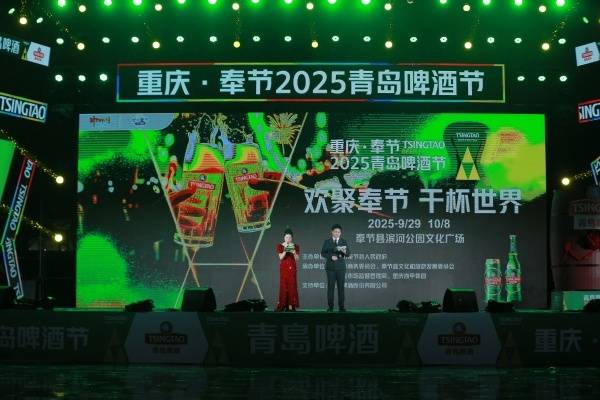
“爱尚重庆·金秋消费季”2025奉节青岛啤酒节启幕
Sou Hu Cai Jing· 2025-09-30 09:40
Core Insights - The "Love Chongqing · Autumn Consumption Season" event, featuring the 2025 Chongqing Fengjie Qingdao Beer Festival, aims to enhance regional collaboration and stimulate local consumption [1][3] Group 1: Event Overview - The festival is organized by the Fengjie County Government and supported by Qingdao Beer Co., showcasing a blend of food, culture, and entertainment [1][3] - The event includes ten themed nights, offering diverse consumer experiences and promoting local products [3][4] Group 2: Economic Impact - The beer festival aligns with the city's strategy to boost consumption, aiming to unlock the economic potential of the National Day holiday [3] - It serves as a platform to promote local agricultural products and support rural revitalization efforts [3] Group 3: Cultural and Culinary Highlights - Fengjie is positioned as a "food landmark city," promoting its culinary brand with notable dishes featured at the festival [4] - The event will include 15 gourmet food stalls and link to local tourist attractions, enhancing the overall visitor experience [4] Group 4: Brand Engagement - Qingdao Beer, as a leading brand in the Chinese beer industry, will contribute to the event with cultural exhibitions and interactive activities [4] - The festival will distribute 3,000 beer vouchers, creating a consumption loop that integrates dining and tourism [4]
中国必选消费品9月成本报告:双节前成本指数波动较小
Haitong Securities International· 2025-09-30 09:23
Investment Rating - The report provides various investment ratings for companies in the consumer staples sector, with "Outperform" ratings for several companies including China Feihe, Haidilao, and China Resources Beer, while Budweiser APAC is rated "Neutral" [1]. Core Insights - The overall cost indices for six categories of consumer goods showed mixed trends, indicating stability in the market. Spot cost indices for soft drinks, beer, instant noodles, dairy products, frozen foods, and seasonings changed by +0.97%, +0.51%, +0.26%, -0.13%, -0.44%, and -0.57% respectively, while futures cost indices changed by -1.08%, +1.06%, -1.06%, -1.67%, -0.78%, and -0.06% respectively [31][32][33][34][35][36][37]. Summary by Category Beer - The spot cost index for beer increased by 0.51% month-on-month, while the futures index rose by 1.06%. Year-to-date, the spot and futures indices have decreased by 3.71% and 4.95% respectively [12][32]. Seasonings - The spot cost index for seasonings decreased by 0.57% month-on-month, while the futures index fell by 0.06%. Year-to-date, the indices have changed by -2.41% and -6.71% respectively [15][33]. Dairy Products - The spot cost index for dairy products decreased by 0.13% month-on-month, while the futures index fell by 1.67%. Year-to-date, the indices have changed by -3.36% and -3.93% respectively [18][34]. Instant Noodles - The spot cost index for instant noodles increased by 0.26% month-on-month, while the futures index decreased by 1.06%. Year-to-date, the indices have changed by -3.23% and -6.06% respectively [22][35]. Frozen Foods - The spot cost index for frozen foods decreased by 0.44% month-on-month, while the futures index fell by 0.78%. Year-to-date, the indices have changed by -2.3% and -3.37% respectively [25][36]. Soft Drinks - The spot cost index for soft drinks rose by 0.97% month-on-month, while the futures index fell by 1.08%. Year-to-date, the indices have changed by -4.19% and -10.86% respectively [28][37].