电子

Search documents
海外宏观周报:消费韧性支撑美国经济-20260113
China Post Securities· 2026-01-13 08:53
近期研究报告 《假期消费温和增长,文旅消费多元扩 容》 - 2026.01.05 宏观观点 海外宏观周报:消费韧性支撑美国经济 ⚫ 核心观点: 预计今年美国居民消费将保持稳健,主要因素包括以下几点:通 胀逐渐走低支撑居民真实收入水平;大而美法案(OBBBA)减税措施对 居民可支配收入形成支撑;美股财富效应影响下,资产净值的增加往 往能够提升居民的消费意愿,拉动整体消费需求。 证券研究报告:宏观报告 发布时间:2026-01-13 研究所 分析师:李起 SAC 登记编号:S1340524110001 Email:liqi2@cnpsec.com 研究助理:高晓洁 SAC 登记编号:S1340124020001 Email:gaoxiaojie@cnpsec.com 然而,整体消费稳健并不能掩盖居民收入状况在 2026 年进一步 分化的风险。相对于高收入群体,低收入群体更加依赖就业市场,并 且 OBBBA 对居民的支持主要通过减税而非直接补贴的形式实现,这种 政策对于高收入者的边际效应更显著,而对低收入群体的刺激作用相 对有限。同时,美股的财富效应也更多地集中于富裕群体,对他们的 消费拉动效果可能强于低收入群体。 ...
226.97亿元主力资金今日撤离国防军工板块
Zheng Quan Shi Bao Wang· 2026-01-13 08:53
Market Overview - The Shanghai Composite Index fell by 0.64% on January 13, with six industries experiencing gains, led by the oil and petrochemical sector at 1.62% and the pharmaceutical and biotechnology sector at 1.21% [1] - The defense and military industry had the largest decline, dropping by 5.50%, followed by the electronics sector, which fell by 3.30% [1] Capital Flow Analysis - The net outflow of capital from the two markets reached 162.74 billion yuan, with only four industries seeing net inflows [1] - The pharmaceutical and biotechnology sector had the highest net inflow of 4.348 billion yuan, while the oil and petrochemical sector saw a net inflow of 586 million yuan [1] - The electronics industry experienced the largest net outflow, totaling 37.010 billion yuan, followed by the computer industry with a net outflow of 23.107 billion yuan [1] Defense and Military Industry Performance - The defense and military industry had 138 stocks, with only 11 stocks rising and one hitting the daily limit, while 126 stocks fell, including 20 that hit the daily limit [2] - The top stock for net capital inflow in this sector was Haige Communication, with a net inflow of 2.067 billion yuan, followed by Inner Mongolia First Machinery Group and Hongdu Aviation with net inflows of 191 million yuan and 93.939 million yuan, respectively [2] - A total of 44 stocks in the defense and military sector saw net outflows exceeding 100 million yuan, with the largest outflows from Aerospace Electronics, Aerospace Development, and Raytheon Defense, amounting to 4.706 billion yuan, 2.107 billion yuan, and 1.910 billion yuan, respectively [2] Top Gainers and Losers in Defense and Military Sector - The top gainers in the defense and military sector included Haige Communication (10.00% increase), Inner Mongolia First Machinery Group (4.30% increase), and Hongdu Aviation (2.39% increase) [3] - The top losers included Aerospace Electronics (-10.01% decrease), Aerospace Development (-10.00% decrease), and Raytheon Defense (-9.99% decrease) [4]


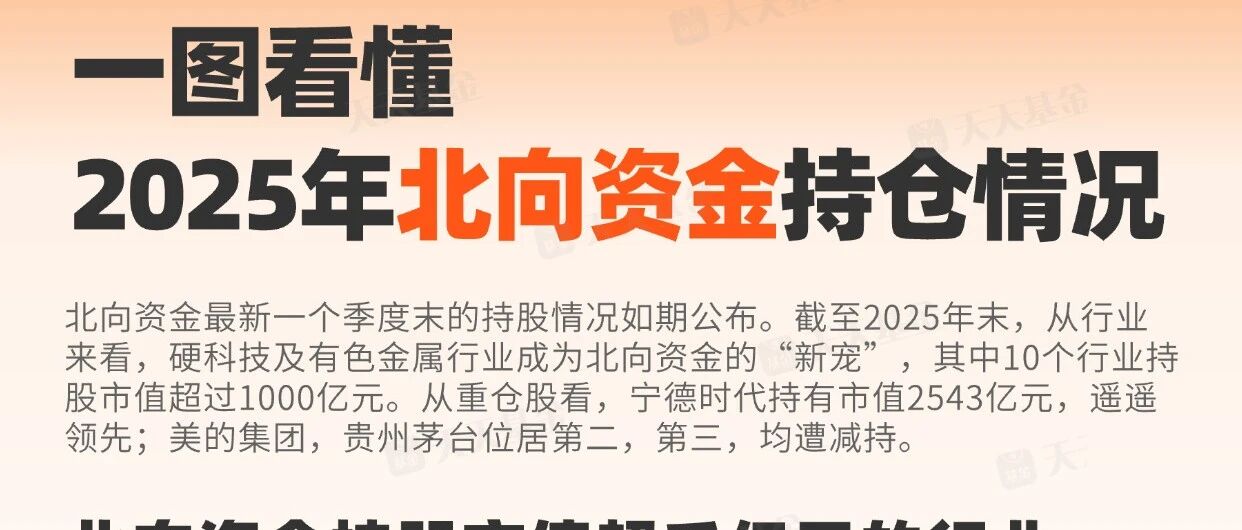
“聪明钱”持仓披露 这十大行业持股市值超千亿
天天基金网· 2026-01-13 08:47
Core Viewpoint - As of the end of 2025, the northbound capital has shifted its focus towards hard technology and non-ferrous metals industries, with ten industries having a market value of over 100 billion yuan [1][7]. Industry Summary - The top three industries by market value held by northbound capital at the end of 2025 are: - Power Equipment: 449.5 billion yuan, a 60.04% increase from 2024 [3][7]. - Electronics: 387 billion yuan, an 85.02% increase from 2024 [3][7]. - Non-ferrous Metals: 185.6 billion yuan, a 173.04% increase from 2024 [3][7]. - Other industries with significant holdings include: - Banking: 217.6 billion yuan, a 56.45% increase [3]. - Machinery: 98.6 billion yuan, a decrease of 3.49% [3]. - Pharmaceuticals: 148.2 billion yuan, a decrease of 35.52% [4]. Major Holdings - The top ten stocks held by northbound capital at the end of 2025 include: - Ningde Times: 254.3 billion yuan, a 76.57% increase [5][8]. - Midea Group: 77 billion yuan, a decrease of 7.99% [5][8]. - Kweichow Moutai: 75.8 billion yuan, a decrease of 35.82% [5][8]. - China Merchants Bank: 51.4 billion yuan, a 2.92% increase [5][8]. - Zijin Mining: 47.1 billion yuan, a 120.18% increase [5][8]. - Notable changes in the top ten include: - Northern Huachuang, Zhongji Xuchuang, and Lixun Precision entering the list, while Longjiang Power, Mindray Medical, and BYD dropped out [8].







从AI眼镜到高阶智驾:CES释放电子产业链多终端进化信号
Ge Long Hui· 2026-01-13 08:47
Group 1: Wearable Devices and IoT - AI glasses and camera headphones remain the focus of wearable devices, with over 50 companies participating, primarily from mainland China, emphasizing aesthetics, lightweight design, all-day wear, multimodal interaction, and multi-chip solutions [1] - The innovation in headphones has shifted from single audio performance to a comprehensive evolution of sound quality, AI, and multimodal capabilities, with some products integrating cameras and environmental sensing [1] - New IoT categories such as smart imaging devices, 3D printers, and NAS are gaining attention, with many startups entering the market, alongside creative new products in AI home, AI recording cards, and AI displays [1] Group 2: Automotive Industry - AI is driving the intelligent upgrade of the entire automotive chain, with high-level autonomous driving expected to achieve large-scale implementation [2] - Chip manufacturers like NVIDIA are releasing open-source AI models to accelerate technology penetration and commercialization in the autonomous driving sector [2] - Domestic automakers such as Geely and Great Wall are showcasing their AI systems, while international companies like Mercedes and Jaguar Land Rover are partnering with AI giants to enhance their capabilities [2] Group 3: Robotics - Home and service robots are continuously upgrading, with traditional vacuum robots evolving to cover more cleaning scenarios and showcasing new intelligent models [3] - Humanoid robots remain a focal point, with companies demonstrating robots capable of complex movements and interactions [3] - The participation of domestic electronic industry companies in showcasing robotic components and manufacturing products has increased significantly [3] Group 4: PCs and Smartphones - Lenovo has introduced a cross-device super intelligent entity, Lenovo Qira, and partnered with NVIDIA for a new AI cloud super factory initiative, showcasing a range of AI-integrated devices [4] - Chip companies are upgrading edge chips to enhance the PC experience, with major players like Intel, Qualcomm, and AMD leading the advancements [4]



A股连阳,谁在发力?
Hua Er Jie Jian Wen· 2026-01-13 08:43
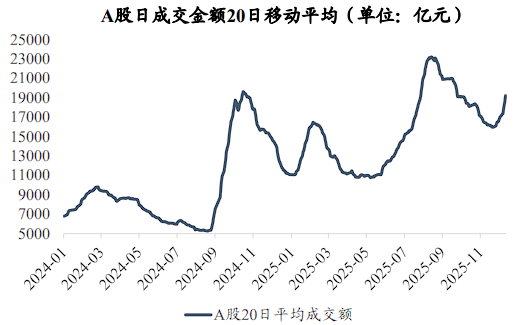
Core Viewpoint - The A-share market is experiencing a strong upward trend driven by leveraged funds and retail investors, with significant contributions from speculative and foreign capital, leading to a notable increase in market risk appetite [1][3]. Group 1: Market Performance - During the first week of January 2026, the A-share market saw a substantial increase, with the Wind All A Index rising by 5.1% and the average daily trading volume surging over 700 billion yuan to 2.85 trillion yuan [1]. - The financing balance reached a historical high of 2.61 trillion yuan, accounting for 2.53% of the total A-share market capitalization, placing it in the 96th percentile historically since 2021 [3][10]. Group 2: Investor Sentiment - Retail investor sentiment has significantly improved, with net inflows of 155.7 billion yuan, marking the second-highest level in the past year [3][15]. - The activity of speculative funds has also increased, with an average daily trading volume of 31.4 billion yuan on the Long Hu List, reaching a six-month peak [3][17]. Group 3: Foreign Investment - Foreign capital has shown a renewed interest, with the average daily trading volume of the Stock Connect increasing by 98.6 billion yuan to 327.2 billion yuan, representing an increase of 0.73 percentage points in trading volume share [3][19]. - Passive foreign capital has turned into a slight net inflow of 6.7 million dollars, indicating a stronger attraction towards technology sectors [3][23]. Group 4: Macro Liquidity - The central bank's significant net withdrawal of 166 billion yuan has not tightened market liquidity, as interbank market interest rates have declined, maintaining a loose monetary environment [6][8]. - The RMB exchange rate appreciated to 6.98 against the US dollar, with the 2-year and 10-year China-US interest rate differentials narrowing [9]. Group 5: ETF Market Dynamics - The ETF market has shown structural divergence, with a slight net outflow of 390 million yuan from stock ETFs, while industry-themed ETFs attracted a net inflow of 13.6 billion yuan [25][26]. - Broad-based ETFs faced significant net outflows, particularly from the CSI A500-related ETFs, which saw a redemption of 13.1 billion yuan [25].
工信部:广大企业家要自觉抵制“内卷”,促进共赢
Bei Ke Cai Jing· 2026-01-13 08:33
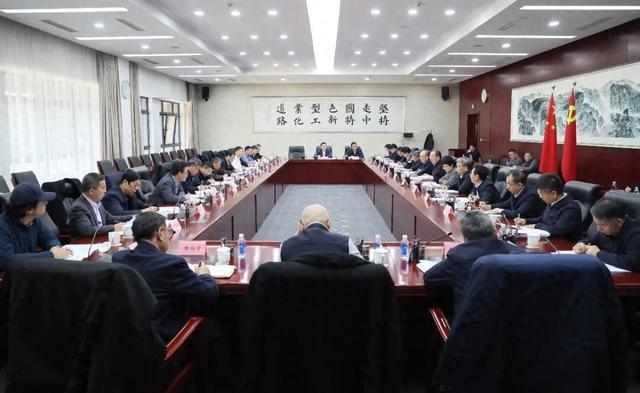
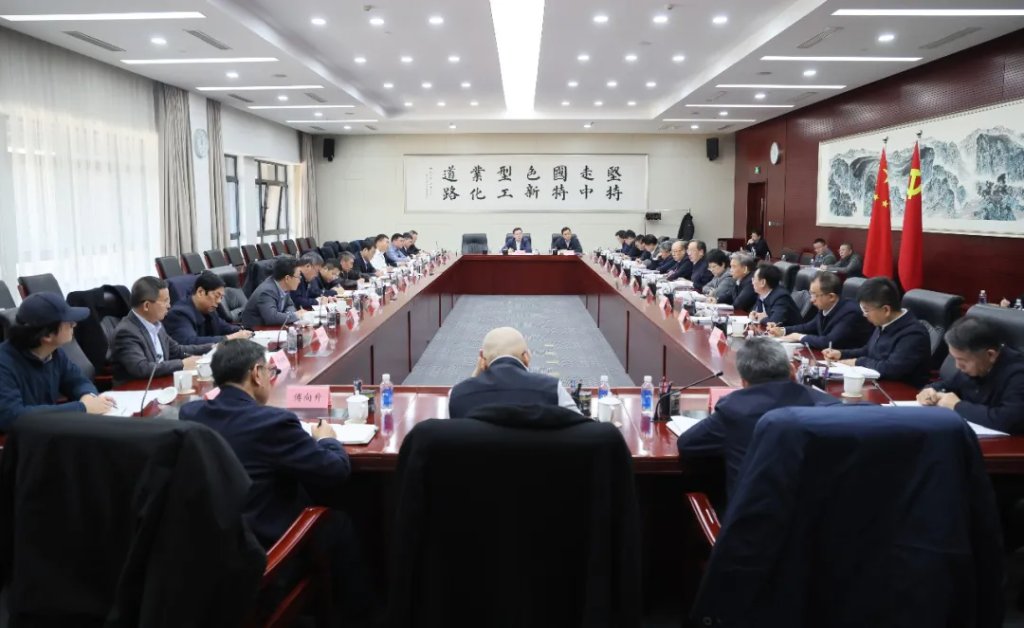
新京报贝壳财经讯 据"工信微报"披露,1月13日上午,工业和信息化部党组书记、部长李乐成主持召开 第十八次制造业企业座谈会,会上,来自钢铁、有色、新材料、汽车、机械、船舶、轻工、医药、电子 等重点行业的12家企业负责人和中国机械工业联合会、中国石油和化学工业联合会负责同志作交流发 言。会议强调,广大企业家要坚守主业,加快高质量发展。在加快自身发展的同时引领行业提质增效, 以优质产品和服务在国内外市场赢得竞争优势。深耕创新,提升核心竞争力。在提升基础研究和原始创 新能力方面下苦功夫,深扎底层原理和根技术,把创新根基和底座筑牢筑实。加强自律,打造良性生 态。积极参与行业规则制定和自律机制建设,自觉抵制"内卷",促进共赢,呵护行业发展环境,为加快 推进新型工业化、建设制造强国作出更大贡献。 ...
工信部:积极参与行业规则制定和自律机制建设,自觉抵制“内卷”
Xin Lang Cai Jing· 2026-01-13 08:24
1月13日上午,工业和信息化部党组书记、部长李乐成主持召开第十八次制造业企业座谈会,深入学习 贯彻习近平总书记关于新型工业化的重要论述,贯彻落实党的二十届四中全会和中央经济工作会议精 神,聚焦实现"十五五"工业经济良好开局,听取重点行业企业情况介绍和意见建议。 会上,来自钢铁、有色、新材料、汽车、机械、船舶、轻工、医药、电子等重点行业的12家企业负责人 和中国机械工业联合会、中国石油和化学工业联合会负责同志作交流发言,介绍企业生产经营和行业发 展情况,围绕稳定经济运行、激发市场潜力、推进技术攻关、优化发展环境、加强助企帮扶等方面建言 献策。部相关司局和单位对问题诉求和意见建议现场予以回应。 转自:北京日报客户端 会议指出,当前我国工业正处于由大变强、爬坡过坎的关键阶段,在外部环境变化影响加深、内部风险 挑战增多的形势下,工业经济平稳运行压力增大。同时也要看到,我国工业经济的底盘坚实、韧性强 劲,具有超大规模市场、完整产业体系、丰富人才资源等优势,长期向好的支撑条件和基本趋势没有改 变。要坚定信心、直面问题,切实把思想和行动统一到党中央对形势的科学判断上来,牢牢锚定推动高 质量发展这个首要任务和推进新型工业化这 ...
工信部:广大企业家要积极参与行业规则制定和自律机制建设 自觉抵制“内卷”
智通财经网· 2026-01-13 08:04
工业和信息化部召开第十八次制造业企业座谈会 1月13日上午,工业和信息化部党组书记、部长李乐成主持召开第十八次制造业企业座谈会,深入学习 贯彻习近平总书记关于新型工业化的重要论述,贯彻落实党的二十届四中全会和中央经济工作会议精 神,聚焦实现"十五五"工业经济良好开局,听取重点行业企业情况介绍和意见建议。 会上,来自钢铁、有色、新材料、汽车、机械、船舶、轻工、医药、电子等重点行业的12家企业负责人 和中国机械工业联合会、中国石油和化学工业联合会负责同志作交流发言,介绍企业生产经营和行业发 展情况,围绕稳定经济运行、激发市场潜力、推进技术攻关、优化发展环境、加强助企帮扶等方面建言 献策。部相关司局和单位对问题诉求和意见建议现场予以回应。 会议指出,当前我国工业正处于由大变强、爬坡过坎的关键阶段,在外部环境变化影响加深、内部风险 挑战增多的形势下,工业经济平稳运行压力增大。同时也要看到,我国工业经济的底盘坚实、韧性强 劲,具有超大规模市场、完整产业体系、丰富人才资源等优势,长期向好的支撑条件和基本趋势没有改 变。要坚定信心、直面问题,切实把思想和行动统一到党中央对形势的科学判断上来,牢牢锚定推动高 质量发展这个首要 ...
工信部召开制造业企业座谈会:着力稳定制造业有效投资,自觉抵制“内卷”
Hua Er Jie Jian Wen· 2026-01-13 08:04
会议强调,广大企业家要坚守主业,加快高质量发展。立足"两个大局",胸怀"国之大者",在加快自身发展的同时引领行业提质增效,以优质产 品和服务在国内外市场赢得竞争优势。深耕创新,提升核心竞争力。在提升基础研究和原始创新能力方面下苦功夫,深扎底层原理和根技术,把 创新根基和底座筑牢筑实。加强自律,打造良性生态。积极参与行业规则制定和自律机制建设,自觉抵制"内卷",促进共赢,呵护行业发展环 境,为加快推进新型工业化、建设制造强国作出更大贡献。 部相关司局、部代管基金公司负责同志参加会议。 本文来源:工信微报 风险提示及免责条款 1月13日上午,工业和信息化部党组书记、部长李乐成主持召开第十八次制造业企业座谈会,贯彻落实党的二十届四中全会和中央经济工作会议精 神,聚焦实现"十五五"工业经济良好开局,听取重点行业企业情况介绍和意见建议。 会议指出,当前我国工业正处于由大变强、爬坡过坎的关键阶段,在外部环境变化影响加深、内部风险挑战增多的形势下,工业经济平稳运行压 力增大。同时也要看到,我国工业经济的底盘坚实、韧性强劲,具有超大规模市场、完整产业体系、丰富人才资源等优势,长期向好的支撑条件 和基本趋势没有改变。要坚定信心 ...
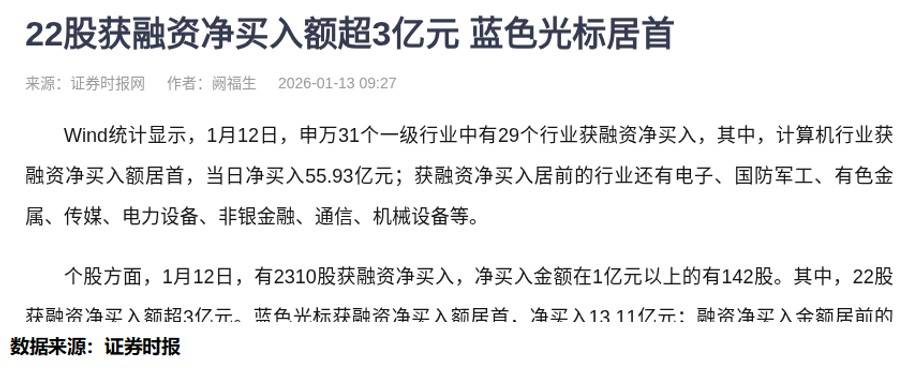
多行业获融资净买,量化拆解真实逻辑
Sou Hu Cai Jing· 2026-01-13 07:18
Group 1 - The core market performance shows that 29 out of 31 primary industries received net financing inflows, with the computer industry leading in net inflow amounts [1] - Over two thousand stocks experienced net financing inflows, with more than a hundred stocks having net inflows exceeding 100 million, and 22 stocks surpassing 300 million in net inflows [1] Group 2 - The determination of market highs and lows is primarily influenced by the trading intentions of institutional investors, which can be assessed through actual trading behaviors [6] - Quantitative data can reveal the true participation levels of institutional investors, helping to avoid misjudgments based solely on price movements [6][15] - The analysis of trading behavior through quantitative data can clarify that apparent price rebounds may not be supported by institutional participation, indicating that perceived lows may not be genuine [12][15] Group 3 - The use of quantitative big data allows for a more objective understanding of market conditions, helping to establish a rational perspective and avoid the pitfalls of emotional trading [15]