家政

Search documents
重磅会议明确:努力稳定新出生人口规模
第一财经· 2025-12-11 11:44
Core Viewpoint - The article emphasizes the importance of stabilizing the new birth population in China to avoid rapid population decline and to optimize the age structure, which is crucial for balanced population development [3][4]. Group 1: Population Trends - In 2024, China's birth population is projected to be 9.54 million, an increase of 520,000 from 2023, marking the first rise since 2017, with a birth rate of 6.77‰, up by 0.38 per thousand from the previous year [3]. - Since 2022, China's population has entered a reduction phase, with a total decrease of 4.32 million over the past three years, characterized by declining birth rates, aging population, and regional population disparities [3]. Group 2: Marriage and Birth Support Policies - The article highlights the advocacy for a positive marriage and childbirth culture, with policies aimed at reducing the costs of childbirth, upbringing, and education through subsidies and tax deductions [4][6]. - Data from the Ministry of Civil Affairs shows that in the first three quarters of 2025, marriage registrations reached 5.152 million pairs, an increase of 405,000 pairs or 8.5% year-on-year [4]. Group 3: Incentives for Marriage - Various regions in China are implementing marriage incentives, such as cash rewards for newlyweds, with some areas offering up to 1,500 yuan for couples meeting specific criteria [5]. - The implementation of the revised Marriage Registration Regulations has made marriage registration more convenient, allowing couples to register anywhere in the country without needing a household registration book [5]. Group 4: Childcare Support System - A comprehensive childcare support system is being established, including annual subsidies of 3,600 yuan for each child under three years old starting January 1, 2025, and the removal of fees for the last year of public kindergarten [6][7]. - As of now, there are 126,000 childcare service institutions in China, with a total of 6.657 million childcare spots, exceeding the target set in the 14th Five-Year Plan [8].


东海期货11月宏观数据观察:CPI同比超预期回升,PPI降幅有望收窄
Xin Lang Cai Jing· 2025-12-10 09:38
Group 1 - In November, China's CPI increased by 0.7% year-on-year, matching expectations, and up from 0.2% in the previous month [1][19] - The PPI decreased by 2.2% year-on-year, slightly worse than the expected decline of 2.0% and a previous decline of 2.1% [1][19] - The rise in CPI was driven by a significant rebound in food prices, while PPI's decline was influenced by high base comparisons from the previous year and ongoing supply-demand structural optimization in certain industries [20][21] Group 2 - The overall improvement in domestic supply-demand relationships is expected to lead to a gradual narrowing of PPI declines, supported by ongoing capacity governance in key industries [20][21] - International commodity prices have generally risen, while domestic demand remains weak, but some industries are experiencing price increases due to improved supply-demand fundamentals [20][21] - The core CPI maintained a high year-on-year growth rate of 1.2%, with non-food prices rising by 0.8%, indicating effective consumer demand policies [20][21] Group 3 - Food prices shifted from a decline of 2.9% last month to an increase of 0.2%, significantly impacting the CPI [20][21] - Energy prices fell by 3.4% year-on-year, contributing to the overall inflationary pressure [20][21] - The service sector saw price increases, with notable rises in household appliances and clothing prices, reflecting the effectiveness of domestic demand expansion policies [20][21]

职业转场热:家政行业迎来“新创业者潮”
Jiang Nan Shi Bao· 2025-12-10 06:56
Core Insights - The home service industry is experiencing a significant transformation, with a shift from traditional employment to entrepreneurship, driven by individuals from various sectors seeking new opportunities [2][3][6][17] - The market for home services is projected to reach 1.23 trillion yuan in 2024 and exceed 3 trillion yuan by 2030, indicating robust demand and structural upgrades within the industry [7][9] - Digitalization is enhancing operational efficiency and transparency in the home service sector, allowing for better matching of service providers with clients and improving overall service delivery [10][12][13] Group 1: Industry Trends - The home service market is witnessing a structural upgrade, with diversified demand and professionalized supply, as evidenced by a 21% increase in elder care services and a 23% rise in childcare services [7][9] - The industry is attracting a new generation of entrepreneurs, including those with backgrounds in pharmaceuticals, hospitality, and technology, who are leveraging their skills to build successful home service businesses [3][6][17] Group 2: Digital Transformation - The implementation of a smart home service system by platforms like 58 Daojia has significantly reduced the average dispatch time by 60% and increased the success rate of service requests by 45% [10][12] - Digital tools are enabling service providers to track performance metrics such as employee attendance and customer satisfaction, leading to a 57% increase in operational efficiency for businesses using these systems [13] Group 3: Standardization and Trust - Standardized training programs are being developed to ensure service quality, with over 50 million training sessions conducted, and all service personnel must pass exams and practical training before employment [15][16] - The establishment of a trust system through standardized training and insurance partnerships is transforming the industry from a reliance on personal connections to a framework based on standards and regulations [15][16] Group 4: Entrepreneurial Ecosystem - The home service sector is evolving into a "trust-based economy," with over 424 training and practical training bases established across 142 cities, and a significant portion of businesses achieving annual revenues exceeding one million yuan [16][17] - A trend of high-education, cross-industry entrepreneurs entering the home service market is emerging, indicating a shift towards data-driven operations and scalable business models [17]


北京+30商业领袖峰会成功举办,政企学研共绘性别平等与可持续发展新蓝图
Xin Lang Cai Jing· 2025-12-10 03:53
Core Insights - The "Beijing +30" Business Leaders Summit, hosted by UN Women China, marked the 30th anniversary of the Beijing Declaration and Action Platform, focusing on women's empowerment and inclusive development [1][32] - The summit emphasized the importance of gender equality as a core driver for sustainable business development and called for more companies to join the Women's Empowerment Principles (WEPs) initiative [3][34] Group 1: Gender Equality and Economic Value - UN Women China highlighted that despite a 30% increase in women's labor participation and a decrease in poverty rates over the past 30 years, significant gender disparities remain, with women holding only 30% of management positions and facing a 20% wage gap [3][34] - Companies with gender-diverse boards show greater stock price stability and profitability potential compared to their peers, underscoring the economic value of gender equality [3][34] Group 2: Achievements and Challenges - China boasts a female labor participation rate of 62%, with women making up 53% of university graduates and 61.3% of business owners or leaders [5][36] - However, 314 million women are projected to face extreme poverty by 2030, indicating ongoing challenges in achieving gender equality [5][36] Group 3: Practical Approaches to Empower Women - The China Women's Development Foundation proposed three key integrations for supporting women's sustainable development: aligning national priorities with women's needs and corporate strategies, combining corporate strengths with execution systems, and investing in both material and human empowerment [7][38] - The private sector is encouraged to leverage innovation, financing, and employment to bridge gender gaps in the workplace [5][39] Group 4: Digital Empowerment and Future Trends - The upcoming UN Women flagship report will focus on gender equality practices in the digitalization process of Chinese enterprises, covering areas such as women's economic empowerment and health security [11][42] - The report will predict future trends related to AI and technology, aging populations, green transitions, and gender within the ESG framework, set to be released in 2026 [11][42] Group 5: Leadership and Collaboration - Discussions at the summit highlighted the need for modern leadership to combine strategic thinking with empathy, fostering team growth through interactive management [12][43] - Collaborative ecosystems involving government, businesses, NGOs, and women's groups are essential for advancing gender equality [8][39] Group 6: Commitment to Action - The summit concluded with a commitment ceremony for the Women's Empowerment Principles, where participants pledged to support workplace initiatives for women, including addressing menopause and advocating for equal retirement benefits [25][58] - The UN Women will continue to engage various sectors to integrate gender equality into corporate strategies and daily practices, aiming to turn the vision of the Beijing Declaration into lasting progress [29][60]






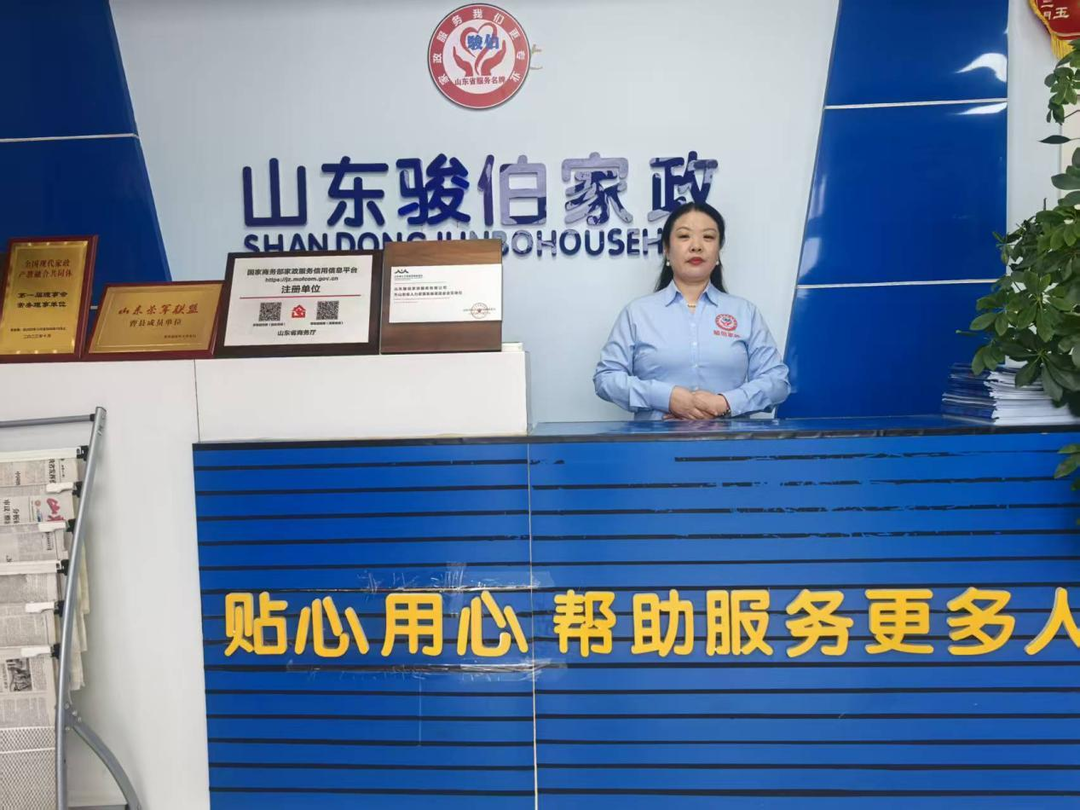
骏伯家政:领跑家政行业的 “山东样板”
Qi Lu Wan Bao· 2025-12-09 13:46
从菏泽的街巷起步,到辐射全国的家政航母;从单一的家政服务,到涵盖培训、产康、养老、托育的全链条民生服务体系——山东骏伯家政服务有限公司 用十六年时光,在齐鲁大地上书写了一部"以服务筑口碑,以大爱暖人心"的品牌成长史。作为山东省服务消费新品牌的杰出代表,骏伯家政以标准化为 基、以创新为翼、以责任为魂,不仅改写了家政行业的发展格局,更成为助力乡村振兴、守护民生幸福的重要力量。 标准化建设的突破,让骏伯的服务品质有了更坚实的保障。2019年,"家政培训标准化"试点项目顺利验收;2024年1月,成功获批国家级家政服务标准化 试点项目,成为行业标准化建设的"山东样本"。从培训流程的量化规范到服务细节的统一标准,从人员管理的科学体系到售后保障的完善机制,骏伯用标 准化打破了家政服务"凭经验、看心情"的瓶颈,推动行业从"粗放型"向"精细化"转型。 作为山东省家政行业首家在齐鲁股权交易中心挂牌、首家通过标联国际质量管理体系认证的重点企业,骏伯家政打破了传统家政"小散乱"的刻板印象,以 工商注册、商务备案的合规资质,为涉外场所、机关单位、学校及家庭提供全方位的日常事务管理服务。如今,旗下已孵化出骏伯家政职业技能培训学 校、鲁西 ...
国家税务总局:严禁平台企业向各类“小哥”增加负担,将严加督促
证券时报· 2025-12-08 04:20
Core Points - The State Taxation Administration announced that over 7,000 domestic and foreign platform enterprises have actively complied with the tax information reporting obligations since the implementation of the regulations in June [1] Group 1 - The regulations state that individuals engaged in delivery, transportation, and domestic services on platforms are not required to report their income information [2] - Platforms are prohibited from over-deducting fees or shifting tax obligations to increase the burden on individuals during the withholding and payment of taxes [2] - The tax authorities will continue to strengthen supervision in the future [2]

孔乙己脱掉“长衫”就能行吗?
虎嗅APP· 2025-12-07 23:55
Core Viewpoint - The article discusses the structural challenges faced by the younger generation in the labor market, drawing parallels between contemporary issues and the classic film "Bicycle Thieves," emphasizing that hard work and moral choices often do not guarantee dignity or survival in a system that fails to provide basic support and upward mobility [4][5]. Group 1: Hidden Costs of Physical Labor - The narrative around "pragmatic employment" often overlooks the harsh realities of labor intensity, job security, and career prospects in so-called "practical jobs" [7]. - According to the National Bureau of Statistics, there are nearly 300 million migrant workers in China, with significant portions employed in manufacturing (18.3%), construction (14.6%), and retail (13.1%), facing long hours and inadequate social security [7]. - In the express delivery sector, data shows that frontline couriers work over 10 hours daily, with 58.7% lacking work injury insurance and 72.1% without housing fund contributions, while the average monthly income is around 4,800 yuan [7][8]. Group 2: Downward Pressure and Involution - The employment crisis for youth cannot be solely attributed to "attitudinal issues," as structural mismatches in the job market are a core problem, with traditional sectors like internet and real estate contracting [11][12]. - Emerging industries such as high-end manufacturing and AI require high skills but offer limited positions, while low-value service jobs lack stability and formal contracts, leading to increased competition among lower-tier workers [12][13]. - The influx of highly educated individuals into low-end labor markets does not enhance job quality but instead depresses wages and exacerbates social competition [13][14]. Group 3: Stigma of Lower Status Jobs - Despite individuals' willingness to abandon their educational status, societal biases against physical labor remain entrenched, leading to feelings of shame and self-denial among those in lower-status jobs [15][16]. - A survey indicates that only 23.1% of respondents believe that manual laborers receive equal social respect compared to white-collar workers, with this perception declining significantly among older demographics [16]. - The long-standing association of education with social status creates a challenging environment for those transitioning to lower-status jobs, as they face both economic and emotional burdens [17][18]. Group 4: Need for Systemic Change - The article argues that the tragedy of individuals like "Kong Yiji" is not isolated; it reflects a broader societal issue where individual struggles are often overlooked [21]. - Recent government initiatives aim to create high-quality jobs and improve labor rights, indicating a recognition of the need for systemic support rather than moral exhortations [22]. - The call for a society that allows individuals to maintain dignity regardless of their job status emphasizes the importance of creating pathways for all workers, ensuring that choices do not come at the cost of self-respect [22].

注册企业数暴增45.7% 北京家政“卷”起来了
经济观察报· 2025-11-30 07:20
Core Viewpoint - The home service industry in Beijing is experiencing a price war and fluctuations in employer demand, leading to significant impacts on the salaries of service workers [1][3]. Group 1: Market Dynamics - The entry of new players into the home service market has driven down prices, with some services being offered as low as 39.9 yuan for two hours, forcing many companies to operate at a loss [2][7]. - The number of registered home service companies in Beijing has surged, increasing from 13,800 to 20,100 in the first ten months of 2025, representing a growth rate of 45.7% [2]. - The home service industry is characterized by a low entry barrier, with many new companies emerging, leading to intensified competition [5][6]. Group 2: Impact on Service Workers - Salaries for home service workers have begun to decline, with live-in caregivers for elderly clients seeing their monthly pay drop from 5,000 yuan to 4,500 yuan, and many workers accepting these lower rates [3][8]. - The average hourly wage for cleaning staff has remained stable, but specific sectors like elderly care and cleaning are witnessing slight decreases in pay [7][8]. - The changing consumption patterns of employers, influenced by fluctuating household incomes, have led to a willingness to accept lower service prices [8]. Group 3: Future Outlook - Despite current challenges, the home service industry is projected to remain a lucrative business due to ongoing demand in elder care and childcare, with an estimated labor gap exceeding 20 million [10]. - The industry is still fragmented, providing opportunities for new entrants who can develop effective business models to succeed [10]. - Maintaining service quality and providing training for workers are essential for long-term success in the home service sector [10].

注册企业数暴增45.7% 北京家政“卷”起来了
Jing Ji Guan Cha Bao· 2025-11-30 04:37
Core Insights - The Beijing home service industry has seen a significant increase in registered companies, with a 45.7% rise in the number of home service-related enterprises from 13,800 to 20,100 in the first ten months of 2025 compared to the previous year [1] - The influx of new entrants has led to intense price competition, resulting in lower service prices and impacting the wages of home service workers [2][5] - Despite the challenges, the home service industry remains a lucrative market due to the growing demand for elderly care and childcare services, with an estimated labor gap exceeding 20 million [8] Market Dynamics - The entry of new companies has been fueled by favorable policies, with the Beijing Municipal Human Resources and Social Security Bureau planning to guide 10,000 home service workers to Beijing each year from 2025 to 2027 [3] - The industry is characterized by a low entry barrier, leading to a rapid increase in the number of small home service companies, which often resort to price wars to capture market share [3][4] - The average monthly salary for live-in elderly care workers has decreased from 5,000 yuan to 4,500 yuan, reflecting the downward pressure on wages due to market competition [6][7] Employment Trends - Home service workers are increasingly accepting lower wages due to the competitive landscape and their own financial pressures, with many now willing to take jobs at reduced rates [6][7] - The overall wage levels for home service personnel have remained stable, but specific sectors like elderly care and cleaning have seen slight declines [6][7] - The demand for home services has not fully recovered to pre-pandemic levels, with ongoing fluctuations in employer spending influencing service pricing [7] Industry Characteristics - The home service industry in Beijing is described as "small and scattered," with 44.1% of companies having registered capital of less than 1 million yuan [4] - Many small companies are cutting costs by reducing the vetting and training of service personnel, which raises concerns about service quality [4] - The industry is projected to continue growing, with a market size reaching trillions and over 30 million workers nationwide, indicating potential for new entrants who can establish effective business models [8]
21社论丨增强消费品供需适配性,促进扩内需稳增长
21世纪经济报道· 2025-11-27 02:34
Core Viewpoint - The article discusses the implementation plan aimed at enhancing the adaptability of supply and demand in consumer goods, with a focus on optimizing the supply structure and promoting high-quality development in consumption by 2027 and 2030 [1][2]. Group 1: Current Challenges in Consumer Goods Market - The fundamental issue in China's consumer goods market is the structural problem where the supply side has not timely responded to the trend of consumption upgrading [2]. - There is a significant need to improve the supply of high-quality, high-value-added products and brand premium capabilities, particularly in sectors like home appliances and new energy vehicles [2]. - Service consumption still has considerable room for upgrade, with restrictions in sectors such as education, healthcare, and elderly care limiting the supply of quality services [2]. Group 2: Key Tasks and Strategies - The plan outlines five areas with 19 key tasks to promote positive interaction between supply and consumption [2]. - Emphasis is placed on technological empowerment to drive industrial upgrades, focusing on sectors like automotive, home furnishings, and consumer electronics [3]. - The establishment of unified service standards and monitoring systems in service sectors is crucial for enhancing service quality and promoting brand protection [3]. Group 3: Market Activation and Channel Optimization - The plan calls for the continuous implementation of policies to expand market access and open up service sectors, addressing local protectionism and market segmentation [4]. - There is a need to enhance government investment structures to improve accessibility to quality supply, particularly in rural areas, to unleash rural consumption potential [4]. Group 4: Innovation and Supply Expansion - The article highlights the importance of scenario innovation and the integration of various business formats to expand supply space, promoting deep integration of culture, tourism, and technology with consumption [5]. - Support for the construction of international consumer center cities and the enhancement of consumer finance policies are essential for fostering a conducive environment for consumption [5].