汽车业

Search documents
匈牙利外长:美欧贸易协定将重创欧洲支柱产业——汽车业
news flash· 2025-07-29 22:30
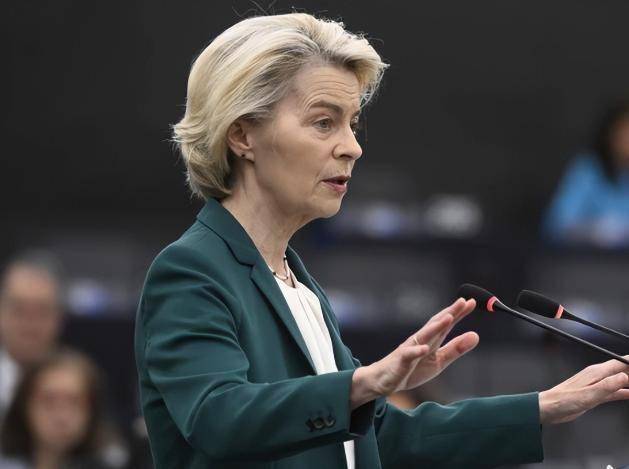
当地时间29日,匈牙利外长西雅尔多在一期播出的网络节目中表示,美欧贸易协定将重创欧洲支柱产业 ——汽车业。西雅尔多说,在美欧新的贸易协定框架内,欧洲汽车供应商向美国支付的出口关税是现行 关税的6倍,而欧盟委员会主席冯德莱恩却为此高兴。"不会感到羞愧吗?竟然有这样一个人代表欧 盟"。(央视新闻) ...
特朗普关税不再TACO,化债新方式,美联储已做好降息准备
Sou Hu Cai Jing· 2025-07-29 04:24
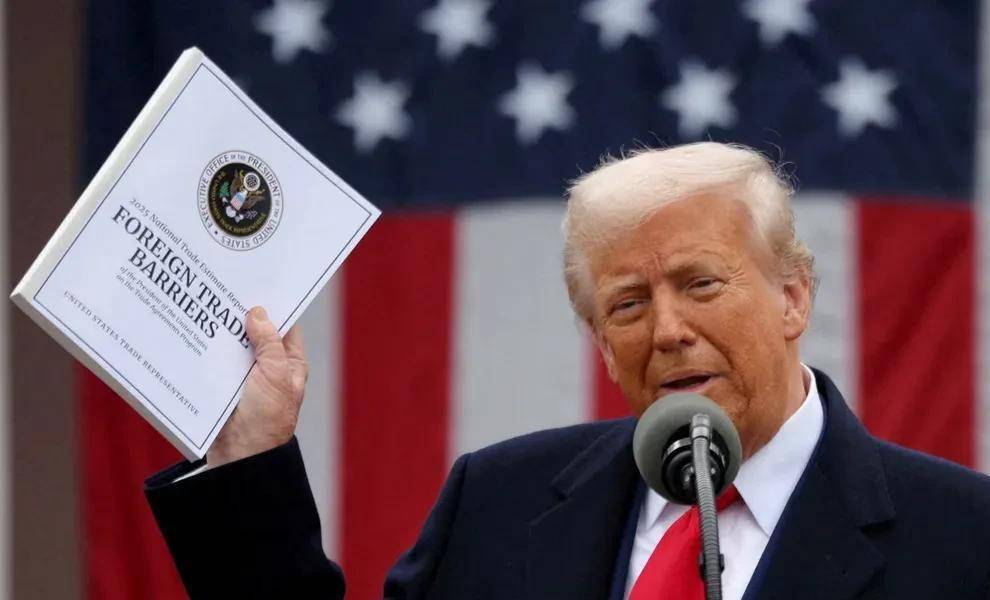
Economic Overview - The U.S. economy is facing a precarious situation with a national debt of $36.7 trillion, equating to $110,000 per citizen, and growing at a rate of $55,000 per second [1] - Interest payments on the debt are projected to consume $1.2 trillion in 2025, surpassing the entire military budget, which could lead to a fiscal crisis [1] - A looming debt ceiling crisis threatens to push the U.S. towards a potential sovereign default, with $10 trillion in debt maturing within the year [1] Government Measures - The U.S. Treasury has implemented "extraordinary measures" to avoid economic collapse, including suspending federal employee retirement fund investments and reallocating public project funds [3] - The Treasury has even opened donation channels via PayPal, but public contributions have only totaled $67.3 million over 26 years, which is negligible compared to the national debt [3] Policy Responses - The Trump administration has proposed selling "golden cards" for $5 million each to wealthy individuals, which would grant them permanent residency in the U.S. This initiative aims to raise $1 trillion but has faced criticism for only covering 8% of interest payments on the debt [4] - The administration has also attempted to pressure allies into converting their U.S. debt holdings into 100-year zero-coupon bonds, effectively shifting the debt burden [6] Trade and Tariff Impacts - The administration's tariff policies have exacerbated economic challenges, maintaining a 49% tariff on Chinese goods and increasing steel and aluminum tariffs on the EU to 25% [7] - Japan has agreed to reduce auto tariffs to 15% but has resisted the debt swap proposal, while the EU is preparing retaliatory measures against U.S. products [7] Economic Consequences - The U.S. economy is experiencing rising inflation, with a current rate of 2.8%, leading to increased household expenses by $1,200 annually [9] - The World Bank has downgraded global growth forecasts from 2.7% to 2.3%, with significant declines in trade volumes expected [10] - The agricultural sector in the U.S. has suffered losses of $22 billion due to retaliatory tariffs, and manufacturing jobs in Mexico are at risk [10]

特朗普的“债务魔术”,关税不再TACO,美联储已做好降息博弈!
Sou Hu Cai Jing· 2025-07-28 23:44
Core Insights - The U.S. is on the brink of a debt crisis, with a national debt of $36.7 trillion and annual interest payments reaching $1 trillion, surpassing the defense budget [1] - The crisis is exacerbated by hedge funds increasing leveraged investments in U.S. Treasury bonds, leading to a significant drop in overnight reverse repo balances, indicating liquidity risks [2] - There are allegations of "duplicate accounting" in U.S. Treasury records, suggesting potential overstatement of the $36 trillion debt, raising concerns about a possible "technical default" [4] Group 1: Government Actions - The Trump administration has introduced the "Trump Gold Card" program, requiring 30% of a $5 million investment to be used for purchasing U.S. Treasury bonds, aiming to raise $5 trillion if 1 million cards are sold [6] - Tariff strategies have been employed against allies and adversaries, with varying rates aimed at generating investment in the U.S. and offsetting debt [6] - The administration is also pushing for a "Lakewood Manor Agreement" to convert existing debt into 100-year zero-coupon bonds, which could reduce annual interest payments by $400 billion [8] Group 2: Economic Implications - The "Big and Beautiful Act" is projected to add $3.4 trillion to the deficit over the next decade, compounding existing financial issues [11] - The U.S. economy is facing a "debt death spiral," necessitating a reduction of the deficit to 3% of GDP to stabilize the situation [11] - The potential revaluation of gold reserves could significantly impact the financial landscape, with current accounting values far below market prices, leading to volatility in gold prices and broader financial markets [10] Group 3: Market Reactions - Following the announcement of the "Trump Gold Card," the S&P 500 index fell by 4%, and the yield on 10-year Treasury bonds surged to 5.5% [6] - The market's expectations for interest rate cuts are low, with only a 4.1% probability of a rate cut in July, indicating skepticism about the administration's monetary policy strategies [8] - The EU and China are preparing retaliatory measures against U.S. tariffs, which could further strain economic relations and impact U.S. industries [10]
美欧签“史上最大”关税协议,欧盟官员:这“不是互利共赢贸易合作,而是单方面屈服”
Huan Qiu Shi Bao· 2025-07-28 23:07
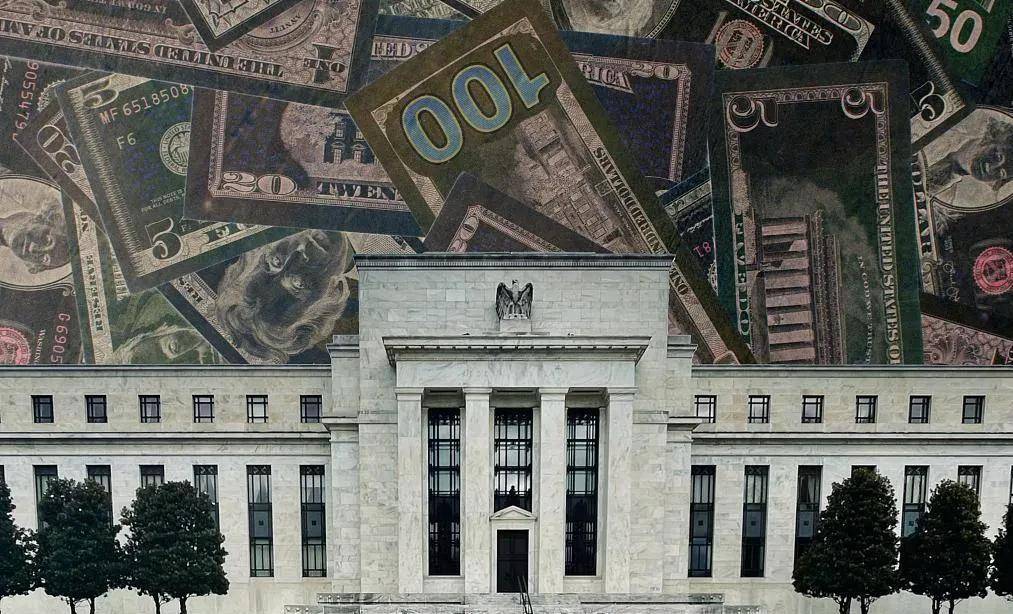
Group 1 - The core of the agreement is a 15% tariff on EU goods exported to the US, along with a commitment from the EU to invest an additional $600 billion in the US and purchase $750 billion worth of US energy products [1][3][4] - The agreement is perceived by some European leaders as a one-sided concession rather than a mutually beneficial trade cooperation, with criticism from figures like Bernd Lange and Marine Le Pen highlighting its negative implications for the EU [1][6][7] - The US maintains a 50% global tariff on steel and aluminum, while the EU's interpretation suggests that pharmaceuticals will also be subject to the 15% tariff, which could impact EU exports significantly [4][5] Group 2 - The agreement has been met with cautious optimism from some US officials, who view it as a significant opening of the EU market, but there is a notable lack of enthusiasm from European leaders [5][6] - European media and business sectors have expressed strong criticism, arguing that the agreement could harm local employment and industry, with concerns about the imbalance in trade terms [6][7] - The new tariff structure represents a significant increase from previous averages, with the EU's average tariff on US goods being 1.32% compared to the newly established 15% [7]
15%关税+万亿欧元投资采购,欧盟输了吗
2 1 Shi Ji Jing Ji Bao Dao· 2025-07-28 13:47
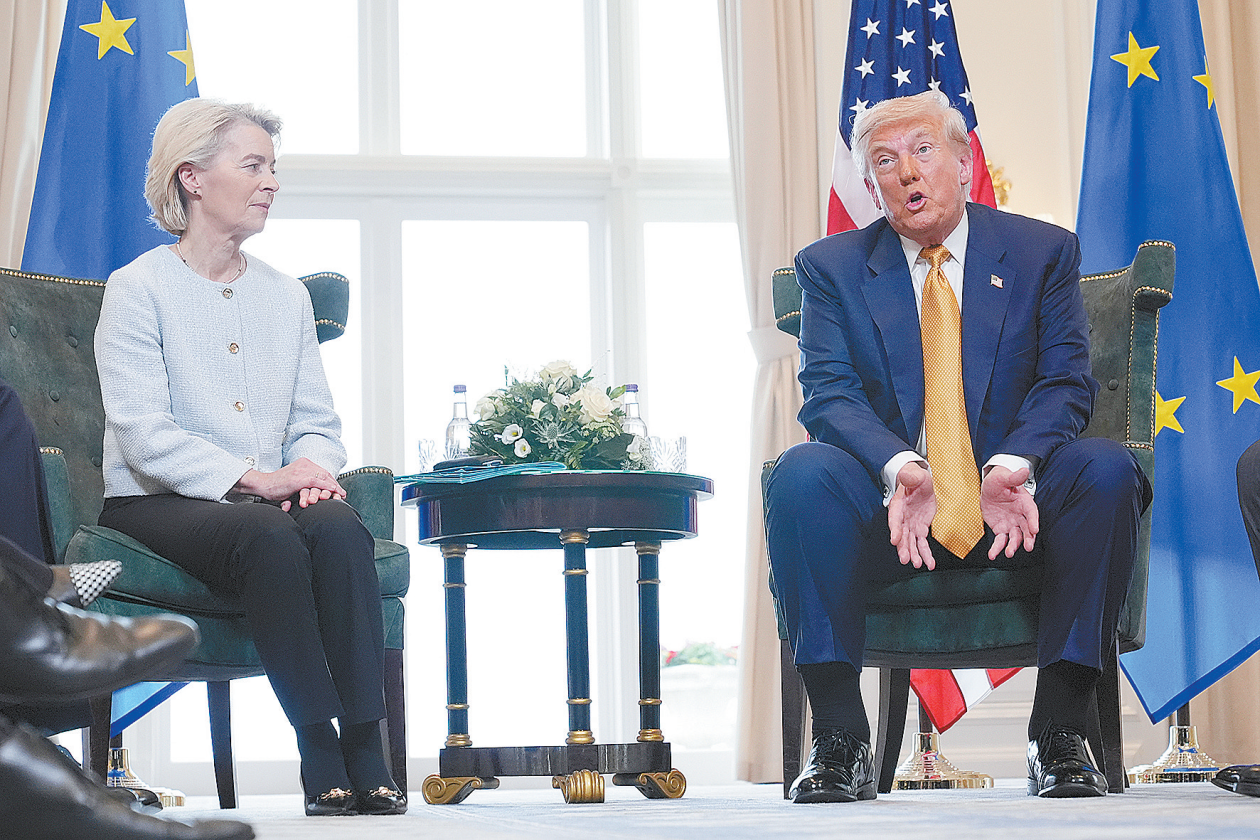
Group 1 - The US and EU have reached a new trade agreement, with the US imposing a 15% tariff on EU products and the EU committing to invest $600 billion and purchase $750 billion worth of US energy [2][4] - The agreement is seen as a compromise, avoiding a potential trade war that could have resulted from a proposed 30% tariff by the US [3][4] - The new tariff rate is significantly higher than the previous average of around 2%, which poses challenges for EU product competitiveness [5][7] Group 2 - Germany, as the largest EU economy, benefits from the agreement as it reduces the average tariff on automotive exports from 27.5% to 15%, thus protecting its key industries [4][6] - The agreement has sparked criticism within the EU, with some leaders arguing it represents a loss for European industries and could threaten jobs [7][8] - The potential for increased US procurement and investment from the EU raises questions about the actual implementation and market willingness to follow through [8]
欧美关税协议达成,国内强预期弱现实
Tong Guan Jin Yuan Qi Huo· 2025-07-28 09:10
Report Industry Investment Rating No relevant content provided. Core Views - Overseas: The US and the EU reached an agreement, with the US imposing a 15% import tariff on most EU goods, half of the previously threatened rate, avoiding an escalation of the trade war. The EU promised to invest about $600 billion in the US and significantly increase purchases of US energy and military products. Sino-US high-level meetings will be held in Stockholm on Monday to extend the August 12 tariff "ceasefire" agreement by 90 days. With the tariff paths of many countries becoming clearer, market risk appetite has slightly increased [2]. - Domestic: The current market is in a stage of "strong expectation, weak reality". The positive sentiment brought by supply - side optimization policies is still evolving. A - shares once broke through the 3600 - point mark, and trading volume and margin trading balances increased. In June, the year - on - year decline in industrial enterprise profits narrowed to - 4.3%, mainly driven by the automotive industry. Short - term attention should be paid to market sentiment, policy outcomes, and tariff negotiations [3]. Summary by Directory Overseas Macro - US 7 - month Manufacturing and Services PMI Differentiation: The US 7 - month Markit manufacturing PMI was 49.5, weaker than expected and below the boom - bust line. The services PMI reached a new high this year at 55.2. Tariffs and high prices were reported to suppress demand [5]. - ECB's July Decision: On July 24, the ECB announced a pause in interest rate cuts after eight consecutive cuts, maintaining the main interest rate at 2.00%. The market's expectation of a September rate cut dropped below 30% [7]. Asset Performance - Equity: Most equity indices showed positive performance. For example, the Shanghai Composite Index rose 4.33% last week, and the Hang Seng Index rose 5.47% [9]. - Bond: Yields of domestic and overseas bonds showed different trends. For example, the 1 - year domestic treasury bond yield rose 3.38 BP last week, while the 5 - year US treasury bond yield fell 1.00 BP [12]. - Commodity: The performance of commodities was mixed. The Nanhua Commodity Index rose 2.73% last week, while WTI crude oil fell 1.48% [14]. - Foreign Exchange: The US dollar index fell 0.80% last week, and the euro - to - RMB exchange rate rose 0.73% [16]. High - Frequency Data Tracking - Domestic: High - frequency data such as the congestion index, subway passenger volume, and real - estate transaction volume are presented through charts [18]. - Overseas: Data on red - book retail sales, unemployment claims, and US treasury bond spreads are shown [22]. This Week's Important Economic Data and Events - A series of economic data and events are scheduled this week, including US GDP, employment data, and euro - zone economic sentiment indices [31].
国际金融市场早知道:7月28日
Xin Hua Cai Jing· 2025-07-28 05:49
Group 1 - The G20 Development Ministers' Meeting is held in Mpumalanga, South Africa, focusing on enhancing social protection and combating illicit financial flows [1] - President Trump announces a new trade agreement with the EU, imposing a 15% tariff on EU goods entering the US, while key areas like steel, aluminum, chips, and spirits remain unresolved [2] - The European Central Bank's council member states there is little reason to further lower interest rates unless the economy faces significant shocks [2] Group 2 - The Russian Central Bank lowers its benchmark interest rate from 20% to 18%, maintaining a tight monetary policy until inflation returns to target levels by 2026 [3] - US durable goods orders fell by 9.3% in June, the largest decline since April 2020, with core durable goods orders unexpectedly dropping by 0.7% [3] - The US stock market sees record margin account borrowing exceeding $1 trillion for the first time [3] Group 3 - The Dow Jones Industrial Average rises by 0.47% to 44,901.92 points, with the S&P 500 and Nasdaq Composite reaching new historical highs [4] - COMEX gold futures decline by 1.04% to $3,338.50 per ounce, while silver futures drop by 2.29% to $38.33 per ounce [4] Group 4 - US oil futures decrease by 1.45% to $65.07 per barrel, and Brent crude futures fall by 1.11% to $67.60 per barrel [5] - The 2-year US Treasury yield rises by 0.91 basis points, while the 10-year yield decreases by 0.99 basis points to 4.388% [5] Group 5 - The US dollar index increases by 0.19% to 97.67, with various currency pairs showing mixed performance against the dollar [6]
深夜,关税大消息!
天天基金网· 2025-07-28 05:12
Core Viewpoint - The U.S. Secretary of Commerce, Wilbur Ross, confirmed that the deadline for imposing tariffs on trade partners is set for August 1, with no extensions or grace periods [2] Group 1: Tariff Implementation - The tariffs will officially take effect on August 1, and customs will begin collecting them [2] - A few countries have reached agreements with the Trump administration, resulting in tariff levels higher than the new 10% baseline but lower than the threatened higher rates [2] Group 2: U.S.-EU Trade Negotiations - Ursula von der Leyen, President of the European Commission, is scheduled to meet with President Trump to negotiate a trade agreement before the August 1 deadline, or face tariffs up to 30% on EU exports to the U.S. [6][7] - The outcome of the negotiations largely depends on Trump's decisions, as he has previously altered terms at the last minute [7] - The EU is proposing a 15% tariff cap on most trade with the U.S., with certain exemptions for specific products [7][8] Group 3: Business Delegation to China - A high-level U.S. business delegation is set to visit China, organized by the U.S.-China Business Council, to potentially restart commercial negotiations [4][5] - The delegation will include executives from Boeing and the U.S.-China Business Council, indicating a significant engagement in trade discussions [3][4]
比美日协议更复杂!美欧领导人苏格兰会晤,贸易谈判将进入“冲刺时刻”
Di Yi Cai Jing· 2025-07-27 09:35
Core Points - The EU faces a "collective action problem," which hinders trade negotiations with the US [1][6] - The US-EU trade talks are in the final stages, with leaders set to meet for crucial discussions [1][3] - A potential framework trade agreement is estimated to have a 50% chance of being reached, with the EU eager to finalize it [1][3] Group 1: Trade Negotiation Dynamics - The US and EU are engaged in "intensive negotiations" on technical and political levels, aiming for a balanced outcome that provides stability for businesses and consumers on both sides of the Atlantic [3] - The potential agreement may include a 15% general tariff on EU goods entering the US, similar to recent agreements with Japan [3][4] - Trump's administration maintains a firm stance on a 50% tariff on steel and aluminum imports, indicating limited flexibility in this area [3][4] Group 2: Differences Between US-EU and US-Japan Agreements - The economic relationship between the US and EU is characterized by lower complementarity and higher competition compared to the US-Japan relationship [4] - Japan's political and military dependency on the US contrasts with the EU's higher degree of autonomy, particularly for France and Germany [4] - The EU's current capital shortage complicates its ability to negotiate large-scale direct investments as Japan did [4] Group 3: Challenges in Specific Sectors - The EU's stringent food standards make negotiations in agricultural imports more challenging compared to Japan's concessions on agricultural products [5] - The EU may allow limited imports of genetically modified agricultural products, but this is expected to only address a fraction of the trade volume [5] - The aerospace sector could be a potential breakthrough area, although Airbus's strong position in Europe complicates US Boeing's procurement efforts [5] Group 4: Political Considerations and Internal EU Dynamics - The EU's collective decision-making process complicates negotiations, as the European Commission must represent all member states [6] - Recent meetings between German and French leaders indicate a shift towards a unified stance on trade negotiations with the US [7] - Germany's reevaluation of its economic model in light of geopolitical tensions may lead to a more assertive position in trade discussions [7]

欧盟930亿欧元关税反击美国,中欧合作新空间能否打开?
Sou Hu Cai Jing· 2025-07-27 07:53
Group 1 - The European Union has approved a significant retaliatory tariff decision against the United States, amounting to €93 billion, targeting key economic sectors such as Boeing aircraft, automobiles, and agricultural products [1] - The tariff measures specifically focus on symbolic American products, including bourbon whiskey and soybeans, which are closely tied to the voter base of former President Trump [1] - The decision comes in response to the U.S. imposing tariffs on EU steel and aluminum products starting in 2025, which has severely impacted the European automotive and aerospace industries, particularly in Germany and France [1] Group 2 - Ursula von der Leyen's recent visit to China played a crucial role in the EU's decision-making process, emphasizing the need to rebalance trade relations between China and the EU [3] - During the visit, significant agreements were reached on climate change, energy transition, and green technology, indicating a potential for enhanced cooperation despite existing economic disagreements [3] - China's response to the EU's concerns about "overcapacity" and "industrial subsidies" highlighted its stance against perceived protectionist measures, warning that cooperation could stagnate if the EU continues to apply double standards [5]