生鲜电商

Search documents
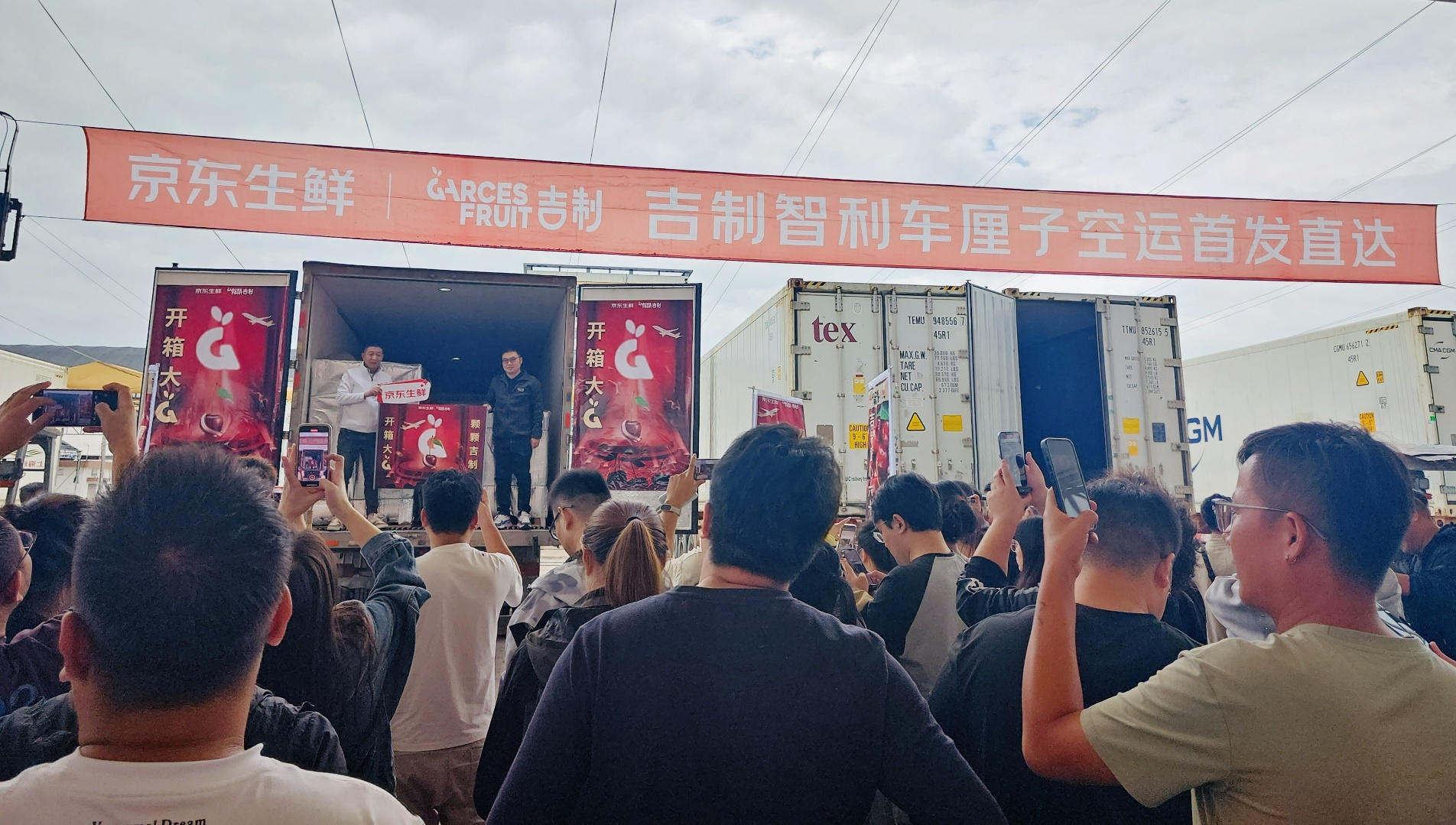
2025年全国首批智利车厘子空运抵沪 京东生鲜开启“质价比”消费季
Zhong Jin Zai Xian· 2025-10-20 08:00
Core Insights - The arrival of the first batch of Chilean cherries in Shanghai marks the beginning of the annual cherry consumption season in China [1] - The increasing popularity of Chilean cherries in the Chinese market reflects a shift in consumer preferences towards quality and price balance, known as "quality-price ratio" [3] - JD Fresh's strong supply chain capabilities and partnerships with Chilean producers enhance the efficiency and freshness of the product delivery [5][7] Group 1 - The first batch of Chilean cherries has been airlifted to Shanghai, allowing consumers to enjoy fresh produce from the Southern Hemisphere [1] - JD Fresh initiated a pre-sale during the JD 11.11 shopping festival, enabling consumers to secure their orders early [1] - The consumer demand has shifted from a focus on "cost-performance" to a more nuanced "quality-price ratio," raising expectations for sales platforms [3] Group 2 - JD Fresh has established long-term partnerships with Chilean cherry producers, ensuring a stable supply and high-quality products [3] - The integration of procurement, warehousing, logistics, and distribution by JD has created a direct channel from Chilean orchards to Chinese consumers, enhancing efficiency and product freshness [5] - The air transport of cherries significantly reduces the time from production to consumer, ensuring optimal freshness and taste [7] Group 3 - JD Fresh's logistics system guarantees that consumers receive seasonal cherries promptly, enhancing the overall shopping experience [7] - The company enforces strict quality control measures, including prohibiting the mixing of different fruit sizes, to meet consumer quality expectations [5] - As the 2025-2026 Chilean cherry season approaches, JD Fresh aims to continue integrating global resources to improve the efficiency of fresh product distribution [7]


本来生活与全国台企联达成战略合作 开启“惠台助农专项行动”
Zheng Quan Ri Bao Wang· 2025-10-20 06:10
Core Insights - 本来生活 has signed a strategic cooperation agreement with the National Taiwan Enterprises Association to launch the "惠台助农专项行动" aimed at supporting Taiwanese agricultural enterprises in expanding their domestic market presence [1][2] - The initiative focuses on building a new mechanism for the development of Taiwanese enterprises through government and enterprise collaboration, promoting integration in the agricultural sector across the Taiwan Strait [1] Group 1: Strategic Cooperation - 本来生活 and the National Taiwan Enterprises Association will implement the "惠台助农专项行动" plan, leveraging their resource advantages to create a marketing model that combines "exclusive channels + offline promotion" [1] - 本来生活 will provide a comprehensive solution for Taiwanese agricultural enterprises, including product promotion, brand building, and market marketing, utilizing its nationwide fresh supply chain and extensive user base [1] Group 2: Market Expansion and Challenges - 本来生活's agricultural expert highlighted that the domestic market presents significant growth potential for Taiwanese agricultural enterprises, with e-commerce being a key to unlocking this market [2] - The company has been collaborating with Taiwanese agricultural enterprises since 2015, promoting products such as high mountain tea and specialty fruits, and is transitioning from a participant to a promoter in cross-strait agricultural economic cooperation [2]
【锋行链盟】纳斯达克IPO破发核心要点
Sou Hu Cai Jing· 2025-10-16 16:18
Market Environment - Nasdaq's IPO underpricing is influenced by macroeconomic conditions, monetary policy, and investor risk appetite, which directly affect the funding support for new listings [2] - The Nasdaq index, while focused on tech stocks, is significantly impacted by overall market trends, including economic downturns and geopolitical conflicts, leading to a higher likelihood of IPO failures during such periods [2] Company Fundamentals - Companies listed on Nasdaq are primarily growth-oriented, particularly in sectors like technology, biotech, and renewable energy, but investors demand high certainty in short-term profitability and long-term competitiveness [2] - Basic flaws in a company's fundamentals can easily trigger IPO underpricing, especially if there are significant slowdowns in revenue growth or widening losses [2] Valuation Dynamics - The core issue of IPO underpricing often lies in the conflict between high valuations in the primary market and rational pricing in the secondary market [2] - Companies that have inflated valuations due to prior funding rounds may face significant challenges in the public market if they do not adjust their expectations before the IPO [4] Issuance Mechanism - The IPO pricing mechanism, typically determined by investment banks through book building, can amplify the risk of underpricing if the pricing deviates from market realities [2] - The "anchor effect" from recent comparable company valuations may fail if there are sudden market changes, leading to mispriced IPOs [4] Long-term Perspective - IPO underpricing does not necessarily indicate a company's failure; some quality firms may rebound as market conditions improve or as their fundamentals become more apparent [3] - Companies need to demonstrate improvements in fundamentals, such as revenue growth and reduced losses, to recover from initial underpricing [4] Key Risks - Companies in competitive sectors without unique advantages may be viewed as highly replaceable, increasing the risk of underpricing [2] - Specific events, such as clinical trial failures for biotech firms or regulatory issues for tech companies, can severely impact investor confidence and lead to significant stock price drops [2]

首席评论| 台企“创二代”:守业、创业与身后的金融守护
第一财经· 2025-10-16 11:38
Core Viewpoint - The article discusses the entrepreneurial journeys of the second generation of Taiwanese entrepreneurs in mainland China, highlighting their unique characteristics, challenges, and the role of financial institutions in supporting their ventures [2][4][21]. Group 1: Entrepreneurial Paths of Taiwanese Youth - The second generation of Taiwanese entrepreneurs in mainland China has established over 130,000 businesses, with more than half transitioning to the next generation [2]. - Entrepreneurs like 詹衡 and 刘子睿 are exploring diverse sectors such as health, beauty, and fresh produce, reflecting a blend of traditional and innovative business practices [6][10]. - The concept of "pure beauty" in the beauty industry aligns with ESG standards, emphasizing safety, transparency, and sustainability [8][15]. Group 2: Market Opportunities and Challenges - The fresh produce sector has seen significant growth, with 刘子睿's company achieving a compound annual growth rate of 47% over the past decade [20]. - The challenges faced by these entrepreneurs include high costs in market promotion and education, as well as the need for efficient supply chain management [18][20]. - The evolving market landscape requires entrepreneurs to embrace change and adapt to consumer demands while maintaining quality and safety standards [24][26]. Group 3: Financial Support and Unique Needs - Financial institutions like 富邦华一银行 play a crucial role in supporting Taiwanese entrepreneurs by providing tailored financial services and fostering long-term partnerships [29][30]. - The bank's approach includes offering dynamic cash flow management and leveraging technology for efficient payment and risk management solutions [22][30]. - Entrepreneurs require not only financial backing but also strategic advice to navigate the fast-changing market environment [31]. Group 4: Legacy and Innovation - The second generation of entrepreneurs balances the legacy of their predecessors with the need for innovation, focusing on quality and modern consumer trends [24][26]. - The emphasis on maintaining high standards and pursuing excellence is a common thread among these entrepreneurs, reflecting their commitment to both tradition and progress [27][33].
走进叮咚买菜与柠季,找到AI落地柔性供应链的解法【AI落地研学营】
虎嗅APP· 2025-10-16 00:09
Core Insights - The article emphasizes the importance of integrating AI into business operations, particularly in supply chain management, to transform it from a cost center to a value center [5][23][24]. Group 1: AI Implementation in Supply Chain - Dingdong Maicai utilizes Agentic AI to enhance traceability and accountability in its fresh supply chain, addressing issues of high loss, volatility, and time sensitivity [7][8]. - The company has achieved a 95% accuracy rate in sales forecasting for overall orders and popular items, showcasing the effectiveness of AI in decision-making processes [8]. - The approach involves a full-chain upgrade from human-driven processes to algorithm-driven operations, ensuring clarity and accountability at every stage [8]. Group 2: Digital Transformation Strategies - Ningji adopts a light-asset, rapid expansion model, focusing on data-driven decision-making to reduce reliance on individual expertise, allowing the CEO to "work less" [9][10]. - The company emphasizes the importance of completing foundational steps like information and online transformation before advancing to AI applications [10]. - AI applications at Ningji are centered around efficiency and revenue generation, with practical implementations in customer service and site selection [10]. Group 3: Content Supply Chain Innovation - Tezign views content as a new SKU, advocating for a content supply chain that allows for the reuse and combination of creative assets [13][14]. - The company employs AI to manage and produce marketing content efficiently, enabling rapid generation without requiring design skills from operators [14]. - This approach positions content production as a core asset for businesses, moving away from one-time use to reusable modules [14]. Group 4: Gradual AI Integration - Shuhai Supply Chain emphasizes a methodical approach to AI integration, focusing on cost reduction, efficiency enhancement, and quality improvement [15][17]. - The company has invested over 400 million yuan in developing a comprehensive SaaS system to streamline operations across various business functions [17]. - AI implementation is approached in stages, starting with simpler tasks to build a foundation before tackling more complex scenarios [17][21]. Group 5: Industry Challenges and Consensus - Participants in the roundtable discussion highlighted the challenges of aligning consumer demands with supply chain capabilities, particularly in the fashion industry [18][19]. - There is a shared concern about measuring the value of AI, as business growth results from multiple factors, complicating the attribution of success to specific AI tools [19][20]. - A consensus emerged that AI is not a panacea but rather a complex system engineering challenge that requires a structured approach to implementation [20][22].


专注“一公里深”,叮咚买菜构建“食安共治”新范式
Bei Ke Cai Jing· 2025-09-29 09:17
Core Viewpoint - The article discusses the importance of food safety in the fresh e-commerce sector, highlighting how Dingdong Maicai is implementing a new paradigm of "food safety co-governance" through strict internal controls, upstream empowerment, and digital innovation [1][6]. Group 1: Food Safety Initiatives - Dingdong Maicai has launched the "Clean Label" initiative, later renamed "Clean Ingredients," to promote the idea of "no unnecessary additives," aiming to simplify ingredient lists and encourage upstream production optimization [6][9]. - The company has developed its own brand products that meet clean certification standards, such as "Liangxin Craftsman" milk buns, which do not contain leavening agents or trans fats [7][9]. - Sales data indicates success in these initiatives, with products labeled "Clean Ingredients" generating over 500 million yuan in sales in the first half of the year, and low GI products increasing from less than 1 million yuan to nearly 60 million yuan year-on-year [9]. Group 2: Quality Control System - Dingdong Maicai established a "7+1" quality control system in 2017, covering all aspects from production to consumer feedback, ensuring end-to-end quality management [11][15]. - The company conducts extensive pesticide residue testing, with an annual testing volume of 2.5 million batches, and employs a comprehensive quality management system to enhance efficiency and transparency [11][12]. - The company emphasizes collaborative governance with suppliers, having introduced the D-GAP standards for high-risk agricultural products, and engages in "supportive improvement" for products with high customer complaints [12][15]. Group 3: Digital Traceability - The "Truth Traceability" project aims to enhance consumer trust by providing full transparency of the supply chain from source to table through digital technology [16][19]. - The system identifies key nodes in the supply chain, such as feed planting and livestock management, and utilizes video monitoring and AI for data verification [16][18]. - A notable project includes the "Suspended Water Fish" initiative, which ensures real-time water quality monitoring and a transparent traceability system for consumers to access the entire lifecycle information of the fish [18][19].
叮咚买菜:“双节”低糖、低GI月饼登场 大闸蟹成中秋家宴必备
Zheng Quan Ri Bao Wang· 2025-09-28 10:48
Core Insights - The online fresh food consumption is experiencing a new growth wave as the Mid-Autumn Festival and National Day approach, with consumers showing strong interest in traditional festive foods like hairy crabs, mooncakes, and fruit gift boxes [1] - Dingdong Maicai is launching new products themed around health and regional specialties, including low-GI mooncakes and various types of hairy crabs, to cater to personalized consumer demands [1][2] Group 1 - The sales of hairy crabs on Dingdong Maicai's platform have shown a significant upward trend as the "Golden Week" approaches, with the Yellow River hairy crab experiencing a nearly 200% year-on-year sales increase [1] - Outdoor activities such as travel and camping are driving a notable rise in demand for snacks and ready-to-eat foods, with an expected 20% increase in overall stock compared to regular days [1] Group 2 - Dingdong Maicai's health-focused snack series is rapidly growing, featuring products like Australian grain-fed beef jerky and low-GI apple crisps, which are expected to be popular among consumers during the holiday [2] - The company is also offering a diverse range of regional dishes and easy-to-prepare meals, such as the Chaoshan marinated platter and various hot pot options, to meet the needs of consumers who prefer dining at home [2] - The trend towards low-sugar and low-GI mooncakes is evident, with Dingdong Maicai introducing a low-GI mooncake gift box that aligns with consumer preferences for healthier eating options [2]
台风“桦加沙”袭来,多平台加速补货
Di Yi Cai Jing· 2025-09-23 09:01
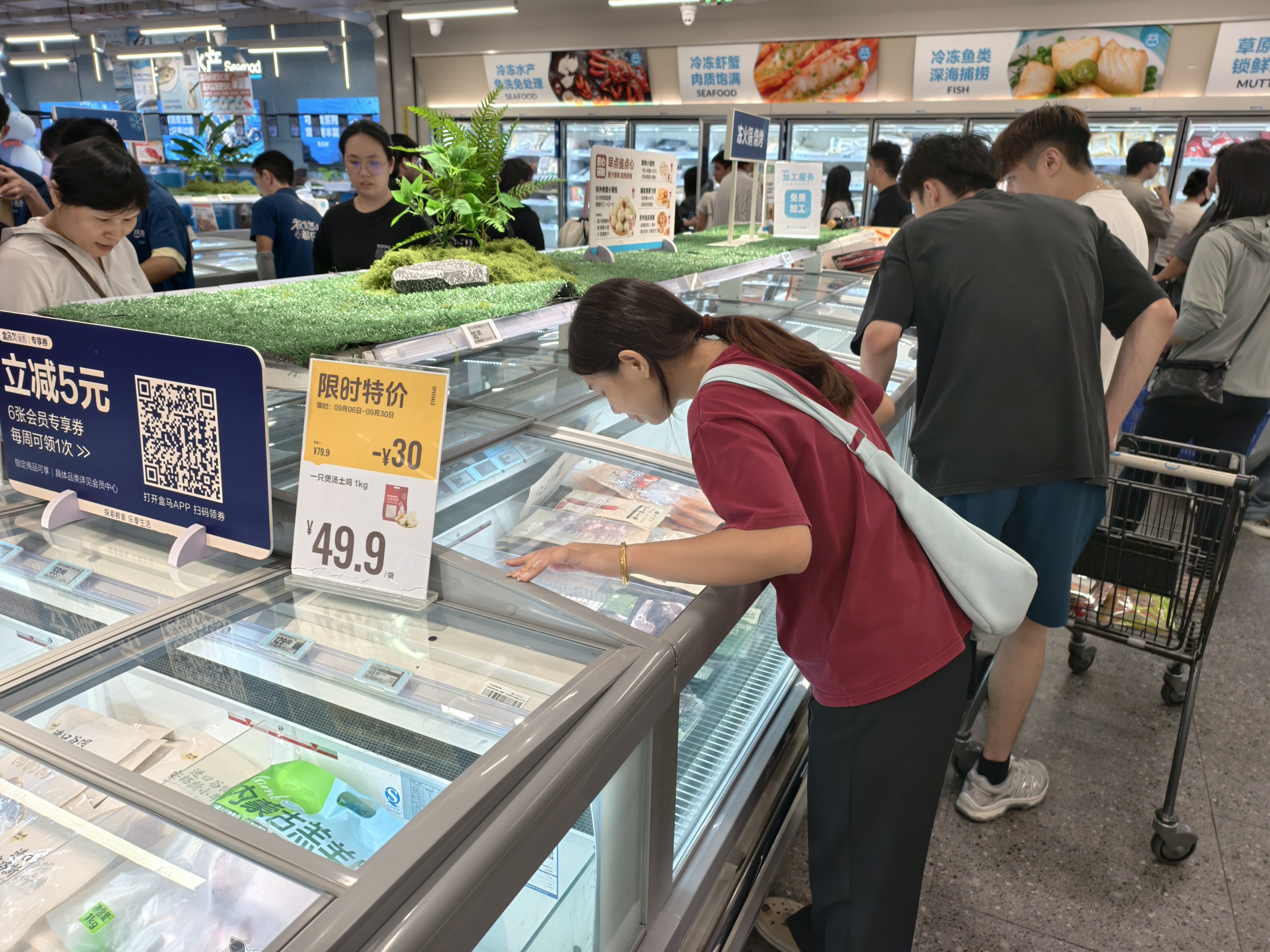
Core Insights - Multiple regions have implemented measures to ensure sufficient inventory of essential goods in response to the impending Typhoon Haikui, which is classified as a super typhoon [1][4] - Major supermarkets and e-commerce platforms are actively increasing their stock levels in Guangdong province, with specific emphasis on essential items such as vegetables, fruits, and grains [4] Group 1: Inventory Management - Official information indicates that cities like Guangzhou, Shenzhen, and Dongguan have taken steps to ensure adequate supplies of essential goods, advising citizens against excessive stockpiling [4] - Major retailers, including CR Vanguard, have activated emergency protocols, increasing stock levels to three times the usual supply for essential items [4] - Qian Dama plans to supply approximately 800 tons of meat and vegetables to nearly 500 stores in the city, which is double the normal supply [4] Group 2: Delivery and Logistics - Hema has reported an overall inventory increase of over 80% on September 23, focusing on daily necessities such as meat, vegetables, and grains [4] - Delivery services are being adjusted, with Hema and JD Seven Fresh halting online orders in certain areas to ensure the safety of delivery personnel [1][4] - Hema has prepared rain gear and backup power supplies for delivery staff to mitigate potential disruptions caused by the typhoon [4]
别慌!广东多地提醒:生活必需品供应量足价稳,无须过度囤货
2 1 Shi Ji Jing Ji Bao Dao· 2025-09-23 02:58
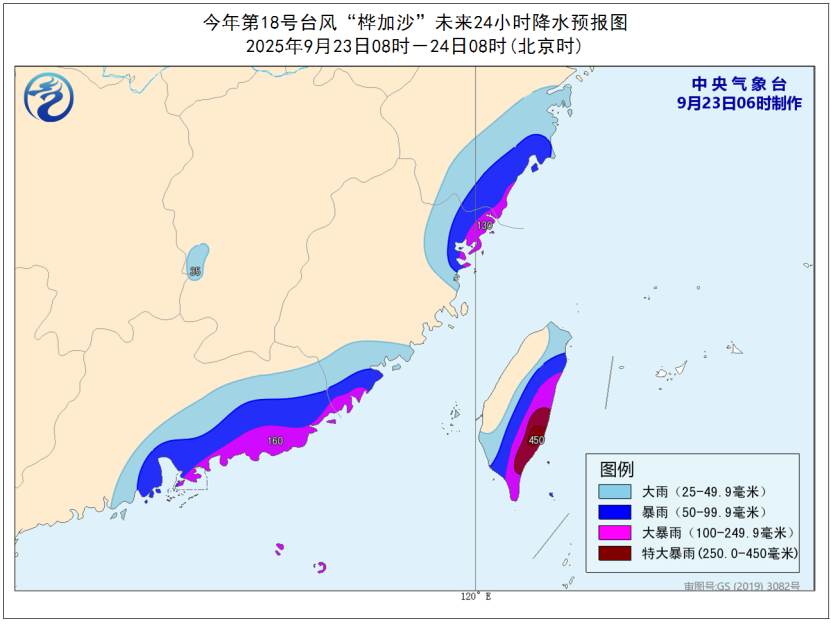
Core Viewpoint - The 18th typhoon "Haikashan" has developed into the strongest typhoon globally this year, expected to make landfall in Guangdong, impacting local weather and prompting citizens to stock up on essential supplies [1][3]. Group 1: Typhoon Impact and Response - The Central Meteorological Administration has issued an orange alert for typhoon "Haikashan," which has been classified as a super typhoon for over 40 hours [1]. - Heavy rainfall and strong winds are anticipated in Guangdong, Guangxi, and Hainan, lasting until Friday [1]. - Local governments are urging citizens to purchase essential goods reasonably and avoid excessive stockpiling [3][4]. Group 2: Supply and Demand Management - Guangzhou's business sector reports sufficient inventory of essential goods, with prices stable and supply channels open [4]. - Shenzhen's business sector has increased the supply of essential goods by 2-3 times the usual demand to ensure availability [4][5]. - Zhuhai has implemented a monitoring mechanism for essential goods supply, ensuring smooth circulation and addressing any shortages promptly [6]. - Shantou and Huizhou report stable prices and sufficient inventory of essential goods, with measures in place to prevent price gouging [7][8]. - Dongguan's business sector has prepared for a 7-10 day supply of essential goods, coordinating with major retailers to meet demand [9]. - Jiangmen has activated an emergency plan for essential goods supply, ensuring continuous availability and monitoring for any price manipulation [10].
叮咚买菜多产区寻鲜扩容“吃蟹地图”,重构生鲜差异化
Bei Ke Cai Jing· 2025-09-17 13:27
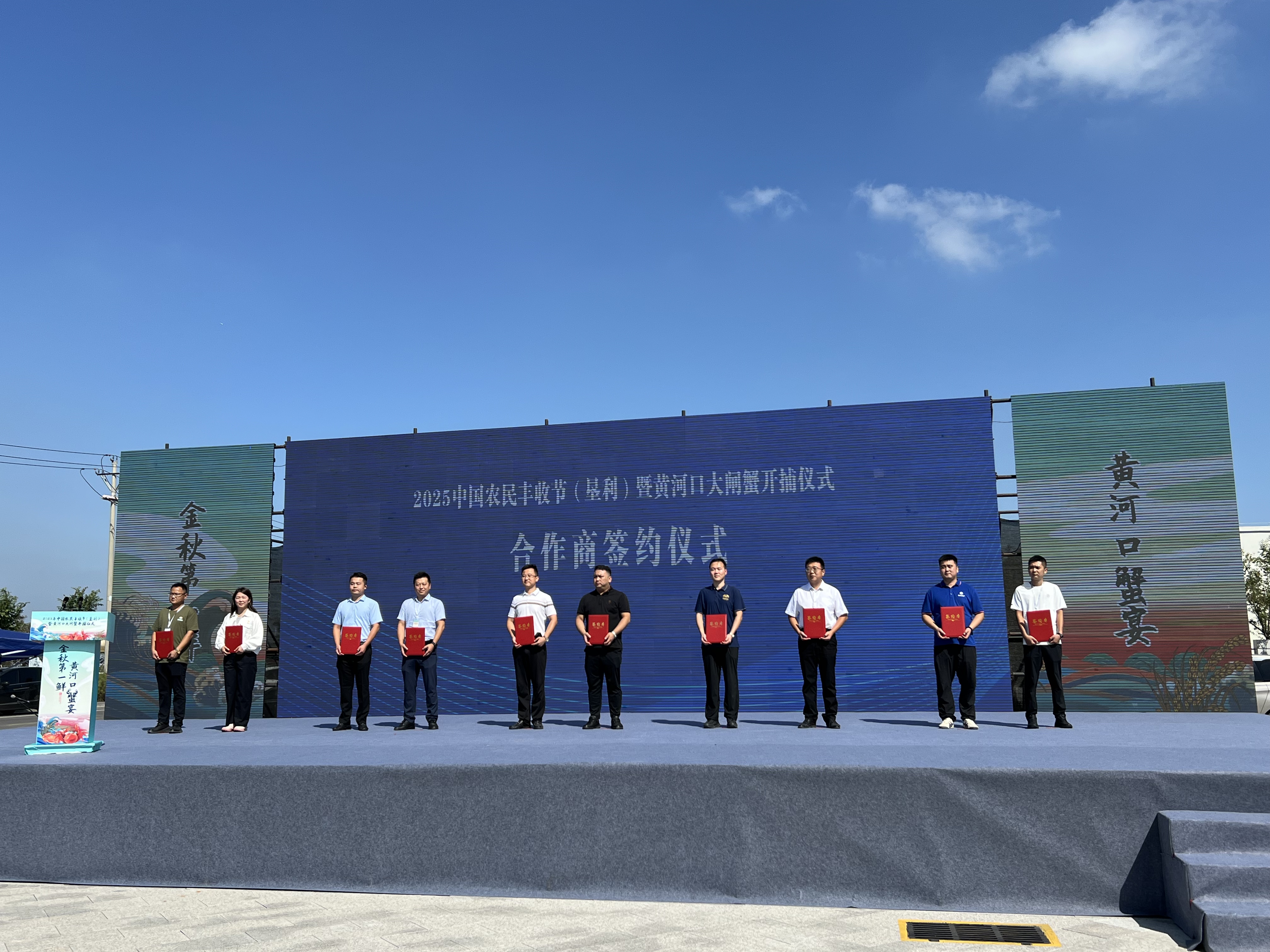
Core Viewpoint - The company "Dingdong Maicai" is expanding its market presence by promoting regional specialty crabs, particularly the Yellow River and Tibetan Plateau crabs, through a nationwide supply chain strategy aimed at enhancing consumer awareness and accessibility of these products [2][3][11]. Group 1: Market Expansion and Sales Growth - Dingdong Maicai signed over 30 million yuan in direct procurement orders during the Yellow River crab catching ceremony, marking a significant step in its "Taste of China" initiative [2][5]. - The sales of Yellow River crabs are expected to double compared to last year, indicating strong market demand and growth potential for regional specialty products [3][10]. - The company is developing a comprehensive "crab map" that includes various crab types from different regions, breaking the consumer perception that crabs are primarily sourced from Yangcheng Lake [6][11]. Group 2: Unique Product Offerings - The Yellow River crabs are recognized for their unique flavor profile, attributed to the natural conditions of the region, allowing them to be market-ready 15 to 20 days earlier than crabs from other major lakes [8][10]. - Tibetan Plateau crabs, raised in high-altitude environments, are gaining recognition for their delicate texture and unique taste, challenging the notion that crabs can only thrive in low-altitude waters [11][14]. - Dingdong Maicai is implementing a direct procurement model in the Tibetan Plateau to ensure these unique crabs reach consumers quickly, with a promise of delivery within 48 hours [14][15]. Group 3: Supply Chain and Quality Control - The company emphasizes a robust supply chain strategy that includes standardized breeding and direct procurement, ensuring consistent quality and flavor of the crabs [15][21]. - Dingdong Maicai is developing a "Truth Source Intelligent System" to provide consumers with detailed information about the origin and quality of their purchased products, enhancing transparency and trust [22]. - The company's "4G" strategy focuses on delivering high-quality products while avoiding price wars, aiming for differentiation in a competitive market [16][21].