外卖

Search documents
头部茶饮高管:如伤害品牌,会即刻叫停外卖补贴丨消费参考
Sou Hu Cai Jing· 2025-07-24 00:13
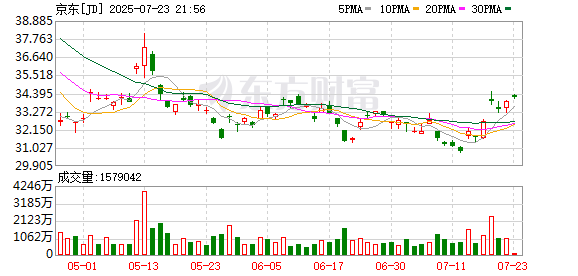
Group 1: Market Dynamics - The competition in the food delivery market is intensifying, with JD and Alibaba investing 80 billion yuan in subsidies over the past three months [1] - Daily order volume in China's food delivery industry has surged from 100 million at the beginning of the year to approximately 250 million [1] Group 2: Profitability Challenges - Intense price competition has led to profit difficulties for platform companies and related food delivery merchants, prompting regulatory scrutiny [2] - The State Administration for Market Regulation has urged major platforms like Ele.me, Meituan, and JD to comply with e-commerce laws and promote rational competition [2] Group 3: Impact on Brands - Some executives from leading beverage brands express mixed feelings about delivery subsidies, noting that many are random and can harm brand profitability [3] - Despite concerns, subsidies have driven transaction growth for brands, particularly for ready-to-drink beverages that have become more competitive in pricing [4] Group 4: Stock Market Performance - On July 23, the Shanghai Consumer 80 Index closed at 4875.32 points, reflecting a slight increase of 0.19% [6]


外卖创新成国内餐饮增长新亮点
Zhong Guo Chan Ye Jing Ji Xin Xi Wang· 2025-07-23 23:00
Core Insights - Meituan's instant retail orders exceeded 150 million, with "Pin Hao Fan" orders surpassing 35 million, indicating strong growth in the food delivery sector [1] - KFC's "whole chicken meal" sold approximately 1 million orders in half a day, showcasing international fast-food brands' interest in China's innovative dining models [1] - The competition is shifting from capturing existing market share to innovating products and models to tap into new market growth [1] Group 1: C2M Model and Market Dynamics - "Pin Hao Fan" adopts a C2M (Consumer-to-Manufacturer) model, gathering consumer preferences and optimizing the supply chain based on historical consumption data [1][3] - The platform helps restaurants focus on popular items, enhancing order stability and allowing for better procurement efficiency [2][3] - Brands like "Nan Cheng Xiang" have successfully scaled their operations by concentrating on best-selling items, leading to significant sales increases [2] Group 2: Cost Efficiency and Brand Growth - "Pin Hao Fan" allows brands to share labor and rental costs, leading to reduced ingredient procurement costs through bulk purchasing [3] - 90% of merchants on "Pin Hao Fan" reported sales increases of over 30%, with average cost reductions of more than 20% [5] - The platform has attracted new customer segments, expanding the market for both large chains and small businesses [5] Group 3: Quality Assurance and Consumer Trust - "Pin Hao Fan" emphasizes food safety and quality, implementing strict standards and regular inspections to ensure compliance [6] - The platform encourages transparency in food preparation and safety practices, enhancing consumer trust [6] - Brands are committed to maintaining quality across all channels, ensuring that products available on "Pin Hao Fan" match those in physical stores [6] Group 4: Long-term Strategies and Brand Partnerships - Major brands like Burger King and Honey Snow Ice City are leveraging "Pin Hao Fan" to engage with younger consumers and explore new product offerings [7] - Companies are standardizing management and product offerings across "Pin Hao Fan" to optimize growth opportunities [7] - The platform's ability to enhance brand visibility and order volume is recognized as a key factor for future collaborations [7]

外卖混战③:从补贴战打到运力战,一城一地争夺 200 万骑手
晚点LatePost· 2025-07-23 15:49
Core Viewpoint - The intense competition in the food delivery market is reshaping the role of delivery riders, making it a more competitive profession as platforms like Meituan and Taobao Shanguo vie for market share through aggressive subsidies and operational strategies [2][3][4]. Summary by Sections Competition Dynamics - As of July 19, Taobao Shanguo achieved a record of 90 million orders in a single day, while Meituan surpassed 120 million, indicating ongoing fierce competition [3]. - The order volume difference between the two platforms fluctuates between 30 million to 70 million orders each Saturday since the start of their rivalry [3][4]. Rider Supply and Demand - Meituan requires approximately 200,000 professional riders to handle 100 million orders, highlighting the significant demand for delivery personnel [6]. - Meituan's active rider count is around 7.45 million, but only about 1 million are consistently delivering daily, indicating a gap in reliable supply [6][10]. - Taobao Shanguo aims to maintain a rider count comparable to Meituan's to sustain its order volume above 80 million [8][10]. Rider Types and Earnings - Riders are categorized into three types: dedicated riders with stable income, semi-dedicated riders with flexible schedules, and casual riders with minimal commitment [12]. - The average monthly income for stable riders on platforms like Ele.me has reportedly exceeded 12,500 yuan, while Meituan's riders saw a 111% increase in daily earnings compared to the previous month [27][28]. Recruitment Strategies - Both platforms are investing heavily in recruitment incentives, with Meituan offering substantial bonuses for new riders who meet performance targets [28][30]. - The competition has led to a rise in the number of riders, with Ele.me's rider count increasing by 78% since the launch of Taobao Shanguo [31]. Operational Adjustments - To improve efficiency, both platforms are adjusting their operational strategies, such as increasing the order consolidation rate and relaxing delivery time penalties for riders [36][37]. - The platforms are also focusing on professionalizing the rider role, providing growth opportunities and benefits to enhance job stability [37]. Market Positioning - Taobao Shanguo's rapid growth in order volume, achieving 10 million orders in just five days, demonstrates its aggressive market entry strategy [21]. - The competitive landscape is forcing platforms to innovate and adapt, with Meituan leveraging its established rider network to maintain a competitive edge [17][32].


别盯着“0元奶茶”,看懂这场外卖大战,就看懂了互联网产业蝶变
Sou Hu Cai Jing· 2025-07-23 15:08
Core Insights - The ongoing food delivery battle is characterized by significant cash subsidies, reminiscent of previous market competitions, but it also reflects deeper industry upgrades and innovations [2][5][10] Group 1: Cash Subsidies and Market Dynamics - JD's food delivery service has provided over 10 billion yuan in subsidies since its launch, with daily subsidies around 200 million yuan [2] - Meituan's subsidies reached 300 to 400 million yuan on a recent Saturday, while Taobao Shanguo's exceeded 1.2 billion yuan, indicating aggressive competition [2] - Taobao Shanguo has captured approximately 60% of the incremental market share, with daily orders increasing from 100 million to 200 million [4] Group 2: New Business Models - JD's entry into the food delivery sector aims to create a new business model focused on fresh supply chains rather than direct competition with Meituan [3] - Taobao Shanguo's innovative model integrates online and offline resources, creating a new ecosystem for instant consumption across various categories [4] Group 3: Industry Upgrades - The food delivery industry is undergoing significant upgrades, including full insurance coverage for delivery personnel and enhanced algorithms for better service [5] - Meituan's flash purchase service saw a doubling of GMV across over 100 categories during the 618 shopping festival, supported by a network of 30,000 front warehouses [5] Group 4: Digital and Physical Integration - The current food delivery battle is not just about cash burn but also about the ability to upgrade the industry, reflecting a broader trend of digital and physical integration [6][7] - Companies like JD and Alibaba are leveraging their strengths in supply chain and e-commerce to create synergies that enhance consumer experiences and operational efficiencies [8][9] Group 5: Future Implications - The food delivery battle signifies a shift towards new models and technologies that meet evolving consumer demands, suggesting a potential transformation in the internet industry as a whole [10]

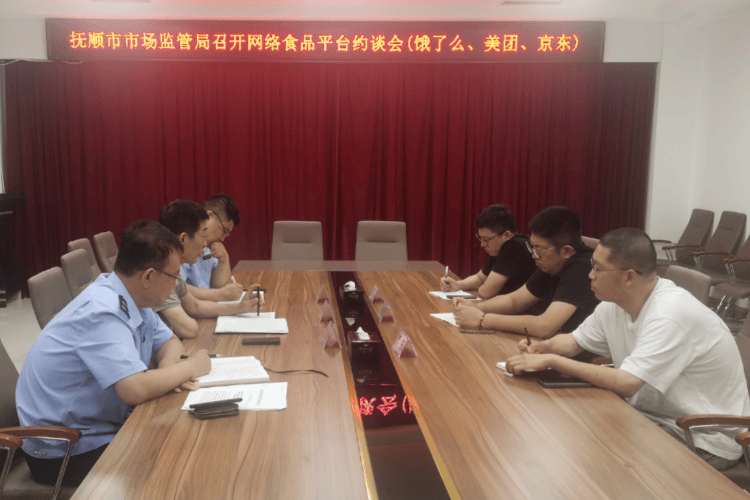
多地市场监管部门约谈外卖平台,要求停止恶性竞争行为
Sou Hu Cai Jing· 2025-07-23 14:33
Group 1 - The State Administration for Market Regulation (SAMR) has conducted administrative talks with major food delivery platforms including Ele.me, Meituan, and JD.com, urging them to standardize promotional activities and engage in rational competition [2][3] - Local market regulation departments, such as Zhengzhou and Fushun, have echoed SAMR's calls, focusing on compliance in various aspects including merchant qualification audits, food safety management, and consumer rights protection [2][3] - Zhengzhou's market regulation bureau has specifically prohibited deceptive pricing practices, requiring clear labeling of product specifications and pricing, as well as transparency in platform fees [2] Group 2 - Fushun's market regulation bureau emphasized the importance of fair competition, urging platforms to cease price wars and focus on service quality and food safety [3] - The Shanghai market regulation department has also intervened, leading to the suspension of "zero-yuan purchase" promotions and a reduction in free meal marketing, while platforms have committed to enhancing monitoring and price control [4] - Platforms are required to adhere strictly to regulations during promotions to ensure transaction authenticity and commercial reasonableness [4]
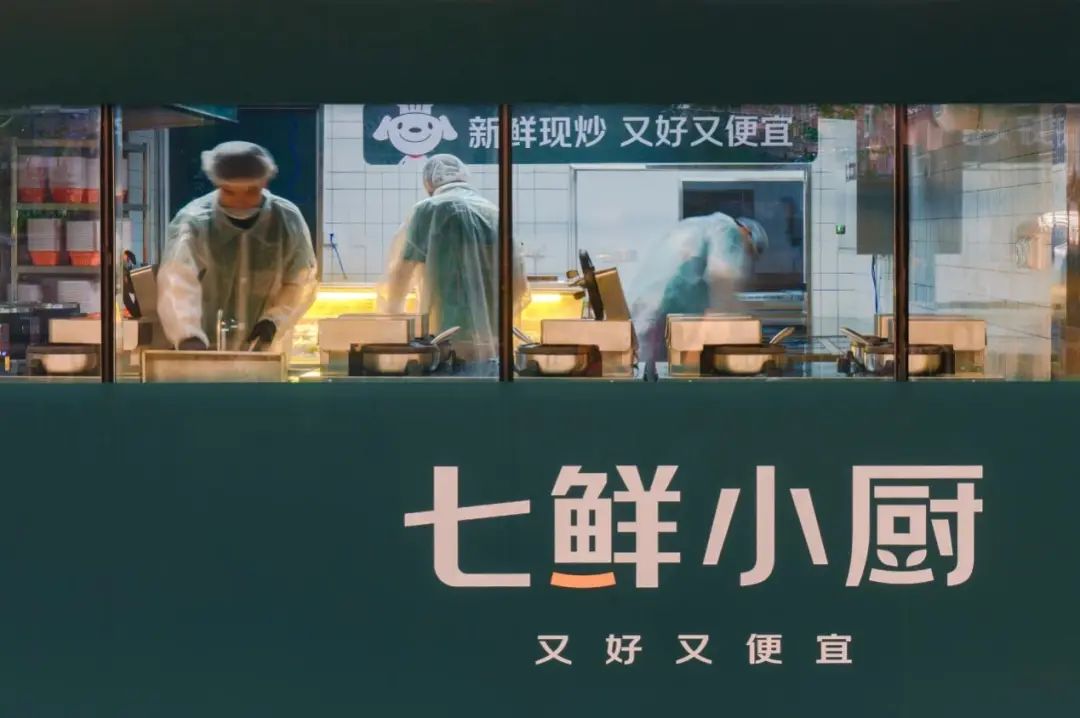
刘强东打造自营外卖新物种 七鲜小厨负责人称“不和堂食餐厅竞争”
Zhong Guo Jing Ying Bao· 2025-07-23 13:55
Core Insights - JD Group's founder Liu Qiangdong announced a new business model for JD's food delivery service, aiming to address food safety issues and provide high-quality, cost-effective food options [2][4] - The newly launched "Qixian Xiaochu" platform has received significant initial demand, with a high volume of orders on its opening day [2][4] - The platform plans to invest 10 billion yuan to recruit food partners and aims to establish 10,000 stores within three years [2][4] Business Model - Qixian Xiaochu is positioned as a "cooperative quality catering production platform," where partners provide recipes and participate in development while Qixian Xiaochu handles cooking and quality control [3][5] - The platform's pricing strategy targets a market segment with dish prices ranging from 10 to 20 yuan, differentiating itself from traditional restaurants with higher price points [4][5] Market Positioning - Liu Qiangdong emphasized that Qixian Xiaochu's model is not about competing with restaurants but rather collaborating with them to reclaim market share from "ghost kitchens" [4][5] - The platform has received over 20,000 applications from various food brands and individual chefs within just two days of launching its partner recruitment program [4][5] Supply Chain Innovation - Qixian Xiaochu's approach is seen as a significant innovation in the food delivery market, focusing on internalizing the supply chain rather than relying on third-party ecosystems [6][5] - The platform aims to enhance food safety through technology, including transparent kitchen operations and AI quality control [6][5] Financial Strategy - JD Group's strategy involves leveraging its supply chain capabilities to achieve profitability, even if the front-end food sales do not generate immediate profits [6][5] - The success of Qixian Xiaochu will depend on its ability to scale operations and maintain cost control while fostering user habits in a high-frequency consumption environment [6][7]
京东:我们要和优质餐饮商家一起,从幽灵外卖手里夺回本属于他们的生意
Guan Cha Zhe Wang· 2025-07-23 12:08
7月22日,京东正式启动"菜品合伙人"招募计划,投入10亿现金,面向全国餐饮品牌与个体厨师为1000道招牌菜招募合伙人。在全新的供应链模式下,合伙 人仅需提供菜品配方并参与研发,由合营品质餐饮制作平台"七鲜小厨"承担现炒制作及严格品控,以外卖、自提两种形式销售。 京东外卖的供应链模式,和传统商业模式有着显著区别。在传统模式下,平台只是信息服务的提供者,缺乏对食物制作这一外卖关键环节的掌控,一旦监管 缺位,幽灵外卖、黑外卖等乱象便会趁机作祟;后来,也有平台开始尝试提供场地,将外卖商家整合在一起,但这种类似"二房东"的聚合模式,仍没有真正 地让平台"置身事内"。 新的供应链模式,正在颠覆传统外卖行业。 此前的6月17日,京东集团董事局主席刘强东在北京的一场分享会上对观察者网等媒体透露,"外卖市场很大,再过一个月之后,京东外卖很快就会出现一个 跟美团完全不同的商业模式"。在这场分享会上,刘强东表示,期待这种商业模式能够真正彻底解决食品安全问题,能让消费者买到高性价比且安全的食 物。 有人一度猜测,京东或将以其擅长的"自营"供应链模式杀入市场。 由是来看,京东的"菜品合伙人"招募计划,正在颠覆传统的外卖模式:平台型企 ...

上海就“外卖大战”约谈饿了么?市监局:只是了解情况,防范不正当竞争
news flash· 2025-07-23 11:56
针对近期"外卖大战",7月23日,有媒体报道称,上海市市场监管部门同步约谈饿了么等平台。相关平 台已执行三项整改,包括全面下线"零元购"类促销活动;大幅收缩免单营销范围;成立专项工作组加强 活动监测、价格管控及骑手权益保障,并强化社会监督与信息透明度建设。当天下午,记者从上海市场 监管局获悉,市场监管部门只是向有关平台同步了解具体情况。新修订的《反不正当竞争法》将于10月 15日正式实施。为确保新法有效实施,上海市市场监管局已组织开展针对相关平台企业的法律宣贯工 作,要求其积极自查自纠,防范不正当竞争行为,营造公平有序的营商环境。(智通财经) ...
刘强东王兴,再次狭路相逢
3 6 Ke· 2025-07-23 11:27
Core Viewpoint - The competition among major food delivery platforms, including Meituan, JD.com, and Taobao, has intensified with significant subsidy initiatives, leading to a "crazy Saturday" promotion that has raised concerns among restaurant operators about sustainability and profitability [1][7]. Group 1: Subsidy Wars and Market Reactions - Taobao Flash Sale launched a subsidy plan of 500 billion yuan, prompting Meituan to issue large delivery red envelopes and JD.com to introduce discounted products [1]. - The intense competition has led to a surge in orders, causing operational challenges for delivery platforms, including system outages due to high demand [1]. - Restaurant operators have expressed fatigue from the ongoing subsidy wars, indicating that the profits do not significantly increase despite higher order volumes [8][10]. Group 2: Strategic Shifts to Self-Operated Kitchens - JD.com has opened its self-operated kitchen "Qixian Xiaochu," utilizing a machine cooking model and plans to establish over 10,000 locations nationwide within three years [2][6]. - Meituan has introduced the "Raccoon Canteen" shared kitchen model, with plans to open 1,200 locations across the country in three years, focusing on providing a comprehensive service for restaurant partners [4][6]. - Both companies aim to enhance operational efficiency and food quality, moving beyond mere order volume competition to a more sustainable business model [6][15]. Group 3: Industry Challenges and Future Outlook - The shift towards centralized kitchens raises questions about the sustainability of such business models, as previous attempts in the industry have failed [14][15]. - The competition for market share between platforms and traditional restaurants may lead to significant operational challenges, including balancing supply chain management and maintaining quality [14][15]. - The long-term viability of these new models remains uncertain, as they require substantial investment and may face resistance from existing restaurant operators [15].
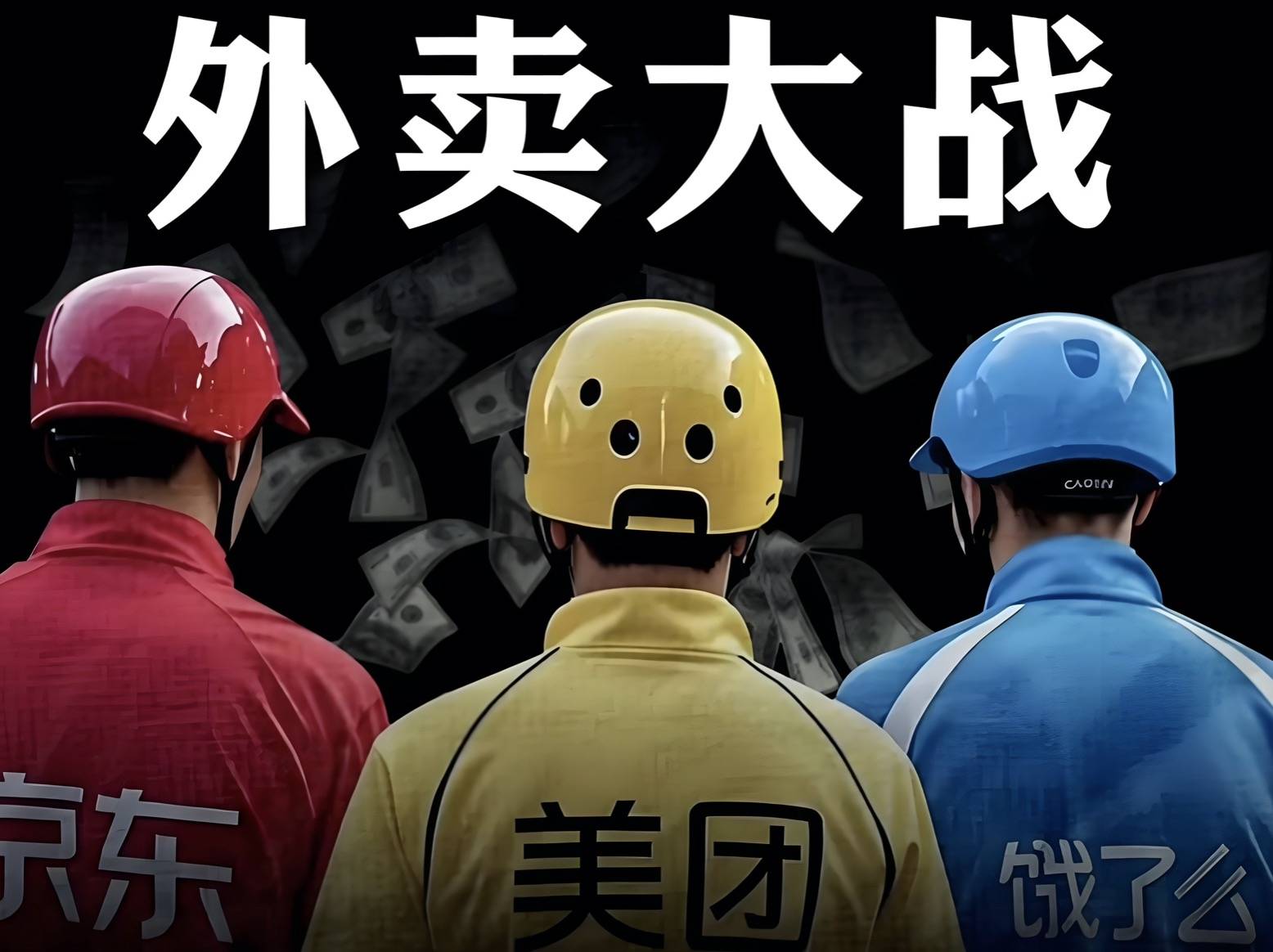
分析一下这场千亿外卖大战
佩妮Penny的世界· 2025-07-23 10:57
Core Viewpoint - The article discusses the intense competition in the food delivery market among major internet giants, highlighting the unprecedented scale of subsidies being deployed, which could reach nearly 1 trillion yuan, significantly surpassing previous subsidy wars in the industry [3][4]. Group 1: Industry Competition - The current subsidy war involves major players like Alibaba, Meituan, and JD.com, with total investments nearing 1 trillion yuan, marking a historic high in internet subsidies [3][4]. - The last comparable competition occurred in 2014 between Didi and Kuaidi, which involved around 2 billion yuan in subsidies over four months, illustrating the dramatic increase in financial stakes in the current market [3][4]. - Meituan's profit margins are low, with a net profit margin of only 3.3%, indicating that the food delivery market is not highly profitable despite its large scale [4][6]. Group 2: Strategic Insights - Meituan's leadership expresses a reluctance to engage in the subsidy war but feels compelled to do so due to competitive pressures, indicating a strategic defensive posture [6][7]. - The focus on international markets, particularly in the Middle East, is highlighted as a potential area for growth, with higher average order values and commission rates compared to the domestic market [6][7]. - The article suggests that Meituan's operational experience and strategic advantages may allow it to defend its market position with fewer resources compared to its competitors [6][7]. Group 3: Alibaba's Strategy - Alibaba aims to increase its monthly active users (MAU) on the Taobao app to 1 billion, leveraging food delivery services to enhance user engagement [8][9]. - The company plans to intensify its subsidy efforts until September, with daily expenditures potentially reaching 300 million yuan, to capture a larger market share [8][9]. - The integration of Ele.me into Alibaba's e-commerce ecosystem is seen as a strategic move to enhance its competitive position in the food delivery market [10]. Group 4: Market Dynamics - The article notes that the current subsidy strategies may lead to a long-term change in consumer behavior, with users becoming accustomed to lower prices and potentially reducing their order frequency once subsidies end [10]. - The financial burden of subsidies is shared between platforms and merchants, raising concerns about the sustainability of such pricing strategies in the long run [10]. - The high turnover rate of new restaurants entering the market highlights the challenges faced by small business owners in the food service industry, emphasizing the risks associated with entrepreneurship in this sector [10].