智能家居

Search documents
创创创2026创1创5创,创20创新高
Donghai Securities· 2026-01-05 09:14
Market Overview - The domestic retail market for robotic vacuum cleaners is expected to grow due to policy incentives, with a notable effect from the Q4 base year[7] - In 2025, the online sales of robotic vacuum cleaners increased by 6% in revenue and 9% in volume year-on-year during the first 51 weeks[7] - The average retail price of robotic vacuum cleaners saw a decline of 6% to 3535 RMB during the "Double 11" shopping festival, influenced by increased promotions and brand competition[7] Product Trends - The introduction of active water cleaning technology is leading the innovation cycle in the market, with brands like Ecovacs and Roborock launching new models that enhance cleaning efficiency[10] - The global market for smart robotic vacuum cleaners is projected to ship 2,060.3 million units in 2024, reflecting an 11.2% year-on-year growth, with a total sales value of $9.31 billion, up 19.7%[13] - The average price of robotic vacuum cleaners is expected to rise by 7.6% to $452 in 2024 due to technological upgrades[13] Competitive Landscape - The top five global robotic vacuum manufacturers are all Chinese companies, with Roborock and Ecovacs leading in shipment volumes[13] - Roborock achieved a market share of 21.7% in the global robotic vacuum market during the first three quarters of 2025, with significant sales growth in North America and Europe[13] - The competitive landscape is shifting as iRobot faces challenges, including a 6.7% decline in global shipments and a 2.6 percentage point drop in market share to 13.7%[48] Future Outlook - The market is expected to see increased competition, with a focus on cost control and supply chain efficiency as brands compete on price and technology[49] - The trend towards smart home integration and personalized cleaning solutions is anticipated to drive future product development, with a potential rise in subscription-based services[49] - Companies are advised to focus on understanding consumer needs and enhancing product features to maintain competitiveness in a rapidly evolving market[49]


策略周报:跨年波动或有上升,不改高景气主线-20260104
HWABAO SECURITIES· 2026-01-04 13:16
Group 1 - The report indicates that post-New Year, the bond market sentiment is expected to ease, but a neutral approach is recommended due to low likelihood of interest rate cuts in the short term, suggesting a maintenance of a neutral duration strategy [2][12] - In the stock market, increased volatility is anticipated due to institutional rebalancing at year-end, but the focus on high prosperity sectors remains unchanged, with a positive outlook for the spring market in January-February [3][12] - Investment opportunities are highlighted in sectors with upward trends, specifically AI, semiconductors, new energy, non-ferrous metals, chemicals, and the ChiNext board, with a recommendation to patiently await the upcoming spring market [3][12] Group 2 - The report reviews significant events, including the announcement of a 625 billion yuan special bond to support consumer upgrades and the exemption of VAT on housing sold after two years of ownership, which may stimulate economic activity [9] - The report notes that the official manufacturing PMI for December rose to 50.1, indicating a return to expansion, with both production and demand showing significant recovery [9] - The bond market is described as experiencing weak fluctuations, with long-term bonds underperforming due to concerns over fiscal stimulus and stronger-than-expected PMI data [10]
石头科技(688169.SH):累计回购36.90万股公司股份
Ge Long Hui A P P· 2026-01-04 09:58
格隆汇1月4日丨石头科技(688169.SH)公布,截至2025年12月31日,公司通过上海证券交易所交易系统 以集中竞价交易方式已累计回购股份36.90万股,已回购股份占公司总股本(以公司2025年12月31日总股 本259,106,368股计算)的比例为0.1424%,成交的最高价为219.16元/股,最低价为175.01元/股,已支付的 总金额为人民币73,865,248.90元(不含印花税、交易佣金等交易费用)。本次回购股份符合法律法规的规 定及公司回购股份方案。 ...
“全屋智能”成为新消费时尚 家电消费释放全新“智”力
Xin Lang Cai Jing· 2026-01-03 13:05
Core Insights - The rapid development of technologies such as 5G and artificial intelligence has led to the increasing integration of smart devices into households, enhancing quality of life and driving consumer spending [1][20] - Young consumers are shifting from "single smart products" to "whole-home smart solutions," indicating a new trend in smart home consumption [15][11] Industry Trends - The trend towards smart home technology is characterized by a significant increase in the proportion of consumers under 35 years old, accounting for nearly 60% of home appliance purchases [11] - There is a growing preference among consumers for smart home appliances that offer enhanced user experiences, with many willing to pay more for these features [13] - The integration of Internet of Things (IoT) and artificial intelligence is facilitating the evolution of smart homes, allowing for seamless interaction between devices [17] Market Dynamics - The implementation of policies such as trade-in programs has stimulated the smart appliance market, with projected sales exceeding 2.6 trillion yuan by 2025, benefiting over 360 million people [20] - The Chinese home appliance market is transitioning from a phase of mass consumption to one focused on upgrading existing products, emphasizing new features, technologies, and experiences [23]


“全屋智能”成为新消费时尚 家电消费释放全新“智”力 | 2026消费生活观察
Yang Shi Wang· 2026-01-03 12:42
Core Viewpoint - The rapid development of technologies such as 5G and artificial intelligence is driving the adoption of smart home devices, with "whole-home smart" solutions becoming the new trend among young consumers, replacing "single-product smart" options [1][12]. Industry Trends - The smart home industry is evolving from "single-product smart" to "whole-home smart" solutions, allowing multiple devices to interact seamlessly, enhancing user experience [13][15]. - Young consumers, particularly those under 35, represent nearly 60% of the home appliance market, indicating a significant shift towards younger demographics in smart home consumption [12]. Consumer Behavior - Young consumers are increasingly prioritizing the novelty, functionality, and value of smart home devices, influencing their purchasing decisions [12]. - The integration of smart devices into daily life is enhancing comfort and convenience, as exemplified by users who prefer smart appliances that automate routine tasks [9][11]. Market Dynamics - The implementation of policies such as trade-in programs is stimulating the smart appliance market, with projected sales exceeding 2.6 trillion yuan by 2025, benefiting over 360 million people [17]. - The Chinese home appliance market is transitioning from a phase of mass consumption to one focused on upgrading existing products, emphasizing new features, technologies, and experiences [19].
智能家居:科技赋能,开启未来智慧生活
Sou Hu Cai Jing· 2026-01-02 07:06
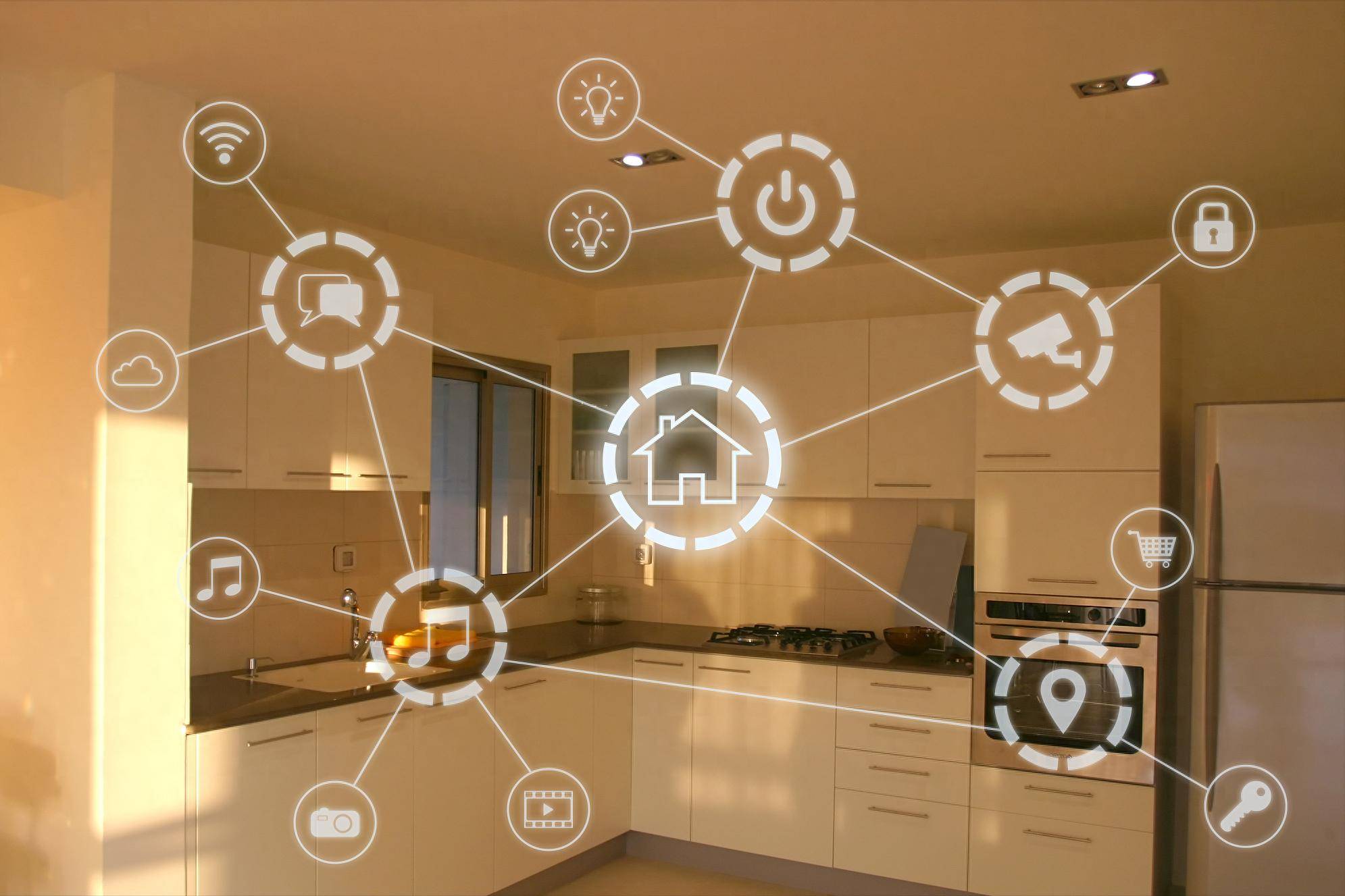
Core Insights - The smart home industry is undergoing transformative changes driven by IoT, AI, and big data, reshaping living experiences into an intelligent ecosystem that is perceptive, interactive, and capable of autonomous decision-making [1] Group 1: Technology and Architecture - Smart home systems are built on IoT technology, utilizing communication protocols like Wi-Fi, Bluetooth, and Zigbee to create a comprehensive smart network [3] - The architecture consists of three layers: the perception layer collects environmental data through sensors, the network layer facilitates data transmission, and the application layer provides user interfaces via smart speakers and mobile apps [3] - Huawei's HarmonyOS Smart Home can connect up to 1,000 devices with a single host and manage 2,500 nodes through multi-host cascading, enhancing stability in complex layouts [3] Group 2: Functionality and Services - Smart home functionalities have evolved from single-device control to comprehensive smart services, including security features like smart locks and real-time intrusion alerts [3] - Environmental control is automated, with smart air conditioners adjusting based on temperature differences and smart curtains responding to light intensity [3] - Huawei's Xiaoyi Butler utilizes 3D modeling for precise command execution, enhancing user interaction with features like whisper mode for late-night commands [3] Group 3: Market Trends and Projections - The smart home market is projected to reach $154.3 billion in 2024 and exceed $269.2 billion by 2030, with whole-home smart solutions accounting for over 60% of the market [6] - The industry is experiencing three major transformations: the shift to wireless connectivity with 5G and Wi-Fi 6, the rise of voice control with over 60% penetration, and the transition from single-device intelligence to whole-home solutions [6] Group 4: Challenges and Future Outlook - Despite the promising market outlook, the smart home sector faces challenges such as fragmented standards and data security issues, with over 30 communication protocols currently in use [7] - The introduction of the Matter protocol aims to unify standards for device interoperability, with major companies like Huawei, Apple, and Google participating in the ecosystem [7] - Future advancements will likely integrate AI and digital twin technologies, enhancing the autonomous learning capabilities of smart homes [7]
弱复苏低通胀强补贴下的内需主线
2025-12-31 16:02
Summary of Key Points from Conference Call Records Industry Overview - The focus is on the domestic consumption sector, with policies aimed at boosting consumer spending through increased household income, including minimum wage hikes and corporate salary increases [1][4][5] - The service consumption sector is expected to benefit from reforms in pricing mechanisms, particularly in healthcare, transportation, and public utilities [1][6] - The retail sector, especially offline retail, is seen as a crucial driver for domestic demand, supported by policies for updating commercial facilities [1][12] Core Insights and Arguments - **Consumer Policy Effectiveness**: The effectiveness of consumer promotion policies is anticipated to exceed market expectations, with significant increases in minimum wage across provinces, averaging over 8% [4][5] - **Service Sector Reforms**: Reforms in service pricing, particularly in healthcare, are expected to enhance the income of service providers while controlling costs for consumers [6] - **Product Innovation**: In the goods consumption sector, companies that excel in innovation and new supply offerings are likely to thrive, moving away from traditional consumer upgrade logic [7] - **Tourism and Local Policies**: Local government competition is expected to stimulate tourism, benefiting cultural and agricultural sectors [1][7] Important but Overlooked Content - **Retail Performance**: The first quarter of 2026 is projected to be crucial for leading regional retail companies, with expectations of strong performance during the extended Spring Festival [12] - **Cross-Border E-commerce**: Currency fluctuations have a limited impact on leading cross-border e-commerce companies, with exchange rate losses being a minor portion of profits [13] - **Household Appliances and Smart Hardware**: The government has initiated a subsidy plan for key household appliance categories, with a total subsidy of approximately 250 billion for 2026, focusing on six core categories [19][20] - **Food and Beverage Sector**: The food and beverage sector is expected to hit a performance bottom in Q1 2026, with a gradual recovery anticipated in Q2 [22] Future Outlook - **Economic Rebalancing**: The macroeconomic narrative is shifting towards economic rebalancing, with a cautious optimism for 2026 as supply-demand dynamics are expected to improve [8][9] - **Investment Opportunities**: Key investment opportunities are identified in sectors benefiting from government support, particularly in smart home and wearable technology, with a focus on companies like Midea, Haier, and TCL [20][21] - **Pork Market Expectations**: The pork market is showing signs of recovery, with prices expected to stabilize and improve, leading to a more optimistic outlook for the industry [16] This summary encapsulates the essential insights and projections from the conference call records, highlighting the key themes and potential investment opportunities across various sectors.
鸿蒙智选:开放生态进化论背后,从「连接」到「共生」
36氪· 2025-12-31 13:54
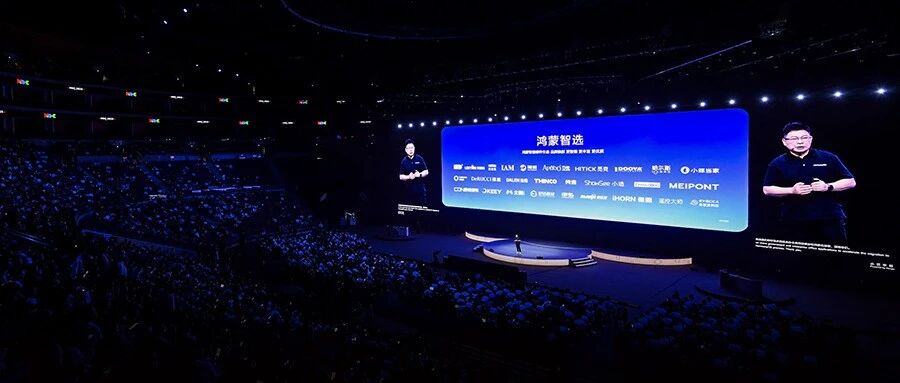
Core Viewpoint - The article discusses Huawei's new "Harmony Smart Selection" brand, which aims to redefine the smart home experience by focusing on a cohesive ecosystem rather than individual hardware products, emphasizing user-centric, seamless interactions across devices [5][6][39]. Group 1: Brand Upgrade and Ecosystem Strategy - Huawei announced the upgrade of its "Huawei Smart Selection" brand to "Harmony Smart Selection," focusing on the Harmony operating system and a full-scene ecosystem to enhance user experience [5][6][10]. - The upgrade aims to create a more open and collaborative ecosystem, allowing for efficient integration of various products into the Harmony system, thus enhancing the quality and experience of smart home products [6][9][21]. - The new brand positioning emphasizes a high standard of quality and seamless integration of devices, moving away from fragmented experiences to a unified smart home environment [9][17][35]. Group 2: User Experience and Demand Shift - There has been a fundamental shift in user demand from individual product functionality to a collaborative, scene-based experience where devices respond proactively to user needs [17][18][30]. - The Harmony ecosystem aims to eliminate the need for users to manually switch between different apps and devices, allowing for a more intuitive and seamless interaction [14][20][26]. - The concept of "sleep mode" exemplifies this shift, where multiple devices work together automatically to create a comfortable environment without user intervention [18][30]. Group 3: Technical Framework and Product Development - The Harmony Smart Selection framework is built on a "1+2+N" model, where "1" is the smart hub, "2" includes hardware and software control interfaces, and "N" represents various ecosystem devices [21][24]. - The brand focuses on deep collaboration with partners to enhance product quality and user experience, ensuring that all devices meet stringent reliability and performance standards [23][35][36]. - The integration of advanced technologies, such as sensors and AI, allows devices to actively understand and respond to user behavior, creating a more intelligent home environment [27][30][34]. Group 4: Market Positioning and Future Directions - Harmony Smart Selection aims to differentiate itself from competitors by focusing on a holistic approach to smart home solutions rather than merely accumulating devices [26][39]. - The brand's strategy includes family-oriented, series-based, and scene-based product offerings to cover a wide range of user needs and enhance competitive positioning [41][43]. - The emphasis on user sovereignty and trust in the ecosystem is expected to foster a sustainable and healthy market environment, moving the industry from device competition to ecosystem competition [39][46].
2025十大牛股出炉
财联社· 2025-12-31 09:01
2025年A股收官,十大牛股新鲜出炉,"科技牛"成全年关键词,上纬新材以全年18倍涨幅的绝对优势成为2025年股王,天普股份以1662%)涨幅位居 第二,*ST宇顺(719%)、*ST亚振(636%)紧随其后,CPO概念人气股胜宏科技(588%)排在第五。 4. *ST亚振 现价(元) 总市值(亿) 45.16 118.7 家居、小金属 2025年涨幅:前复权 2025.01.02-2025.12.31 636% 5. 胜宏科技 总市值(亿) 现价(元) 2503 287.58 PCB、CPO 2025年涨幅:前复权 2025.01.02-2025.12.31 588% 6. 飞沃科技 现价(元) 总市值(亿) 168.37 126.6 商业航天、风电 2025年涨幅:前复权 2025.01.02-2025.12.31 581% 7. 鼎泰高科 现价(元) 总市值(亿) 139.1 570.3 PCB 2025年涨幅:前复权 2025.01.02-2025.12.31 579% 8. 菲林格尔 总市值(亿) 现价(元) 31.62 112.4 智能家居 2025年涨幅:前复权 2025.01.02-2025. ...

罗永浩的“科技春晚”回归夜:迟到47分钟 控场5小时
Zhong Guo Jing Ying Bao· 2025-12-31 07:02
Core Viewpoint - The event "Ro Yonghao's Crossroads" marked a significant return for Ro Yonghao, showcasing various innovative technology products and emphasizing the importance of creativity over mere commercial success [2][5]. Group 1: Event Overview - The event took place on December 30, 2025, at the Shanghai West Bank International Exhibition Center, lasting over five hours and attracting nearly 4,000 attendees [2]. - Despite a delayed start, the majority of the audience remained until the end, demonstrating strong support for Ro Yonghao [2]. - The ticket sales were highly successful, with all tickets sold out within two hours, ranging from 300 to 1,000 yuan, generating approximately 1.668 million yuan for charity [3][4]. Group 2: Product Launches - Multiple innovative products were introduced, including the DJI NEO2 drone, HyperShell exoskeleton, and a 3D printer, among others [3]. - Ro Yonghao showcased the exoskeleton by climbing stairs on stage, highlighting the product's capabilities [3]. - The event featured live demonstrations, including a washing machine that claimed to clean dishes in five seconds [3]. Group 3: Company Vision and Future Plans - Ro Yonghao emphasized that the event was not merely a sales pitch but aimed to provide high-quality content and innovation [5]. - He introduced a new product from his company, Thin Red Line Technology, which focuses on AI and AR, featuring an AI-powered audiobook application [5][6]. - Ro Yonghao expressed his commitment to the technology sector, stating he plans to continue his work for another 10 to 20 years [6].