
酒店

Search documents
刘强东最新讲话实录(全文)
YOUNG财经 漾财经· 2025-09-17 07:53
Core Viewpoint - The company emphasizes its innovative business model and commitment to fair pricing, which has allowed it to become a leading player in various retail sectors, including electronics and home appliances [4][5]. Group 1: Business Model and Growth - The company started with a transparent pricing model in 2004, which replaced traditional opaque pricing in the electronics market [4]. - By 2009, the company expanded into the home appliance sector, despite initial resistance from investors, and by 2016, it became the largest home appliance retailer in China [5][6]. - The company has successfully entered multiple categories, including fresh food and fashion, establishing itself as a leader in these markets [5][6]. Group 2: Industry Challenges and Innovations - The company identified significant pain points in the food delivery and hotel industries, where high commission rates negatively impact service quality and profitability for small businesses [6][7]. - The introduction of the "Seven Fresh Kitchen" model has led to a 30% increase in sales for local restaurants within a 5-kilometer radius, demonstrating that the company's model can coexist with and support existing businesses [7][8]. - The company has hired 280,000 delivery riders and is committed to providing full social insurance, setting a new standard in the food delivery industry [9]. Group 3: Brand and Consumer Engagement - The company aims to build trust and enhance consumer experience through high-quality products and services, similar to the approach taken by renowned brands like Moutai [9][11]. - The company values direct communication with consumers, as evidenced by its ongoing user meetups, which facilitate feedback and engagement [10].



君亭酒店股价跌5.12%,诺安基金旗下1只基金位居十大流通股东,持有46.62万股浮亏损失63.87万元
Xin Lang Cai Jing· 2025-09-17 07:31
Company Overview - Junting Hotel Group Co., Ltd. is located in Hangzhou, Zhejiang Province, and was established on August 8, 2007. The company went public on September 30, 2021. Its main business involves full-service high-end resort and business hotel management, as well as limited-service mid-to-high-end hotel operations and management [1] - The revenue composition of the company includes: accommodation services 67.55%, hotel management 16.21%, catering services 9.76%, and other supporting services 6.47% [1] Stock Performance - On September 17, Junting Hotel's stock fell by 5.12%, closing at 25.41 yuan per share, with a trading volume of 361 million yuan and a turnover rate of 7.84%. The total market capitalization is 4.941 billion yuan [1] Shareholder Information - Among the top ten circulating shareholders of Junting Hotel, one fund from Nuoan Fund ranks as a significant shareholder. Nuoan Balanced Mixed A (320001) entered the top ten circulating shareholders in the second quarter, holding 466,200 shares, which accounts for 0.26% of the circulating shares. The estimated floating loss today is approximately 638,700 yuan [2] - Nuoan Balanced Mixed A (320001) was established on May 21, 2004, with a latest scale of 1.274 billion yuan. Year-to-date returns are 42.35%, ranking 1388 out of 8172 in its category; the one-year return is 70.83%, ranking 1595 out of 7980; and since inception, the return is 671.2% [2]
促服务消费措施出台,巩固板块信心
HTSC· 2025-09-17 06:32
Investment Rating - The report maintains a "Buy" rating for several companies in the service consumption sector, including Gu Ming, Mi Xue, Cha Bai Dao, Xiao Cai Yuan, Da Shi, and others [7][8]. Core Insights - The recent policy measures aimed at expanding service consumption are expected to boost the service sector, particularly in areas such as cultural tourism, IP consumption, and elderly care [1][2]. - The report highlights the potential for significant growth in China's service consumption, with the current contribution of service industry value added to GDP at 57%, compared to around 70% in developed countries, indicating room for expansion [1][2]. - The report emphasizes the importance of high-quality service supply and the integration of new technologies and business models to enhance the service sector [1][4]. Summary by Sections Policy Measures - The report outlines five key areas with 19 specific measures to promote service consumption, including the cultivation of service consumption platforms and the enhancement of high-quality service supply [3][4]. - Specific initiatives include optimizing cultural product offerings, extending operating hours for tourist attractions, and promoting long-term care insurance [3]. Market Performance - As of August 2025, retail and catering revenue reached 449.6 billion yuan, showing a year-on-year growth of 2.1%, indicating a recovery from previous lows [4]. - Domestic travel during the first half of 2025 saw 3.285 billion trips, a 20.6% increase year-on-year, with spending reaching 3.15 trillion yuan, up 15.2% [4]. Company Recommendations - The report suggests focusing on leading companies with growth potential and strong market positions, such as Gu Ming, Mi Xue, and others, which are expected to benefit from policy support and industry consolidation [5][8]. - Specific companies highlighted for their growth potential include Gu Ming (1364 HK), Mi Xue Group (2097 HK), and others, with target prices set for each [8][12]. Financial Performance - Gu Ming reported a 34.4% year-on-year increase in GMV to 14.1 billion yuan in the first half of 2025, with a net profit of 1.625 billion yuan, reflecting a 121.5% increase [13]. - Mi Xue Group's revenue for the first half of 2025 was 14.87 billion yuan, a 39.3% increase year-on-year, with a net profit of 2.69 billion yuan, up 42.9% [15]. Growth Outlook - The report anticipates that as the new measures are implemented, the service sector will experience a surge in high-quality supply and innovative business models, driving domestic demand growth [4][5].




锦江酒店涨2.11%,成交额3.41亿元,主力资金净流出2167.20万元
Xin Lang Cai Jing· 2025-09-17 05:40
Core Insights - Jin Jiang Hotels' stock price increased by 2.11% on September 17, reaching 24.69 CNY per share, with a trading volume of 341 million CNY and a market capitalization of 26.355 billion CNY [1] - The company has experienced a year-to-date stock price decline of 6.76%, but has seen recent gains of 4.84% over the last five trading days, 6.98% over the last twenty days, and 11.57% over the last sixty days [1] - As of June 30, 2025, Jin Jiang Hotels reported a total revenue of 6.526 billion CNY, a year-on-year decrease of 5.31%, and a net profit attributable to shareholders of 371 million CNY, down 56.27% year-on-year [2] Financial Performance - The company has distributed a total of 6.356 billion CNY in dividends since its A-share listing, with 1.132 billion CNY distributed over the last three years [3] - The number of shareholders increased to 81,400, a rise of 20.86% compared to the previous period, while the average circulating shares per person decreased by 23.25% to 14,709 shares [2] Shareholding Structure - As of June 30, 2025, the second-largest circulating shareholder is Hong Kong Central Clearing Limited, holding 82.0363 million shares, a decrease of 925,200 shares from the previous period [3] - The Southern CSI 500 ETF and the CSI Shanghai State-owned Enterprise ETF have increased their holdings, while the Huaxia Blue Chip Mixed Fund has exited the top ten circulating shareholders list [3]

行以致远|上海静安,一个不断求“新”的现代化国际城区
Xin Lang Cai Jing· 2025-09-17 04:40
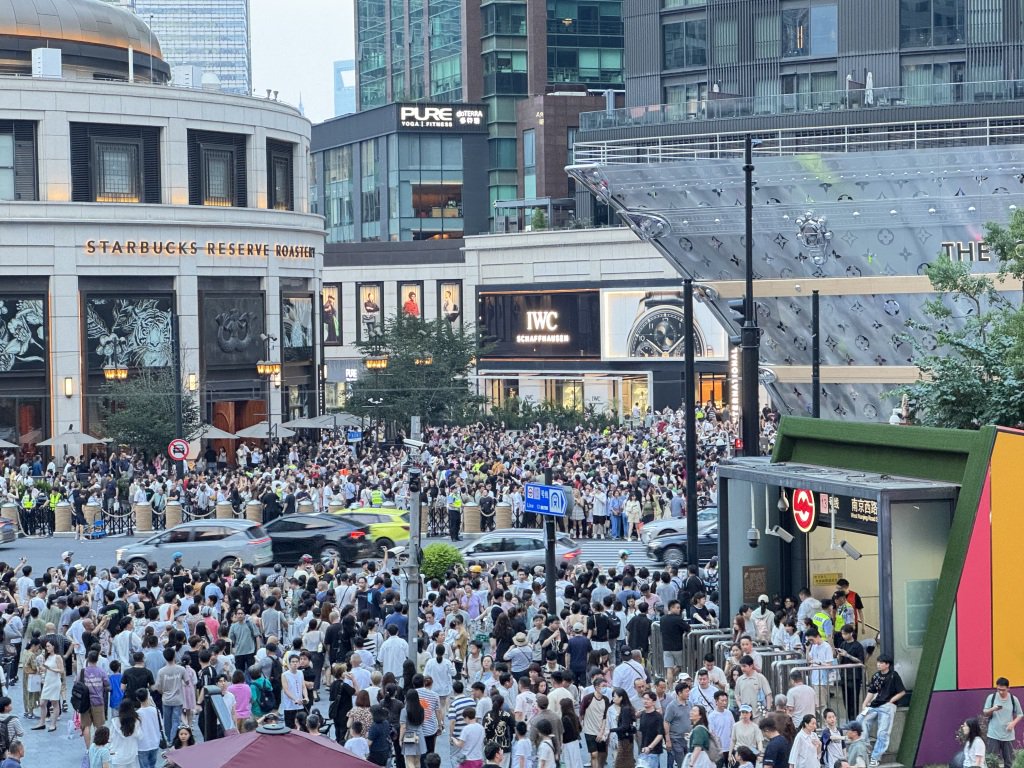
Economic Development - In 2024, the GDP of Jing'an District is projected to reach 336.99 billion yuan, surpassing the 300 billion yuan mark, with public budget revenue of 30.22 billion yuan, ranking among the top in the city [1] - Since 2021, Jing'an has attracted a total of 991 first stores and 85 regional headquarters of multinational companies, with headquarters economy tax contributions growing at an average annual rate of 11.1% [1] Consumer Trends - The arrival of the "Louis" cruise ship in June has significantly boosted foot traffic in the Nanjing West Road business district, with an average daily footfall of 509,300, a year-on-year increase of 61.7% [3] - The sales at Xinyi Taikoo Hui increased by 70%, with surrounding projects also experiencing significant growth, such as Zhangyuan and Starbucks, which saw increases of 110% and 30% respectively [3] Internationalization and Tax Policies - Jing'an District has over 500 merchants participating in the departure tax refund program, accounting for about half of the city's total departure tax refund sales from January to July this year [6] - The district aims to increase the number of departure tax refund merchants to 1,000, enhancing its status as a departure tax refund demonstration area [6] Innovation and Industry Development - The "Meichuang Jingjie" skin health management innovation center has attracted over 40 cosmetic companies since its launch in May, aiming to cultivate a new trillion-yuan skin health industry cluster [8] - The center collaborates with institutions like Huashan Hospital to provide technical support and has established a public laboratory for industry standards and operational processes [10][11] Urban Renewal and Living Environment - The renovation of the former Four Seasons Hotel into the Fengsheng Commercial Center integrates urban resort hotels, fashion commerce, and modern offices, enhancing the commercial ecosystem [12][13] - Jing'an has completed the renovation of 47 old sites, improving living conditions and creating new housing options for urban workers, with a focus on community and support services [14][16]
高端酒店与月子中心,成不了彼此的“救赎”
3 6 Ke· 2025-09-17 03:53
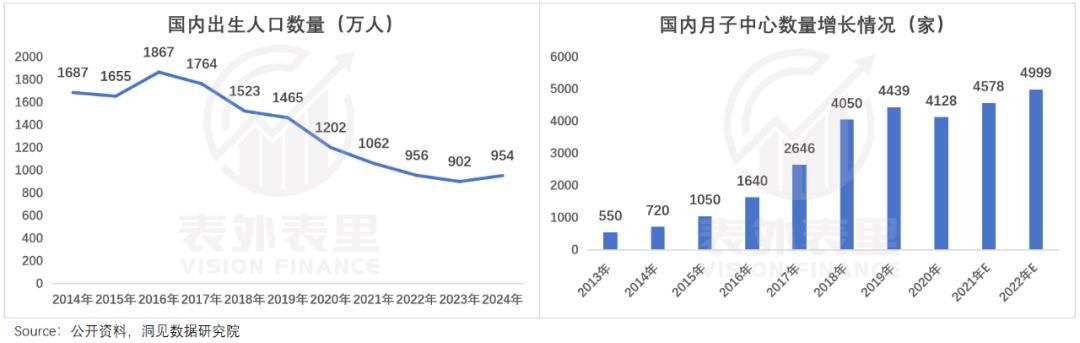
Core Insights - The maternity center industry is facing significant challenges, with predictions that up to 60% of centers may close by 2025 due to overexpansion and insufficient demand [1][5] - High-end hotels are also struggling, with over 1,000 mid-range and upscale hotels closing last year, and many facing bankruptcy [1][5] - A trend of maternity centers partnering with high-end hotels is emerging as a potential solution for both industries [1][7] Industry Overview - The number of maternity centers in first-tier and new first-tier cities has increased by nearly 80% over the past five years, while demand has only grown by 40-50% [2] - The closure of maternity centers has accelerated, with at least ten centers shutting down in the first two months of the year [4] - Mid-range maternity centers are the hardest hit, while high-end centers show resilience and continued growth [5] Financial Performance - Saint Bella, a high-end maternity center, reported a total revenue of 523 million yuan in the first half of 2025, a 35% year-on-year increase, and a net profit of 327 million yuan [7] - The average contract value for postpartum care services at Saint Bella centers has shown a slight increase from 6,740 yuan in 2022 to 7,015 yuan in 2024 [6] Cost Structure - High-end maternity centers face high operational costs, particularly in rent and labor, which can account for 20-30% of their revenue [9][12] - Labor costs for high-end maternity centers are significantly higher than in other standardized service industries, with Saint Bella's labor costs comprising over 30% of total sales costs [12][14] Market Dynamics - The maternity center market is experiencing a significant contraction, with over half of the existing centers closing in the past two years [15] - The high-end hotel sector is exploring new business models to utilize vacant rooms, including the integration of maternity centers [9][18] - Despite the potential benefits of partnerships, the scalability of high-end maternity centers remains a challenge due to high costs and market saturation [11][14]
刘强东直播秀厨艺,谈到这些→
Sou Hu Cai Jing· 2025-09-17 03:50
Core Insights - Liu Qiangdong, founder and chairman of JD Group, made his debut as a "chef" during a live streaming event, showcasing a local dish and discussing hotel development plans [1][3] - JD Group is re-entering the local lifestyle market with initiatives like JD Takeout and Qixian Kitchen, aiming to enhance service quality without engaging in price wars [5][6] Group 1: Live Streaming Event - Liu Qiangdong expressed his nervousness during the live cooking demonstration, comparing it to other notable first-time experiences [1] - The event marked JD's first user meeting in nearly 20 years, highlighting the company's focus on direct consumer engagement [3] Group 2: Qixian Kitchen and Hotel Development - Qixian Kitchen, a quality dining platform under JD, aims to support local restaurants by increasing their sales rather than competing with them [5] - Liu Qiangdong shared that Qixian Kitchen's first store achieved at least 1,500 orders per day within two months, contributing to a 30% increase in sales for nearby restaurants [5] Group 3: Strategic Partnerships - JD has signed a strategic cooperation agreement with Jinjiang Hotels to innovate in dining consumption scenarios and enhance hotel services [6] - The first pilot projects for Qixian Kitchen will launch in October at various Jinjiang hotel brands, integrating e-commerce with hotel supply chains [6] Group 4: Takeout Market Dynamics - The entry of JD Takeout has disrupted the previous duopoly in the takeout market, leading to a "three-legged" competition among JD, Taobao, and Meituan [7][10] - JD Takeout captured 23% of the national market share within six months, while Taobao's flash purchase service secured 37% [10] Group 5: Industry Transformation - The evolving competitive landscape is prompting platforms to shift from being "traffic harvesters" to "value co-creators," focusing on sustainable business practices [10] - The new market dynamics are expected to drive the industry towards a phase of "quality co-existence" rather than mere scale competition [10]
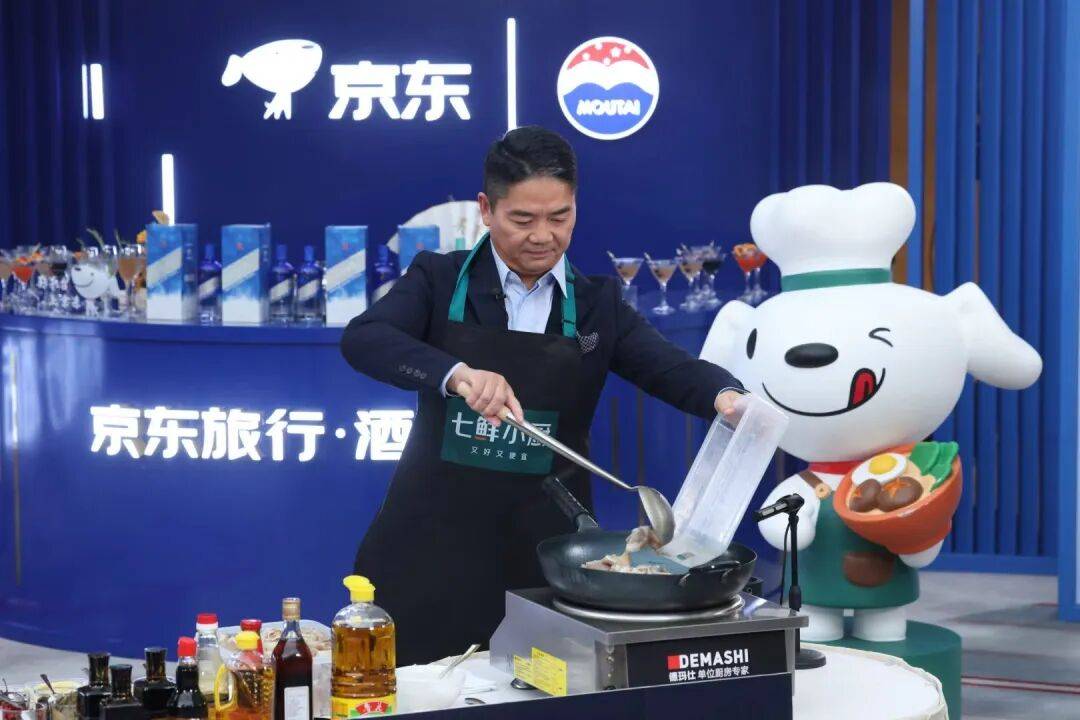
刘强东:尊重王兴,不是仇人,酒旅不打价格战,还有大招
2 1 Shi Ji Jing Ji Bao Dao· 2025-09-17 03:00
Core Viewpoint - The discussion emphasizes the importance of healthy competition among private enterprises, urging them to focus on strategic and value-driven competition rather than personal grievances [1][3][4]. Group 1: Competition and Industry Dynamics - The company advocates for a competitive environment that relies on strategy, business models, and value creation to win consumer trust [3][4]. - There is a call for private enterprises to maintain simplicity and openness in their interactions, avoiding personal conflicts [4]. - The company supports a "quality over quantity" approach in platform competition, encouraging upward competition that focuses on quality and safety [6]. Group 2: Hotel and Travel Business Strategy - The company plans to enter the hotel industry without engaging in price wars, aiming to protect service quality and profit margins for hotel operators [8]. - A new hotel development plan is expected to be announced soon, focusing on innovation rather than price competition [8]. Group 3: Food Delivery Industry Insights - The company entered the food delivery market due to the high commission rates (up to 25%) charged by existing platforms, which negatively impact food safety and quality [10]. - The company has committed to providing full social insurance for its delivery personnel, a first in the industry [12][10]. - The launch of "Seven Fresh Kitchen" has resulted in significant order volumes and increased business for local restaurants, demonstrating a complementary rather than competitive relationship [13][14]. Group 4: Entrepreneurial Journey and Business Philosophy - The company’s founder reflects on the journey from starting with a small computer accessories business to becoming a leading player in various retail sectors, emphasizing the importance of addressing consumer pain points [16][17]. - The company has consistently focused on transparent pricing and quality assurance, which has contributed to its growth and market leadership [16][17].

刘强东:尊重王兴,不是仇人,酒旅不打价格战,还有大招
21世纪经济报道· 2025-09-17 02:57
Core Viewpoint - The article emphasizes the importance of healthy competition among private enterprises, urging them to focus on strategic and value-driven competition rather than personal grievances [2][3]. Group 1: Competition Among Enterprises - The company advocates for a straightforward approach among private enterprises, encouraging open dialogue and collaboration rather than animosity [3]. - It stresses that competition should be based on strategy, business models, value creation, and reputation to win consumer trust [3]. - The company expresses respect for competitors while promoting a culture of openness and simplicity in business interactions [3]. Group 2: Platform Competition - The article discusses two types of competition: downward competition that leads to lower quality and upward competition that focuses on better quality and fair pricing [4][5]. - The company calls for a shift towards upward competition in certain industries, particularly in food delivery and hospitality [5]. Group 3: Hotel Industry Strategy - The company plans to avoid price wars in the hotel sector, aiming to protect service quality and profit margins for hotel operators [7][8]. - A new hotel development plan is expected to be announced soon, focusing on innovation rather than price competition [8]. Group 4: Entry into Food Delivery - The company entered the food delivery market due to the high commission rates of 25% charged by existing platforms, which negatively impact food safety and quality [9][10]. - It highlights the importance of providing full social insurance for delivery personnel, a practice not previously adopted by other platforms [8][10]. Group 5: Self-Operated Business Model - The company’s self-operated food delivery service, "Seven Fresh Kitchen," has seen significant demand, with daily orders exceeding 1,500 and a 30% increase in sales for nearby restaurants [11][13]. - The company asserts that its self-operated model does not harm local businesses but rather complements them by driving more traffic and consumer interest [12][13]. Group 6: Entrepreneurial Journey - The company reflects on its entrepreneurial journey, emphasizing the importance of addressing market pain points through innovative business models [14][16]. - It recounts its initial success in the electronics market by implementing transparent pricing and quality assurance, which laid the foundation for its expansion into other sectors [15][16].

刘强东回应京东签约锦江入局酒旅:不希望把酒店业扯入价格战
Nan Fang Du Shi Bao· 2025-09-17 02:37
Core Insights - JD.com is actively expanding into the food delivery and hotel industries, aiming to innovate rather than engage in price wars that could harm service quality and profit margins [1][5][6] Group 1: Food Delivery Business - JD.com launched its "Seven Fresh Kitchen" food delivery service, achieving over 1,500 daily orders within two months of operation [3] - The company plans to invest over 10 billion yuan to establish 10,000 self-operated "Seven Fresh Kitchen" outlets across the country, focusing on fresh, made-to-order meals [3] - JD.com claims that its entry into the food delivery market has not negatively impacted local restaurants; instead, it has increased their order volumes by 30% in the surrounding areas [3][4] Group 2: Hotel Industry Strategy - The hotel industry is facing challenges due to oversupply and declining key performance indicators such as average daily rate and occupancy rate [5] - JD.com aims to provide supply chain services to optimize costs for hotels, addressing the industry's supply chain complexities [5][6] - A strategic partnership has been established between JD.com and Jinjiang Hotels to enhance dining experiences and explore new business models combining AI with food and lodging [5][6]
