
石油

Search documents
重磅:欧盟全面切断俄罗斯能源纽带!匈牙利危机四伏
Sou Hu Cai Jing· 2026-01-26 15:31
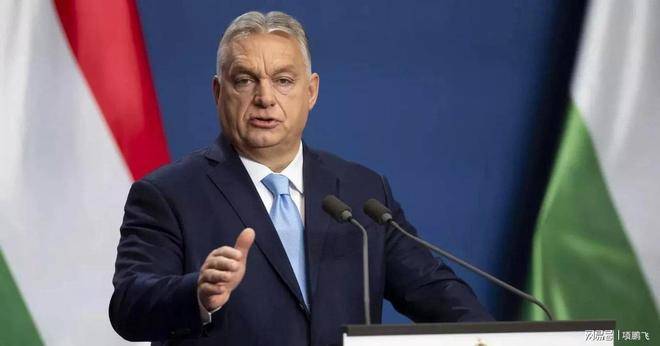
欧洲正加大力度,坚决切断与俄罗斯的能源联系,尤其是在石油领域。欧盟的这一举措不仅针对直接进 口俄罗斯石油的国家,还扩大了制裁的范围,要求成员国停止从印度等国家购买经过转手的俄石油产 品。这意味着,欧洲不仅要与莫斯科割席,还要打击那些与俄罗斯能源密切相连的国家,相关制裁也因 此得到了进一步的扩展。事实上,欧盟决定与俄罗斯石油断交的消息,早在去年就已经传出,而随着 2026年的到来,这一趋势变得愈发明确。 欧盟做出如此决断,显然是下了很大决心的。在俄乌战争爆发之前,欧洲几乎在能源方面深度依赖俄罗 斯,尤其是石油和天然气。当时,俄罗斯的宣传机器曾威胁欧洲,如果不停止对乌克兰的援助,就会切 断能源供应,甚至提到让欧洲冻死。然而,欧盟并未为此退缩,反而更加坚定了对基辅的支持。即便在 拒绝俄罗斯能源之后,欧洲似乎也并没有受到太大影响。 匈牙利总理欧尔班和斯洛伐克总理菲科,两人都是亲俄派,曾多次表态支持莫斯科。可惜,尽管他们在 国内享有一定的支持,他们依然需要欧盟的财政支持。如今,随着西方制裁的加剧,俄罗斯的油价已经 跌至历史最低点,严重影响了其继续维持战争的能力。这无疑为匈牙利和斯洛伐克的选择增添了更多的 复杂性。 更让 ...

油市展望“大乱斗”:三大机构分歧依旧显著
Jin Shi Shu Ju· 2026-01-26 14:13
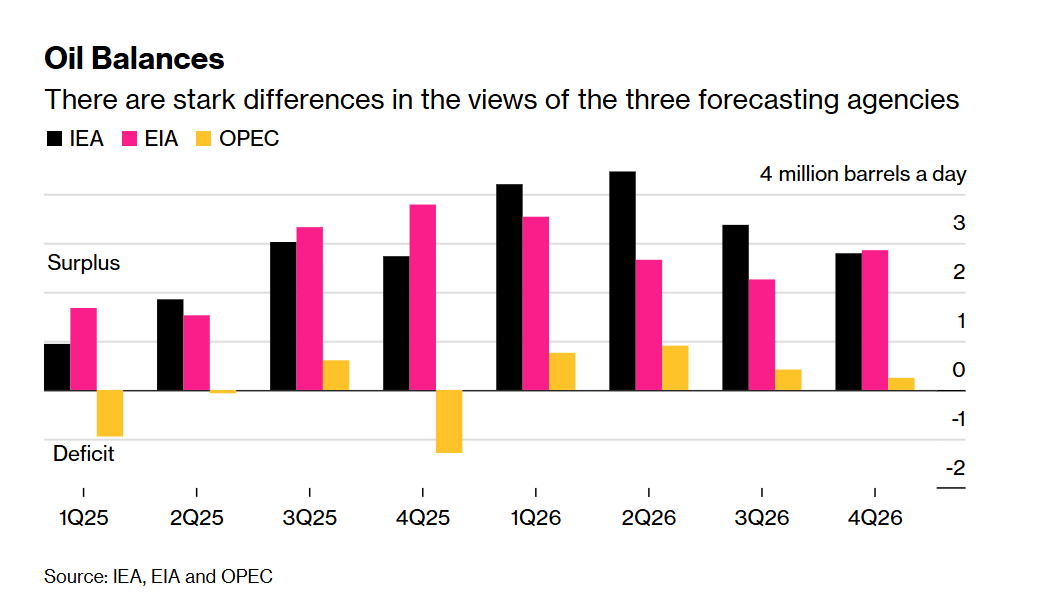
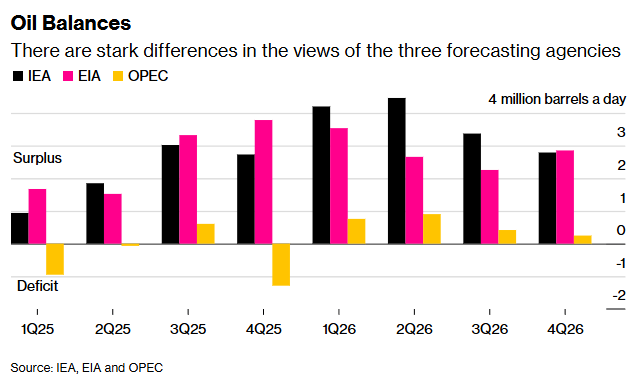
Core Viewpoint - The article highlights the contrasting assessments of oil supply and demand forecasts by major energy agencies, indicating a significant divergence in predictions for the oil market through 2026, with some expecting a large surplus and others anticipating a balanced market. Group 1: Supply Forecasts - The International Energy Agency (IEA) predicts a substantial supply surplus in the oil market, estimating a daily surplus of over 4 million barrels in the first half of 2026 and an average daily surplus exceeding 3.7 million barrels for the year [1] - The U.S. Energy Information Administration (EIA) aligns closely with IEA's outlook, forecasting a daily supply surplus of over 2.8 million barrels this year, with a peak surplus of over 3.5 million barrels in the current quarter [1] - In contrast, OPEC's analysis suggests a more balanced supply-demand scenario, projecting an average daily surplus of only about 600,000 barrels for the entire year [1] Group 2: Demand Growth Discrepancies - The divergence among the three agencies largely stems from differing views on oil demand and growth prospects, with IEA forecasting global daily oil demand in 2026 to be slightly below 100.5 million barrels, which is about 1.5 million barrels lower than OPEC's estimate [3] - IEA's recent upward revision of demand forecasts, increasing by 540,000 barrels per day over the past five months, reflects a more optimistic outlook due to anticipated normalization of the global economy in 2026 [3] - OPEC analysts maintain that the average annual growth rate of global oil demand since 2023 is 1.3%, consistent with pre-pandemic long-term growth rates, while EIA estimates a slightly lower growth rate of about 1.2% [4] Group 3: Historical Differences and Future Adjustments - The historical differences in demand forecasts between IEA and OPEC have widened, with the gap in predictions for 2026 exceeding 1.5 million barrels per day, compared to only 200,000 barrels per day in 2023 [4] - IEA anticipates an average annual growth rate of only 0.9% for global oil consumption from 2023 to 2026, significantly below historical averages [4] - All three agencies are expected to continue revising their oil demand forecasts and may adjust historical consumption data as new information becomes available [4]
三大机构2026年油市路线图持续“撕裂”!IEA、EIA警告巨量供应过剩 OPEC坚称市场接近平衡
智通财经网· 2026-01-26 13:57
智通财经APP获悉,试图预测今年油价走势的石油交易员正面对着对供需前景截然不同的评估,从巨量 供应过剩到大致平衡的市场,各种观点不一而足。全球三大主要预测机构——国际能源署(IEA)、美国 能源信息署(EIA)和欧佩克(OPEC)——均已更新其预测,但分歧依然如故,两个消费侧机构的观点与产 油国组织的前景展望截然不同。IEA预计的供应过剩规模最大——2026年上半年日均过剩将超过400万 桶,全年日均过剩量超过370万桶。EIA的判断也相差不远,其预计今年供应将比需求多出280万桶/日以 上,并在当前季度达到峰值,超过350万桶/日。相比之下,基于OPEC数据的测算显示,市场将更接近 平衡状态,今年平均来看供应仅比需求多出约60万桶/日。 不同前景判断的一个重要原因,在于各机构对石油需求及其增长的看法不同。IEA对2026年的需求预测 略低于1.05亿桶/日,比OPEC的预测低约150万桶/日。自去年8月以来,这一差距已逐步收窄:过去五个 月,IEA将其需求预测上调了54万桶/日,而OPEC的判断则保持不变。 IEA较自身此前更为乐观的看法,源于其预期在关税实际实施及威胁所引发的动荡影响了2025年消费之 后 ...
敢买俄油就加税,美方话音刚落,中方逆流而上,特朗普口风变了
Sou Hu Cai Jing· 2026-01-26 13:16
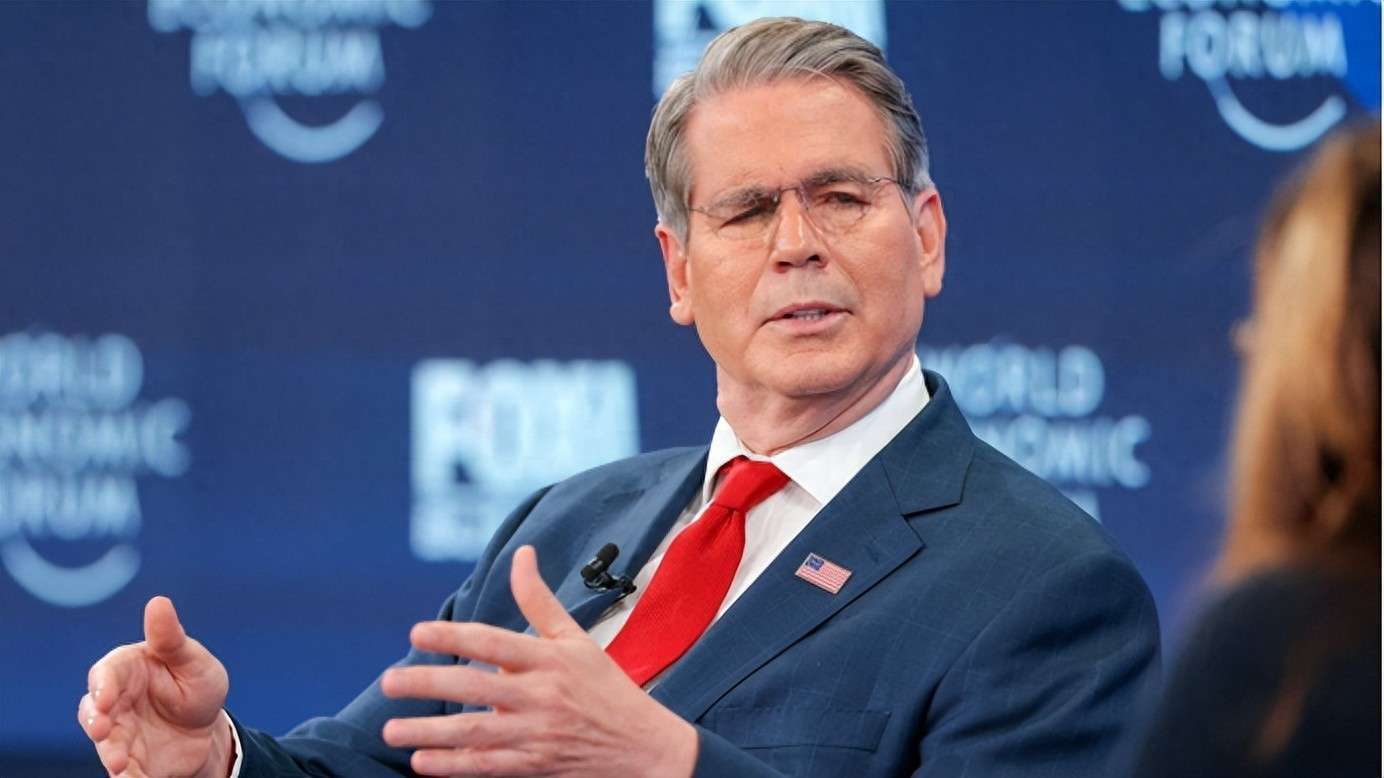
面对美方的压力,中国并未低头。外交部早在之前便表态,强调中俄的能源合作是合法且正当的,任何外部施压都无助于改变这一事实。外交部发言人林剑 曾指出,美方的施压行为充其量是单边主义的霸凌行为,而毛宁则重申,中俄的能源合作没有针对任何第三方,也不应当受外界干扰。中国坚定地捍卫自己 的国家利益,坚持独立自主,秉持合作共赢的原则与俄罗斯开展合作。这一立场让世界看到了中国对单边霸权主义的坚决反对以及保护国家利益的决心。 在这一背景下,特朗普的态度发生了变化。1月23日,他批准了向中国出售委内瑞拉石油的提案,但前提是中国必须按照公平市场价购买,即每桶石油价格 为45美元,比中国此前直接交易时每桶31美元的价格高出约14美元。在此之前,贝森特曾明确宣称,中国将无法再购买委内瑞拉石油。这一变化显示出美方 在能源战略上的灵活性,也暴露出美国在全球能源格局中的野心。 敢买俄油就加税,这一威胁一出,全球能源市场瞬间感受到巨大压力。美国财政部长贝森特在1月20日的世界经济论坛上公开表示,美国总统可以无需参议 院批准,直接对所有购买俄罗斯石油的买家征收最高500%的关税。这一表态,显然是向包括中国在内的主要俄罗斯石油进口国施加了强硬压力 ...
中美是战是和?中国高层明确表态,美媒:中国已3个月没买美国油。美国这下彻底急了
Sou Hu Cai Jing· 2026-01-26 13:12
中美是战是和?中国高层明确表态,美媒:中国已3个月没买美国油。美国这下彻底急了,只因我国连 续三个月未买美国石油,这一消息无疑是对美国能源供应商的又一重大打击。原因在于,我国不仅是世 界最大原油进口国而且我国缺席购买美国石油已经造成相当程度的惨痛结果:美国海外原油销售量暴跌 至最近两年以来的最低水平。 中国停止进口美国原油并非临时决定,而是长期能源安全战略的体现,从数据看,2024年中国从美国进 口原油仅占进口总量的1.7%,美国仅为中国第11大原油供应国。 能源供应的多元化布局早已展开,中国与俄罗斯、沙特、伊朗等国建立长期稳定合作关系,形成更加安 全的能源供应网络。特别是俄罗斯原油,通过管道运输规避海上风险,成为重要的稳定来源。 关键转变在于新能源领域的突破,2024年中国新能源汽车出口量同比暴增120%,光伏、风能等可再生 能源占比持续提升。 国际能源署预测,到2030年全球石油需求增速将降至0.5%以下,中国提前布局降低了对传统能源的依 赖。 这种转型不仅体现在能源结构上,还反映在地缘战略上。中国减少对美原油进口的同时,大幅增加从加 拿大等国的进口,2026年3月从加拿大进口原油量达730万桶每月,形成 ...
资金动向 | 北水增持腾讯超10亿港元,中国移动、紫金矿业遭抛售
Ge Long Hui A P P· 2026-01-26 13:00
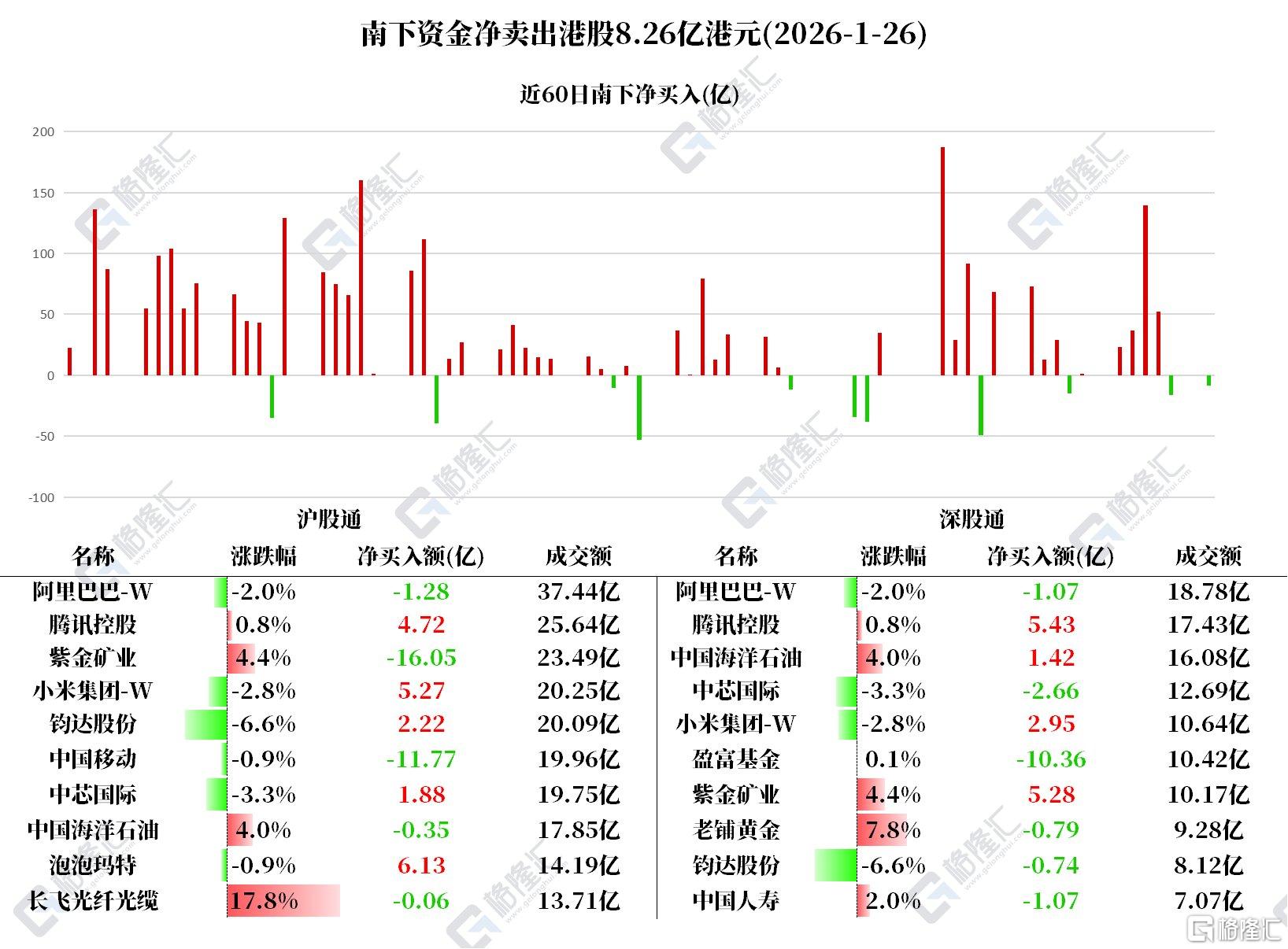
Group 1 - Southbound funds recorded a net sell of HKD 826 million in Hong Kong stocks for the second consecutive day, with notable net purchases in Tencent Holdings (HKD 1.015 billion), Xiaomi Group (HKD 822 million), and Pop Mart (HKD 613 million) [1] - Continuous net buying trends were observed for Xiaomi over the past 7 days, totaling HKD 3.89621 billion, and for CNOOC over 4 days, totaling HKD 1.09627 billion [1] - Significant net selling was noted for China Mobile over 16 days, amounting to HKD 12.89303 billion [1] Group 2 - Haitong International maintained a "Outperform" rating for Tencent Holdings with a target price of HKD 700, expecting total revenue of HKD 195 billion for Q4, a 13% year-on-year increase [5] - Xiaomi Group repurchased 4 million B shares for HKD 14.04 million on January 26 [5] - Citigroup reiterated a "Buy" rating for Pop Mart, forecasting growth driven by IP diversification and product innovation, with a target price of HKD 415 [6]

资讯日报:日元强劲反弹;金价首次升破每盎司5000美元-20260126
Guoxin Securities Hongkong· 2026-01-26 12:57
Market Overview - The Hang Seng Index closed at 26,750, up 0.45% for the day and 4.37% year-to-date[3] - The Nikkei 225 Index rose 0.29% to 53,847, with a year-to-date increase of 6.97%[3] - The S&P 500 Index ended at 6,916, with a slight increase of 0.03% and a year-to-date gain of 1.02%[3] Commodity and Currency Insights - Gold prices reached a historic high, surpassing $5,000 per ounce, driven by geopolitical tensions[13] - The Japanese yen rebounded strongly, with significant daily gains, as the market anticipates potential government intervention[13] Sector Performance - The commercial aerospace sector saw significant gains, with JunDa shares rising over 51% following the launch of six platforms aimed at accelerating satellite development[9] - The photovoltaic sector also performed well, with notable increases in stocks like KaiSheng New Energy (up 14.44%) and Xinyi Solar (up 11.15%) due to support from Tesla's CEO for solar energy development[9] U.S. Market Dynamics - The U.S. stock market showed mixed results, with the Nasdaq and S&P 500 slightly up, while the Dow Jones fell nearly 0.6%[9] - Notable individual stock movements included Goldman Sachs dropping nearly 4% and Nvidia rising 1.5%[10] Economic Indicators - Japan's core CPI for December 2025 rose 2.4%, aligning with expectations, while the manufacturing PMI for January 2026 increased to 51.5, indicating expansion[13]
智通港股解盘 | 霍尔木兹海峡引发市场忧虑 资产类持续受到追捧
Zhi Tong Cai Jing· 2026-01-26 12:54
Market Overview - The market is currently focused on resilience rather than aggressive movements, with A-shares experiencing ETF sell-offs and the Hang Seng Index showing slight fluctuations, closing up 0.06% [1] - Tensions between the US and Iran are at a peak, with concerns over the Strait of Hormuz affecting oil prices, leading to significant gains for companies like China National Offshore Oil Corporation and China Petroleum [1] - Canadian Prime Minister's visit to China resulted in trade agreements, but US President Trump threatened tariffs on Canadian imports if trade agreements with China were pursued [1] Commodity Prices - International gold and silver prices have surged, with gold reaching a historical high of $5093.18 per ounce and silver surpassing $109 per ounce [2] - High-end gold consumption is increasing, with significant consumer interest noted in SKP stores during the Chinese New Year season [2] - Commodity trading companies like Nanhua Futures have benefited from these price increases, with notable stock price rises [2] Uranium Market - The uranium market is showing strength, with a trust fund planning to issue up to $2 billion in transferable trust shares, indicating a growing demand for uranium [3] - Companies like China General Nuclear Power Corporation have seen stock increases of around 10% due to this positive outlook [3] AI and Technology Sector - Tencent is focusing on AI investments, with plans to enhance its AI platform and engage in competitive activities in the AI application space [4] - Companies like Longi Green Energy and Xunlei have also seen stock increases due to their involvement in AI and data center businesses [3][4] Real Estate Market - Hong Kong real estate stocks are expected to see a price increase of 5% to 10% this year, with reports of a potential spin-off of telecommunications assets by CK Hutchison [5] - The domestic real estate market is showing resilience, with significant increases in second-hand home transactions in major cities [5] Health Sector - The emergence of the Nipah virus in India is expected to increase demand for antiviral medications, benefiting companies like Sihuan Pharmaceutical and CanSino Biologics [6][5] - CanSino is advancing its vaccine development for the Nipah virus, reflecting a proactive approach to emerging health threats [6] Coal Industry - A report indicates that coal supply policies may lead to significant reductions in production capacity, potentially improving coal prices in 2026 [7] - Major coal companies like China Shenhua Energy and Yanzhou Coal Mining are positioned to benefit from these changes in supply dynamics [8] Jewelry Market - Chow Tai Fook has reported strong sales growth, particularly in high-margin gold jewelry, with same-store sales in mainland China increasing by 21.4% [9][10] - The company is optimizing its store network and expanding into Southeast Asia, indicating a strategic approach to growth amid rising gold prices [10]

美不许中国买便宜油,中方一句话怼了回去,没给特朗普留半分情面
Sou Hu Cai Jing· 2026-01-26 12:51
在全球能源市场的激烈博弈中,从来就没有什么所谓的温情牌,所有的举动背后都隐藏着赤裸裸的利益 算计。近日,特朗普政府提出了一项石油交易提议,这让其自身陷入了一个尴尬的境地。表面上看,美 国似乎是在松口,允许中国购买委内瑞拉的石油,但实际上却以一个公平价格的高价红线将其束缚,不 允许按照原本的合理价格交易。这个看似积极的举措,其实是霸权主义的一种暗示,而中国则通过简单 直接的方式成功打破了这一困局。 当谈及特朗普所言的公平价格时,业内人士都能看出其中的玄机。这不过是披着美国优先外衣的收割话 术罢了。1月22日,美国政府发布消息称,允许中国采购委内瑞拉石油,但条件是必须摒弃马杜罗时代 的低价标准,按照美国设定的所谓公平价格进行交易。而目前,委内瑞拉石油的售价约为每桶45美元, 相较于之前上涨了14美元。这额外的利润显然是要进入美国的口袋。这种强行掠夺定价权的行为,已经 不是第一次出现了。 面对美国的无理要求,中方的拒绝态度是坚决而明确的。而这一拒绝,绝非单纯的价格分歧,更深层次 的是对国际规则和国家主权尊严的坚守。中国的回应直接触及了问题的本质:委内瑞拉是一个主权国 家,拥有自主选择合作伙伴的权利。这句话虽然没有直 ...

印欧“闪婚”!或于明日达成历史性贸易协定
Xin Lang Cai Jing· 2026-01-26 12:44
Core Viewpoint - India and the European Union (EU) are negotiating a landmark free trade agreement that could be finalized as early as January 27, marking a significant development in trade relations after 18 years of discussions [1][2]. Trade Agreement Details - The agreement is expected to create a market for 2 billion people and is projected to increase bilateral trade between India and the EU to approximately $136 billion in the fiscal year 2024-2025, with India exporting around $76 billion and importing about $60 billion [2][11]. - If signed, this will be India's largest and most comprehensive free trade agreement, allowing access to the EU's 27 member states under a single framework [2][11]. - Predictions indicate that by the fiscal year 2031, the agreement could increase India's trade surplus with the EU by over $50 billion, with the EU's share of India's total exports potentially rising from 17.3% in 2025 to 22%-23% [2][11]. Tariff Changes - Currently, the EU imposes an average tariff of about 3.8% on Indian goods, with labor-intensive sectors like textiles facing tariffs around 10% [3][12]. - The agreement aims to restore market access and reduce tariffs on key export products such as clothing, pharmaceuticals, steel, and machinery, helping Indian businesses cope with increased U.S. tariffs [3][12]. Sector-Specific Impacts - India is likely to protect politically sensitive sectors such as agriculture and dairy from the agreement, while tariffs on automobiles, wine, and spirits may be reduced gradually [4][13]. - The EU's average tariff on Indian exports is approximately 9.3%, with particularly high tariffs on automobiles and chemicals [15]. Automotive Industry Focus - India plans to reduce tariffs on EU-imported cars from 110% to 40%, a significant move to open its automotive market [16]. - The reduction will be phased, with tariffs on vehicles priced over €15,000 being lowered immediately, and further reductions expected over time [16][17]. - Currently, European car manufacturers hold less than 4% of the Indian market, dominated by local brands [16]. Challenges and Disputes - Key issues remain, including the EU's focus on intellectual property protection and India's concerns over the EU's new carbon border adjustment mechanism (CBAM), which could impose additional costs on Indian exports [5][14]. - The CBAM is viewed as a potential new border tax on Indian exports, particularly affecting small and medium enterprises due to compliance costs [6][14].