
芯片

Search documents
DRAM价格飙涨引巨头抢购,科创芯片ETF(588200)有望持续受益
Xin Lang Cai Jing· 2026-01-12 03:05
Group 1 - The core viewpoint of the news highlights the increasing competition for DRAM supply among major tech companies like Google and Microsoft, leading to a significant price surge in memory chips [1] - The average fixed trading price of 8GB DDR4 memory has skyrocketed from $1.40 in January last year to $9.30 in December last year, indicating a dramatic increase in demand and scarcity [1] - The Shanghai Stock Exchange Sci-Tech Innovation Board Chip Index has shown a strong upward trend, with component stocks like Zhongwei Company, Longxin Zhongke, and Weijie Chuangxin experiencing notable gains [1] Group 2 - According to Shenwan Hongyuan Securities, the semiconductor industry is highly integrated with manufacturing processes, and domestic wafer fabs are developing new technological paths due to limitations in equipment [2] - The EDA (Electronic Design Automation) industry is witnessing active IPOs and mergers, with a focus on core digital IC design segments, indicating an acceleration in industry development [2] - The top ten weighted stocks in the Shanghai Stock Exchange Sci-Tech Innovation Board Chip Index account for 57.76% of the index, with major players including SMIC, Haiguang Information, and Cambrian [2]

法巴CES洞察:机器人站上规模化商用临界点 AI浪潮英伟达(NVDA.US)再成赢家
智通财经网· 2026-01-12 02:32
Group 1: Industry Insights - Robotics technology is emerging as a key market in the tech sector, with expected explosive growth in application scenarios [1] - AI technology is increasingly penetrating various industries, while AR glasses have seen significant improvements in technology [1] - The robotics industry is nearing a critical point for large-scale commercialization, but lacks catalysts to drive massive demand [1] Group 2: Company Analysis - Nvidia is positioned as a winner in the AI wave, benefiting from increased demand for CPU servers, while AMD is expected to be the largest beneficiary among covered companies [2] - Nvidia's new Vera Rubin computing platform features six new chips, with a focus on the Inference Context Memory Storage Platform designed for key-value cache needs [3] - The new storage platform can support 16TB of storage per GPU, with a significant increase in storage capacity from 8TB to 20TB, representing a 150% increase [3]


巴菲特的自动扶梯,直击 AI 投资狂潮的要害
3 6 Ke· 2026-01-12 01:59
Core Argument - The debate centers around whether AI represents the greatest technological revolution in human history or a capital bubble about to burst, with differing perspectives from Michael Burry, Jack Clark, and Dwarkesh Patel [1] Group 1: AI Development and Historical Context - Jack Clark highlights that the mainstream consensus in 2017 was to develop AI from scratch using trial and error in games, which ultimately proved ineffective [1] - The breakthrough came from large-scale pre-training, the Transformer architecture, and the scaling laws that show a direct relationship between data, compute power, and model intelligence [1][2] - Clark asserts that current AI capabilities are at their lowest point, with rapid iterations leading to significant advancements in AI models [2] Group 2: Investment and Economic Implications - Michael Burry warns that the current AI investment frenzy, driven by FOMO, may not yield lasting competitive advantages as all tech giants are making similar investments [4] - Burry cites that Nvidia has sold $400 billion worth of chips, yet the revenue from end-user AI products is less than $1000 billion, indicating a 4:1 ratio that suggests a bubble [4][33] - The shift towards capital-intensive hardware companies is concerning, as companies like Microsoft and Google may struggle to maintain high returns on invested capital (ROIC) [5][39] Group 3: Productivity and Market Dynamics - There is a contradiction in productivity claims, with 60% of developers reporting a 50% increase in productivity using AI, while independent studies show a 20% increase in time for merging code [6][25] - The competitive landscape in AI is volatile, with no single company maintaining a long-term advantage, as seen with Google lagging behind OpenAI despite its resources [7][8] - Burry emphasizes that if AI does not create new spending categories or significantly enhance productivity, the economic benefits may not materialize [33][34] Group 4: Energy and Infrastructure - The discussion concludes that energy is a critical constraint for AI development, with Burry suggesting a radical approach to establish a new national power grid using nuclear energy [11] - Clark agrees that AI's future relies heavily on foundational infrastructure, similar to historical electrification and road construction efforts [11] Group 5: Future Outlook and Uncertainties - The debate raises two key questions: who will ultimately capture the value of AI, and whether to trust timelines or data regarding AI's impact [12][14] - Burry posits that if the automatic escalator theory holds true, companies in the AI supply chain may not achieve excess profits, leading to value primarily flowing to end customers [13][49] - The future of AI remains uncertain, with potential surprises in revenue growth and the impact of AI on job markets and productivity yet to be fully realized [50][52]


英特尔前CEO:美国芯片制造,很难再回来了
半导体行业观察· 2026-01-12 01:31
Core Viewpoint - Intel's former CEO Pat Gelsinger emphasizes the long journey ahead for the U.S. to reclaim chip manufacturing from Asia, highlighting that the key measure is the number of wafers produced in the U.S. [1] Group 1: U.S. Chip Manufacturing - Gelsinger warns that while the U.S. government is taking steps to strengthen domestic chip manufacturing, such as acquiring Intel shares and promoting advanced semiconductor production, the majority of advanced chip manufacturing remains concentrated in Asia, particularly Taiwan [1] - He stresses that the return of manufacturing to the U.S. is crucial but will take time, as it took decades for manufacturing to shift to Asia [1] - The U.S. government policies, including the CHIPS Act and tariffs, are seen as significant catalysts for encouraging companies like NVIDIA and AMD to consider Intel's foundry services as alternatives to TSMC [3][4] Group 2: Technological Milestones - Gelsinger claims credit for the breakthroughs in Intel's 18A and Panther Lake processors, stating that these achievements are significant milestones for the company [2] - The successful launch of the Panther Lake chip, based on the 18A process, is viewed as a critical goal for Intel to gain the trust of fabless companies like NVIDIA [2] - The core technologies and R&D for the 18A process, including PowerVia and RibbonFET, were initiated under Gelsinger's leadership, indicating a strategic focus on enhancing energy efficiency [3] Group 3: Future Outlook - Intel's next important milestone in foundry services is to attract customers for front-end and back-end semiconductor products, particularly the 18A-P and 14A processes, which are vital for market acceptance [5] - Current developments suggest that Intel's leadership is optimistic about the future of its foundry and product divisions, with confidence expressed in the progress of the 14A process [5]

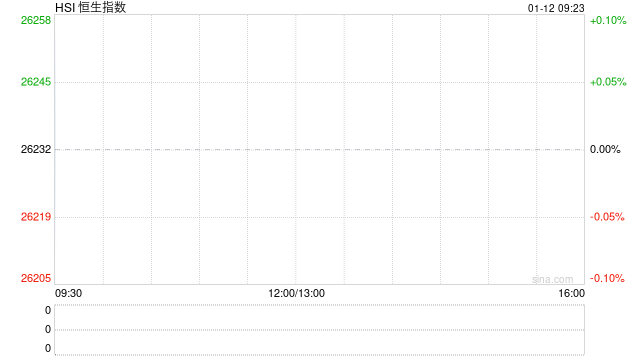
快讯:恒指高开0.55% 科指涨0.88% 科网股、黄金股普涨 商业航天概念活跃 豪威集团首日高开逾3%
Xin Lang Cai Jing· 2026-01-12 01:23
客户端 美股上周五造好,美国最新职位增长逊预期,未有影响市场气氛,三大指数均录得升幅收市。美元走势 向上,美国十年期债息维持于4.17厘水平,金价表现理想,油价走势亦向好。 今日港股三大指数集体高开,恒指开盘涨0.55%,报26376.84点,恒科指涨0.88%,国企指数涨0.75%。 盘面上,科网股普涨,美团、百度、哔哩哔哩涨超2%,快手涨超1%;黄金股普涨,赤峰黄金涨4%;商 业航天概念继续活跃,亚太卫星涨超5%;芯片股高开,天数智芯涨超3%;今日豪威集团登陆港交所, 首日高开逾3%。 美股上周五造好,美国最新职位增长逊预期,未有影响市场气氛,三大指数均录得升幅收市。美元走势 向上,美国十年期债息维持于4.17厘水平,金价表现理想,油价走势亦向好。 今日港股三大指数集体高开,恒指开盘涨0.55%,报26376.84点,恒科指涨0.88%,国企指数涨0.75%。 盘面上,科网股普涨,美团、百度、哔哩哔哩涨超2%,快手涨超1%;黄金股普涨,赤峰黄金涨4%;商 业航天概念继续活跃,亚太卫星涨超5%;芯片股高开,天数智芯涨超3%;今日豪威集团登陆港交所, 首日高开逾3%。 | 名称 | 最新价 | 涨跌幅 へ | ...

兆易创新深度报告:存储+MCU国内龙头,端侧AI与国产替代共驱增长(附下载)
Xin Lang Cai Jing· 2026-01-12 01:18
Core Insights - The company is a leading global Fabless chip supplier with a diversified layout in "sensing, storage, computing, control, and connectivity" [1][6] - The company has a comprehensive product line including Flash, niche DRAM, MCUs, analog chips, and sensor chips, with significant advancements in various technologies over the years [1][6] - The company has seen a recovery in demand, leading to substantial growth in revenue and profit in 2024 and 2025 [2][10] Company Overview - Founded in 2005 and listed in 2016, the company has established itself as a top player in the Fabless chip sector [1][6] - The company launched the first domestic SPI NOR Flash in 2008, breaking the overseas monopoly [1][6] - The acquisition of Shanghai Silan Micro in 2019 marked the company's entry into the sensor market, and the acquisition of Suzhou Saixin in 2024 strengthened its analog chip business [1][6] Main Business Segments - The company has a strong focus on storage chips, covering NOR Flash, NAND Flash, and niche DRAM, with a market share of 18.05% in NOR Flash as of 2024 [2][7] - The company is the first in China to offer a complete product line of SPI NOR Flash with capacities from 512Kb to 2Gb [7] - The NAND products are primarily SLC NAND, used in industrial control, automotive electronics, and communication devices [7] Financial Performance - The company experienced revenue of 81.50 billion, 81.30 billion, and 57.61 billion yuan from 2021 to 2023, with a notable recovery in 2024, achieving 73.56 billion yuan [10] - The net profit for 2024 was 11.03 billion yuan, reflecting a significant increase of 584.21% year-on-year [10] - In the first three quarters of 2025, the company reported revenue of 68.32 billion yuan, a year-on-year growth of 20.92% [10] Market Trends - The NOR Flash market is expanding due to the rise of edge AI, with an expected market size of 4.2 billion USD by 2029 [4][11] - The global NOR Flash market was valued at 2.2 billion yuan in 2023 and is projected to grow to 2.8 billion USD in 2024, with a year-on-year growth rate of 27% [11] - The exit of major international players from the SLC NAND market has created opportunities for domestic manufacturers [12][13] Competitive Landscape - The top three manufacturers dominate over 60% of the NOR Flash market, with the company rising to the second position globally and first in mainland China with an 18.5% market share [12] - The competitive landscape is shifting as major international companies withdraw from the NOR Flash market, allowing local firms to gain market share [12][13] - The company is well-positioned to benefit from the growing demand in automotive electronics and AI-driven applications [5][12]

前瞻全球产业早报:国家开展外卖平台垄断调查
Qian Zhan Wang· 2026-01-12 00:59
Group 1 - The State Council is conducting an investigation and assessment of the market competition status in the food delivery platform service industry, emphasizing the need for platforms to comply with antitrust regulations and promote healthy competition [2] - Five departments, including the Ministry of Industry and Information Technology, have issued guidelines requiring new renewable energy generation projects to achieve a self-consumption ratio of at least 60% [3] - Kuaishou announced a crackdown on AI-modified classic films and animations, starting from January 1, 2026, to maintain content integrity [4] Group 2 - TSMC reported a 31.6% year-on-year increase in consolidated revenue for 2025, with total revenue for the year reaching approximately NT$3.81 trillion [7] - The China Passenger Car Association reported that retail sales of new energy passenger vehicles reached 12.809 million units in 2025, a year-on-year increase of 17.6% [8] - The global humanoid robot market is expected to see exponential growth, with AGIBOT leading in shipments and market share [9] Group 3 - The Hong Kong Stock Exchange will launch six new stock option categories on January 19, expanding the stock options market [10] - Cainiao has become the first logistics company to provide G2G services across three continents, launching cross-border logistics services between the U.S. and Mexico [11] - Hainan Airlines addressed an issue regarding abnormal ticket prices due to a temporary system failure, assuring that all sold tickets remain valid [12] Group 4 - Elon Musk's xAI plans to invest over $20 billion in building a data center in Mississippi, highlighting the growing interest in data center infrastructure [13] - NVIDIA has appointed a Google Cloud executive as Chief Marketing Officer to enhance its brand influence [14] - Hyundai has begun mass production of an AI chip for autonomous robots, enabling them to operate without external network connections [15] Group 5 - Li Auto is deepening its overseas collaboration with Alibaba Cloud, focusing on global expansion in Central Asia, the Middle East, Europe, and Asia-Pacific [16] - Volvo is recalling over 413,000 vehicles in the U.S. due to rearview camera issues, marking the second recall for the same problem [17] - Apple is accelerating the selection process for a new CEO, with John Ternus emerging as the leading candidate [18] Group 6 - Glencore has confirmed that it is in preliminary talks with Rio Tinto regarding a potential business merger, which may involve a full stock merger [19] - A report from the Halle Institute indicates that the number of bankruptcy applications by German companies reached a 20-year high in 2025, reflecting ongoing structural pressures in the economy [20] Group 7 - The China Securities Regulatory Commission has approved Shenglong Mining's application for an initial public offering on the Shenzhen Stock Exchange [21] - PhotonPay has completed a multi-million dollar Series B financing round led by IDG Capital [22]

金融界财经早餐:国常会部署!实施财政金融协同促内需一揽子政策;证监会提高“吹哨人”奖励标准; “追星” 领域迎两大利好;三大牛股今日集体复牌(1月12日)
Jin Rong Jie· 2026-01-12 00:44
Economic Policies - The State Council, led by Premier Li Qiang, emphasizes the implementation of a coordinated fiscal and financial policy to stimulate domestic demand, aiming to enhance consumer capacity and reduce financing costs for enterprises [1] - The China Securities Regulatory Commission (CSRC) and the Ministry of Finance have officially released regulations for a whistleblower reward system, increasing the reward percentage from 1% to 3% of the penalties collected, with a maximum reward of 1 million yuan for significant cases [1] Capital Market Developments - Public funds have seen a continuous inflow, with an estimated 45 billion yuan entering the market since the beginning of the year, including 22 newly listed stock ETFs totaling 6.345 billion yuan [4] - A record cash dividend of 2.55 trillion yuan was distributed by A-share listed companies in 2025, which is double the amount raised through IPOs and refinancing during the same period [4] - The Hong Kong stock market has experienced a surge in share buybacks, with over 30 companies seeing increases in holdings by executives and institutions from January 1 to 8, 2026 [4] Industry Insights - The demand for computing power is rising due to the generative AI trend, with Elon Musk's xAI planning to invest over 20 billion dollars in a data center in Mississippi [6] - The Chinese government has applied for frequency resources for over 200,000 satellites, while the FCC has approved SpaceX's plan to deploy an additional 7,500 second-generation Starlink satellites [6] - Shanghai's government has introduced a three-year action plan to support advanced manufacturing, focusing on emerging fields such as low-altitude economy and commercial space [6] Company News - Tianpu Co. has faced scrutiny from the CSRC due to abnormal stock price fluctuations, leading to an investigation and subsequent resumption of trading [8] - Jiamei Packaging announced a stock price increase of 230.48% from December 17, 2025, to January 6, 2026, prompting a trading suspension for verification [8] - Guosheng Technology has indicated potential losses for the 2025 fiscal year, with its stock price rising significantly due to market speculation on its solid-state battery concept [9] - Jingfeng Mingyuan plans to acquire 100% of Sichuan Yichong Technology through a combination of cash and stock issuance, with a review meeting scheduled for January 16, 2026 [10]
一夜定乾坤!芯片龙头火速修订收购易冲草案
是说芯语· 2026-01-11 23:57
Core Viewpoint - The article discusses the major asset restructuring plan of Jingfeng Mingyuan, which involves acquiring 100% equity of Yichong Technology through a combination of cash and stock issuance, aiming to enhance the company's position in the semiconductor industry [2][8]. Group 1: Transaction Overview - Jingfeng Mingyuan announced a significant asset restructuring plan to acquire Yichong Technology for a total price of 3.283 billion yuan, with 1.249 billion yuan paid in cash (38.05%) and 2.033 billion yuan through stock issuance (61.95%) at a price of 50.39 yuan per share, resulting in approximately 40.35 million shares to be issued [8]. - The company plans to raise up to 1.8 billion yuan from no more than 35 specific investors to fund the cash portion of the transaction, supplement working capital, and cover intermediary fees [9]. Group 2: Financial Performance and Projections - Yichong Technology has shown rapid revenue growth, with projected revenues increasing by 45.02% and 47.04% in 2023 and 2024, respectively, outpacing the average growth of comparable listed companies in the industry [10]. - The management anticipates that the combined financial data of Jingfeng Mingyuan and Yichong Technology will position the company among the top five in sales scale post-transaction [11]. Group 3: Strategic Implications - The acquisition is expected to enhance Jingfeng Mingyuan's "hard technology" attributes and international presence, with Yichong Technology's products filling gaps in the company's portfolio for mobile and automotive applications [11]. - Yichong Technology holds three core technology patents and has developed a range of wireless charging and power management chips, which will contribute to a comprehensive solution for charging systems [11]. Group 4: Performance Commitments - The transaction includes performance commitments from the sellers, with Yichong Technology's charging chip business expected to achieve net profits of no less than 92 million yuan, 120 million yuan, and 160 million yuan for the years 2025, 2026, and 2027, respectively [12].
我科学家创出全新计算架构提升算力
Ke Ji Ri Bao· 2026-01-11 23:54
Core Insights - A research team from Peking University has developed a new computing architecture that achieves heterogeneous integration of post-Moore devices with multi-physical domain Fourier transform, resulting in nearly a fourfold increase in computing power [1] - The new architecture addresses the limitations of traditional silicon-based devices, which face challenges in miniaturization, power consumption, and storage [1] - The technology demonstrates a Fourier transform accuracy of 99.2%, with throughput nearly four times faster than the fastest silicon chips and energy efficiency improved by 96.98% [1] Industry Implications - The application of this breakthrough is expected to meet the low-latency and low-power signal processing and computing needs in various cutting-edge fields, positioning China to surpass in the next generation of computing architecture [2]