农业

Search documents
新华社权威速览·非凡“十四五”|“农业强国”建设,取得这些新进展!
Xin Hua She· 2025-09-16 23:49
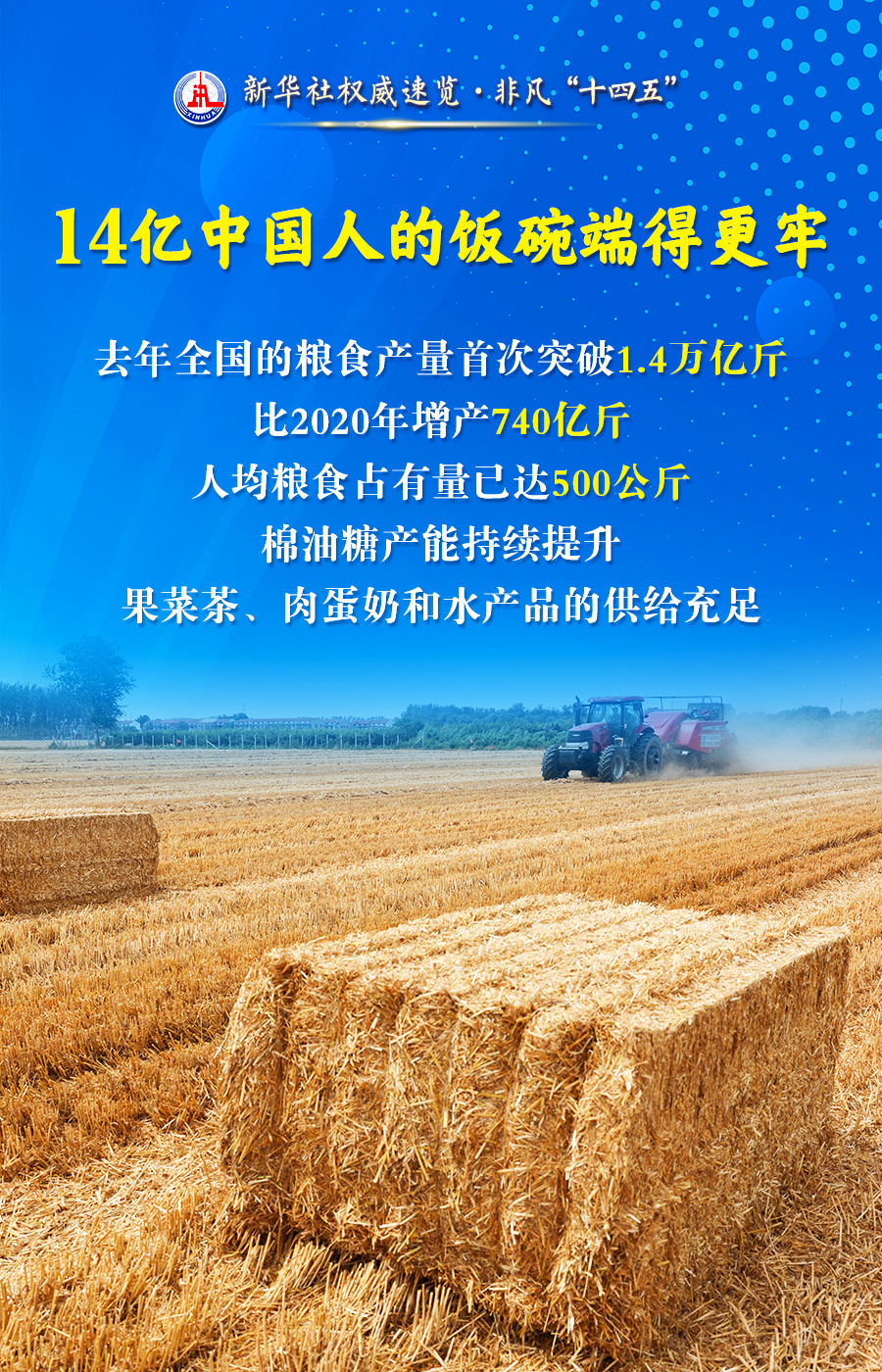
Group 1 - The core objective during the "14th Five-Year Plan" period is to build a strong agricultural nation, with a focus on rural revitalization and steady agricultural development [1] - The agricultural sector has made significant progress in poverty alleviation, with over 6 million monitoring subjects identified and supported, and stable employment for around 30 million people in recent years [3] - Agricultural modernization has achieved important milestones, including the establishment of over 1 billion mu of high-standard farmland and a mechanization rate of over 75% for crop farming [5] Group 2 - The revenue of large-scale agricultural product processing enterprises reached approximately 1.8 trillion yuan, indicating a significant improvement in the rural living environment [7] - The per capita disposable income of rural residents is projected to reach 23,119 yuan in 2024, with a noticeable reduction in the income gap between urban and rural residents [9] - The vitality of rural development continues to grow, with over 2 million farmer cooperatives and more than 4 million family farms established [11]

关税突发!刚刚,重启谈判!
券商中国· 2025-09-16 23:38
Core Viewpoint - The trade relationship between the United States and India shows signs of easing tensions as new rounds of bilateral trade agreement negotiations have resumed, despite previous high tariffs imposed by the U.S. on Indian imports [2][4][6]. Group 1: Trade Negotiations - On September 16, 2023, the U.S. and India restarted negotiations for a bilateral trade agreement in New Delhi, marking a positive signal in their previously strained relationship [2][4]. - The U.S. delegation, led by Brendan Lynch, aims to engage with Indian officials to discuss trade agreements, although specific details of the talks were not disclosed [4][6]. - The negotiations were initially scheduled for late August but were postponed due to the U.S. imposing additional tariffs on Indian goods [5][6]. Group 2: Impact of Tariffs - The U.S. has imposed a total tariff rate of 50% on Indian imports, significantly affecting trade dynamics, with India's exports to the U.S. dropping from $8.01 billion in July to $6.86 billion in August [2][10]. - India's overall exports fell to $35.1 billion in August, the lowest in nine months, with a trade deficit narrowing to $26.49 billion [10]. - The high tariffs have led to predictions that India's exports to the U.S. could decrease by over 40% by 2026, potentially falling to around $50 billion [10][11]. Group 3: Economic Consequences - The tariffs are expected to impact various sectors, particularly textiles, jewelry, and gems, with estimates suggesting that around $8 billion worth of Indian exports could be affected [11]. - The economic slowdown due to tariffs may result in a reduction of India's GDP growth by 0.5% to 1% [10]. - The imposition of tariffs has raised concerns about job losses in affected industries, with potential risks to tens of thousands of jobs [11].

新闻发布厅丨2025中国(河南)—东盟粮农合作发展大会下月举办
He Nan Ri Bao· 2025-09-16 23:29
农业合作是中国—东盟全面战略伙伴关系的重要内容。本届大会的举办,是落实共建"一带一路"倡议、 构建更为紧密的中国—东盟命运共同体的具体行动,旨在推动中国(河南)与东盟在智慧农业、绿色发 展和粮食安全等领域实现更高水平对接,对保障粮食安全、促进农业现代化发展和高水平开放具有重要 意义。 河南是全国重要的农业大省,与东盟国家农业互补性强,合作前景广阔。近年来,河南与东盟在农产品 贸易、农业技术交流、农业园区建设等方面合作成果丰硕。去年11月,2024河南(郑州)—东盟粮农合 作大会举办,促成了东盟与河南企业16组33家现场签约,签约金额逾百亿元;2024年,河南省对东盟国 家农产品出口额达6.4亿美元,占全省农产品总出口额的30%。 9月16日,省政府新闻办在北京举行新闻发布会,介绍2025中国(河南)—东盟粮农合作发展大会暨第 四届"一带一路"(河南)国际农业合作博览会筹备情况及双方粮农合作成效。 记者从发布会上获悉,河南省人民政府、中国—东盟中心决定,将于10月12日至14日在郑州市共同主办 2025中国(河南)—东盟粮农合作发展大会暨第四届"一带一路"(河南)国际农业合作博览会。据悉, 本届大会以"数智赋能 ...
加拿大为“忠诚”付惨痛代价!中方反击刀刀见血,盟友却坐视不理
Sou Hu Cai Jing· 2025-09-16 19:31
Group 1 - Canada's recent trade barriers against Chinese goods have not resulted in the expected support from allies, instead plunging the country into an unprecedented economic storm [2] - The Canadian government's sudden shift in trade policy is driven by external political pressures rather than economic considerations, risking decades of established trade cooperation [2][5] - The imposition of a 25% additional tariff on Chinese steel and a 100% tariff on electric vehicles has not yielded any substantial trade concessions from other countries [2][5] Group 2 - China's countermeasures, particularly in the agricultural sector, have had immediate effects, such as a 100% tariff on Canadian canola seeds, leading to skyrocketing import costs and nearly freezing access to the Chinese market [3][4] - Canada previously relied on China as its largest buyer of canola seeds, accounting for two-thirds of its total exports, but trade volumes have drastically declined due to these retaliatory measures [4][6] - The agricultural sector is facing severe repercussions, with canola futures dropping over 6% in a single day and farmers' income expectations decreasing by nearly 20% [4][5] Group 3 - The trade policies have triggered a chain reaction affecting other key industries in Canada, revealing vulnerabilities in its supply chains [5] - The imposition of tariffs has led to production line shutdowns in the chemical sector, particularly affecting the supply of halogenated butyl rubber, a core material for tire manufacturing [5] - Domestic dissatisfaction with the government's trade policies has led to widespread protests from farmers and pressure from provincial leaders to negotiate with China [5][8] Group 4 - Canada has struggled to find alternative markets, with competitors like Russia and Ethiopia offering lower prices, further complicating its trade situation [10] - The high tariffs on Chinese electric vehicles, which hold less than 5% market share in Canada, appear to be more of a political gesture than a strategic economic move [10] - The Canadian government is at a crossroads, facing the choice between continuing its hardline stance or seeking dialogue to resolve trade disputes, which will significantly impact its economic future [15]

国内高频 | 一线城市新房成交改善(申万宏观·赵伟团队)
赵伟宏观探索· 2025-09-16 16:03
Core Viewpoint - The article highlights improvements in industrial production, sustained high levels of infrastructure construction, and a rebound in real estate transactions, indicating a potential recovery in the economy [2][5][24]. Group 1: Industrial Production - Industrial production has shown improvement, with the blast furnace operating rate increasing by 3.5% week-on-week and 3.5 percentage points year-on-year to 83.9% [5][12]. - The chemical production chain has also seen a rise, with soda ash and PTA operating rates increasing by 1.1% and 5.5% respectively, year-on-year changes being +2.7 percentage points to 12.5% and +8.5 percentage points to 75% [12][16]. - The automotive sector has experienced an uptick, with the operating rate of semi-steel tires rising by 6% week-on-week and 5.8 percentage points year-on-year to 73.5% [12]. Group 2: Construction and Infrastructure - Infrastructure construction remains at a high level, with national grinding operating rates and cement shipment rates increasing by 4.3% and 1.2 percentage points respectively, year-on-year changes being +5.8 percentage points to 44.7% and +1.1 percentage points to 46.4% [16][22]. - The asphalt operating rate has slightly decreased by 1.8% week-on-week but remains at a high level year-on-year at 38.4% [22]. Group 3: Real Estate and Demand - Real estate transactions have improved, with the average daily transaction area of new homes rising by 9.6 percentage points year-on-year to 6.3 million square meters, particularly in first and second-tier cities [25][28]. - Port cargo throughput related to exports has shown strong performance, with year-on-year increases of 1.3 percentage points to 8.5% [32]. Group 4: Price Trends - Agricultural product prices have rebounded, with prices for eggs, vegetables, and pork increasing by 1.3%, 0.8%, and 0.3% respectively [57]. - Industrial product prices are showing divergence, with the Nanhua Industrial Price Index increasing by 0.1% week-on-week, while energy and chemical prices decreased by 0.2% [63].
3200多家企业将亮相第22届东博会
Xin Hua She· 2025-09-16 15:23
Core Points - The 22nd China-ASEAN Expo will take place from September 17 to 21 in Nanning, Guangxi, featuring over 3,200 enterprises from 60 countries and covering an exhibition area of 160,000 square meters [1] - The main venue includes new specialized areas for artificial intelligence, new productivity, blue economy, and quality foreign trade products, with foreign enterprises occupying approximately 30% of the exhibition space [1] - ASEAN countries are upgrading their exhibition structure, transitioning from traditional industries to high-tech sectors, with notable enterprises participating across manufacturing, energy, shipping, smart agriculture, and retail [1] - The "Belt and Road" international exhibition area will feature participation from 33 countries, including Pakistan and South Korea [1] - A series of economic and trade promotion activities will be held during the expo, focusing on trade and investment facilitation, regional economic integration, cross-border supply chain cooperation, and institutional openness [1]
巴西7月失业率降至5.6% 创有记录以来新低
Xin Hua Cai Jing· 2025-09-16 14:14
Group 1 - The unemployment rate in Brazil decreased to 5.6% in July, down from 5.8%, marking the lowest level since records began in 2012 [1] - The number of unemployed individuals fell to 6.1 million, the lowest since the end of 2013, while the employment population reached a record 102.4 million [1] - The employment-to-population ratio remained stable at a historical high of 58.8%, indicating consistent labor force participation [1] Group 2 - The agriculture sector added 206,000 jobs, the information and professional services sector added 260,000 jobs, and public administration, education, healthcare, and social services added 522,000 jobs, driving the employment growth [1] - The average real income in July increased by 1.3% year-on-year, reaching 3,484 Brazilian Reais, indicating improvements in the quality of the labor market [1]
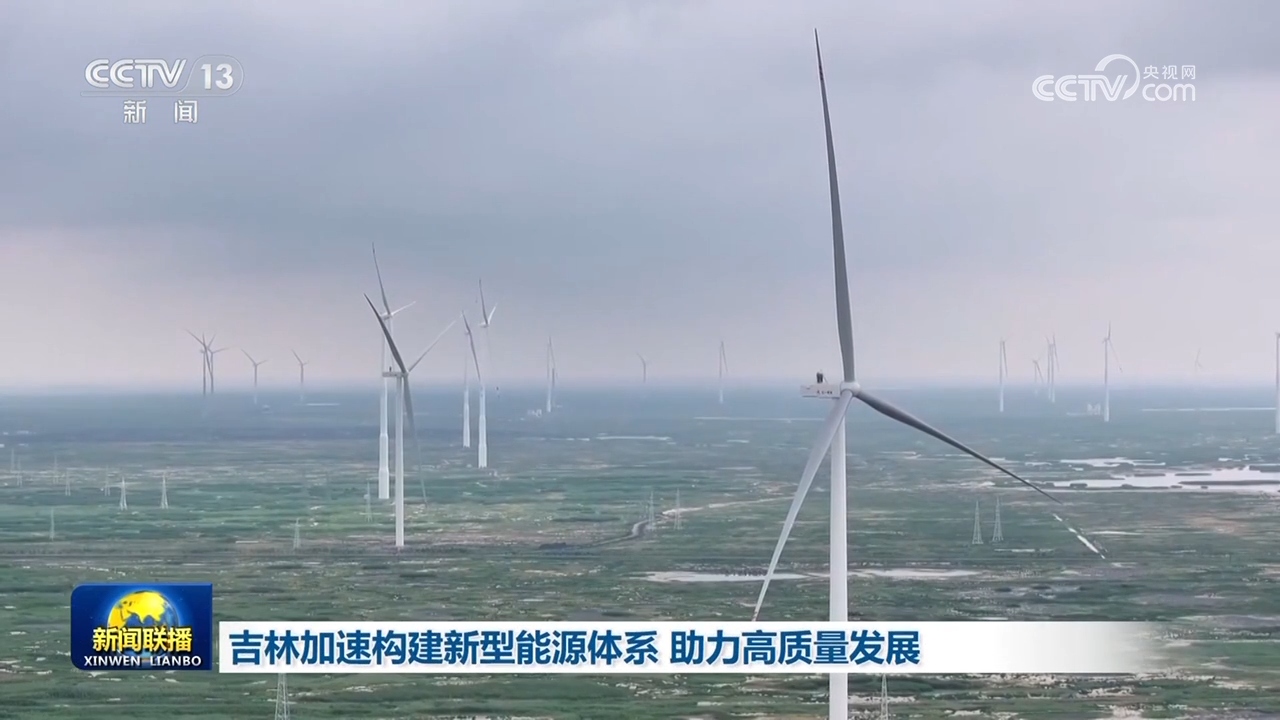
吉林、黑龙江因地制宜培育新质生产力 为高质量发展持续注入新动能
Yang Shi Wang· 2025-09-16 12:17
Group 1 - Jilin and Heilongjiang provinces are accelerating the construction of modern industrial systems to inject new momentum for high-quality development during the "14th Five-Year Plan" period [1][4] - Jilin Province is rapidly developing a new energy system, leveraging its rich wind and solar resources, with projects like the biomass green methanol and green hydrogen integrated demonstration projects [4][6] - Jilin's renewable energy capacity has reached nearly 30 million kilowatts, doubling since the end of the "13th Five-Year Plan," and has reduced carbon dioxide emissions by over 19 million tons [6] Group 2 - Heilongjiang is enhancing its agricultural productivity with advanced technology, achieving a comprehensive mechanization rate of over 99% and a record grain output of over 160 billion jin [8][10] - The province is also focusing on technological innovation and the transformation of research results, increasing the number of national key laboratories and high-tech enterprises significantly [10]
新华财经晚报:9部门发布《关于扩大服务消费的若干政策措施》
Xin Hua Cai Jing· 2025-09-16 09:50
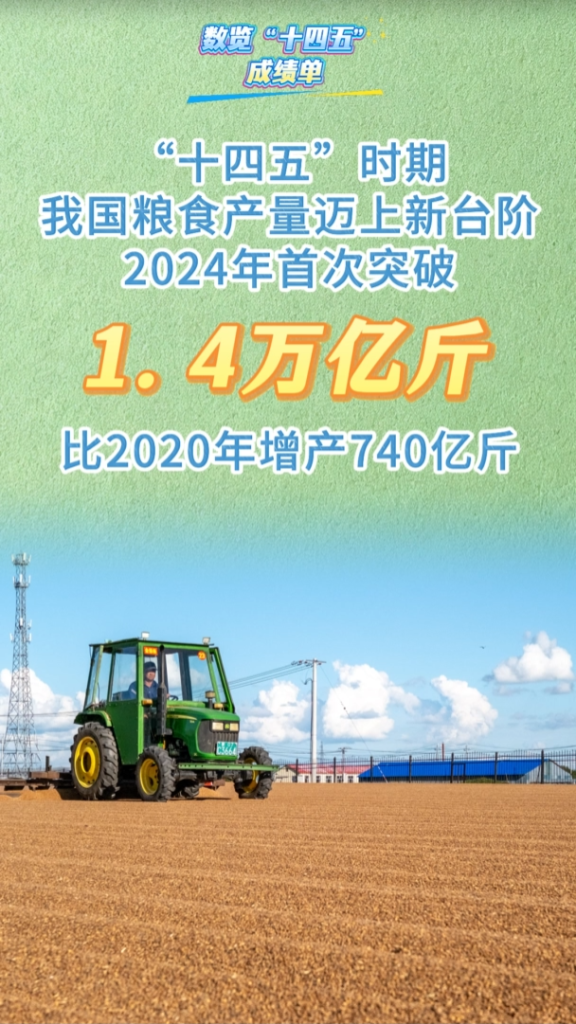
Domestic News - The Ministry of Commerce and nine other departments released measures to expand service consumption, proposing 19 initiatives across five areas, including promoting "service consumption seasons" and optimizing operating hours for popular cultural venues and scenic spots [1] - The Minister of Agriculture and Rural Affairs announced that China's grain production is expected to exceed 1.4 trillion jin in 2024, with per capita grain availability reaching 500 kg, ensuring national food security [1] - The Minister also highlighted significant progress in agricultural modernization during the 14th Five-Year Plan period, with over 100 million acres of high-standard farmland built and a contribution rate of agricultural technology advancement reaching 63.2% [1] Industry News - The China Automobile Industry Association called for domestic and foreign companies to enhance technological innovation and industry chain collaboration, emphasizing the need for an open and fair international market environment for sustainable development in the automotive sector [2] - The association urged further cooperation in electrification and intelligence to promote the global automotive industry's green, safe, and high-quality development [2] International News - The World Trade Organization's special meeting on the Fisheries Subsidies Agreement saw four member countries submit their ratifications, bringing the total to the required number for the agreement to take effect [6] - The Bank of Thailand's governor stated that monetary policy has been adjusted to provide a more accommodative environment amid sluggish economic growth, with measures taken to address fluctuations in the Thai baht [6]
数览“十四五”成绩单|饭碗端得更牢!乡村颜值更高!农民腰包更鼓!
Xin Hua Wang· 2025-09-16 08:23
Core Points - The press conference held by the State Council Information Office on September 16 focused on the progress in agricultural and rural development under the "14th Five-Year Plan" [1] Group 1: Agricultural Production - Grain production has reached a new level, indicating significant advancements in agricultural output [1] Group 2: Agricultural Modernization - Important progress has been made in agricultural modernization, reflecting improvements in technology and practices within the sector [4] Group 3: Farmers' Income - The income levels of farmers have continued to rise, showcasing economic benefits for rural populations [8] Group 4: Rural Development - Rural development has been revitalized, leading to enhanced vitality in rural areas [10]