中餐

Search documents
贾国龙,被梦想反咬了一口
虎嗅APP· 2025-12-26 13:50
Core Viewpoint - The article discusses the challenges faced by Xibei, a Chinese restaurant chain, following a public relations crisis triggered by criticism from a prominent figure, Luo Yonghao, regarding its use of pre-prepared ingredients. The crisis led to a significant drop in revenue and forced the company to reevaluate its operational strategies and customer engagement practices [2][25][56]. Group 1: Company Status and Crisis - Xibei is currently in a state of recovery, described as "stopping the bleeding" but still feeling weak [2]. - The crisis began after Luo Yonghao criticized Xibei for using pre-prepared dishes, leading to a public outcry and a rapid decline in customer trust [9][10]. - Following the backlash, Xibei's revenue reportedly halved within ten days, prompting the company to issue promotional coupons to regain customer interest [25][30]. Group 2: Operational Changes and Strategies - Xibei's operational model has shifted from a focus on efficiency to a more customer-centric approach, with a commitment to preparing dishes on-site rather than relying on pre-prepared ingredients [37][54]. - The company has implemented changes such as reducing the menu items that can be prepared in advance and increasing the use of fresh ingredients [29][54]. - Xibei's management has acknowledged the need for a more transparent communication strategy with customers to rebuild trust and address misconceptions about its food preparation methods [27][52]. Group 3: Industry Context and Trends - The article highlights a broader trend in the Chinese restaurant industry, where there is a growing consumer preference for freshly prepared meals over pre-packaged options, leading to a "current frying trend" [58]. - This shift in consumer behavior poses challenges for restaurants that have relied on centralized kitchens and pre-prepared ingredients for efficiency [56][59]. - The crisis faced by Xibei may serve as a cautionary tale for other brands in the industry, emphasizing the importance of aligning operational practices with consumer expectations [60]. Group 4: Leadership and Future Directions - Xibei's founder, Jia Guolong, has expressed a willingness to adapt his leadership style and consider employee input in decision-making processes moving forward [52]. - The company plans to maintain its number of locations around 300 while focusing on improving the quality of its offerings rather than rapid expansion [42]. - Despite the challenges, Jia remains optimistic about Xibei's future, aiming to enhance its international presence and brand influence [61].

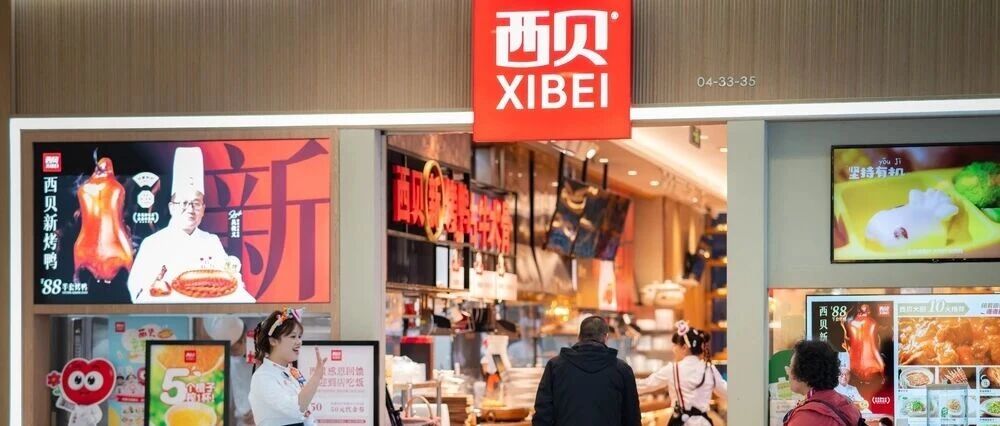
西贝100天,贾国龙悟了
Jing Ji Guan Cha Wang· 2025-12-26 08:14
Core Insights - The founder of Xibei Restaurant, Jia Guolong, publicly acknowledged past mistakes and emphasized the importance of listening to customer feedback and improving service quality [1][3][12] Group 1: Crisis Management - Xibei faced a significant public relations crisis after accusations of using pre-made dishes, leading to a drastic drop in customer traffic and sales, with some stores experiencing over a 50% decline [3] - In response to the crisis, Xibei chose to remain silent on social media, allowing time for internal adjustments and avoiding further escalation of the situation [3][4] - The company implemented a series of changes, including menu modifications and a shift towards fresh, made-to-order dishes, which required significant adjustments to their supply chain and operational processes [4][6] Group 2: Pricing Strategy - Xibei adjusted the prices of nearly 40 dishes, reducing them by 5% to 20%, which lowered the average customer spending from 92 yuan to approximately 75 yuan [6][7] - The company introduced promotional activities, such as "spend 50 get 50" vouchers, which successfully increased customer traffic and improved sales during weekends [6] - The pricing strategy shifted from a cost-plus model to a customer perception-based pricing model, aiming to enhance value perception among customers [6][7] Group 3: Employee Engagement - Xibei increased salaries for all frontline staff by 500 yuan and introduced various incentive programs to boost morale and service quality [8][9] - The company emphasized the importance of human resources, ensuring no layoffs occurred during the crisis and focusing on staff training and development [8][9] Group 4: Transparency and Food Safety - Xibei implemented a dual transparency mechanism with live kitchen feeds and strict adherence to food safety regulations, enhancing customer trust [10][11] - The company established dedicated food safety personnel in each location and increased the weight of food safety in performance evaluations [11] - Following the crisis, Xibei successfully passed over 80 government inspections without any food safety issues, reinforcing their commitment to quality [11] Group 5: Long-term Sustainability - The company's actions during the crisis demonstrated a commitment to genuine customer engagement and operational improvements, but challenges remain regarding the sustainability of these changes [12] - Future success will depend on converting short-term promotions into long-term customer loyalty and clearly defining the brand's positioning in the market [12]
“预制菜风波”后贾国龙首发声:都是因为冲动,不该硬刚罗永浩
Xin Lang Cai Jing· 2025-12-25 09:34
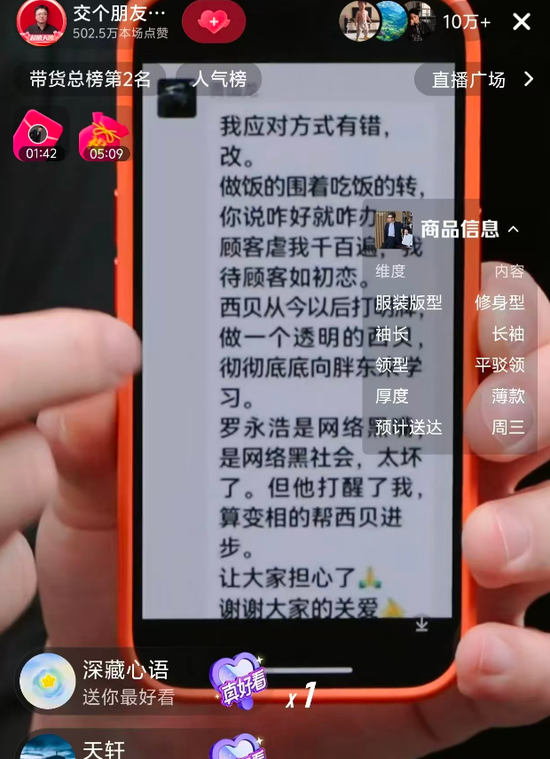
Core Viewpoint - The founder of Xibei, Jia Guolong, acknowledged that the recent controversy surrounding pre-made dishes has had a more significant impact on the company than any previous operational crisis, leading to personal stress and sleeplessness [1][10]. Group 1: Mistakes Acknowledged - Jia identified three major mistakes made during the controversy: 1. Choosing to confront the issue head-on and stating he would rather not do business than not clarify the truth, including a decision to sue Luo Yonghao [2][10]. 2. Opening the kitchen to the public [2][10]. 3. Using the term "internet black society" in a WeChat group chat to respond to industry peers [2][10]. - He emphasized that these errors stemmed from impulsiveness and a long-term neglect of customer feedback [3][11]. Group 2: Customer Engagement and Pricing Strategy - Jia expressed a commitment to listening to customer opinions moving forward, stating that if given a second chance, he would avoid confrontational approaches [7][15]. - Following the controversy, Xibei has reduced its average customer spending to approximately 75 yuan, a decrease of 20% from previous levels, with assurances that prices for already discounted dishes will not increase [7][15]. - The company aims to maintain a balance between cost and quality, positioning itself neither as a low-cost nor a high-end brand, while ensuring customers feel secure and receive value for their money [7][15]. Group 3: Future Plans and Aspirations - Jia indicated that if Xibei cannot survive this crisis, he would not pursue entrepreneurship again, preferring a simpler life [7][15]. - However, if the company overcomes the current challenges, he plans to increase manpower in stores and aims to expand internationally, aspiring to make Xibei a globally influential Chinese restaurant brand [7][15].
第一批吃到“江西小炒”的打工人,怀疑自己被骗了
3 6 Ke· 2025-11-27 03:36
Core Insights - The article discusses the rapid expansion of Jiangxi stir-fry restaurants, which have reached over 46,000 locations nationwide, and the emerging concerns regarding the authenticity and quality of these establishments as they proliferate [1][3][21] - The initial appeal of Jiangxi stir-fry lies in its fresh ingredients and affordable prices, but as chain restaurants emerge, the dining experience is perceived to deviate from the original concept of fresh, made-to-order dishes [1][19][21] Summary by Sections Expansion and Popularity - Jiangxi stir-fry has gained significant popularity, especially among urban workers, due to its fresh cooking style and reasonable prices, often around 30-40 yuan per meal [1][3] - The rapid growth of Jiangxi stir-fry restaurants has led to calls for their availability across the country, as many consumers prefer freshly cooked meals over pre-packaged options [1][3] Authenticity Concerns - As the number of Jiangxi stir-fry restaurants increases, some customers express doubts about the authenticity of their dining experiences, particularly when they do not find the signature large freezers filled with fresh ingredients [3][5] - Many diners report that their experiences in newly opened restaurants do not match the vibrant, fresh-cooked meals they associate with Jiangxi stir-fry, leading to suspicions of encountering "fake" versions of the cuisine [3][6] Consumer Preferences - A survey indicated that the main reasons consumers choose Jiangxi stir-fry include its spicy flavor and fresh ingredients, with 38% citing taste and 35% emphasizing the freshness of ingredients [5] - However, some customers have noted that the dishes served in certain chain restaurants lack the expected heat and freshness, raising concerns about the quality of food being served [5][6] Operational Challenges - The traditional Jiangxi stir-fry model relies heavily on skilled chefs and a flexible menu based on available ingredients, which poses challenges for standardization in chain operations [15][21] - The emergence of chain restaurants has led to a shift towards standardized processes, which may compromise the unique cooking style that originally attracted customers [15][21] Future Directions - The article suggests that the future of Jiangxi stir-fry may involve a blend of traditional cooking methods and modern technology, such as the use of cooking robots, to address the shortage of skilled chefs [26][30] - There is potential for Jiangxi to develop a reputation as a hub for culinary talent, focusing on training chefs and maintaining the essence of fresh, made-to-order cooking [34][30]
川式“漂亮饭”飘香墨尔本 华人厨师探路“新中餐”
Zhong Guo Xin Wen Wang· 2025-11-21 03:31
Core Insights - The article discusses the journey of a Chinese chef, Fu Kun, who is exploring "New Chinese Cuisine" in Melbourne, Australia, focusing on the adaptation of Sichuan dishes to local tastes [1][2][3] Group 1: Chef's Background and Initial Challenges - Fu Kun, originally from Chengdu, moved to Australia in 2005 with limited funds and began working in a Chinese restaurant in Melbourne's Chinatown [1] - He identified a significant market opportunity for Sichuan cuisine, which was underrepresented compared to Cantonese cuisine in the area [1][2] Group 2: Culinary Adaptation and Learning - Fu Kun expanded his culinary skills by working with various Michelin-starred chefs and learning Western cooking techniques, such as low-temperature cooking and rapid cooling [2] - He noted the local preference for meat, seafood, and vegetables, and began experimenting with Sichuan dishes to better align with these tastes [2][3] Group 3: Restaurant Development and Menu Innovation - In 2015, Fu Kun opened a restaurant named Bowl Bowl Dumpling, focusing on "Jianghu" cuisine, which emphasizes fresh, home-style cooking [2] - Signature dishes like "Zhong Shui Jiao" (dumplings) were crafted with a unique blend of flavors, appealing to both local and Chinese customers [2][3] Group 4: Balancing Tradition and Local Preferences - Fu Kun made adjustments to traditional Sichuan dishes to reduce oiliness and enhance flavor profiles, such as using Italian black vinegar in Kung Pao Chicken [3] - The presentation of dishes was also refined to create a more appealing dining experience, attracting younger customers through social media engagement [3] Group 5: Future Aspirations - Fu Kun expressed a desire to introduce other regional Chinese cuisines, such as Yunnan's Dai cuisine and various street foods from Chengdu, to the Melbourne dining scene [3]
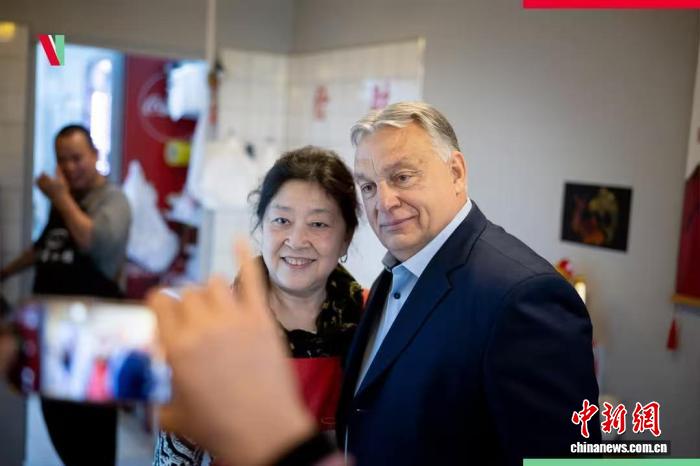
匈牙利总理欧尔班“打卡”唐人街中餐馆:吃饺子、点凤爪、喝中国花茶
Zhong Guo Xin Wen Wang· 2025-11-13 07:27
Core Points - Hungarian Prime Minister Viktor Orbán visited a Chinese restaurant in Budapest's Chinatown, enjoying dumplings, chicken feet, and Chinese tea, which sparked discussions among the local Chinese community about his approachable demeanor and appreciation for Chinese cuisine [1][5][9] Group 1: Restaurant Experience - The restaurant "Dabao Dumpling House" has been operating for over 20 years and is popular among the local Chinese community and residents [2] - During his visit, Orbán ordered various dumplings and praised the food, expressing his enjoyment in Hungarian [4][5] - The restaurant's owner noted Orbán's friendly nature, as he took photos with patrons and engaged with the crowd [5][7] Group 2: Chinese Cuisine in Hungary - Hungary has a well-developed Chinese restaurant industry, attracting visitors from neighboring Austria [8] - The variety of Chinese restaurants ranges from fast food chains to Michelin-starred establishments, offering a wide array of dishes [8] - The area known as "Chinatown" in Budapest features numerous Chinese restaurants, including "Dabao Dumpling House," which is known for its handmade dumplings [8] Group 3: Orbán's Political Background - Orbán has a long-standing focus on cooperation with China, having initiated the "Eastern Opening" policy in 2010 to enhance ties with Eastern countries [9][10] - Hungary was the first European country to sign a Belt and Road cooperation document with China and has established a local currency clearing bank [10] - His recent visit to the restaurant is seen as a strategy to bolster his public image ahead of the upcoming elections [10]
西贝回应“一个月闭店10家”,仍有新店陆续开业
Di Yi Cai Jing· 2025-11-11 02:20
Core Insights - The frequent closures of Xibei restaurants may be related to the pre-prepared food controversy in September this year [1][2] - Xibei has stated that opening and closing stores is a normal business practice in the restaurant industry, and they are dynamically adjusting the number of stores based on operational conditions [1] - Despite closures, Xibei continues to open new locations, with eight new stores planned to open by the end of the year [1] Store Adjustments - Xibei has closed stores in cities such as Shenzhen, Shantou, and Yiwu as part of its normal operational adjustments [1] - The company is committed to upgrading services, optimizing dishes and prices, and enhancing customer feedback mechanisms to improve dining experiences [1] Response to Pre-prepared Food Controversy - Following the pre-prepared food controversy, Xibei acknowledged a significant gap between its production processes and customer expectations, leading to adjustments in food preparation methods [2] - The company has shifted to more on-site cooking to better meet customer demands [2] Promotions and Customer Engagement - Xibei has implemented various promotions, including issuing discount coupons to attract customers after the controversy [3][4] - The adjustments in menu items, such as switching to on-site cooking for children's meals, aim to enhance customer satisfaction [3] - The issuance of no-threshold and minimum purchase coupons has been effective in increasing foot traffic and sales in stores [4] Long-term Brand Implications - While short-term promotions have successfully increased customer traffic, there are concerns about the long-term impact on brand perception [4] - Continuous discounting may lead consumers to perceive a mismatch between quality and price, potentially undermining the brand's high-end image [4]
在京湘菜馆接近5000家,北京湘菜名企消费促进周启动
Bei Ke Cai Jing· 2025-11-04 06:41
Core Insights - The "New Quality Hunan Cuisine: Taste of China" event was held, highlighting the growth and promotion of Hunan cuisine, with over 120,000 Hunan restaurants nationwide and nearly 5,000 in Beijing, generating an annual output value exceeding 40 billion yuan [1][2] - The Hunan cuisine industry chain has surpassed an annual output value of 600 billion yuan, ranking high among national cuisines in market share [1][2] - Hunan cuisine has become a focal point in the Chinese dining sector, with a market size growth of approximately 8.9% year-on-year in 2024, outpacing the overall growth of Chinese dining at 5.8% [2] Industry Overview - The number of Hunan restaurants has been increasing annually, with a notable rise in popularity for dishes like spicy stir-fried pork, which have become staples in various restaurant menus [2] - Hunan cuisine's market share in Chinese dining has steadily increased from 9.1% in 2018 to 10.2% in 2023, indicating a growing acceptance and demand for this cuisine [2] - Several Hunan cuisine brands are expanding beyond Hunan, opening stores in major urban centers, with Fei Dazhu having over 200 direct-operated stores nationwide and plans for further openings [2] Competitive Landscape - The increase in Hunan restaurants has led to intensified competition, particularly in cities like Beijing, where multiple popular brands are competing closely [2] - Industry experts anticipate a "price war" among Hunan cuisine brands due to heightened competition, emphasizing the need for innovation in dishes and refined operational strategies to stand out [2]
“健康川菜”“川菜出海3.0”位列2025全球川菜关键词
Xin Jing Bao· 2025-11-03 07:57
Core Insights - The 8th World Sichuan Cuisine Conference recently concluded, highlighting the release of the "2025 Global Sichuan Cuisine Recommended List" and "2025 Global Sichuan Cuisine Top Ten Keywords" [1] - The implementation of the "Sichuan Province Promotion of Sichuan Cuisine Development Regulations" aims to protect traditional techniques and cultural heritage while establishing norms for industry development [1] - An initiative was proposed to establish "November 1st World Sichuan Cuisine Day" to create a dedicated global platform for Sichuan cuisine culture [1] Summary by Sections Sichuan Cuisine Development - The conference emphasized the standardization and localization of Sichuan cuisine as it expands internationally, moving away from the stereotype of "heavy oil and spicy" dishes [1] - The focus is on developing "three low" dishes, which likely refers to lower oil, lower salt, and lower sugar content, and promoting healthier cooking methods such as steaming instead of stir-frying [1] Recommended Dishes - The "2025 Global Sichuan Cuisine Recommended List" includes 10 dishes such as Mapo Tofu, Kung Pao Chicken, and Boiled Fish, along with 10 types of snacks like Dandan Noodles and Zhong Shui Jiao [2] - The list provides accurate English translations for both dishes and snacks, facilitating international understanding and appreciation of Sichuan cuisine [2]
西贝丢掉的儿童客流,海底捞看上了
36氪· 2025-10-10 13:34
Core Viewpoint - The article discusses the increasing trend of restaurants in China targeting the children's dining market, highlighting the competitive landscape and the strategies employed by various brands to attract family customers [5][10]. Group 1: Market Trends - The Chinese children's consumption market is nearing 4.5 trillion yuan, with an expected annual growth rate of over 20% in the next five years [13]. - The population of children aged 0-17 in China is approximately 298 million, accounting for 21.1% of the total population [13]. - Children's meals are seen as a significant driver for family dining, potentially increasing overall customer traffic to restaurants [15][16]. Group 2: Restaurant Strategies - Haidilao is expanding into the children's dining segment by opening a parent-child themed restaurant and introducing children's meal options, including lighter broth flavors and interactive activities [6][29]. - Other brands, such as Xibei and Lao Xiang Ji, are also developing children's meal offerings, with Xibei reporting that children's traffic accounted for nearly 17% of its total customers in 2023 [23][25]. - The article notes that many restaurants are adopting a multi-faceted approach by combining children's dining with entertainment and educational experiences to create a comprehensive family-friendly environment [18][19]. Group 3: Competitive Landscape - The competition for attracting young customers is intensifying, with various brands entering the children's dining space, including traditional Chinese restaurants and fast-food chains [10][22]. - The article highlights that while Haidilao faces challenges in adapting its hot pot offerings for children, it is actively innovating to meet family needs [27][28]. - The overall restaurant industry is experiencing pressure, with a reported decline in revenue growth, indicating a need for differentiation and innovation among brands [34].