便利店

Search documents
携手2000+家便利店,“小肇上菜”走上融湾“高速路”
Nan Fang Nong Cun Bao· 2025-07-28 14:36
Core Viewpoint - The partnership between Xiaozhao Shangcai Agricultural Development Co., Ltd. and Guangdong Shiji Xinyi Convenience Store Co., Ltd. aims to enhance the modern supply chain for agricultural products in Zhaoqing, responding to the consumption upgrade trend in the Guangdong-Hong Kong-Macao Greater Bay Area [3][4][42]. Group 1: Partnership and Objectives - Xiaozhao Shangcai Company has signed a modern supply chain project investment cooperation agreement with Shiji Xinyi to integrate high-quality agricultural resources with modern retail channels [3][4]. - The collaboration focuses on building a modern supply chain logistics center in Zhaoqing, enhancing the sales channels for local agricultural products [5][42]. Group 2: Company Profiles - Xiaozhao Shangcai is a unified sales platform for agricultural products in Zhaoqing, integrating 60 national quality agricultural products and 89 "Yue" brand resources across ten industry clusters [10][16]. - Shiji Xinyi, established in 2014, has over 2,000 stores in South China and is recognized for its rich experience in product selection, distribution, and customer service [22][24]. Group 3: Market Strategy - The partnership will leverage Shiji Xinyi's extensive network to quickly introduce Zhaoqing's products to lower-tier markets, increasing market share within the province [36][39]. - Xiaozhao Shangcai will also utilize its online platform and offline experience centers to introduce new product categories to Shiji Xinyi, enriching its sales offerings [41]. Group 4: Supply Chain Development - The modern supply chain center will combine Xiaozhao Shangcai's sourcing advantages with Shiji Xinyi's operational and cold chain logistics expertise, creating an efficient system for procurement, storage, and distribution [43][45]. - This initiative aims to optimize distribution channels, reduce logistics costs, and ensure fresher agricultural products reach consumers more quickly [45][46]. Group 5: Product Promotion and Marketing - Initial product promotions, including local specialties like cinnamon drinks and sugar orange juice, have shown positive market acceptance [48]. - Future plans include joint marketing efforts to enhance brand recognition and reputation in the Greater Bay Area and nationwide [50].


低价竞争屡遭罚 社区团购需健全准入规则
Bei Jing Shang Bao· 2025-07-28 03:02
Group 1: Core Insights - The Ministry of Commerce and 12 other departments issued an opinion to promote the construction of a "15-minute convenient living circle," aiming to optimize layout, improve facilities, and enrich business formats [1] - Community group buying and e-commerce are facing stricter regulations to prevent unfair competition and capital disorderly expansion [4][5] - The community group buying sector has seen significant investment, with over 17.1 billion yuan raised in 2020 alone, indicating a competitive and rapidly evolving market [4] Group 2: Regulatory Actions - The State Administration for Market Regulation imposed a fine of 1.5 million yuan on the community group buying platform Tenhui Group for engaging in predatory pricing practices [2] - Other platforms like Orange Heart Selection and Meituan Preferred have also faced penalties, highlighting a trend of regulatory scrutiny across the industry [2][3] - The "Nine Prohibitions" regulation from last year continues to be emphasized, aiming to maintain fair competition and prevent monopolistic practices in community group buying [5] Group 3: Market Dynamics - Community group buying is characterized by low-price competition and market disruption, with platforms using subsidies to gain market share and alter consumer behavior [2][3] - The rapid expansion of community group buying platforms has led to a chaotic market environment, prompting the need for clear market entry rules and regulatory oversight [4][5] - Experts suggest that a minimum of two competing e-commerce platforms should be ensured in each region to prevent monopolistic dominance [6] Group 4: Infrastructure and Safety - The opinion emphasizes the need for improved infrastructure, including cold chain logistics, to ensure food safety and quality in community group buying [6] - There is a call for better planning and management of community e-commerce to support its growth while ensuring consumer protection [6] - The establishment of a unified mechanism to connect community services and commercial activities is deemed essential for enhancing the living standards of residents [10]
多平台良性竞争做大市场蛋糕 中小商家订单用户双增长
Zhong Guo Jing Ji Wang· 2025-07-25 07:06
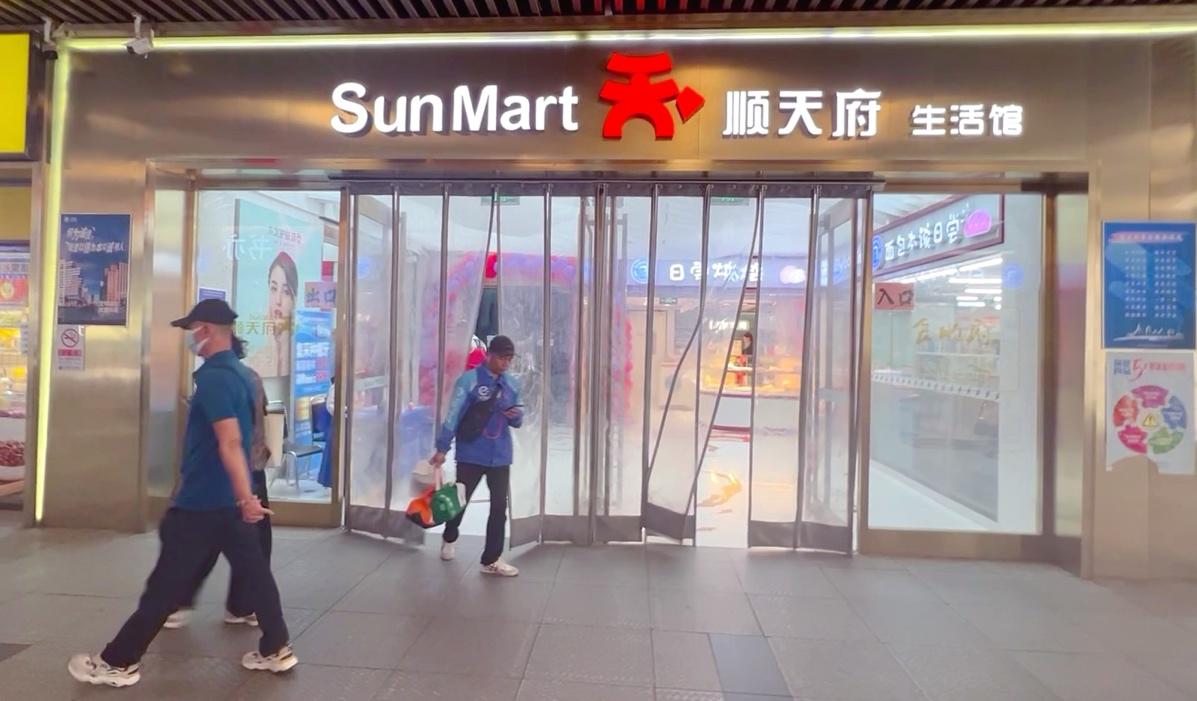
Core Insights - The summer has seen a positive competitive landscape in the food delivery market, benefiting consumers, merchants, and delivery personnel alike [1] - Instant delivery services have expanded beyond food delivery, effectively boosting service consumption and driving growth in offline retail [1] Group 1: Market Dynamics - The integration of platforms like Taobao Flash has led to significant growth in non-food orders, with a 143% increase since July and over 240,000 new registered merchants, primarily small businesses [1] - Local supermarkets, such as Mingdu Supermarket, have experienced a more than threefold increase in orders and a 20-fold increase in revenue since joining Taobao Flash [1][2] - Traditional supermarkets like Shuntianfu have seen a shift in customer demographics, attracting a younger audience, with daily order volumes doubling since May [4] Group 2: Consumer Behavior - The evening orders on Taobao Flash are predominantly from younger consumers, indicating a shift in shopping habits that complement traditional retail [2][4] - The rise in online shopping has also led to increased foot traffic in physical stores, as younger customers who order online often visit the stores afterward [4] Group 3: Product Categories and Sales Growth - There has been a significant surge in orders for fruit products on Taobao Flash, with some brands like "Cut Fruit NOW!" seeing daily orders increase from 40,000 to a peak of 157,000 [7] - The fruit store Xian Guo Yi Hao reported a 400%-500% increase in daily orders and a 5%-10% rise in average gross profit since joining Taobao Flash [8] - The beauty and fashion sectors are also benefiting, with brands like Jiyue experiencing a surge in orders without a decline in other platforms, indicating overall market expansion [10] Group 4: Employment and Community Impact - The growth in online sales has led to increased hiring in stores, with older employees being recruited to assist in both online and offline sales [5][6] - Delivery personnel are being provided with complimentary refreshments, enhancing their work experience during peak summer months [8]

日系消费品牌正在大举进入中国低线城市
3 6 Ke· 2025-07-25 02:03
Core Insights - Japanese consumer brands are increasingly targeting lower-tier cities in China, aligning with their low-key and meticulous approach [1] Group 1: Market Expansion - Shiseido is focusing on lower-tier cities like Heze, Shandong, which has a population of over 8 million, to tap into the potential of these markets [2] - Other Japanese beauty brands, such as Kose and Kanebo, are also entering lower-tier cities, with Kose opening a counter in Fuyang, Anhui, and Kanebo in Taizhou, Jiangsu [2] - Uniqlo plans to open 80-100 new stores annually in China, with over half in third-tier and below cities, having already established stores in cities like Meishan and Zunyi [3] Group 2: Unique Strategies - Lawson is adopting a unique strategy by acquiring and rebranding local family-run stores, known as "Lawson Little Stations," to penetrate the vast individual grocery market in China [4] - The number of "Lawson Little Stations" has reached 200, with a low franchise fee to encourage local partnerships [4] - This strategy allows Lawson to navigate regulatory challenges and focus on lower-tier cities, where competition is less intense [4] Group 3: Market Potential - The population in third-tier and below cities exceeds 1 billion, representing over 70% of China's total population, indicating significant consumer potential [6] - There is a clear trend of consumption upgrading in lower-tier cities, with consumers increasingly seeking quality and brand recognition, providing a broad market space for Japanese brands [6] - Uniqlo's stores in lower-tier cities have become popular destinations, demonstrating strong consumer interest [6] Group 4: Challenges - Japanese brands face intense competition from local brands in lower-tier cities, which have established a strong presence with high cost-performance products [7] - The distribution channels in lower-tier cities are complex and fragmented, posing challenges for brand promotion and market penetration [7] - Consumers in these markets are more price-sensitive, necessitating adjustments in pricing and marketing strategies for Japanese brands [7]
7-Eleven卖假LABUBU,被泡泡玛特起诉
21世纪经济报道· 2025-07-24 15:26
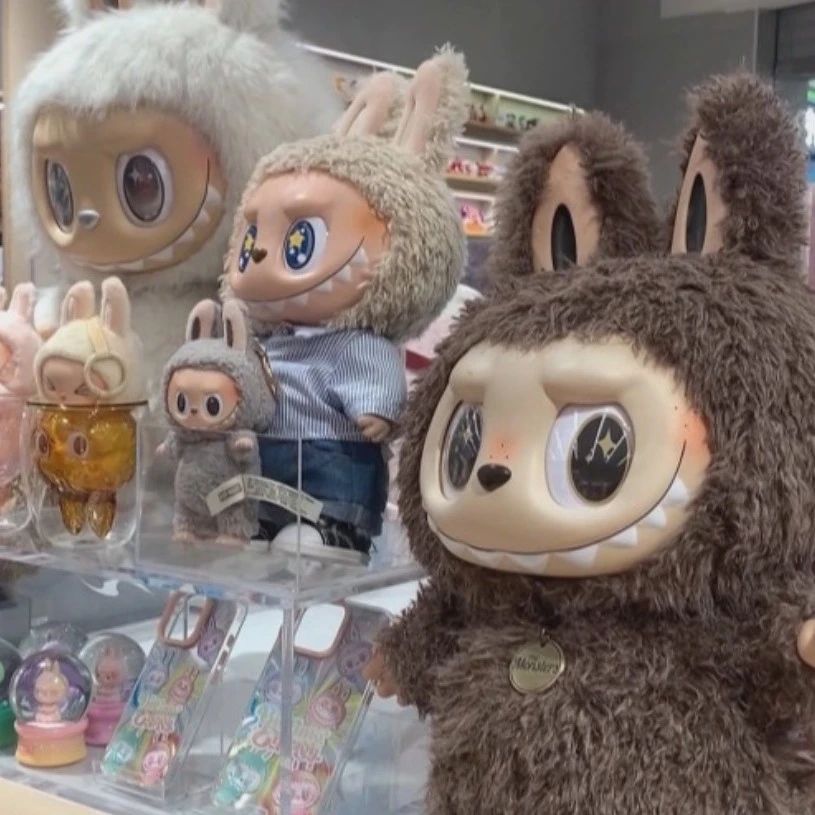
Core Viewpoint - Pop Mart is taking legal action against 7-Eleven in the U.S. for selling counterfeit versions of its LABUBU toys, highlighting the challenges of intellectual property protection in international markets [1][2]. Group 1: Legal Action and Counterfeiting - Pop Mart has confirmed that it is suing 7-Eleven for selling counterfeit LABUBU toys, with multiple U.S. consumers reporting the purchase of fake products [1][2]. - The counterfeit LABUBU toys, labeled as "LAFUFU," are being sold for $25 each in 7-Eleven stores, with complaints about their poor quality [2]. - Since June, customs authorities have been actively seizing counterfeit LABUBU products, with Shanghai customs alone confiscating 6,960 units [2]. Group 2: Expansion and Future Plans - Pop Mart's founder, Wang Ning, has expressed interest in producing a LABUBU movie, with several well-known film companies, including those in Hollywood, showing interest in collaboration [3][4][6]. - The company aims to expand its global presence, with over 46 million registered members and more than 400 stores in mainland China as of the end of last year [6]. - Wang Ning's ambition is to transform Pop Mart into a world-class Chinese consumer brand, akin to Disney [6].

曝马斯克用员工人脸数据训练Grok;阿里将发布自研AI眼镜;公安机关加强智驾规范管理
Guan Cha Zhe Wang· 2025-07-24 01:02
Group 1 - Accenture's report indicates that 46% of Chinese enterprises are scaling up the application of generative AI, but only 9% have achieved significant value transformation from it [1] - Japanese retailers are increasingly adopting AI to manage orders and inventory due to labor shortages, with FamilyMart reporting a 50% reduction in order time and a 4% decrease in stockouts after implementing AI [1] - Meitu's AI Agent "RoboNeo" topped the domestic App Store category charts shortly after its launch, targeting users in various creative fields [3] Group 2 - Alibaba is set to launch its first self-developed AI glasses, which will include features like voice assistance and real-time translation, marking a significant step in its AI to consumer strategy [4] - Nanjing aims to become a national hub for brain-computer interface technology by 2030, with projections suggesting the market could exceed 120 billion yuan by 2040 [6] - The usage of DeepSeek has declined, attributed to a lack of focus on consumer applications, although its underlying technology remains widely utilized across various companies [2]

早报 | 6名大学生在企业参观学习时溺亡;自来水异味7人被严肃问责;印度恢复向中国公民发放旅游签证;麦当劳回应工作人员没必要偷吃
虎嗅APP· 2025-07-24 00:18
Group 1 - The Hainan Free Trade Port is set to officially start operations on December 18, 2025, as announced by the National Development and Reform Commission [2] - A water quality issue in Hangzhou led to the accountability of 7 officials, with affected users receiving a full waiver of their July water fees [3] - The Ministry of Science and Technology released guidelines to mitigate ethical risks in the development of automated driving technologies [4][5] Group 2 - A tragic incident occurred in Inner Mongolia where 6 university students drowned during a field trip at a mining company [7] - The incident prompted local authorities and the university to initiate follow-up actions [8] - A case of a 4-year-old boy's death during a dental procedure has led to the suspension of involved medical staff and an ongoing investigation [6] Group 3 - MUJI clarified that it has no affiliation with a local brand named "natural mill," which has similar branding [18] - Pop Mart is suing 7-Eleven in the U.S. for selling counterfeit LABUBU toys, which were reported to be of poor quality [20][21] - JD.com stated that its "Seven Fresh Kitchen" will consider expanding to other platforms if there is consumer demand [24][25] Group 4 - Tesla reported a significant decline in both revenue and net profit for Q2, with CEO Elon Musk urging investors to focus on future developments in autonomous driving and robotics [24] - Mitsubishi Motors announced its complete withdrawal from vehicle production in China, ending a partnership that lasted over 40 years [29]


三菱汽车彻底退出中国;泡泡玛特在美起诉7-Eleven;微信公众号能回复点赞了;亚马逊云科技上海AI研究院解散丨邦早报
创业邦· 2025-07-23 23:46
Group 1 - Mitsubishi Motors has completely exited the automotive production business in China, terminating its joint venture with Shenyang Aerospace Mitsubishi Motors Engine Manufacturing Co., citing a shift towards electrification in the Chinese automotive industry [2] - WeChat has introduced a feature allowing creators to thank users for likes and recommendations on their public accounts, enhancing user interaction [2] - Amazon Web Services (AWS) has confirmed the dissolution of its Shanghai AI Research Institute, stating it is part of a personnel streamlining process following a strategic evaluation [2] Group 2 - Pop Mart is suing 7-Eleven in the U.S. for selling counterfeit LABUBU toys, with the fakes priced similarly to the originals [5] - Yingshi Innovation has announced its entry into the drone market, planning to launch its own brand of drones and evaluate investment opportunities within the industry [5] - JD.com has received over 20,000 applications for its "Dish Partner" program, which allows various chefs and brands to participate in a quality dining platform [7] Group 3 - Taobao Flash has officially denied rumors regarding an internal expert interview, labeling the information as fabricated and urging caution among industry researchers and investors [7] - Li Auto has completed a 60-day payment term adjustment for its direct suppliers, enhancing cash flow management [7] - 360 Company plans to launch two AI hardware products, including AI glasses, in response to market feedback [7] Group 4 - The 2025 Fortune China 500 list has been released, with notable rankings for major internet companies: JD.com at 11th, Alibaba at 18th, Tencent at 32nd, Pinduoduo at 70th, and Meituan at 80th [7] - Volvo is reforming its dealer management processes and introducing a "one-price" model to enhance consumer service focus [8] - Apple is likely to receive EU antitrust approval for its App Store rule changes, avoiding potential hefty fines [8] Group 5 - Elon Musk's xAI is seeking to raise up to $12 billion for acquiring advanced Nvidia chips and establishing data centers for its AI chatbot Grok [8] - Coca-Cola plans to launch a new product made with cane sugar in the U.S. this fall, expanding its product line [10] - Bosch is planning to cut up to 1,100 jobs at its Reutlingen plant due to declining sales in the automotive sector [10] Group 6 - The Chinese smartphone market saw a decline in shipments for Q2 2025, with Huawei regaining the top position after four years with an 18.1% market share [15] - China's mobile internet traffic grew by 16.4% year-on-year in the first half of the year, with telecom revenue reaching 905.5 billion yuan [16]






韩政府启动“惠民消费券”申请
Bei Jing Shang Bao· 2025-07-23 16:08
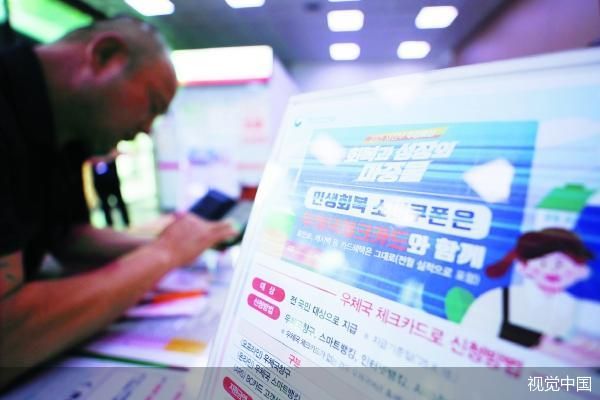
Group 1 - The South Korean government has launched its first large-scale economic stimulus initiative, the "Welfare Consumption Voucher," aimed at boosting grassroots consumption and revitalizing local economies [2][3] - The consumption vouchers are available to all South Korean citizens, with amounts varying based on individual economic status and residence, ranging from 150,000 KRW to 450,000 KRW per person [2] - The application period for the vouchers will last until September 12, with distribution methods including credit cards, debit cards, prepaid cards, and local love gift certificates [2] Group 2 - The usage of the consumption vouchers is strictly limited to small merchants with annual sales not exceeding 3 billion KRW, and cannot be used in large supermarkets, department stores, duty-free shops, e-commerce platforms, or entertainment and gambling sectors [3] - Major financial institutions and retail chains in South Korea have quickly responded to the voucher launch, initiating promotional activities and incentives to encourage usage, including a lottery with a total prize of 2.5 billion KRW [3] - Local governments are expressing concerns over the financial burden of the consumption voucher program, with Gyeonggi Province reporting a tax revenue decrease of 81.6 billion KRW from January to May, while needing to allocate 180 billion KRW for the voucher budget [3]
售卖假LABUBU,泡泡玛特在美国起诉7-Eleven
财联社· 2025-07-23 13:12
Core Viewpoint - Pop Mart is suing the convenience store chain 7-Eleven in the United States for selling counterfeit versions of its LABUBU dolls, as confirmed by the company [1] Group 1: Legal Action - Pop Mart has initiated legal proceedings against 7-Eleven for allegedly selling fake LABUBU dolls [1] - The lawsuit follows a social media post by an American girl who claimed to have purchased a counterfeit doll named "LAFUFU" at a 7-Eleven store [1] Group 2: Product Details - The counterfeit dolls were reportedly displayed on the shelves of 7-Eleven, with each priced at $25, which is nearly the same as the original retail price [1] - The packaging and the dolls themselves were described as poorly made compared to the authentic products [1]