船舶

Search documents
涉及新兴领域、交通运输和环境保护!一批重要国家标准发布
Yang Shi Xin Wen Ke Hu Duan· 2025-12-10 02:41
Emerging Fields - The release of five national standards related to cybersecurity aims to strengthen national cybersecurity defenses and promote healthy development of the digital economy [1] - Seven national standards in information technology will ensure interoperability and security of information systems through unified technical application specifications [1] - Three national standards for artificial intelligence social experiments support the healthy and orderly development of intelligent societies [1] - Seven national standards for nanotechnology will assist in unifying relevant technical characterization and testing specifications [1] Transportation and Environmental Protection - A total of 44 national standards covering automotive steering systems, vehicle brake fluids, railway construction machinery, rail transit vehicles, shore power for ships, containers, and aerospace components will aid in building a strong transportation nation [1] - Ten energy-saving and environmental protection standards related to industrial boiler economic operation, meat processing, food processing, alcoholic beverages, and lead-zinc will contribute to pollution prevention efforts [1] Safety Production - National standards for assessing combustible dust explosion risks and guidelines for gas protection station construction in chemical parks will enhance safety management in hazardous chemical production [2] - Five emergency management national standards, including guidelines for emergency drills and scenario construction methods, will improve emergency response capabilities [2] - Eleven mandatory national standards for fire trucks will ensure technological advancement in fire truck products and enhance the operational capabilities of firefighting teams [2] Public Services - Three national standards for educational service management and seven guidelines for standardized education course construction in logistics, elderly care, automation, and the Internet of Things will lay the foundation for cultivating versatile talents and promoting education integration [2] - Guidelines for the usability of home health care products and services will support the development of an age-friendly society [2] - Four national standards related to digital asset management, including digital maturity and cultural digital asset valuation, will enhance the digitalization level of asset management and improve transparency and security in digital asset transactions [2] Daily Life - National standards for smart textiles will guide the standardized development of smart textile products [3] - The introduction of national standards for biodegradable plastic shopping bags will promote resource recycling [3] - Two national standards for testing methods related to formaldehyde content in leather and short-chain chlorinated paraffins will improve detection of harmful substance limits [3] - Eight national standards for surgical implants and sterilization of medical products will enhance the quality and safety of medical devices [3] - Additional national standards were released for rice, navel oranges, rural toilets, and oil drilling equipment [3]
出口强在中游——11月进出口数据点评
一瑜中的· 2025-12-09 16:04
Core Viewpoint - In November, China's exports in USD terms increased by 5.9% year-on-year, exceeding expectations of 3.8% and rebounding from a previous decline of -1.1% [2][46] Group 1: Export Strength in Midstream - The export growth rate rebounded significantly in November, with a 7 percentage point increase compared to the previous month, influenced by base effects and resilient demand [4][13] - The manufacturing PMI new export orders showed a substantial recovery across all industries, indicating improved export demand [4][14] - The overall growth momentum has marginally recovered to seasonal averages, with a three-month moving average of 1.1% in November, slightly below the historical average of 1.4% [4][14] Group 2: Category Analysis - Exports are strong in electromechanical products, with a cumulative year-on-year increase of 7.9% from January to November, contributing 87% to the overall export growth [8][20] - The "three main electromechanical products" (cars, ships, integrated circuits) have seen export growth rates exceeding 15% [8][21] - Labor-intensive products, in contrast, showed a cumulative year-on-year decline of -4.3% from January to November, negatively impacting overall export growth [8][20] Group 3: Regional Analysis - Exports to emerging markets are strong, while exports to the US are weak, with a year-on-year decline of -28.8% in November [29][56] - The share of exports to the US has decreased by 3.4 percentage points to 11.3%, while ASEAN's share increased by 1.1 percentage points to 17.5% [30][63] - If US import demand stabilizes, China's exports to the US may rebound significantly due to low base effects [30][31] Group 4: Future Export Resilience - In December, the elevated base may lead to a 2-3 percentage point adjustment pressure on year-on-year readings [4][37] - Leading indicators suggest a stable external demand environment, with the electronic supply chain likely to continue supporting growth [4][37] - The cumulative effects of monetary easing are expected to maintain a stable external demand environment, supporting strong resilience in electromechanical exports [4][38]


布米普特拉北京投资基金管理有限公司:韩国的贸易出口出现分化
Sou Hu Cai Jing· 2025-12-09 11:59
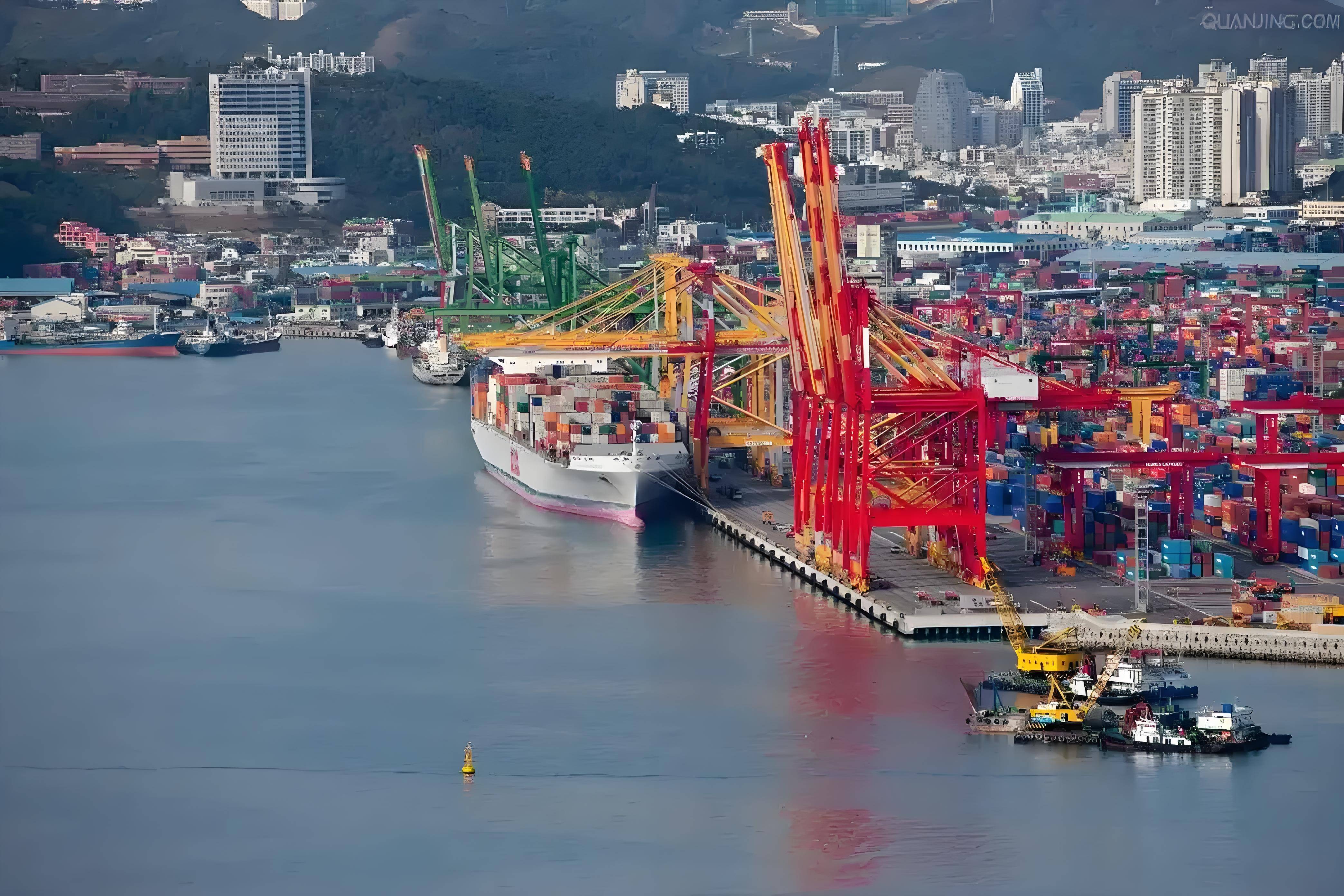
Core Viewpoint - South Korea's export economy is projected to reach a historic high of over $700 billion in 2025, primarily driven by a "super cycle" in the semiconductor industry, while overall export performance reveals concerning weaknesses in other sectors [1][4]. Group 1: Export Performance - In the first eleven months of this year, South Korea's total exports reached $640.2 billion, a year-on-year increase of 2.9%, surpassing the total for 2022 and setting a record for the same period [4]. - The semiconductor industry is the main driver of this growth, benefiting from strong demand fueled by global AI investment expansion [4]. - In November alone, semiconductor exports accounted for 28.3% of South Korea's total exports, marking a new high for the year, compared to around 10% in the first decade of this century [4]. Group 2: Structural Weakness - Excluding semiconductors, South Korea's export value from January to November was $787.6 billion, reflecting a year-on-year decline of 1.5%, highlighting the vulnerability of the export structure [6]. - Several key industries are experiencing negative growth, including petrochemical products (-11.7%), petroleum products (-11.1%), steel (-8.8%), and machinery (-8.9%) [6]. - Exports of displays, home appliances, and secondary batteries also saw declines exceeding 9% [6]. Group 3: Economic Concerns - The heavy reliance on a single industry for growth raises significant concerns among economic experts regarding the health of South Korea's export structure [9]. - The semiconductor sector is characterized by high volatility, influenced by global technology cycles, geopolitical risks, and supply chain changes, posing a risk to the overall economy if demand cools [9]. - Challenges for South Korea's export outlook include global economic slowdown, ongoing trade uncertainties, and tariff policies from major trading partners, necessitating a long-term strategy to diversify and balance the export structure [9].
中国贸易顺差破万亿美元,出口版图在“关税战”中重塑
Sou Hu Cai Jing· 2025-12-09 08:10
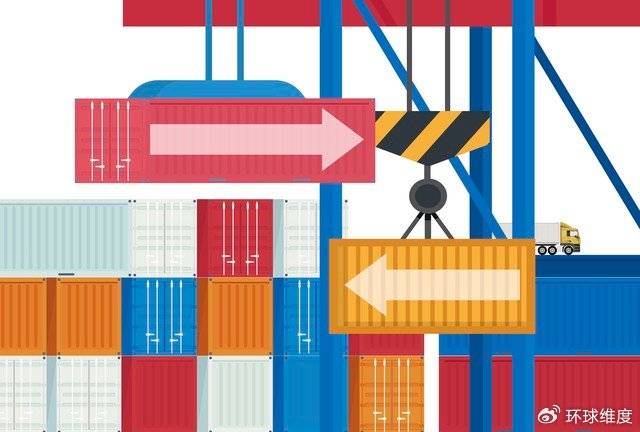
Core Insights - China's trade surplus has surpassed $1 trillion for the first time, reaching $1.076 trillion in the first 11 months of 2025, marking an unprecedented economic milestone [3][4] - The trade dynamics have shifted, with a notable decline in exports to the U.S. while increasing reliance on markets such as the EU, Southeast Asia, and Australia [3][5] Trade Surplus Composition - China's total goods trade value reached 41.21 trillion yuan, a year-on-year increase of 3.6%, driven by exports of 24.46 trillion yuan (up 6.2%) and imports of 16.75 trillion yuan (up only 0.2%) [4] - In November, trade growth showed signs of recovery, with total trade value at 3.9 trillion yuan, a 4.1% increase year-on-year, where exports grew by 5.7% and imports by 1.7% [4] - Exports to the U.S. saw a significant decline, with total trade value dropping to 2.08 trillion yuan in the first half of 2025, a decrease of 9.3% year-on-year, and a 20.8% decline in the second quarter [4] Market Diversification - In response to the decline in U.S. exports, China is accelerating market diversification, with strong growth in exports to other major trading partners [5] - Exports to the EU increased by 14.8%, to Australia by 35.8%, and to Southeast Asia by 8.2% in the first 11 months of the year [6] - The trade relationship with Australia has seen nearly 100% growth over the past decade, with bilateral trade reaching $211.53 billion in 2024, surpassing U.S.-Australia trade [6] Differentiated Market Opportunities - The trade relationship between China and the EU is characterized by high complementarity, with a 30.4% increase in high-end equipment imports from the EU and an 81.9% increase in industrial robot exports to the EU [6] - In Southeast Asia, increased investment by Chinese companies in countries like Vietnam and Thailand has driven exports of intermediate electronic products [6] - The Australian market benefits from the entry of Chinese e-commerce platforms, potentially reducing overall inflation rates by 20-50 basis points [7] Structural Changes in Exports - China's export structure is shifting from labor-intensive products to mid-to-high-end manufacturing, with significant growth in shipbuilding (43.7%) and integrated circuits (33.4%) [7] - Traditional labor-intensive products are facing challenges, with declines in exports of bags, textiles, and toys [7] - The transition towards providing comprehensive solutions in high-end manufacturing is enhancing China's position in the global supply chain [7] Emerging Trade Patterns - China's trade with Belt and Road Initiative countries reached 11.29 trillion yuan, a 4.7% increase, accounting for 51.8% of total trade, marking a fundamental shift in trade patterns [8] - The share of U.S. exports has decreased from 16.8% in 2019 to 12% in 2025, while ASEAN's share has increased to 17.8% [8] - The global supply chain is experiencing an "eastward" shift, with rising demand for automation and engineering machinery in emerging markets [8] Cross-Border E-commerce Growth - Cross-border e-commerce has become a significant new force in China's foreign trade, with a 14% year-on-year growth in import and export scale, and a 16.9% increase in exports [8] - The changes in China's trade landscape reflect a continuous optimization of export structures and an expanding global trade network [8]
11月进出口数据点评:高技术提速,新市场托底
Guoxin Securities· 2025-12-09 06:02
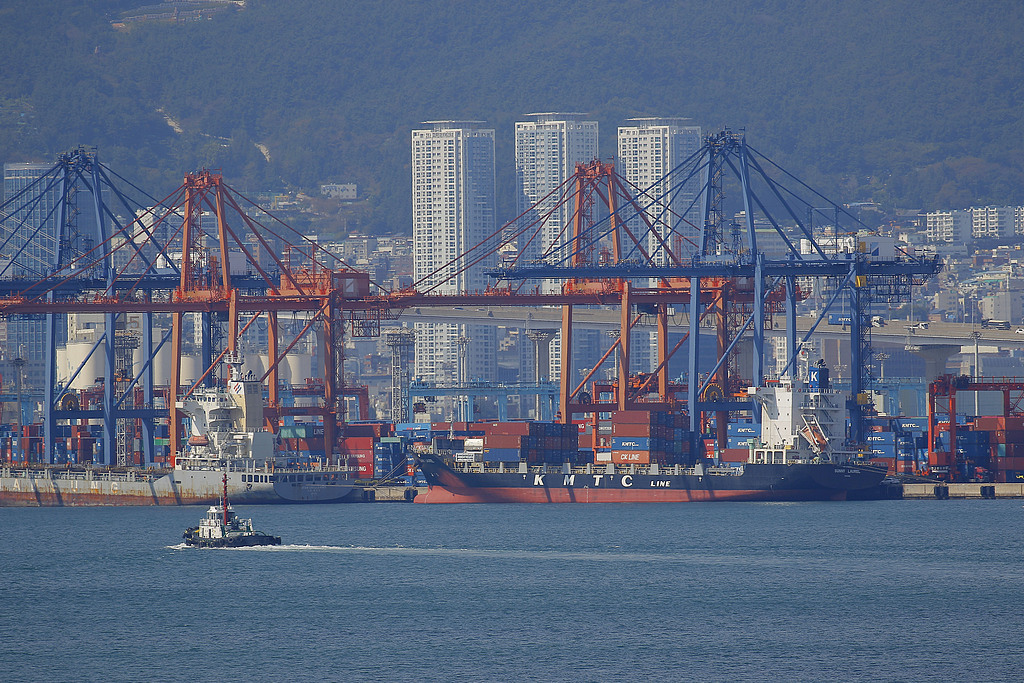
Group 1: Export Performance - November exports increased by 5.9% year-on-year, reaching $330.35 billion, a significant recovery from October's -1.1%[2] - Cumulative exports from January to November grew by 5.4%, while imports declined by 0.6%, resulting in a trade surplus of $1,075.85 billion[2] - High-tech and emerging products are driving export growth, with significant increases in automotive (53.0%), ships (46.4%), rare earths (34.9%), and integrated circuits (34.2%) exports[11] Group 2: Import Trends - November imports rose by 1.9% year-on-year to $218.67 billion, slightly below the expected 2.8%[13] - The import structure shows resilience in production demand, with notable increases in aircraft (88.7%), copper ore (35.3%), and integrated circuits (13.9%) imports[14] - Trade surplus reached $111.68 billion in November, marking the second-highest level of the year[14] Group 3: Market Dynamics - The global manufacturing recovery is uneven, with developed economies showing weak demand, while emerging markets like ASEAN and India maintain strong growth[7] - Container shipping rates are stabilizing, with the index rising to 1114.89, indicating a rebound in shipping demand[7] - The outlook for exports remains stable, with a projected year-on-year growth of approximately 5.5% for the year, and a potential decline to around 5% next year due to slowing external demand[16]
涉网络安全技术等领域 市场监管总局批准发布一批重要国家标准
Xin Hua Cai Jing· 2025-12-09 03:18
Group 1: Emerging Fields - The release of 5 national standards related to cybersecurity technology aims to strengthen national cybersecurity defenses and promote healthy development of the digital economy [1] - 7 national standards in information technology will ensure interoperability and security of information systems through unified technical application specifications [1] - 3 national standards for artificial intelligence social experiments support the healthy and orderly development of intelligent society [1] - 7 national standards for nanotechnology will assist in unifying relevant technical characterization and testing specifications [1] Group 2: Transportation and Environmental Protection - 44 national standards covering automotive steering systems, vehicle brake fluids, railway construction machinery, rail transit vehicles, shore power for ships, containers, and aerospace components contribute to the construction of a strong transportation nation [2] - 10 energy-saving and environmental protection standards in industrial boilers, meat processing, food processing, alcoholic beverages, and lead-zinc industries support the fight against pollution [2] Group 3: Safety Production - National standards for assessing combustible dust explosion risks and guidelines for gas protection station construction in chemical parks aim to enhance safety levels in chemical production [2] - 5 emergency management national standards, including guidelines for emergency drills and scenario construction methods, are designed to improve emergency response capabilities [2] - 11 mandatory national standards for fire trucks ensure technological advancement in fire truck products and enhance the operational capabilities of fire rescue teams [2] Group 4: Public Services - 3 national standards for educational organization management certification requirements and 7 guidelines for standardized education course construction in logistics, elderly care, automation, and IoT lay the foundation for cultivating versatile talents and promoting education integration [2] - Guidelines for the usability of home health care products and services support the construction of an age-friendly society [2] - 4 national standards related to asset management digital maturity and cultural digital asset valuation aim to improve the digital level of asset management and enhance transparency and security in digital asset transactions [2] Group 5: Daily Life - National standards for smart textiles guide the standardized development of smart textile products [3] - The introduction of national standards for biodegradable plastic shopping bags promotes resource recycling [3] - National standards for testing methods related to formaldehyde content in leather and fur, as well as short-chain chlorinated paraffins, enhance detection capabilities for harmful substances [3] - 8 national standards for surgical implants and sterilization of medical products aim to improve the quality and safety of medical devices [3] - Additional national standards were released for rice, navel oranges, rural toilets, and oil drilling equipment [3]
韩国出口额逼近日本
Huan Qiu Wang Zi Xun· 2025-12-09 01:53
Group 1 - South Korea's export value is expected to historically approach Japan's, with the gap narrowing to less than $30 billion, raising high expectations in the South Korean industry for potentially matching or surpassing Japan for the first time [1] - From January to October this year, South Korea's total export amounted to $579.1 billion, while Japan's was $606.1 billion, marking the lowest recorded gap compared to the full year of 2024, which had a gap of $122.4 billion [1] - The improvement in South Korea's exports is heavily reliant on the semiconductor industry, as excluding this category would result in negative growth for overall exports this year [1] Group 2 - In the first eleven months of this year, South Korea's cumulative export value increased by 2.9% year-on-year, but exports of categories other than semiconductors declined by 1.5% [2] - In November, South Korea's semiconductor exports grew by 38.6% year-on-year, reaching a record high of $17.26 billion, accounting for 28.3% of total exports, the highest proportion this year [1] - The current export structure of South Korea is significantly concentrated on a single key category, with 10 out of 15 major export categories experiencing declines, indicating a potential vulnerability if the semiconductor market weakens [2]
今年韩国出口额逼近日本,韩产业界期待“追平乃至反超”
Huan Qiu Shi Bao· 2025-12-08 22:44
Group 1 - South Korea's export value is projected to historically approach Japan's, with the gap narrowing to less than $30 billion, raising expectations in the South Korean industry for a potential equalization or even surpassing Japan [1] - From January to October 2023, South Korea's total export amounted to $579.1 billion, while Japan's was $606.1 billion, marking the lowest recorded difference compared to the full year of 2024, which had a gap of $122.4 billion [1] - The export gap briefly narrowed to $3.2 billion in the first half of 2024 but widened again due to fluctuations in the international market in the latter half of the year [1] Group 2 - The improvement in South Korea's exports is heavily reliant on the semiconductor industry; excluding this category, overall exports would have shown negative growth [3] - From January to November 2023, South Korea's cumulative export value increased by 2.9% year-on-year, but exports of other categories, excluding semiconductors, declined by 1.5% [3] - In November 2023, semiconductor exports surged by 38.6% year-on-year, reaching a record high of $17.26 billion, accounting for 28.3% of total exports, the highest proportion for the year [3] - The export structure of South Korea is significantly concentrated on a single key category, with declines observed in 10 out of 15 major export categories, including petrochemicals, steel, petroleum products, automotive parts, and wireless communication devices [3] - This phenomenon is interpreted as an "export illusion" caused by a semiconductor supercycle, with potential significant impacts on the South Korean economy if semiconductor market conditions decline [3]
晚报 | 12月9日主题前瞻
Xuan Gu Bao· 2025-12-08 14:53
明日主题前瞻 点评:分析认为,量子信息科技不仅是科技飞跃的引擎,更是国家安全与经济发展的关键支柱。随着技术的持续突破和政策的有力支持,量子科技将逐步 从"实验室"走向"寻常百姓家",重塑未来产业格局,成为推动经济社会高质量发展的新质生产力。 1、人形机器人 | 据北京商报报道,美的集团正式披露六臂轮足式人形机器人"美罗U(MIROU)",作为美的人形机器人家族的第三代产品。众擎机器人发布全 尺寸通用人形机器人T800,据介绍,其搭载29个全栈一体化关节模组,综合体能超越90%成年男性。智元第5000台通用具身机器人,灵犀X2正式量产下 线。另据业内透露,特斯拉审厂行程开启,是OptimusV3人形机器人量产前的关键验证环节。 点评:研究机构认为,特斯拉擎天柱(Optimus)跑步视频,新工艺引起关注等催化,表明Optimus3代机器人定型及量产正加速推进,预期更加理性且一致。 美国转向支持机器人技术,我国产业支持和补贴政策也有望出台。展望2026年,人形机器人量产箭在弦上,后续催化密集,丝杠等零部件环节,以及本体制 造等,市场机遇明显。 2、船舶 | 据央视新闻报道,12月8日,中船集团与中国远洋海运集团在上 ...



A股公告精选 | 美的集团(000333.SZ):完成回购1.35亿股
智通财经网· 2025-12-08 12:28
Group 1 - Midea Group has completed its share repurchase plan, with a total amount reaching the upper limit of 10 billion yuan, repurchasing 135 million shares, accounting for 1.76% of the total share capital [1] - Mu Xi Co., Ltd. announced the results of its online issuance, with a total of 19,331 winning numbers, each allowing the subscription of 500 shares [2] - ST Yishite plans to transfer 418 million shares, representing 17.93% of the total share capital, to Hubei Jingjiang Industrial Investment Group, making it the controlling shareholder [4] Group 2 - China Merchants Heavy Industry plans to invest 258 million yuan in Shenshan Port Investment Company, acquiring a 20% stake [5] - Snowman Group's metal plate fuel cell stack project has passed final acceptance, establishing a solid technical foundation for mass production [6] - Honghua Digital Technology intends to acquire 49% of Shandong Yingkejie for 105 million yuan, making it a wholly-owned subsidiary [7] Group 3 - Tianfu Communication is planning to issue H-shares on the Hong Kong Stock Exchange, with details yet to be finalized [9] - Tianqi Lithium intends to apply for designated delivery warehouse qualifications for lithium hydroxide at the Guangzhou Futures Exchange [10] - Puran Co., Ltd. plans to acquire 49% of Noah Changtian's equity, which will become a wholly-owned subsidiary [11] Group 4 - Aerospace Rainbow is establishing a weather modification technology company with Zhongtian Rocket, with a total investment of 50 million yuan [12] - Yifan Pharmaceutical's products have been included in the 2025 National Medical Insurance Directory, enhancing its market position [13] - Weidi Co., Ltd. plans to acquire controlling stakes in Jiangsu Jiuxing Precision Technology [14] Group 5 - Agricultural Bank announced a cash dividend distribution of approximately 41.823 billion yuan for the first half of 2025 [20] - Cambridge Technology plans to increase capital by 100 million USD in its US subsidiary to expand production capacity [21] - Hunan Silver plans to conduct annual maintenance from December 9, 2025, to January 5, 2026 [22] Group 6 - Kemin Foods reported a 110.77% year-on-year increase in sales revenue from pig sales in November 2025 [23] - Yisheng Co., Ltd. reported a 28.43% year-on-year decrease in sales revenue from white feather broiler chicks in November 2025 [24] - New Tian Green Energy achieved a cumulative power generation of 13.3689 million MWh in the first 11 months of 2025, a year-on-year increase of 8.04% [25] Group 7 - Ankai Bus reported a 57.71% year-on-year increase in cumulative sales in the first 11 months of 2025 [27] - Daqin Railway completed a cargo transportation volume of 37.22 million tons in November 2025, a year-on-year increase of 1.75% [28] - Zhongtong Bus reported a 39.53% year-on-year increase in sales volume in November 2025 [29] Group 8 - Ringxu Electronics reported a 1.97% year-on-year decrease in consolidated operating revenue for the first 11 months of 2025 [31] - Xiangpiaopiao's major shareholder plans to reduce holdings by no more than 0.1% of the company's shares [32] - Zhongzi Technology's shareholder plans to reduce holdings by no more than 3% of the company's shares [33] Group 9 - Goldwind Technology's subsidiary reduced its holdings in Jinli Permanent Magnet, expecting an investment income of approximately 215 million yuan [34] - Hailun Zhe plans to repurchase shares worth 50 million to 100 million yuan [35] - Wentai Technology's major shareholder plans to reduce holdings by no more than 3% of the company's shares [37] Group 10 - Licheng Group signed a procurement agreement with Weijing Intelligent for humanoid robot components, with an estimated contract value of approximately 75 million yuan [40] - Jieshun Technology won the underground parking lot operation management project, expected to generate over 70 million yuan in revenue [42] - Jifutong is a candidate for the China Mobile procurement project, with expected amounts of 411 million yuan and 162 million yuan [43]