运动服饰

Search documents
安踏“少帅”的考题:MAIA ACTIVE如何穿越“专业”的窄门?
Guan Cha Zhe Wang· 2026-01-13 11:16
Core Insights - MAIA ACTIVE, a women's sports brand under Anta Group, is undergoing significant structural changes, with operations now reporting directly to Ding Shaoxiang, son of Anta's chairman, indicating a strategic shift towards more aggressive brand transformation [1][8] - Anta acquired 75.1% control of MAIA ACTIVE in October 2023, aiming to fill a gap in the high-end women's sports market, particularly in yoga apparel, amidst a growing consumer trend influenced by brands like Lululemon [2][3] - The brand is refocusing on yoga, implementing a "three no" principle: no male market, no down-market expansion, and no non-yoga activities, with plans to eliminate 10%-15% of non-core product lines [3][5] Company Strategy - Under the leadership of Zhao Guangxun, appointed in May 2024, MAIA ACTIVE aims to become the leading yoga apparel brand in China and Asia, with a target of achieving a 50%-60% annual compound growth rate over the next five years [2][5] - The brand's marketing strategy has shifted from grassroots, diverse representation to celebrity endorsements, with the announcement of a new brand ambassador, Yu Shuxin, in May 2025, reflecting a more performance-driven approach [5][16] - MAIA ACTIVE's store count has increased from 36 to nearly 60, primarily in high-end shopping malls in first-tier cities, with an average store size doubling, indicating a strong expansion strategy [3][5] Market Positioning - MAIA ACTIVE's revenue grew approximately 30% year-on-year in 2024, but this growth is not considered outstanding within Anta Group, highlighting the need for further brand development [5][7] - The brand's identity has shifted from a focus on empowering women to a more performance-oriented narrative, which has led to criticism from some consumers regarding its alignment with original brand values [16][17] - The competitive landscape for yoga apparel is intensifying, with brands like Lululemon and local competitors improving their offerings, raising questions about MAIA ACTIVE's ability to maintain a strong market position solely by focusing on yoga [18][20] Leadership and Future Directions - Ding Shaoxiang's involvement signifies a strategic upgrade for Anta in the high-end women's sports segment, drawing on his successful experience with the Descente brand in China [8][9] - The challenge for MAIA ACTIVE is to redefine its value proposition beyond being a mere alternative to Lululemon, aiming to establish itself as an independent brand with a unique identity in the high-end market [20] - Future adjustments may involve a deeper exploration of what high-end yoga means for women, potentially expanding the brand's narrative to encompass lifestyle elements beyond just apparel [20]


361度(01361):2025Q4营运情况点评:终端强增长韧性,超品店快速扩张
NORTHEAST SECURITIES· 2026-01-13 03:15
Investment Rating - The report maintains a "Buy" rating for the company 361 Degrees [5] Core Insights - The company demonstrated strong growth resilience with a year-on-year increase of approximately 10% in offline retail sales for both the main brand and children's clothing in Q4 2025, maintaining the same growth rate as Q3 2025 [2] - E-commerce sales continued to outperform offline channels, with high double-digit year-on-year growth in Q4 [2] - The company is focused on brand building and has announced a new strategic partnership with the Olympic Council of Asia, showcasing its commitment to innovation and sustainability through product launches [3] - The company has accelerated its layout in instant retail, with over 1,000 stores joining Taobao Flash Purchase, and has opened its first overseas store in Cambodia [3] - Revenue projections for 2025-2027 indicate a growth of 13.8%, 11.1%, and 10.1%, reaching 11.47 billion, 12.74 billion, and 14.03 billion yuan respectively, with net profit expected to grow by 11.6%, 15%, and 10.3% [3] Financial Summary - For 2023, the company reported a revenue of 8,423.26 million yuan, with a year-on-year growth of 21.01%. Projections for 2024 and 2025 are 10,073.51 million yuan and 11,466.19 million yuan respectively, with growth rates of 19.59% and 13.83% [4] - The net profit attributable to the parent company for 2023 was 961.43 million yuan, with expected growth to 1,148.62 million yuan in 2024 and 1,281.74 million yuan in 2025, reflecting growth rates of 28.68% and 11.59% [4] - The earnings per share (EPS) is projected to increase from 0.47 yuan in 2023 to 0.56 yuan in 2024 and 0.62 yuan in 2025 [4]
中信建投:看好26年高端消费复苏投资机会 中前期刚需性强品类率先复苏
智通财经网· 2026-01-13 03:13
Core Viewpoint - The report from CITIC Securities indicates a gradual recovery in high-end consumption in China since Q3 2025, driven by the wealth effect from rising stock markets, with positive signs from international luxury brands and high-end retail properties [1] Group 1: Recovery Indicators - International luxury brands have shown signs of recovery since Q2 2025, with revenue growth returning in the Asia-Pacific region by Q3 2025 [2] - High-end retail properties in China began to recover at the end of 2024 and early 2025, with improved occupancy rates and sales, particularly in top luxury malls [2] - The global luxury market also entered a recovery phase starting Q3 2025 [2] Group 2: Investment Opportunities in High-End Consumption - The recovery of high-end consumption is influenced by factors such as the proportion of VIC (Very Important Customer) groups, the sequence of consumption based on wealth increase, the elasticity of supply, and consumption trends [3] - Categories with strong initial demand, driven by social status and identity needs, are expected to recover first, while categories with a high proportion of VIC customers and good supply conditions will show more sustained growth [3] - The fastest-growing segments in the luxury market from 2019 to 2025 include luxury cruises, private jets, high-end dining, personal luxury goods, luxury hotels, and high-end home goods [3] Group 3: Recommended Investment Targets - The report recommends focusing on luxury jewelry and leather goods, high-end domestic beauty products, and high-end outdoor sports [4] - Specific companies to watch include gold and jewelry brands like Lao Pu Gold and Chow Tai Fook, beauty brands like Mao Ge Ping, and sportswear brands like Anta Sports [4] - Other areas of interest include high-end commercial real estate, high-end residential real estate, gaming, private aviation, high-end tourism and dining, and premium liquor [4]




妙可蓝多,经销商数量为何下滑?丨消费参考
2 1 Shi Ji Jing Ji Bao Dao· 2026-01-13 02:48
Group 1 - Miaokelan maintains growth amidst market fluctuations, with Q3 2025 revenue increasing by 14.22% to 1.39 billion yuan and net profit attributable to shareholders rising by 214.67% to 42.97 million yuan [1] - The B-end market is driving growth, with liquid milk, cheese, and dairy product trade revenues for Q3 2025 at 87.15 million yuan, 1.166 billion yuan, and 130 million yuan, showing year-on-year changes of -8.55%, +22.44%, and -7.27% respectively [2] - The company is optimizing its distribution channel quality, leading to a decrease in the number of distributors, which is part of a strategic shift from scale coverage to efficiency enhancement [3] Group 2 - The integration of Mengniu's cheese business has created synergies, allowing for a unified B-end operation system and improved revenue from baking and tea coffee channels [3] - The demand for cheese in the catering market is significantly influenced by foreign brands, but Miaokelan's products are gradually achieving domestic substitution [4] - The temporary anti-subsidy measures on EU dairy products by the Ministry of Commerce in December 2025 are expected to accelerate the domestic substitution process, enhancing the company's competitive position [5]

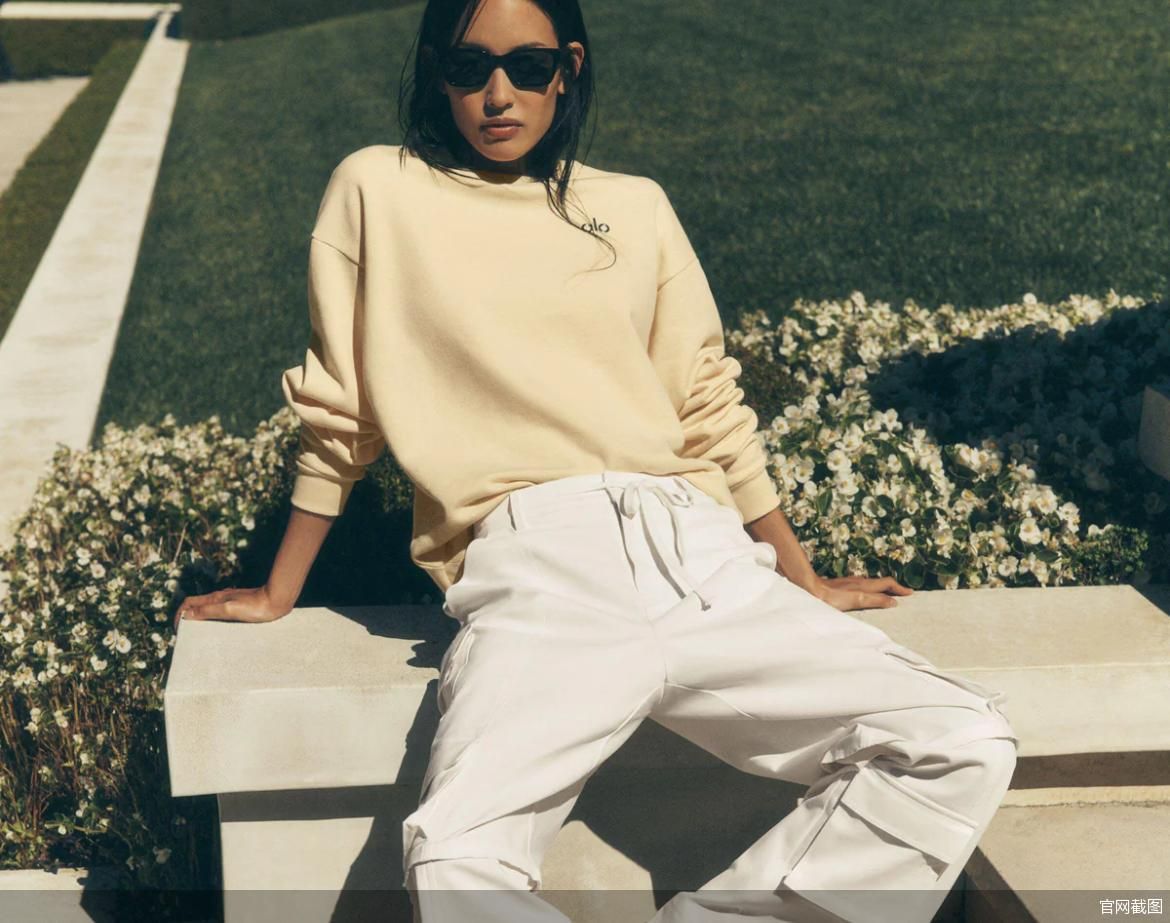
全球扩张的Alo何时入华
Bei Jing Shang Bao· 2026-01-12 14:32
Core Viewpoint - Alo, a rising sportswear brand, is planning to open its first stores in China by the second quarter of 2026, following the appointment of a former Dior executive as CEO for international business, indicating a strategic push for global expansion [1][3][9]. Group 1: Company Background and Growth - Alo was founded in 2007 in Los Angeles, initially focusing on high-quality yoga apparel and has since expanded into various categories, targeting high-income Gen Z consumers [4]. - The brand gained significant popularity starting in 2020, leveraging celebrity endorsements to resonate with Gen Z, resulting in a revenue increase from approximately $200 million in 2020 to $1 billion in 2022, marking a fivefold growth [6][7]. - As of 2024, Alo's annual revenue has stabilized around $1 billion, with rapid global expansion, including new stores in the UK, Thailand, Indonesia, and a flagship store in Seoul [7]. Group 2: Global Expansion Strategy - Alo's recent appointment of Benedetta Petruzzo, a former executive from Dior and Miu Miu, as CEO for international business aims to enhance global operations, focusing on customer experience, market strategy, and brand positioning [3][4]. - The brand's global expansion is driven by the need to capture growth opportunities in markets like China, especially as the North American market faces economic challenges [3][5]. Group 3: Market Entry Challenges - Despite the anticipation surrounding Alo's entry into China, the brand faces significant competition from established players like Lululemon, which has a strong foothold in the Chinese market with over 151 stores and substantial revenue [11]. - Alo's entry may be complicated by the prevalence of counterfeit products in China, which could impact brand perception and necessitate additional investment in brand protection [10][11].
国泰海通 · 晨报260113|纺服、化妆品、速冻食品、计算机
国泰海通证券研究· 2026-01-12 14:01
Group 1: Nike and Adidas Market Dynamics - Nike and Adidas are key players in the global sportswear sector, influencing the investment landscape of the A+H textile and apparel sector through their strategic directions and performance fluctuations [2] - The manufacturing side shows a high concentration of leading OEM brands, with Nike and Adidas collectively contributing over 30% to the market, impacting suppliers' capacity utilization and performance volatility [2] - The retail landscape in Greater China is reshaped by the brand momentum of Nike and Adidas, which directly affects the competitive landscape and market share of domestic sports brands [3] Group 2: Supply Chain and Channel Resilience - Core retailers in Greater China, such as Tmall and Baosheng, have deep financial ties with Nike and Adidas, where the inventory cycles and discount strategies of the brands dictate the profitability of these channel partners [4] - The report reviews the fundamental recovery paths of Nike and Adidas over the past five years, considering impacts from the pandemic, Xinjiang cotton events, management changes, and tariff negotiations, to predict future industry trends and their effects on the supply chain and channel partners [4] Group 3: GEO Marketing and E-commerce Opportunities - The shift from SEO to GEO (Generated Engine Optimization) marketing presents significant opportunities for e-commerce operators, who can leverage their understanding of platforms and content marketing to meet brand marketing needs [8] - The Chinese GEO market is rapidly growing, with a projected 215% year-on-year increase by Q2 2025, as over 78% of enterprise decision-makers prioritize AI search optimization in their digital transformation strategies [10] - The transition to GEO is expected to reshape user decision-making paths, with AI-driven recommendations significantly improving customer acquisition conversion rates by 2.8 times compared to traditional search engines [10] Group 4: Food Supply Sector Recovery - The food supply sector has passed its worst phase, with competition becoming more rational, and leading companies are making progress in new products, channels, and markets [14] - The consensus is forming around a slowdown in competition, with the sector's profit margins rebounding in Q3 2025, indicating a potential for recovery in demand and market conditions [15] - The focus on new products and channels is expected to drive growth, with the potential for a "Davis double" effect if performance exceeds expectations amid a low valuation environment [15]
LVMH管理层再洗牌;Alo挖角前Dior总经理
2 1 Shi Ji Jing Ji Bao Dao· 2026-01-12 05:07
Group 1: Luxury Goods Sector - The luxury goods sector is undergoing significant management changes, with brands like Givenchy, Dior, and Hermès initiating leadership transitions to enhance brand competitiveness and adapt to market demands [1][3] - Alo has appointed Benedetta Petruzzo, a former Dior executive, as CEO of international business, aiming to strengthen its high-end brand positioning and expand globally [1][2] - LVMH continues its management reshuffle, appointing Amandine Ohayon as CEO of Givenchy and promoting Alessandro Valenti to a key role at Dior, reflecting a strategy focused on internal talent development [3][6][7] Group 2: Sportswear Industry - Anta Sports is reportedly seeking to acquire a 29% stake in Puma, which would make it the largest single shareholder, amidst Puma's declining sales and strategic challenges [4][5] - Puma has appointed Nadia Kokni as Vice President of Global Brand Marketing to lead its marketing strategy during a critical phase of brand restructuring [9][10] Group 3: Beauty Industry - Estée Lauder is considering selling three brands, including Too Faced and Smashbox, for an estimated $300-500 million, significantly lower than the $2.5 billion spent on their acquisition, as part of a strategy to focus on high-end beauty [11][12] - L'Oréal plans to launch over 20 new products in 2026, leveraging multi-channel strategies to drive growth, following a strong performance in the previous year [17][18] Group 4: Domestic Market Trends - The Shanghai New World Daimaru Center has ended its partnership with Japanese retail and will operate independently, marking a significant shift towards local business autonomy [15][17] - The family behind the Chinese beauty brand Mao Geping plans to reduce their stake, raising concerns about the impact on the company's future despite its current growth trajectory [13][14] Group 5: Investment Movements - Fairfax Financial Holdings has increased its stake in Under Armour to 22%, betting on the brand's potential for recovery and transformation amid ongoing challenges [19][20] - The management changes at Hermès Japan, with Shigeru Takagaki taking over, are expected to enhance operational efficiency in the Japanese market [21][22]

LVMH管理层再洗牌;Alo挖角前Dior总经理|二姨看时尚
2 1 Shi Ji Jing Ji Bao Dao· 2026-01-12 05:01
Group 1: Luxury Goods Industry - The luxury goods sector is undergoing significant adjustments with management changes, capital maneuvers, and strategic optimizations as core themes, reshaping the industry landscape [1] - Givenchy and Dior have initiated management changes to enhance brand competitiveness, while Alo has hired a former Dior executive to accelerate its high-end lifestyle transformation [1][2] - LVMH continues its management reshuffle, appointing Amandine Ohayon as CEO of Givenchy and promoting Alessandro Valenti to a key role at Dior, reflecting a strategy focused on internal talent development [6][8][9] Group 2: Sportswear Industry - Anta Sports has made a bid to acquire a 29% stake in Puma, which would make it the largest single shareholder, amidst Puma's declining sales and restructuring efforts [4][5] - Puma has appointed Nadia Kokni as Global Brand Marketing Vice President to lead its marketing strategy during a critical phase of brand restructuring [10] Group 3: Beauty Industry - Estée Lauder is considering selling three brands for $300-500 million, significantly less than the $2.5 billion spent on their acquisition, as part of a strategy to focus on high-end beauty [11][12] - L'Oréal plans to launch over 20 new products in 2026, leveraging multi-channel strategies to capture market growth, following strong performance in recent years [17][18] Group 4: Market Trends - The beauty industry is shifting from incremental to stock market pressures, with high-end positioning becoming increasingly important [1] - The trend of local business autonomy is highlighted by the Shanghai New World New Maru Center ending its partnership with Japanese firms to operate independently, showcasing resilience in local commerce [1][16] Group 5: Company-Specific Developments - Alo has launched a high-end custom series and plans to expand its international presence, including a flagship store on the Champs-Élysées by 2026 [3] - The family behind the Chinese beauty brand Mao Geping plans to sell shares worth up to 1.41 billion HKD, raising concerns about the impact on the company's future despite its current growth [14][15]

野村证券:安踏体育有望从对彪马的潜在收购中获益
Ge Long Hui· 2026-01-12 03:58
Core Viewpoint - Nomura Securities analysts indicate that Anta Sports is expected to benefit from a potential acquisition of Puma, as Puma's established brand advantages in global sports leisure, football, and basketball can complement Anta's current brand matrix, which is more focused on running and outdoor segments [1] Group 1: Anta Sports - Anta has demonstrated strong operational capabilities and extensive multi-brand management experience in the Chinese sportswear market [1] - If the acquisition is successful, there is significant potential for Anta to enhance Puma's localized operations, positioning Puma as another core brand under Anta [1] - Nomura maintains a "Buy" rating on Anta with a target price of HKD 117 [1] Group 2: Puma - Puma is currently facing significant challenges in its business operations, particularly in the Chinese market [1] - The brand has accumulated advantages in the global sports leisure, football, and basketball sectors over the long term [1]
宜家中国将关闭7家门店;韩国版lululemon被收购;山姆499元羽绒服卖爆|品牌周报
36氪未来消费· 2026-01-11 12:26
Group 1: IKEA's Store Closures in China - IKEA China announced the closure of 7 stores by February 2, 2026, marking a rare event in its 20+ years in the Chinese market [3] - The closed stores are primarily large locations, including the Shanghai Baoshan store, which was once the largest IKEA in Asia, operating for over 12 years [3] - Post-closure, IKEA will have 34 physical locations, 3 proprietary digital channels, and 2 flagship e-commerce platforms in China [3] - The company plans to shift its strategy from "scale expansion" to "precise cultivation," focusing on Beijing and Shenzhen, with plans to open over 10 small stores in the next two years [3] - Recent sales declines in IKEA China are attributed to real estate adjustments, changing consumer psychology, and intense competition in the domestic furniture market [3][4] Group 2: Andar's Acquisition - Andar, a yoga apparel brand known as the "Korean version of Lululemon," was acquired by Bain Capital, with a transaction valuation of approximately 500 billion KRW (around 2.4 billion RMB) [5] - Founded in 2015, Andar has expanded its product line to include men's clothing and is priced more affordably compared to Lululemon, with expected sales of around 1 billion RMB in 2025 [5] - The acquisition reflects Bain's belief in Andar's potential for global expansion, as the brand has already entered markets in Japan, Australia, and Singapore [5][6] Group 3: Sam's Club's Success - Sam's Club recently sold out a down jacket priced at 499 RMB, with a filling weight of 400 grams, indicating strong consumer demand [7] - The jacket's popularity is attributed to a shift in consumer behavior towards functionality and simplicity in purchasing decisions [7] - In the past 12 months, Sam's Club has opened 8 new stores in China, marking its most aggressive expansion year [8] - Walmart China reported a net sales figure of 6.1 billion USD for the third quarter of 2026, a year-on-year increase of 21.8%, with Sam's Club continuing to show double-digit growth in transaction volume [8] Group 4: Nestlé's Recall Incident - Nestlé announced a precautionary recall of infant formula in 45 countries, including China, due to quality issues with a supplier's ingredient [9][10] - In China, 30 batches of products were recalled, affecting brands such as Nan and Wyeth, while other Nestlé products remain unaffected [10] - The recall has negatively impacted the stock price of supplier Jia Bi You, which has seen a cumulative decline of over 10% following the announcement [11] Group 5: Domino's Expansion in China - Domino's China reported a total of 1,315 stores by the end of 2025, with a net addition of 307 stores and expansion into 21 new cities [22] - The membership program "达人荟" reached 35.6 million members, a significant increase from 24.5 million the previous year [22] Group 6: Yuanqi Forest's Production Expansion - Yuanqi Forest's northern production base has begun trial production, with a daily capacity exceeding 1 million bottles [23] - The second phase of the project involves an investment of 560 million RMB and aims for a combined annual output value exceeding 1 billion RMB upon full production [23]