茶饮

Search documents
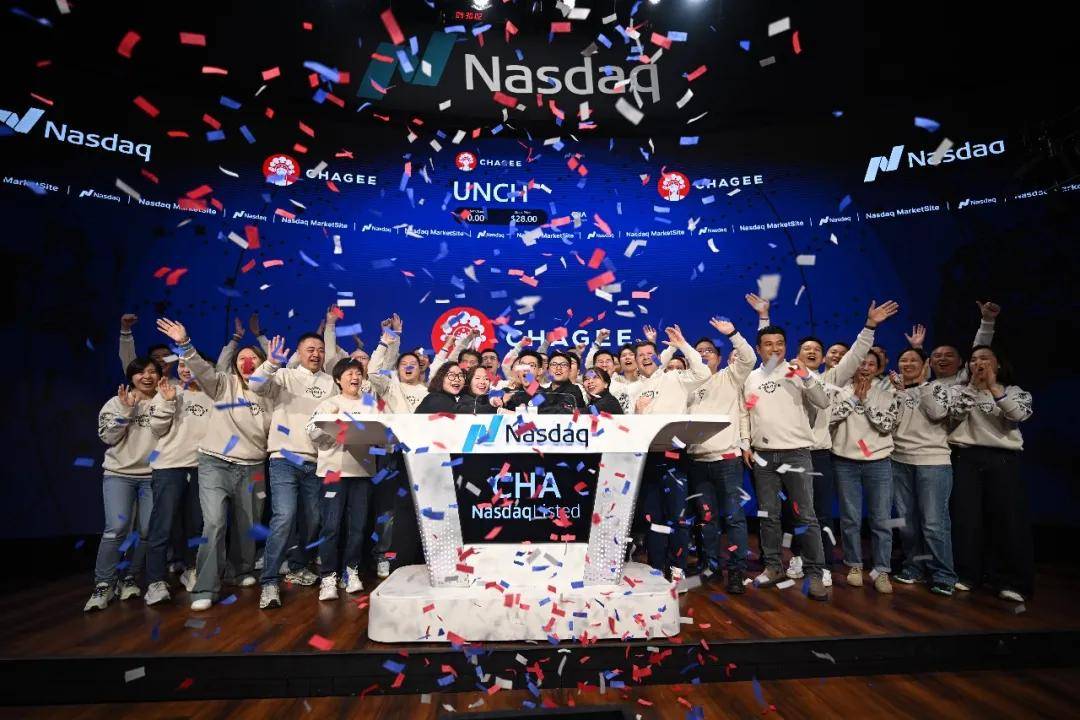
被传将在港股上市,霸王茶姬回应:暂无计划
Nan Fang Du Shi Bao· 2026-01-08 14:12
Group 1 - The core point of the news is that BaWang Tea Ji is considering an initial public offering (IPO) in Hong Kong, potentially raising several hundred million dollars, although discussions are still ongoing and the company may decide not to proceed with the plan [1] - BaWang Tea Ji, founded in Yunnan, China, opened its first store in November 2017 and primarily offers fresh milk tea, pure tea, and fruit tea, with prices ranging from 16 to 25 yuan [3] - As of January 7, 2026, BaWang Tea Ji's market capitalization was reported at 2.484 billion USD, down from 5.92 billion USD on its first day of trading on NASDAQ in April 2025 [3] Group 2 - In the third quarter of 2025, BaWang Tea Ji reported revenues of 3.208 billion yuan, a year-on-year decrease of 9.4%, and a net profit of 394 million yuan, down 38.53% year-on-year [3] - The company had a total of 7,338 stores globally as of September 30, 2025 [3] - Other consumer companies have pursued dual listings in Hong Kong after their initial public offerings in the US, such as Yum China and Miniso [3]

被传港股IPO 霸王茶姬:暂无计划
Mei Ri Jing Ji Xin Wen· 2026-01-08 14:05
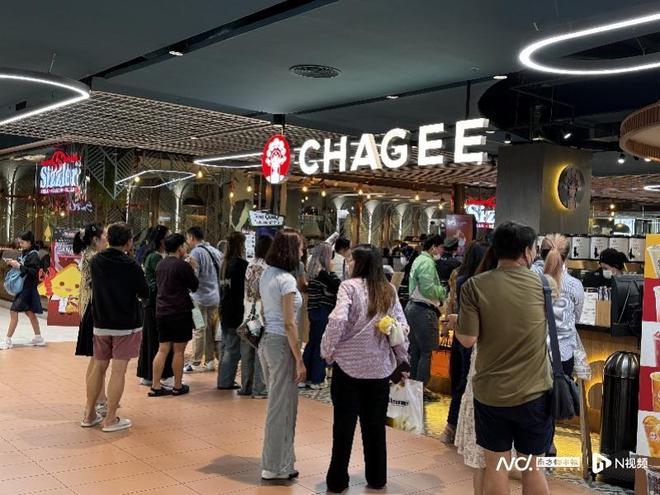
每经记者|王帆 范芊芊 每经编辑|王帆 1月8日,有市场传闻称霸王茶姬将在港股二次上市。对此,公司回应《每日经济新闻》记者称:"暂无 此计划。"目前,新茶饮企业在港股市场十分热闹,上市公司包括蜜雪冰城、古茗、奈雪的茶、沪上阿 姨等。 2025年4月,霸王茶姬已在美国纳斯达克上市。截至2025年9月末,霸王茶姬全球门店数达到7338家, 第三季度总GMV达79.30亿元,净收入32.08亿元。 ...
“翻红”的泰奶,还能火多久?
3 6 Ke· 2026-01-08 13:13
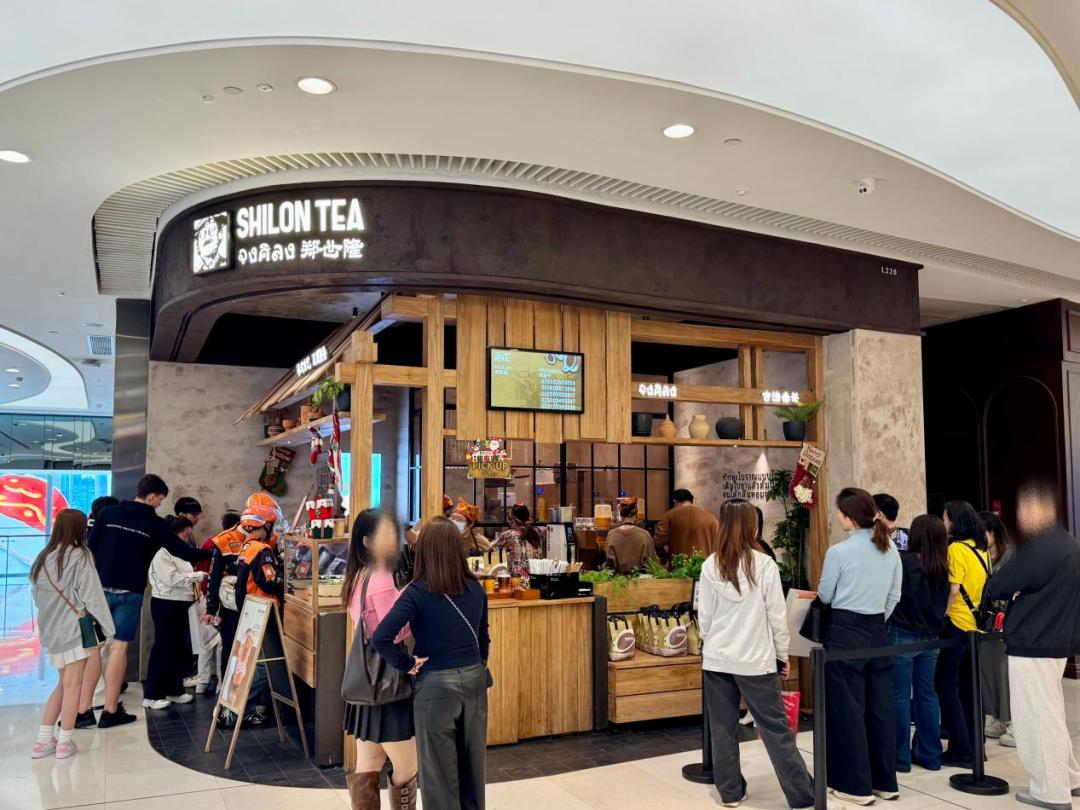
Core Insights - The resurgence of Thai milk tea brands is marked by a shift in consumer perception, moving away from stereotypes of being overly sweet and unhealthy to a focus on natural ingredients and unique flavors [1][13][20] - New Thai milk tea brands are achieving significant financial success, with some stores reporting monthly revenues as high as 950,000 yuan (approximately 135,000 USD) and rapid expansion across major cities [3][8][21] Market Trends - A new wave of Thai milk tea brands, such as Zheng Shilong and Thai Ke Tea Garden, have quickly gained popularity, with the latter expanding to 130 stores in major cities like Beijing and Shanghai within a short time frame [3][8] - Social media platforms like Douyin and Xiaohongshu have seen massive engagement with Thai milk tea content, with related topics garnering over 77 million views on Douyin and 130 million on Xiaohongshu [5][19] Product Positioning - The new Thai milk tea brands are positioned in the mid to high-end market, with prices ranging from 22 to 28 yuan (approximately 3.20 to 4.00 USD), contrasting with previous brands that typically priced their products between 18 to 20 yuan [8][20] - These brands emphasize a premium experience, focusing on store design and product presentation to create an inviting atmosphere for consumers [10][13] Health and Quality Focus - The new brands are actively working to shed negative perceptions associated with Thai milk tea, such as high sugar content and artificial ingredients, by promoting the use of natural ingredients and healthier preparation methods [13][14][20] - Innovations in flavor profiles, such as the introduction of savory elements to balance sweetness, are being utilized to attract health-conscious consumers [16][20] Industry Dynamics - The rise of Thai milk tea brands is supported by a mature industry structure, with effective team collaboration and resource sharing among brands, enabling rapid market penetration and scalability [21][23] - The timing of this trend coincides with a saturation in the traditional tea beverage market, prompting a shift towards unique offerings like Thai milk tea that appeal to younger consumers seeking novelty [20][21] Future Considerations - The sustainability of this trend may be challenged by the need for consistent consumer engagement and the ability to convert initial trial into repeat purchases, which will be crucial for long-term success [23]
徒手拌奶茶、高含咖啡因,霸王茶姬真让人上头
美股研究社· 2026-01-08 11:27
Core Viewpoint - The incident involving a staff member of Bawang Chaji preparing tea in an unsanitary manner has raised significant concerns about food safety and brand trust, highlighting the challenges the company faces in balancing rapid expansion with maintaining hygiene standards and profitability [5][6][7]. Summary by Sections Incident Overview - A viral video showed a Bawang Chaji employee preparing tea without gloves, leading to public outrage and a trust crisis for the brand [5][11]. - The company quickly announced measures, including the indefinite closure of the involved store and the dismissal of the employee, attempting to distance itself from the incident [13]. Brand Positioning and Challenges - Bawang Chaji, positioned as a "new Chinese-style fresh milk tea" brand, has expanded rapidly from Yunnan to nationwide, but faces declining single-store GMV and frequent franchise disputes [7][26]. - The brand's rapid expansion has resulted in high store density, leading to intense competition in key markets like Beijing and Chengdu [24]. Financial Performance - Despite a significant increase in the number of stores, Bawang Chaji's total GMV decreased from approximately 83.01 billion yuan in 2024 to 79.3 billion yuan in 2025, indicating a decline of 3.71 billion yuan [26]. - The average monthly GMV per store has also been on a downward trend, dropping from 57.4 million yuan to 37.85 million yuan over several quarters [26]. Food Safety and Management Issues - The company has faced multiple food safety complaints, including a recent incident where a customer found plastic in their drink, raising questions about the effectiveness of its food safety management [20][21]. - Bawang Chaji's franchise model, which requires significant investment from franchisees, has led to concerns about the adequacy of training and oversight for food safety practices [27]. Industry Context - While Bawang Chaji has aggressively expanded, other leading tea brands like Heytea and Nayuki have slowed their growth, indicating a potential shift in industry dynamics [28]. - The essence of the new tea beverage industry is service, and maintaining food safety is crucial for long-term brand success, emphasizing the need for a balance between expansion and quality control [29].

茶饮六小龙掀起EGC整顿风暴
3 6 Ke· 2026-01-08 09:54
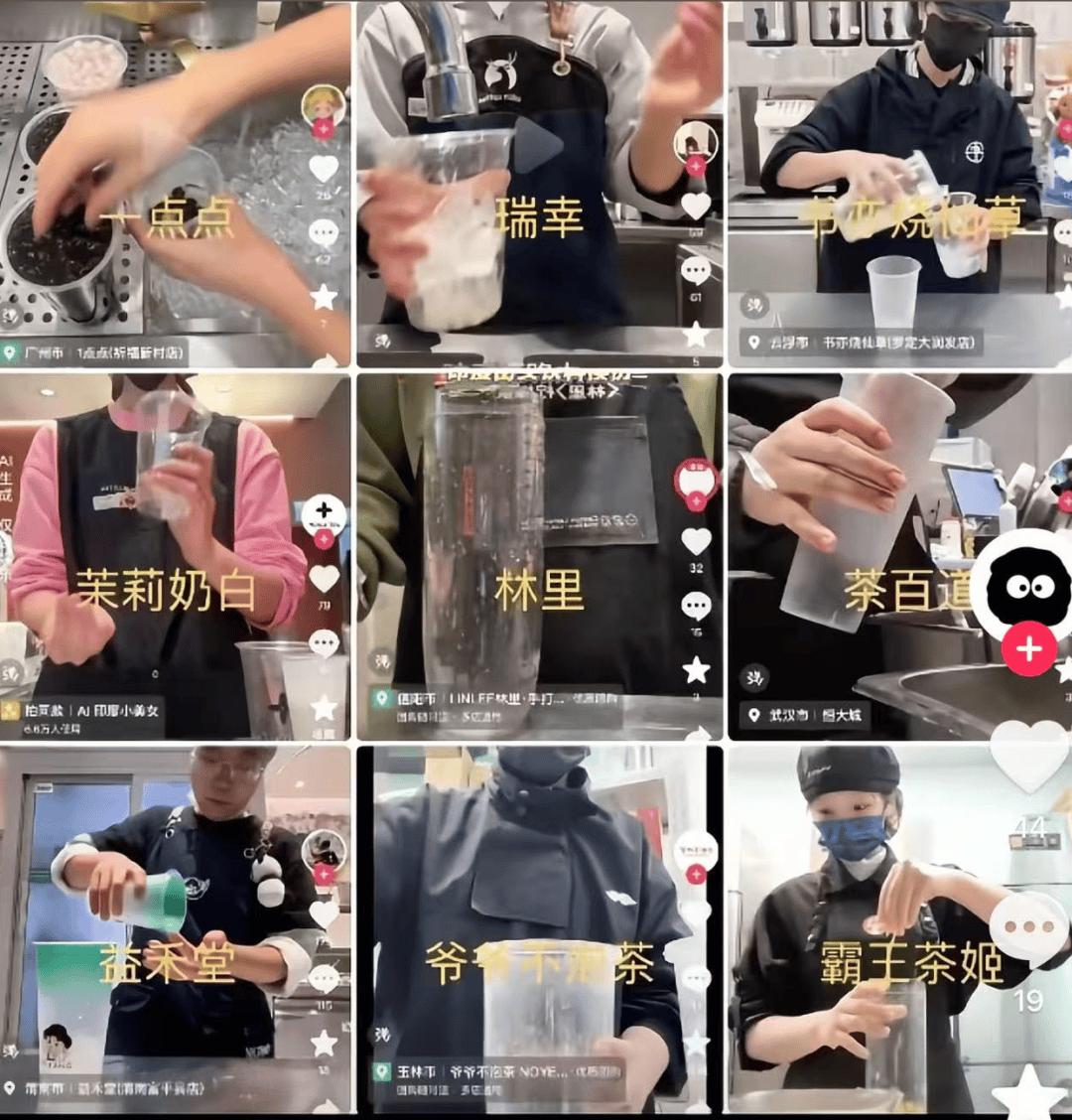
Core Viewpoint - The incident involving "Bawang Tea Ji" and its apology for a video depicting "making milk tea with bare hands" has triggered a rapid response across the tea beverage industry, leading to a collective halt on employee-generated content (EGC) and a wave of internal investigations among brands like Gu Ming, Starbucks, and Luckin Coffee [1][5][10]. Group 1: Industry Response - Following the incident, several tea brands initiated immediate internal checks, prohibiting employees from filming videos and issuing rectification notices [1][8]. - The rapid response indicates a shift from encouraging employee-generated content to a more cautious approach, reflecting the industry's concern over potential risks associated with such marketing strategies [4][10]. - The incident has led to a broader industry-wide self-examination regarding the management of employee-generated content, with brands now prioritizing compliance and risk management [10][17]. Group 2: Employee-Generated Content (EGC) Dynamics - EGC, which allows employees to share their perspectives on daily operations and product creation, was previously seen as a cost-effective and engaging marketing strategy [2][3][12]. - The recent backlash against EGC highlights the dual-edged nature of this marketing approach, where the potential for brand exposure is countered by the risks of unregulated content creation [12][17]. - The industry is now grappling with the challenge of balancing the benefits of EGC with the need for stricter content management to avoid reputational damage [17][18]. Group 3: Brand Management and Governance - The incident has exposed weaknesses in brand governance and the ability to manage decentralized content creation effectively, as many brands lack the tools to oversee employee-generated content [17][18]. - There is a growing recognition that as brands expand and employee-generated content becomes more prevalent, companies must develop clearer guidelines and frameworks to manage content risks [18]. - The need for a more structured approach to content creation is evident, as brands seek to maintain consumer trust while allowing employees some creative freedom [17][18].

古茗尾盘涨逾6% 门店总数已提升至约1.3万家 公司今年开店目标积极
Zhi Tong Cai Jing· 2026-01-08 09:40
Core Viewpoint - Guming (01364) has shown significant stock performance, with a 6.15% increase, reaching HKD 26.94, and a trading volume of HKD 155 million, indicating strong market interest and confidence in the company's growth potential [1] Expansion Plans - Guming plans to open approximately 3,000 new stores by 2025, increasing the total number of stores to around 13,000 [1] - There are still 17 provinces in China where Guming has not established a presence, indicating substantial market expansion opportunities [1] - Based on the current store density in Zhejiang, the long-term potential for store openings in China is estimated to exceed 40,000 [1] Market Position and Strategy - Pacific Securities identifies Guming as the most "certain and spacious" player in the tea beverage sector, highlighting its strong market position [1] - Despite the reduction in delivery subsidies, same-store performance remains stable, showcasing the company's resilience [1] - Guming's store expansion strategy focuses on increasing density in existing regions and breaking into strategic markets [1] - The company aims to maintain same-store sales targets through adjustments in channel structure to increase dine-in ratios and enhance franchisee revenue, alongside introducing new product categories like coffee and baked goods to support same-store sales [1]
港股异动 | 古茗(01364)尾盘涨逾6% 门店总数已提升至约1.3万家 公司今年开店目标积极
智通财经网· 2026-01-08 09:38
太平洋证券表示,古茗为茶饮赛道中最具备"确定性和空间性"的标的,外卖补贴退坡后同店表现依旧稳 健,今年开店目标积极,门店扩张的核心抓手是已进入区域加密+战略市场突破。今年同店目标维稳, 将通过渠道结构调改,提高堂食占比方式增加加盟商实收率,以及通过咖啡、烘焙新品类形成同店支 撑。 消息面上,据不完全统计,古茗2025年净开店约3000家,门店总数已提升至约1.3万家,开源证券指 出,全国仍有17个省份尚未布局,空白市场开拓空间广阔,按照目前浙江门店密度复制全国,以长期终 局思维,推算国内长期开店天花板超4万家。 智通财经APP获悉,古茗(01364)尾盘涨幅扩大,截至发稿,涨6.15%,报26.94港元,成交额1.55亿港 元。 ...
霸王茶姬要赴港二次上市?公司回应:暂无此计划
Xin Jing Bao· 2026-01-08 07:49
2025年4月,霸王茶姬登陆美国纳斯达克,成为"新茶饮美股第一股"。 对此,霸王茶姬方面回应记者称,暂无此计划。 新京报贝壳财经讯(记者阎侠)1月8日,有报道称霸王茶姬正考虑在中国香港上市,公司已就上市计划与 投资银行展开初步沟通,融资金额或达数亿美元,相关磋商仍在进行中。 ...
霸王茶姬否认赴港二次上市传闻 称“暂无计划”
Xin Lang Cai Jing· 2026-01-08 07:39
Core Viewpoint - The Chinese new tea brand Bawang Chaji (NASDAQ: CHA) is reportedly considering a secondary listing in Hong Kong, potentially raising several hundred million dollars, although the company has stated that there are currently no such plans [1]. Company Overview - Bawang Chaji was founded in June 2017 by Zhang Junjie, who has been involved in the milk tea industry since the age of 17 [3]. - The brand has rapidly expanded, currently operating over 7,000 stores globally and boasting more than 200 million registered members [3]. - Bawang Chaji became the first Chinese new tea brand to be listed on NASDAQ in April 2025 [3]. Financial Performance - In the third quarter of 2025, Bawang Chaji reported a net revenue of 3.208 billion yuan, a year-on-year decline of 9.4% [3]. - The net profit attributable to the parent company was 394 million yuan, down 35.8% year-on-year [3]. - Despite maintaining profitability for 11 consecutive quarters, the net profit has seen a year-on-year decline for two consecutive quarters [3]. Sales Performance - Same-store sales in China and overseas decreased by 27.9% and 23.4% respectively, primarily due to a high base from the previous year and intensified market competition [3]. - The CFO, Huang Hongfei, noted that the operational fundamentals of franchisees remain stable, with a low store closure rate [3]. Future Strategy - The company plans to focus on product innovation, brand investment, and improving operational efficiency to drive sustainable growth [3].

霸王茶姬回应赴港上市传闻,美股上市至今股价已跌近五成
Sou Hu Cai Jing· 2026-01-08 07:33
Core Viewpoint - The Chinese tea beverage chain BaWang ChaJi is considering an IPO in Hong Kong, with potential fundraising amounting to several hundred million dollars, although the plan is still under discussion and may not proceed [2] Group 1: Company Overview - BaWang ChaJi was founded by Zhang Junjie in June 2017 in Kunming and has since opened over 7,000 stores globally, with registered members exceeding 200 million [2] - The company went public on NASDAQ in April 2025, making it the first Chinese new tea beverage brand to list on the US stock market [3] Group 2: Financial Performance - For Q3 2025, BaWang ChaJi reported a net revenue of 3.208 billion yuan, a year-on-year decline of 9.4%, and a net profit attributable to shareholders of 394 million yuan, down 35.8% [3] - The net profit margin for Q3 was 12.4%, compared to 18.3% in the same period last year, while the operating profit margin was 14.2%, down from 22.4% [3] - For the first three quarters of 2025, the company achieved a net revenue of 9.933 billion yuan, a year-on-year increase of 9.5%, but the net profit attributable to shareholders fell by 37.6% [3] Group 3: Market Challenges - Despite ongoing store expansion, BaWang ChaJi faces pressure on same-store sales, which declined by 27.9% domestically and 23.4% internationally, primarily due to high base effects from the previous year and intensified competition [4] - The company maintains a low store closure rate, indicating a stable franchisee base, but anticipates continued pressure on same-store GMV growth in the short term [4] Group 4: Strategic Outlook - The CFO highlighted that the strategic focus will be on driving long-term sustainable value for shareholders, emphasizing product innovation and strategic brand investments to enhance market share [4]