
纺织

Search documents
中国高科复牌跌停 长江半导体拟12亿入主停牌前涨停
Zhong Guo Jing Ji Wang· 2025-12-22 06:24
中国经济网北京12月22日讯 中国高科(600730.SH)今日跌停,截至发稿时报14.32元,跌幅 9.99%。停牌前一个交易日即12月12日,中国高科涨停,收报15.91元,涨幅10.03%。 中国高科20日发布关于筹划控制权变更事项进展暨复牌公告。公司分别于2025年12月15日、2025 年12月17日开市起停牌,经公司向上海证券交易所申请,公司股票将于2025年12月22日(星期一)开 市起复牌。 中国高科同日发布关于间接控股股东签署股权转让协议暨实际控制人拟发生变更的提示性公告。方 正国际教育咨询有限责任公司(简称"方正国际教育")是中国高科集团股份有限公司(简称"公司")的 直接控股股东,持有公司无限售流通股117,482,984股,占公司总股本的20.03%。新方正控股发展有限 责任公司(简称"新方正集团")持有方正国际教育100%股权,为公司的间接控股股东。 本次控制权拟变更后,长江半导体直接持有方正国际教育100%股权,方正国际教育直接持有上市 公司117,482,984股股份,占上市公司总股本的20.03%。长江半导体将成为上市公司的间接控股股东, 上市公司的实际控制人将变更为东阳国资办 ...

中国宏观周报(2025年12月第3周)-20251222
Ping An Securities· 2025-12-22 05:35
Industrial Sector - Raw material production continues seasonal adjustments, with steel and building materials showing mixed performance[1] - The operating rate of petroleum asphalt and cement clinker has decreased, while the float glass operating rate remains stable[1] - The operating rate of polyester in textiles has weakened seasonally, while the operating rate of full steel tires in the automotive sector has increased[1] Real Estate - New home sales in 30 major cities decreased by 28.4% year-on-year, but the growth rate improved by 3.4 percentage points compared to last week[1] - The year-on-year decline in new home sales for December is 30.2%, a slight improvement of 0.3 percentage points from the previous month[1] - The second-hand housing listing price index fell by 0.54% week-on-week, with the decline narrowing[1] Domestic Demand - Movie box office revenue remains high, with an increase of 78.7% year-on-year, averaging 90.73 million yuan per day[1] - Retail sales of home appliances decreased by 22.5% year-on-year, but improved by 0.6 percentage points from the previous value[1] - The volume of postal express collection increased by 3.8% year-on-year, although it has declined compared to the previous month[1] External Demand - Port cargo throughput increased by 3.4% year-on-year, with container throughput rising by 10.6%[1] - The export container freight index increased by 0.6% week-on-week, continuing its upward trend[1] - South Korea's export value increased by 3.5% year-on-year, although the growth rate fell by 4.9 percentage points compared to November[1] Price Trends - The industrial product price index rose by 1.0%, with black raw materials and non-ferrous metals increasing by 3.9% and 0.8% respectively[1] - Rebar futures prices increased by 1.9%, while spot prices rose by 1.1%[1] - Agricultural product wholesale price index rose by 0.5%, continuing to outperform the same period last year[1]
美国高额关税影响下,印度主要出口行业“危机升级”
Huan Qiu Shi Bao· 2025-12-21 23:02
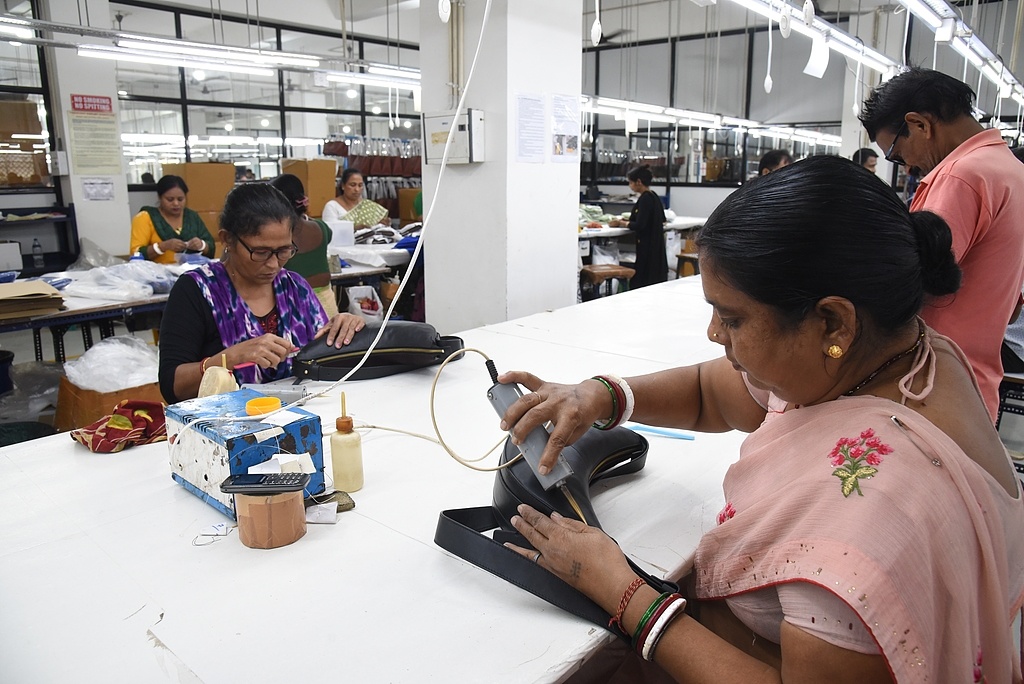
Core Viewpoint - The imposition of a 50% tariff by the United States has severely impacted India's major export sectors, particularly textiles, apparel, and leather, pushing many small and medium enterprises to the brink of bankruptcy and threatening hundreds of thousands of jobs [1][3]. Group 1: Impact on Industries - The textile industry in Tamil Nadu is facing a significant crisis due to the loss of orders, with confirmed losses amounting to 150 billion rupees (approximately 11.79 billion yuan), leading to a production cut of up to 30% [3]. - Tamil Nadu accounts for 28% of India's textile exports, providing employment for around 7.5 million workers, highlighting the critical role of this sector in the local economy [3]. - The crisis has resulted in layoffs and wage delays, with international buyers shifting orders to competitors like Vietnam, Bangladesh, and Cambodia, which have more favorable tariff conditions [3]. Group 2: Government Response and Trade Strategy - The Indian government is accelerating negotiations for free trade agreements with other countries to diversify export markets beyond the U.S., including recent visits to Jordan, Ethiopia, and Oman to strengthen bilateral cooperation [4]. - India has signed a comprehensive trade agreement with Oman to enhance bilateral trade in engineering products, textiles, and agricultural products [4]. - Ongoing negotiations with the European Union, New Zealand, and Chile aim to reduce trade barriers and expand export channels, reflecting a strategic shift to enhance resilience and stability in overall export growth amid rising global trade uncertainties [4].

比美国还高,墨西哥通知中国将加税50%,商务部:想好了吗?
Sou Hu Cai Jing· 2025-12-21 05:42
Group 1 - Mexico plans to impose tariffs of up to 50% on China and other Asian countries without trade agreements with Mexico, effective January 1, 2024, which exceeds the tariff increases by the United States [1] - The motivation behind Mexico's decision is political speculation, aiming to gain short-term security and benefits within the U.S.-led North American trade system by sacrificing its relationship with China [3] - Approximately 80% of Mexico's exports go to the United States, making it crucial for Mexico to prioritize its relationship with the U.S. over China, especially with the upcoming review of the USMCA in 2026 [5] Group 2 - Mexico is actively promoting a nearshoring strategy to redirect supply chains to North America or countries with free trade agreements with the U.S., reinforcing its core position in the North American industrial chain [7] - Mexico's unilateral tariff increase could destabilize its business environment, reducing foreign investment confidence, and if China retaliates, it may lead to capital outflows [9] - The Chinese Ministry of Commerce has responded to Mexico's tariff proposal, emphasizing the importance of communication and the potential consequences of Mexico's actions, indicating that Mexico should reconsider its stance [9]

土耳其国别研究专题系列报告:土耳其深度洞察:埃尔多安经济学的破局与转型
国泰海通· 2025-12-20 08:15
Economic Overview - Turkey's economy is currently influenced by "Erdoganomics," facing high inflation and structural contradictions[38] - The nominal GDP reached approximately $860 billion in 2015, nearly doubling from $440 billion in 2003, with a CPI growth rate below 12% for over a decade[39] - Turkey's energy import dependency is high, with 77.5% of energy products imported as of 2023, down from a peak of 85% in 2015[19] Geopolitical Position - Turkey serves as a strategic hub connecting Europe, Asia, and Africa, historically a key node on the Silk Road[5] - The Turkish Straits are crucial for maritime trade, controlling the only passage from the Black Sea to the Mediterranean, impacting regional geopolitical dynamics[10] - Turkey's diplomatic strategy has shifted from a Western-centric approach to a multi-faceted alliance, emphasizing relations with Middle Eastern and non-Western countries[28] Industrial and Investment Insights - Turkey has a strong industrial base, particularly in automotive and textiles, but faces challenges from high inflation and weak domestic and external demand[5] - The country is actively seeking to upgrade its industrial structure and attract foreign investment to improve its current account balance and reserve levels[5] - Recent collaborations between China and Turkey focus on clean energy, electric vehicles, and high-tech industries, aligning with China's Belt and Road Initiative[5] Risks and Challenges - Potential risks include rising oil prices leading to inflation and currency depreciation, improper capital controls causing reserve depletion, and escalating regional conflicts affecting diplomatic relations[5]
普惠性、区域性政策中支持制造业发展的税费优惠政策
蓝色柳林财税室· 2025-12-20 06:16
Core Viewpoint - The article discusses the tax incentives and policies aimed at supporting the development of the manufacturing industry in China, particularly focusing on accelerated depreciation methods for fixed assets and the benefits for small and micro enterprises [20][21]. Group 1: Accelerated Depreciation Policies - Enterprises can shorten the depreciation period or adopt accelerated depreciation methods for fixed assets that are subject to rapid technological advancements or are in harsh operating conditions [4]. - The minimum depreciation period for shortened depreciation methods cannot be less than 60% of the prescribed depreciation period [10]. - Accelerated depreciation methods include double declining balance or sum-of-the-years-digits methods, which must be consistently applied once chosen [12]. Group 2: Eligibility and Application - Eligible enterprises include those in the manufacturing sector, information transmission, software, and IT services, with specific conditions outlined for integrated circuit manufacturing companies [8][9]. - The application process for tax benefits includes monthly and quarterly prepayment declarations and annual tax reconciliation submissions [13]. - Required documentation for claiming benefits includes invoices for fixed asset purchases and records demonstrating compliance with industry standards [14]. Group 3: Tax Incentives for Small and Micro Enterprises - Small and micro enterprises can benefit from a 25% reduction in taxable income, with a tax rate of 20% applicable from January 1, 2023, to December 31, 2027 [31][32]. - To qualify, enterprises must meet specific criteria, including an annual taxable income not exceeding 3 million yuan, a workforce of no more than 300 employees, and total assets not exceeding 50 million yuan [33]. - The policy allows for cumulative benefits, enabling enterprises to enjoy multiple tax incentives simultaneously [30].

“铁锈”重燃,窗口关闭:一场长达十年的全球财富大迁徙
Sou Hu Cai Jing· 2025-12-19 09:11
Group 1: Market Trends and Investment Strategies - The recent rebound in US stocks masks deeper defensive signals, with smart money reallocating towards high-certainty assets like short-term Treasury ETFs (BIL), which have a stable yield above 5% and high liquidity [1] - Professional investors are prioritizing certainty over high returns, indicating a strategic shift in response to the anticipated restructuring of the global economy over the next five years [1] Group 2: Trade Dynamics and Compliance Challenges - The era of "loophole trading" is ending, with the EU set to eliminate the tax exemption for imports under €150 starting in 2026, significantly increasing costs for small sellers [4] - The US is also tightening regulations, imposing additional tariffs on goods transshipped through Mexico, which will further squeeze profit margins for small and medium-sized enterprises [4][5] - Major players like Shein and Anker are responding by establishing manufacturing facilities in the US to navigate these new compliance barriers [6] Group 3: Manufacturing Resurgence in the US - The manufacturing sector in the US is experiencing a revival, particularly in the Rust Belt, driven by lower energy costs and favorable tax policies [7][8] - The cost structure has shifted, making US manufacturing competitive with Asia, especially in high-energy industries like semiconductors and chemicals [9] - A potential drop in interest rates could further accelerate the establishment of new factories, indicating a long-term trend towards nearshore manufacturing [9] Group 4: Business Adaptation and Market Realities - Companies must adapt to the reality that there are no permanent barriers in business; the focus should shift to proximity to markets and compliance with regulations [10] - Examples include major brands like Apple and Tesla relocating production to countries like India and Mexico, reflecting a broader trend of diversifying supply chains [10] Group 5: Strategies for Individuals - Individuals without factories or significant capital can leverage geographic arbitrage by earning in USD and spending in RMB, maximizing their financial leverage [11][12] - The strategy involves investing heavily in USD-denominated assets while enjoying lower living costs in China, effectively doubling their quality of life [12][13]

利好来了!这一板块,21股集体涨停!
Xin Lang Cai Jing· 2025-12-19 08:28
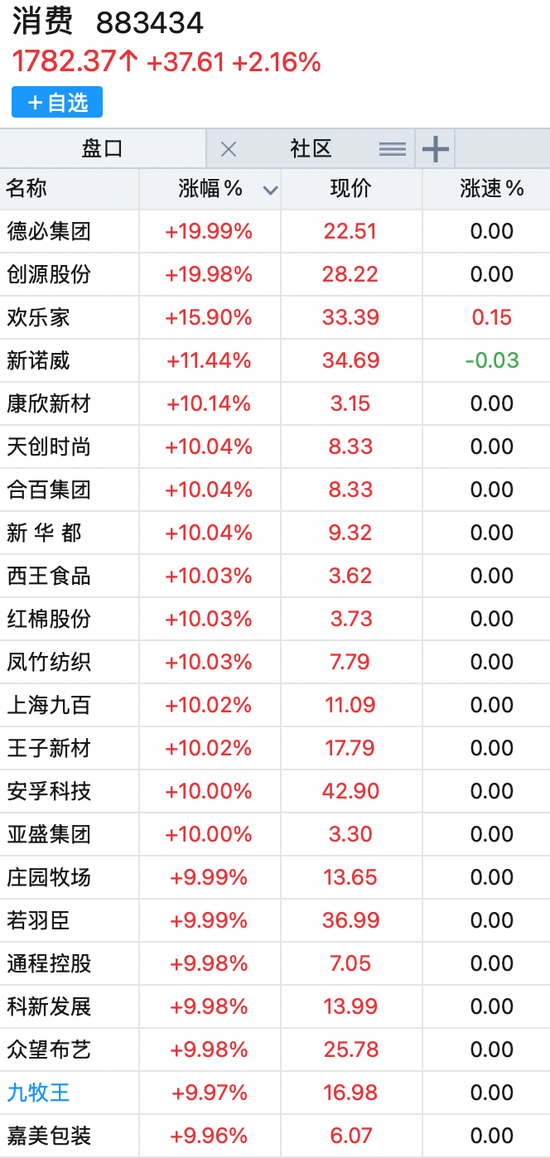
Core Viewpoint - The consumer sector has shown strong performance, with multiple stocks experiencing significant gains, attributed to positive policy signals from the government [1][10]. Stock Performance - On December 19, 21 stocks, including Debi Group (+19.99%), Chuangyuan Co. (+19.98%), and others, reached their daily limit [1][2]. - Notable stocks with over 10% increase include Huanlejia (+15.90%) and Xinnuo Wei (+11.44%) [1][2]. Policy Impact - The Ministry of Commerce announced a pilot program for new consumption models in 50 cities, aimed at boosting consumer demand and enhancing the supply of quality goods and services [11][12]. - The pilot program is part of a broader initiative to stimulate consumption and support economic growth, aligning with the goals set in recent government meetings [11][12]. Market Analysis - Analysts suggest that the policy focuses on structural changes in the consumption market, promoting a shift from scale expansion to enhancing consumption capabilities through technology integration [12][13]. - The upcoming holiday season is expected to drive significant consumer demand, with retail and tourism sectors likely to see a surge [12][13]. Investment Opportunities - Four key segments are highlighted for investors: high-end commercial operations, technology consumer hardware, cultural IP ecosystems, and immersive service providers [13]. - Companies involved in these segments are expected to benefit from the policy changes and the evolving consumer landscape [13].



2026华北(石家庄)国际纺织服装供应链展览会
Sou Hu Cai Jing· 2025-12-19 07:13
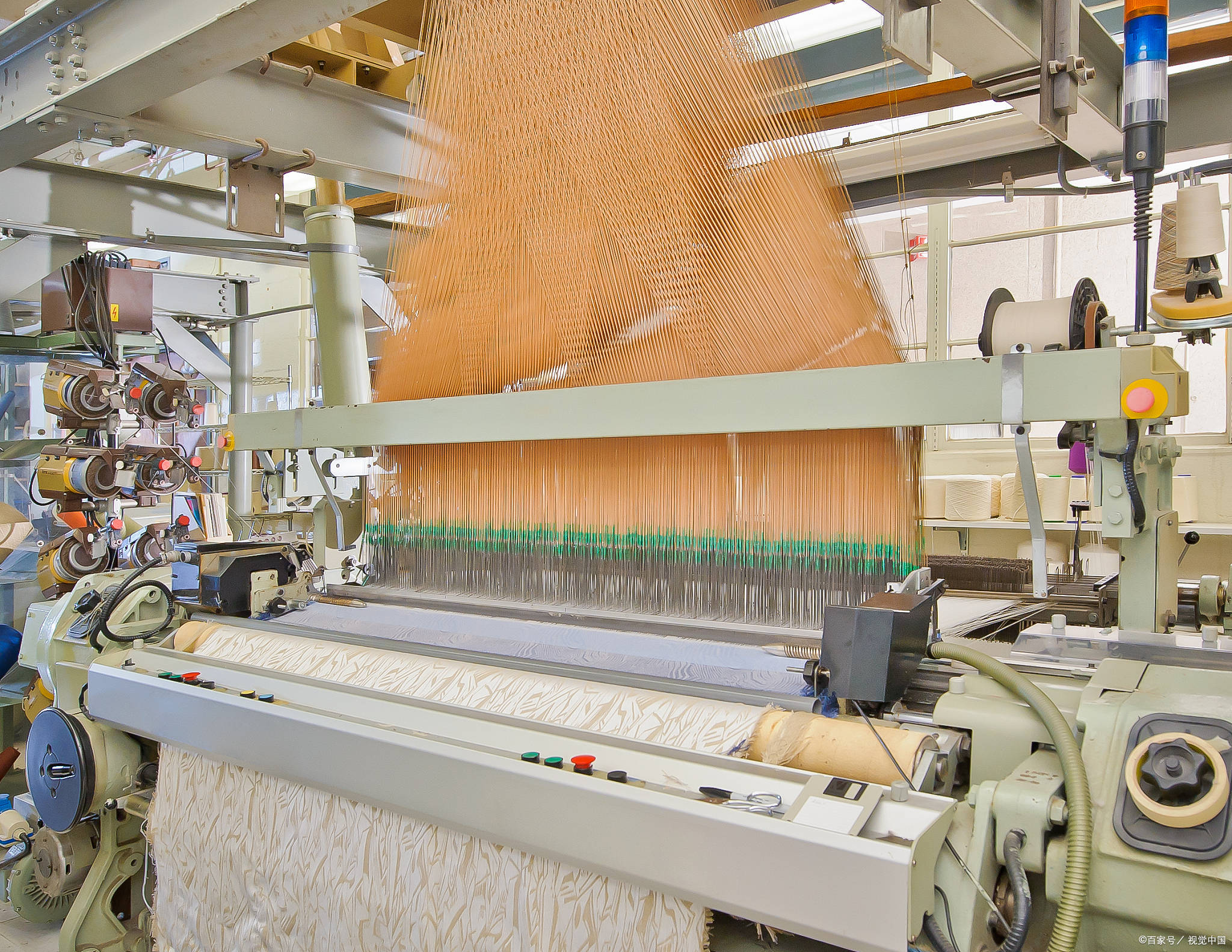
在全球纺织产业格局深度调整、中国纺织业迈向高质量发展的关键节点。2026华北(石家庄)国际纺织服装供应链展览会(简称:华北纺博会)于2026年5 月22-24日在石家庄国际会展中心盛大启幕。这场以"以纺为媒·以服为翼"为主题的行业盛会,宛如一座桥梁,连接着河北纺织产业深厚的历史积淀与蓬勃的 创新活力。它既是华北纺织产业集群转型升级的集中展示窗口,更是中国纺织供应链全球化布局的重要枢纽,承载着推动传统产业向高端化、智能化、绿色 化跃迁的时代使命,也肩负着引领纺织行业在新时代实现可持续发展的历史责任。 搜图 请点击输入图片描述(最多18字) 站在"十四五"规划收官与"十五五"规划启程的历史交汇点,2026华北(石家庄)国际纺织服装供应链展览会不仅是一场行业盛会,更是一个宣言——河北纺 织将以创新为帆、以绿色为舵,在构建现代化产业体系的征程中,书写从"纺织大省"向"纺织强省"跨越的新篇章。它向世界展示着河北纺织的实力与魅力, 传递着河北纺织人的信心与决心。诚邀全球纺织同仁共聚石家庄,以纺为媒·以服为翼,携手开创纺织产业的美好未来!让我们在这片充满希望的土地上, 共同见证纺织产业的辉煌与梦想,共同谱写纺织文化传承与创 ...
巴西消费进口占比创22年来新高 中国产品影响力持续扩大
Yang Shi Xin Wen Ke Hu Duan· 2025-12-18 23:24
Core Insights - The Brazilian National Confederation of Industry (CNI) reported that the proportion of imported goods in consumer purchases in Brazil will rise to 26.7% in 2024, marking a record high since the survey began in 2002 [1] - Since the survey's inception in 2003, the share of imported goods in Brazilian consumption has increased from 13.4% to 26.7% [1] - Chinese products have become a significant driver of this growth, now accounting for 9.2% of the Brazilian consumer market, more than double the figure from a decade ago [1] Industry Impact - The influence of Chinese products in the Brazilian market has been expanding, covering high-value sectors such as hybrid and electric vehicles, as well as everyday items purchased through international e-commerce platforms [1] - In terms of specific categories, the market share of Chinese-manufactured machinery, equipment, and computer products in Brazil continues to rise, alongside textiles [1]