护肤

Search documents
欧莱雅首投中国纯净护肤品牌LAN兰,日系肌本科却黯然退出天猫
Yang Zi Wan Bao Wang· 2025-11-21 10:31
Core Insights - L'Oréal Group announced a minority stake investment in Chinese skincare brand LAN, marking its first investment in a local skincare brand since the establishment of its Chinese investment company, Meici Fang [1][2] - Meanwhile, Japanese brand Muji announced the closure of its Tmall flagship store, expected to officially close by December 11, 2025, highlighting a significant reshuffle in the Chinese beauty market [1][8] Investment Dynamics - The investment in LAN was supported by L'Oréal's strategic innovation risk investment fund, BOLD, and is seen as a key step in L'Oréal's deepening presence in China's beauty tech sector [2] - Meici Fang's investment history shows a focus on fragrance and raw material innovation, with LAN aligning perfectly with its investment criteria of digitalization, research, aesthetics, and originality [4] Brand Performance - Founded in 2019, LAN has achieved remarkable growth, reaching over 1 billion in annual sales within six years, driven by its "pure skincare" philosophy and innovative product concepts [5] - The brand has established a strong research foundation, with over 40 patents and plans to create China's first plant oil molecular database by 2025 [5] Market Challenges - Muji's exit from the Chinese market reflects the challenges faced by Japanese brands, which have struggled to adapt to the rapid shift in consumer preferences towards ingredient-focused and efficacy-driven skincare [8][11] - Since 2025, nine Japanese beauty brands, including Decorte and Sekkisei, have closed or exited the Chinese market, indicating a broader trend of international brands facing difficulties in the evolving landscape [12] Industry Trends - The simultaneous events of LAN's investment and Muji's exit illustrate a significant transformation in the Chinese beauty market, where local brands emphasizing technological innovation are rapidly rising [12] - The need for international brands to rethink their product development and marketing strategies is critical in order to regain consumer favor in an increasingly rational market [12]



时尚情报丨女王的时尚生活
Di Yi Cai Jing· 2025-11-19 07:43
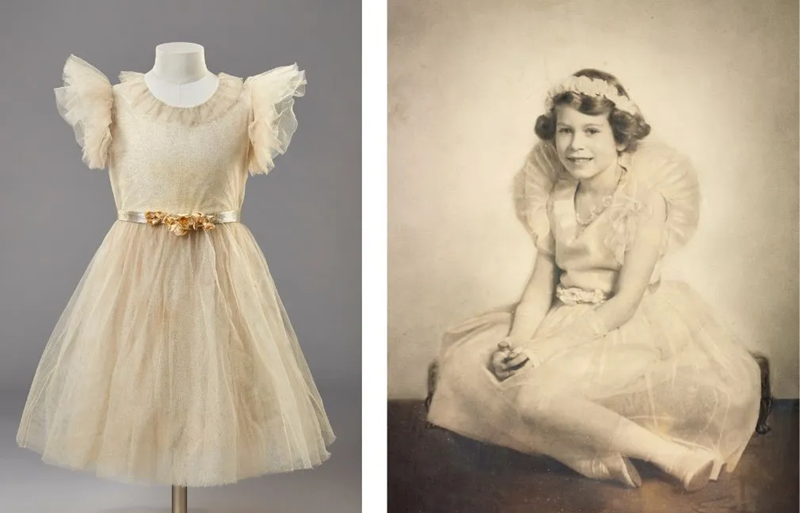
Group 1: Buckingham Palace Exhibition - Buckingham Palace will host a major exhibition titled "Queen Elizabeth II: Her Fashion Life" from April 10 to October 18 next year, celebrating the Queen's influence on British fashion [1][3] - This exhibition will be the largest ever dedicated to Queen Elizabeth II's fashion, featuring approximately 200 items, with about half being displayed for the first time [3] - The exhibition will showcase a range of garments from haute couture evening dresses to fitted non-official outfits, allowing visitors to explore the Queen's wardrobe [3] Group 2: Richemont Group's Performance - Richemont Group reported a sales figure of €10.62 billion for the first half of the 2026 fiscal year, reflecting a 10% increase at constant exchange rates and a 5% increase at actual exchange rates [6] - The Asia-Pacific region, particularly China, showed a strong recovery with a 5% revenue increase to €3.44 billion, while North America, the Middle East, and Africa experienced even higher growth rates of 18% and 19% [6] - The jewelry segment, including Cartier and Van Cleef & Arpels, exceeded expectations with a 9% revenue increase to €7.75 billion, contributing over 70% of the group's total revenue [6] Group 3: L'Oréal's Investment in Local Brand - L'Oréal announced a minority stake investment in the Chinese skincare brand LAN, marking its first investment in a local skincare brand through its Chinese investment arm [7][9] - LAN, founded in 2019, specializes in oil-based skincare and has been the top-selling facial oil brand in China for two consecutive years, with over 100,000 units sold of its best-selling product [9] - The investment aims to leverage L'Oréal's global expertise in beauty research and market expansion to accelerate LAN's product innovation and global outreach [9] Group 4: Cartier's New High Jewelry Collection - Cartier launched its new EN ÉQUILIBRE high jewelry collection in Beijing, featuring over 480 pieces of high jewelry, high watchmaking, and antique collections [10][12] - The collection emphasizes balance through pure lines, three-dimensional shapes, and color harmony, showcasing pieces like the BYZAS necklace with a pear-shaped blue sapphire and the NEMOROSA necklace featuring a "Tutti Frutti" design [12]
欧莱雅为什么投资了一家杭州的小公司?
Sou Hu Cai Jing· 2025-11-17 12:24
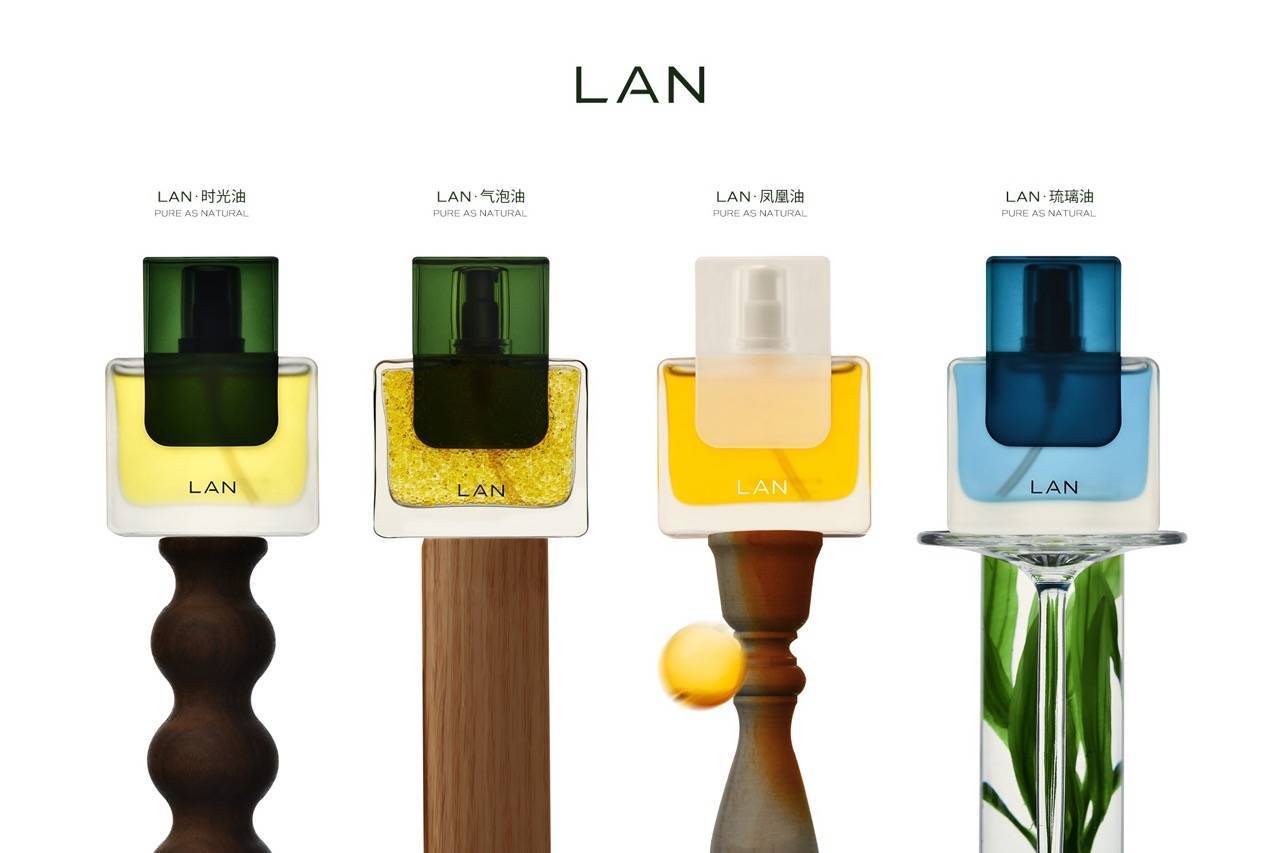
Core Insights - L'Oréal has announced an investment in the Chinese skincare brand "LAN" through its subsidiary Shanghai Meici Fang Investment Co., supported by the BOLD strategic innovation fund, marking its first investment in a local skincare brand [1][11] - LAN, founded in 2019, focuses on "oil-based skincare" and "biotechnology plant extracts," with a product lineup that includes series like Time Orchid and Phoenix Whitening [1][5] - The brand has maintained a conservative approach in product launches, with nearly 20 SKUs over six years, emphasizing research and user experience rather than rapid expansion [3][5] Investment Details - The investment is significant as it represents L'Oréal's shift towards local brands with strong technical barriers and user loyalty, rather than just large-scale potential brands [11] - Prior to this, L'Oréal's investments in China were primarily in fragrance and supply chain projects, indicating a strategic pivot towards the skincare sector [11] Market Position - LAN has been ranked first in sales within the domestic facial oil category for two consecutive years, according to a report by Sullivan [1][5] - The brand's pricing strategy positions its products in the 200 to 300 RMB range, slightly lower than competitors like Lin Qingxuan, which has seen significant promotional activity affecting price overlap [6][10] Consumer Feedback and Challenges - Consumer feedback on LAN's products shows a divide, with some users finding the texture slightly sticky while others appreciate the absorption after proper application [8][10] - The brand faces challenges in market education and expanding its consumer base, particularly in a market where oil-based skincare is still met with skepticism [10] Future Strategy - LAN plans to invest further in functional oil research and plant extract technology, enhance offline retail experiences, and optimize supply chains and production capacity [1][5] - The brand must navigate the growth ceiling in the facial oil market while maintaining its competitive edge and exploring stable product extension strategies [10][11]
国家贴息促消费显现杠杆效应,“双11”人均分期消费金额提升18%
Guo Ji Jin Rong Bao· 2025-11-14 12:25
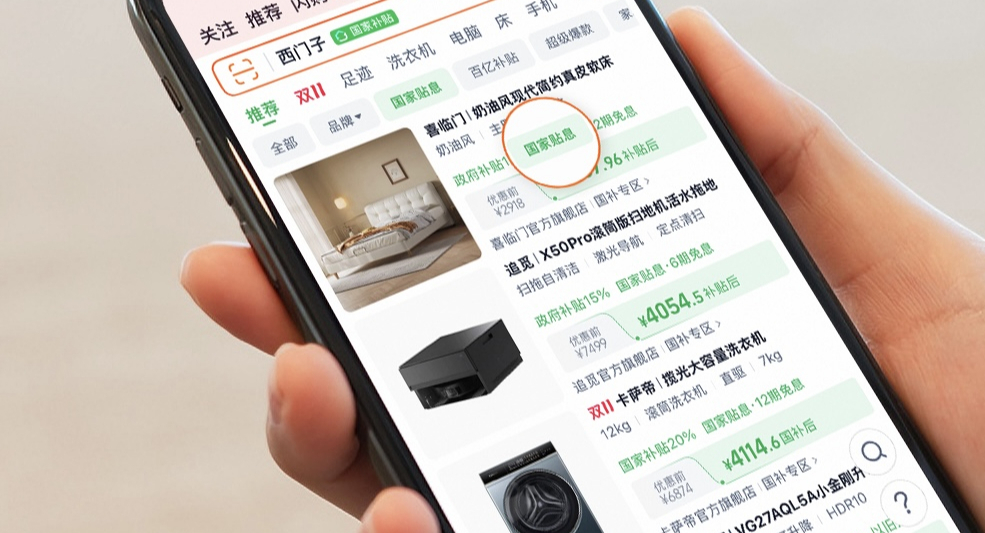
Core Insights - The "Double 11" shopping festival this year saw significant consumer engagement due to government subsidy policies, with over 100 million interest-free installment products offered by platforms and merchants [1][3] - The implementation of the personal consumption loan subsidy policy has effectively reduced consumer credit costs, leading to an 18% increase in per capita installment spending compared to September [1][3] Group 1: Government Policies - The introduction of the "Personal Consumption Loan Fiscal Subsidy Policy" in September aims to stimulate market activity and consumer spending by lowering credit costs [3] - The "National Subsidy" product section on Taobao and Tmall has attracted 65 million views since its launch on October 30, highlighting increased consumer awareness of the subsidy policy [4] Group 2: Consumer Behavior - There was a 19% increase in the number of consumers benefiting from the national subsidy during "Double 11," with nearly 2 million first-time users of interest-free installments [4] - Consumers are increasingly opting for installment payments, as evidenced by a significant rise in the use of these options during the shopping festival [7] Group 3: Merchant Response - Merchants have responded positively to the subsidy, with many reporting increased sales and higher coverage of interest-free installment options [6] - For example, Bosideng reported a 97.8% coverage of interest-free installments for products over 100 yuan, with installment payments accounting for 12.7% of total sales [6] - Brands offering full-store interest-free options saw substantial growth, with some reporting an 80% increase in installment sales and nearly 20% growth in overall sales [6] Group 4: Market Dynamics - The collaboration between government subsidies and merchant strategies has created a win-win situation, enhancing consumer purchasing power while driving sales growth for businesses [8] - The recent emphasis on boosting consumption in the "14th Five-Year Plan" underscores the importance of collaborative efforts in stimulating economic activity [8]
小红书「种草直达」双11成绩出炉:助力上百个单品成交额破千万
Cai Jing Wang· 2025-11-12 04:47
Core Insights - Xiaohongshu's new business "Zhongcao Zhida" has achieved significant sales results within its first five months, with over 100 products generating sales exceeding 10 million and nearly 1000 products surpassing 1 million during the Double 11 shopping festival [1][2] - The platform's strategic partnerships with major e-commerce platforms have enabled seamless transitions from content to purchase, enhancing user experience and driving sales [2][3] Sales Performance - Notable products include Haier's Yunxi washing machine with nearly 200 million in sales, Little Swan's washing and drying set exceeding 50 million, and TCL's T7L television surpassing 30 million [1] - Xiaohongshu's "Zhongcao Zhida" has helped brands achieve top rankings in various e-commerce categories, such as Haier's washing machine topping JD's washing machine category and HBN's facial cleanser leading Tmall's facial cleanser list [2] Brand Strategy - Brands have reported a 76% increase in store entry efficiency when using "Zhongcao" alongside "Zhongcao Zhida," leading to a doubling of participating brands compared to the previous shopping event [3] - For example, Naturando's targeted strategy for its high-demand products resulted in over 300,000 orders on the first day of pre-sale, with both featured products achieving over 100 million in sales by November 11 [3] Support for Emerging Brands - Xiaohongshu's ecosystem has significantly aided new brands, such as the ergonomic chair brand "Qingxian," which achieved over 10 million in sales during Double 11 and doubled its brand search volume [4] - The integration of "Zhongcao Zhida" allows brands to optimize their marketing strategies based on real-time conversion data, leading to more stable business growth [4][5] Market Impact - "Zhongcao Zhida" addresses the challenges brands face in the final conversion stage, enhancing the effectiveness of marketing efforts and enabling better sales outcomes for quality products [5]
进博会观察|参展商掘金“细分”生意
Jing Ji Guan Cha Wang· 2025-11-09 11:31
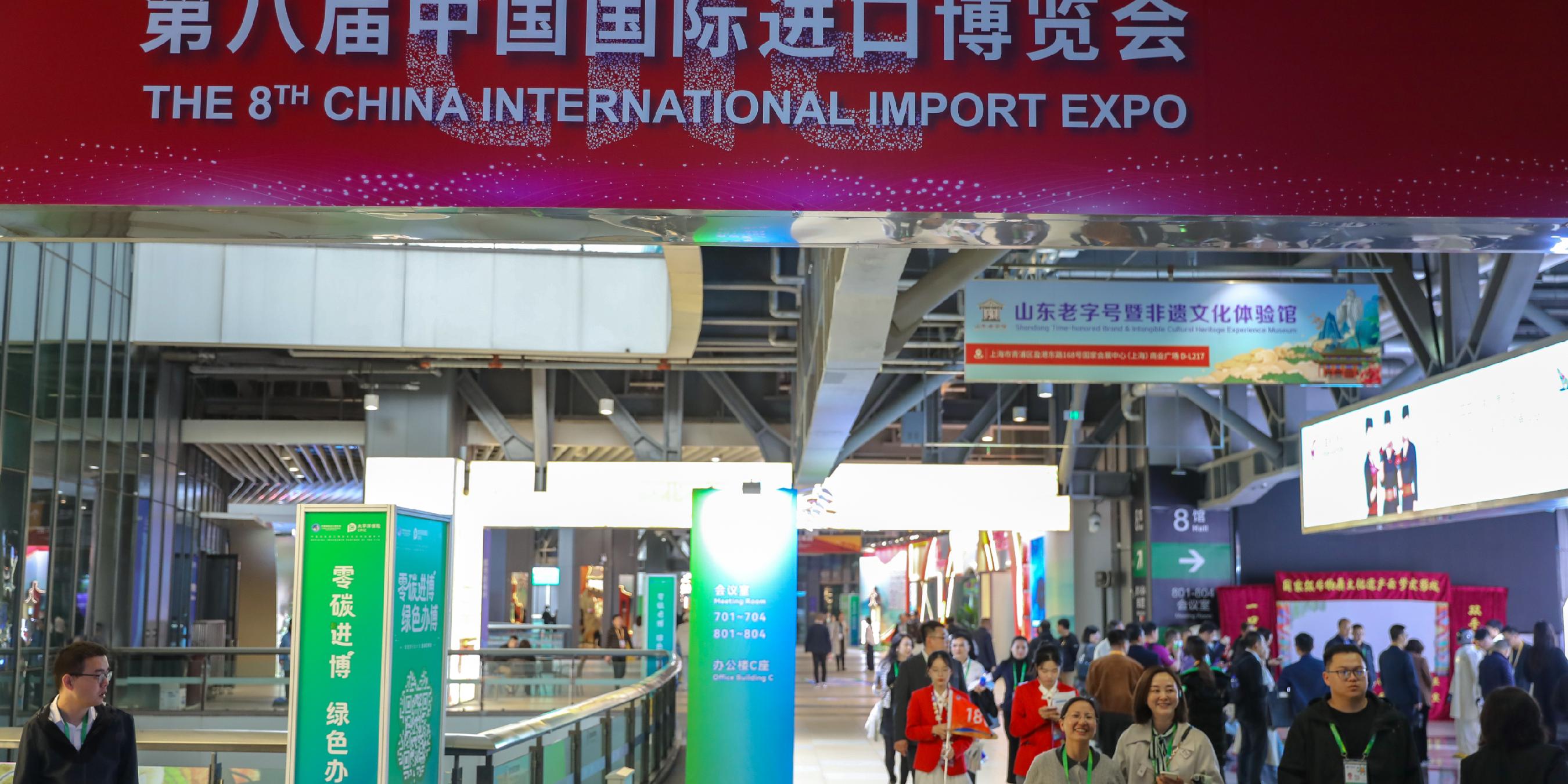
Core Insights - The article highlights the trend of product segmentation among exhibitors at the China International Import Expo, focusing on tailored cleaning solutions and consumer preferences in the Chinese market [2][3][4]. Group 1: Product Segmentation - The Portuguese cleaning brand Mootaa has introduced a green natural series of cleaning products tailored for specific household scenarios, expanding from 4 to 7 SKUs for the Chinese market [2]. - Mootaa's new products include specialized cleaners for kitchens, bathrooms, and laundry, with enhanced stain removal capabilities to meet local demands [2][3]. - Philips has launched new shavers targeting different consumer demographics, including high-net-worth individuals and young consumers, with products priced from around 100 to 3000 RMB [4]. Group 2: Market Adaptation - Mootaa has established a comprehensive online and offline sales network in China, partnering with major e-commerce platforms and supermarkets, achieving a retail scale of 400 million RMB with a compound annual growth rate of over 30% [3]. - Kao's brand freeplus has introduced a cleansing oil to complement its existing product line, reflecting a strategy to cater to local consumer needs and preferences [4][5]. - Kao's health care brand, Meishuli, has adapted its products for the Chinese market, including steam eye masks and foot-soaking products, which have shown promising sales performance [5].

贝泰妮,闯入LP圈
投资界· 2025-11-07 08:15
Core Viewpoint - The article discusses the recent investment by Betaini, a publicly listed company, in the Jin Yu Fund, highlighting the strategic move to seek new growth opportunities in the healthcare sector amidst declining market performance [5][9][10]. Investment Details - Betaini has committed 50 million yuan to the Jin Yu Fund, which has a total subscription amount of 1 billion yuan and a partnership duration of 10 years [7][9]. - The Jin Yu Fund is managed by Jin Yu Mao Wu, a venture capital firm based in Jiangsu, focusing on strategic emerging industries such as new materials, renewable energy, and healthcare [7][9]. - The largest limited partner (LP) in the fund is the Jiangsu Wuxi Biomedical Industry Special Mother Fund, contributing 300 million yuan, accounting for 30% of the fund [7][8]. Company Background - Betaini is known for its skincare brand Winona, which has gained significant market share in the sensitive skin segment, previously exceeding a market capitalization of 120 billion yuan but has now fallen below 20 billion yuan [9][10]. - The company is facing intense competition in the cosmetics market, leading to a 49.01% decline in net profit in the first half of the year [10]. Strategic Rationale - The investment in the Jin Yu Fund is part of Betaini's strategy to deepen collaboration with professional funds and enhance its presence in the health ecosystem, aiming to improve its overall competitiveness and profitability [10][12]. - This is not Betaini's first investment with Jin Yu Mao Wu; the company previously invested 30 million yuan in another fund managed by the same firm, indicating a pattern of strategic partnerships [12]. Industry Context - The trend of companies becoming LPs in venture capital funds is becoming more common, as firms seek to leverage established relationships and trust with previous investors [13]. - The current investment landscape shows a scarcity of willing social capital, making corporate LPs a vital resource in the market [13].

离开强生两年 科赴投奔金佰利
Bei Jing Shang Bao· 2025-11-05 16:19
Core Insights - Kenvue, the consumer health division spun off from Johnson & Johnson, is being acquired by Kimberly-Clark for a total price of $48.7 billion, with Kenvue shareholders receiving $3.5 in cash and 0.14625 shares of Kimberly-Clark stock per share, valuing Kenvue at approximately $21.01 per share, which is considered attractive for Kenvue's shareholders [1][2] Company Performance - Kenvue's financial performance since its independence has been underwhelming, with net sales of $15.455 billion in 2024, a year-on-year increase of only 0.1%, and a net profit of $1.03 billion, down 38% year-on-year [2] - In the first half of 2025, Kenvue's net sales declined by 3.98% to $7.58 billion, and adjusted net profit fell by 11.49% to $1.025 billion [2] Market Position and Challenges - Kenvue's brands, including Neutrogena and Listerine, primarily target the mid-to-low-end market, which is characterized by intense competition driven by "traffic marketing and price competition," leading to a weakening competitive edge for Kenvue's multi-brand strategy [3] - Following its spin-off, Kenvue has faced challenges, including rumors of selling off brands like Curel and Dr. Ci:Labo, indicating potential struggles in maintaining brand strength [2][3] Strategic Implications of Acquisition - The acquisition by Kimberly-Clark is seen as a potential opportunity for Kenvue to join a larger platform with more resources and brand stability, which could enhance product innovation, market expansion, and operational efficiency [3] - However, the future of Kenvue as an independent business unit under Kimberly-Clark remains uncertain, as the integration and market dynamics will play a crucial role in determining the success of this acquisition [4]
推动中国产品向中国品牌转变
Ren Min Ri Bao· 2025-11-03 21:51
Group 1: Cultural and Artistic Development - China Oriental Performing Arts Group has a rich artistic tradition of over 70 years, focusing on music and dance to promote cultural dialogue and showcase a positive image of China [1][2] - The group has successfully launched stage art masterpieces, such as the dance poetry drama "Only This Green," which has topped China's dance drama box office for three consecutive years and has performed over 800 shows nationwide [1] - The group actively explores new technologies and platforms, collaborating with institutions like the Palace Museum to revitalize local cultural resources and engage younger audiences through social media [2] Group 2: Technological Innovation and Social Impact - ZTE Corporation emphasizes the importance of technology with a human touch, deploying solar communication bases in Liberia and innovative RF technology in South Africa to enhance connectivity in remote areas [3][4] - The company has initiated projects like "Youjian Xue Classroom" in Yunnan to provide remote education and ecological monitoring networks in Qinghai to protect wildlife [3] - ZTE aims to create a smart, green, and safe future through technology that benefits society [4] Group 3: Brand Value through Innovation and Culture - Gu Yu Biotechnology Group focuses on high-quality development through technological innovation and cultural heritage, establishing a research center and a multidisciplinary team for product development [5][6] - The company has achieved significant advancements in ingredient purity and absorption rates through proprietary technologies, enhancing its skincare products [6] - Gu Yu integrates Chinese cultural elements into its branding and product design, winning international design awards and promoting social responsibility initiatives [6] Group 4: Global Recognition of Chinese Manufacturing - Gree Electric Appliances aims to enhance global recognition of Chinese manufacturing through innovative technologies, demonstrated by successful tests in extreme conditions [7][8] - The company has contributed to international standards for refrigeration compressors, showcasing its commitment to quality and global communication [7] - Gree emphasizes that innovation is about improving lives and building trust in its products on the international stage [8] Group 5: Supply Chain Digital Transformation - JD Industrial is focused on enhancing supply chain efficiency and integration to support the digital transformation of the industrial sector [9][10] - The company has launched initiatives to reduce supply chain costs significantly, with projections indicating a potential reduction of approximately 6.77 trillion yuan in costs for Chinese industrial enterprises [9] - JD Industrial is developing tailored supply chain solutions for various industries to facilitate rapid digital implementation [10] Group 6: Artificial Intelligence in Brand Experience - The China Internet Network Information Center highlights the transformative impact of artificial intelligence on production and brand value, emphasizing the need for brands to integrate AI into user experiences [11][12] - The growth of generative AI in China is marked by an expanding user base and advancements in model capabilities, which can enhance brand interactions [11] - Future brand strategies should focus on embedding products and services into users' lives, ensuring sustainable growth through effective governance of AI technologies [12] Group 7: Industrial Innovation and Core Competitiveness - Shaanxi Construction Group is transitioning from a traditional construction company to a comprehensive service provider, focusing on innovation and project diversification [13][14] - The company has established multiple research centers and innovation alliances to enhance its technological capabilities and project execution [13] - Shaanxi Construction Group aims to contribute to high-quality development in the construction industry while expanding its international influence [14] Group 8: High-Quality Development in Yunnan - Yunnan Province is accelerating its development as an open hub for trade with South Asia and Southeast Asia, focusing on green energy and unique agricultural products [15][16] - The province has achieved significant renewable energy capacity and is promoting its agricultural exports, with notable achievements in flower and coffee production [16] - Yunnan is enhancing its transportation networks to support trade and connectivity, positioning itself as a key player in regional economic partnerships [16][17]
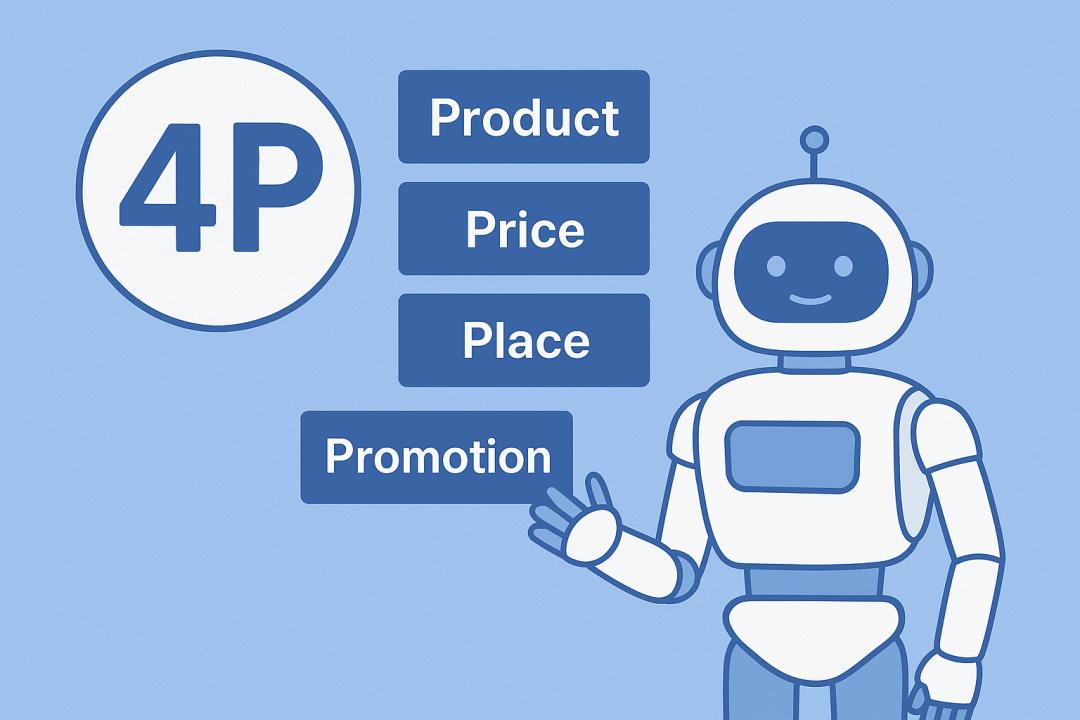
AI 时代,重构营销 4P
3 6 Ke· 2025-11-03 11:59
Core Insights - The article discusses the evolution of the classic 4P marketing theory (Product, Price, Place, Promotion) in the context of the AI era, highlighting how AI is reshaping marketing strategies and operations across industries [2][26]. Group 1: Product - The shift from standardized products to personalized and intelligent offerings is emphasized, with AI enabling real-time market insights and customer data analysis to drive product development [4][5]. - AI allows for hyper-personalized product customization, catering to niche demands and long-tail markets that traditional models often overlook [5]. - AI tools shorten the feedback loop between product development and market response, enabling continuous user involvement in the co-creation process [5][4]. Group 2: Price - Traditional pricing strategies are static, relying on market research and cost analysis, which can lead to risks in pricing decisions [6]. - AI's computational power transforms pricing logic, allowing businesses to simulate various pricing strategies and their impacts on sales and profits before market launch [7]. - Real-time dynamic pricing becomes feasible with AI, which considers numerous variables to optimize pricing strategies, as seen in industries like airlines and e-commerce [8][6]. Group 3: Place - The article notes the transition from physical retail channels to a fully integrated omnichannel approach, where AI plays a crucial role in unifying consumer data across various touchpoints [9][10]. - AI enables seamless consumer experiences by integrating online and offline interactions, allowing for personalized promotions and synchronized shopping records [12][10]. - New channel forms are emerging, blurring the lines between physical and digital spaces, enhancing consumer engagement through immersive technologies [13]. Group 4: Promotion - The traditional advertising model is evolving from broad broadcasting to targeted one-on-one marketing, with AI optimizing content creation and distribution [14][18]. - AI-generated content significantly reduces production costs and enhances efficiency, allowing marketers to focus on strategic thinking [18]. - The shift from SEO to GEO is highlighted, where brands must ensure their content is understood and referenced by AI models rather than just being visible in search results [19][20]. Conclusion - The article concludes that AI is enabling a more precise and dynamic approach to marketing, transforming the traditional 4P framework into a model that allows for real-time optimization and resource allocation [25][26].