新零售

Search documents
年货市场烟火气里有新意
Xin Lang Cai Jing· 2026-01-14 23:50
Core Viewpoint - The article highlights the transformation of the traditional Chinese New Year shopping experience in Huzhou, driven by new retail channels, changing consumer preferences, and a shift towards experiential purchases rather than just material goods [1][8]. Group 1: Changes in Shopping Channels - The traditional reliance on local markets and large supermarkets for purchasing New Year goods is declining, with new retail platforms like Hema Fresh and Sam's Club providing a modern shopping experience [3][4]. - Consumers are now enjoying the convenience of online shopping and quick delivery services, which has changed the way they approach New Year shopping [3][4]. - The integration of experiential elements in shopping, such as tasting traditional foods and participating in cultural activities, is attracting more consumers to engage in the New Year shopping experience [4]. Group 2: Changes in Product Categories - There is a noticeable shift in the types of products being purchased for the New Year, with a rise in demand for smart home devices and health-oriented products [5][6]. - Traditional food items are evolving to focus on health and quality, with organic and low-sugar options gaining popularity among consumers [7]. - The trend towards gifting practical and technologically advanced items reflects an improvement in living standards and changing consumer values [5][6]. Group 3: Changes in Consumer Demand - The demand for New Year goods is increasingly shifting from material items to experiences, with family travel becoming a popular alternative to traditional celebrations [8][9]. - The emotional value of New Year purchases is emphasized, as consumers seek to create meaningful experiences with family rather than just focusing on physical goods [8][9]. - The extended holiday period in 2026 is expected to further boost travel-related purchases, indicating a significant shift in how families plan to celebrate the New Year [8].
供需错配下的新蓝海:新兴城市消费上涌与一线品牌“双向奔赴”
Guan Cha Zhe Wang· 2026-01-14 00:50
Core Insights - Hema's CEO announced that the company expects a revenue growth rate exceeding 40% by 2025, with its annual GMV projected to surpass 100 billion yuan [1] - The growth is driven by Hema's expansion into 40 emerging cities, achieving high initial sales performance in these locations [1] - Other brands like Starbucks and Lululemon are also accelerating their presence in non-first-tier cities, indicating a broader market shift [1] Group 1: Market Dynamics - There is a significant shift in China's urban development, with a reversal of the traditional trend of population influx into first-tier cities, leading to increased consumer activity in emerging cities [3] - The 2024 migration index for second-tier cities and above shows a decline, with more individuals choosing to stay in their hometowns for work [3] - Over 130 cities are projected to experience net population growth by the end of 2025, with 17 of the top 30 cities being second-tier or below [3] Group 2: Consumer Behavior - The influx of new residents, including internet professionals and entrepreneurs, is driving higher income levels and consumer willingness in emerging cities [5] - The fast-moving consumer goods market is stabilizing, with three to five-tier cities contributing 80% of the market's growth [5] - A significant majority of non-first-tier cities reported positive retail sales growth, with many third-tier cities exceeding the national average [5] Group 3: Supply and Demand Mismatch - Despite rising consumer demand, the supply chain in emerging cities has not kept pace, leading to a mismatch [7] - Consumers face challenges in accessing high-quality products, as local supermarkets primarily offer traditional goods [7] - The lack of modern retail experiences in emerging cities limits consumer engagement and frequency of purchases [7][9] Group 4: Brand Strategies - Major brands are capitalizing on the supply-demand gap by expanding into emerging cities, offering established product lines and service models [10] - Hema's strategy includes leveraging a national supply chain to provide high-quality products directly to consumers in these cities [12] - Other brands, such as Haidilao and Luckin Coffee, are also expanding their presence in lower-tier cities, indicating a trend towards market saturation in these areas [12][14] Group 5: Future Outlook - Emerging cities are becoming essential markets for brands, transitioning from experimental zones to critical battlegrounds for growth [14] - There is significant potential for continued consumer growth in these areas, necessitating brands to tailor their offerings to local demands [14] - The development of local policies and infrastructure will be crucial in unlocking the full consumer potential in emerging cities [14]


盒区房“西进南下”:解码江苏消费升级的地理密码
Sou Hu Cai Jing· 2026-01-13 13:18
Core Insights - The opening of Hema's first store in Lianyungang marks the entry of the "Hema Zone" era in Jiangsu, with Lianyungang being the 12th city in the province for Hema's expansion [1][3] Group 1: Market Expansion - Hema has made significant moves in Jiangsu in 2025, entering six new cities including Taizhou, Huai'an, Xuzhou, Suqian, Lianyungang, and Zhenjiang, along with several county-level markets [3] - The "Hema Zone" is indicative of a broader restructuring of consumer geography across Jiangsu [3] Group 2: Consumer Behavior and Purchasing Power - Hema's "Hema Zone Index" measures regional consumption activity, with Xuzhou's index at 141, significantly above the national benchmark of 100, reflecting strong sales performance prior to the store's opening [5][7] - Structural changes in consumer demographics and purchasing power are driving consumption, with more young consumers choosing to stay in their hometowns rather than migrate to larger cities [7] Group 3: New Retail Dynamics - Hema's presence is reshaping consumer habits, particularly in terms of shopping times and methods, with a notable increase in nighttime economic activity [8] - The opening of Hema stores has led to significant increases in foot traffic in shopping centers, with some locations seeing visitor numbers rise by over 400% [9] Group 4: Product Localization and Supply Chain - Hema's expansion is supported by a robust supply chain that delivers global products efficiently to local consumers, exemplified by the simultaneous arrival of products from various regions [10] - Hema also integrates local flavors into its offerings, sourcing local products to meet consumer demand for quality and variety [10] Group 5: Community Engagement and Employment - Hema's strategy includes a dual approach of catering to premium consumer needs through Hema Fresh and addressing everyday needs through "Super Hema," enhancing community engagement [11] - The opening of new stores has created numerous job opportunities, contributing to local economic vitality [11] Group 6: Future Prospects - Hema's expansion continues with plans to enter Yancheng, indicating ongoing growth and the potential for further market penetration in Jiangsu [12] - The evolution of the "Hema Zone" reflects a significant shift in consumer behavior and market dynamics, highlighting the potential for continued growth in China's retail landscape [12]
月买5000瓶“白马王子汤”?江苏城市新兴消费力的“狂飙”
Yang Zi Wan Bao Wang· 2026-01-13 12:40
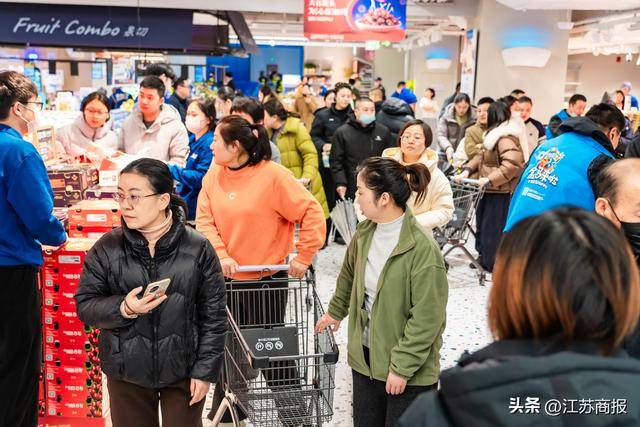
Core Insights - The article highlights the transformative impact of the "first store economy" in Jiangsu, where new retail formats like Hema are driving significant changes in consumer behavior and regional economic growth [1][2][10] - The report indicates that cities in Jiangsu are experiencing a collective awakening in consumer power, with innovative consumption patterns emerging across various urban centers [1][11] Group 1: Consumption Trends - Hema's rapid expansion in Jiangsu has led to remarkable sales figures, with the first store in Xuzhou achieving the highest national sales within two months of opening [2][4] - The report notes that consumers in Jiangsu are increasingly seeking high-quality products, with a significant portion of imported goods being sold in cities like Yangzhou and Taizhou [2][4] - The average disposable income in Jiangsu is projected to reach 55,415 yuan in 2024, reflecting a 5.2% increase, which supports the growing demand for premium products [4] Group 2: Night Economy and Lifestyle Changes - The introduction of Hema has extended shopping hours in cities like Taizhou, with consumer activity increasing significantly during evening hours [8] - The article describes a shift in consumer preferences towards self-indulgent and health-conscious products, with unique offerings like the "half meat half durian cake" gaining popularity [5][10] - Jiangsu's consumers are embracing a blend of traditional and modern lifestyles, as seen in the rising sales of local delicacies and culturally inspired products [7][10] Group 3: Economic and Ecological Impact - The "first store economy" is not just about opening new locations; it represents a broader ecosystem that integrates local supply chains and digital innovation [10] - The influx of talent and resources into Jiangsu is enhancing the region's economic landscape, making it an attractive destination for retail giants [10][11] - The collaboration between government and businesses is fostering a conducive environment for consumption growth, positioning Jiangsu as a key player in China's retail landscape [10][11]
股票月涨幅超150%之后会发生什么?90%的人不知道!
Wind万得· 2026-01-11 00:11
Core Viewpoint - The article discusses the volatility of A-share themes in 2023, highlighting the performance of various sectors and the potential pitfalls of blindly following market trends without a solid trading strategy [1][3]. Monthly Performance Summary - January: Human-like robots, stock Ji Dong Equipment, gained +84.49% [2] - February: AI computing, stock Capital Online, gained +150.97% but fell -26.25% the next month [2] - March: Chemicals, stock Zhongyida, gained +135.41% [2] - April: New retail, stock Guofang Group, gained +117.10% [2] - May: AI computing, stock Zhongyou Technology, gained +157.28% but fell -29.75% the next month [2] - June: Military industry, stock Beifang Changlong, gained +159.97% [2] - July: Human-like robots, stock Shangwei New Materials, gained +1083.42% but fell -9.85% the next month [2] - August: AI computing, stock Cambricon, gained +110.36% but fell -11.22% the next month [2] - September: Unknown sector, stock 688411.SH, gained +153.52% but fell -15.15% the next month [3] - October: Cross-strait relations, stock Pingtan Development, gained +99.44% and +51.55% the next month [3] - November: Cross-strait relations, stock Hefei China, gained +143.31% and +2.43% the next month [3] - December: Commercial aerospace, stock Aerospace Power, gained +104.83% [3] Overall Results - The cumulative return from this strategy was -4.8%, underperforming the CSI 300 by -22.46% [3]. - The analysis indicates that while chasing hot stocks is not inherently wrong, it is crucial to have a well-defined trading strategy [3]. Trading Strategy Insights - Stocks with a monthly gain exceeding 150% have an approximately 80% chance of declining the following month [4]. - Stocks driven by policy and industry support, with significant monthly gains, have a success rate exceeding 75% in the following month [4]. Key Questions for Analysis - Can the performance be supported by the company's earnings? - Is the stock at a peak or in a consolidation phase? What are the resistance levels? - Are there any negative factors on the horizon? [5] Sector Analysis Example - In December 2025, commercial aerospace emerged as a hot market concept, driven by policy and industry factors, with the national space agency expanding government procurement and a projected industry scale exceeding 2.5 trillion by 2025 [7]. - Key questions for evaluating this sector include recent policy support, investment trends, core companies' commercialization progress, and overall industry trends [7].

今年港股IPO募资有望超3000亿港元
Xin Lang Cai Jing· 2026-01-07 18:16
Core Viewpoint - The Hong Kong IPO market is expected to maintain its strong momentum into 2026, with a projected fundraising amount exceeding 300 billion HKD, driven by technology and A to H listings [1][6]. Group 1: IPO Market Overview - In 2025, Hong Kong's IPO market raised a total of 285.8 billion HKD, reclaiming the top position globally [1]. - As of the end of 2025, there were 316 companies waiting to go public, indicating a significant backlog and potential for market activity [2]. - The IPO pipeline includes notable companies across various sectors, such as pet healthcare, printed circuit boards, and electric vehicle solutions [2]. Group 2: Key Drivers for 2026 - The two main themes for the 2026 IPO market are technology and A to H listings, which are expected to drive fundraising efforts [1]. - Major drivers for the IPO market include high demand for biotech companies, leading technology firms in AI and renewable energy, and traditional industries undergoing transformation [3][5]. - The influx of international long-term capital into the Hong Kong market is expected to favor leading Chinese companies with strong growth and profitability [5]. Group 3: Predictions and Trends - Multiple institutions predict that the total fundraising for 2026 will range from 320 billion to 350 billion HKD, with around 150 to 160 companies expected to list [6]. - The market is anticipated to exhibit a "two ends large, middle differentiation" characteristic, where larger projects and industry leaders will attract more stable funding [6]. - A to H listings are expected to remain a significant part of the IPO landscape, providing more certainty for international investors [7].

盒马盐城首店项目在盐城亭湖签约,项目将在东亭湖街道落户
Yang Zi Wan Bao Wang· 2026-01-06 03:56
1月5日下午,盒马品牌首进盐城暨新辰里盒马鲜生首店、盒马鲜生配送站落户亭湖签约仪式举行。盒马 公司首席发展官梅翔、盒马苏南区域总经理李凌、盒马全国战略联盟发展总监王芳、北京新辰集团董事 长沈慧峰等出席。亭湖区委副书记、区长田海波致辞。盒马华东区公共事务总监陈亚军、新辰商业集团 副总裁才俊分别介绍有关项目情况。 盒马公司自2016年在上海成立第一家门店以来,10年间在全国门店规模已近900家,覆盖近百个城市, 拥有超300个全球直采基地,构建了辐射全球的供应链网络。作为新零售领域的领军品牌,盒马盐城首 店入驻将为盐城市民带来更优质、更便捷的消费体验,也将进一步激活区域消费潜力,推动我区现代服 务业再攀新高。 田海波在致辞中对项目的签约表示祝贺,并简要介绍了亭湖经济社会发展情况。他说,盒马鲜生是国内 新零售行业的领军者,北京新辰集团深耕商业综合体开发运营领域多年,两家企业强强联手,将成为亭 湖消费升级的重要里程碑,为盐城市民带来更便捷、更新鲜的消费体验。亭湖将以更加饱满的热情、更 加优质的服务,当好"店小二"、做好"贴心人",坚持专班推进、要素支撑、服务赋能,确保项目"落得 下"、企业"走得远",携手打造优势互补 ...
盒马发布“盒区房指数” 有效人口与结构性购买力成消费新引擎
Bei Jing Shang Bao· 2026-01-05 09:28
北京商报讯(记者 赵述评)1月5日,盒马发布《2025年百城"盒区房"消费力报告》,首次提出"盒区房 指数",基于线下门店日均订单、笔单价及日均进店客流衡量盒马线下门店活跃度。数据显示,石家庄 指数飙升至171,徐州达141,临沂达127,均显著高于全国重点城市均值(基准指数100)。这一指数不 仅反映了门店热度,更折射出新兴城市消费市场的结构性变迁。 "盒马2025年整体营收同比增速超40%,已服务超1亿消费者。"2026年新年第一天,盒马CEO严筱磊在 全员信中披露的业绩,与"盒区房指数"形成呼应。 在泰州吾悦广场,盒马入驻前商场20点后人流回落;入驻后,"逛街完在盒马吃火锅、买菜回家"成为常 态,21点人潮未退,商场打烊时间自然延后。扬州吾悦广场因盒马闭店时间为22点,将营业时间调整为 8:58至自然闭店。 报告认为,新兴城市夜经济发展潜力巨大,需要有充分的消费场景进行承接,盒马等新零售品牌及其他 体验类、休闲类文化品牌提供了很好的解决方案。 商务部研究院副研究员洪勇分析,在人口净流入明显、服务业占比高的非一线城市,"盒区房"覆盖密度 和消费活跃度快速提升,说明消费潜力更多取决于"有效人口"和"结构性购 ...
盒马双业态加速扩张,非一线市场成为新增长极
Sou Hu Cai Jing· 2026-01-04 07:34
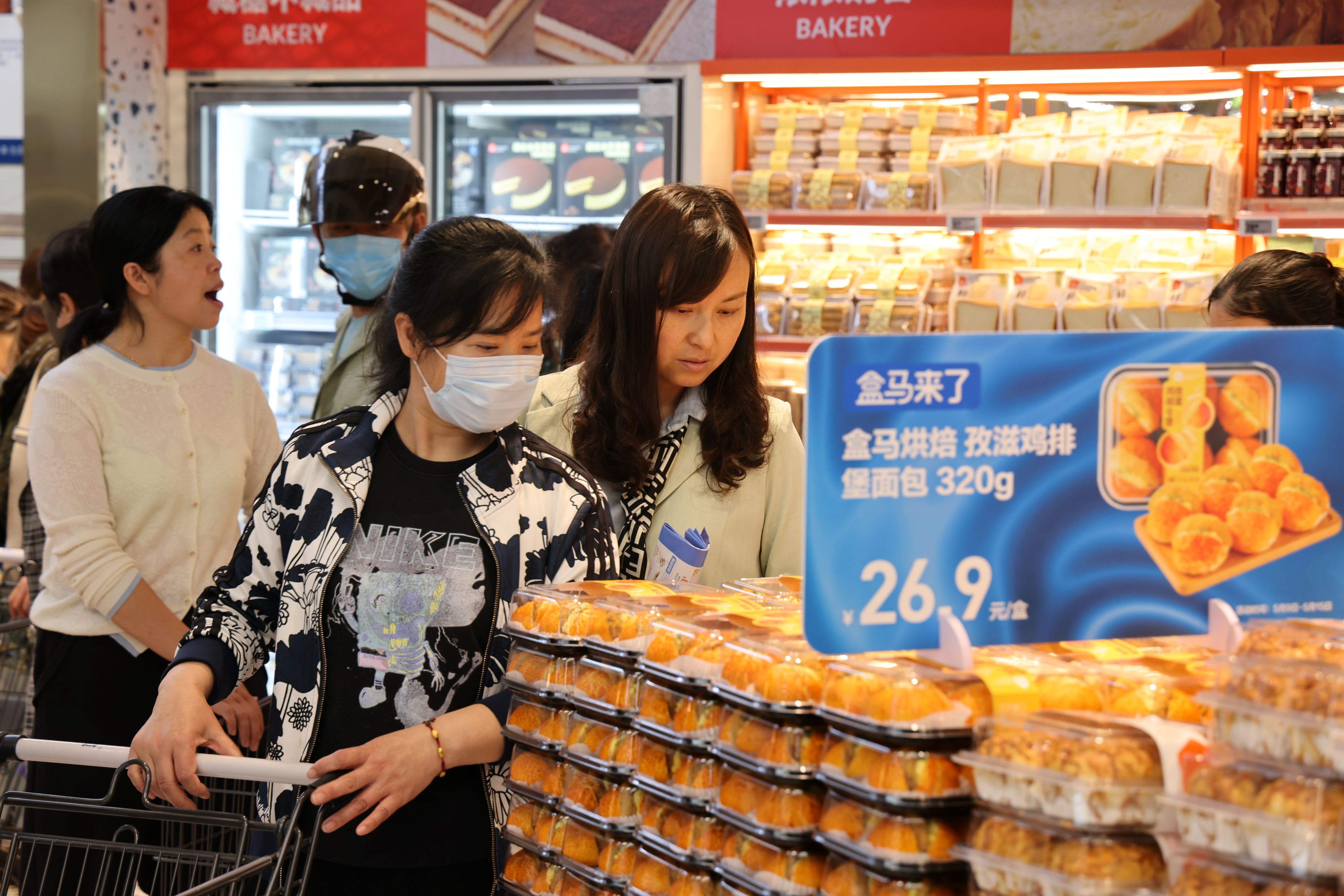
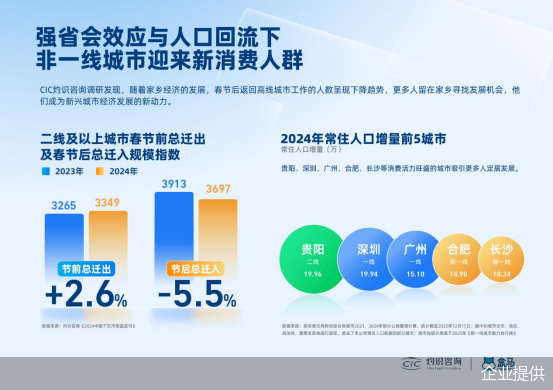
Core Insights - Hema has chosen a different path from traditional retailers by expanding against the trend, achieving both operational efficiency and scale effects in its two business formats: Hema Fresh and Super Hema [1][2] - In 2025, Hema's overall revenue growth exceeded 40% year-on-year, serving over 100 million consumers through its dual business formats [1][2] - Hema's strategy focuses on meeting core consumer needs, with 80% of new product development centered around health foods and innovative fresh solutions [1] Business Expansion - Hema Fresh opened in 40 new cities in 2025, while Super Hema added over 200 new stores [1] - The opening of Hema Fresh in emerging cities like Taiyuan and Nanyang demonstrates the brand's ability to resonate with local consumer demands [2] - Hema's bakery products have seen significant sales, with a single store in Dongying selling 400,000 yuan worth of baked goods on its opening day [2] Market Dynamics - Emerging markets, particularly in third and fourth-tier cities, are showing strong consumer spending capabilities, challenging previous assumptions about their purchasing power [3] - The rise of cities like Zhuhai and Yichang reflects a shift from resource-based economies to new industrial hubs, driving consumer demand [3] - The "emotional economy" in China is expected to exceed 2 trillion yuan by 2025, indicating a structural change in consumer demand [3] Operational Efficiency - Hema's supply chain and delivery systems are highly coordinated, allowing for rapid inventory turnover and reduced waste [10][11] - The company employs a high-frequency replenishment model, significantly shortening the inventory cycle for perishable goods [10] - Hema's ability to deliver within 30 minutes has transformed delivery from an emergency service to a daily consumer infrastructure [10] Strategic Focus - Hema's dual business strategy targets different consumer segments, enhancing its market penetration from first-tier to all-tier cities [6] - The company aims to deepen supply chain resilience and enhance user experience to meet evolving consumer demands [7] - Super Hema's pricing strategy offers products 20%-30% cheaper than competitors, appealing to cost-sensitive consumers [7] Industry Implications - Hema's practices provide valuable insights for retail companies, emphasizing the importance of user-centric strategies and supply chain upgrades in a competitive market [13] - The ongoing application of AI technology and the rise of instant retail are expected to drive further transformation in the Chinese retail sector [13]
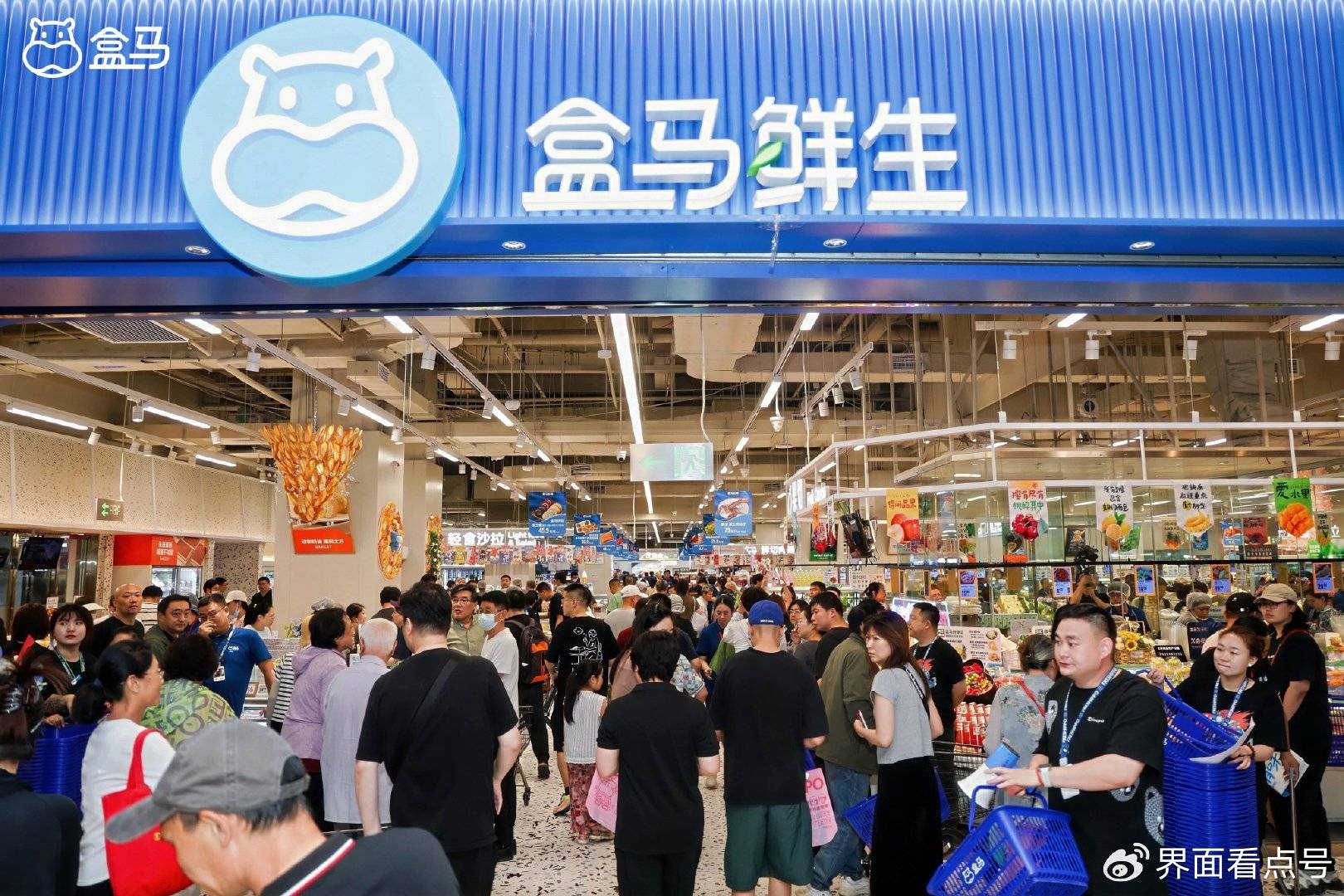
2025年营收增长超40%,盒马如何做到“开店即爆满”的?
Di Yi Cai Jing· 2026-01-03 06:48
Core Insights - Hema is expanding rapidly, with nearly 500 Hema Fresh stores and 400 Super Hema stores nationwide, indicating strong consumer interest and demand in new cities [1][5] - Hema's CEO announced plans to enter 40 new cities by 2025, with a projected revenue growth of over 40% year-on-year, demonstrating resilience in a challenging retail environment [4][8] - The company aims to achieve a gross merchandise volume (GMV) exceeding 100 billion yuan by the end of the 2026 fiscal year, marking a significant growth trajectory [8][13] Expansion Strategy - Hema's dual strategy involves expanding both Hema Fresh and Super Hema, with the former replicating successful models and the latter optimizing its approach [5][11] - The expansion is supported by a robust supply chain network, including 8 supply chain centers and over 300 direct sourcing bases, enabling efficient product delivery [12] - Hema's focus on high-quality products and community needs through its two business models allows it to cater to diverse consumer preferences [11][12] Market Dynamics - The retail market in China is evolving, with rising consumer demand for quality products in lower-tier cities, providing new opportunities for Hema [9][10] - The overall retail sales in China grew by 4% year-on-year from January to November 2025, indicating a favorable macroeconomic environment for Hema's expansion [9] - Hema's successful entry into emerging markets is driven by changing consumer behaviors and preferences, particularly in lower-tier cities [10][12] Consumer Engagement - Hema has successfully engaged consumers through popular products and a strong online presence, with discussions around "must-buy" items on social media platforms [10] - The company has established a solid presence in first-tier cities and is now adapting to local preferences in new markets, enhancing its appeal [10][11] - Hema's focus on product innovation and customer satisfaction is reflected in its sales performance, with many products achieving significant monthly sales [12]