新茶饮

Search documents
皱叶甘蓝登场,书亦烧仙草的“慢功夫”
Bei Ke Cai Jing· 2025-07-16 12:32
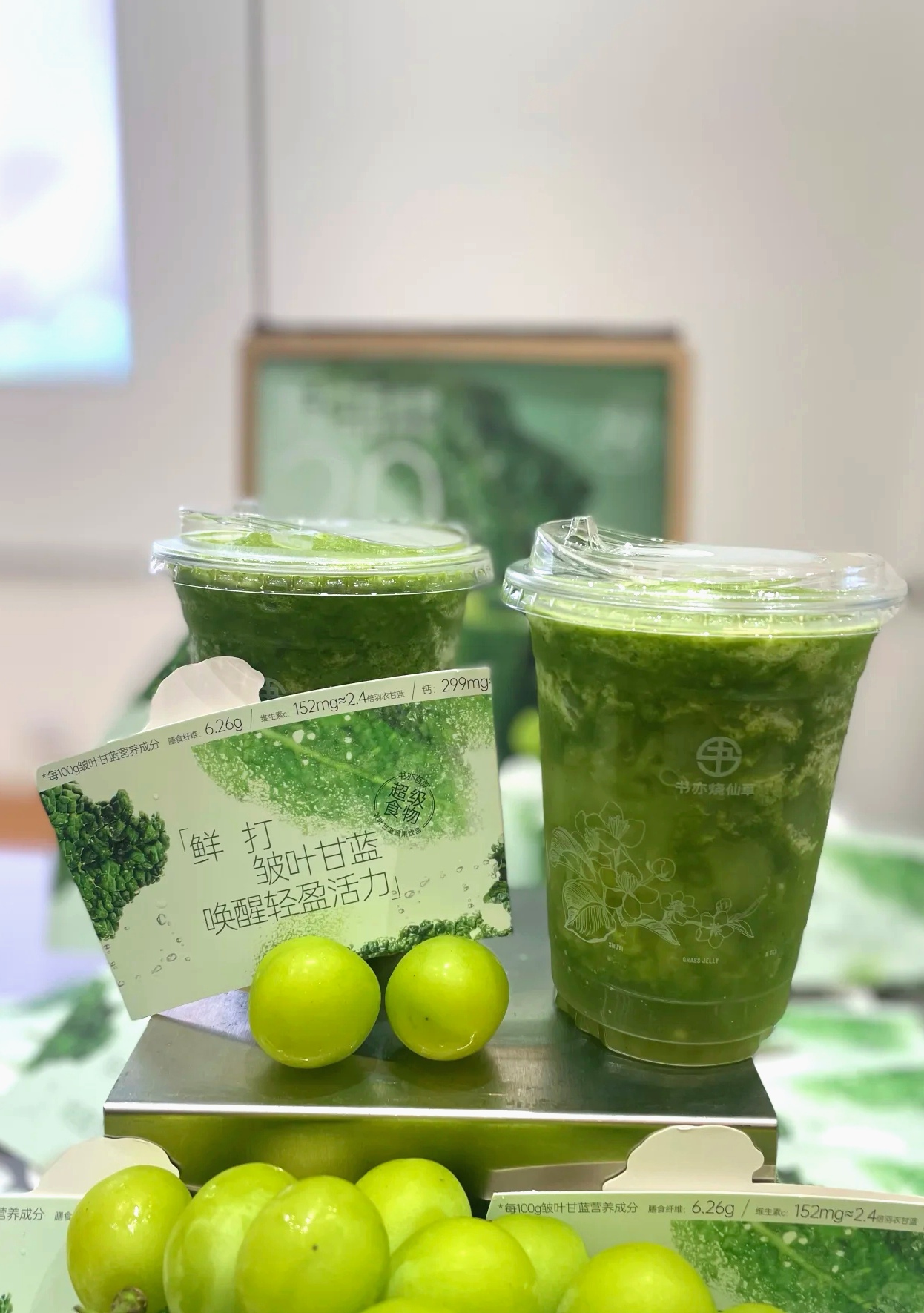
Core Viewpoint - The new tea beverage industry is increasingly focusing on health, with Shuyi Shao Xian Cao differentiating itself by launching a new product featuring curly kale, marking the beginning of a "Curly Kale 2.0" era in tea drinks [1][10]. Group 1: Product Development - Shuyi Shao Xian Cao has introduced a new curly kale beverage, utilizing fresh curly kale and ensuring high-quality logistics and food safety processes to maintain freshness and safety of ingredients [1][9]. - The company is launching four curly kale drinks, including a refreshing "Curly Kale Slimming Cup" and various smoothies, emphasizing the use of high-quality tender leaves for optimal taste [8][10]. - The curly kale is a novel ingredient in the domestic market, primarily cultivated in specific research production bases, and is known for its high nutritional value, including dietary fiber and vitamins [4][8]. Group 2: Market Performance - Despite facing competition, the curly kale drinks achieved impressive sales, with over 200,000 cups sold in the first weekend, consuming 20,000 jin of curly kale, and receiving a 95% customer satisfaction rate [10][11]. - The product's success reflects a growing trend among young consumers who prioritize health and quality in their beverage choices [10][11]. Group 3: Marketing Strategy - Shuyi Shao Xian Cao has appointed Chinese track and field athlete Wu Yanni as a brand ambassador to promote a healthy lifestyle, enhancing the product's appeal to younger consumers [11][12]. - The company is employing innovative marketing strategies, including themed packaging and interactive events, to strengthen health awareness and engage consumers [12][16]. Group 4: Supply Chain and Quality Control - The curly kale is sourced directly from cooperative bases, ensuring daily fresh harvesting and rigorous quality checks, with a focus on food safety through multiple cleaning and preparation processes [9][20]. - The company emphasizes a strong supply chain strategy, leveraging local resources to enhance product quality and maintain competitive advantages in the market [20][24]. Group 5: Long-term Strategy - Shuyi Shao Xian Cao is committed to refining its product offerings through meticulous research and development, focusing on quality and consumer preferences to drive future growth [17][19]. - The company aims to expand its health beverage portfolio while maintaining a stable supply chain and precise operational management to ensure consistent product quality [24].

从券商研报看新消费下半场:增长潜力充足
Zhong Guo Zheng Quan Bao· 2025-07-15 20:57
Core Insights - The growth of new consumption sectors is driven by technological advancements and emotional value, with significant retail growth observed in sports goods (22.2% YoY) and gold and jewelry (11.3% YoY) [1] - New consumption trends are characterized by the rise of brands in the tea beverage sector, collectibles, and personalized products, indicating a shift towards consumer-centric offerings [2][3] Group 1: New Consumption Trends - New consumption sectors such as trendy toys, pet products, and new tea beverages are gaining traction, supported by favorable policies and consumer demand for personalized and diverse offerings [1][2] - The emergence of brands like Pop Mart, Lao Pu Gold, and Mixue Group highlights the potential of the trendy toy, gold jewelry, and new tea beverage industries [1] Group 2: Consumer Behavior and Demographics - The shift in consumer demographics, particularly the rise of Generation Z and the elderly population, is driving demand for personalized and quality products [3] - The elderly demographic is influencing growth in healthcare, wellness services, and companionship consumption, while the younger generation is increasingly focused on emotional value and self-expression [3] Group 3: Policy Support and Market Dynamics - Government policies, such as the "Consumption Promotion Action Plan," are aimed at supporting new consumption sectors, including digital and AI-driven consumption [3][4] - Continuous policy support is expected to enhance consumer spending power and stimulate demand across various sectors, including traditional categories like gold jewelry and snacks [4] Group 4: Future Outlook - Analysts predict that the overall consumption growth rate will align with nominal GDP growth in the second half of the year, with emotional value-driven consumption expected to withstand economic fluctuations [4]
钟薛高破产清算、哈根达斯关店40%,是谁杀死了“雪糕刺客”?
3 6 Ke· 2025-07-13 02:33
Core Insights - The luxury ice cream brands, particularly "Chong Xue Gao" and Häagen-Dazs, are facing significant operational challenges and declining market presence, leading to store closures and financial difficulties [1][2][12] - Consumer sentiment has shifted towards rational consumption, with a growing skepticism towards high-priced ice creams, resulting in a market correction [15][22][30] Group 1: Market Trends - The hashtag IceCreamAssassinIsBankrupt has gained 17.83 million views on Weibo, highlighting the public's awareness of the crisis in the premium ice cream sector [1] - "Chong Xue Gao" has seen its product offerings reduced to only three flavors on its Tmall flagship store, with customer service citing "operational difficulties" [2] - Häagen-Dazs has reduced its store count from over 400 to 250 in just a year and a half, indicating a significant contraction in its market presence [12] Group 2: Consumer Behavior - A survey indicated that over 60% of consumers believe that the high prices of ice creams are due to excessive marketing costs rather than quality [21] - The emergence of new beverage categories, such as new tea drinks, has diverted consumer spending away from traditional ice cream products [21] - The trend of rational consumption is reinforced by regulatory measures, such as the implementation of clear pricing regulations in major cities [22] Group 3: Brand Performance - "Chong Xue Gao" experienced a rapid rise and fall, with its revenue exceeding 1 billion yuan within 16 months of its launch, but has since faced numerous lawsuits and negative publicity [10][8] - Häagen-Dazs reported a 3.2% decline in sales in China for the fiscal year ending May 2025, with a double-digit drop in customer traffic [12] - The brand's high-end image is being challenged as consumers increasingly seek value for money, leading to a decline in its market appeal [30]

今年荔枝跌成白菜价
投资界· 2025-07-12 07:46
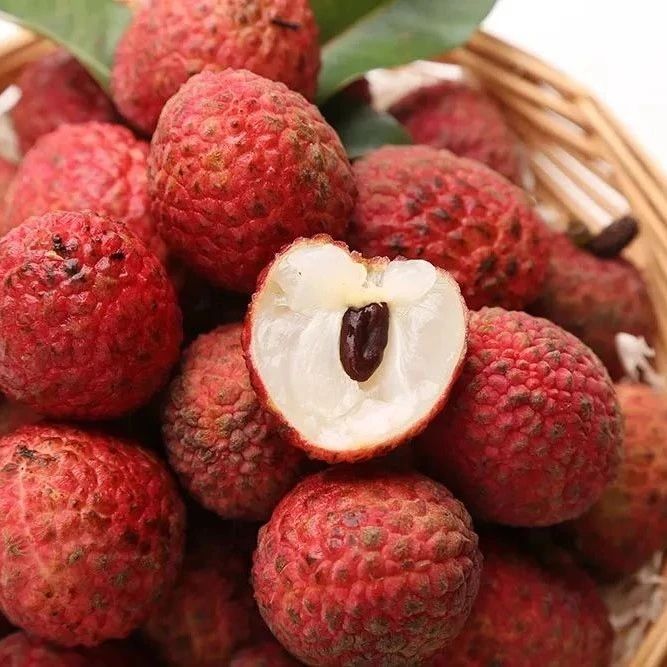
Core Viewpoint - The article discusses the significant drop in lychee prices this summer, attributed to a surge in production and the simultaneous harvest of various lychee varieties, leading to a situation where some growers prefer to let their fruit rot on the trees rather than incur harvesting costs [3][13][19]. Price Trends - Lychee prices have plummeted to as low as 1.98 yuan per kilogram, with reports of prices dropping from 6 yuan to 2.98 yuan within days [5][6]. - In Guangdong, which accounts for over 50% of national lychee production, prices have seen a dramatic decrease, with some varieties like 桂味 (Guiwei) dropping from 25-26 yuan to 3-4 yuan per kilogram [14][20]. Production Factors - The national lychee production is expected to reach 3.65 million tons this year, a 111.26% increase compared to 2024, due to favorable weather conditions [13][14]. - The simultaneous ripening of lychee varieties across different regions has exacerbated the oversupply situation, leading to lower prices [13][14]. Consumer Behavior - The low prices have led to increased consumer interest and engagement, with discussions on social media about the best varieties and how to consume or store lychees [9][10]. - Consumers are exploring various culinary uses for lychees, such as in dishes like lychee ribs and lychee sweet and sour pork [10]. Industry Challenges - The lychee industry faces challenges related to logistics and preservation, as the fruit is highly perishable and requires careful handling to maintain quality [15][20]. - Growers often struggle to sell their produce at profitable prices due to limited market access and high logistics costs, which can sometimes exceed the price of the fruit itself [20][21]. Market Response - New tea beverage brands have capitalized on the low prices by launching lychee-flavored products, which have seen strong sales [11][12]. - Efforts are being made within the industry to optimize supply chains and improve the marketing of lychee products to enhance visibility and sales [21].
“0门店”闯美,茶颜悦色,不走蜜雪冰城老路
3 6 Ke· 2025-07-12 05:24
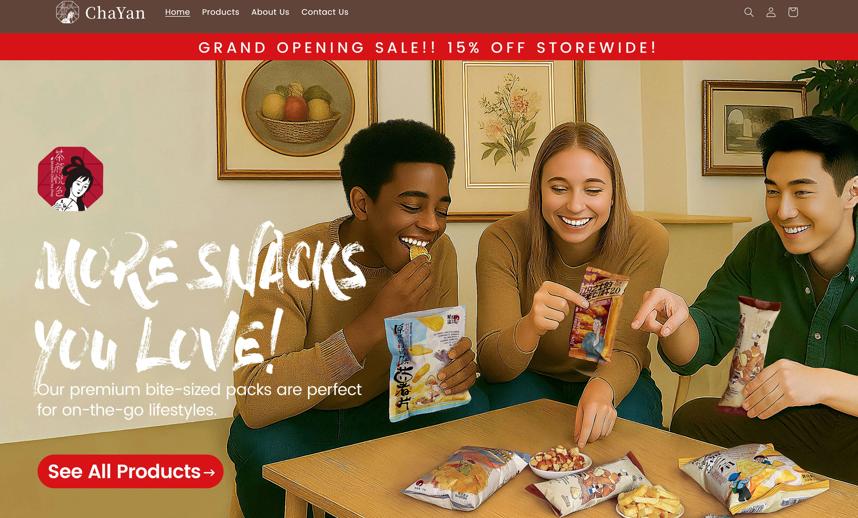
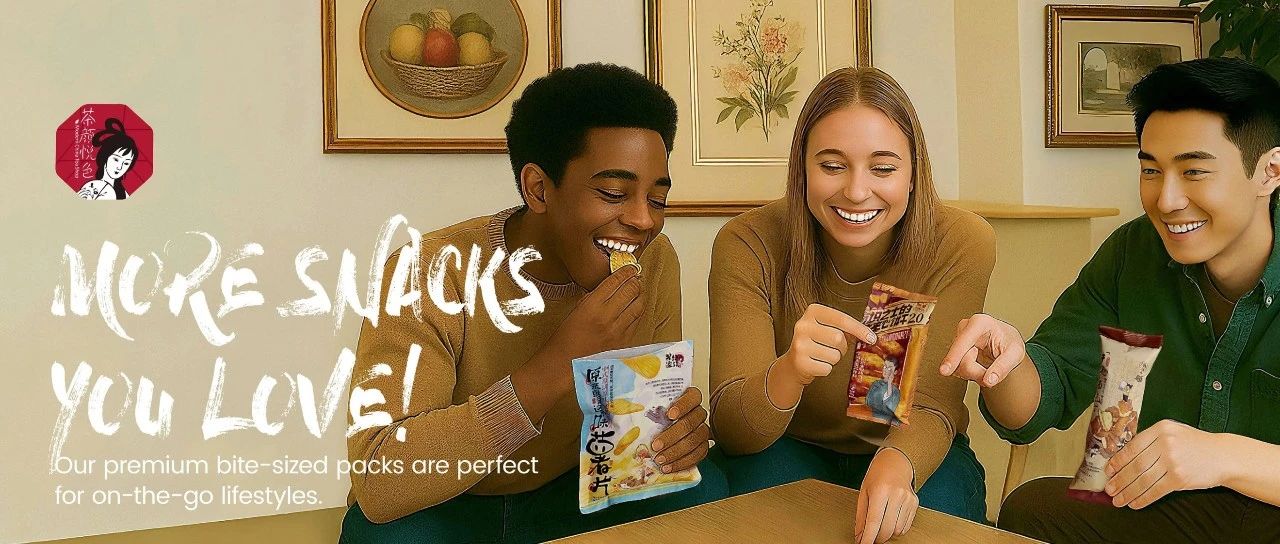
Core Viewpoint - Chayan Yuese, a popular tea brand, is expanding internationally by adopting an online-only model, focusing on the North American market rather than traditional physical store openings [5][6][28]. Group 1: Company Strategy - Chayan Yuese has chosen to enter the North American market without physical stores, utilizing e-commerce platforms such as Shopify, Amazon, TikTok Shop, Walmart, Weee, and Yami [6][18]. - The brand is launching over 40 products, primarily snacks and cultural items, rather than its signature milk tea, which reflects a strategic shift to cater to the online market [3][7][28]. - The company has been cautious in its expansion, previously focusing on regional growth in China before venturing abroad [13][17]. Group 2: Market Positioning - Chayan Yuese's decision to sell snacks instead of tea is influenced by the complexities of exporting tea products to the U.S., including regulatory challenges and the need for FDA certification [12][28]. - The brand has established a certain level of brand recognition among the Chinese community in North America, which may facilitate its entry into the market [22][28]. - The competitive landscape for Asian snacks in North America is intense, with many established brands, which may challenge Chayan Yuese's market position [28]. Group 3: Financial Performance - The company's online sales exceeded 100 million yuan in 2024, indicating a successful transition to e-commerce and retail products [18]. - Popular items like the "bread cubes" have shown strong sales, with some products selling out quickly on their Shopify store [9][18]. Group 4: Future Considerations - The absence of tea products in the initial launch may hinder Chayan Yuese's ability to establish itself as a "new tea drink" brand in the North American market [31]. - The brand's approach may signify a shift in the new tea drink sector towards more refined operations, as companies seek unique paths for international expansion [28].
新茶饮新表达
Jing Ji Ri Bao· 2025-07-11 22:26
Core Insights - The new tea beverage industry is innovating by exploring and promoting niche fruits, which is a typical path driven by consumer upgrades forcing supply-side innovation, positively impacting rural revitalization, increasing farmers' income, and enhancing the innovation capacity of new tea beverage companies [1][6] - The market for new-style tea beverages in China is projected to reach approximately 354.7 billion yuan in 2024, with a year-on-year growth of 6.4%, and is expected to exceed 400 billion yuan by 2028 [1] Industry Development - The new tea beverage trend began over a decade ago, with brands like Heytea and Nayuki leading the charge, and the market has seen rapid expansion, with over 304,000 related companies in China as of now, and an expected addition of over 15,000 by 2025 [3] - Consumer loyalty to new-style tea beverages is high, with 87.9% of consumers purchasing them at least twice a week, and 26% planning to increase their consumption frequency in 2024 [3] Consumer Preferences - There is a significant shift in consumer preferences towards healthier options, with many opting for low-calorie, sugar-free, and fresh fruit-based tea drinks, reflecting a growing awareness of nutrition and health [5][6] - The introduction of products like the "Kale Slimming Bottle" by Heytea, which combines kale with various fruits and green tea, highlights the trend towards health-conscious beverage choices [5] Cultural Impact - New tea beverages serve as a modern expression of tea culture, appealing to younger consumers and enhancing their understanding of traditional Chinese tea [7][9] - The integration of traditional cultural elements into product design, such as the "Famous Paintings Milk Tea Cup" series by Tea Yan Yue Se, aims to attract younger consumers and promote Chinese culture [8][9] Innovation and Sustainability - Companies are focusing on sourcing high-quality, sustainable raw materials, with Heytea selecting over 12,000 acres of premium tea gardens and collaborating with farmers for fruit production [6] - Initiatives like Nayuki's "No Sugar Natural Nutrition+" plan aim to promote healthier beverage options while supporting local agriculture [6]
茶颜悦色将以电商形式向北美市场布局零售业务:出海第一站选择美国
IPO早知道· 2025-07-11 02:10
Core Viewpoint - The company, Cha Yan Yue Se, is expanding its retail business overseas through e-commerce platforms, marking a significant step in its international strategy [2][10]. Group 1: E-commerce Expansion - Cha Yan Yue Se has announced the establishment of its own Shopify store and brand self-operated stores on platforms like Amazon, TikTok Shop, Walmart, Weee, and Yami, starting operations from July 9 [2]. - The decision to enter the overseas market, particularly the U.S., was influenced by customer feedback indicating the availability of its products on various online platforms during travels [4]. - The company aims to leverage its e-commerce presence to enhance brand visibility and customer engagement in international markets [10]. Group 2: Product Development and Innovation - Since 2020, Cha Yan Yue Se has focused on developing its retail product line, emphasizing high-frequency repurchase categories such as tea and snacks [4]. - The company has designed and launched over 500 SKUs by May 2025, covering various categories including tea, snacks, stationery, and daily necessities [5]. - A new R&D production base is set to commence operations in 2025, aimed at enhancing the standardization and stability of core raw materials, thus supporting continuous product innovation [6]. Group 3: Sales Performance - In 2023, Cha Yan Yue Se's Tmall flagship store ranked among the top three in its category, with retail e-commerce sales exceeding 100 million in 2024, reflecting a 12-fold year-on-year increase [9]. - The company has attracted over 2.27 million followers across various e-commerce platforms, with specific snack products achieving significant sales milestones [9].
喜茶再度调整品牌logo,官方客服回应
第一财经· 2025-07-10 13:43
Core Viewpoint - The recent logo change by Heytea has sparked significant public interest and discussion, indicating the brand's ongoing efforts to engage with consumers and adapt its image in a competitive market [1][2]. Group 1: Logo Changes and Consumer Engagement - Heytea's logo has undergone multiple changes, with the latest adjustment occurring in July 2025, which has drawn mixed reactions from consumers [1][2]. - Previous logo changes included a notable alteration in September 2022, where the logo lost its black hair and hand details, leading to humorous commentary from users [2]. - The brand's frequent logo updates are seen as a strategy to foster closer interactions with consumers, enhancing brand recognition and affinity [2]. Group 2: Brand Strategy and Market Position - In February 2025, Heytea emphasized its commitment to deepening connections with users and moving away from price competition and scale-driven strategies in the new tea beverage industry [2]. - The company announced a halt on accepting new business partnership applications to focus on strengthening its brand-user relationship [2]. - Heytea's 2024 annual report highlighted significant growth, with membership surpassing 150 million, reflecting a robust expansion strategy both domestically and internationally [3].

沸腾!美团免单,热搜第一!
中国基金报· 2025-07-10 09:52
Core Viewpoint - The article discusses the ongoing "subsidy war" among food delivery giants in China, highlighting Meituan's recent promotional campaign that has gained significant attention on social media, particularly through its "free meal" initiative [1][2][4]. Group 1: Meituan's Promotion - Meituan's "free meal" campaign quickly became a trending topic on Weibo, with users sharing their experiences and strategies for obtaining free meals [1][4]. - The promotional period for Meituan's campaign is from July 1 to July 31, 2025, with limited daily free meal slots available [9]. - During the promotional week from July 8 to July 13, 2025, Meituan offered 10,000 free meals daily, with a special allocation of 100,000 meals on July 9 [11]. Group 2: Competitive Landscape - The food delivery sector is experiencing a new round of subsidy wars, with major players like Taobao and JD.com also launching aggressive promotional strategies [12][13]. - Taobao announced a plan to distribute 50 billion yuan in subsidies over the next 12 months to attract consumers and merchants [13]. - JD.com has initiated a "Double Hundred Plan," committing over 10 billion yuan to support brand sales, with significant growth in order volumes reported [14]. Group 3: Impact on New Tea Beverage Market - The current subsidy initiatives are particularly beneficial for the new tea beverage market, as consumers are increasingly opting for low-cost items like tea during this promotional period [16]. - The demand for tea beverages has surged, with some stores reporting overwhelming order volumes due to the "0 yuan purchase" promotions [17]. - Nai Xue's Tea reported a 50% increase in order volume within 48 hours of the subsidy launch, with some stores experiencing a 230% increase in sales [18].

专家访谈汇总:周杰伦入驻抖音,引爆概念股
阿尔法工场研究院· 2025-07-09 12:31
Group 1: Financial Products and Market Trends - Fixed income products dominate the market, with non-cash management fixed income products reaching a scale of 23.4 trillion yuan, accounting for over 70% [1] - Investors show a conservative preference for low-risk fixed income products, especially during market volatility [1] - The transition to net value-based operation models for bank wealth management products is a key development, with a shift from long-term bonds to short-term high-rated bonds to reduce net value fluctuations [1] - The expected annual incremental funds for the equity market from this transition is estimated to be between 80 to 120 billion yuan, with a focus on neutral return products like IPOs and stock index hedging [1] Group 2: AI Collaboration and Market Impact - Kakao's strategic partnership with OpenAI aims to enhance its AI capabilities, particularly in the KakaoTalk application, serving 49 million users with personalized services [2][3] - This collaboration is seen as transformative for Kakao, especially under the leadership of its first female CEO, amid sales challenges and economic pressures [2][3] - Kakao plans to integrate AI across its services, targeting double-digit sales growth within the next two years through innovation [2][3] Group 3: Food and Beverage Sector Performance - The food and beverage sector has shown strong performance, with the food ETF rising by a maximum of 1.34% during trading, ultimately closing up 0.84% [3] - Key stocks in the sector, such as Shanxi Fenjiu and Yingjia Gongjiu, saw significant increases, with several major liquor stocks also performing well [3] - Despite potential macroeconomic pressures in the second half of the year, the liquor sector is viewed as having sufficient valuation to present investment opportunities [3] Group 4: Celebrity-Driven Market Movements - The entry of Jay Chou into Douyin has significantly impacted the capital market, with shares of Juying Legend soaring by 100% [4] - Juying Legend, founded in 2017, has a long-term IP licensing agreement with Jay Chou's agency, providing a stable operational foundation [4] - The company continues to experience revenue growth, particularly in IP creation and new retail, with future IP launches expected to sustain this growth [4] Group 5: ESG Disclosure in New Tea Beverage Industry - Food safety and compliance issues have become increasingly prominent in the new tea beverage industry, with notable brands facing public scrutiny [5] - Companies like Nayuki and Mixue have been criticized for management and quality control failures, highlighting the need for improved ESG practices [5] - While some companies have begun disclosing ESG reports, inconsistencies remain, particularly in carbon emissions reporting, indicating a lag in ESG management [5] - As consumer expectations rise, companies must proactively disclose ESG information to enhance brand loyalty and competitiveness [5]