
快餐

Search documents
汉堡王中国3.5亿美元易主将扩店超4000家 外资品牌本土化难破双重困境
Chang Jiang Shang Bao· 2025-11-11 23:22
Core Insights - Burger King China has been sold to local private equity firm CPE Yuanfeng, which will hold 83% of the shares, while the original parent company, Restaurant Brands International (RBI), retains 17% [2][4] - CPE Yuanfeng will inject $350 million into Burger King China for store expansion and other initiatives, aiming to increase the number of outlets from approximately 1,250 to over 4,000 by 2035 [2][4][5] - The ownership change is part of a broader trend where foreign brands like Starbucks and Burger King are localizing operations to navigate intense market competition in China [2][6] Company Overview - CPE Yuanfeng, established in 2008, manages over 180 billion RMB in assets and has invested in over 300 companies, focusing on the chain consumer service sector [5] - The new partnership will enable Burger King China to enhance product offerings, marketing strategies, and operational capabilities [5][6] Market Context - Burger King has faced stagnation in store expansion and slowing performance, with a significant drop in market share and competition from local brands like Luckin Coffee [6][12] - The company has struggled to meet its expansion goals, with a net decrease of 224 stores since early 2025 [12][13] - The competitive landscape includes established players like KFC and McDonald's, as well as emerging brands targeting lower-tier cities [13]

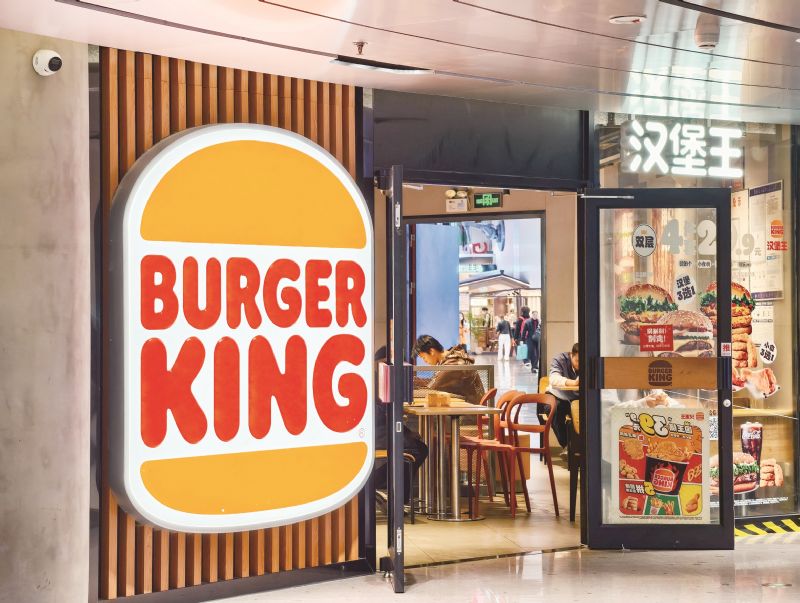
牵手“中国合伙人”,洋品牌加速本土化
Qi Lu Wan Bao· 2025-11-11 22:06
Core Insights - CPE Yuanfeng has announced a strategic partnership with Burger King to establish a joint venture named "Burger King China," marking a new phase for the brand in the Chinese market [2][5] - The partnership reflects a broader trend where international fast-food brands are transferring parts of their Chinese operations to local capital to enhance localization efforts [2][9] Company Operations - Currently, there are 28 Burger King outlets in Jinan, with stable daily order volumes ranging from 500 to 800, indicating a solid customer base [3][7] - Staff at various Jinan locations confirmed that the recent ownership change has not affected operational processes or menu offerings, maintaining business as usual [4][6] - The company plans to expand its store count in China from approximately 1,250 to over 4,000 by 2035, supported by an initial investment of $350 million from CPE Yuanfeng [5][6] Market Context - The competitive landscape in the Chinese restaurant industry has intensified, with local brands like Wallace and Luckin Coffee gaining market share through high cost-performance ratios and agile operations [7][9] - International brands, including McDonald's and KFC, have previously transferred stakes to private equity firms to enhance local operations and improve profitability through digitalization and localized product offerings [8][9] - Burger King's sales in China were reported at approximately $700 million, with an average annual sales per store of $400,000, which lags behind competitors like KFC [8]
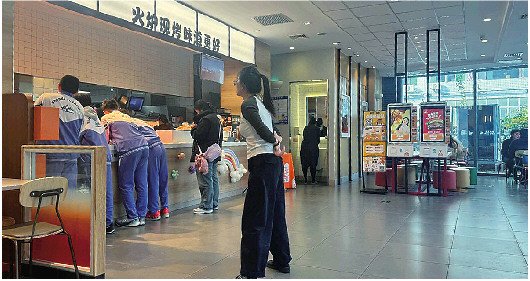
“看到这个国际巨头被卖的消息,我竟然共情了”
Sou Hu Cai Jing· 2025-11-11 15:17
平静一些的媒体说,《汉堡王中国,被卖了》;看热闹不怕事儿大的自媒体称,《汉堡王中国"卖身"求生》。 打工人的双11:手机在哪个平台买便宜?羽绒服买哪个款式更好看?清空老公的购物车花那么多钱是不是太浪费? CPE源峰的双11:汉堡王的中国业务要不要买?3.5亿美元值不值? 最终,11月10日,据打工人的午饭搭子汉堡王消息,CPE源峰宣布与汉堡王品牌达成战略合作。双方将成立合资企业"汉堡王中国",CPE源峰将向汉堡王 中国注入3.5亿美元的初始资金,持有汉堡王中国约83%的股权。 如果只看这一笔,像是一桩普通的收购。但把时间线再往前推,我们会发现它其实是一个越来越清晰的趋势。 星巴克在不久前把中国业务6成股权交给了博裕投资,成交价40亿美元。 麦当劳更早一步,从2017年开始就让中国业务走上了本土资本参与的道路。"金拱门"那时成为一个标志性的转折。肯德基的母公司百胜中国,则在2016年 就引入了春华资本。 曾经高高在上的国际品牌,如今都选择了同一件事:把中国业务交给中国人打理。为什么? 01 加速时代 一切正在重构 原因其实很直接,中国市场的变化已经没有缓冲区了。 消费习惯、场景、口味、渠道,它们像天气一样在变。 ...
星巴克之后,汉堡王也“牵手”中资机构
Zhong Guo Xin Wen Wang· 2025-11-11 14:43
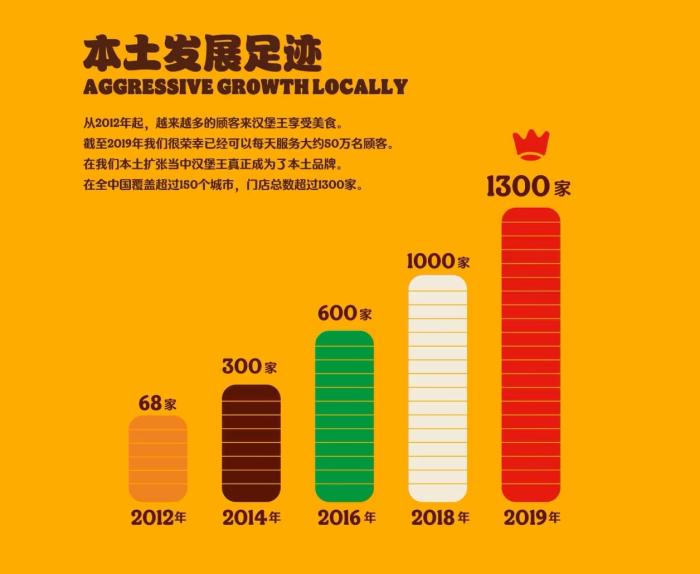
Core Viewpoint - Burger King's parent company, RBI Group, has formed a strategic partnership with CPE Yuanfeng to establish a joint venture named "Burger King China," aiming to enhance its operations in the Chinese market, which has been underperforming compared to competitors like KFC and McDonald's [1][11]. Summary by Sections Partnership and Investment - The joint venture will be completed by the first quarter of 2026, with CPE Yuanfeng injecting an initial capital of $350 million into Burger King China [1]. - Post-transaction, CPE Yuanfeng will hold approximately 83% of the joint venture, while RBI Group retains about 17% [1]. Market Entry and Expansion - Burger King entered the Chinese market in 2005, nearly 20 years after KFC and McDonald's, and initially expanded slowly, reaching only 68 stores in the first seven years [1]. - By 2018, the total number of Burger King stores reached 1,000, but growth stagnated, with only 1,500 stores by the end of 2023 [4][8]. Competitive Landscape - As of now, KFC has 12,119 stores, McDonald's has 7,986, while local brands like Wallace and Tastin have over 19,648 and 10,442 stores respectively, highlighting Burger King's struggle with only 1,339 stores [4][8]. - The average annual sales per store for Burger King China in 2024 is projected to be around $400,000, significantly lower than its French counterparts [4]. Challenges Faced - Franchisee complaints about poor product quality and slow localization efforts have contributed to Burger King's struggles in China [5][7]. - The company previously terminated its partnership with TFI Group, regaining control of its operations in China in October 2024 [8]. Future Plans - The new partnership with CPE Yuanfeng aims to increase the number of Burger King stores in China from approximately 1,250 to over 4,000 by 2035, with a focus on sustainable same-store growth [11][12]. - The collaboration is expected to leverage CPE Yuanfeng's local market expertise and operational capabilities to unlock growth potential in the Chinese market [12].

关店潮下最后一搏!看汉堡王中国的“新主人”如何止跌
Hua Xia Shi Bao· 2025-11-11 12:36
Core Viewpoint - Burger King's strategic partnership with CPE Yuanfeng aims to revitalize its operations in China, where it has faced significant challenges in recent years [1][5]. Group 1: Partnership Details - CPE Yuanfeng will hold approximately 83% of the newly formed joint venture, Burger King China, while RBI retains about 17% [2]. - CPE Yuanfeng is set to inject $350 million into Burger King China to support restaurant expansion, marketing, menu innovation, and operational improvements [2][4]. - A 20-year master development agreement will grant Burger King China exclusive rights to develop the brand in China [2]. Group 2: Market Challenges - Burger King has struggled in the Chinese market, with a reduction in store count and issues such as unpaid employee wages [1][5]. - The competitive landscape includes major players like KFC and McDonald's, as well as local brands like Wallace and Tastin, which are rapidly expanding [1][6]. - The company plans to increase its store count from approximately 1,250 to over 4,000 by 2035, aiming for an annual increase of 275 stores [5][6]. Group 3: CPE Yuanfeng's Role - CPE Yuanfeng has extensive experience in the consumer sector, having invested around 10 billion in various leading companies [4]. - The focus will be on product upgrades, brand marketing, store expansion, online channel restructuring, digital system development, and financial optimization [4]. Group 4: Industry Dynamics - The fast-food sector in China is under pressure from both Western and local brands, with significant growth from Chinese fast-food chains like Laoxiangji and Xiangcunji [7]. - The rapid expansion of local brands poses a challenge for Western fast-food chains, necessitating quicker decision-making and adaptation to market changes [7].
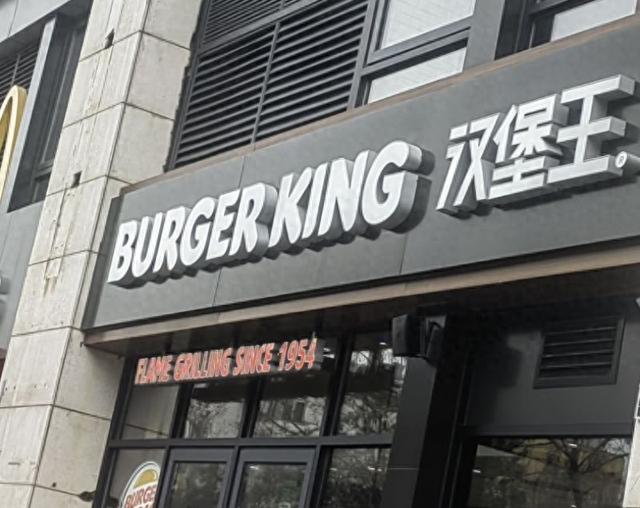
汉堡王中国“卖身”求生:一年关店上百家,加盟商诉“月入90万仍亏本”
新浪财经· 2025-11-11 10:10
Core Viewpoint - Burger King's ownership has changed as CPE Yuanfeng announced a joint venture with Restaurant Brands International (RBI) to establish Burger King China, with an initial investment of $350 million to support expansion and operations [2][4]. Summary by Sections Ownership Change - CPE Yuanfeng will hold approximately 83% of Burger King China after the investment [2]. Quality Concerns - Consumers have expressed dissatisfaction with Burger King's product quality, citing issues such as dry patties and poor taste [5]. - The decline in product quality has led to reduced customer traffic, directly impacting the number of stores [6]. Store Closures - As of September 2023, Burger King China had about 1,300 stores, down from 1,587 at the end of 2022, with projections to close unprofitable locations [6]. - The criteria for closure include an average annual sales of less than $300,000 (approximately 2.15 million RMB), which poses a significant challenge for franchisees [6]. Franchisee Issues - Long-standing conflicts between Burger King and its franchisees have been reported, including allegations of unfair terms and high operational costs [7]. - Franchisees have claimed that even with high sales, profitability is elusive due to excessive costs and fees [7][8]. Market Positioning - Burger King's market positioning in China is considered awkward, with high establishment costs and insufficient coverage in lower-tier cities [11]. - The brand struggles to compete with established players like KFC and McDonald's, which have a stronger market presence [11]. Product and Marketing Challenges - The brand's product offerings have not resonated well with Chinese consumers, leading to a perception of being outdated [12]. - Marketing efforts have been criticized for lacking innovation and failing to engage younger consumers effectively [12][13]. Financial Performance - In 2024, Burger King China ranked eighth in revenue among RBI's international markets, with system sales of approximately $700 million and an average annual sales per store of about $400,000 [13]. - This performance is significantly lower compared to other markets, such as France and South Korea, where average sales per store are much higher [13]. Competitive Landscape - The competitive environment is challenging, with aggressive marketing strategies from competitors like KFC and local brands [14].
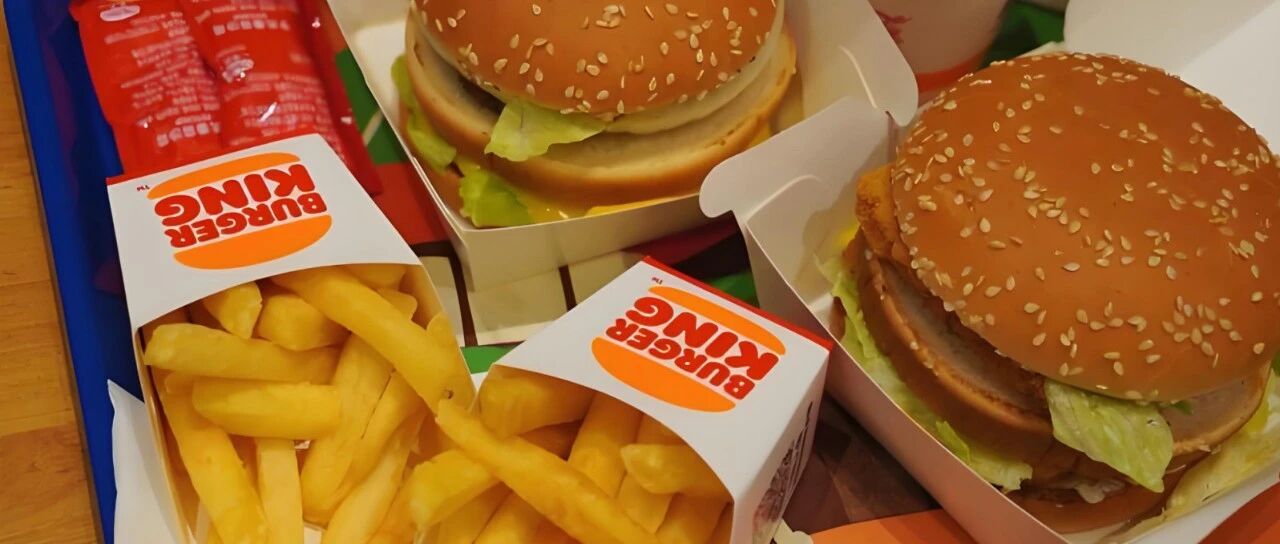
英国富翁卖公司赚37亿后感到空虚,计划重返职场
Sou Hu Cai Jing· 2025-11-11 10:07
Group 1 - Tom Grogan, a 35-year-old British entrepreneur, became a billionaire after selling a majority stake in his UK fast-food chain Wingstop to a US private equity firm for £400 million (approximately 3.748 billion RMB) [1] - Grogan spent nearly 10 years building the fast-food brand from scratch, overcoming over 50 rejections from investors to successfully open 57 chain restaurants [2] - After the sale, Grogan experienced a sense of emptiness and found it challenging to adapt to a life without work, expressing that money cannot fill the void left by losing a sense of purpose [2] Group 2 - Grogan, who started as a construction worker earning £5 per hour, is now planning to return to work, although he is uncertain about his next steps and humorously stated he likely won't return to the food industry [2] - Despite his wealth, Grogan chooses to live modestly, renting a home and contemplating future plans with his co-founders, indicating a desire for new challenges and goals in life [2] - Similar feelings of emptiness after achieving success have been reported by other entrepreneurs, such as Brian Chesky of Airbnb and Siddharth Shankar, highlighting a common emotional struggle among those who sell their companies [3]

东北老板,把披萨做成平价自助顶流!
东京烘焙职业人· 2025-11-11 08:33
Core Viewpoint - The article highlights the success of the budget self-service pizza brand, Big Pizza, which has rapidly expanded to nearly 400 stores and is projected to achieve a sales increase of 164% in 2024 compared to 2023, amidst a cautious market environment for the restaurant industry [6][11]. Group 1: Business Model and Strategy - Big Pizza's strategy focuses on high cost-performance, offering unlimited pizza, pasta, snacks, and drinks for only 39 yuan, significantly lower than international competitors [7][8]. - The brand has differentiated itself by selling products that customers genuinely enjoy rather than just raw ingredients, which is common in many self-service restaurants [19]. - Big Pizza has streamlined its operations by reducing the number of SKUs from hundreds to 138, enhancing efficiency and product quality while maintaining customer satisfaction [21][22]. Group 2: Market Position and Expansion - Big Pizza has successfully navigated market challenges, achieving rapid growth and opening nearly 170 new stores in 2025, despite many competitors retracting [6][11]. - The brand has established a strong presence in the competitive Beijing market and is expanding southward, with new locations experiencing high demand and long wait times [11][12]. - The self-service restaurant market in China is projected to reach 129 billion yuan in 2024, with a 7.5% year-on-year growth, indicating a robust market opportunity for Big Pizza [15]. Group 3: Customer Engagement and Marketing - Big Pizza employs a unique pricing strategy to manage customer flow during peak and off-peak hours, offering discounts to encourage dining during less busy times [25][26]. - The brand actively engages with customers through social media, with the founder, Zhao Zhiqiang, personally responding to feedback and suggestions, which enhances customer loyalty and brand image [31][35]. - Big Pizza has developed a marketing strategy that includes over 30 promotional events throughout the year, targeting various consumer demographics and occasions to drive sales without compromising profit margins [27].
CPE源峰将买下汉堡王,此前曾参与蜜雪冰城融资
Sou Hu Cai Jing· 2025-11-11 02:10
Group 1 - CPE Yuanfeng will acquire a majority stake in Burger King China, holding approximately 83% of the shares, while RBI will retain about 17% [1][3] - The transaction includes a 20-year master development agreement granting exclusive rights to develop the Burger King brand in China [3] - Burger King China's system sales for Q3 reached $172 million, with a same-store sales growth of 10.5%, despite a reduction of 196 restaurants in the past six months [4] Group 2 - The deal is expected to be completed by Q1 2026, with CPE Yuanfeng injecting $350 million (approximately 2.5 billion RMB) to support expansion and operational improvements [1][3] - Currently, Burger King China ranks eighth in international market revenue for RBI, with system sales of approximately $700 million and average annual sales per store of $400,000 [3] - The plan aims to expand the number of Burger King locations in China from around 1,250 to over 4,000 by 2035, focusing on sustainable same-store growth [4]
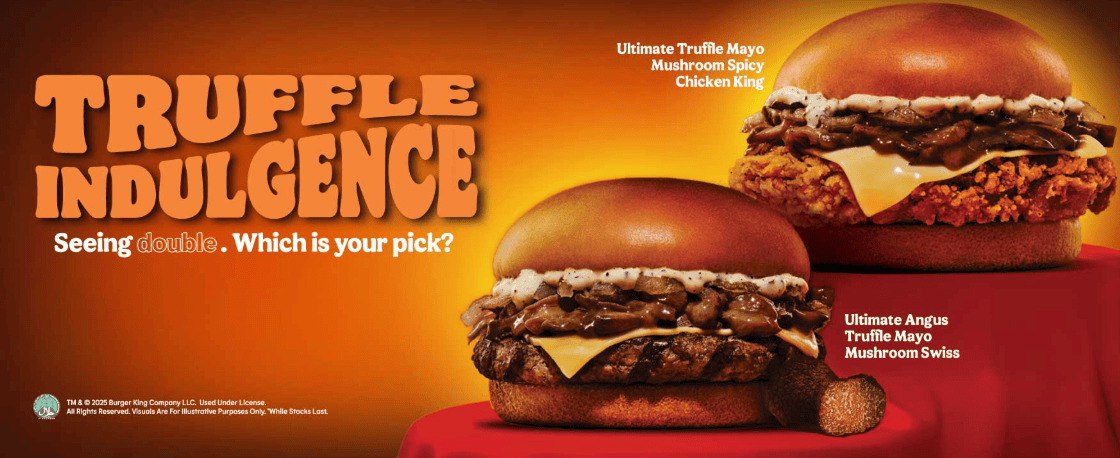
汉堡王中国,也被卖了!投过蜜雪冰城、泡泡玛特的“金主”将持股超80%
Hua Xia Shi Bao· 2025-11-11 00:49
Core Insights - CPE Yuanfeng announced a strategic partnership with Burger King to establish a joint venture named "Burger King China" with an initial investment of $350 million to support expansion and operations [1][4] - CPE Yuanfeng will hold approximately 83% of the joint venture, while Restaurant Brands International (RBI) will retain about 17% [3] - The plan aims to increase the number of Burger King outlets in China from around 1,250 to over 4,000 by 2035, with a focus on sustainable same-store growth [4] Company Overview - The transaction is expected to be completed in Q1 2026, pending regulatory approvals [5] - RBI is one of the largest fast-food service groups globally, with over $45 billion in annual system sales and more than 32,000 restaurants in over 120 countries [5] - Burger King, founded in 1954, has over 19,000 locations worldwide and entered the Chinese market in 2005 [5] Financial Performance - RBI reported Q3 2025 revenue of $2.449 billion, a 6.9% year-over-year increase, and a net profit of $315 million, up 25% [5] - Burger King's sales for the same period reached $2.96 billion, reflecting a 2.3% year-over-year growth [5] Market Context - Since RBI took full control of Burger King China in February 2025, it has invested over $100 million to accelerate localization efforts, including appointing experienced executives from the Chinese food and beverage industry [5][6] - As of now, Burger King China operates approximately 1,300 stores, serving nearly 150 million customers annually, although it has closed over 170 locations since the end of 2024 [6] Competitive Landscape - CPE Yuanfeng, established in 2008, manages over 100 billion yuan in assets and has invested in various well-known companies in the consumer services sector [6] - The recent sale of a majority stake in Starbucks' China operations to Boyu Capital highlights ongoing shifts in the competitive landscape of the restaurant industry in China [7]

