汽车

Search documents
新力量NewForce总第4982期
First Shanghai Securities· 2026-03-18 10:49
Company Overview - Tesla's current stock price is $395.56, with a market capitalization of $1.48 trillion and a total share count of 3.752 billion shares[5] - The 52-week high and low for Tesla's stock are $498.83 and $214.25, respectively[5] Production and Development - Tesla's Texas Gigafactory is preparing for the mass production of the Cybercab, with initial production targets set for several hundred units per week starting in April 2026[5] - The Optimus Gen 3 robot production is expected to begin slowly in summer 2026, with large-scale production anticipated by summer 2027, utilizing approximately 10 million square feet of factory space[6] New Projects and Innovations - Tesla and xAI are collaborating on a project called Digital Optimus, aimed at automating complex office workflows, with a user experience version expected by September 2026[7] - A new patent for wireless charging efficiency has been filed, which involves dynamic adjustments to vehicle height and position to optimize charging[8] Chip Manufacturing - Tesla's "Terafab" AI chip factory project is set to launch soon, with plans to produce 100,000 chips per month across 10 independent modules[9][11] Sales Performance - In February, Tesla delivered 58,599 vehicles, a month-over-month decrease of approximately 15% but a year-over-year increase of about 95%[15] Charging Infrastructure - Tesla has ceased production of V3 Superchargers to focus on V4 Superchargers, which will support peak charging power of 500 kW[12] - Tesla has opened its Supercharger network to non-Tesla vehicles in Malaysia, enhancing accessibility for electric vehicle owners[12] Supply Chain Issues - Tesla has extended the deadline for resolving graphite supply disputes with Syrah Resources to June 1, 2026, amid ongoing negotiations[13] Energy Business Expansion - Tesla Energy has received approval to supply retail electricity in the UK, targeting 250,000 Tesla vehicle owners and Powerwall users[14]

电池工厂里的新车发布,隐藏着吉利的“野心”
高工锂电· 2026-03-18 10:25
Core Viewpoint - The article highlights the launch of the Galaxy M7 by Geely, featuring the new Shendun Jin砖 battery, which signifies a shift in Geely's battery strategy from reliance on external suppliers to self-sufficiency and integration of battery technology into its product offerings [2][4][10]. Group 1: Product Launch and Features - Geely officially unveiled the Galaxy M7 on March 13, showcasing its new Shendun Jin砖 hybrid battery, which brings long-range capabilities to its plug-in hybrid models [2][4]. - The Shendun Jin砖 battery boasts impressive specifications, including a pure electric range of 225 km, a charging time of 15 minutes from SOC 30% to 80%, a maximum discharge rate of 21.02C, and over 4500 charge cycles [4][7]. Group 2: Safety and Performance - The Shendun Jin砖 battery is designed with a high safety profile, featuring a comprehensive protection system that exceeds national standards, including 36 extreme tests and 12 unique to Geely [5][7]. - Performance metrics include a high energy density of 192 Wh/kg and a low-temperature retention rate that outperforms competitors by 8.7% [7]. Group 3: Strategic Shift in Battery Production - Geely's previous strategy involved a dual approach of external procurement and joint ventures, but the increasing challenges in the supply chain have prompted a shift towards in-house battery production [8][9]. - The establishment of Geely's battery subsidiary, Jiyao Tongxing Energy Technology, marks a strategic transition from merely securing supply to controlling the core value chain [9][10]. Group 4: Value Creation from In-House Production - The internal battery production strategy is expected to optimize costs, accelerate technological iterations, and enhance supply chain resilience, with plans to achieve a production capacity of 70 GWh by 2027 [10]. - The Shendun Jin砖 battery not only empowers the Galaxy M7 but also aims for cross-brand compatibility within Geely's various brands, enhancing overall platform capabilities [10].



瑞达期货热轧卷板产业链日报-20260318
Rui Da Qi Huo· 2026-03-18 10:11
1. Report Industry Investment Rating - Not mentioned in the provided content 2. Core View of the Report - The weekly output of hot-rolled coils continued to decline, and the capacity utilization rate dropped to around 75%. Terminal demand rebounded, and inventory decreased slightly. Overall, the decrease in hot-rolled coil output alleviated the supply pressure. The international situation was volatile with many uncertainties, and the international oil price corrected from its high level, weakening the support for furnace materials and steel prices. Technically, the 1-hour MACD indicator of the HC2605 contract showed that DIFF and DEA were operating above the 0 axis, with green bars expanding. It is recommended to conduct short-term trading and pay attention to risk control [2] 3. Summary According to Different Categories 3.1 Futures Market - The closing price of the HC main contract was 3,310 yuan/ton, a decrease of 3 yuan; the trading volume was 1,171,958 lots, a decrease of 7,990 lots. The net position of the top 20 in the HC contract was -12,695 lots, an increase of 3,937 lots. The HC5 - 10 contract spread was -1 yuan/ton, unchanged. The HC warehouse receipt on the Shanghai Futures Exchange was 478,788 tons, an increase of 600 tons. The HC2605 - RB2605 contract spread was 170 yuan/ton, an increase of 5 yuan [2] 3.2 Spot Market - The price of 4.75 hot-rolled coils in Hangzhou was 3,320 yuan/ton, an increase of 10 yuan; in Guangzhou, it was 3,290 yuan/ton, an increase of 10 yuan; in Wuhan, it was 3,340 yuan/ton, an increase of 10 yuan; and in Tianjin, it was 3,230 yuan/ton, an increase of 10 yuan. The basis of the HC main contract was 10 yuan/ton, an increase of 13 yuan. The price difference between hot-rolled coils and rebar in Hangzhou was 30 yuan/ton, an increase of 10 yuan [2] 3.3 Upstream Situation - The price of 61.5% PB powder ore at Qingdao Port was 799 yuan/wet ton, an increase of 8 yuan. The market price of quasi-primary metallurgical coke in Hebei was 1,490 yuan/ton, unchanged. The price of 6 - 8mm scrap steel in Tangshan (tax-excluded) was 2,190 yuan/ton, unchanged. The price of Q235 billet in Hebei was 2,980 yuan/ton, unchanged. The inventory of iron ore at 45 ports was 171.918 million tons, an increase of 690,800 tons. The inventory of coke at sample coking plants was 561,000 tons, a decrease of 69,300 tons. The inventory of coke at sample steel mills was 6.8762 million tons, an increase of 160,900 tons. The inventory of billets in Hebei was 2.4051 million tons, an increase of 78,600 tons [2] 3.4 Industry Situation - The blast furnace operating rate of 247 steel mills was 78.36%, an increase of 0.67 percentage points; the blast furnace capacity utilization rate was 82.9%, a decrease of 2.40 percentage points. The weekly output of hot-rolled coils at sample steel mills was 2.9526 million tons, a decrease of 58,500 tons; the capacity utilization rate of hot-rolled coils was 75.43%, a decrease of 1.49 percentage points. The inventory of hot-rolled coils at sample steel mills was 892,800 tons, a decrease of 8,000 tons; the social inventory of hot-rolled coils in 33 cities was 3.8231 million tons, an increase of 7,000 tons. The monthly output of crude steel in China was 6.818 million tons, a decrease of 169,000 tons; the net export volume of steel was 747,000 tons, an increase of 18,000 tons [2] 3.5 Downstream Situation - The monthly output of automobiles was 1.6724 million, a decrease of 777,400; the monthly sales of automobiles was 1.8052 million, a decrease of 541,300. The monthly output of air conditioners was 21.6289 million, an increase of 6.6029 million; the monthly output of household refrigerators was 10.0115 million, an increase of 569,500; the monthly output of household washing machines was 11.975 million, a decrease of 38,000 [2] 3.6 Industry News - In February 2026, China exported 740,000 automobiles, a year-on-year increase of 75.1%; from January to February, the cumulative export was 1.53 million, a year-on-year increase of 57.9%. In February, China imported 30,000 automobiles, a year-on-year decrease of 11.6%; from January to February, the cumulative import was 70,000, a year-on-year increase of 24.7%. In February, China exported 408 ships, a year-on-year increase of 35.5%; from January to February, the cumulative export was 930, a year-on-year increase of 9.2% [2] 3.7 Key Points to Watch - The weekly output, in-plant inventory, and social inventory of hot-rolled coils on Thursday [2]
分论坛:不可或缺的汽车工业|国泰海通“远望又新峰”2026春季策略会
国泰海通证券研究· 2026-03-18 09:21
Core Viewpoint - The article discusses the upcoming 2026 Spring Strategy Conference organized by Guotai Junan Securities, focusing on various innovative technologies and investment opportunities in sectors such as robotics and automotive [3]. Group 1: Conference Agenda - The conference will feature a presentation on mass production design and application scenarios of humanoid robots by Guo Jishun, General Manager of Glanro Robotics [3]. - An analysis of the automotive industry's development from an investment perspective will be presented by Cui Chenlong, Head of Investment Department at Qianhai Kaiyuan Fund [3]. - A session on building a one-click, reliable smart low-altitude travel ecosystem will be led by Zheng Jiaxiang, Co-founder and Vice General Manager of Guangdong Gaoyu Technology Co., Ltd [3]. - The development trends of Robovans will be discussed by a representative from the relevant department [3].


日本对美出口连续三个月下降
第一财经· 2026-03-18 08:31
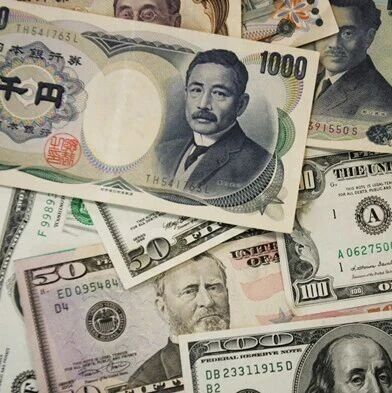
Core Viewpoint - Japan's exports to the United States have declined for the third consecutive month, primarily due to reduced shipments of pharmaceuticals, automobiles, and auto parts [1] Group 1: Export Data - In February, Japan's exports to the United States fell by 8% year-on-year, amounting to 1.75 trillion yen (approximately 11.23 billion USD) [1] - The decline in automobile exports was significant, with a year-on-year decrease of 14.8% [1]
吉利汽车(00175) - 2025 Q4 - 电话会议演示
2026-03-18 08:30
2025 ANNUAL RESULTS GEELY AUTOMOBILE HOLDINGS LIMITED ( Incorporated in the Cayman Islands with limited liability ) Stock Codes: 175 (HKD Counter) and 80175 (RMB Counter) 2026/03/18 IMPORTANT NOTICE The information contained herein is meant for presentation purposes only and may not be used and relied upon by any other party. It is not to be taken in substitution for the exercise of judgement. You shall be solely responsible for making your own independent investigation of the merits of the discussions ment ...
2月汽车销量短期调整,出口继续高增长
HONGTA SECURITIES· 2026-03-18 08:24
Investment Rating - The investment rating for the industry is "Outperform" [1] Core Insights - In February, China's automotive production and sales experienced a year-on-year decline due to factors such as holiday effects, subsidy policy adjustments, and high base comparisons. However, the commercial vehicle market continues to perform well, and automotive exports are growing rapidly. The government plans to implement more proactive fiscal policies and maintain moderately loose monetary policies to stabilize and boost automotive demand [4][12]. - In January and February 2026, automotive production and sales reached 412.2 million and 415.2 million units, respectively, with year-on-year declines of 9.5% and 8.8%. The commercial vehicle market showed a positive growth trend, while passenger vehicle production and sales saw significant declines [5][16]. - The global new energy vehicle (NEV) market saw a total of 1.18 million units sold in January 2026, a year-on-year decrease of 5.99%. In China, NEV production and sales in February were 694,000 and 765,000 units, respectively, with year-on-year declines of 21.8% and 14.2% [6][41]. Summary by Sections 1. Automotive Market - In February, China's automotive production and sales were 1.672 million and 1.805 million units, respectively, with month-on-month declines of 31.7% and 23.1%, and year-on-year declines of 20.5% and 15.2% [5][13]. - The government plans to support consumption through various financial measures, including a special bond issuance of 250 billion yuan for consumption upgrades and a 100 billion yuan fund to stimulate domestic demand [12]. - In February, automotive exports reached 672,000 units, a year-on-year increase of 52.4%, indicating strong global competitiveness [19][23]. 2. New Energy Vehicle Market - In February, NEV domestic sales were 483,000 units, a month-on-month decline of 24.9% and a year-on-year decline of 36.4%. Cumulatively, from January to February, NEV sales were 1.126 million units, down 27.5% year-on-year [53][58]. - NEV exports in February were 282,000 units, a month-on-month decline of 6.6% but a year-on-year increase of 110%. Cumulatively, NEV exports from January to February reached 583,000 units, up 106.9% year-on-year [53][58]. - The penetration rate of NEVs in February reached 42.4% of total new car sales, with a cumulative penetration rate of 41.2% from January to February [52][59]. 3. Lithium Battery Market - In February, the total production of power and energy storage batteries in China was 141.6 GWh, a month-on-month decline of 15.7% but a year-on-year increase of 41.3%. Cumulatively, from January to February, production reached 309.7 GWh, with a year-on-year growth of 48.8% [7]. - The export of power and energy storage batteries in February was 23.9 GWh, a year-on-year increase of 13.2%, accounting for 20.6% of the monthly sales [7].
汽车:2月汽车销量短期调整,出口继续高增长
HONGTA SECURITIES· 2026-03-18 08:24
Investment Rating - The investment rating for the industry is "Outperform" [1] Core Insights - In February, China's automotive production and sales experienced a year-on-year decline due to factors such as holiday effects, subsidy policy adjustments, and high base comparisons. However, the commercial vehicle market continues to perform well, and automotive exports are growing rapidly. The government plans to implement more proactive fiscal policies and maintain moderately loose monetary policies to stabilize and boost automotive demand [4][11]. - In February 2026, automotive production and sales reached 1.672 million and 1.805 million units, respectively, with month-on-month declines of 31.7% and 23.1%, and year-on-year declines of 20.5% and 15.2%. For January-February, production and sales totaled 4.122 million and 4.152 million units, with year-on-year declines of 9.5% and 8.8% [5][12]. - The export of automobiles in February showed a year-on-year increase of 52.4%, with 672,000 units exported, indicating strong global competitiveness. Cumulatively, 1.352 million units were exported in January-February, marking a 48.4% year-on-year growth [5][16]. Summary by Sections 1. Automotive Market - In February, the domestic automotive sales reached 1.133 million units, with a year-on-year decline of 32.9%. Traditional fuel vehicles accounted for 650,000 units, with a year-on-year decline of 29.9% [16][31]. - The government plans to support consumption through various financial measures, including a special bond issuance of 250 billion yuan for consumption upgrades and a 100 billion yuan fund to stimulate domestic demand [11][12]. - The share of Chinese brand passenger vehicles remains high, with a market share of 70.2% in February, despite a year-on-year decline of 0.4 percentage points [31]. 2. New Energy Vehicle Market - In February 2026, the production and sales of new energy vehicles in China were 694,000 and 765,000 units, respectively, with year-on-year declines of 21.8% and 14.2%. Cumulatively, 1.735 million and 1.71 million units were produced and sold in January-February, with year-on-year declines of 8.8% and 6.9% [46][51]. - The penetration rate of new energy vehicles reached 42.4% of total new car sales in February, and 41.2% for January-February [50][56]. - Exports of new energy vehicles in February reached 282,000 units, with a year-on-year increase of 110%, indicating strong growth potential in international markets [51]. 3. Lithium Battery Market - In February, the total production of power and energy storage batteries in China was 141.6 GWh, with a year-on-year growth of 41.3%. The cumulative production for January-February was 309.7 GWh, marking a 48.8% year-on-year increase [6]. - The export of power and energy storage batteries in February was 23.9 GWh, with a year-on-year growth of 13.2%, accounting for 20.6% of the monthly sales [6].
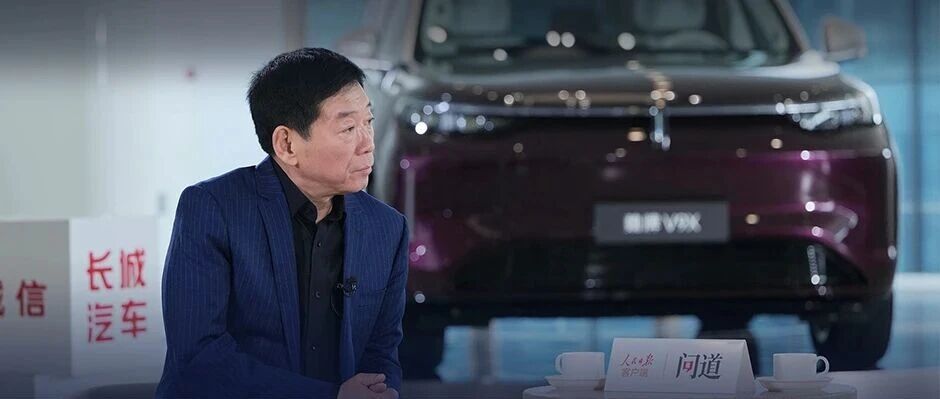
从大到强关键一跃:魏建军倡议中国汽车行业要“立信”
第一财经· 2026-03-18 08:19
Core Viewpoint - The transition of China from a major automotive power to a strong automotive nation faces significant challenges, despite its established status as the world's largest automotive producer and exporter [1][6]. Group 1: Industry Status and Challenges - China has maintained its position as the world's largest automotive producer and seller for several years, with a notable shift from meeting domestic demand to serving global markets, particularly in the electric vehicle sector [6][10]. - The automotive industry is currently experiencing intense price wars, driven by short-term performance pressures, which threaten the long-term health of the industry and compromise product quality [8][9]. - The industry's profit margins are under severe pressure, with the automotive manufacturing profit expected to decline to 4.1% in 2025, marking the lowest level since 2015 [9][10]. Group 2: Solutions and Recommendations - To address the challenges, the industry must focus on rebuilding trust and establishing a long-term perspective, moving away from price competition to value-based competition [14][23]. - Companies are encouraged to prioritize compliance and integrity, ensuring product quality and investing in research and development to regain consumer trust [16][24]. - Collaboration within the supply chain should be emphasized, fostering a cooperative environment rather than a zero-sum game, to enhance stability and resilience in the industry [16][24]. Group 3: Long-term Vision - The concept of "public trust" is highlighted as a foundational value that can guide the industry towards sustainable growth and high-quality development, aligning with national economic goals [21][24]. - The automotive sector's contribution to GDP is significant, and its public trust level directly impacts China's international manufacturing reputation [24]. - Emphasizing integrity and compliance is not merely a cost but a long-term competitive advantage that can strengthen the industry's position in the global market [24].

日本2月对华出口减少10.9%
日经中文网· 2026-03-18 08:03
Trade Balance Summary - Japan's trade balance recorded a surplus of 57.2 billion yen in February, a significant decrease of 89.8% year-on-year, marking a return to surplus after two months [1] - Exports to the United States have decreased for three consecutive months, while exports of electronic components such as chips to Asia have increased [1] Export and Import Data - February exports increased by 4.2% year-on-year, reaching a record high of 9.5715 trillion yen, marking six consecutive months of growth [3] - Imports rose by 10.2% year-on-year to 9.5143 trillion yen, with crude oil imports decreasing by 4.2% to 756.3 billion yen [3] - The average price of crude oil in USD was $65.7 per barrel, down 18.3% year-on-year, with a similar decline in yen terms [3] Country-Specific Trade Analysis - Exports to the United States amounted to 1.7528 trillion yen, a decrease of 8.0% year-on-year, influenced by tariff policies from the Trump administration, particularly affecting automobile exports which fell by 14.8% to 470.6 billion yen [3] - The average unit price of exported vehicles decreased by 10.6% to 4 million yen, continuing a 12-month decline [3] - Exports to China decreased by 10.9% to 1.3696 trillion yen, marking a decline after three months, with reductions in semiconductor manufacturing equipment and plastics [3] - Imports from China surged by 35.4% to 2.3368 trillion yen, influenced by differences in holiday schedules affecting logistics and factory operations [3]